博客

  • Speed of Amorim’s exit from Man Utd stuns Neville

    Speed of Amorim’s exit from Man Utd stuns Neville

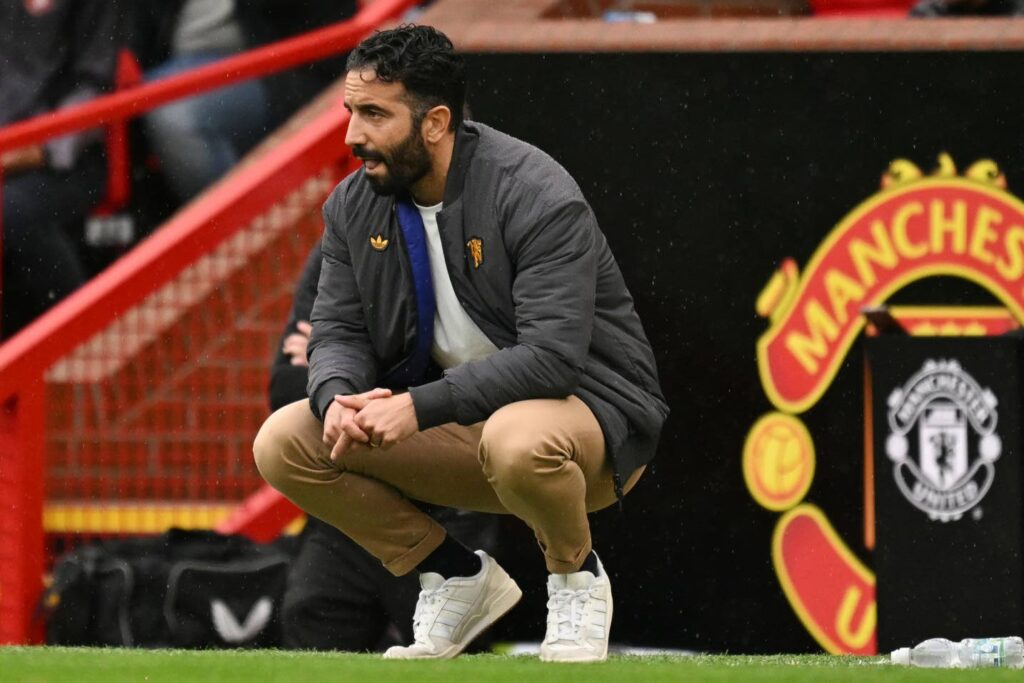
    LONDON, England — Manchester United has terminated the contract of manager Ruben Amorim in a sudden Monday dismissal that has sent shockwaves through English football. The Portuguese coach’s departure comes after a mere 14 months at the helm, with the club languishing in sixth position in the Premier League standings.

    The decisive action followed a series of disappointing results, including a recent draw against Leeds United and a particularly damning 1-1 stalemate with last-place Wolverhampton Wanderers at Old Trafford. Statistical analysis reveals Amorim exits with the poorest win record (31.9%) among all seven managers who have attempted to fill the void since legendary Sir Alex Ferguson’s departure in 2013.

    The dismissal culminates escalating tensions between Amorim and club management, particularly Director of Football Jason Wilcox. The situation reached a boiling point during a remarkable post-match press conference after the Leeds game, where Amorim pointedly differentiated himself as “the manager” rather than “just the coach,” and publicly challenged the scouting department and Wilcox to “do their job.”

    Prominent football pundit and former United defender Gary Neville expressed astonishment at the timing of the decision, stating: “I am surprised it’s happened this morning. I didn’t realise it would happen so quickly. The Wolves game seems to me to be the killer game—it was a bad one.” Neville characterized managerial dismissals as “a poor reflection on everybody” that ultimately leaves all parties worse off.

    Echoing this sentiment, former England striker Gary Lineker described Manchester United as a “basket case” organization on his podcast, suggesting Amorim was fundamentally mismatched to the role. “It didn’t seem to be the right fit and he was a bit stubborn about the way he wanted to play,” Lineker analyzed, adding that club leadership failed to provide adequate support in player recruitment.

    Despite the contentious departure, United defender Harry Maguire struck a conciliatory tone on Instagram, posting a photograph with the former manager alongside the message: “Thank you for everything boss. I wish you all the best in the future.”
  • Consistent Tapit Good secures 4th career win

    Consistent Tapit Good secures 4th career win

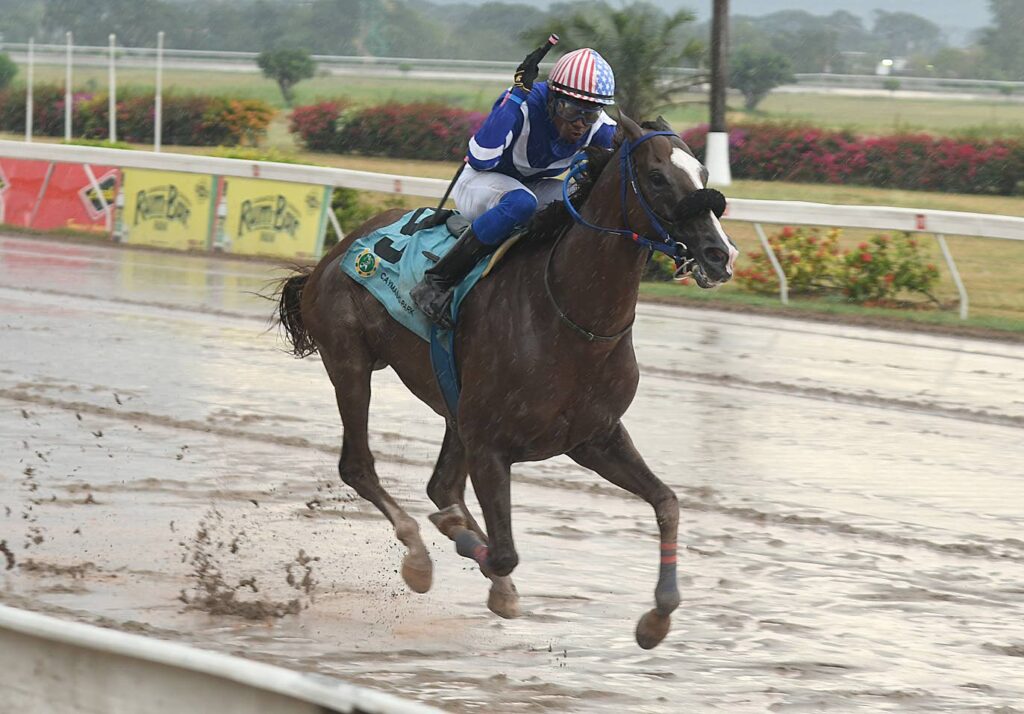
    In a display of racing excellence, the seven-year-old chestnut gelding Tapit Good captured his fourth career victory on Thursday, January 1, 2026, demonstrating that perseverance yields rewards. Competing in the sixth race at the track, the David Powell-conditioned horse ended a streak of three consecutive runner-up finishes with a commanding performance.

    Tapit Good dominated Division II of the three-year-old and upward Optional Claiming event ($500,000-$400,000), specifically for six-year-olds and upward non-winners of four races and native-bred five-year-olds non-winners of three. Under jockey Shaheem Gordon, the veteran competitor covered the five-furlong straight course with authority, ultimately crossing the finish line four lengths clear of his nearest rival.

    The race began with an evenly matched break, seeing Tapit Good initially contend with challengers including Golden Syrup (ridden by Richie Shakes), Princess Ifiyah (Shavon Townsend), Radam (Tyrese Anderson), Jaguar (Christopher Mamdeen), and Magical Mood (Emelio McLean). However, as the field passed the dummy rails, Tapit Good asserted his superiority, seizing control of the pace and steadily increasing his lead. The gelding maintained his advantage effortlessly, cruising to a comfortable victory without pressure in the final stages.

    Papa Gray, piloted by Phillip Parchment, secured second position, while First Offense, with Dane Dawkins aboard, completed the top three. This win marks a significant milestone for Tapit Good, who now boasts four wins from 45 lifetime starts, highlighting his consistency and competitive spirit in high-level claiming events.

  • Don’t rest on gains

    Don’t rest on gains

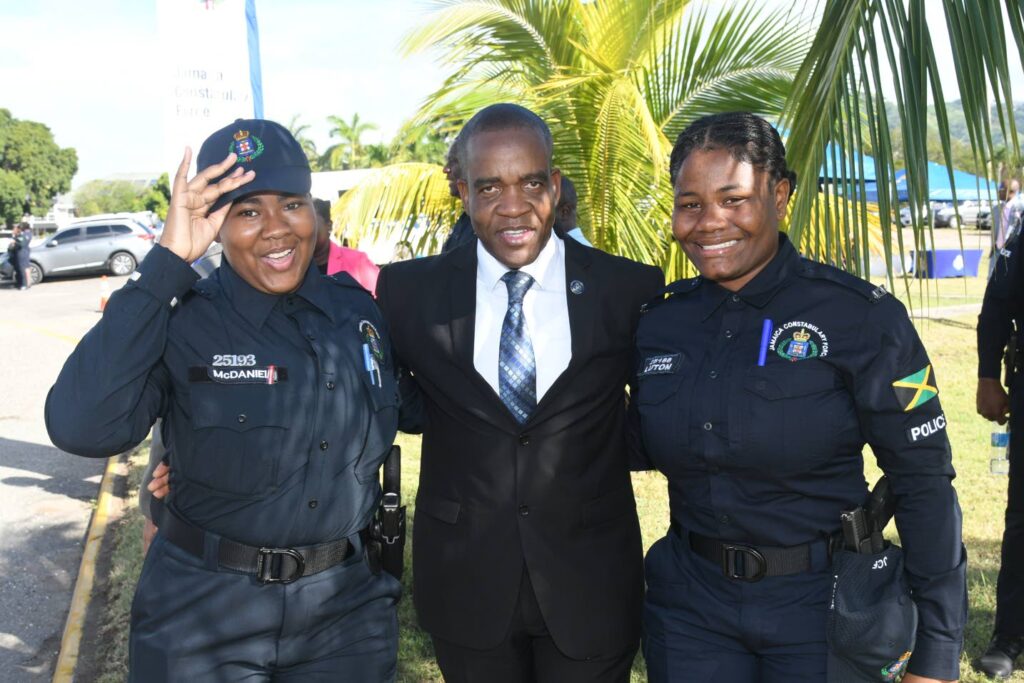
    Jamaica’s Police Commissioner Dr. Kevin Blake has issued a compelling call for enhanced community engagement within the Jamaica Constabulary Force (JCF), emphasizing that historic crime reductions must be reinforced through strengthened public trust. Speaking at Monday’s Commissioner’s Annual Devotion ceremony, Blake cautioned against complacency despite the force achieving the nation’s lowest homicide rate since 1993.

    The event, themed ‘Strengthening Our People, Strengthening Our Bonds, Strengthening Jamaica,’ served as both reflection and roadmap as Blake outlined strategic priorities for 2026. While acknowledging the JCF’s record-breaking performance—673 murders recorded in 2025 representing a dramatic decline from previous years—the commissioner insisted statistical success alone cannot define meaningful progress.

    Blake articulated that national security fundamentally originates from human connections rather than institutional resources. ‘Trust is not built by force, but through relationships,’ he stated, emphasizing that every police-citizen interaction contributes to the broader social fabric. The commissioner attributed recent crime reductions to improved operational effectiveness, internal reforms, and community collaboration, but warned these gains remain fragile without sustained relational investment.

    Looking ahead, Blake established three core objectives: enhanced officer well-being and professional development, strengthened internal and external partnerships, and expanded recognition of policing’s role in national development. He highlighted the extraordinary physical, emotional, and psychological demands of police work, asserting that officer wellness directly correlates to service quality.

    The commissioner specifically cautioned against uneven reform implementation, urging consistent trust-building measures across all communities rather than selected divisions. He framed the coming year as an opportunity to transition ‘beyond momentum and into maturity,’ where institutional strength becomes sustainable through deepened relationships and elevated service standards.

    Blake concluded with a call for unified purpose: ‘Let us draw inspiration from progress already made but not become complacent. With God as our refuge and strength, and with one another as partners, we can continue building a safer, more peaceful, and more confident Jamaica.’

  • Sykes on the warpath

    Sykes on the warpath

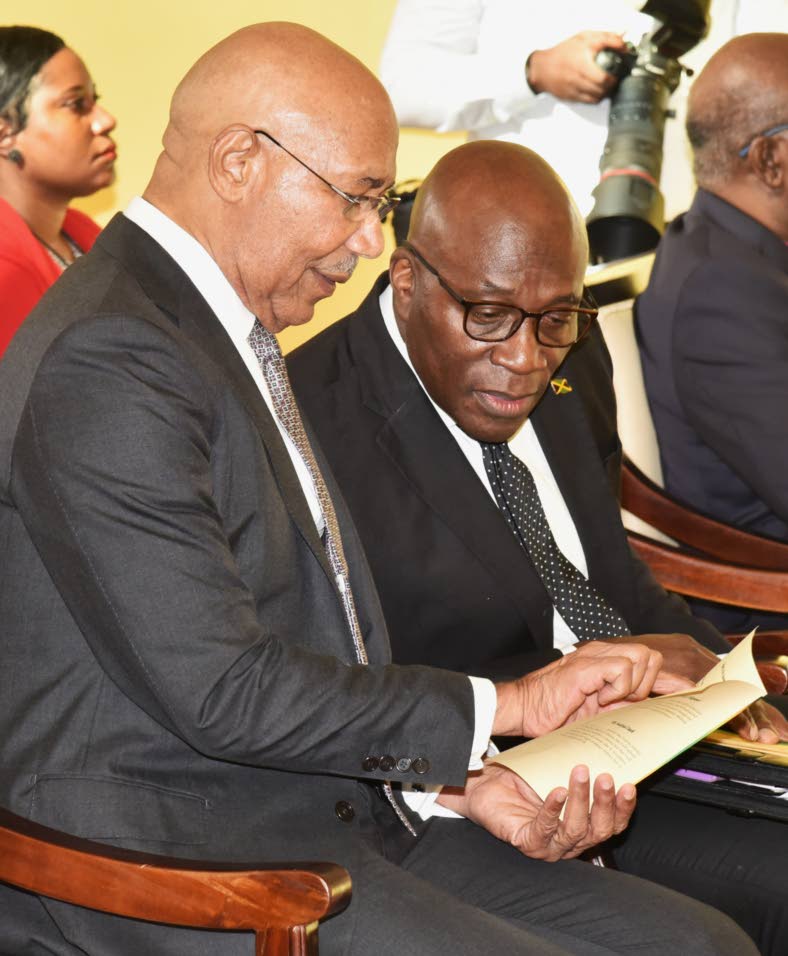
    In a striking address during Monday’s judicial swearing-in ceremony at King’s House in St. Andrew, Chief Justice Bryan Sykes delivered a blistering critique of Jamaica’s deteriorating court infrastructure and systemic inefficiencies plaguing the justice system. Speaking with unusual candor, Justice Sykes challenged the island’s political leadership to experience firsthand the substandard working conditions that judges and court staff endure daily.

    The Chief Justice pointedly remarked that aside from the recently refurbished Court of Appeal building in downtown Kingston, no Jamaican court facility meets standards that Justice Minister Delroy Chuck or Permanent Secretary Grace Ann Stewart McFarlane would willingly occupy. Drawing on biblical principles of reciprocity, Sykes emphasized that those allocating resources should consider whether they themselves would work under such conditions.

    Despite these challenges, Sykes highlighted extraordinary efforts by judiciary personnel, particularly at Kingston’s Traffic Court, where judges have been working evenings until 8:00 or 9:00 PM and weekends to eliminate case backlogs. Their dedication has positioned the Traffic Court to become ‘backlog-free’ for the first time in memory—a remarkable achievement given the facility’s limitations.

    The Chief Justice revealed that expansion plans for the South Camp Road court building had been halted after engineers discovered the existing structure couldn’t support an additional floor. He warned that temporary accommodations consistently become permanent solutions, citing the Family Court in western Jamaica where staff who joined fresh from high school have now reached retirement age while still operating from a plaza.

    Budgetary autonomy emerged as a central concern, with Sykes questioning why the justice ministry maintains control over significant portions of the judiciary’s budget despite earlier promises of reform. This control affects practical matters like power supply, where the ministry’s insistence on solar power alone—without backup generators—ignores practical realities demonstrated during Hurricane Melissa last October, when generators proved essential after solar panels sustained damage.

    Despite these systemic challenges, Sykes celebrated the judiciary’s achievements: parish courts maintain under three percent net backlog, the Court of Appeal delivers 56 judgments for every 10 reserved, and structural reforms are underway in Supreme Court registries with Finance Ministry support. These changes will implement a docket system where judges, masters, and staff work in dedicated case management teams.

    The ceremony saw several judicial promotions: Justices Lorna Shelly Williams and Caroline Tie Powell to act as Court of Appeal judges; Chief Parish Court Judge Chester Crooks and Judge Kamar Henry Anderson to act as Supreme Court puisne judges; and Christine McNiel and Yvette Miller appointed acting masters-in-chamber. These acting positions extend through March 27, 2026.

  • ‘NO WAR ON ATHLETES’

    ‘NO WAR ON ATHLETES’

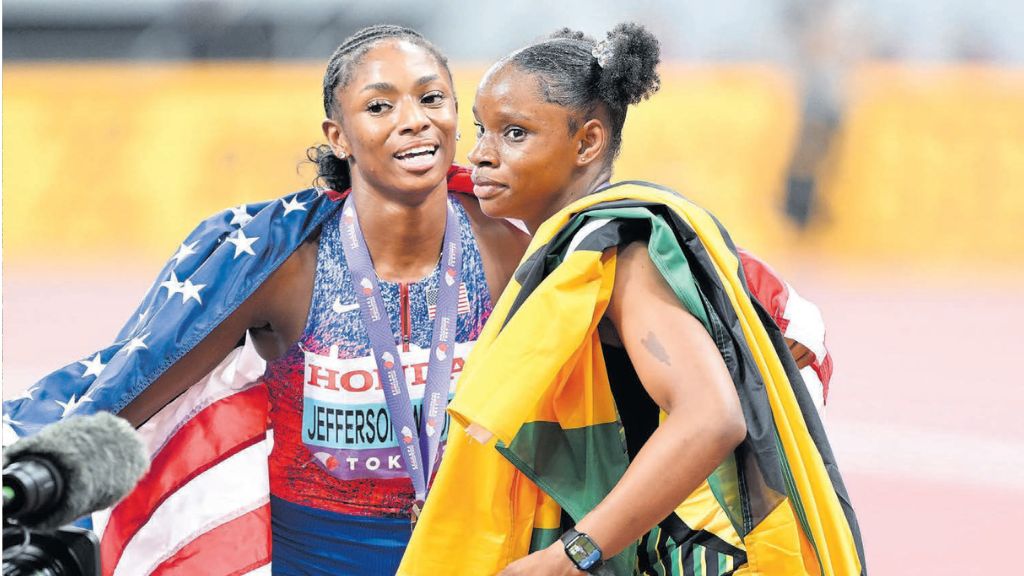
    Amid escalating geopolitical tensions between the United States and Venezuela, Jamaica Olympic Association President Christopher Samuda has issued a compelling appeal to international sporting federations, urging them to shield American athletes from potential sanctions resulting from political conflicts.

    The diplomatic crisis emerged following US military operations in Venezuela that resulted in the capture of President Nicolas Maduro, who subsequently appeared in New York courts pleading not guilty to unspecified charges. President Trump’s administration has since extended military threats toward multiple nations including Colombia, Mexico, Iran, and Greenland, drawing comparisons to Russia’s 2022 invasion of Ukraine.

    This geopolitical landscape raises concerns about potential repercussions in the sporting world. Russia’s ongoing conflict with Ukraine prompted indefinite bans from international competitions including the Olympic Games, FIFA, and World Athletics. Historical precedents show that nations like South Africa, Iraq, Belarus, and Libya have faced similar sporting sanctions during periods of military aggression.

    Samuda articulated a principled stance emphasizing that athletes should never bear consequences for political actions beyond their control. “Athletes are not architects of war; they do not make war and therefore should never be considered as pawns in any political matrix of war,” he stated emphatically.

    The JOA president further emphasized the professional and personal dimensions of athletic careers, noting that competition represents both livelihood and national duty for competitors. “We must be sensitive to athletes who have families and responsibilities while representing their countries,” Samuda added, highlighting the human impact of potential sporting sanctions.

    Calling for stronger mechanisms to insulate sports from political interference, Samuda warned that increasing political intrusion requires developed frameworks at both national and global levels. His comments come as the United States prepares to host two premier international sporting events: the upcoming FIFA World Cup and the 2028 Los Angeles Olympic Games.

    The sporting world now faces critical questions about maintaining the separation between athletic competition and geopolitical conflicts, with Samuda’s intervention adding weight to the ongoing debate about protecting athletes from political fallout.

  • BEL Sends Second Crew to Jamaica Post-Hurricane Melissa

    BEL Sends Second Crew to Jamaica Post-Hurricane Melissa

    A second contingent of specialized power line technicians from Belize Electricity Limited (BEL) has arrived in Jamaica to reinforce ongoing restoration initiatives following the catastrophic impact of Hurricane Melissa. The team, which departed Belize on Sunday, is collaborating with Jamaica Public Service Company Limited—the nation’s exclusive electricity distributor—to rehabilitate severely damaged infrastructure.

    This deployment marks the continuation of a regional support program initiated in November 2025, following the return of BEL’s initial technical crew that completed its assignment in December. The current mission is spearheaded by Technical Supervisor Jeremy Jex and comprises seasoned technicians Gregory Kerr, Brian Gentle, Emry Gill, Owen Nolberto, Paul McCalla, and Andres Catch.

    The collaborative effort operates under the coordination framework of the Caribbean Electric Utility Services Corporation (CARILEC), which facilitates mutual assistance among regional power providers during emergencies.

    Hurricane Melissa made landfall in Jamaica on October 28, 2025, as a Category 5 hurricane with sustained winds surpassing 180 miles per hour. The storm inflicted unprecedented destruction across residential, commercial, and critical infrastructure sectors, with particular severity to the national power grid. Preliminary damage assessments indicate financial losses ranging between $8 billion and $15 billion USD, reflecting one of the most devastating natural disasters in recent Caribbean history.

  • Former UN ambassador, Crispin Gregoire: CARICOM must find its voice amid Venezuela crisisis

    Former UN ambassador, Crispin Gregoire: CARICOM must find its voice amid Venezuela crisisis

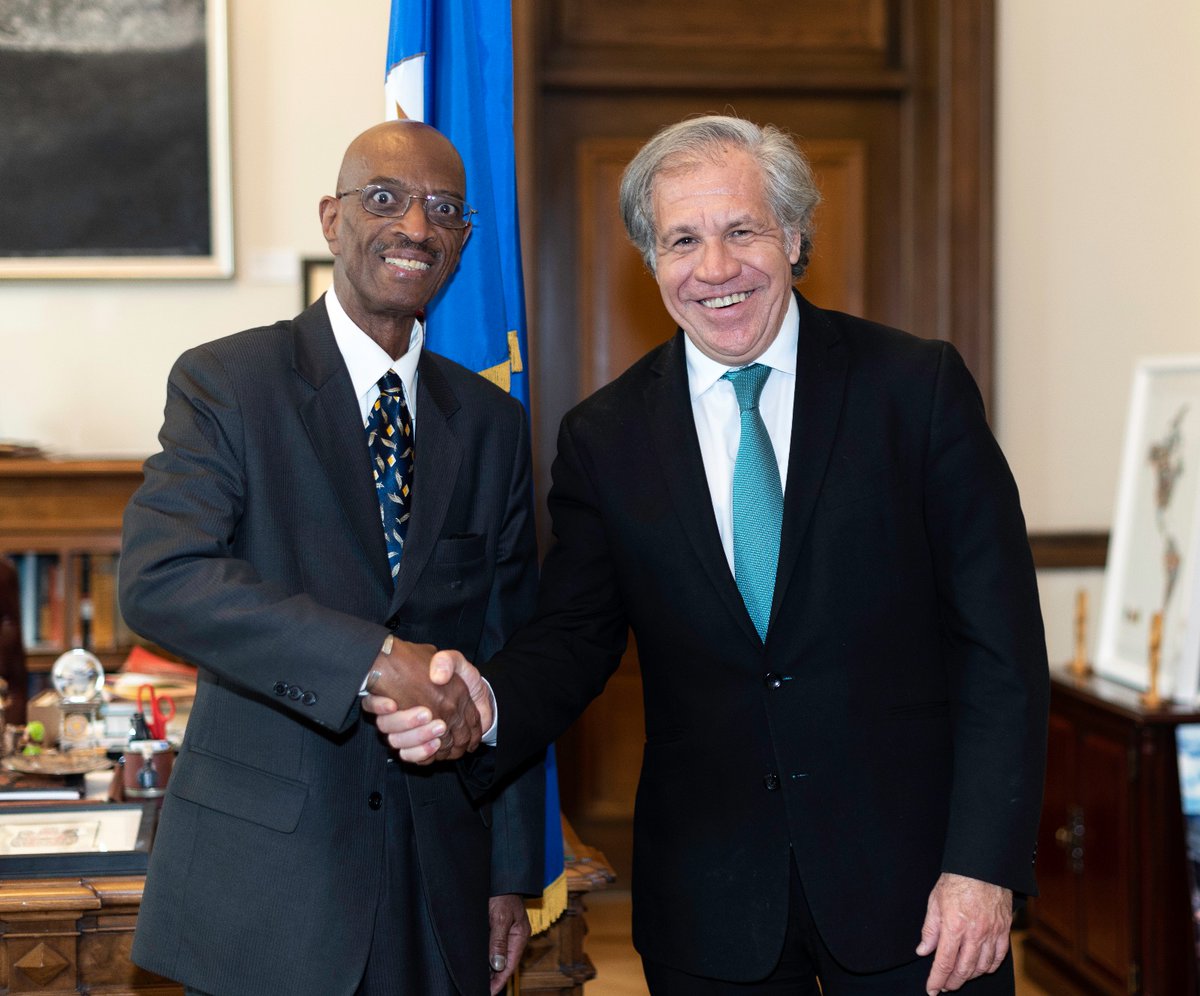
    In a striking development that has sent shockwaves through international diplomatic circles, former Dominican UN Ambassador Crispin Gregoire has issued an urgent appeal for Caribbean Community (CARICOM) leaders to break their silence regarding Venezuela’s escalating political crisis. This follows the dramatic capture of President Nicolás Maduro by U.S. forces in what Gregoire describes as a meticulously executed operation that has left Venezuela’s military and political establishment in disarray.

    Gregoire, expressing profound disappointment with what he characterizes as the region’s ‘timid’ response, emphasized that Caribbean leaders must demonstrate unity and engage directly with Washington during this critical juncture. The former ambassador revealed astonishing operational details, indicating that U.S. intelligence had successfully penetrated Maduro’s innermost security circle, allegedly relocating family members of his personal guards to the United States under new identities prior to the operation.

    The actual extraction, conducted by Delta Force operatives, reportedly unfolded with military precision—completing Maduro’s seizure along with his wife within a remarkable twelve-minute window. This operation has triggered profound legal and political questions regarding sovereignty violations and the bypassing of conventional diplomatic protocols.

    Maduro now confronts an extensive 700-page indictment in U.S. courts that portrays him as a central figure in international drug trafficking networks. Gregoire drew compelling parallels to the case of Panama’s Manuel Noriega, raising fundamental questions about the legitimacy of trying a foreign head of state apprehended under such controversial circumstances.

    The ambassador further highlighted the severe destabilization risks within Venezuela, where armed factions including Colombian groups and Maduro’s colectivos militia remain heavily armed and operational. Compounding regional concerns are emerging reports suggesting possible connections between Caribbean politicians and Maduro’s alleged narcotics network, with recent cocaine seizures in Dominica and investigations into energy officials fueling speculation about regional involvement.

    Gregoire’s central argument maintains that CARICOM’s continued silence represents a dangerous abdication of regional leadership that could ultimately compromise the Caribbean’s political sovereignty and international standing. He criticized regional leaders for what he perceives as their subdued response to the Trump administration’s actions, suggesting they have been ‘whipped into submission’ for political survival.

    This crisis transcends Venezuela’s immediate future, presenting a critical test of the Caribbean’s ability to assert its geopolitical interests amid great power intervention. Gregoire’s statement serves as a potent reminder that in moments of international upheaval, neutrality carries significant consequences.

  • China underscores willingness to deepen ties with Venezuela

    China underscores willingness to deepen ties with Venezuela

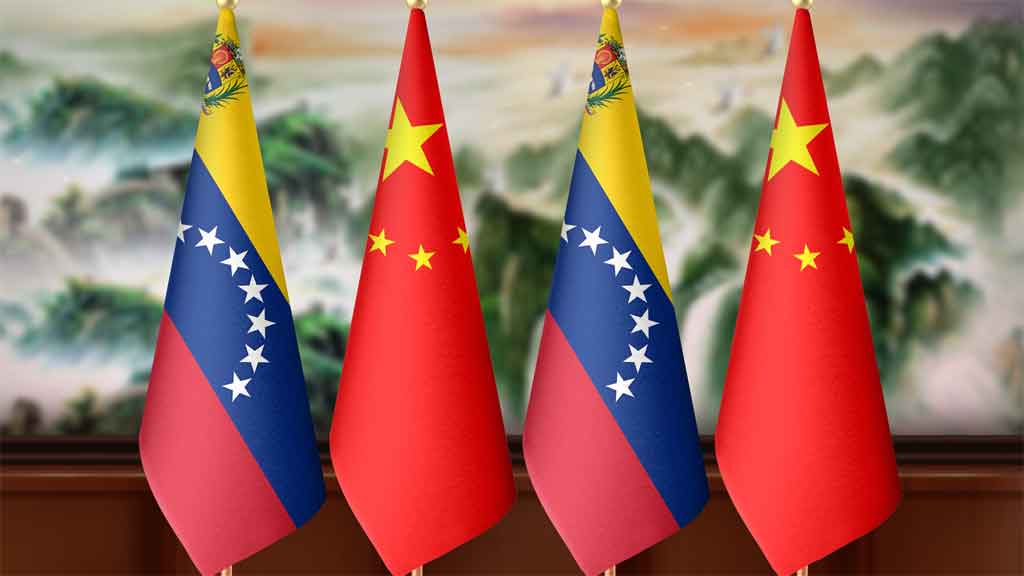
    In a firm diplomatic stance, China has denounced recent U.S. military operations in Venezuela while reaffirming its strategic partnership with the South American nation. Foreign Ministry Spokesperson Lin Jian declared that China’s legitimate interests in Venezuela would be legally protected, emphasizing Beijing’s commitment to international law and sovereign equality.

    The Chinese government expressed strong condemnation of what it termed the ‘abduction’ of Venezuelan President Nicolas Maduro and First Lady Cilia Flores following U.S. military airstrikes. Spokesperson Lin reiterated China’s position of respecting Venezuela’s sovereignty and independence, expressing confidence that Caracas would manage its internal affairs in accordance with its constitutional framework.

    Foreign Minister Wang Yi articulated Beijing’s rejection of unilateralism in international relations, explicitly criticizing the concept of any nation assuming the role of ‘world policeman’ or acting as a global judiciary. This statement reflects China’s broader foreign policy approach that prioritizes multilateralism and non-interference in sovereign states’ domestic affairs.

    The bilateral relationship between China and Venezuela was characterized as an ‘unwavering strategic partnership’ with comprehensive cooperation across multiple sectors including energy, infrastructure, and finance. This longstanding alliance has involved significant Chinese investment in Venezuela’s oil industry and development projects.

    Beijing has formally called upon the United States to immediately release President Maduro and his wife while ceasing what China describes as attempts to destabilize Venezuela’s constitutional order. The statement represents one of the most direct confrontations between Beijing and Washington regarding Western Hemisphere affairs in recent years.

  • AU prepares for Assembly of Heads of State and Government

    AU prepares for Assembly of Heads of State and Government

    The African Union (AU) has officially disclosed the comprehensive timeline for its forthcoming leadership summit, with high-level assemblies scheduled to culminate in February 2026. The detailed agenda was formally announced through the continental body’s official social media channels.

    The preparatory phase will commence with the 51st Ordinary Session of the Permanent Representatives’ Committee, convening from January 12 to 30. This crucial preliminary meeting will assemble ambassadors from member states alongside senior AU officials. Their primary mandate involves conducting thorough analyses of draft reports and meticulously formulating the agenda for the subsequent Executive Council session.

    Following this diplomatic groundwork, the 48th Ordinary Session of the Executive Council is slated for February 11-12. This ministerial-level gathering will bring together foreign ministers and other designated high-ranking officials from across the continent. The Council’s agenda focuses on substantive discussions regarding issues forwarded from the preparatory committee, alongside critical evaluations of policy implementation measures previously ordained by the Assembly. Participants will also dedicate significant effort to crafting detailed session agendas and drafting formal decisions for higher-level consideration.

    The entire process will reach its apex with the 39th Ordinary Session of the Assembly of Heads of State and Government on February 14-15, 2026. This premier gathering of African leaders represents the highest decision-making organ within the AU structure, where heads of state will convene to deliberate on and ultimately ratify decisions shaping the continent’s strategic direction.

  • Sri Lanka condemns US kidnapping of Maduro as piracy

    Sri Lanka condemns US kidnapping of Maduro as piracy

    The Communist Party of Sri Lanka (CPSL) has issued a strong condemnation of military actions targeting Venezuela, drawing explicit parallels to historical interventions by the United States. In a formal statement, the party characterized recent operations involving the deliberate bombing of civilian infrastructure as severe violations of international law that meet the criteria for war crimes.

    The CPSL analysis highlighted that these operations primarily targeted facilities essential to the daily lives and well-being of Venezuelan citizens, resulting in civilian casualties and creating severe humanitarian hardship. The party’s statement noted a ‘disturbing resemblance’ between these tactics and the systematic destruction of civilian infrastructure carried out in Iraq prior to the 2003 invasion.

    Contextualizing current events within broader historical patterns, the Sri Lankan political party referenced previous acts including the 2004 kidnapping of Haitian President Jean-Bertrand Aristide and the 1961 assassination of Patrice Lumumba, Prime Minister of the Democratic Republic of Congo. The CPSL framed these actions as part of a consistent pattern of imperialist objectives historically pursued by the United States to seize natural resources and wealth from sovereign nations.

    The party reiterated its firm rejection of these interventions and expressed unwavering solidarity with the Venezuelan people, praising their continued resistance against foreign interference and their defense of national sovereignty. The statement concluded by emphasizing the need for international accountability for actions that violate established international legal standards.