博客

  • Parlementaire commissie volgt Caricom-standpunt over Venezuela

    Parlementaire commissie volgt Caricom-standpunt over Venezuela

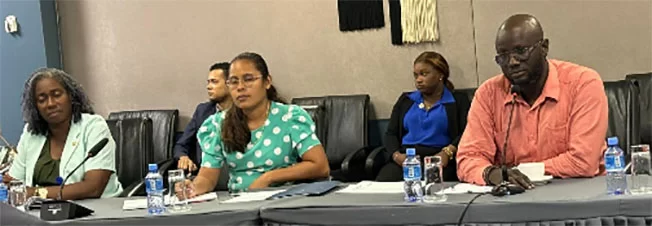
    Suriname’s Parliamentary Standing Committee for Foreign Affairs has endorsed the government’s decision to maintain alignment with the Caribbean Community (CARICOM) regarding the Venezuela situation rather than adopting an independent national position. Foreign Minister Melvin Bouva emphasized during Monday’s committee hearing that Suriname will uphold the collective stance of the regional bloc while continuously monitoring developments in the neighboring nation.

    Committee Chairman Ebu Jones confirmed that discussions with Minister Bouva highlighted the critical importance of safeguarding Suriname’s national interests within international decision-making frameworks. “Suriname must remain vigilant. Our strength derives from established international norms,” Jones stated in an interview with Starnieuws.

    The Ministry of Foreign Affairs has acknowledged recent statements by Delcy Rodríguez, Venezuela’s interim president, who appealed to the international community—particularly U.S. President Donald Trump—to collaborate on Venezuela’s development and future prospects.

    Regarding citizen safety, officials confirmed that three Surinamese nationals are officially registered in Venezuela, with one additional individual employed at Suriname’s diplomatic mission. Minister Bouva assured the committee that all Surinamese citizens in Venezuela currently reside in secure circumstances.

    The government has also developed contingency plans addressing potential increases in Venezuelan migration toward Suriname. Minister Bouva committed to ongoing consultations with the parliamentary committee to regularly assess evolving developments in Venezuela and their regional implications.

  • Boys told to return phone allegedly stolen at Twist Mall

    Boys told to return phone allegedly stolen at Twist Mall

    Security camera footage from Twist Mall has captured public attention after being circulated online, showing two unidentified boys allegedly involved in the theft of a mobile device. The video publication was accompanied by a direct appeal urging the minors or their guardians to promptly return the property to avoid potential escalation.

    The social media post containing the surveillance material explicitly warned that failure to return the phone could result in formal legal proceedings being initiated. Despite the serious allegations and public circulation of the evidence, local law enforcement agencies have not yet confirmed the incident or released any official statements regarding the investigation.

    This situation highlights growing concerns about retail security and the ethical implications of publicly sharing surveillance footage involving minors before official investigations conclude. Mall management has remained silent on their security protocols and the decision to publicly release the footage rather than immediately involving authorities.

    The incident has sparked discussions about proper procedures for handling alleged theft cases involving juveniles and the balance between public shaming and legal due process in addressing petty crimes within retail environments.

  • Dominican attorney criticizes refugee agreement with United States

    Dominican attorney criticizes refugee agreement with United States

    A significant diplomatic development has ignited intense debate in Dominica as Prime Minister Roosevelt Skerrit’s administration faces sharp criticism over a recently announced refugee agreement with the United States. The arrangement, revealed during a January 5th press conference, establishes Dominica as a host nation for third-country refugees whom the US cannot repatriate to their countries of origin.

    Prime Minister Skerrit characterized the agreement as the product of meticulous negotiations with the US State Department, emphasizing enhanced bilateral relations and protection of Dominican citizens’ access to travel, education, and employment opportunities. “This carefully considered arrangement demonstrates Dominica’s commitment to being a reliable partner to the United States while ensuring national security remains uncompromised,” Skerrit stated.

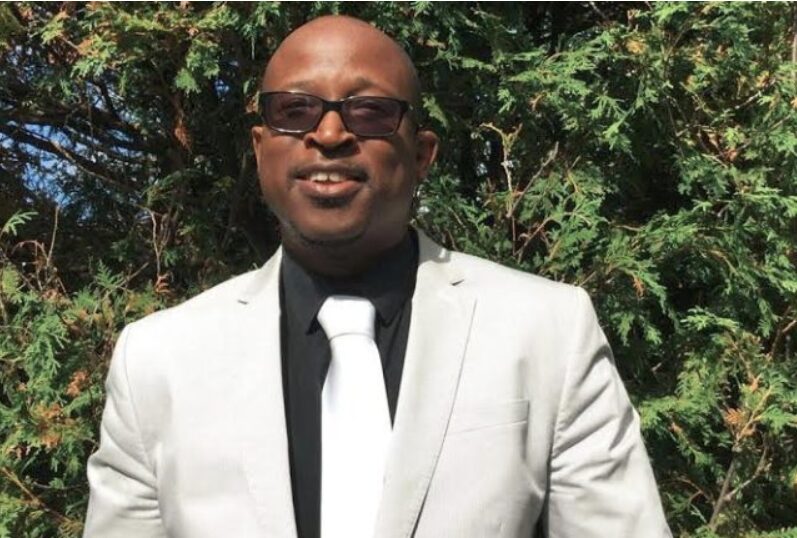
    However, Dominican attorney Cabral Douglas, currently based in Australia, has launched a formidable critique against the agreement. Douglas contends that accepting individuals with no established connections to Dominica or the Caribbean region violates the nation’s immigration laws and represents an alarming erosion of parliamentary oversight. “This agreement bypasses legislative approval and effectively surrenders control of our borders,” Douglas asserted.

    Douglas further connected the refugee arrangement to broader concerns regarding Dominica’s Citizenship By Investment Programme, which he claims has already generated international repercussions including visa restrictions from the United Kingdom and suspended US visa applications. “The cumulative effect of these policies makes daily life increasingly challenging for ordinary Dominicans while undermining our national sovereignty,” he explained.

    The attorney raised practical concerns regarding integration challenges, housing shortages, strain on public services, and language barriers that might accompany refugee resettlement. He called upon citizens to reevaluate the government’s leadership approach, characterizing the agreement as part of a pattern of disregarding democratic processes.

    The controversy highlights the complex balance small nations must strike between fostering international partnerships and preserving national autonomy, setting the stage for continued political discourse regarding Dominica’s foreign policy direction.

  • Prime Minister Browne Welcomes Zimbabwe’s New Ambassador During Courtesy Call

    Prime Minister Browne Welcomes Zimbabwe’s New Ambassador During Courtesy Call

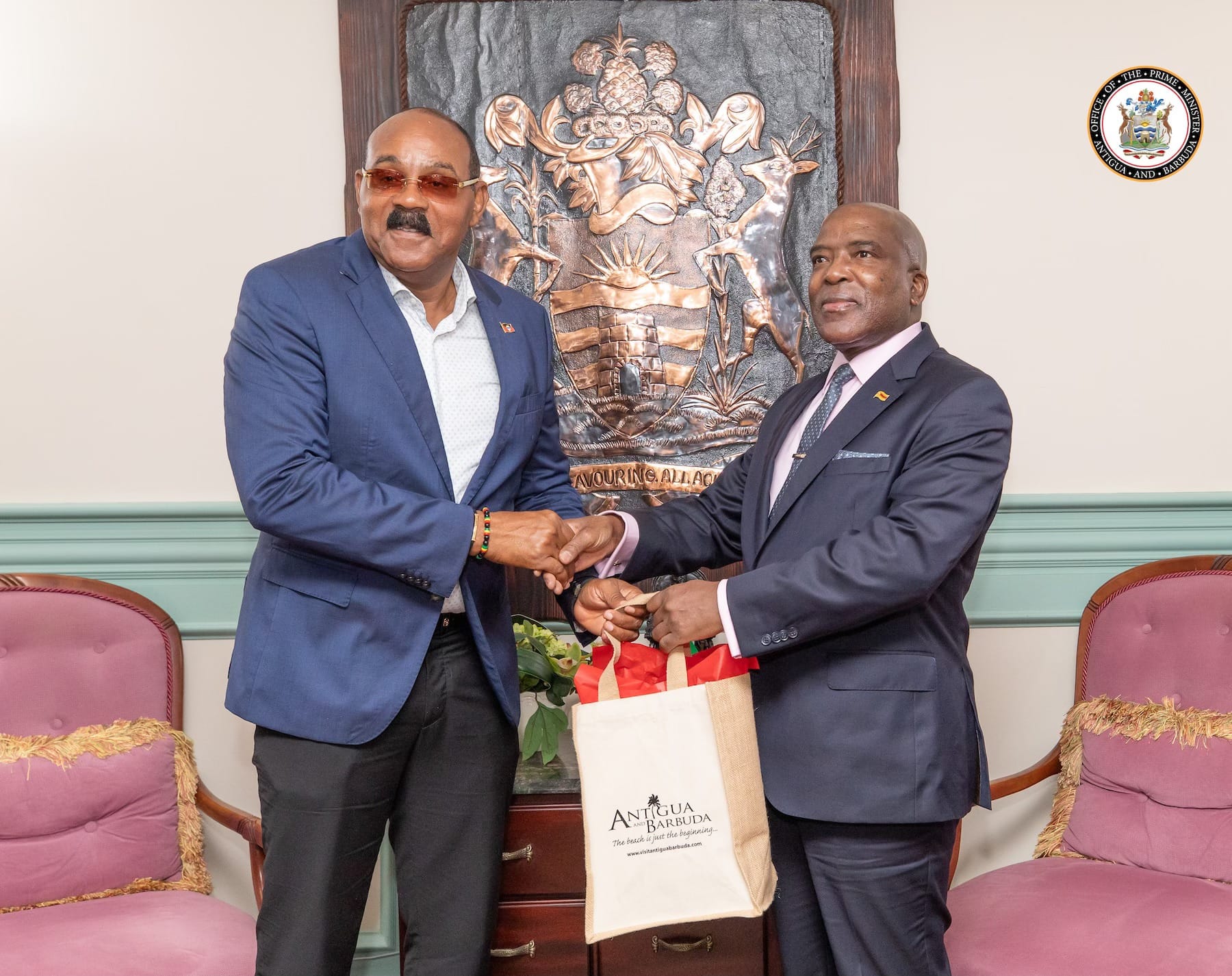
    In a significant diplomatic development, Prime Minister Gaston Browne of Antigua and Barbuda hosted Zimbabwe’s newly appointed Ambassador, Cecil Chinenere, at the Prime Minister’s Office on Tuesday. The high-level meeting marked a pivotal step toward enhancing bilateral cooperation between the Caribbean nation and the African republic, with both parties expressing strong commitment to mutual priorities.

    Prime Minister Browne extended warm congratulations to Ambassador Chinenere on his diplomatic appointment, expressing optimism that the encounter would catalyze deeper relations between their nations. The leadership discussed concrete mechanisms for structured collaboration, including the establishment of a Joint Consultative Committee that would institutionalize their partnership.

    The dialogue revealed remarkable alignment on critical global issues, with both nations reaffirming their shared stance on climate justice, reparations, and enhanced South-South cooperation. Prime Minister Browne emphasized the strategic importance of African-Caribbean unity in achieving equitable representation within international institutions, particularly the United Nations.

    Significant practical measures were proposed during the discussions, including the potential appointment of Honorary Consuls to facilitate cost-effective diplomatic and economic engagement. The Prime Minister also addressed Zimbabwe’s interest in rejoining the Commonwealth, indicating Antigua and Barbuda’s support for their re-admission and extending an invitation for President Emerson Mnangagwa to attend the upcoming Commonwealth Heads of Government Meeting hosted by Antigua and Barbuda later this year.

    Ambassador Chinenere conveyed presidential greetings from Zimbabwe and acknowledged the welcoming reception, emphasizing his nation’s dedication to building partnerships that elevate living standards through sectoral cooperation. The discussions also touched upon recent advancements in direct air connectivity between Africa and the Caribbean, highlighting tangible progress in regional integration.

    The Government of Antigua and Barbuda reaffirmed its leadership role in fostering Africa-Caribbean connectivity and anticipates continued engagement with Zimbabwe to advance shared objectives in development, resilience, and strengthened global representation for both regions.

  • Prime Minister Roosevelt Skerrit clarifies Dominica’s position on allegations of regional Venezuelan trafficking network

    Prime Minister Roosevelt Skerrit clarifies Dominica’s position on allegations of regional Venezuelan trafficking network

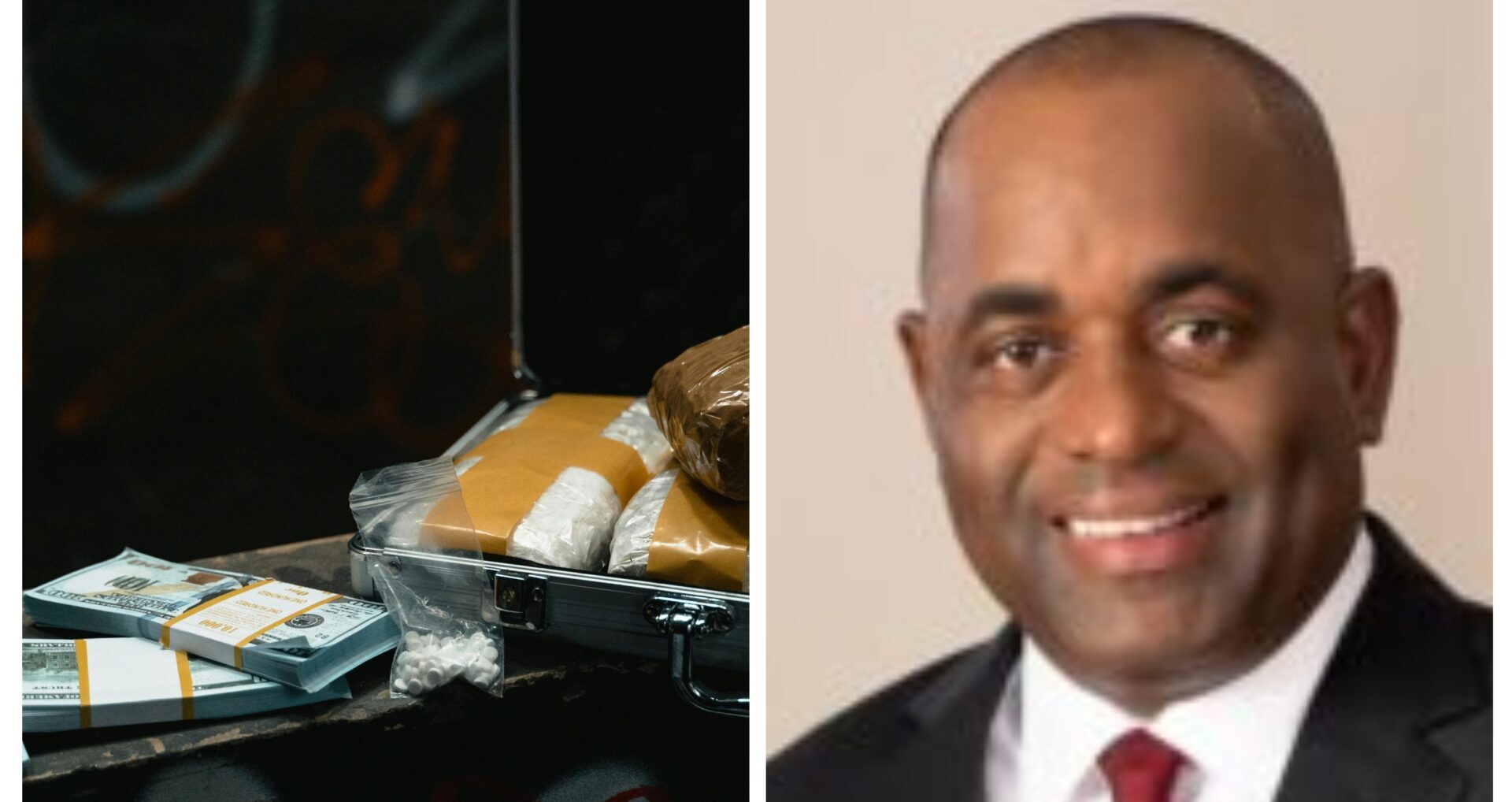
    Prime Minister Roosevelt Skerrit has issued a forceful denial of Dominica’s involvement in any illegal activities following explosive reports linking Caribbean politicians to international drug cartels. The allegations surfaced in connection with a massive 700-page indictment filed in New York that details a sophisticated cocaine trafficking network operating across the region.

    The controversy emerged after the dramatic detention of Venezuelan President Nicolás Maduro and First Lady Cilia Flores during a U.S. military operation in Caracas on January 3. The indictment alleges that drug traffickers systematically bribed officials along the ‘Caribbean route’ to ensure protection and political support, enabling seamless transportation of cocaine from Venezuela to the United States.

    According to court documents, this corruption network extended from Colombian producers through Venezuelan transit points to Caribbean intermediaries and ultimately to distributors in Central America and Mexico. The scheme allegedly allowed traffickers to amass enormous profits while securing political backing that compromised institutional integrity and fostered political instability throughout the hemisphere.

    During a Monday press conference, Skerrit addressed what he called ‘baseless allegations’ while defending Dominica’s energy agreements with Venezuela. ‘We entered into an agreement with Venezuela under the Petro Caribe initiative that helped sustain the economies of participating countries,’ Skerrit stated. ‘This agreement was completely transparent and brought vital foreign exchange while stabilizing petroleum prices.’

    The Prime Minister emphatically declared: ‘We never engaged in any illegal activities that contravene international law, domestic law, or any regional or international treaties. This government has never involved itself in drug dealing or any illegal activities whatsoever. We can stand and say this anywhere with clear conscience.’

    Skerrit highlighted his administration’s commitment to regional security, noting: ‘No government in our history has invested more resources in police and national security to ensure our country and region remain peaceful. I have engaged in highly sensitive security initiatives with international partners that I don’t even share with my cabinet due to their confidential nature.’

    Meanwhile, President Maduro and First Lady Flores pleaded not guilty to drug trafficking charges in a New York court on January 5, setting the stage for a landmark legal proceeding that could have profound implications for regional politics and international relations.

  • GOB Scarlet Macaw Sanctuary Plan Draws Mixed Reaction in Red Bank

    GOB Scarlet Macaw Sanctuary Plan Draws Mixed Reaction in Red Bank

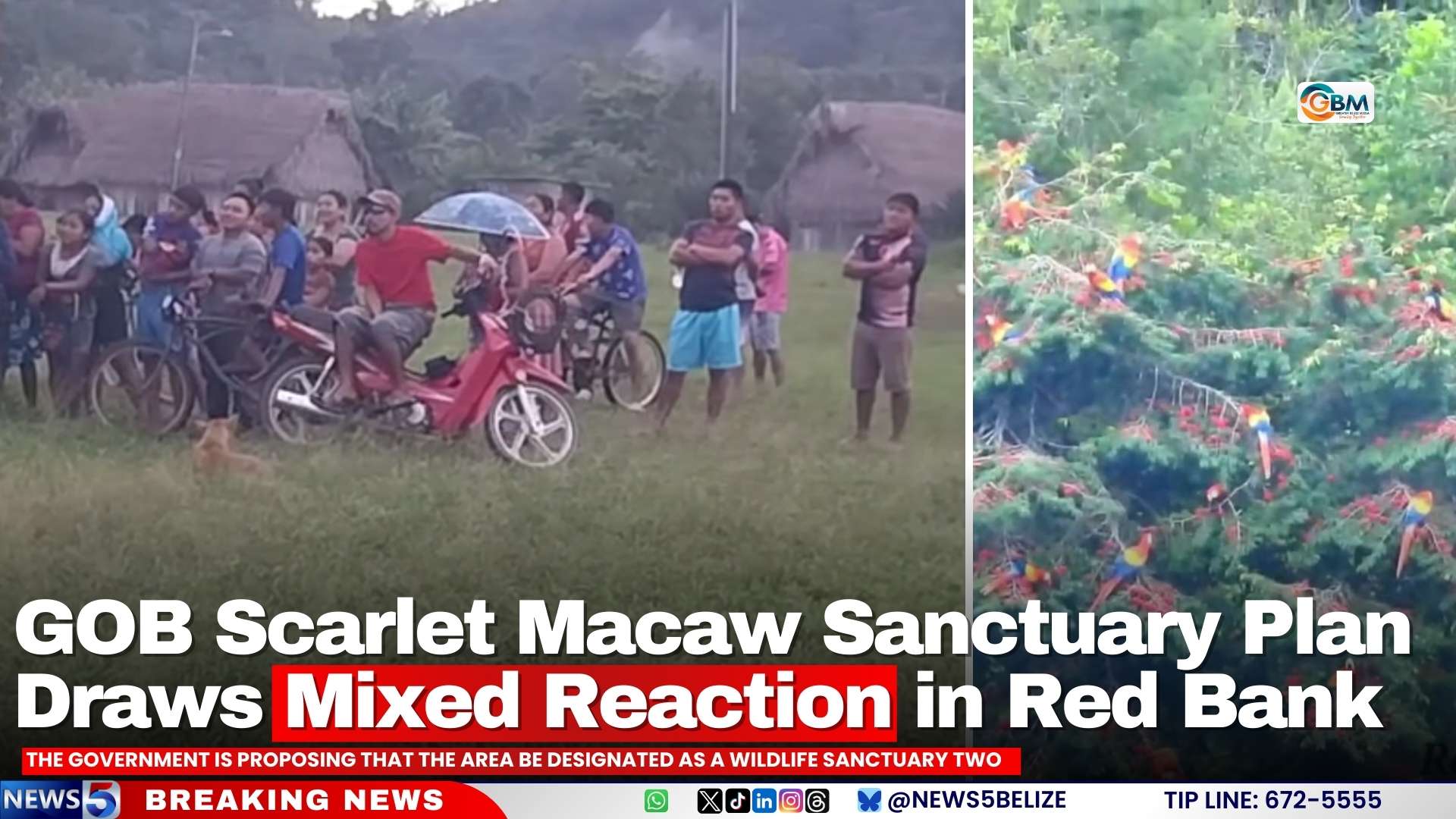
    The Belizean government’s initiative to establish a protected sanctuary for scarlet macaws near Red Bank Village has encountered mounting opposition from local residents, who claim insufficient consultation regarding the conservation project. Minister of Sustainable Development Orlando Habet confirmed to News 5 that Cabinet deliberations concerning the protection of vital macaw habitats along river systems commenced several years prior. Officials have identified and mapped a designated area despite complications arising from privately owned farmland utilized by Red Bank inhabitants and adjacent Mennonite communities.

    Minister Habet elaborated that the administration proposes classifying the territory as a Wildlife Sanctuary Two, a designation permitting restricted tourism operations while safeguarding the avian habitat. This classification would theoretically enable local communities to maintain certain livelihood activities alongside conservation efforts. The government indicates it is nearing final approval for the sanctuary’s establishment.

    Nevertheless, substantial segments of the Red Bank community express reservations, culminating in organized protests demanding enhanced transparency. Residents acknowledge supporting conservation principles but voice apprehension regarding the sanctuary’s geographical scope and its potential impact on agricultural practices. A local representative indicated that the proposed protected zone might extend from the Swasey River along the hills adjacent to Red Bank Village and the Southern Highway, potentially affecting small-scale farmers.

    While government representatives assert that Wildlife Sanctuary Two status would authorize continued access for activities such as firewood collection, community members remain skeptical about these assurances. Minister Habet recognizes the divergent community reactions and has committed to conducting additional consultations with Mennonite farmers and private landowners before finalizing the sanctuary designation.

  • Armed Patrols, Rising Fear as Venezuela Adjusts to New Leadership

    Armed Patrols, Rising Fear as Venezuela Adjusts to New Leadership

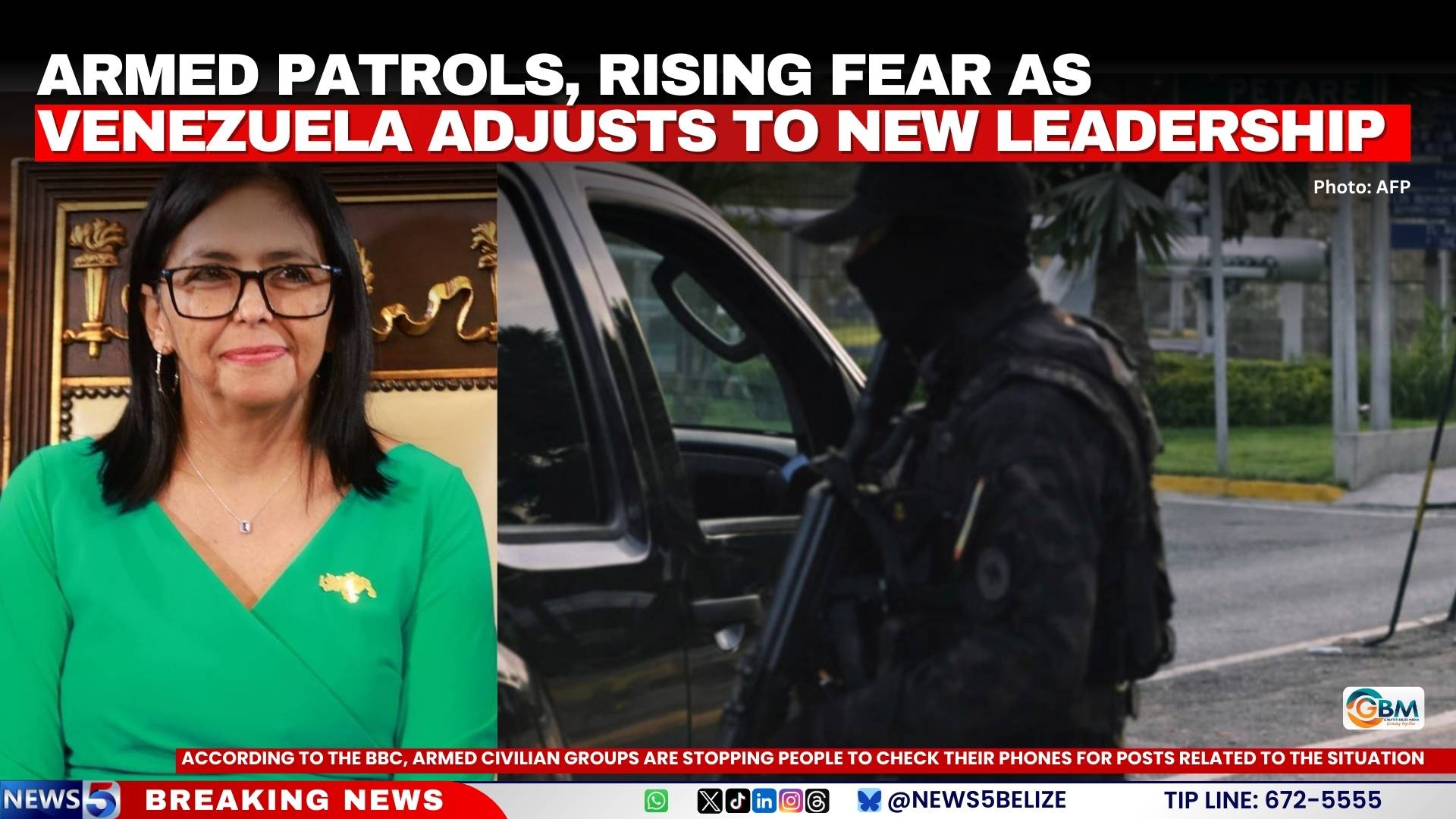
    Caracas has transformed into a landscape of heightened military vigilance following the extraordinary removal of President Nicolás Maduro by U.S. forces. The capital now witnesses a conspicuous deployment of armed security personnel patrolling public areas, establishing checkpoints, and maintaining a visible presence that has significantly altered the city’s atmosphere.

    In a pivotal political transition, Delcy Rodríguez was formally inaugurated as Venezuela’s interim president on Monday. Addressing the nation, Rodríguez expressed profound distress, characterizing the detention of Maduro and First Lady Cilia Flores in United States custody as an outright ‘kidnapping.’ Her appointment marks a dramatic shift in the country’s leadership dynamics.

    Notably, Rodríguez—who previously served as Maduro’s vice president and staunch governmental ally—has undergone a significant rhetorical transformation. Despite her previous vehement condemnations of American interventions, she now advocates for diplomatic cooperation with the United States. This recalibration suggests a strategic pivot toward collaborative engagement with the former adversary.

    The emerging partnership framework anticipates Rodríguez collaborating with U.S. representatives to rehabilitate Venezuela’s crippled oil industry. Former President Trump articulated that the primary objectives include restoring damaged petroleum infrastructure and expanding international oil exports to bolster the nation’s economic foundation.

    Meanwhile, daily life for Caracas residents has grown increasingly tense under the intensified security measures. Masked armed individuals are conducting neighborhood patrols, while military checkpoints scrutinize civilian movement. Disturbingly, armed civilian factions are reportedly intercepting citizens to examine mobile devices for situation-related content, with several detainments occurring over shared social media posts.

    The government has simultaneously implemented stringent media controls, prohibiting foreign journalists from entering the country. Multiple reports confirm that local journalists faced temporary detentions earlier this week, underscoring the administration’s tightened grip on information flow during this volatile transitional period.

  • CXC January exams introduce online and paper-based formats

    CXC January exams introduce online and paper-based formats

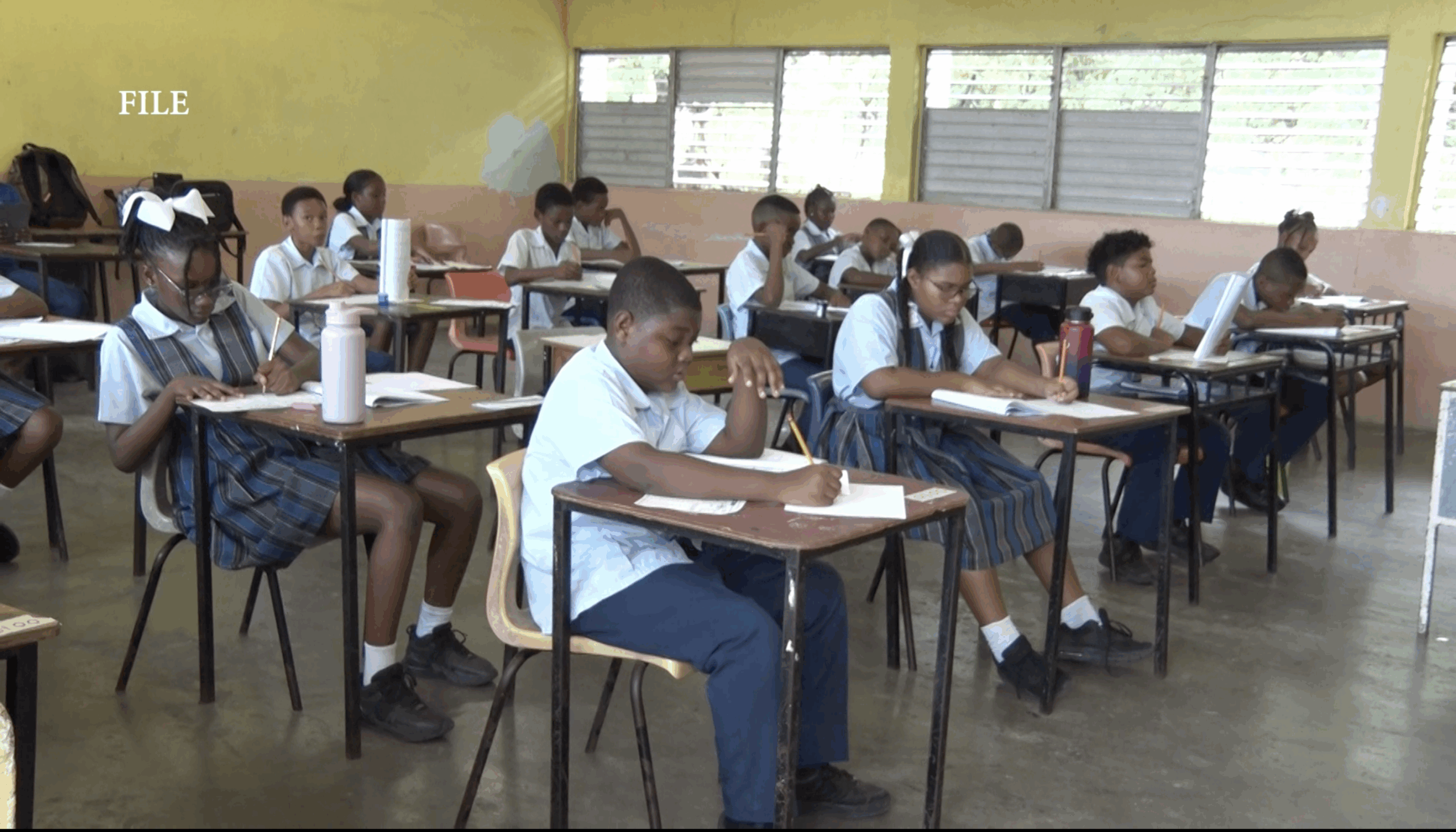
    Saint Lucia has embarked on a transformative journey in educational assessment as the January sitting of the Caribbean Secondary Education Certificate (CSEC) examinations introduced a groundbreaking digital approach starting Monday, January 5th. This significant departure from traditional examination methods marks a pivotal moment in the Caribbean Examinations Council’s (CXC) digital evolution.

    The new examination framework implements a sophisticated hybrid model where all Paper One assignments are conducted exclusively online, while Papers Two and Three utilize a blended format combining digital question delivery with handwritten responses. This innovative structure represents the Ministry of Education’s strategic embrace of technological advancement in academic evaluation.

    Patterson Abraham, Acting Registrar of Examinations in the Ministry of Education, elaborated on the new process: “Candidates will receive their question papers digitally on laptops or approved devices, while simultaneously being provided with physical question-and-answer booklets for handwritten responses. This integrated approach maintains the integrity of written expression while leveraging digital efficiency.”

    The transition to digital assessment has presented logistical challenges, particularly regarding device availability at examination centers. Abraham acknowledged the disparity between registered candidate numbers and functional devices, necessitating a session-based examination schedule for high-demand subjects including English A and Mathematics.

    “With 135 students registered for English A at Castries Private and 45 in Vieux Fort, and Mathematics attracting 165 registrations at Castries Private alone, we’ve implemented a session system due to the limited availability of approximately 75 functional laptops per center,” Abraham explained. “This requires strategic grouping of candidates across multiple examination sessions.”

    The new session-based approach means candidates will write examinations at staggered times, requiring some students to wait before their scheduled sessions. Abraham advised practical preparation for these intervals: “Students should come equipped with lunch and study materials to ensure their waiting time is spent constructively through revision or quiet study.”

    This digital transformation represents both the opportunities and challenges of integrating technology into traditional examination systems, setting a precedent for future educational assessment methodologies across the Caribbean region.

  • Jamaican Alex Anderson selected as 2025 Valedictorian of the  UWI Global Campus

    Jamaican Alex Anderson selected as 2025 Valedictorian of the UWI Global Campus

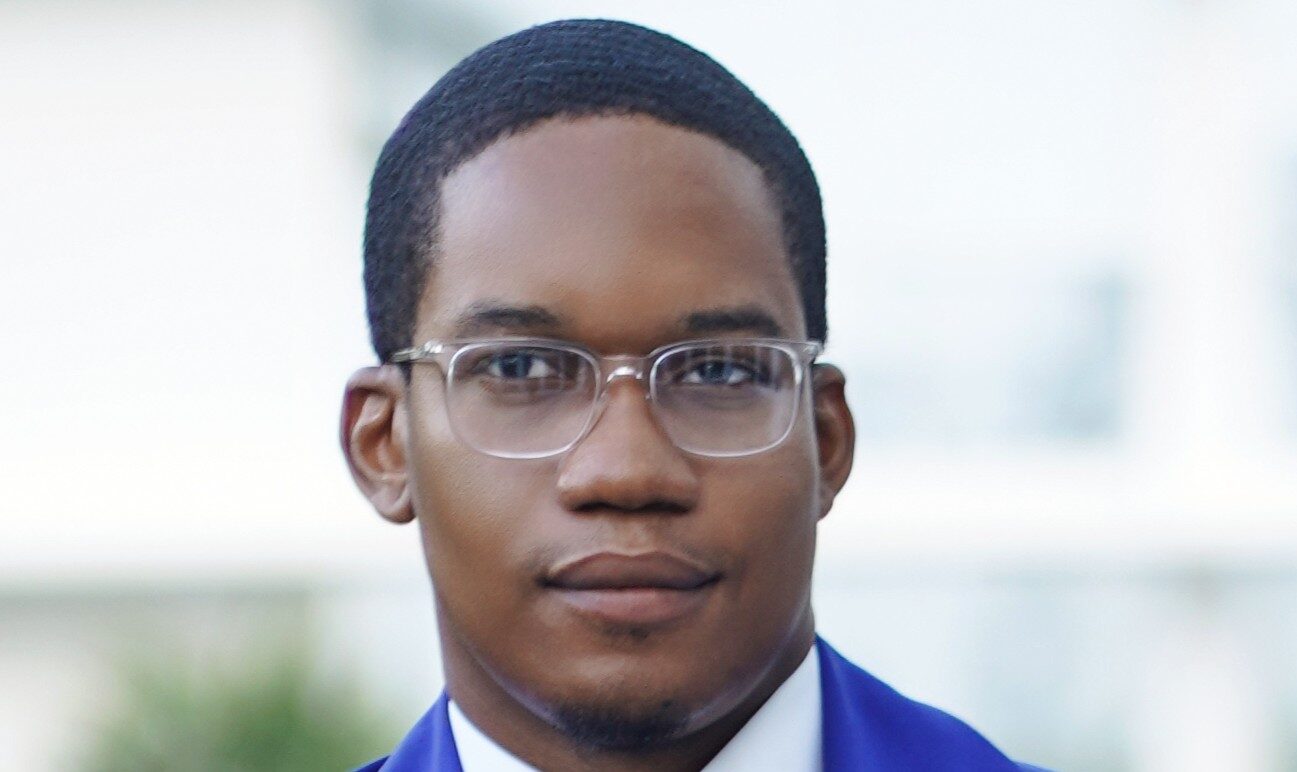
    The University of the West Indies Global Campus will celebrate its Class of 2025 through a Virtual Graduation Ceremony, featuring educator Alex Anderson as valedictorian. Anderson, who hails from Montego Bay, St. James, has been recognized for completing his Bachelor of Education in Educational Leadership and Management with First Class Honours.

    With eight years of experience in primary education, Anderson has dedicated his career to fostering student confidence, curiosity, and academic excellence. His educational philosophy centers on student-focused teaching methods and the belief that education serves as a powerful catalyst for personal development.

    Anderson’s academic journey began at the University of Waterloo in Canada, where he earned a Psychology degree in 2012. His pursuit of educational expertise led him to enroll in The UWI Global Campus in 2020, combining his classroom experience with advanced academic training to champion transformative educational practices.

    His approach to teaching extends beyond conventional academics, focusing on helping students discover their potential and develop critical thinking skills essential for success beyond the classroom. Anderson often cites Walter Elliot’s perspective on perseverance: “Perseverance is not a long race; it is many short races one after the other.”

    Beyond his professional accomplishments, Anderson enjoys football, travel, music, and cooking—passions nurtured through family experiences in his mother’s kitchen. He draws personal inspiration from Philippians 2:3-4, which emphasizes valuing others and living with integrity.

    University leadership, including Dr. Francis O. Severin, Pro Vice-Chancellor and Principal, expressed pride in Anderson’s achievement, noting that it serves as motivation for educators whose work often goes unrecognized. The institution’s senior management team joined in celebrating his accomplishments and wishing him continued success.

    The virtual ceremony will be broadcast live on Saturday, January 10, 2026, at 6:00 PM Eastern Caribbean Time through multiple platforms including UWItv.global, Facebook Live, and Flow streaming services.

  • Israel accused of trying to expel Palestinians from Jerusalem

    Israel accused of trying to expel Palestinians from Jerusalem

    A prominent expert has issued a stark warning regarding Israel’s intensified policy of demolishing Palestinian homes in Jerusalem and its surrounding areas. While the practice itself is not new, specialists monitoring the situation report a concerning acceleration over the past two years, signaling a dangerous escalation in urban policy enforcement.

    According to detailed analysis, Israeli authorities have strategically concentrated their recent operations on the southern and eastern peripheries of Jerusalem. The neighborhoods of Silwan, along with the districts of Batn al-Hawa and Ras al-Amud, have become primary targets for these demolition campaigns. This targeted approach suggests a systematic effort to alter the demographic landscape of these specific areas.

    The eviction of the Khalil Basbous family from their home in Batn al-Hawa on Monday serves as a recent and poignant example of this policy in action. This area, along with the entirety of East Jerusalem, has been under Israeli occupation since the 1967 Arab-Israeli war, adding a complex historical and political dimension to the current property disputes.

    Quantitative data reveals the significant scale of these operations. Approximately 320 residential structures were demolished in Jerusalem throughout the previous year alone, illustrating the substantial impact on the Palestinian community. The pattern of displacement extends beyond immediate demolitions, creating an atmosphere of uncertainty and instability for residents.

    Since 2015, a specific pattern of eviction has emerged in Batn al-Hawa, where around 16 families have been forcibly displaced from their homes. These actions frequently follow legal petitions filed by the Ateret Cohanim organization, a Jewish settler group dedicated to establishing a stronger Jewish presence in historically significant areas of Jerusalem. This dynamic highlights the involvement of non-governmental actors in pursuing property claims that result in the displacement of long-term Palestinian residents.