博客

  • New world lead, meet record for Alfred in Arkansas

    New world lead, meet record for Alfred in Arkansas

    Saint Lucian sprint sensation Julien Alfred delivered a breathtaking display of speed and consistency at the Tyson Invitational on February 13th, establishing herself as the undisputed queen of the 60-meter dash this season. The Olympic champion and 2024 World Indoor gold medalist shattered meet records in both preliminary and final rounds at Arkansas’s Randal Tyson Track Center, cementing her status as the athlete to beat in the short sprint events.

    During the championship preliminaries, the 24-year-old former Texas Longhorn blazed through Heat 2 with a remarkable time of 7.01 seconds, leaving formidable competitors in her wake. Her explosive start and powerful finish proved too much for Texas-based Jamaican sprinter Carleta Bernard, American Olympian McKenzie Long, and British track star Daryll Neita.

    The final race witnessed an even more spectacular performance as Alfred sliced through the air with precision to clock an astonishing 6.99 seconds – the world’s fastest time this year. This achievement marked a significant milestone as Alfred had previously been one of the last two women to break the seven-second barrier at the World Indoor Championships in Glasgow nearly two years prior.

    With these back-to-back record-shattering runs, Alfred now possesses the top three fastest 60-meter times of the current season. Her dominance was further emphasized by twice demolishing Tiana Madison’s meet record of 7.02 seconds, which had remained unbroken since 2012.

    American sprinter Jacious Sears claimed second position in the final with a respectable 7.03 seconds, though unable to match Alfred’s blistering pace. Notably, Sears and Alfred share the second-fastest 60-meter time in history at 6.94 seconds, both achieved during the 2023 season. Alfred’s latest sub-seven-second performance marks her sixth time achieving this elite benchmark, placing her second only to world record holder Irina Privalova’s thirteen sub-seven-second runs in the all-time rankings.

  • Cooperation : DINEPA meeting at the Cuban Embassy in Haiti

    Cooperation : DINEPA meeting at the Cuban Embassy in Haiti

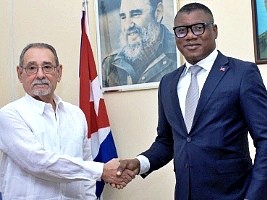
    In a significant diplomatic engagement aimed at bolstering infrastructure development, Théophil Ostinvil, Director General of Haiti’s National Directorate of Drinking Water and Sanitation (DINEPA), convened with Cuban Ambassador Ricardo Garcia Nápoles at the Cuban Embassy in Haiti on February 14, 2026.

    The high-level discussions centered on enhancing bilateral cooperation in critical water and sanitation services, with particular emphasis on knowledge transfer and capacity building. Both parties conducted a comprehensive review of existing collaborative achievements while identifying strategic priorities for future joint initiatives.

    A cornerstone of the dialogue involved developing a structured capacity-building program leveraging Cuba’s technical expertise to strengthen DINEPA’s operational capabilities. This initiative aims to support Haiti’s sustainable development goals in water infrastructure management through specialized training and skill development programs for Haitian water sector professionals.

    Additionally, the meeting served as a platform to address administrative considerations pertaining to current collaboration mechanisms between DINEPA and Cuban technical experts working within Haiti’s water sector. The discussions reflected both nations’ commitment to streamlining operational frameworks for enhanced efficiency.

    This diplomatic engagement underscores Haiti’s ongoing efforts to strengthen international technical partnerships that directly contribute to improving water, sanitation, and hygiene (WASH) infrastructure, ultimately benefiting Haitian communities through improved access to essential services.

  • Cubanen: ‘Mexico heeft ons niet in de steek gelaten’

    Cubanen: ‘Mexico heeft ons niet in de steek gelaten’

    In a significant geopolitical development, two Mexican vessels carrying critical humanitarian supplies have docked in Havana’s port, providing relief to Cubans grappling with severe shortages exacerbated by US-imposed oil sanctions. The Papaloapan and its companion ship began unloading pallets of aid on Thursday as grateful residents watched the operation with visible emotion.

    Ediberto Rodriguez, a 65-year-old Havana resident, expressed profound appreciation for Mexico’s solidarity, characterizing the assistance as “an unforgettable gesture from a true ally.” He noted that Mexico “did not abandon us despite pressure from a world power like the United States.”

    Mexican President Claudia Sheinbaum confirmed during a press conference that additional support would follow once the ships return to Mexico. “We are sending various forms of assistance and support,” Sheinbaum stated. “Today the ships arrive. When they return, we will send more help of a different nature.” The president emphasized Mexico’s commitment to facilitating dialogue between Cuba and the United States while prioritizing respect for Cuban sovereignty.

    The humanitarian mission occurs against the backdrop of escalating energy shortages that have pushed Cuba toward a potential crisis point. Since January, the Trump administration has intensified efforts to restrict oil shipments to the island nation, severely compromising energy infrastructure and essential services. These measures represent the latest chapter in longstanding sanctions dating back to the Cold War era.

    United Nations officials have raised alarms about the deteriorating situation. Stéphane Dujarric, spokesperson for UN Secretary-General António Guterres, warned that without adequate oil supplies, conditions on the island could worsen dramatically or even collapse. Chronic power outages have become commonplace, while fuel shortages threaten the delivery of basic necessities.

    Washington’s oil embargo followed controversial US military operations targeting Venezuela, Cuba’s primary ally and oil supplier. By severing economic ties between Caracas and Havana, the US administration aims to increase pressure on the Cuban government.

    Notably, the United States announced $6 million in humanitarian assistance this month, though officials specified that distribution would occur through Catholic Church channels rather than Cuban government institutions.

    While Mexican aid provides immediate relief, the situation underscores the profound impact of sanctions on civilian populations and essential services. The coming weeks will prove critical in determining whether further escalation of the humanitarian crisis can be prevented.

  • FLASH : Swedish Pia Sundhage new Coach of Grenadières Senior

    FLASH : Swedish Pia Sundhage new Coach of Grenadières Senior

    In a landmark move for Caribbean football, the Haitian Football Federation (FHF) has secured the services of internationally acclaimed Swedish coach Pia Sundhage to helm its senior women’s national team, the Grenadières. This strategic appointment comes precisely two weeks following the departure of former French coach Malou Quignette, whose contract was not renewed.

    Sundhage arrives with an unparalleled pedigree in international women’s football, boasting an extraordinary track record that includes dual Olympic gold medals coaching the United States (2008, 2012), a World Cup final appearance (2011), Olympic silver with Sweden (2016), and a Copa América triumph with Brazil (2022). Her distinguished playing career further enhances her credentials, with 146 international caps and 71 goals for Sweden.

    Beyond her trophy-laden resume, Sundhage brings globally recognized expertise in structuring high-performance environments, developing emerging talent, and instilling cultures of excellence and discipline. Her proven capacity to manage elite competitions and international pressure makes her uniquely qualified for Haiti’s ambitious project.

    The FHF has positioned this appointment as a cornerstone for comprehensive institutional transformation. The federation’s vision extends beyond immediate sporting results to encompass strengthening Haiti’s entire technical organization, harmonizing standards across national teams and youth development programs, and establishing Haiti as a credible force in international football.

    A fundamental component of Sundhage’s mandate involves knowledge transfer to Haitian coaches through dedicated mentoring programs, methodology sharing, and gradual integration of local expertise within the coaching staff. This approach ensures that international expertise directly contributes to the sustainable development of Haitian football’s technical infrastructure.

    The federation has expressed full confidence in Sundhage’s leadership as Haiti embarks on this new chapter, with qualification for the 2027 Women’s World Cup in Brazil serving as an immediate competitive objective.

  • Public Advisory: Prohibition on Harvesting and Consuming Fish and Shellfish from Cove West of Cook’s Landfill

    Public Advisory: Prohibition on Harvesting and Consuming Fish and Shellfish from Cove West of Cook’s Landfill

    Health and environmental authorities in Antigua and Barbuda have issued an urgent advisory prohibiting all fishing and seafood consumption from waters near Hermitage Bay following confirmed petroleum contamination. The joint notice from the Central Board of Health and Fisheries Division emerged after the Antigua Barbuda Defence Force Coast Guard detected an oil sheen in the waters west of Cook’s Landfill on the morning of February 12, 2026.

    Immediate response teams from both the Coast Guard and West Indies Oil Company conducted comprehensive assessments confirming the presence of petroleum-based contaminants on the water surface. Preliminary investigations point to potential seepage from the adjacent Cook’s Landfill area as the likely contamination source, though official determination remains ongoing.

    While current wind and wave patterns are dispersing the substance away from shorelines, authorities have implemented precautionary measures due to potential risks to marine ecosystems and human health. The advisory specifically prohibits fishing activities, consumption of marine life, and commercial distribution of seafood from the affected cove area.

    Emergency response protocols have been partially activated with multiple agencies including the Environment Division, Port Authority, and APUA now monitoring the situation. Coast Guard units remain on-site conducting aerial surveillance to determine the full extent of environmental impact.

    Officials urge public compliance with these protective measures and request immediate reporting of any additional petroleum sightings to Coast Guard emergency numbers provided in the advisory.

  • Cool temperatures: What will the weather be like this weekend in the Dominican Republic?

    Cool temperatures: What will the weather be like this weekend in the Dominican Republic?

    Meteorological systems converging north of the Caribbean are set to deliver a weekend of unusually cool temperatures and significant precipitation across the Dominican Republic. A pronounced trough interacting with an advancing cold front will create widespread atmospheric instability throughout the nation’s territory.

    The most substantial rainfall accumulations are forecast for the Cibao valley region, the Greater Santo Domingo metropolitan area, and the provinces of Monseñor Nouel, La Vega, and San Cristóbal. These zones should prepare for intense downpours potentially accompanied by isolated thunderstorm activity. The national weather service has issued advisories regarding possible flash flooding in topographically vulnerable and low-lying areas, urging residents to monitor official emergency communications channels.

    Temperatures will register notably below seasonal averages, producing distinctly chilly conditions, particularly during nighttime and early morning hours. Precipitation patterns will manifest as intermittent afternoon showers on both Saturday and Sunday, transitioning to more scattered nocturnal rainfall activity. The combined effect of persistent cloud cover and precipitation will maintain the cooler thermal regime throughout the weekend period.

  • 16 Cattle Dead in Cayo; BAHA Confirms Cause

    16 Cattle Dead in Cayo; BAHA Confirms Cause

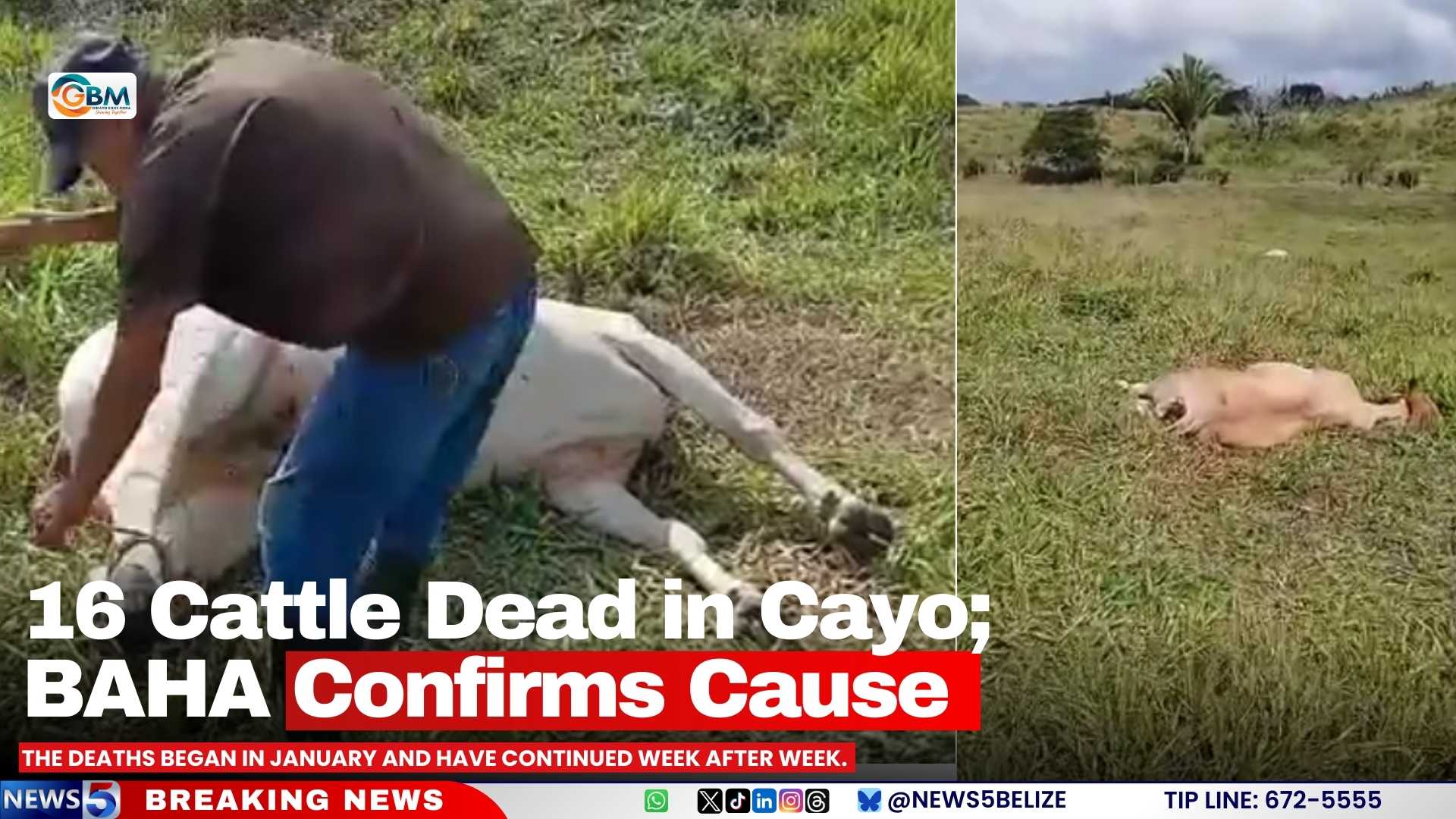
    A distressing agricultural crisis has unfolded in El Pilar, Cayo District, where sixteen cattle have succumbed to a mysterious illness since January 2026. The latest casualties were discovered on February 13th when farmer Adrian Balan and his family arrived at their ranch to administer routine vaccinations, only to find three additional animals deceased.

    The Balan family, who report experiencing similar losses annually for several years, maintains rigorous animal health protocols despite the ongoing tragedy. Their cattle received dual treatments for tick fever and annual vaccinations against blackleg and rabies. The family further investigated potential causes by testing both water supplies and conducting blood analyses on their livestock, all of which returned normal results.

    The Belize Agricultural Health Authority (BAHA) has identified the culprit as anaplasmosis, a tick-borne disease that has prompted more than two months of surveillance in affected regions. BAHA Managing Director Zoe Zetina confirmed the diagnosis, explaining transmission occurs primarily through tick bites and contaminated veterinary equipment.

    “Farmers must enhance their tick management protocols,” Zetina emphasized, noting the disease spreads only through these specific vectors and not through direct animal-to-animal contact. The announcement comes as the Balan family continues to seek solutions to an agricultural nightmare that threatens both their livelihood and food security in the region.

  • Woman Lives in Fear After Attacker Freed

    Woman Lives in Fear After Attacker Freed

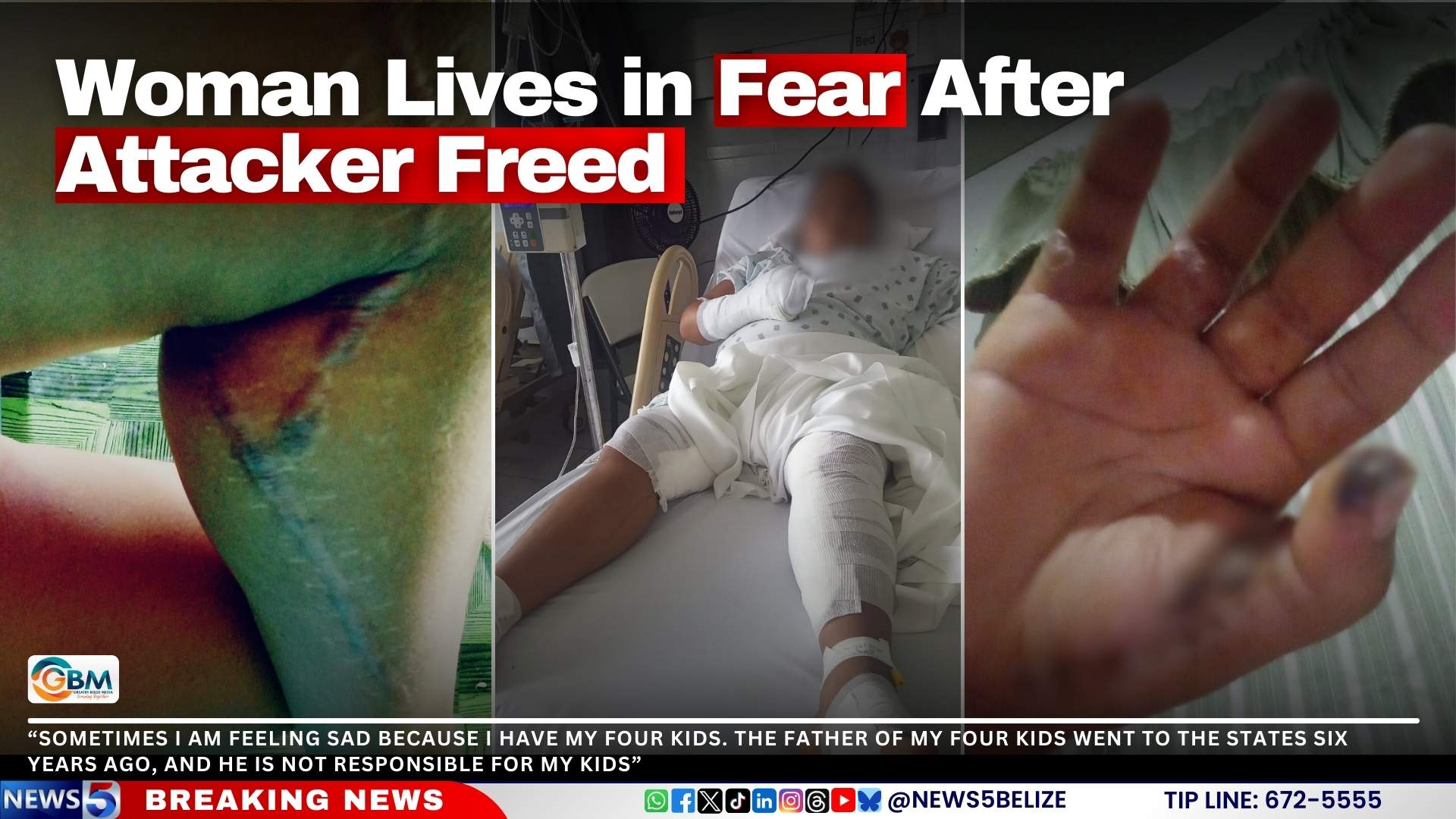
    A Belizean domestic violence survivor faces renewed trauma and financial hardship after her assailant was unexpectedly released from prison, leaving her in a perpetual state of fear. Ilsida Navas, 37, suffered life-altering injuries when her partner assaulted her with a machete as she slept last August, resulting in the amputation of her left arm and severe torso injuries.

    The attack occurred in the predawn hours while Navas was asleep. “I had gotten sleepy and went to sleep, and around three in the morning he attacked me with the machete,” the mother of four recounted to local media. Beyond the physical trauma, the incident has devastated her ability to provide for her children as a single parent—their father having left for the United States six years ago without providing support.

    Navas now navigates the challenges of amputee life while seeking funding for a prosthetic arm. Medical professionals in El Salvador have quoted her $3,800 USD for the essential limb replacement, prompting her to seek public assistance for the procedure.

    The situation intensified when Navas discovered her attacker had been freed from Belize Central Prison. “The surprise that I get right now is that the man is already out… He’s walking. I don’t know why,” she expressed, highlighting the justice system’s failure to protect vulnerable victims. Her case underscores ongoing concerns about domestic violence prevention and judicial accountability in Belize.

  • Social reality: Woman, mother and “NEET”: the female face of a worrying statistic

    Social reality: Woman, mother and “NEET”: the female face of a worrying statistic

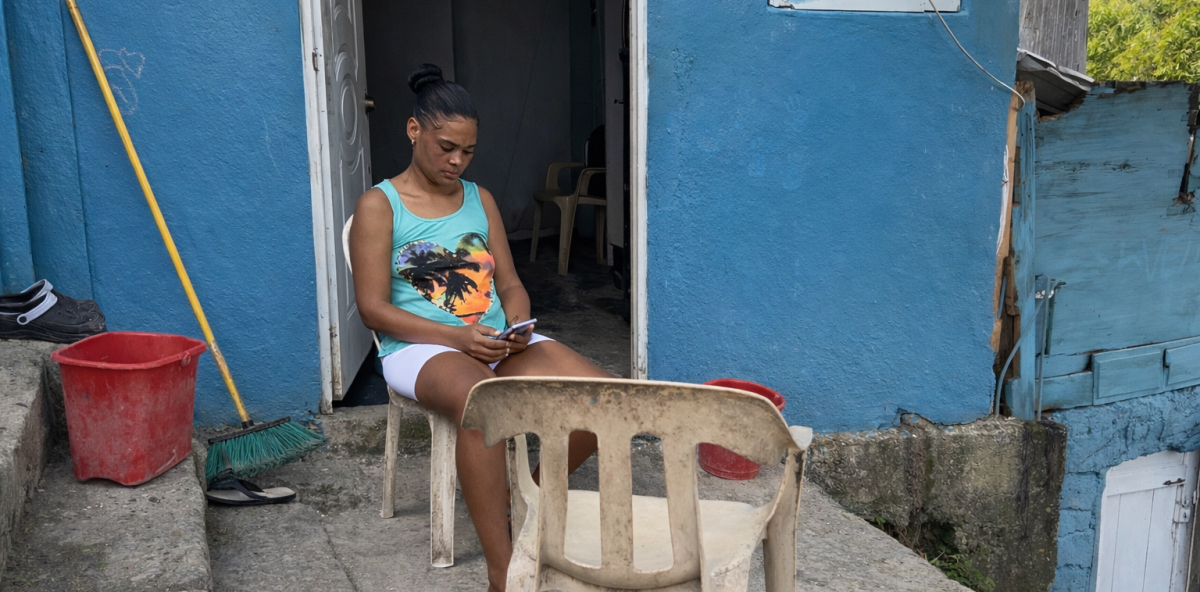
    In the Dominican Republic, a silent crisis disproportionately affects young women, as exemplified by the story of 35-year-old Brianda Araujo Rodríguez. A mother of five, Brianda battles type two diabetes and associated neuropathy that prevents her from maintaining employment. Her last position at a bank ended a year ago, forcing her to rely on siblings for financial support while managing daily insulin injections and Metformin treatments.

    Brianda’s challenges extend beyond health concerns. Her personal history includes a marriage at 15 to a man 14 years her senior—a relationship marked by mistreatment, infidelity, and deception. The early loss of her mother compounded these difficulties, creating a childhood trauma that continues to resonate. Her primary aspiration now centers on ensuring her children avoid repeating her patterns.

    The educational gap affecting her family illustrates broader systemic issues. Two of her five children have been out of school for two years due to inability to secure placements—a situation that reflects national trends. Recent statistics from the National Statistics Office (ONE) reveal that among 628,181 Dominicans aged 18-35 who neither work nor study, 454,779 (72.4%) are women.

    Sociologist Tahira Vargas analyzes this gender disparity through labor market dynamics. “Access to employment is heavily mediated by strategies that are entirely masculine,” Vargas notes, explaining that informal sector jobs—such as motorcycle taxiing, security, and electrical work—predominantly employ men. Women without academic credentials typically find limited opportunities in domestic work or caregiving roles.

    In response to this crisis, the Dominican government launched the “Opportunity 14-24” program in October 2020. Coordinated by the Social Policy Cabinet under Alexander Mordan, this initiative aims to reintegrate vulnerable youth into education systems (ages 14-17) or prepare them for labor market entry (ages 18-24). Despite these efforts, structural barriers continue to perpetuate gender inequalities in economic participation.

  • Grenada Revolution chronicled by photographer Arthur Winner

    Grenada Revolution chronicled by photographer Arthur Winner

    At 81 years old, Arthur Winner, the unassuming photographer who documented Grenada’s revolutionary era, has formally entrusted his extensive collection of historical images to the Grenada National Trust. The veteran photographer, who describes himself as “a servant of the people,” captured defining moments during the Grenada Revolution while working within the Government Information Service (GIS).

    Winner’s black-and-white photographs represent one of the most significant visual records of Grenada’s modern history, preserved through political turmoil and rescued following the 1983 invasion. The collection includes historic moments such as the visit of Samora Machel, President of Mozambique, where Winner and his colleagues worked through the night to prepare a photographic dossier for the departing African leader.

    Ruggles Ferguson, former head of the government’s media centre, recalled racing to the airport with the finished album, crediting Winner as the critical figure in ensuring the photographs were ready in time. Winner also documented the extensive construction of what is now Maurice Bishop International Airport, week after week, capturing the transformation that would reshape the country’s future.

    The decision to donate his carefully safeguarded negatives came after Winner watched Jumaane Williams, a son of Grenadian soil, deliver an impassioned address about his heritage during his swearing-in as New York City’s Public Advocate. This moment made Winner acutely aware of the pressing need to preserve history for future generations.

    Darryl Brathwaite, President of the Grenada National Trust, emphasized that the donation represents far more than a transfer of old prints—it serves as a foundation stone in the country’s heritage infrastructure. “As a young nation, we are trying to build up our past to guide where we are going,” Brathwaite explained. “This is a national treasure owned by the people.”

    The GNT plans to digitize the entire collection, identify the faces and stories within the photographs, and mount a national exhibition. Discussions are underway to establish a formal national archive where the originals can be preserved under proper conservation conditions. Brathwaite hopes this gesture will inspire other Grenadians to come forward with historical photographs that may hold equally valuable pieces of the national narrative.