博客

  • DEA office supervisor arrested in Dominican Republic

    DEA office supervisor arrested in Dominican Republic

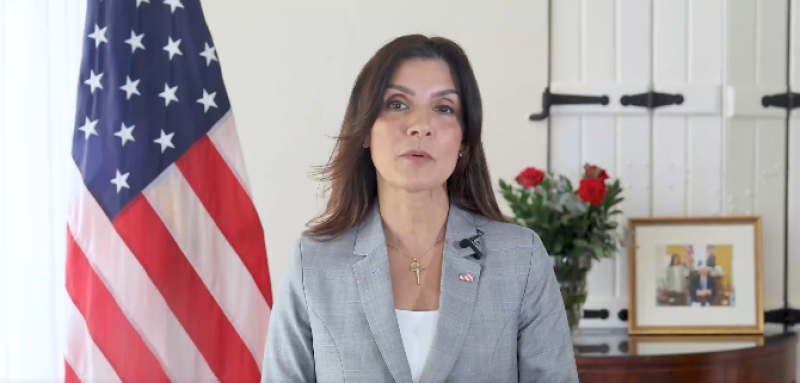
    In a significant development in U.S. anti-narcotics operations, federal authorities have arrested a DEA supervisor stationed in the Dominican Republic as part of an investigation into alleged misuse of confidential informant visa programs. The arrest coincides with the abrupt closure of the U.S. anti-narcotics office in Santo Domingo, a move described by the Trump administration as addressing a “disgusting and dishonorable breach of public trust.”

    Melitón Cordero, a supervisory agent at the Drug Enforcement Administration’s Caribbean office, was taken into custody Thursday following an investigation led by the U.S. Department of Homeland Security. The arrest was confirmed by multiple sources speaking anonymously to The Associated Press due to the ongoing nature of the investigation.

    The closure of the DEA office and subsequent arrest stem from concerns about potential corruption within the program. U.S. Ambassador to the Dominican Republic Leah Campos emphasized that the temporary shutdown would facilitate an internal embassy investigation, stating unequivocally that she “will not tolerate corruption” among officials who might exploit their positions for personal gain.

    Despite the office closure, U.S. officials maintain that bilateral cooperation against drug trafficking remains unaffected. The embassy issued a statement affirming that the Dominican Republic continues to be a “key partner” in regional counter-narcotics efforts, with operations continuing “at the same robust pace” during the investigation.

    Dominican officials have sought to distance themselves from the controversy. Foreign Minister Roberto Álvarez confirmed after speaking with Ambassador Campos that the investigation was strictly an internal U.S. matter with “no relation whatsoever to the Dominican government or official.”

    The case has been referred to the United States Attorney’s Office for the District of Columbia in Washington, which now holds primary jurisdiction over the investigation. Public Diplomacy Counselor Chelsia Hetrick of the U.S. Embassy indicated that no further details would be released beyond the ambassador’s initial statements, directing all inquiries to the Washington-based prosecutors.

    As of Thursday evening, neither DHS nor DEA officials had responded to formal requests for comment, and attempts to reach Cordero on his personal cell phone were unsuccessful. The development represents one of the most significant integrity challenges to U.S. narcotics enforcement operations in the Caribbean region in recent years.

  • January ended with a 47% increase in cases of severe acute respiratory infections

    January ended with a 47% increase in cases of severe acute respiratory infections

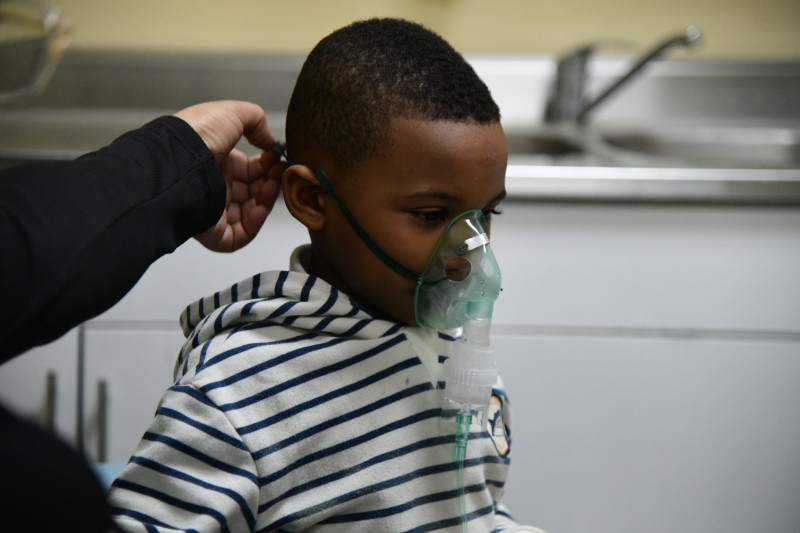
    The Dominican Republic’s Ministry of Public Health has documented a significant escalation in severe acute respiratory infections (SARI) during January 2026, reporting a 47% increase compared to the same period in 2025. Epidemiological data reveals 69 suspected cases this year versus 47 previously, with children under four years old and adults over sixty constituting the most vulnerable demographics.

    Geographical analysis identifies Azua and Santo Domingo provinces as the primary hotspots, recording 31 and 13 cases respectively. The National District and San Cristóbal followed with 5 cases each. Health officials attribute this distribution pattern to regions with higher population density, increased mobility, and greater hospital service demand.

    Notably, the epidemiological report confirms zero fatalities from SARI in January 2026, maintaining a 0% lethality rate—a substantial improvement from the 6.4% mortality rate (3 deaths) documented during the same period in 2025. This positive development suggests enhanced early detection capabilities, improved patient referral systems, and more effective clinical management of severe cases.

    Virological surveillance indicates persistent circulation of respiratory syncytial virus and influenza, though authorities report a progressive decrease in viral activity early in 2026. Crucially, no instances of influenza A (H3N2) subclade K have been detected, though health officials emphasize continued vigilance against emerging variants.

    The Ministry has implemented strengthened surveillance measures including expanded sampling protocols, immediate case notification, and daily monitoring of hospital bed occupancy. Additional measures include rapid referral pathways for pediatric cases, guaranteed availability of critical medical supplies, and promoted influenza vaccination among high-risk populations.

    Despite these efforts, structural challenges persist, particularly regarding limited availability of neonatal intensive care units (NICU) and intensive care units (ICU), alongside territorial access disparities. Health authorities acknowledge these limitations necessitate sustained, multi-sectoral strategies to manage morbidity during an increasingly active and prolonged respiratory season.

  • Regering verlaagt royalty goudsector voor 6 maanden naar 3,5% voor grip sector

    Regering verlaagt royalty goudsector voor 6 maanden naar 3,5% voor grip sector

    In a strategic move to formalize its gold sector and strengthen foreign exchange reserves, Suriname’s government has announced a temporary reduction in royalty rates for small-scale gold mining operations. The Ministry of Finance and Planning, in coordination with the Central Bank of Suriname (CBvS), revealed that the royalty rate will be decreased from 4.5% to 3.5% for a six-month trial period.

    The policy intervention specifically targets small-scale gold miners and construction material operators, aiming to incentivize proper registration and official declaration of production outputs. This measure forms part of a broader governmental initiative to enhance transparency, regulatory oversight, and documentation within the precious metals industry.

    Official data from 2020-2024 indicates significant discrepancies in gold production reporting. While an estimated 27.7 tons of gold were produced in 2024, only 26.9 tons were officially registered for export, leaving approximately 0.8 tons unaccounted for. This gap represents substantial royalty revenue losses for the state.

    Given that gold constitutes nearly two-thirds of Suriname’s total export value, every unregistered gram directly impacts the nation’s foreign exchange earnings. Approximately one-third of the country’s total gold production originates from small-scale mining operations, where documentation remains particularly weak and illegal trading persists.

    The government’s temporary royalty reduction seeks to achieve multiple objectives:
    – Encourage greater participation in formal gold trading channels
    – Reduce illegal and unregistered gold exports
    – Increase royalty collections through improved compliance
    – Strengthen the Central Bank’s international reserves
    – Stabilize the Surinamese dollar (SRD) and improve macroeconomic balance

    Additionally, the initiative addresses socioeconomic challenges in interior regions where thousands work in gold mining under difficult conditions. Many miners lack access to formal banking services, credit facilities, and insurance products. Improved integration into the formal economy could potentially enhance their economic standing while increasing sector transparency.

    The six-month experimental period will conclude with a comprehensive policy evaluation to determine the measure’s effectiveness and potential extension.

  • February shakes the country: the cases that have shocked in just 15 days

    February shakes the country: the cases that have shocked in just 15 days

    The Dominican Republic is confronting an unprecedented crisis of violence and social tragedy during the first half of February 2026, with a devastating series of events that have left the nation in a state of collective mourning and profound shock. Over a mere 13-day period, the country has witnessed a harrowing convergence of criminal violence, fatal accidents, and commercial disasters that have fundamentally challenged perceptions of public safety and social order.

    Gender-based violence has emerged as a particularly distressing theme, highlighted by the murder of young Noemí Suárez in the National District. The victim was fatally attacked by her former boyfriend, reigniting national outrage over the persistent issue of femicide in Dominican society. This tragedy was compounded by the shooting death of teenager Yokairy Núñez Bueno in Sánchez, Samaná, allegedly at the hands of a cousin, which has left the local community in stunned silence.

    Simultaneously, the Cibao region remains gripped by uncertainty following the disappearance of Brianna Genao González in Puerto Plata. Although the minor vanished in late January, February has brought intensified investigation efforts, including involvement from the FBI, as religious and civil leaders amplify demands for justice and the restoration of safety in Dominican communities.

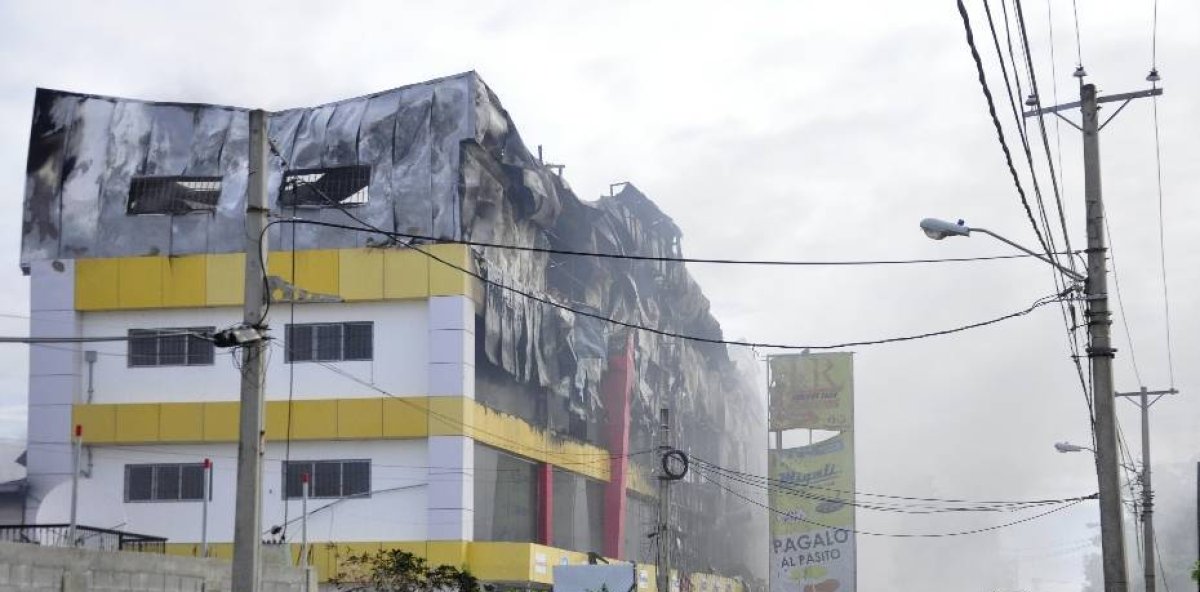
    The nation’s trauma has been further exacerbated by two additional high-impact incidents: a desperate search operation for a motorcyclist who plunged into the Isabela River following a traffic accident on the Jacinto Peynado bridge in Villa Mella, and a destructive fire that ravaged the L and R electromuebles store in the same municipality. These events, combined with the recent passing of prominent political leader Ramón Alburquerque, have created a multifaceted national crisis that sociologists and authorities describe as a severe breakdown in social cohesion.

  • Politie kampt met groot personeelstekort; boetegelden ingezet voor herstel voertuigen

    Politie kampt met groot personeelstekort; boetegelden ingezet voor herstel voertuigen

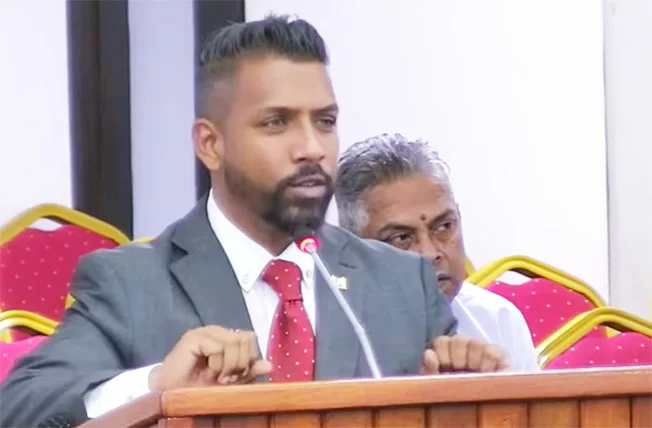
    Suriname’s law enforcement capabilities are being severely hampered by systemic shortages in both personnel and operational resources, according to Justice and Police Minister Harish Monorath. During a parliamentary session in the National Assembly, the minister disclosed that the executive police apparatus currently operates with fewer than 2,800 officers—significantly below the recommended strength of approximately 5,000 personnel required for adequate task execution.

    The staffing crisis is compounded by critical equipment deficiencies, particularly in the vehicle fleet. Despite recent acquisitions of new vehicles, a substantial portion rapidly became inoperable due to technical malfunctions. In December alone, 14 vehicles required repairs costing SRD 300,000, funded through fine revenue collections—an emergency measure deemed necessary to maintain operational readiness.

    Minister Monorath highlighted another pressing issue: approximately 400 police personnel are allocated outside regular operational duties. These officers provide personal protection for government officials, judiciary members, National Assembly representatives, and other high-risk individuals. Additional officers are seconded to various intelligence and support services, including the Directorate of National Security, LVV, and Public Works departments.

    While acknowledging these assignments strain available operational capacity, Monorath emphasized they fall within the state’s broader national security responsibilities. The minister confirmed ongoing institutional strengthening efforts through specialized training programs and modernization initiatives at the police academy. A consultant has been engaged to elevate training standards to international benchmarks, mirroring previous military academy reforms.

    These enhancement measures are incorporated in the 2026 budget, with some already in preparation or implementation despite the state’s broader fiscal challenges. Monorath reiterated that police capacity deployment must consistently align with legal frameworks governing general and special police duties as established in the Constitution and Police Charter.

  • UK intermediate education agency refunding Guyana money for troubled scholarships

    UK intermediate education agency refunding Guyana money for troubled scholarships

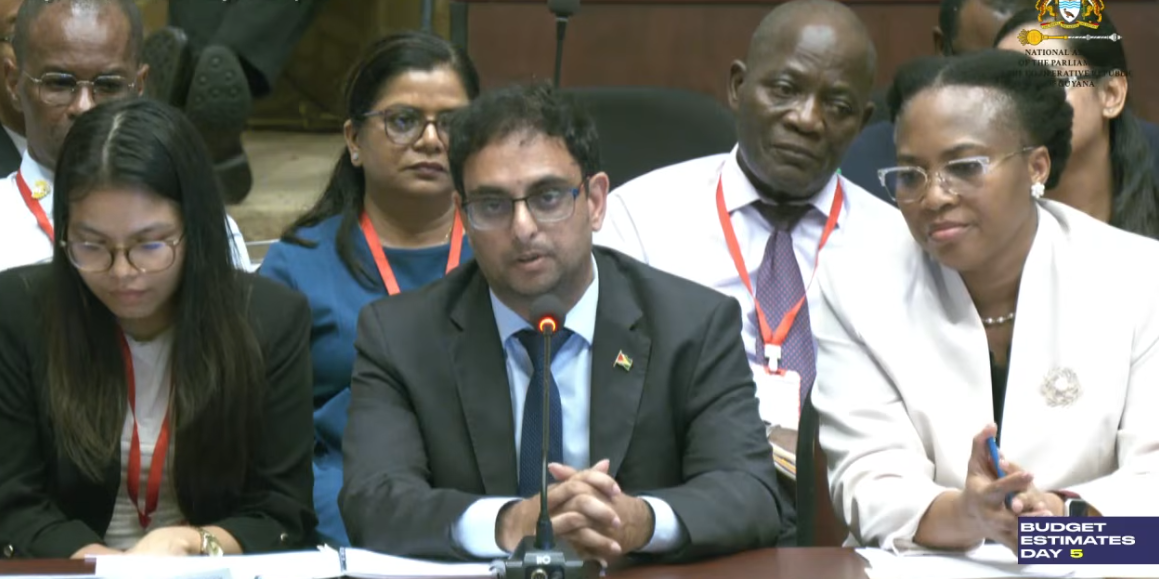
    The Guyana government has begun recovering US$1.5 million from UK-based intermediary International Skill Development Corporation (ISDC) following the collapse of a scholarship program with the University of Staffordshire. Public Service Minister Zulfikar Ally confirmed the reimbursement process during parliamentary questioning on Friday, February 13, 2026.

    The troubled scholarships, administered through the Guyana Online Academy for Learning (GOAL), involved more than 1,000 students. Minister Ally stated that partial payments have already been received, with the full amount expected to be refunded by the following week. The minister acknowledged he maintained “constant engagement” with relevant parties to ensure complete restitution.

    Parliamentary proceedings revealed additional complications within the GOAL program. Minister Ally admitted that numerous students pursuing degrees through Indira Gandhi University had completed three years of study without receiving degree status updates. The ministry has sought intervention from the Indian High Commission to resolve these credentialing issues.

    Regarding student attrition, Ally revealed that less than five percent of scholarship recipients had taken leaves of absence with intention to resume studies. The minister clarified refund policies, noting that universities only return payments if students withdraw before invoice issuance; otherwise, funds are credited toward alternative students.

    The GOAL secretariat continues monitoring program graduates to track employment outcomes and program effectiveness. Despite these challenges, the Public Service Ministry has allocated GY$5.7 billion for the scholarship initiative in the 2026 national budget.

  • Seven Years Later, Justice Delivered in Bobby Garcia Murder

    Seven Years Later, Justice Delivered in Bobby Garcia Murder

    After a protracted seven-year judicial process, Belize’s High Court has finally rendered judgment in the brutal 2018 murder of eighteen-year-old Bobby Garcia. Pablo Catzim, who was fifteen at the time of the offense, received a fourteen-year sentence for the killing that occurred at the Cahal Pech archaeological site. The court acknowledged Catzim’s juvenile status at the time of the crime, ordering a parole eligibility review after three years of incarceration.

    The case involved particularly disturbing circumstances, with evidence indicating Garcia was lured to the location before being subjected to multiple stab wounds to the chest and severe lacerations to his face and throat. The assailants documented the murder through photographs during its commission.

    Justice Cumberbatch presided over the sentencing, weighing both the brutality of the crime and the defendant’s demonstrated rehabilitation efforts during his seven years in remand. Catzim completed secondary education with distinction and participated in over a dozen rehabilitation programs while incarcerated.

    The court considered mitigating factors including Catzim’s traumatic upbringing marked by domestic violence, the loss of his biological father, subsequent abuse by his stepfather, early cannabis use from age eleven, and documented struggles with suicidal ideation.

    Only one of the two originally charged teenagers faced conviction, as the alleged accomplice was acquitted after cooperating as a crown witness.

    Bobby Garcia’s family expressed profound disappointment with the sentence. Oscar Garcia Sr., the victim’s father, emphasized the irreversible nature of their loss, contrasting their permanent tragedy with the perpetrator’s opportunity for eventual reintegration into society.

    Defense attorney Bryan Neal characterized the judgment as balancing accountability with redemption, noting Catzim’s contrition and apology to the Garcia family and society. Legal provisions for juvenile offenders mandated the court’s structured approach to sentencing and potential rehabilitation.

    The case has sparked broader societal conversations about youth violence, parental responsibility, and juvenile justice reform in Belize, with both the judicial decision and family statements serving as a poignant reminder of the human impact of violent crime.

  • Govt assisting Guyanese students in fuel-starved Cuba

    Govt assisting Guyanese students in fuel-starved Cuba

    The Guyanese government has initiated a comprehensive support program for its citizens studying in Cuba as the Caribbean nation grapples with a severe fuel shortage exacerbated by tightened international sanctions. Public Service Minister Zulfikar Ally confirmed the assistance measures during a Friday night session of the National Assembly’s Committee of Supply.

    Minister Ally revealed that Guyana’s Ambassador to Cuba, Halim Majeed, has been actively providing supplies and emergency support to the 45 registered Guyanese students across the island nation. The ambassador has established a direct communication channel, encouraging students to contact the embassy immediately for any urgent requirements.

    The government’s response comes amid growing concerns about deteriorating conditions in Cuba, where basic services including water distribution and transportation have been significantly impacted. The crisis intensified following Venezuela’s cessation of fuel exports to Cuba after the capture of socialist President Nicolas Maduro by United States authorities in early January.

    Minister Ally announced that a high-level delegation including himself, the Permanent Secretary, and ministry officials will convene with affected students this coming Monday to assess their situation firsthand. ‘The welfare and well-being of all our students remain our utmost priority,’ the minister emphasized during the parliamentary session.

    The current fuel shortage has reached critical levels, with multiple international airlines suspending flights to Cuba due to unavailability of aircraft refueling capabilities. Concurrently, the United States has issued warnings about imposing substantial tariffs on nations that attempt to provide fuel to the communist-led government.

    This development occurs against the backdrop of Guyana’s historical relationship with Cuba, which has spanned multiple administrations despite shifting political alliances. The South American nation maintained support for Cuba during previous embargo periods, providing essential commodities including rice during the 1960s.

  • Cayo Ranchers Hit Hard by unexplained Cattle Deaths

    Cayo Ranchers Hit Hard by unexplained Cattle Deaths

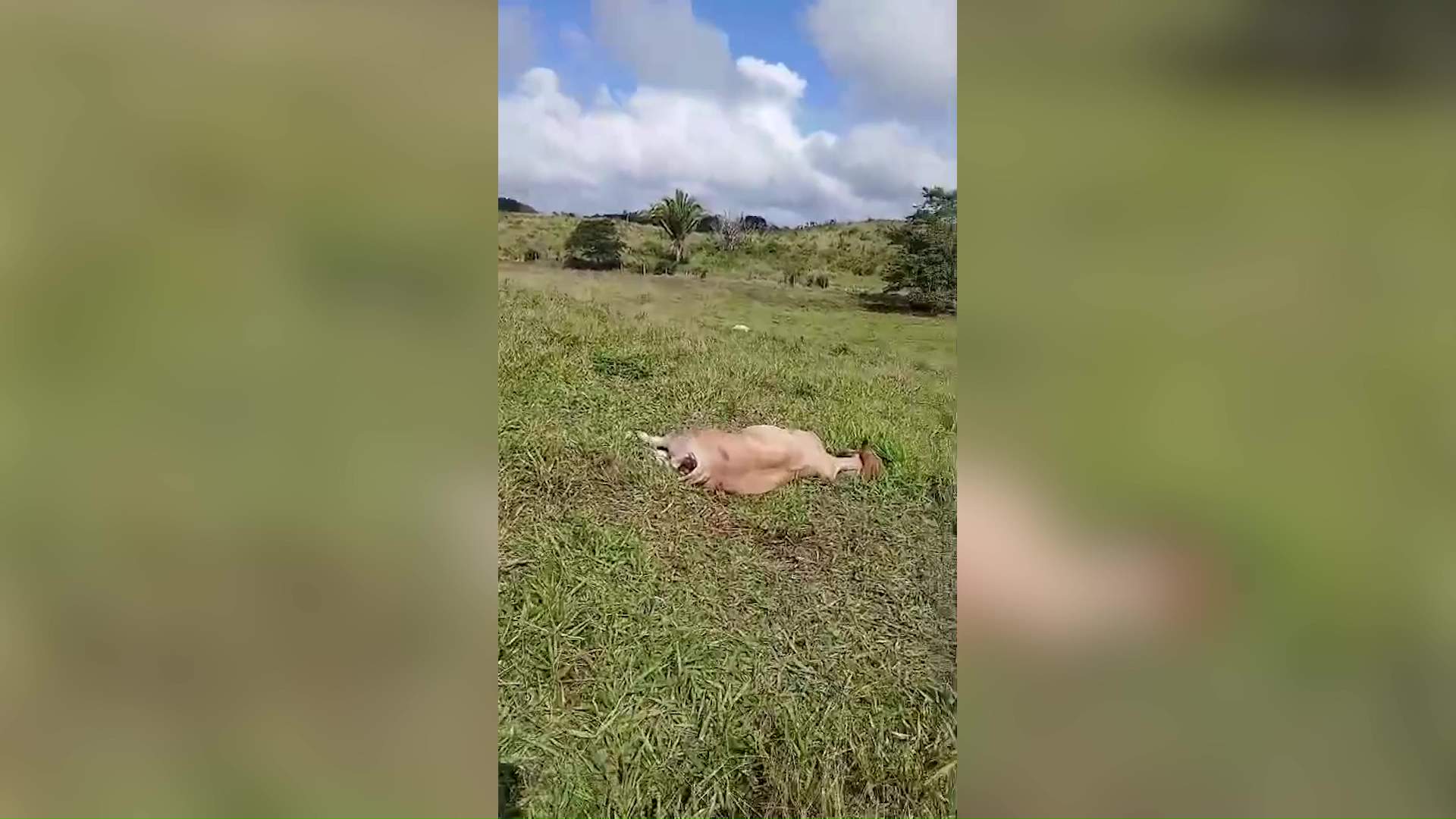
    A multi-generational ranching family in El Pilar, Cayo District, is confronting an agricultural crisis as their cattle herd suffers mysterious fatalities that have claimed sixteen animals since January 2026. Despite comprehensive vaccination protocols and professional intervention, the unexplained deaths continue to devastate the family’s livelihood.

    Adrian Balan, representing the family-operated ranch, reported discovering three additional deceased animals during a routine vaccination visit on February 13th. The ranchers have implemented all standard preventive measures, including vaccinations against blackleg, rabies, and tick fever—diseases common to Belize’s cattle industry. The Belize Agricultural Health Authority (BAHA) has conducted extensive testing, including water quality analysis and blood work, yet all results have returned negative for known pathogens.

    “We vaccine every year back-to-back and we are still losing,” Balan stated in an emotional account. “The animals appear completely healthy before suddenly dying. Even with Ministry of Agriculture assistance, we cannot identify the cause.”

    The family’s frustration is compounded by the financial impact of each loss, with no clear solution in sight. Agricultural officials have ruled out blackleg based on post-mortem examinations but remain uncertain about the actual cause. While tick fever was initially suspected, multiple vaccinations against this disease have failed to stop the fatalities.

    This ongoing situation highlights vulnerabilities in local agricultural systems and the critical need for advanced veterinary diagnostics in rural farming communities. The Balan family continues to seek answers as they watch their traditional livelihood diminish with each unexplained death.

  • Caye Caulker Shooting Leads to Wild Pursuit

    Caye Caulker Shooting Leads to Wild Pursuit

    A violent shooting on the tranquil island of Caye Caulker escalated into a dramatic police pursuit on Thursday evening, disrupting the peaceful atmosphere of the Belizean paradise. The incident commenced at approximately 8:30 PM when gunfire erupted along Parrot Fish Street, prompting immediate police response.

    Upon arrival, law enforcement officers witnessed a golf cart carrying three male occupants accelerating away from the scene, initiating a high-speed chase through the village’s narrow thoroughfares. During the pursuit, one individual leaped from the moving vehicle, discarded a suspicious object into a roadside garbage container, and swiftly reboarded the fleeing cart.

    The trail ultimately led authorities to the Caye Caulker Health Center, where they discovered 22-year-old Dominic Castillo suffering from a gunshot wound to his back. Medical personnel provided emergency treatment at the local clinic before transferring the victim to the Karl Heusner Memorial Hospital in Belize City for advanced medical attention.

    Police investigators subsequently retrieved the discarded item, identified as a 9mm Taurus pistol loaded with seven live ammunition rounds. Law enforcement officials have detained a 29-year-old local resident in connection with the weapon’s possession. Additional forensic evidence collected near Hawkbill Street, including seven spent shell casings and blood traces, suggests a more complex sequence of events than initially apparent. The investigation continues as authorities work to reconstruct the precise circumstances surrounding this violent disturbance.