博客

  • Quick to wed, quicker to walk

    Quick to wed, quicker to walk

    Jamaica is experiencing a concerning societal shift as marriage rates plummet while divorces surge, prompting leading relationship expert Bishop Dr. Carla Dunbar to issue a stark warning about modern attitudes toward marital commitment. Recent data from the Statistical Institute of Jamaica reveals marriages have declined dramatically from over 15,000 in 2022 to just 12,470 in 2024, while divorce filings have risen consistently from 3,310 to 3,729 during the same period.

    Dr. Dunbar, an accomplished counseling psychologist and licensed sex therapist, identifies a disturbing trend where couples approach separation with a ‘hire purchase’ mentality—abandoning relationships when immediate results aren’t achieved. She attributes this crisis to inadequate preparation for marriage, noting that many couples prioritize wedding ceremonies over the lifelong commitment they signify.

    ‘The accessibility of divorce has created a dangerous convenience,’ Dr. Dunbar explained to the Jamaica Observer. ‘Previously, people invested more effort into resolving marital issues because separation was more difficult. Now, divorce has become as easily obtainable as fast food—you simply drive through and collect your papers.’

    The expert criticized modern society’s demand for instant gratification, emphasizing that marriage requires patient cultivation like any living organism. ‘A child isn’t born an adult immediately, nor do you obtain a university degree instantly. Marriage demands time, tenderness, and committed effort from both parties to thrive,’ she argued.

    Dr. Dunbar specifically called upon church ministers and marriage officers to strengthen premarital counseling programs, noting that even pastors often insufficiently study biblical teachings on marriage. She warned against rushing couples to the altar without ensuring their emotional readiness for partnership realities, conflict resolution, and long-term sacrifice.

    Highlighting the spiritual dimension, Dr. Dunbar referenced Hebrews 13:4, stating that honoring marriage requires corresponding actions. She advocates for comprehensive counseling both before and after marriage ceremonies, rejecting abbreviated two-day sessions as insufficient for preparing couples for marital rigors.

    The relationship expert remains open to training marriage officers and pastors, emphasizing that successful marriages require maintenance through spiritual guidance and practical commitment rather than temporary emotions or romantic fantasies.


  • Middle-class dream for Tivoli Gardens

    Middle-class dream for Tivoli Gardens

    Tivoli Gardens, a community once globally defined by the violent 2010 security operation to capture former strongman Christopher Coke, is now undergoing a remarkable socioeconomic transformation. According to local Councillor Donovan Samuels of the Jamaica Labour Party, the area is demonstrating significant renewal and possesses the tangible potential to evolve into a middle-class neighborhood.

    In an interview with the Jamaica Observer during the ceremonial opening of parliament, Councillor Samuels articulated a vision of profound change. He described Tivoli Gardens not as a problem area but as a leadership brand, emphasizing continuous efforts to improve both community infrastructure and individual lives. The improved national economy has directly benefited residents through increased employment opportunities, specialized training programs, and visibly enhanced living standards.

    The community’s historical stigma as a violence-prone zone is gradually fading, replaced by growing social acceptance. Samuels recalled that during the 1970s, providing a Tivoli Gardens address would generate immediate pushback, whereas today it increasingly meets with welcoming responses. This cultural shift is supported by diverse community activities encompassing cultural events, health initiatives, and workforce development programs accessible to all residents.

    Samuels projects that within the next five to ten years, Tivoli Gardens could complete its transition to a genuine middle-class society. This optimism stems from observable behavioral changes among younger generations who are pursuing education with notable success—obtaining Caribbean Secondary Education Certificate (CSEC) qualifications and university degrees before securing quality employment.

    A cornerstone of this transformation is the Tivoli Mural Project, initiated in 2022 as a creative response to community trauma. The project’s first phase transformed 5,000 square feet of walls—some still bearing bullet holes from the 2010 operation—into powerful murals symbolizing hope and resilience. The second phase expanded this artistic reclamation dramatically, with seventy international artists creating large-scale murals across 35,000 square feet of community walls.

    These artistic interventions have stimulated intellectual development among youth, who now engage in critical discussions interpreting mural themes. This development of analytical capacity aligns perfectly with the project’s fundamental intention: to cultivate thoughtful citizens capable of independent interpretation and dialogue, further accelerating Tivoli Gardens’ remarkable journey toward renewal and social elevation.

  • Remembering Bunny Rugs… 12 years on

    Remembering Bunny Rugs… 12 years on

    As Jamaica’s annual Reggae Month celebrations unfold this February, the festivities carry a poignant tone following recent losses within the music community. Among those being honored is William ‘Bunny Rugs’ Clarke, the legendary Third World frontman whose death on February 2, 2014, left an irreplaceable void in Caribbean music.

    Beyond his iconic status as lead vocalist for the Grammy-nominated band, Clarke’s journey reveals a multifaceted artist of remarkable depth. His musical origins trace back to church choirs in Manchester parish, where he first cultivated his vocal talents. Surprisingly, before committing to music, Clarke trained as a visual artist at Jamaica School of Arts and Crafts (now Edna Manley College) for over two years.

    Clarke’s professional breakthrough came with Inner Circle in 1969, preceding Jacob Miller’s tenure as lead singer. His relocation to New York in 1973 introduced an unconventional interlude—driving a yellow cab and working on Wall Street before joining Third World in 1976.

    The origin of his distinctive stage name combines childhood and adult experiences: ‘Bunny’ derived from his grandmother’s observation of his rabbit-like energy, while ‘Rugs’ referenced his habit of sleeping on floors during touring days.

    His collaborative work with legendary producer Lee ‘Scratch’ Perry at Black Ark studio (under the name Bunny Scott) showcased his individual brilliance before catapulting to fame with Third World. The band’s 10 Grammy nominations underscored their global impact, while Clarke’s 2016 posthumous Order of Distinction (Officer Class) recognized his enduring cultural contributions.

    Though synonymous with Third World, Clarke’s solo discography—including 1995’s ‘Talking To You’ and 2012’s ‘Time’—revealed more personal artistic dimensions. Intriguingly, he shared a February 6 birthday with Bob Marley, a coincidence many regard as spiritually significant for reggae’s evolution.

    His legacy continues through daughter Adriana, who discovered her own musical voice after performing at her father’s memorial services. ‘A confidence came that I never had before,’ she told the Jamaica Observer in 2019, embodying the enduring influence of a man who helped shape reggae’s global identity.

  • Celebrating a Centenarian

    Celebrating a Centenarian

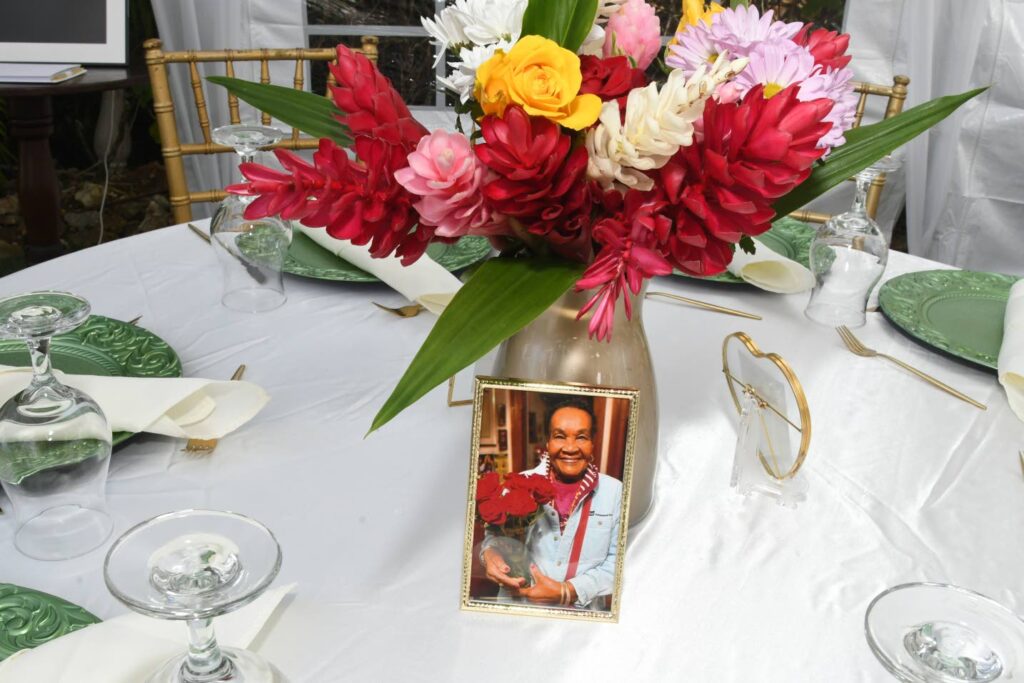
    The air at the Dr. Andre Minott-designed ‘Jazz Bass’ estate in Boscobel, St. Mary, was filled with melodic tributes as approximately one hundred family members and friends formed an honor guard for soon-to-be centenarian Elaine Ingleton. The all-white affair on Saturday, February 7, 2026—just days before her February 12 birthday—became a profound celebration of a remarkable century of life.

    Guided by Hussain Al-Shibib in her wheelchair, Mrs. Ingleton radiated joy as she processed through the receiving line, pausing to acknowledge familiar faces. The emotional journey began with guests singing her favorite Louise ‘Miss Lou’ Bennett song, followed by Karl Fraser’s piano artistry and a soulful rendition of Frank Sinatra’s ‘My Way’ performed by her sons Peter and Patrick.

    The celebration migrated to the pool deck and lower lawn area where generations connected over a traditional Jamaican menu. Ronald Ingleton served as master of ceremonies, facilitating an open mic session that revealed the extraordinary impact of the honoree’s life. Ahlam Al-Shibib, who employed Mrs. Ingleton as a nanny over four decades ago, expressed deep familial bonds: ‘Without you, we wouldn’t have made it. I love you so much, and my family loves you so much.’

    Her son Hussain, who along with siblings affectionately calls her ‘Nana Etta,’ thanked the Ingleton family for sharing their matriarch. Sister Maha emphasized Mrs. Ingleton’s constant presence in their milestones: ‘There hasn’t been a celebration that you haven’t been a part of—every graduation, every birth, every wedding.’

    Grandson Christopher Ingleton highlighted the rare significance of the gathering: ‘What Mummy has done culminates in five generations. We are all here from so many corners of the world… she has impacted all our lives.’

    The event garnered official recognition through messages read by Jamaica Observer Senior Associate Editor Novia McDonald-Whyte. Governor General of Jamaica Sir Patrick Allen extended warm greetings for attaining ‘the blessing of 100 years,’ while Minister of Health and Wellness Dr. Christopher Tufton praised ‘a century of a life beautifully lived… testament to your strength, your grace and enduring spirit.’

    The celebration stood as testament to a life that transcended biological family, weaving together multiple generations and cultures through unwavering love and service, creating a legacy that spans from Jamaica to international dignitaries, including the previously noted appearance by the Governor of New York at her 90th birthday celebration in Queens.

  • ALL HANDS ON DECK!

    ALL HANDS ON DECK!

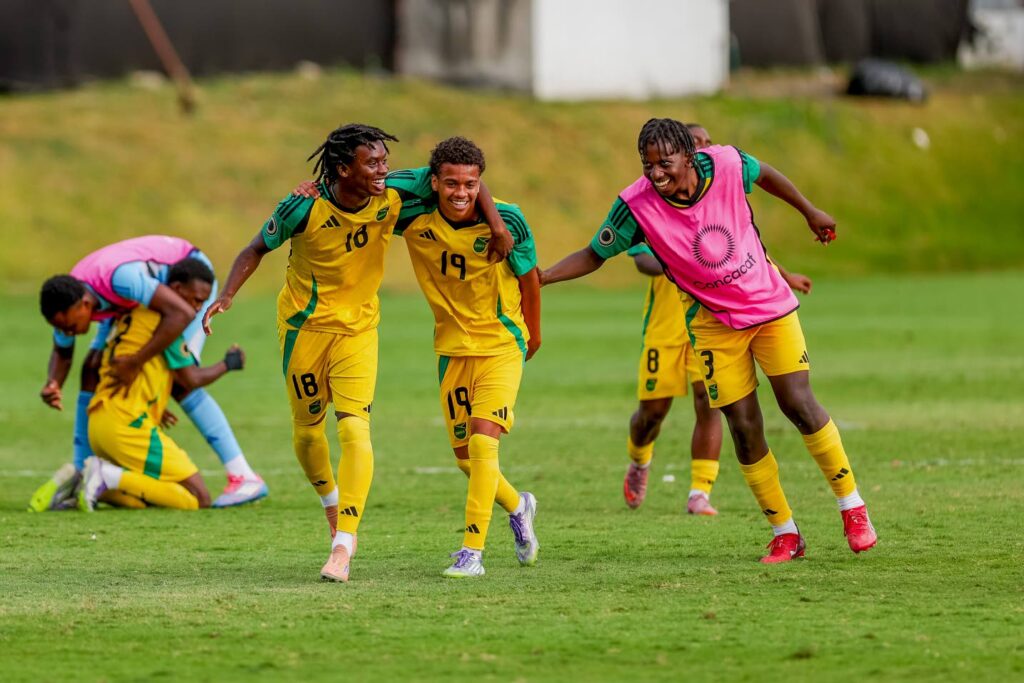
    Jamaica’s triumphant return to the FIFA Under-17 World Cup stage has been met with both celebration and strategic planning from Head Coach Wendell Downswell, who immediately shifted focus to the preparation needed for global competition following their successful qualification campaign.

    The young Reggae Boyz secured their spot in November’s Qatar tournament by dominating Group G at the Concacaf Qualifiers in Costa Rica, achieving an impressive record of 18 goals scored with only one conceded. Their decisive victories included a 3-0 win against Aruba, a commanding 12-0 triumph over the Cayman Islands, and a crucial 3-1 victory against higher-ranked Canada.

    Downswell, who has now guided his third Jamaican youth team to World Cup qualification, attributed their success to exceptional team unity and structured professionalism. “The level of harmony and tranquillity that transpired within our staffing and players allowed us to maximize our potential,” he stated during a welcome reception at Norman Manley International Airport.

    The coach highlighted disciplined tactical execution and effective mentorship programs as foundational to their qualifying performance. “We mentored the players throughout from the respective camps, and it paid off for us,” Downswell explained, noting how the team leveraged their speed and aggression in a controlled manner.

    Looking ahead, Downswell emphasized that comprehensive support systems will determine Jamaica’s competitiveness on the world stage. The technical team plans to reopen selection processes to identify additional players with requisite attributes while structuring preparations around the upcoming tournament draw. Critical elements will include warm-up matches, conditioning programs, and detailed scouting operations.

    This qualification marks Jamaica’s third appearance at a FIFA U-17 World Cup and their first since 2011, representing a significant milestone for Caribbean football development.

  • Jamaica looks up

    Jamaica looks up

    Jamaica’s geographical constraints and vulnerability to natural disasters are catalyzing a revolutionary approach to urban development that prioritizes intelligence over mere height. The island nation is being compelled to rethink its growth strategy, moving away from short-term solutions and embracing a future built on sophisticated, multi-layered vertical communities that integrate resilience, technology, and sustainability at their core.

    The concept of vertical living in Jamaica transcends traditional high-rise construction. It represents a fundamental shift toward creating condensed yet high-quality living spaces that preserve precious land while expanding economic opportunity. This approach requires buildings conceived as living systems rather than static structures—architectural entities capable of thinking, adapting, and enduring environmental challenges.

    Critical to this vision are digital nervous systems comprising networks of sensors, cabling, and controls that enable real-time monitoring of structural integrity, environmental conditions, and resource consumption. These intelligent systems transform buildings from passive structures into responsive environments that can anticipate and react to changing conditions, from seismic activity to hurricane-force winds.

    Advanced seismic technologies like base isolation systems allow buildings to float and sway gently during earthquakes, dramatically reducing structural stress and enhancing occupant safety. Similarly, hurricane resilience is achieved through impact-resistant glazing combined with pressure sensors and envelope monitoring systems that detect vulnerabilities before they become failures.

    The paradigm shift is particularly evident in fire safety, where autonomous compartmentalized systems replace traditional evacuation models. Intelligent suppression systems isolate and extinguish fires locally while controlling smoke movement through pressurized systems, allowing residents to remain safely in place during emergencies.

    Contrary to perceptions of prohibitive cost, intelligent building technologies demonstrate significant long-term economic benefits. Smart monitoring systems detect maintenance issues early, preventing catastrophic failures, while energy management systems reduce consumption through behavioral learning. Predictive maintenance extends equipment life and minimizes operational disruptions, ultimately lowering service charges for residents and reducing insurance costs.

    The most transformative aspect of Jamaica’s vertical development vision lies in creating self-contained communities where residential, commercial, and agricultural functions coexist within interconnected structures. Vertical gardens and rooftop farms provide food resilience while cooling façades and improving air quality, reducing dependency on external systems vulnerable to climate volatility.

    This approach represents not merely a construction strategy but a national mindset focused on building environments that are adaptive, humane, and specifically designed for island realities. Jamaica’s opportunity lies not in imitating global cities but in pioneering intelligent vertical development that addresses the unique challenges of limited land resources and climate vulnerability through integrated technological solutions.

  • At breaking point

    At breaking point

    A 34-year-old Jamaican mother, Chantal Wynter, has become the face of systemic failures within Jamaica’s special education and disability support systems. For over nine years, her 15-year-old autistic son Zevoni Redway has been denied access to education despite repeated attempts to enroll him in specialized institutions.

    Wynter’s struggle highlights critical gaps in rural special education infrastructure, with waiting lists stretching years at facilities like Edge Hill School of Special Education in St. Ann’s Bay. Beyond educational barriers, she faces bureaucratic obstacles in securing financial assistance from the Jamaica Council for Persons with Disabilities (JCPD), where documentation issues and communication breakdowns have delayed crucial support grants.

    The situation compounds for Wynter, who lives with an autoimmune disorder affecting her mobility and voice. She reports facing employment discrimination when potential employers learn about her autistic child, viewing her as a liability. Following Hurricane Melissa’s impact last October, her requests for basic care packages were denied despite her vulnerable circumstances.

    Education officials acknowledge these systemic challenges. Chief Education Officer Dione Jones-Gayle confirmed transportation limitations prevent rural students from accessing specialized education, though she announced Zevoni’s recent acceptance to Edge Hill School—a development Wynter claims she hasn’t been notified about.

    JCPD Executive Director Dr. Christine Hendricks explained that while support programs exist for registered individuals, limited annual funding means resources are often exhausted before meeting demand. The agency provides educational support, therapy funding, assistive devices, and business grants, but implementation remains inconsistent.

    Recent ministry assessments reveal alarming trends: approximately 1 in 54 Jamaican children are diagnosed with autism, while over 40% of children with special needs remain out of school—highlighting a critical national education gap that disproportionately affects rural communities.

  • Cop among duo charged over chopping incident

    Cop among duo charged over chopping incident

    In a significant development that has drawn attention to law enforcement conduct, authorities in St. Vincent and the Grenadines have taken the unusual step of arresting and charging one of their own personnel. Ezran Harper, a 39-year-old police constable with nearly twenty years of service in the tactical Rapid Response Unit, now faces serious criminal charges alongside Damian Harper, a 30-year-old barber from the same community.

    The two men stand accused of perpetrating a violent machete attack on Marcus Billy, a 51-year-old resident, during an incident that occurred last Friday in the Langley Park area of Georgetown. According to official charges, the defendants unlawfully and maliciously inflicted grievous bodily harm upon Billy by striking him with a cutlass (a type of machete) on his left foot and right hand.

    The case has raised questions about police accountability, particularly given Harper’s long-standing service within the specialized tactical unit of the Royal St. Vincent and the Grenadines Police Force. Both accused individuals have been granted station bail pending their scheduled appearance before a magistrate, which is set for Monday. The judicial proceedings will determine the next steps in a case that has highlighted the legal system’s handling of alleged offenses committed by law enforcement personnel.

  • BGVS meldt verlies van US$ 1,3 miljoen aan vervallen medicijnen

    BGVS meldt verlies van US$ 1,3 miljoen aan vervallen medicijnen

    Suriname’s national drug supply agency faces a substantial financial and logistical challenge following the expiration of pharmaceuticals worth approximately $1.3 million. The Bedrijf Geneesmiddelenvoorziening Suriname (BGVS) has formally reported the situation to Health Minister André Misiekaba, detailing both the immediate disposal requirements and underlying systemic issues.

    According to BGVS Director Quincy Joemai, the expired medications represent previously purchased and paid-for supplies that were not utilized within their shelf life. The substantial volume of expired drugs has created significant storage complications, forcing the agency to relocate the materials to an external warehouse three times larger than their previous facility. ‘We faced a critical space shortage,’ Joemai explained through the Suriname Communication Service. ‘This warehouse allows secure storage pending destruction.’

    The disposal process presents considerable challenges, with BGVS currently negotiating with hospitals possessing incineration capabilities to ensure environmentally compliant destruction. Burial or dumping remains prohibited under national environmental regulations. ‘These materials require appropriate destruction methods, but the associated costs are substantial,’ Joemai noted.

    To mitigate financial pressures, authorities are exploring cost offsetting through outstanding hospital debts. Additionally, officials are developing a method to remove medications from their packaging before disposal, reducing volume and weight to lower transportation and destruction expenses. The complete disposal operation is projected to require one to two years given the massive scale of expired inventory.

    Beyond immediate disposal concerns, BGVS is implementing organizational reforms addressing deeper structural issues. Director Joemai inherited significant operational and financial challenges upon appointment, including critically low inventories and substantial debts. ‘We first needed rescue operations, now we’re in the recovery phase,’ he stated.

    Despite current challenges, the agency reports gradual improvement in medication availability, with drugs listed on the National Medicines Formulary increasing from 18% to 21% availability. ‘Quality remains our priority,’ Joemai emphasized. ‘Medications only receive distribution approval after thorough verification by our pharmacists and laboratory personnel.’

    Healthcare observers indicate this $1.3 million loss underscores the urgent need for enhanced inventory management, refined procurement planning, and improved distribution systems to prevent future recurrence of such substantial waste.

  • Some ECCU Member States Not on Track to Meet 60% Debt Target by 2035, Governor Says

    Some ECCU Member States Not on Track to Meet 60% Debt Target by 2035, Governor Says

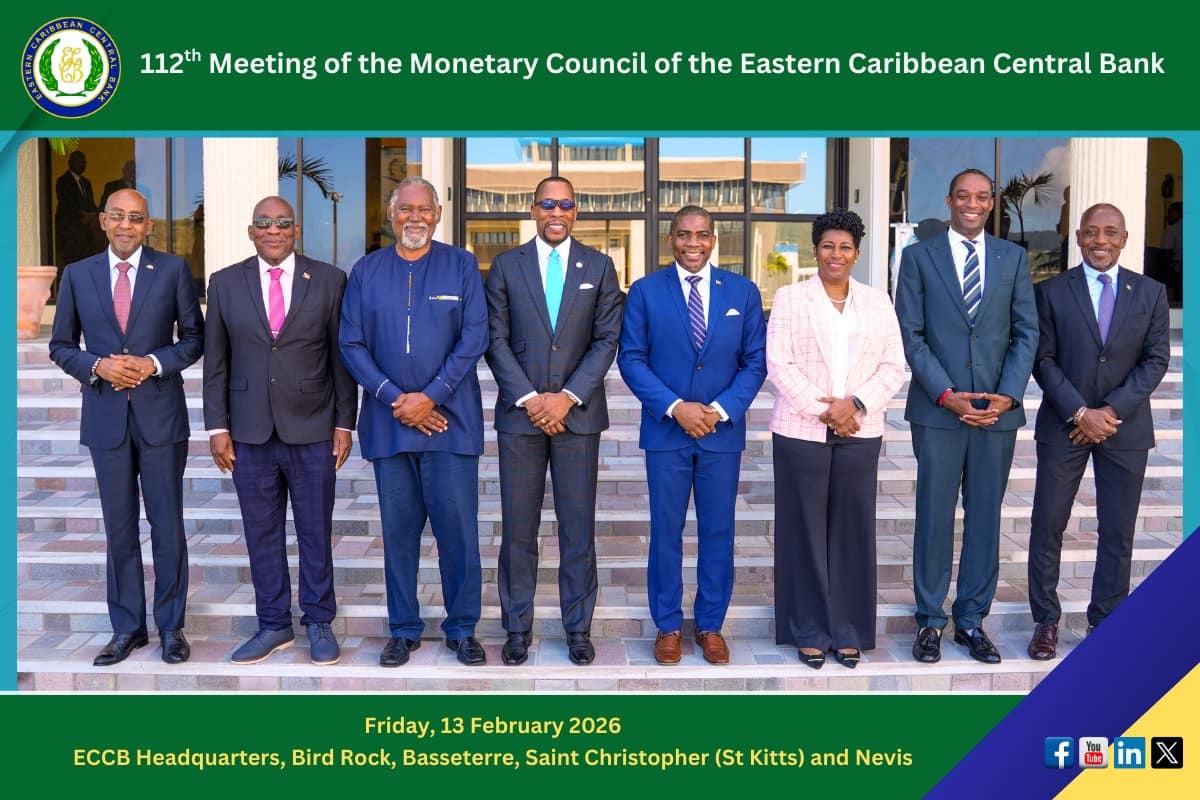
    Several Eastern Caribbean Currency Union (ECCU) member states are struggling to achieve the regionally mandated debt-to-GDP target of 60% by 2035, according to disclosures from the Eastern Caribbean Central Bank’s Monetary Council. The revelation emerged from the 112th council meeting held February 13, 2026, at the ECCB headquarters in St. Kitts and Nevis.

    ECCB Governor Timothy N.J. Antoine confirmed that while some members are progressing satisfactorily toward the fiscal benchmark, others are significantly off track, with current debt ratios ranging from 6% to 100% across the eight-nation monetary union. The council’s communique explicitly noted that ‘some member countries are not on track to secure the debt-to-GDP ratio of 60% by 2035,’ despite ongoing governmental efforts to enhance fiscal sustainability.

    The timeline extension from 2030 to 2035 was initially granted during the pandemic, which Governor Antoine characterized as a ‘one in 100 year event’ requiring substantial economic adjustment periods. However, subsequent challenges including global inflation, the 2021 volcanic eruptions in St. Vincent and the Grenadines, and recurring hurricane events have further complicated debt reduction efforts.

    Governor Antoine emphasized that debt-to-GDP remains a ‘key metric’ for the monetary union, serving as a crucial anchor for economic stability. While not identifying specific underperforming nations, he acknowledged the ‘difficult environment’ where external shocks persistently disrupt fiscal consolidation initiatives.

    The Monetary Council has advocated for implementing fiscal resilience frameworks that establish clear rules guiding countries toward debt targets. These frameworks require disciplined annual budgeting approaches, including debt-reducing balances and primary surpluses. Antoine described this process as a ‘work in progress’ essential for building fiscal space that enables crisis response without compromising long-term objectives.

    Despite debt concerns, the council reported strong underlying monetary fundamentals. The EC dollar maintains exceptional strength with a 99.5% backing ratio—significantly exceeding the 60% statutory minimum—and foreign reserves totaling EC$5.83 billion, indicating robust macroeconomic stability within the currency union.