博客

  • Soufriere tragedy sparks heartfelt tributes to devoted father

    Soufriere tragedy sparks heartfelt tributes to devoted father

    The coastal community of Castries, Saint Lucia, has been plunged into mourning following the tragic demise of 31-year-old Sherman Lionel in a marine incident off Anse Mamin, Soufriere. The fatal accident occurred on Wednesday when Lionel, an experienced snorkeler, was struck by a water vessel while exploring underwater realms.

    Emergency response efforts saw the victim transported via private means to Soufriere Hospital, where medical personnel pronounced him deceased approximately at midday. Preliminary reports indicate the severity of injuries sustained in the collision proved insurmountable despite medical intervention.

    As news of the tragedy circulated throughout the island nation, digital memorials blossomed across social media platforms, revealing Lionel’s identity as a dedicated parent and aquatic enthusiast. Heartfelt tributes consistently highlighted his profound devotion to his three young children—one son and two daughters—and his authentic passion for marine activities.

    Digital eulogies captured the collective grief, with one social media user noting: ‘You departed while engaged in what you loved most—diving,’ while another tribute emphasized: ‘His children constituted his entire world. Our hearts break for them.’

    Law enforcement authorities have verified that an additional individual sustained injuries during the incident, though specific details regarding their medical status remain confidential pending family notifications. The Marine Intelligence and Investigations Unit has launched a comprehensive investigation to determine the precise sequence of events and contributing factors that led to this fatal maritime collision.
  • Guyanese Nationals Lead Migrant Population in Antigua and Barbuda

    Guyanese Nationals Lead Migrant Population in Antigua and Barbuda

    A comprehensive analysis of migration patterns across the Caribbean Community (CARICOM) reveals a complex tapestry of movement driven by economic opportunity, regional instability, and historical ties. According to the International Organization for Migration’s 2024 report utilizing UNDESA mid-year estimates, migration trends vary dramatically depending on geographical and political contexts within the region.

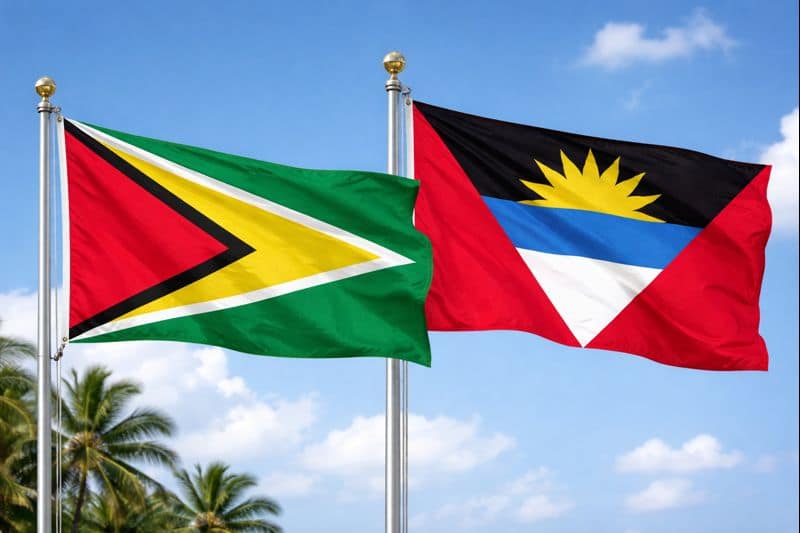
    The data demonstrates that intra-Caribbean migration continues to be a significant phenomenon, with Guyanese nationals emerging as the predominant migrant group in five CARICOM member states: Antigua and Barbuda, Barbados, St. Lucia, Suriname, and St. Kitts and Nevis. Similarly, Trinidadians constitute the largest migrant community in Grenada and St. Vincent and the Grenadines. These patterns highlight how economic prospects and familial connections drive movement within the Caribbean basin.

    Conversely, several nations experience migration flows profoundly influenced by neighboring crises. Guyana reports that 75% of its migrant population originates from Venezuela, illustrating years of cross-border movement fueled by Venezuela’s ongoing political and economic turmoil. Trinidad and Tobago mirrors this trend with Venezuelans accounting for 30% of its migrant demographic. The Bahamas records Haitians as comprising 26% of migrants, while Dominica shows 31% of migrants coming from Haiti.

    Diverging from these regional patterns, Belize’s migration profile reflects Central American influences, with Guatemalans (43%), Salvadorans (16%), and Hondurans (16%) forming the majority. Jamaica presents yet another distinct pattern, with the United States (13%) and the United Kingdom as primary countries of origin, suggesting significant return migration and diaspora connections rather than regional movement.

    The report concludes that Caribbean migration is shaped by multiple intersecting factors including established free movement frameworks, geographical proximity, economic attractiveness, and displacement from adjacent crises, creating a uniquely complex migration landscape within the region.

  • CXC charts a digital future for Caribbean learners

    CXC charts a digital future for Caribbean learners

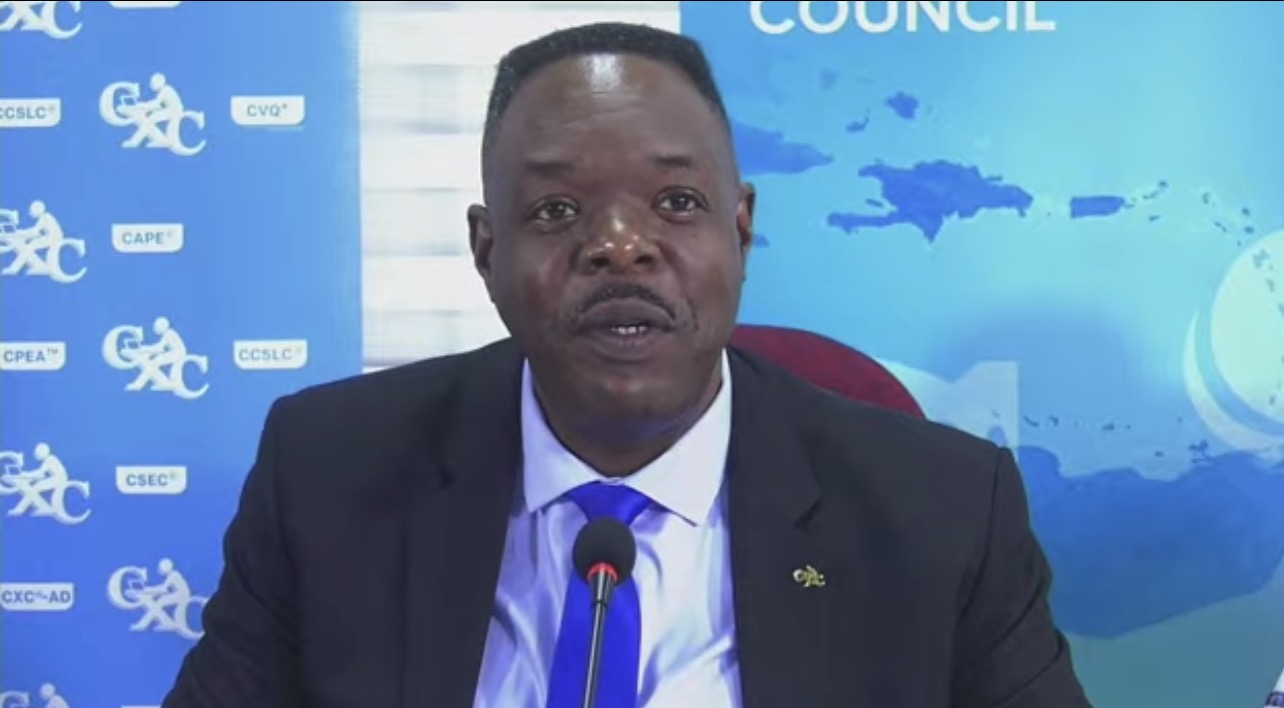
    The Caribbean Examinations Council (CXC) has unveiled an ambitious digital transformation roadmap, targeting complete digitization of all examinations within the next three to five years. This strategic shift will commence with a partial digital rollout during the January 2026 sitting, marking a significant milestone in the region’s educational assessment evolution.

    Registrar and CEO Dr. Wayne Wesley confirmed that over 10,000 candidates will participate in the January 2026 Caribbean Secondary Education Certificate (CSEC) examinations through digital and hybrid assessment formats. Immediate preparations are underway for the May-June 2026 examinations, which will involve more than 100,000 candidates and exceed 600,000 subject entries as the organization accelerates toward full digital implementation.

    Concurrently, the Council’s Board of Governors has endorsed comprehensive disaster-response protocols to ensure educational continuity during crises. The six-step business recovery framework, currently activated in Jamaica following Hurricane Melissa, enables coordinated responses to hurricanes, floods, volcanic eruptions, or civil unrest. The protocol includes modified examination arrangements for severely affected schools, adjusted school-based assessments, waived late registration penalties, and extended submission deadlines until June 15, 2026.

    CXC has also introduced updated regional literacy and numeracy benchmarks alongside revised standards for the Caribbean Primary Exit Assessment (CPEA). These publicly available resources, benchmarked against international measures, define competency requirements for proficiency and aim to enhance learning outcomes across primary and secondary education levels.

    In a significant inclusion initiative, the Council is advocating for the adoption of the WIPO Marrakesh Treaty through regional ministries of education. This effort aims to guarantee accessible learning materials for visually impaired and print-disabled students. For the 2025 examinations, special arrangements were provided for more than 3,400 candidates with visual impairments and other special needs, reaffirming CXC’s commitment to equitable participation for all learners regardless of ability.

    Dr. Wesley emphasized CXC’s renewed vision to ‘ignite the potential and shape the future of our Caribbean people,’ highlighting the organization’s five-decade legacy as a CARICOM treaty body dedicated to advancing educational opportunities across the region.

  • Dominica’s Judy Sango participates in UN agencies and OPDs’ webinar highlighting inclusive hiring practices in the Caribbean

    Dominica’s Judy Sango participates in UN agencies and OPDs’ webinar highlighting inclusive hiring practices in the Caribbean

    A groundbreaking regional webinar has galvanized efforts to transform workplace cultures across Barbados and the Eastern Caribbean, with United Nations agencies partnering with Organizations of Persons with Disabilities (OPDs) to accelerate inclusive employment practices. The virtual forum marked a strategic shift from compliance-based approaches to creating genuinely accessible environments where diverse talents can flourish.

    Judy Sango, President of the Dominica Association of Persons with Disabilities and freelance writer, challenged pervasive stereotypes during her address. “The false equivalence between disability and inability remains our greatest barrier,” she noted, urging employers to adopt value-based hiring rather than charitable approaches. Sango emphasized that persons with disabilities demonstrate exceptional problem-solving capabilities, resilience, and reliability when given equitable opportunities.

    Patrice Quesada, UN Resident Coordinator a.i. for Barbados and the Eastern Caribbean, framed employment as a transformative tool for social cohesion. “Inclusive hiring transcends box-ticking exercises—it’s about cultivating environments that genuinely value diversity as the cornerstone of community resilience,” he stated in his opening remarks.

    Barbadian attorney Jeneil Odle brought personal perspective as member of the Barbados Council for the Disabled, advocating for systemic educational reforms. “We need expanded special needs schooling beyond primary level, improved assistive technology access, and comprehensive teacher training,” Odle articulated. She notably reframed inclusion as economic imperative: “This isn’t charity—it strengthens business performance, governance, and societal progress simultaneously.”

    The discussion highlighted structural challenges identified by Michelle Brathwaite of the UN Human Rights Office, including legislative gaps, insufficient data collection, and underfunded support services across the region. UNESCO’s Yeonghyeon Kim emphasized accessible information design as critical for equitable recruitment processes.

    ILO Geneva’s Senior Disability Specialist Stefan Tromelo directly contested harmful assumptions: “We must dismantle the myth that informal economy participation is the only option for persons with disabilities. Decent formal employment must become universally accessible.”

    The forum concluded with spotlight on youth-led initiatives, including Grenadian advocate Zinzee Noel’s ‘HireAbility’ social media campaign developed with the UN Resident Coordinator’s Office. This grassroots movement aims to reshape employer perceptions through authentic storytelling and awareness-building.

  • New School of Agriculture in Glanvilles to Open Next Month

    New School of Agriculture in Glanvilles to Open Next Month

    The Antigua and Barbuda College of Advanced Studies (ABCAS) has announced the imminent launch of a pioneering agricultural education institution at the former Glanvilles Secondary School campus, with operations scheduled to commence as early as next month. This transformative educational initiative represents a strategic repurposing of educational infrastructure to address national priorities.

    Under the leadership of ABCAS President Dr. E. Jonah Greene, the institution is developing a specialized curriculum through collaborative efforts with both local and regional agricultural experts. The inaugural academic offering will feature two intensive short courses focused on crop production and poultry farming, scheduled for deployment between January and February.

    This educational repurposing follows the Cabinet-approved consolidation of Glanvilles and Pares Secondary Schools, a measure implemented to optimize resources amid declining enrollment figures. At the time of merger, Glanvilles recorded 163 students while Pares had 178 enrolled. The transition involved transferring current Glanvilles students to Pares Secondary School, with teaching staff either reassigned to other institutions or retained within the Ministry of Education’s administrative framework.

    The newly designated agricultural campus will leverage Glanvilles’ existing infrastructure, including a fully-equipped science laboratory, home economics department, hydroponic cultivation unit, animal pens, and multiple farm plots. This comprehensive facility repurposing aligns with the government’s heightened emphasis on achieving national food security objectives and advancing specialized agricultural education to strengthen the country’s resilience and self-sufficiency in food production.

  • West Indies set sights on U19 World Cup glory in Southern Africa

    West Indies set sights on U19 World Cup glory in Southern Africa

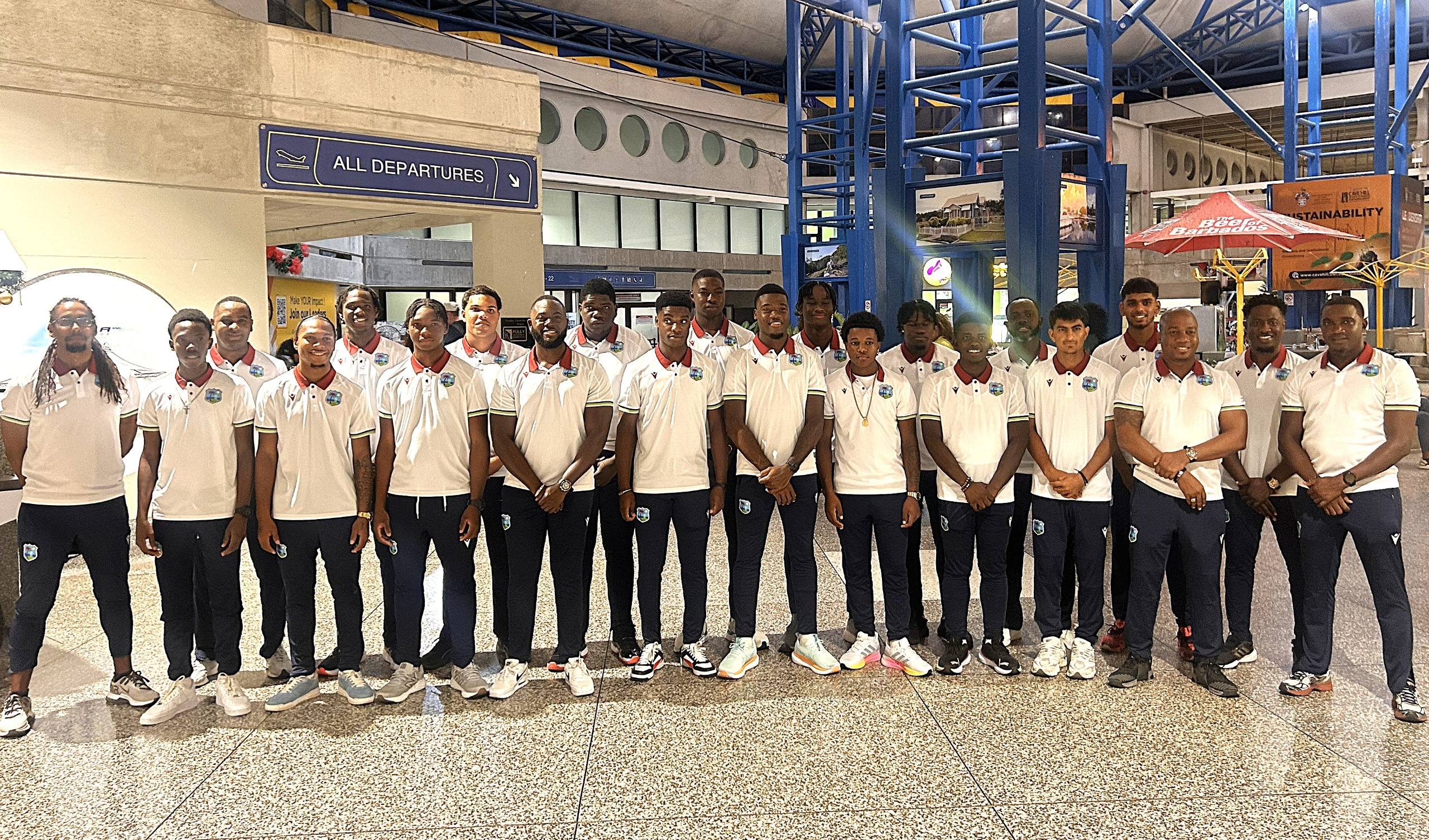
    The West Indies Under-19 cricket squad is intensifying its preparatory efforts with ambitious aspirations for the upcoming ICC Under-19 World Cup, set to take place across Zimbabwe and Namibia from January 15 to February 6, 2026. Under the leadership of captain Joshua Dorne and head coach Rohan Nurse, the Caribbean team aims to replicate their historic 2016 triumph when they clinched their sole championship title in the tournament’s history.

    A notable inclusion in the selected roster is Antiguan batsman Jewel Andrew, who brings valuable senior-level experience to the youth team. Andrew made his international debut in both One Day Internationals and T20 International formats during 2024, in addition to recording a half-century in the competitive Republic Bank Caribbean Premier League.

    Team captain Dorne expressed enthusiastic optimism about their prospects, emphasizing the significance of international exposure. “The opportunity to compete in an ICC tournament against diverse international squads provides invaluable experience for every player,” the Barbadian cricketer stated. “Jewel’s inclusion substantially strengthens our lineup given his established international background.”

    Vice-captain Jonathan Van Lange echoed this positive outlook, acknowledging his inaugural World Cup participation. “I’m eagerly anticipating the challenge ahead,” the Guyanese player commented. “This represents my first major international tournament, and I’m focused on delivering strong performances through dedicated training sessions with our pathway coaches.”

    Head Coach Nurse emphasized the program’s broader developmental objectives, noting: “From the initial stages, we’ve prioritized educating these young athletes about international cricket standards, both for youth ODI competitions and future professional careers. They’re learning to balance off-field preparation with on-field execution while appreciating the opportunities presented to them.”

  • Royalton Antigua and Tamarind Hills Antigua Among USA TODAY 10BEST Caribbean Winners

    Royalton Antigua and Tamarind Hills Antigua Among USA TODAY 10BEST Caribbean Winners

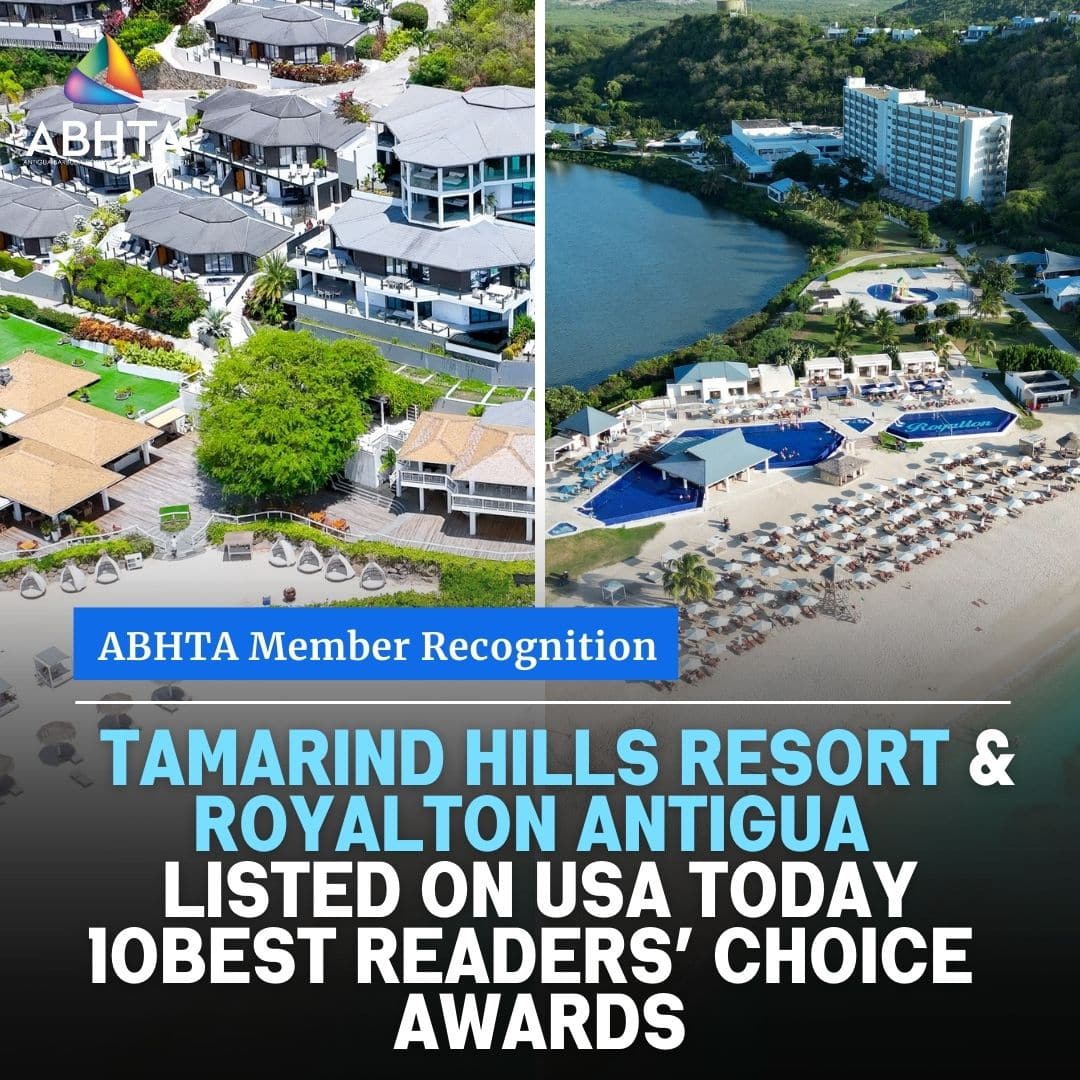
    The Caribbean island nation of Antigua has demonstrated its formidable standing in global tourism with two of its premier resorts earning distinguished recognition in the highly anticipated 2026 USA TODAY 10BEST Readers’ Choice Awards. This accolade serves to underscore the destination’s escalating appeal and competitive edge in the luxury travel market.

    In a significant achievement, Royalton Antigua clinched an impressive third place in the fiercely competitive ‘Best All-Inclusive Caribbean Resort’ category. Simultaneously, Tamarind Hills Antigua garnered notable acclaim, securing the seventh position among the elite ‘Best Caribbean Resorts’.

    The selection process for these prestigious awards embodies a democratic and expert-driven methodology. Initial nominations are curated by a panel of industry specialists, after which the final rankings are determined through an extensive period of public voting. This dual approach ensures that the results reflect both professional endorsement and genuine traveler satisfaction, providing a comprehensive measure of quality.

    The Antigua and Barbuda Hotels and Tourism Association (ABHTA) formally extended its congratulations to the winning establishments. In an official statement, the association emphasized that these honors are far more than mere trophies; they are a powerful affirmation of the nation’s status as a premier Caribbean destination. “These accolades are a testament to the unwavering commitment of our entire hospitality sector to achieving excellence and crafting uniquely memorable experiences for every visitor,” a representative from the ABHTA commented.

    This international recognition strategically positions Antigua and Barbuda alongside the most celebrated and sought-after tourism destinations in the region. The dual triumph highlights the diversity of the nation’s offerings, showcasing its ability to excel in providing both opulent luxury escapes and comprehensive all-inclusive vacation packages, thereby catering to a wide spectrum of international traveler preferences.

    The awards are expected to significantly boost the destination’s profile, reinforcing its marketing message of quality and exceptional service. For further details on the complete list of winners and the award methodology, the official USA TODAY 10BEST website remains the primary resource.

  • PM Mottley urges families to join One Family drive to rebuild social fabric

    PM Mottley urges families to join One Family drive to rebuild social fabric

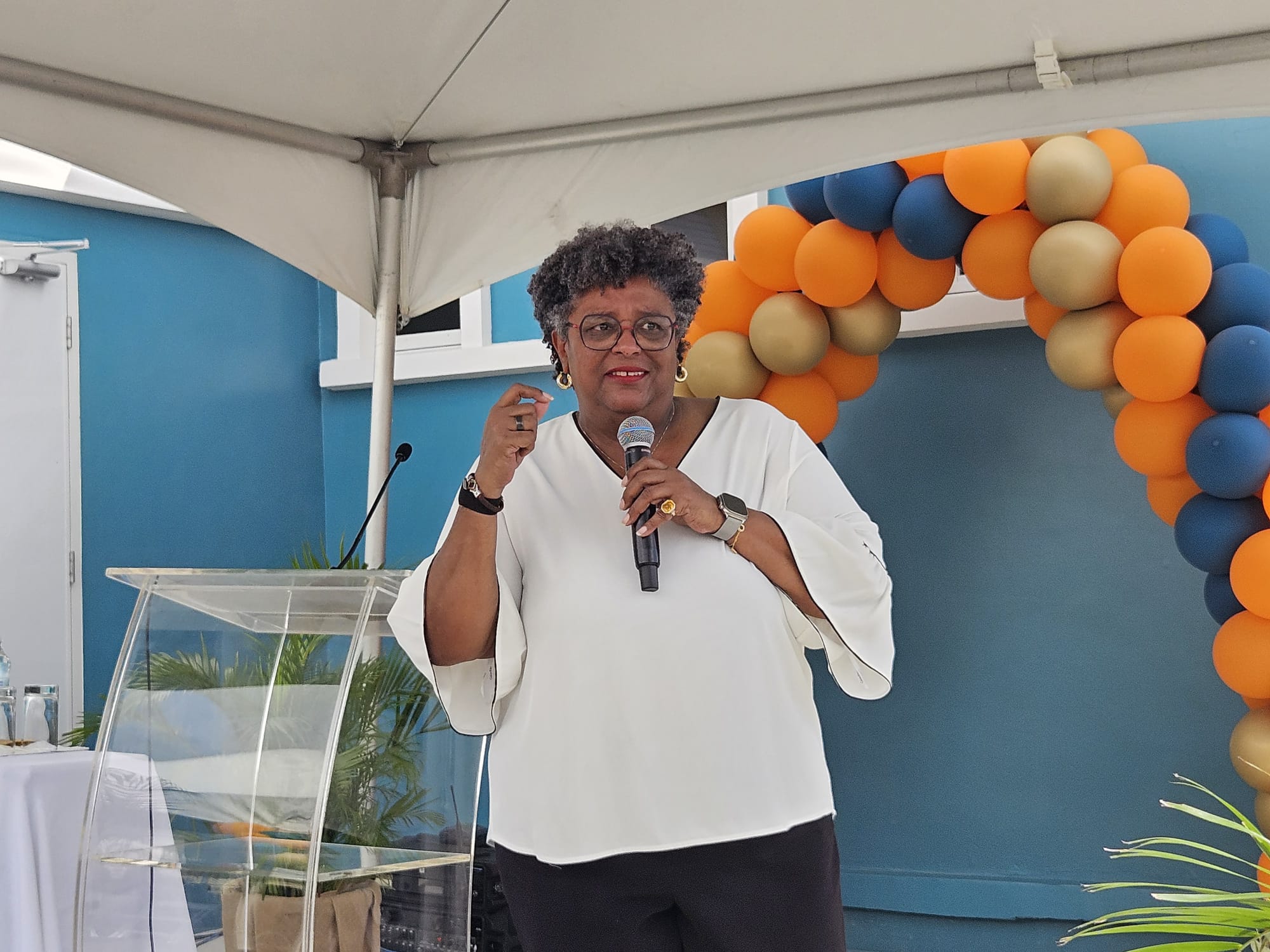
    In a significant national address, Barbados Prime Minister Mia Mottley has issued a powerful appeal for citizens to actively participate in restoring the nation’s social cohesion. Speaking at Wednesday’s inauguration of the first Social Empowerment Agency (SEA) client center in Six Roads, St Philip, Mottley positioned the new integrated social services model as a cornerstone of broader societal transformation.

    The Prime Minister articulated a compelling vision where poverty reduction and community strengthening require collective action beyond government intervention. “The battle to lift families from dependence to independence to nurture interdependence must happen not because government alone is integrating services,” Mottley emphasized, “but through combined efforts of public sector, private enterprise, and community engagement.”

    Mottley framed participation as both moral imperative and practical necessity, particularly urging economically stable citizens to join the One Family Programme. She challenged conventional notions of support, stating: “You can always give money, but money isn’t the only currency that helps to empower. The currency that helps to empower most is a listening ear and a helping hand, a warm heart, and voices that literally encourage others.”

    The Prime Minister illustrated this philosophy with a recent case where a business owner opted for restorative justice over prosecution for several youths in trouble. Through mediation involving parents, officials, and religious leaders, agreements were established to reward positive behavior—including academic improvement—with tangible support such as sporting equipment and transportation to recreational activities.

    Mottley connected this approach to Barbados’ cultural and religious values, reminding citizens: “If we don’t be the country that gives people a second chance, what is the basis of the religious faith of Christianity, if it is not about redemption and opportunities, and forgiveness?” Her address positioned social empowerment as both practical governance and national ethical commitment.

  • Senator Michael Freeland Pays Tribute to Teacher Gen’s Life and Legacy

    Senator Michael Freeland Pays Tribute to Teacher Gen’s Life and Legacy

    ANTIGUA AND BARBUDA – The nation came together this week to honor the extraordinary legacy of the revered educator known affectionately as ‘Teacher Gen,’ whose funeral service became a powerful testament to a life lived in service of others. The ceremony, attended by citizens from across the dual-island nation, served as a profound reflection on her enduring contributions to education and community development.

    Prominent political figures joined family members in paying heartfelt tributes. Senator Michael Freeland delivered a poignant eulogy, characterizing the departed as a foundational pillar of society. ‘We gather today to celebrate a true matriarch,’ Senator Freeland stated, ‘whose wisdom, compassion, and unwavering commitment to our children and community will never be forgotten.’

    Her daughter, The Reverend Denise Smith-Lewis, offered a personal perspective on her mother’s lifelong mission. She shared that Teacher Gen ‘stood firmly for family and community, and clearly understood her life’s assignment,’ framing her work as a divine calling rather than merely a profession.

    Further illuminating her profound personal impact, Hon. Anthony Smith Jr. eulogized his grandmother as ‘a remarkable life, a beacon of love, faith, and inspiration to all.’ He provided intimate details of her home, which he described as having long served as ‘a sanctuary for the abandoned… a place where unconditional love, structure, and discipline transformed lives.’

    The widespread attendance and unified outpouring of respect highlighted the deep and lasting imprint of Teacher Gen’s decades of dedication, cementing her status as a national figure whose influence transcended the classroom and shaped the very fabric of Antiguan and Barbudan society.

  • Antigua and Barbuda Among Nations Facing Stricter Canadian Visitor Visa Rules in 2026

    Antigua and Barbuda Among Nations Facing Stricter Canadian Visitor Visa Rules in 2026

    Canada is implementing a significant restructuring of its visitor entry framework set for 2026, creating a bifurcated system that simultaneously simplifies access for certain nationalities while imposing more rigorous vetting for others. This strategic shift represents a recalibration of immigration policy aimed at bolstering border security while selectively promoting tourism.

    The revised system establishes two distinct pathways. Travelers from a designated group of nations, primarily in the Caribbean and Latin America, will benefit from an expanded Electronic Travel Authorization (eTA) program. This includes citizens from Antigua and Barbuda, St. Kitts and Nevis, St. Lucia, Trinidad and Tobago, Argentina, Costa Rica, Panama, and Uruguay. Eligible eTA applicants can bypass traditional visa applications for stays up to six months, provided they meet specific conditions like holding a valid U.S. non-immigrant visa.

    Conversely, the standard visitor visa process is undergoing substantial tightening. All applicants face enhanced scrutiny across multiple criteria, including financial proof, travel history, and demonstrated intent to return to their home country. Immigration officers now exercise greater discretion in denying applications based on vague travel purposes, insufficient evidence of financial means, or weak ties to the applicant’s country of origin.

    This policy evolution occurs within a broader context of Canadian immigration reform, including recent restrictions on international student visas. The government appears to be pivoting toward encouraging short-term tourism revenue as a counterbalance to reduced long-term student migration. The changes also reflect ongoing global security concerns, with explicit grounds for inadmissibility including criminal history, human rights violations, and potential security risks.

    The geographical impact of these changes is uneven. While Western European and American travelers remain largely unaffected, applicants from countries with historically higher refusal rates—such as Mexico, Brazil, and Colombia—are likely to experience increased rejection rates and longer processing times. The overarching goal remains finding an equilibrium between secure borders and sustainable tourism growth.