博客

  • Abuse “They didn’t take care of her”

    Abuse “They didn’t take care of her”

    A recent horrific case involving three-year-old Brianna Genao González has shocked Puerto Plata and drawn national attention to the escalating crisis of sexual violence against minors. The child fell victim to kidnapping, sexual assault, and murder at the hands of her maternal uncles, highlighting the disturbing reality that perpetrators often operate within family circles.

    According to the latest National Survey of Sexual Assaults Against Women (Cipaf 2024), sexual violence against girls and adolescents under 19 has reached alarming proportions. The data reveals a 53.8% surge in cases among those aged 10-19, escalating from 13 incidents between 2013-2019 to 20 in 2022 alone. Similarly troubling trends have emerged among younger children aged 5-9.

    Social media responses to the Puerto Plata tragedy have followed a troubling pattern of blaming mothers and female caregivers, effectively diverting accountability from the male perpetrators who commit these atrocities. This response mechanism obscures the central issue: sexual predators exploiting trusted familial relationships to prey on vulnerable children.

    The societal discourse surrounding sexual assault prevention remains disproportionately focused on ‘stranger danger,’ while ignoring the more prevalent threat posed by family members. This oversight perpetuates a culture where abuse becomes invisibilized and culturally legitimized through historical normalization, typically emerging only through extreme cases that become public scandals.

    Addressing this epidemic requires comprehensive societal transformation. Experts emphasize the necessity of reshaping male behavioral patterns and challenging perceptions of women as sexual objects. Fundamental to this effort is establishing respect for female bodily autonomy as a core societal value, requiring coordinated efforts between state institutions and all community sectors to implement effective prevention and education strategies.
  • Call for Projects under the 2026-2027 UNESCO Participation Programme

    Call for Projects under the 2026-2027 UNESCO Participation Programme

    The Grenada National Commission for UNESCO has officially launched its call for funding proposals under the UNESCO Participation Programme for the 2026-2027 cycle. Eligible entities including government ministries, departments, agencies, and registered non-governmental and youth organizations are invited to submit project requests that align with UNESCO’s mandate areas.

    Project proposals must demonstrate clear relevance to UNESCO’s core sectors: education advancement, natural sciences, social and human sciences, ocean sciences, cultural preservation, communication and information technologies, and statistical development. The commission specifically encourages transdisciplinary initiatives that address youth-related challenges while delivering tangible benefits to Grenada. A fundamental consideration during project preparation must be the integration of gender equality principles, reflecting one of UNESCO’s global priorities.

    Funding allocations, capped at US$26,000 per request, may be utilized across multiple categories including program implementation, specialist consultancy services, publication production, equipment procurement, and conference organization. Study grants and fellowships also qualify for financial support under this program.

    Prospective applicants must adhere to the February 16, 2026 submission deadline using official application forms. The evaluation process will extend through mid-2026, with successful applicants receiving notification after July 2026. The Grenada National Commission for UNESCO has provided direct contact information—telephone numbers (473) 440-3162/2737 and email address [email protected]—for additional guidance regarding application procedures and eligibility criteria.

    This announcement originates from Grenada’s Ministry of Education, which oversees the national UNESCO commission’s operations. The funding initiative represents a significant opportunity for organizations to contribute to national development through UNESCO-aligned projects while addressing critical social priorities.

  • Over EC$41 million in scholarships awarded to Grenadian students

    Over EC$41 million in scholarships awarded to Grenadian students

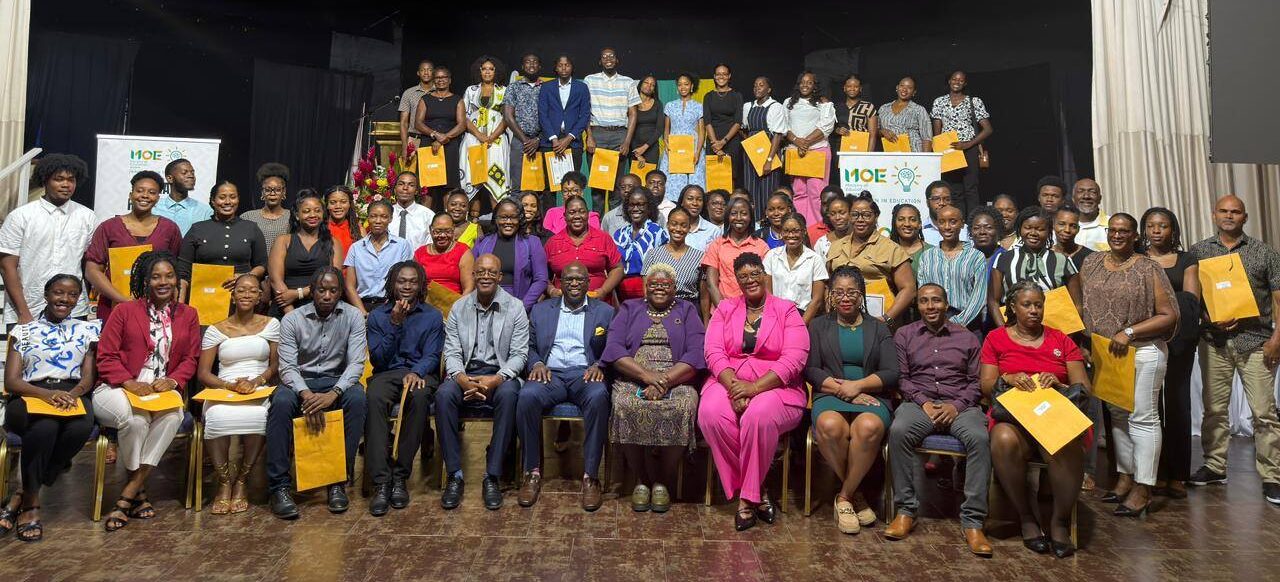
    In a significant move to bolster national development through education, the Grenadian government has awarded 117 citizens with scholarships totaling EC$41,077,463.19. The prestigious National Scholarship Awards Ceremony, held on December 17, 2025, at the Grenada Trade Centre in Morne Rouge, showcased the country’s strategic investment in human capital development.

    The scholarship program features a diverse funding structure, with 31 awards fully funded by the Grenadian government alongside substantial contributions from international partners. These include St George’s University (SGU), the Republic of Cuba, the People’s Republic of China, the Organisation of American States (OAS), and the Commonwealth UK. New initiatives such as Pathways, supporting performing arts studies at Jamaica’s Edna Manley School, and the OECS Data for Decision Making program, highlight the expanding educational opportunities.

    Education Minister Senator David Andrew emphasized the recipients’ crucial role in national progress, stating, “You are part of the solution our country faces. You are part of the solution that our region faces, that our environment faces, that our societies face.” This sentiment was echoed by Permanent Secretary Elvis Morain, who outlined the government’s deliberate approach to aligning scholarship offerings with national development priorities.

    The scholarship recipients will pursue studies across strategically selected fields including geology, environmental engineering, computer science, law, healthcare specialties, and sustainable tourism management. Cuban-sponsored awards focus on medical fields including dentistry and ophthalmology, while Chinese scholarships cover international relations and electronic engineering. OECS scholarships concentrate on development statistics and economic finance.

    Morain articulated the government’s targeted approach: “We are going to be more strategic and purposeful in the coming year. We want to be doing not just the good things but the right things.” This philosophy ensures that scholarship investments directly address national workforce needs and prevent unemployment among returning graduates.

    Colin Dowe, Associate Dean of Admissions at St George’s University, encouraged recipients to contextualize their education within national development goals from the outset: “This investment is to help to get you educated, to become critical thinkers, to acquire skills that will be applied to our national development.” He emphasized that contribution to Grenada’s progress should begin during academic training rather than waiting until graduation.

    The comprehensive scholarship program represents Grenada’s commitment to developing expertise across multiple sectors crucial for sustainable national advancement, ensuring that educational investments yield tangible benefits for both individuals and society.

  • Villages of Petite Soufriere, San Sauveur, and Good Hope report closing out 2025 with uplifting community activities

    Villages of Petite Soufriere, San Sauveur, and Good Hope report closing out 2025 with uplifting community activities

    Three Dominican communities—Petite Soufriere, San Sauveur, and Good Hope—concluded 2025 with vibrant holiday celebrations marked by musical performances, communal generosity, and collaborative spirit. The festivities established an atmosphere of optimism and unity as residents prepared to enter the new year.

    Local entrepreneur Greg Jules spearheaded the Christmas events by organizing a ceremonial tree lighting in San Sauveur and distributing presents to attendees. His initiatives created an inclusive environment that warmly embraced both villagers and visitors.

    The San Sauveur Catholic Church Choir enhanced the seasonal atmosphere through performances of classic carols and traditional hymns. Their musical contributions infused the celebrations with both spiritual reverence and festive joy.

    Simultaneously, the Good Hope Village Council demonstrated commitment to community welfare by distributing essential care packages and gifts to disadvantaged residents. This effort ensured that charitable giving remained central to the holiday experience.

    Collectively, these activities generated widespread Christmas cheer throughout the villages, strengthening community bonds and providing residents with positive momentum heading into 2026.

  • Closing ceremony commemorates successful AKTA beekeeping project in Castle Bruce

    Closing ceremony commemorates successful AKTA beekeeping project in Castle Bruce

    The Anse Kouanari Tourism Association Inc. (AKTA) hosted a significant Community Impact & Project Milestones Ceremony on December 29, 2025, in Castle Bruce, Dominica, marking the successful completion of a UNDP GEF Small Grants Programme-funded beekeeping project while simultaneously launching a new ecosystem restoration initiative supported by the Dominica National Conservation Trust Fund (DNCTF).

    The ceremony featured the graduation of 21 community members who received certificates for completing comprehensive beekeeping training. Participants shared transformative experiences, highlighting how the project enhanced their skills, boosted confidence, and reinforced their commitment to environmental stewardship. One beneficiary expressed newfound appreciation for bees’ critical role in human survival, announcing plans to double their hive count by early 2026.

    Key government and industry representatives offered strong endorsements during the event. Mr. Keian Stephenson, Director of Agriculture at the Ministry of Agriculture, Fisheries, Blue and Green Economy, praised the initiative for its potential to increase pollinator populations and enhance honey production along Dominica’s eastern coast. Mr. Kevin James, President of the National Beekeeper’s Cooperative Society Ltd., emphasized bees’ vital role in environmental sustainability while reaffirming his organization’s partnership with AKTA to establish Dominica as a regional beekeeping leader. He encouraged graduates to transition ‘from training to practice, from interest to involvement, and from individual effort to collective growth.’

    AKTA’s newly launched DNCTF-supported project aims to build upon the apiary program’s success by advancing ecosystem restoration, developing climate-resilient livelihoods, and expanding community participation in conservation activities throughout the Castle Bruce District. The association also announced an upcoming free plant propagation training program scheduled for late January, inviting local farmers and residents to participate.

    AKTA extended gratitude to multiple organizations including UNDP GEF SGP, DNCTF, Global Affairs Canada, the Caribbean Biodiversity Fund, and CUSO International for their funding and collaborative support. Looking ahead, AKTA reaffirmed its commitment to promoting sustainable development, conserving biodiversity, and empowering youth and communities through inclusive, locally-driven strategies.

  • Croney hails emerging talent in West Indies U19 squad

    Croney hails emerging talent in West Indies U19 squad

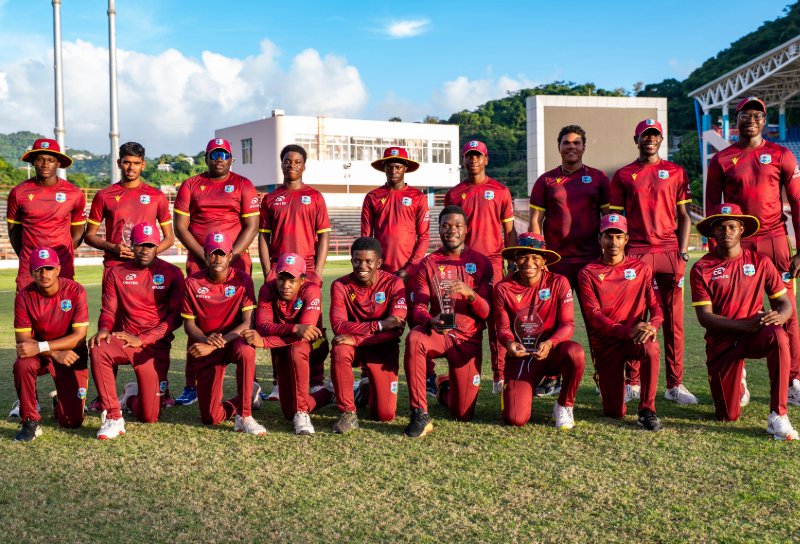
    Grenadian cricket authority Raphael Croney has expressed strong confidence in the West Indies Under-19 team’s capabilities as they prepare for the upcoming ICC Under-19 Cricket World Cup in Namibia and Zimbabwe. Croney, who serves as second vice president of the Grenada Cricket Association and an active coach, recently provided commentary during the youth One Day International series between the West Indies and England teams.

    The West Indies Under-19 squad demonstrated their competitive edge during a seven-match ODI series against England Under-19s held at Grenada National Stadium in St. George’s from November 16 to December 1, 2025. The Caribbean team emerged victorious with a convincing 5-2 series win, showcasing exceptional talent that has drawn significant attention from cricket experts.

    In an exclusive interview with St. Lucia Times sports contributor Joseph Reds Perierra, Croney highlighted several promising players who displayed outstanding performance throughout the series. He particularly emphasized Vitel Lawes, the Jamaican leg-spinner who brings unusual bowling variety to the West Indies lineup with his ability to deliver both chinaman and googly techniques.

    Croney also praised team captain Joshua Dorne for his remarkable batting achievements, including scoring a century, multiple 90s, and consistent 80-plus scores that played a critical role in the team’s success. The coach noted the exceptional partnership between Dorne and Jonathan Van Lange, whose collaborative batting efforts repeatedly rescued the West Indies from challenging situations during crucial matches.

    Additionally, Croney identified emerging left-arm pace bowler Jakeem Pollard as another standout talent due to his ability to move the ball effectively in both directions. The cricket administrator emphasized the importance of recognizing these exceptionally talented players and ensuring they receive proper preparation for advancement to higher competitive levels.

  • Over 30 per cent increase in visitors in 2025 cements Mas Domnik as one of the most anticipated event in Dominica, say officials

    Over 30 per cent increase in visitors in 2025 cements Mas Domnik as one of the most anticipated event in Dominica, say officials

    Dominica’s premier cultural celebration, Mas Domnik, is poised to deliver an unprecedented spectacle in 2026 following a remarkably successful previous season that generated substantial economic benefits for the island nation. According to official figures released by the Discover Dominica Authority (DDA), the most recent Carnival season achieved a striking 34 percent increase in visitor arrivals while circulating approximately XCD 25 million within the local economy.

    During a press conference hosted by DDA officials, organizers announced that Mas Domnik 2026 will formally commence on January 10, 2026, with an Official Opening and National Parade. The extended festival period will run from December 13, 2025, through February 26, 2026, featuring an expansive lineup of over forty distinct events across the island.

    Gerard Cools-Lartigue, Chair of the Dominica Festivals Committee, emphasized the event’s dual significance: “Mas Domnik stands as one of the most anticipated events on Dominica’s calendar with direct impact on economic activity, employment, and visitor arrivals. The Board continues to focus on strong governance, effective coordination, and ongoing improvements to ensure the festival’s success.”

    Marva Williams, Chief Executive Officer of the Discover Dominica Authority, outlined ambitious plans building upon the previous season’s achievements: “Last season’s impressive results set a high standard that motivates us to focus on stronger organization, greater creativity, and wider participation. We are committed to presenting a vibrant array of festivities that authentically showcase Dominica’s rich cultural heritage.”

    The comprehensive event schedule promises to engage both residents and international visitors through diverse programming that highlights the nation’s unique traditions and creative expressions. Organizers have positioned Mas Domnik as both a cultural showcase and significant economic driver, demonstrating how cultural preservation and tourism development can synergistically benefit Caribbean nations.

  • Over 32,000 cruise passengers due this week

    Over 32,000 cruise passengers due this week

    Saint Lucia’s cruise tourism sector is experiencing a significant boost with projections indicating over 32,000 passengers will arrive during the week of January 5-11. This substantial influx comes from 18 scheduled vessel calls at Castries, though actual disembarkation numbers remain subject to change based on operational adjustments.

    Port authorities have reported 14 successful ship arrivals thus far, highlighted by Monday’s docking of MSC Virtuosa—the week’s largest vessel—which delivered 6,334 passengers to Pointe Seraphine. The Norwegian Epic contributed an additional 4,228 passengers during midweek operations. Four more ships are anticipated through the weekend, including AIDAperla with an estimated 3,400 passengers.

    This sustained maritime activity demonstrates robust utilization of Castries’ five piers despite ongoing infrastructure enhancements. Global Ports Holding (GPH) is currently funding substantial upgrades to both Castries and Soufrière cruise facilities as part of comprehensive port reconstruction initiatives.

    In strategic developments, Lancelot Arnold—GPH’s Eastern Caribbean Director and CEO of Saint Lucia Cruise Ports—revealed new approaches to stimulate year-round cruise traffic. In a recently published interview, Arnold emphasized targeted outreach to operators specializing in smaller vessels and expedition-style voyages, alongside promoting niche market products including wellness retreats, cultural experiences, and culinary tourism packages.

    Further strategies under exploration include berth optimization techniques and regional itinerary coordination with neighboring destinations such as Antigua and Barbuda, indicating a collaborative approach to enhancing Eastern Caribbean cruise tourism.

  • Marrero Cruz reiterates need to strengthen government structures

    Marrero Cruz reiterates need to strengthen government structures

    Cuban Prime Minister Manuel Marrero has utilized social media platform X to outline the government’s strategic approach to navigating the nation’s current difficulties. Emphasizing the necessity of public involvement and supervisory mechanisms, Marrero articulated a vision grounded in collective effort to identify and implement solutions.

    The Prime Minister conveyed a sense of determined optimism, invoking the teachings of revolutionary leaders Fidel and Raul Castro. “We will emerge from this adverse context by fighting, as #Fidel and #Raul taught us,” he stated, framing the current struggle within Cuba’s historical revolutionary narrative.

    His communications also included celebratory remarks for the 15th anniversaries of Cuba’s youngest provinces, Artemisa and Mayabeque. This recognition of provincial milestones coincides with a broader governmental review process.

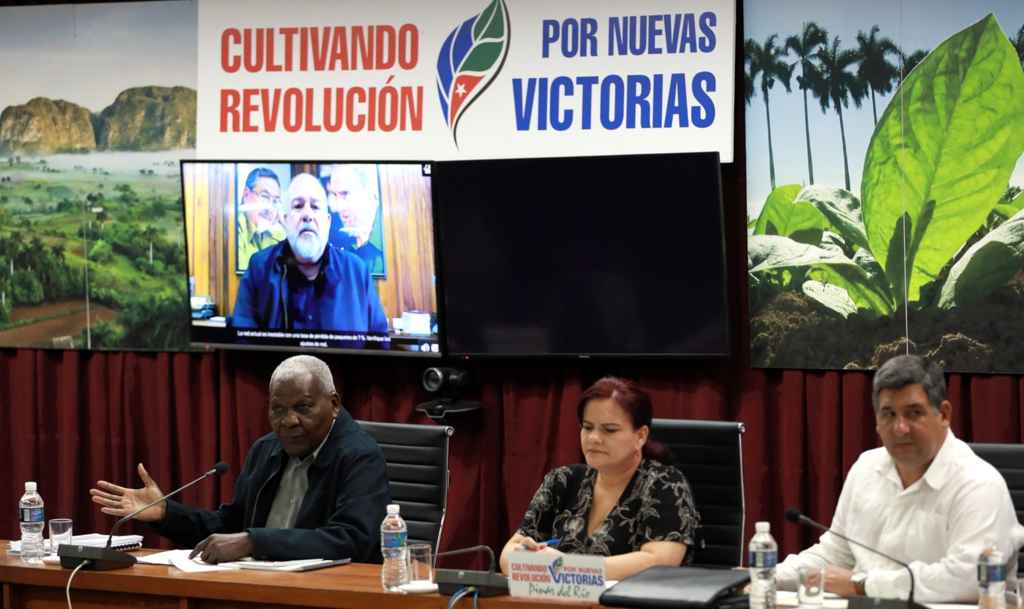
    Marrero specifically referenced recent Extraordinary Provincial Councils conducted in Pinar del Rio and Artemisa. These assemblies served to evaluate and acknowledge each region’s potential to enhance their contribution to national economic output and improve citizen welfare.

    Parallel to these provincial councils, extraordinary plenary sessions of the Communist Party’s provincial committees are being conducted across the Cuban archipelago. These high-level meetings, personally led by President and First Secretary of the Central Committee Miguel Diaz-Canel, are designed to critically assess Cuba’s position within a new historical moment.

    The comprehensive agenda for these party meetings includes formulating strategic work plans leading to 2026, addressing national defense requirements, and analyzing the pressing economic and social conditions facing the Caribbean nation. This coordinated effort reflects the government’s attempt to harmonize regional capabilities with national objectives during a period of significant complexity in both domestic and international affairs.

  • We will defend Cuba, says FM

    We will defend Cuba, says FM

    Cuban Foreign Minister Bruno Rodríguez has issued a forceful condemnation of United States foreign policy, accusing Washington of six decades of aggression and a persistent campaign to impose its will on sovereign nations. The diplomatic broadside was delivered via the social media platform X, framing the long-standing conflict as a battle between raw power and principled international law.

    Rodríguez characterized the US position as one backed by ‘enormous military power’ and economic might, supplemented by what he described as a ‘vast experience of aggression and crimes.’ This portrayal positioned the United States as a hegemon relying on force rather than diplomacy. In direct contrast, the Minister asserted that Cuba’s strength derives from ‘reason, international law, and the patriotic spirit of its people,’ framing the island nation as the moral and legal underdog in the protracted dispute.

    The core of the message was an unequivocal declaration of Cuban resilience and sovereignty. ‘We Cubans are not willing to sell our country or give in to threats and blackmail,’ Rodríguez stated, emphasizing the nation’s ‘inalienable prerogative’ to determine its own destiny independently. This statement was presented not as mere rhetoric but as a proven commitment forged through decades of resistance.

    Rodríguez further contextualized his remarks within Cuba’s ongoing diplomatic efforts, noting that his government has consistently denounced US ‘hostile policies’ in multiple international forums. A key point of contention highlighted was the alleged reactivation of the Monroe Doctrine, a 19th-century US policy that Rodríguez accused the US of using to justify military interventions and hegemony throughout the Latin American region. The Minister’s concluding vow, ‘We will defend Cuba. Those who know us know that it is a firm, categorical and proven commitment,’ served as a definitive summary of the nation’s unyielding stance.