博客

  • Saint Lucia win at last for 3rd place in Windward women’s cricket

    Saint Lucia win at last for 3rd place in Windward women’s cricket

    Saint Lucia concluded their Windward Islands Women’s T20 Championship campaign with a triumphant 17-run victory against Dominica, securing third place in the tournament. The match, held on Friday, January 9th at Kingstown’s Arnos Vale Sporting Complex, showcased remarkable individual performances that overturned early adversity.

    After electing to bat first, Saint Lucia faced immediate disaster as their top order collapsed to 15-4 within the opening overs, eventually stumbling to 35-5. Dominica’s Abini St Jean spearheaded the assault with impressive bowling figures of 3-10 from her four-over spell.

    The recovery began with captain Zaida James anchoring the innings with a resilient 67 runs from 54 deliveries, including six boundaries and two sixes. Her partnership with Krishna Joseph, who contributed a brisk 21 from 15 balls, proved crucial. A particularly productive 16th over yielding 26 runs significantly boosted their total, eventually posting 122 all out – their highest team score of the competition.

    Dominica’s response appeared promising initially, reaching 43-2 after the powerplay and 80-3 at the midway point. However, left-arm pacer Nerissa Crafton dramatically shifted momentum with a devastating two-wicket maiden over in the 12th. Her exceptional bowling performance culminated with 4-2 from her allotted overs, including the key dismissal of Earnisha Fontaine for 31 runs. Fifteen-year-old debutant Gilia McLaurent also claimed a wicket in supporting role.

    Despite early promise, Dominica ultimately fell short at 105-9, handing Saint Lucia their first victory of the championship. The outstanding performances from senior players now positions them as strong contenders for selection in the upcoming Wind Indies T20 Blaze tournament.


  • Barbados says renewable energy ‘a developmental imperative’ for SIDS

    Barbados says renewable energy ‘a developmental imperative’ for SIDS

    ABU DHABI, UAE – At the 16th International Renewable Energy Agency (IRENA) Assembly, Barbados delivered a compelling address framing renewable energy as a critical developmental necessity rather than merely an environmental consideration for small island developing states (SIDS). Ambassador Annalee C. Babb, representing both Barbados and the UAE, articulated the unique challenges facing Caribbean nations during the session focused on renewable pathways across Latin America and the Caribbean.

    The ambassador emphasized that energy transition represents a strategic imperative for reducing dependency on imported fossil fuels, stabilizing electricity costs, and reallocating national budgets toward socioeconomic development. However, she identified significant structural barriers including limited procurement volumes, absence of economies of scale, and prohibitively high storage costs that complicate this transition.

    Babb highlighted the particular challenge of energy storage integration, noting that Barbados has reached a pivotal stage where storage solutions are essential for further renewable deployment. She detailed how Caribbean SIDS operate isolated grid systems unlike interconnected Latin American networks, resulting in higher perceived risks and consequently elevated capital costs for energy projects.

    The diplomat called for differentiated financing approaches that acknowledge SIDS’ vulnerabilities through simplified application procedures and more accessible funding pathways. She proposed that IRENA could enhance technical assistance for energy storage planning, wind resource assessment, and hybrid system configurations while facilitating concessional finance instruments specifically tailored for small-scale projects.

    The assembly proceedings occurred against the backdrop of the United States’ withdrawal from IRENA and numerous other international organizations. Meanwhile, IRENA’s Regional Energy Transition Outlook report presented a comprehensive roadmap for South America to achieve net-zero emissions by the 2050s through scaled renewables, improved efficiency, and enhanced regional power integration.

    Babb concluded by advocating for stronger representation of SIDS-specific challenges in IRENA’s analytical work and global advocacy efforts, suggesting dedicated procurement windows for energy storage systems that accommodate small order sizes and extended lead times peculiar to island nations.

  • PRESS RELEASE: Dominica’s Mas Domnik 2026 officially opens today

    PRESS RELEASE: Dominica’s Mas Domnik 2026 officially opens today

    ROSEAU, DOMINICA – The vibrant island of Dominica has officially inaugurated its premier cultural festival, Mas Domnik 2026, with a spectacular National Parade and Opening Ceremony on Saturday, January 10th. The festivities commenced at 2:30 PM in Pottersville, situated in the parking area adjacent to St. Alphonsus Catholic Church, marking the formal commencement of the extended Carnival season, which is celebrated as ‘The Real Mas’.

    The ceremonial opening featured the official proclamation of the Carnival season, a special tribute to cultural figure Darnley Guye, the symbolic handing over of the Carnival key, and addresses from key stakeholders. This was immediately followed by the National Parade from 3:00 PM to 6:00 PM, a dynamic procession showcasing the island’s rich cultural tapestry. The parade was spearheaded by approximately 60 traditional ‘sennsés’ groups, followed by over 60 participating troupes. The spectacle featured a magnificent display of Traditional Mas, including Kalinago têt mas, big boom-boom characters, agile stilt walkers, and dramatic black devils, alongside elaborate costume bands, pageantry, and artistically designed floats.

    The parade route traversed major thoroughfares, beginning along the E.O. LeBlanc Highway at the St. Alphonsus grounds, proceeding down Goodwill Road, crossing the EC Loblack Bridge, and continuing along Independence Street, King George V Street, Dame Eugenia Charles Boulevard, and Kennedy Avenue. The daytime celebrations transitioned into the evening with performances by electronic bands and a calypso truck, offering a tantalizing preview of the energy anticipated for Carnival Monday and Tuesday on February 16th and 17th.

    Authorities issued advisories urging motorists and residents along the parade route to remove vehicles from the streets beforehand to ensure the safe and uninterrupted movement of participants. The public was encouraged to adhere to all traffic directives from law enforcement to support an orderly event.

    Gerard Cools-Lartigue, Chair of the Dominica Festivals Committee, emphasized the event’s national significance, stating, ‘Mas Domnik is one of the most anticipated events on Dominica’s calendar with direct impact on economic activity, employment and visitor arrivals.’ Echoing this sentiment, Marva Williams, Chief Executive Officer of the Discover Dominica Authority, highlighted the season’s robust foundation: ‘Last season recorded a 34 percent increase in visitor arrivals and an estimated EC twenty-five million dollars in economic activity, setting the pace for a season focused on stronger organization, greater creativity and wider participation.’

    Mas Domnik 2026, which runs from December 13, 2025, to February 26, 2026, features over forty events across the island. Residents and international visitors are invited to participate in the festivities that celebrate Dominica’s unique cultural heritage.

  • TTFA boss laments gun violence: Footballers need clear path to going pro

    TTFA boss laments gun violence: Footballers need clear path to going pro

    The Trinidad and Tobago football community is confronting a devastating crisis as multiple young football talents have fallen victim to gun violence, prompting urgent calls for systemic reform. Within the past year alone, several promising players have been killed, including 27-year-old former national under-17 footballer Tekay Hoyce, 17-year-old Arima North Secondary player Zwade Alleyne, and 19-year-old Caledonia footballer Jayden Moore among others.

    TT Football Association president Kieron Edwards has identified inadequate career pathways and insufficient salaries as fundamental contributors to this tragedy. Edwards emphasizes that current compensation in the Trinidad and Tobago Premier Football League (TTPFL) fails to provide a viable livelihood, with many players earning wages that cannot support basic living expenses. “When you look at some of the salaries these young men are working for, they can’t look at it as a career,” Edwards stated in a January 11 interview.

    The association is now pursuing comprehensive restructuring to establish clear professional pathways, collaborating with international bodies for investment and engaging with government authorities. Edwards highlighted the timing is particularly appropriate as a Joint Select Committee prepares to examine the social impact of sports programs on youth delinquency and crime reduction on January 21.

    Former national women’s coach Jamaal Shabazz offered a contrasting perspective, asserting that professional football represents “a very narrow path” that requires individual assessment of financial viability. Shabazz noted that some TTPFL players earn between $5,500 and $9,000, comparable to many factory workers’ take-home pay of $4,000-$4,500 after taxes.

    Both leaders agree that addressing the crisis requires multifaceted solutions beyond football. Shabazz emphasized that criminal activity affects all societal sectors and called for politicians to ensure equitable distribution of state resources, stating that unequal allocation makes them “criminals too” in their own right. He advocated for strategic discussions with those involved in criminal activities to better understand root causes.

    The football community now seeks sustained investment in sports infrastructure, particularly in high-risk areas like La Horquetta where the establishment of La Horquetta Rangers and facility improvements have already demonstrated positive impact. Edwards stressed that investment must be continuous rather than limited to World Cup years, describing sports as “a vehicle to not only inspire the country but to save lives.”

  • Wider protection for parents, retrenched workers

    Wider protection for parents, retrenched workers

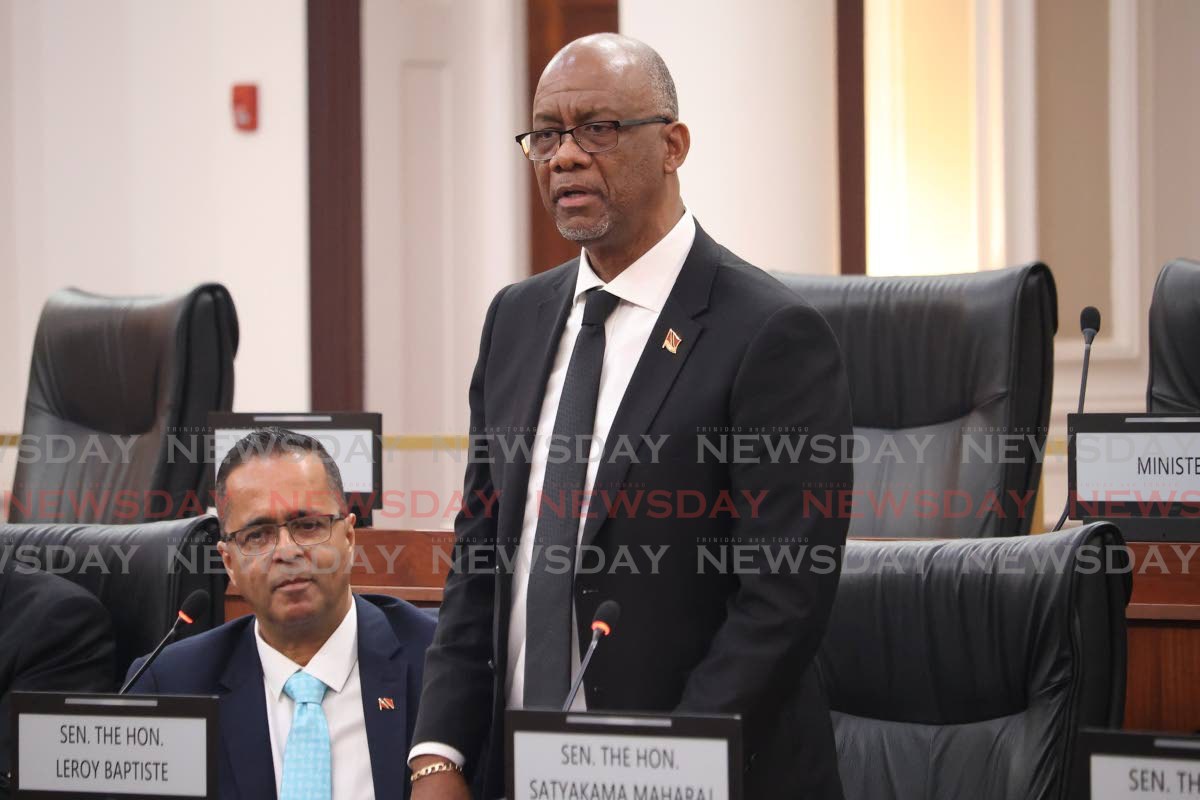
    The Trinidad and Tobago government is undertaking sweeping reforms to modernize labor legislation, offering enhanced protections for workers facing redundancy and expanding parental benefits. Minister of Labour, Small and Micro Enterprise Development Leroy Baptiste unveiled the comprehensive amendments during a January 11 press conference, addressing critical gaps in existing laws.

    The revisions to the Retrenchment and Severance Benefits Act of 1985 represent a significant expansion of worker safety nets. The proposed changes would increase severance pay calculations to three weeks’ wages per year of service for employees with one to five years of tenure, and one month’s pay per year for those exceeding five years of service—substantially improving upon current compensation structures.

    Crucially, the government is redefining ‘redundancy’ to include insolvency, receivership, and operational discontinuation, closing legal loopholes that allowed unscrupulous employers to evade severance obligations. ‘These activities would have rendered workers without any recourse under the act,’ Baptiste explained, emphasizing that the amendments would ensure compensation regardless of termination circumstances.

    Parallel reforms to the Maternity Protection Act of 1994 introduce groundbreaking parental benefits extending to fathers and adoptive parents. The amendments eliminate the 24-month limitation on leave benefits that previously penalized women for multiple pregnancies within a year. Nursing mothers will gain statutory protections for paid breastfeeding breaks, while explicit provisions prohibit termination, demotion, or reduced pay due to pregnancy, maternity, paternity, or parental leaves.

    The legal framework is also being strengthened through evidentiary shifts in discrimination cases, placing the burden of proof on employers. Industrial Court fines will be introduced for violations, and pregnancy testing for job applicants or employees will be prohibited. Contract workers gain protection against pregnancy-based non-renewal of contracts.

    Minister Baptiste confirmed the revisions are currently with the Attorney General and will be presented to Parliament shortly, reflecting the government’s urgency in addressing outdated compensation structures and procedural gaps affecting vulnerable workers.

  • Mohit condemns elderly abuse, says all grants paid on time

    Mohit condemns elderly abuse, says all grants paid on time

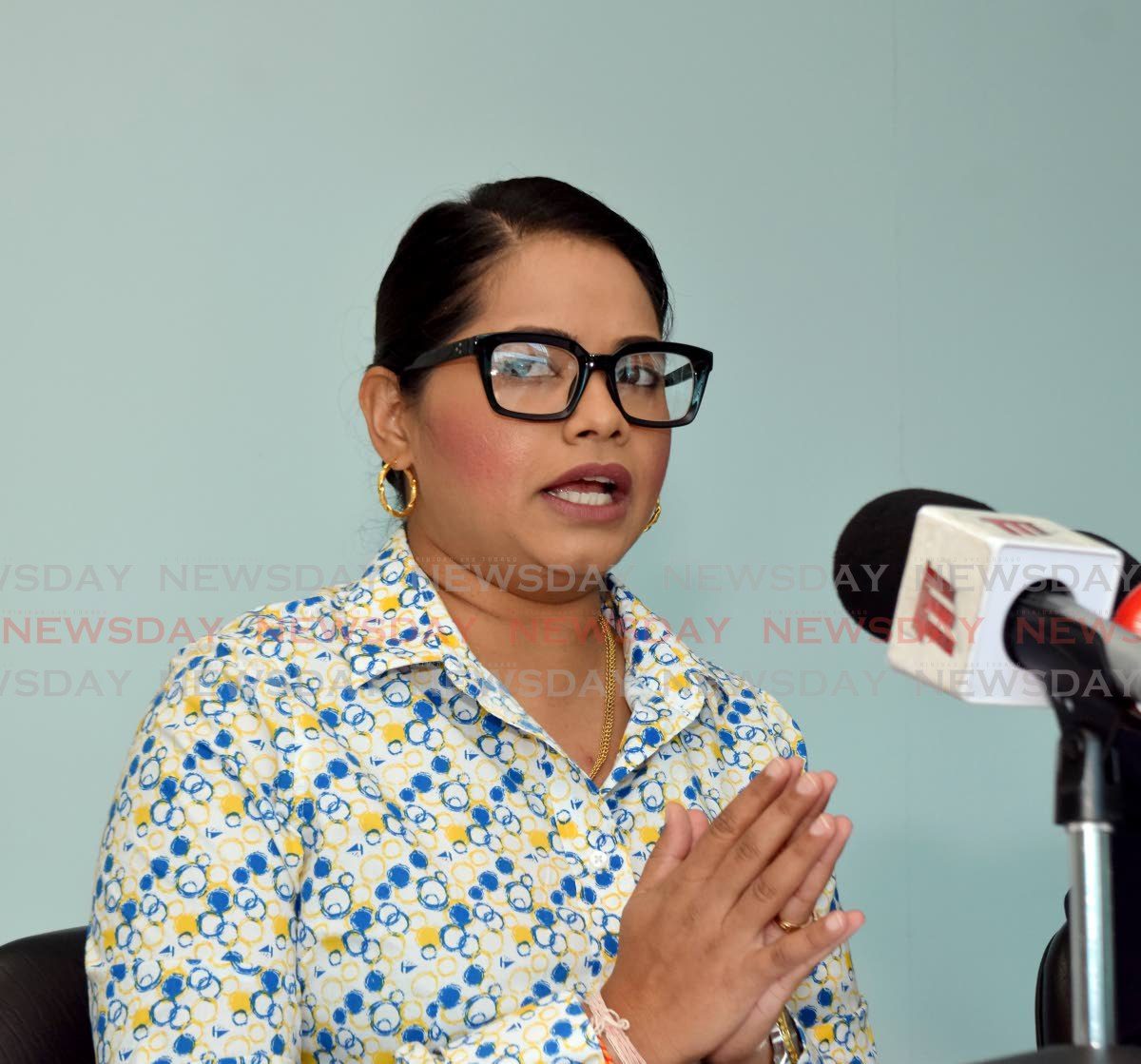
    In the wake of the tragic discovery of 74-year-old Doodhani ‘Mary’ Sooknanan’s decomposing body at her Edinburgh 500 residence, Chaguanas East MP and Minister of People, Family Development and Social Services Vandana Mohit has issued a forceful condemnation against violence targeting senior citizens. Speaking at a UNC press conference on January 11, Minister Mohit emphasized that while specific details of the ongoing investigation remain undisclosed, her government maintains a zero-tolerance policy toward elder abuse and called for collective action to protect vulnerable elderly populations.

    Simultaneously, Minister Mohit presented a comprehensive overview of her ministry’s substantial social welfare initiatives, vehemently denying allegations of reduced grant funding. She confirmed that all January 2026 social services grants were processed and disbursed by January 1, acknowledging only a minor delay attributable to technical issues at the National Insurance Board.

    The minister revealed that approximately $3 billion in pension payments has been distributed to 100,000 senior citizens through these programs. Between May and December 2025, the government allocated millions in social assistance, including $60 million through the food support program (benefiting 275+ new recipients), over $1 million in home repair grants, and $4 million in disaster relief assistance.

    Notable innovations include the inaugural implementation of temporary food card support, with Members of Parliament across all 41 constituencies receiving 60 food cards valued at $550 each for distribution during the Divali season. This initiative expanded during Christmas with 250 food cards per constituency, representing a $5 million investment.

    Minister Mohit announced forthcoming reforms to the standard means test assessment, promising modernization that would enhance fairness and better reflect contemporary socio-economic conditions. Additional initiatives include examining child poverty studies, developing a $5 million women’s health fund to address period poverty, and creating structural support systems for disabled citizens.

    The ministry is also addressing administrative backlogs through collaboration between NIB and the Immigration Division, with formal mechanisms currently in development. In sports infrastructure, Cabinet has approved designs for an inclusive sporting arena to complement the National Therapeutic and Resource Centre for Persons with Disabilities, which began preliminary operations in December 2025 and is scheduled to open fully after staffing and equipment finalization.

  • Government’s Carnival give and take

    Government’s Carnival give and take

    The Trinidad and Tobago government’s management approach for Carnival 2026 has triggered widespread discontent among cultural stakeholders, creating operational challenges and financial strain across the festival ecosystem. While Cabinet approved $2.3 million in funding for 145 unsponsored steelbands—providing $20,000 to conventional bands and $10,000 to single bands—this minimal support fails to address the systemic issues plaguing the cultural sector.

    The disruption extends to educational institutions, where school steelbands received inadequate notice about the relocation of finals to Skinner Park. This sudden venue change forced many school bands, dependent on community steelband equipment, to withdraw due to insurmountable transportation logistics. In response, Pan Trinbago introduced an under-19 category for Sunday’s Junior Panorama competition, prompting several school bands to rebrand and participate in this alternative event.

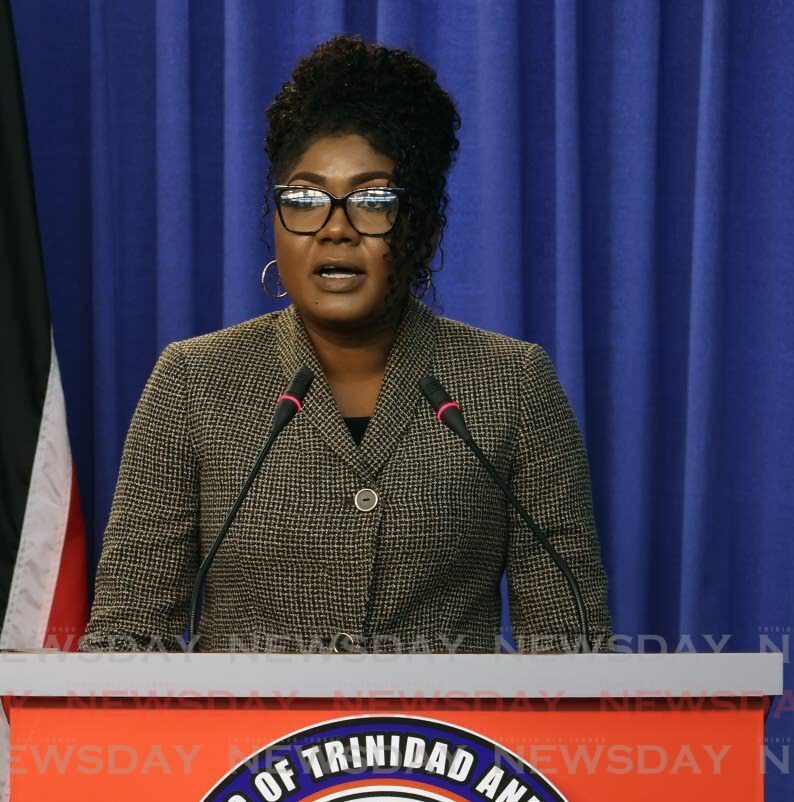
    Simultaneously, Culture Minister Michelle Benjamin has initiated an audit into the National Carnival Commission’s (NCC) financial management. Concerns emerged after the state entity expended its $141 million budget allocation plus a $200 million loan against mere $11 million gate receipts. This spending pattern barely covers interest on the NCC’s accumulating $178 million debt, raising questions about the commission’s fiscal responsibility and the nebulous economic benefits traditionally attributed to Carnival.

    Despite these challenges, creative communities demonstrate resilience. The National Dance Association of TT revitalizes traditional arts by reintroducing limbo to the national calendar with “Doh Fraid De Fire,” marking the first national limbo competition in nearly twenty years. Meanwhile, local committees like Couva’s Carnival Committee actively seek corporate sponsorship to supplement inadequate NCC subventions, exemplified by Thursday’s crowning of Nyasa Semper as Miss Central Trinidad.

    The overarching issue remains the absence of coherent strategy and meaningful consultation with vulnerable stakeholders. The government’s current approach resembles attempting to steer a massive vessel with abrupt, uncoordinated movements rather than implementing measured, strategic course corrections supported by verifiable economic data and transparent planning.

  • Is a Caribbean army the answer to foreign threats?

    Is a Caribbean army the answer to foreign threats?

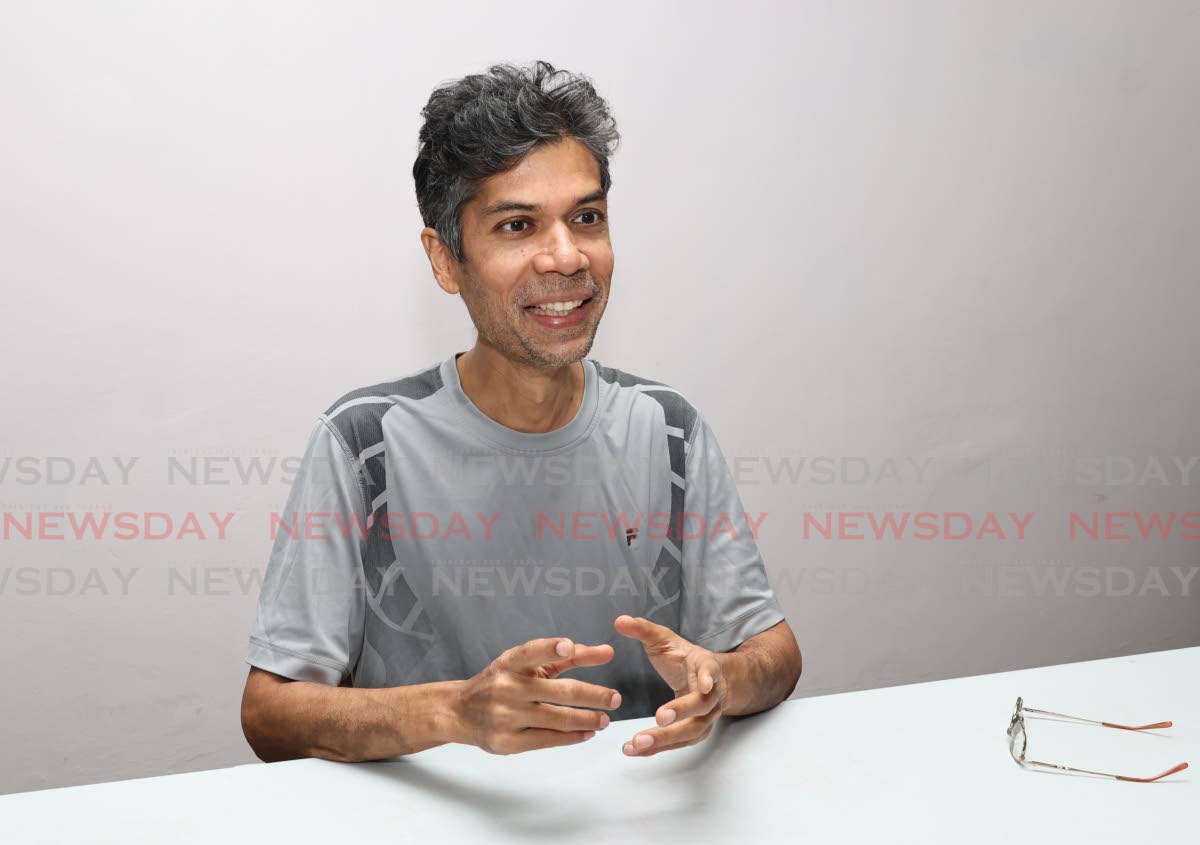
    Amid escalating global geopolitical instability, prominent historian Dr. Jerome Teelucksingh has advocated for the establishment of a unified Caribbean military force. During an exclusive interview on January 6, the University of the West Indies lecturer emphasized the urgent need for regional defense collaboration, citing increasing international hostilities and the Caribbean’s strategic position in global trade networks.

    Dr. Teelucksingh pointed to historical precedent through the British West Indies Regiment, established in 1915 during World War I, which successfully integrated over 15,600 soldiers from across the Caribbean under British command. He asserted that creating a contemporary regional army is neither impractical nor unprecedented, noting that the 20th century already demonstrated the viability of such collaborative military efforts.

    The historian proposed utilizing existing national military structures rather than building entirely new formations, suggesting incorporation through frameworks similar to the US and Canadian military systems. He emphasized the necessity of including all Caribbean nations—English, Spanish, Dutch, and French-speaking territories—while acknowledging potential challenges regarding funding allocation and inter-island rivalries.

    Critical to this vision is the development of advanced defense capabilities, including drone technology, artificial intelligence, and region-specific military research laboratories. Dr. Teelucksingh recommended educational partnerships between Defense and Education Ministries to establish military science programs at institutions like Trinidad and Tobago’s COSTATT, emphasizing the importance of regional self-reliance in defense technology development.

    However, political scientist Dr. Bishnu Ragoonath expressed significant skepticism regarding the proposal’s feasibility. He cited the region’s fractured political landscape, referencing the failed West Indies Federation (1958-1962) and current challenges with CARICOM implementation, including the incomplete adoption of the Caribbean Court of Justice and Common Market agreements.

    Dr. Ragoonath highlighted fundamental obstacles such as the absence of unified foreign policies—evidenced by multiple Caribbean embassies in Washington—and questioned the financial viability of a regional defense budget given existing commitments to institutions like the University of the West Indies. He suggested that immediate security concerns might necessitate continued reliance on former colonial powers rather than expecting rapid development of new regional institutions.

  • Uptown Fascinators, D South Band share small pan title

    Uptown Fascinators, D South Band share small pan title

    In an unprecedented turn of events at Skinner Park, San Fernando, Southern Steel Orchestra (D’South Band) from Siparia and Uptown Fascinators from Tobago were crowned joint champions of the National Panorama Small Conventional Band Finals on January 10th. The remarkable deadlock occurred after both ensembles achieved identical scores following an intense musical showdown that extended into the early hours of January 11th.

    The competition witnessed both bands maintaining dominant positions throughout the preliminary and semi-final rounds. When official scores were announced around 2 am, the identical point totals triggered immediate celebrations as musicians from both groups stormed the stage in shared triumph. The announcement by event host Jemma Jordan created such enthusiastic responses that stage managers temporarily struggled to maintain protocol during the trophy presentation ceremony attended by Pan Trinbago president Beverly Ramsey-Moore, Culture Minister Michelle Benjamin, and Parliamentary Secretary Dr. Narindra Roopnarine.

    This represents the second consecutive year where the small band championship has been shared between ensembles from Trinidad and Tobago, demonstrating the remarkable parity in the national steelpan scene. Last year’s co-champions, Golden Hands and T&TEC East New Dimension, were unable to defend their title successfully.

    Golden Hands secured third position with 278 points despite facing significant adversity when a vehicle crashed into their rehearsal facility just hours before the competition. Their performance of ‘All Aboard,’ arranged by Vanessa Headley-Brewster, featured nautical-themed costumes and guest vocalist Tony Prescott.

    Tunapuna Tipicia Steel Orchestra claimed fourth place with 276 points, while T&TEC East Side Dimension and the Trinidad and Tobago Defence Force Steel Orchestra tied for fifth position with 275 points each. The competition overall featured six separate ties among the sixteen finalist bands, highlighting the exceptionally close nature of the musical contest.

    Uptown Fascinators delivered a visually spectacular performance of ‘Crazy’s Band From Space’ arranged by Ojay Richards, complete with science fiction costumes and a spaceship prop from which Richards made his theatrical exit. Richards noted that many prognosticators had expected East Side Dimension to claim victory, but his ensemble’s performance firmly established them as championship contenders.

    D’South Band, performing in the ninth position, generated powerful patriotic sentiment with their presentation of ‘Let Us Build a Nation Together’ arranged by Duvone Stewart. Their performance incorporated national imagery featuring the President, Prime Minister, Opposition Leader and THA Chief Secretary, alongside historical references and a voice-over recording by the late Dr. Eric Williams. This evocative presentation prompted some audience members to prematurely declare victory during the performance.

    Rikella Marshall, vice-captain of D’South Band, emphasized the special significance of their victory, noting this marked only their third appearance in the competition and their second year collaborating with arranger Stewart. She credited two months of intense preparation and personal sacrifices by band members, many of whom are students balancing academic commitments with musical excellence.

    Culture Minister Michelle Benjamin, attending her first small band finals since assuming office, praised the energetic contributions of young performers and reaffirmed governmental support for preserving cultural traditions. Meanwhile, Pan Trinbago president Ramsey-Moore congratulated all participating bands while expressing disappointment regarding logistical challenges including inadequate stage dimensions that contributed to scheduling delays. She apologized to attendees while clarifying that these issues were beyond the organization’s direct control.

  • Doctor’s court application dismissed

    Doctor’s court application dismissed

    In a significant judicial ruling, the High Court has rejected a medical doctor’s attempt to advance his judicial review claim against the Children’s Authority without the agency’s defense. Justice Robin Mohammed delivered the comprehensive written decision that simultaneously denied the Authority’s motion to dismiss or suspend proceedings, ensuring the constitutional challenge will be heard on its substantive merits.

    The case originated from the Children’s Authority’s August 16, 2022 decision to remove the physician’s two minor children following allegations of abuse. The doctor subsequently filed a fixed-date claim on December 21, 2022, contending the removal was unreasonable, arbitrary, and violated his constitutional rights to due process and family life under sections 4(b) and 4(c) of the Constitution.

    Justice Mohammed characterized the doctor’s request for undefended proceedings as ‘draconian’ in nature, noting that such relief effectively amounted to a default judgment—expressly prohibited in fixed-date claims under Civil Proceedings Rules. However, the court demonstrated judicial flexibility by granting the Authority’s application for extended filing deadlines, acknowledging confusion regarding whether the agency qualified as ‘the state’ for procedural purposes, compounded by staffing transitions within its legal team.

    The court determined that while the Authority missed the standard 28-day response window, the delay was relatively brief and unintentional. Justice Mohammed emphasized that the public significance of child protection matters and the seriousness of constitutional allegations warranted hearing the Authority’s evidence. ‘The prejudice to the claimant of a short further delay is outweighed by the greater prejudice to the administration of justice in deciding such a claim without the defendant’s evidence,’ the judgment stated.

    Additionally, the court rejected arguments that the judicial review constituted an abuse of process or improper collateral attack on prior Children’s Court and Court of Appeal decisions that had upheld interim wardship orders. The ruling distinguished the current proceedings as addressing distinct public law and constitutional issues regarding the lawfulness of the initial removal—matters not previously adjudicated.

    The court also denied an alternative application to stay proceedings pending parallel Family Court actions, reasoning that such suspension would unjustly delay resolution of constitutional complaints without advancing judicial efficiency. The Authority must now file its response affidavit within 21 days, with the case scheduled for case management conference on February 5. Costs determinations were reserved pending final resolution of the substantive claim.