博客

  • Column: De wereld draait om handel, maar de mens blijft gevangen in conflict

    Column: De wereld draait om handel, maar de mens blijft gevangen in conflict

    Amid escalating global tensions, a concerning pattern of selective international attention has emerged in conflict reporting. While Venezuela’s political crisis dominates headlines due to its substantial oil reserves, other humanitarian emergencies in Sudan and Syria remain largely overlooked by global media.

    The ongoing Russia-Ukraine conflict continues to destabilize European security, while simmering tensions in South Asia present additional threats to regional stability. These developments collectively demonstrate how economic considerations frequently dictate geopolitical priorities and media coverage.

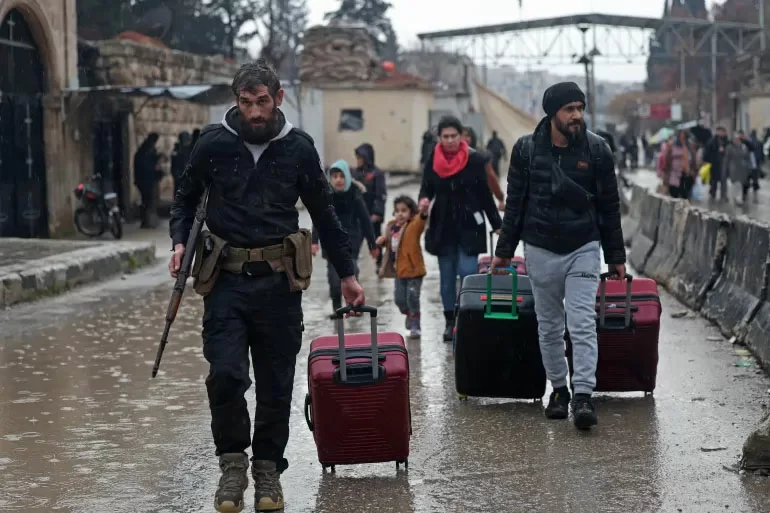
    Behind these strategic calculations lies profound human suffering. Civilian populations bear the ultimate cost of geopolitical maneuvering, experiencing displacement, economic hardship, and personal tragedy. In Syria, residents of Aleppo’s Sheikh Maqsoud district have been forced to evacuate following military warnings, adding to the country’s existing refugee crisis.

    The economic consequences extend beyond conflict zones, with rising global energy and food prices disproportionately affecting vulnerable communities worldwide. Daily life becomes increasingly challenging as educational opportunities diminish, healthcare systems deteriorate, and employment prospects vanish.

    This coverage disparity reveals an uncomfortable truth: conflicts involving significant economic interests receive disproportionate attention and resources, while humanitarian crises without clear economic implications often fade from public consciousness. The very mechanisms that should ensure balanced reporting instead reinforce existing power structures and economic priorities.

    Addressing this imbalance requires conscious effort to recognize human dignity beyond economic calculations. Sustainable peace and stability depend not on geopolitical strategy alone, but on consistent commitment to protecting fundamental human rights across all conflicts, regardless of their economic significance.


  • Dossier houtexport 4: Aangifte in houtzaak niet aangenomen na overleg met OM

    Dossier houtexport 4: Aangifte in houtzaak niet aangenomen na overleg met OM

    In a significant development within Suriname’s ongoing forestry sector controversy, the Public Prosecutor’s Office has refused to register a criminal complaint filed by representatives of the Ministry of Agriculture, Livestock and Fisheries (LVV) and state attorney Diepak Jairam regarding alleged document falsification in timber exports.

    The attempted complaint, targeting officials involved in issuing phytosanitary certificates with incorrect timber designations, was rejected following coordination between the Fraud Department and public prosecutors. Alice Saki, Head of the Fraud Department, engaged in extensive discussions with LVV representatives and made multiple attempts to obtain authorization from the Public Prosecutor’s Office, all of which were ultimately denied.

    According to attorney Jairam’s explanation to Starnieuws, the Public Prosecutor’s Office justified its refusal by considering the matter ‘settled’ due to a previous civil summary proceeding. In that case, the court had ordered the State to issue phytosanitary certificates on a one-time basis. Jairam strongly contests this interpretation, stating: ‘This is not a civil matter but involves potential criminal offenses, specifically the deliberate placement of false designations on authentic international documents.’

    The attorney expressed shock at the refusal, emphasizing that Suriname’s legal system contains no barriers to pursuing criminal prosecution alongside civil proceedings. ‘A civil judgment does not preclude criminal prosecution. On the contrary: when a crime has been committed, it must be investigated,’ Jairam argued, calling it ‘unthinkable’ that a potential criminal case could be averted by invoking a civil ruling.

    In a separate but related development, after intensive negotiations and repeated insistence, authorities granted permission to file a complaint against a specific timber company alleged to have used forged or misleading documentation. This company had initially received approval to treat wood destined for China but subsequently shipped it to India while making alterations to official documents. Notably, this company was not among the six exporters who had filed the summary proceeding against the State.

    Jairam confirmed that further actions are being prepared, including directly addressing the Attorney General. ‘This is a serious matter. We are determined to see this case through to the end,’ the attorney emphasized, indicating that the dossier will be forwarded to the leadership of the Public Prosecutor’s Office.

  • Justice : Damning report on detention conditions at Fort-Liberté

    Justice : Damning report on detention conditions at Fort-Liberté

    A shocking humanitarian crisis is unfolding within Haiti’s prison system, according to a devastating report released by the Haitian NGO Association of Volunteers for the Reintegration of Inmates (AVRED). The organization’s December 2025 investigation revealed that 312 inmates incarcerated at Fort-Liberté’s two detention facilities are enduring conditions that systematically strip them of basic human dignity and essential healthcare services.

    The comprehensive assessment documents a multi-faceted institutional failure affecting both convicted individuals (279) and those awaiting trial (33). Beyond mere deprivation of liberty, detainees face critical shortages in medical staffing with only one physician serving the entire population, supported by just three nurses and two psychology interns operating without necessary resources. The near-total absence of essential medications creates a dangerous environment where communicable diseases including tuberculosis, malaria, HIV/AIDS, and scabies spread unchecked due to inadequate isolation protocols.

    Infrastructure deficiencies compound the health emergency, with investigators reporting cracked walls, complete electrical system failure, overcrowded cells, non-functional water systems, and overflowing septic tanks. These hazardous conditions are exacerbated by severe understaffing among prison personnel, increasing risks of violence and tension within the facilities.

    Nutritional provisions fail to meet basic standards, with merely two cooks attempting to serve 300 individuals. The resulting meals lack essential nutrients, particularly damaging for inmates suffering from chronic illnesses and further compromising already weakened immune systems.

    The crisis extends to judicial rights, as the absence of functional transportation prevents both emergency hospital transfers and court appearances. This institutional failure results in unjustified extensions of pretrial detention, effectively punishing individuals before conviction.

    AVRED concludes that the Fort-Liberté situation represents a collective societal failure rather than merely a prison administration problem. The organization urgently calls for immediate intervention from national and international partners, substantial reinforcement of health and logistics systems, and comprehensive infrastructure rehabilitation to ensure basic safety and human rights protections.

  • Public Ministry creates canine unit to search for missing persons and recover bodies

    Public Ministry creates canine unit to search for missing persons and recover bodies

    SANTO DOMINGO – In a significant move to bolster forensic investigative capabilities, the Dominican Republic’s Superior Council of the Public Ministry has formally authorized the establishment of a specialized Canine Unit. This strategic initiative is designed to enhance efforts in locating missing persons and recovering human remains, addressing a critical need in the nation’s law enforcement and forensic services.

    The newly formed unit will operate under the technical supervision of the National Institute of Forensic Pathology (Inacif). Its deployment will follow strict operational protocols, coordinating with various state agencies to ensure comprehensive investigative support. The decision was finalized during the Thirteenth Ordinary Session on January 8, presided over by Attorney General Yeni Berenice Reynoso alongside other high-ranking officials from the Public Prosecutor’s Office.

    International partnerships will play a vital role in the unit’s development, with foreign cooperation being secured for the specialized training of handlers and canine teams. In a commitment to ethical standards, authorities have pledged full compliance with Law 248-12 on Animal Protection. A specific care protocol is being developed to guarantee the welfare, proper treatment, and humane conditions for the dogs integral to the unit’s operations. This initiative reflects the government’s dedication to modernizing its public safety services and delivering more effective results for society.

  • Ali accepts Rodrigues’ explanation about her assets

    Ali accepts Rodrigues’ explanation about her assets

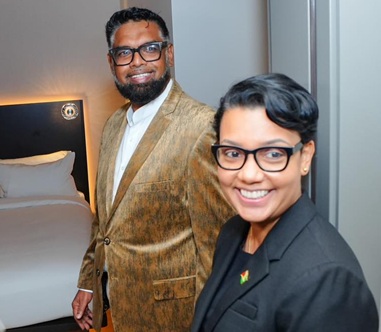
    Guyanese President Irfaan Ali has publicly expressed his full confidence in Tourism, Industry and Commerce Minister Susan Rodrigues, affirming his acceptance of her detailed explanation regarding her acquisition of high-value assets. This endorsement comes amid intensified scrutiny from opposition figures questioning how the minister financed a Florida property valued at over US$500,000 on a government salary.

    President Ali addressed journalists on Saturday, stating that Minister Rodrigues had sufficiently demonstrated the legitimate sources of her wealth. “The minister has demonstrated. I have no question when the minister has demonstrated. Allegations are always made,” the President remarked, dismissing concerns raised by political opponents.

    The controversy emerged when We Invest in Nationhood (WIN) party leader Azruddin Mohamed challenged Rodrigues to account for her property purchases, suggesting possible corruption connections. The minister responded by revealing she had secured a mortgage from AD Mortgage, a US financial institution, and that the property was being rented out to service the loan debt.

    Rodrigues provided documentation showing an outstanding mortgage principal of US$378,000 as of December 31, 2024, though she did not confirm the exact purchase price cited by Mohamed. While denying ownership of three properties as alleged, the minister acknowledged having shares in a company that owns one of the addresses mentioned by the opposition.

    President Ali emphasized that all members of his administration had complied with transparency measures by submitting their asset declarations to the Integrity Commission, contrasting this with what he described as the opposition’s lack of similar accountability.

  • Dominican Navy assists catamaran with two crew members off La Romana

    Dominican Navy assists catamaran with two crew members off La Romana

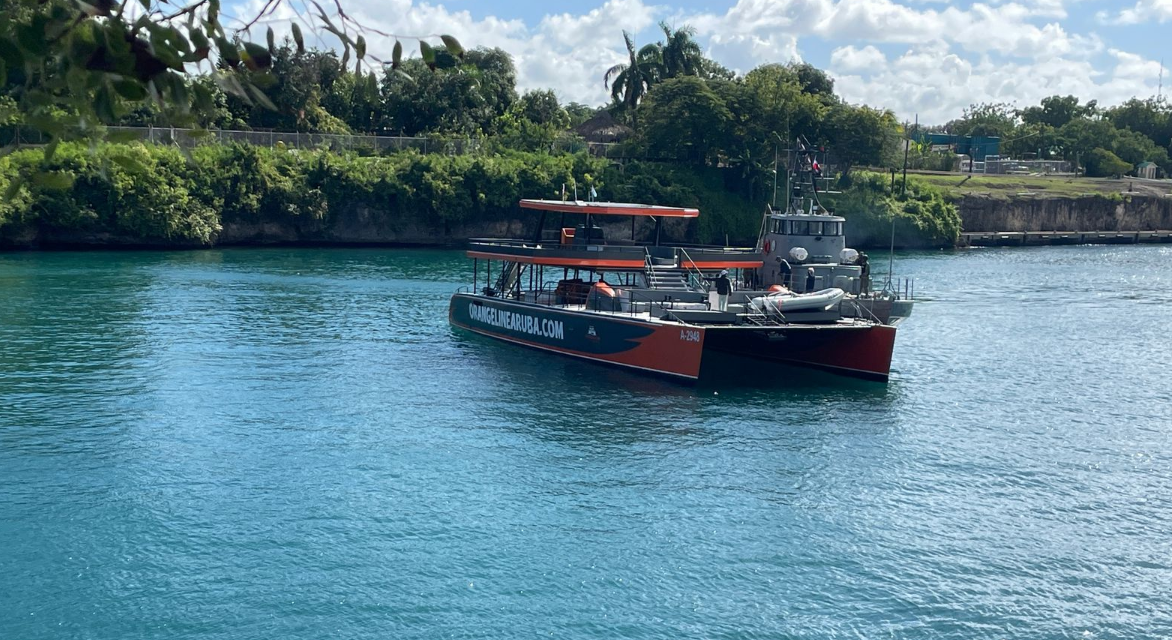
    In a precise maritime operation, the Dominican Republic Navy has provided critical assistance to a disabled catamaran experiencing mechanical failure approximately 80 nautical miles south of La Romana. The emergency response was initiated following a distress signal from the vessel, with naval units promptly deployed to the specified coordinates in the Caribbean Sea.

    The affected vessel, identified as internationally flagged registration LYZ, had embarked from Río Salado in La Romana with intended destination to Aruba. The 78-foot orange and gray catamaran carried two crew members—one French national and one American citizen—when it developed significant technical complications involving one of its engines and overall propulsion capabilities.

    Naval authorities confirmed the successful location and assessment of the vessel, emphasizing their adherence to established international maritime safety protocols. The Navy’s statement highlighted the ongoing monitoring of the situation and reiterated the vital importance of maintaining proper communication channels with maritime authorities. This incident underscores the critical role of coordinated emergency response systems in preventing maritime incidents and ensuring passenger safety during oceanic voyages.

  • iciHaïti – 2010 Earthquake : Speech by the Secretary of State for the Integration of Persons with Disabilities

    iciHaïti – 2010 Earthquake : Speech by the Secretary of State for the Integration of Persons with Disabilities

    Sixteen years after Haiti’s catastrophic 7.3-magnitude earthquake, the nation continues to honor the memory of the tragedy while reaffirming its commitment to disability inclusion. On the anniversary of the January 12, 2010 disaster that claimed approximately 300,000 lives and left hundreds of thousands injured, Secretary of State for the Integration of Persons with Disabilities Génard Joseph delivered a poignant address recognizing the enduring impact on Haitian society.

    The seismic event, lasting merely 35 seconds but resulting in over 280,000 fatalities and 1.6 million displaced persons, fundamentally transformed Haiti’s social landscape. Secretary Joseph emphasized how the tragedy exposed the profound vulnerabilities faced by individuals with disabilities while simultaneously revealing their remarkable resilience and determination.

    In his commemorative speech, Joseph declared the government’s unwavering dedication to improving living conditions for disabled citizens through collaborative efforts with disability organizations, civil society groups, and international partners. The administration’s focus includes enhancing access to essential services, promoting socioeconomic and educational integration, and protecting the rights of persons with disabilities.

    The Secretary framed disability inclusion as both a moral imperative and political responsibility for the Haitian state, noting that the earthquake’s legacy necessitates continuous action toward building a more equitable society. His address called for national solidarity in creating a Haiti where human dignity remains paramount and no citizen faces exclusion.

    Joseph’s remarks highlighted how the collective memory of the disaster serves as both a tribute to those lost and an inspiration for constructing a more inclusive future. The anniversary observance underscores Haiti’s ongoing journey from tragedy toward transformation, with disability rights at the forefront of national recovery efforts.

  • Reis says local stock exchange undervaluing Banks DIH shares, Ali promises reform this year

    Reis says local stock exchange undervaluing Banks DIH shares, Ali promises reform this year

    Guyana’s financial markets are facing serious credibility challenges following explosive allegations by Banks DIH Chairman Clifford Reis, who claims the local stock exchange is dramatically undervaluing his company’s shares while showing preferential treatment toward competitors.

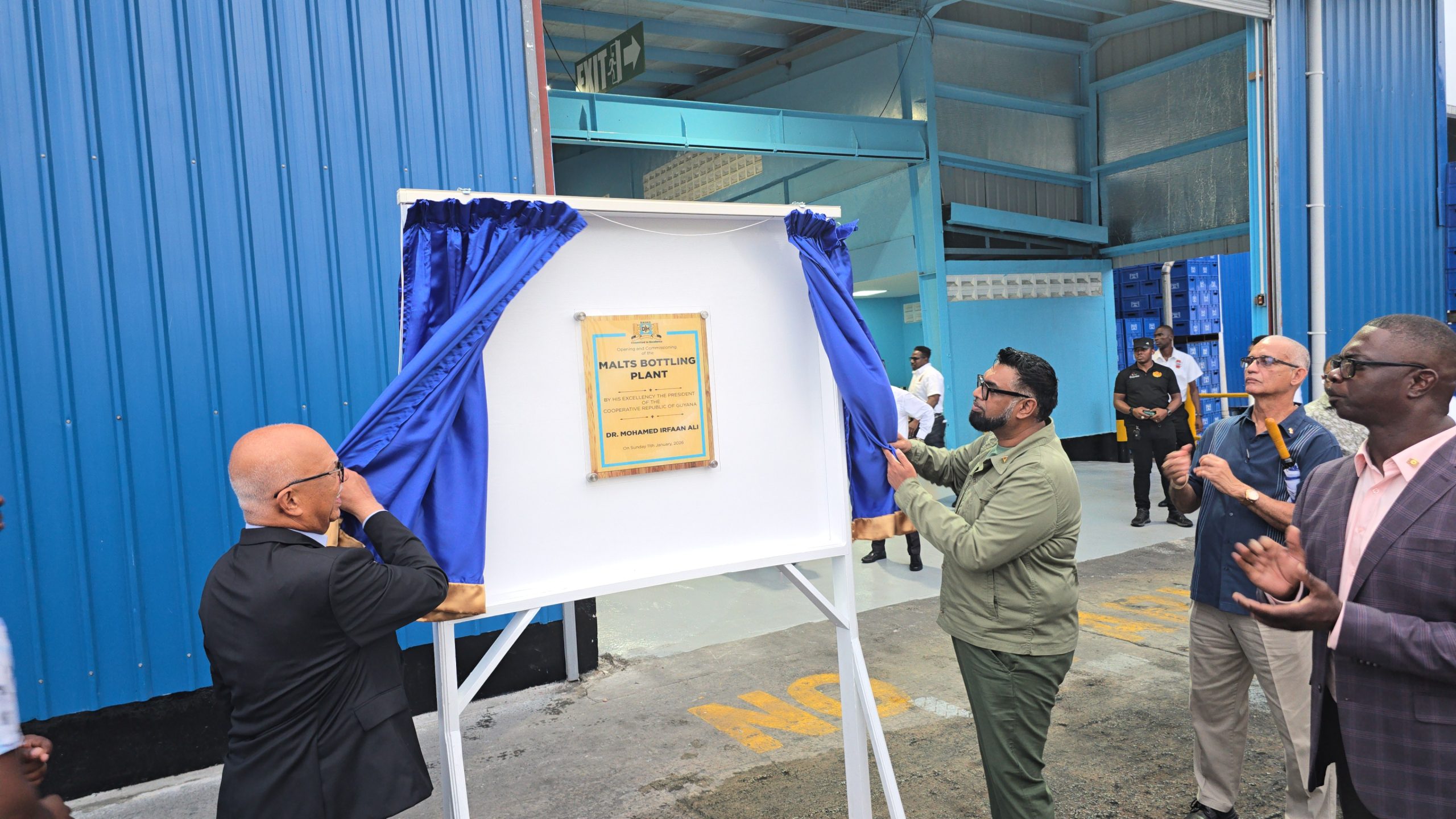
    Speaking at the commissioning of the company’s new GY$13.7 billion malt bottling facility in Thirst Park, Reis presented compelling financial data suggesting systemic market failures. Despite Banks DIH’s shares trading at GY$155, the chairman asserted their true value should range between GY$400-450 based on performance metrics that significantly outpace competitors.

    The controversy centers around glaring disparities: while a competitor’s shares trade at GY$200, Banks DIH demonstrates superior financial health with revenues surging 45% and profits increasing 54% between 2021-2025. The company reported a staggering GY$10.5 billion net profit—nearly double the competitor’s GY$5.5 billion—while maintaining a zero debt-equity ratio and funding its massive new plant entirely through internal cash flow.

    Reis raised alarming questions about potential conflicts of interest, demanding transparency regarding broker company shareholders and their valuation methodologies. “Any reasonable person will consider that the stock market in Guyana cannot be taken seriously,” he stated, highlighting how a mere GY$1.00 price drop per share could wipe out GY$849 million in market capitalization.

    The situation has reached the highest levels of government, with President Irfaan Ali—a former Banks DIH employee—pledging comprehensive stock market reforms. The President confirmed ongoing consultations would lead to modernization of Guyana’s financial architecture, including establishing a junior stocks exchange and ensuring fair valuation mechanisms that properly reflect company growth and asset values.

    The newly commissioned facility itself represents a significant manufacturing advancement, capable of producing 400,000 beer cases monthly on single shift operations, with storage capacity for 900,000 cases, positioning Banks DIH for continued market dominance despite the current valuation controversies.

  • Politic : Me Jean Henry Céant opposes the mediation of Mgr Dumas (letter)

    Politic : Me Jean Henry Céant opposes the mediation of Mgr Dumas (letter)

    In a significant development within Haiti’s ongoing political turmoil, former Prime Minister Jean Henry Céant has formally opposed the mediation efforts proposed by Bishop Pierre André Dumas. The controversy emerged after Bishop Dumas, Vice-President of the Haitian Episcopal Conference and Bishop of Anse-à-Veau-Miragoâne, agreed to lead mediation efforts to prevent potential chaos following the Transitional Council’s mandate expiration on February 7, 2026.

    Céant, who served as Haiti’s acting Prime Minister and currently faces Canadian sanctions, expressed his position through a strongly worded letter dated January 11, 2026. The document, addressed directly to Bishop Dumas and copied to multiple Haitian institutions, outlines Céant’s profound concerns regarding the bishop’s suitability as a neutral mediator.

    The former Prime Minister, identifying himself as a practicing Catholic and former Economic Advisor to the Catholic Church, expressed astonishment and dismay at the bishop’s involvement. Céant referenced a previous incident on March 9, 2024, when Bishop Dumas co-signed a document condemning sanctioned citizens without prior trial, creating what Céant described as a ‘painful rupture’ within the Church community.

    While acknowledging the necessity of mediation in crisis situations, Céant questioned Bishop Dumas’ ability to maintain the neutrality, moral integrity, and detachment essential for credible mediation. The former leader suggested that the bishop’s past political positions effectively place him among stakeholders rather than as an impartial mediator.

    Céant’s letter appeals to members of the Transitional Council to reject the mediation proposal, characterizing it as exclusionary and potentially damaging to institutional credibility. He urged Bishop Dumas to focus instead on his spiritual role as a pastor and man of prayer rather than engaging in political mediation.

    The correspondence concludes with a call for divine guidance during Haiti’s troubled times, maintaining a tone of respect while expressing firm opposition to the bishop’s proposed involvement in the country’s political resolution process.

  • Spanish Ambassador highlights FITUR as key platform for promoting Dominican tourism

    Spanish Ambassador highlights FITUR as key platform for promoting Dominican tourism

    The Dominican Republic is poised to leverage the upcoming International Tourism Fair (FITUR) in Madrid as a pivotal platform for global tourism promotion, according to Spanish Ambassador Lorea Arribalzaga. Scheduled for January 21-25 at IFEMA Madrid, the event will enable the Caribbean nation to demonstrate its significant advancements, diverse attractions, and enhanced competitiveness as a premier international destination. The ambassador emphasized the strategic importance of FITUR for facilitating knowledge exchange and forging strategic partnerships, with substantial institutional support provided by the Spanish Agency for International Development Cooperation (AECID) and Madrid City Council.

    Ambassador Arribalzaga further noted the exceptionally robust bilateral relations between Spain and the Dominican Republic, characterizing the diplomatic ties as strongly cooperative and conducive to joint initiatives. This strengthened partnership creates fertile ground for expanded tourism collaboration and increased Spanish investment in the Dominican economy, with FITUR serving as a crucial convergence point for projects promising both economic growth and social development.

    The Dominican delegation, officially confirmed for FITUR 2026 and led by Tourism Minister David Collado, will prominently feature emerging destinations including Pedernales, Miches, and Punta Bergantín. Particular focus will be directed toward responsible and sustainable tourism development, especially in the Cabo Rojo region. Minister Collado’s agenda includes presenting progress on strategic tourism projects, introducing new hotel brands, and conducting high-level meetings with European tour operators, airline representatives, and potential investors. These efforts aim to consolidate the Dominican Republic’s position in the European market and reinforce its leadership status across Caribbean and Latin American tourism sectors.