博客

  • St Eustatius partners with global platform to boost tourism profile

    St Eustatius partners with global platform to boost tourism profile

    The Caribbean island of St. Eustatius (Statia), a special municipality of the Netherlands, is strategically positioning itself as a premier sustainable tourism destination through an innovative digital marketing partnership. The St. Eustatius Tourism Development Foundation (STDF) has secured inclusion in the groundbreaking Caribbean 365 initiative—a comprehensive year-round promotional platform that combines curated destination features with an integrated booking system.

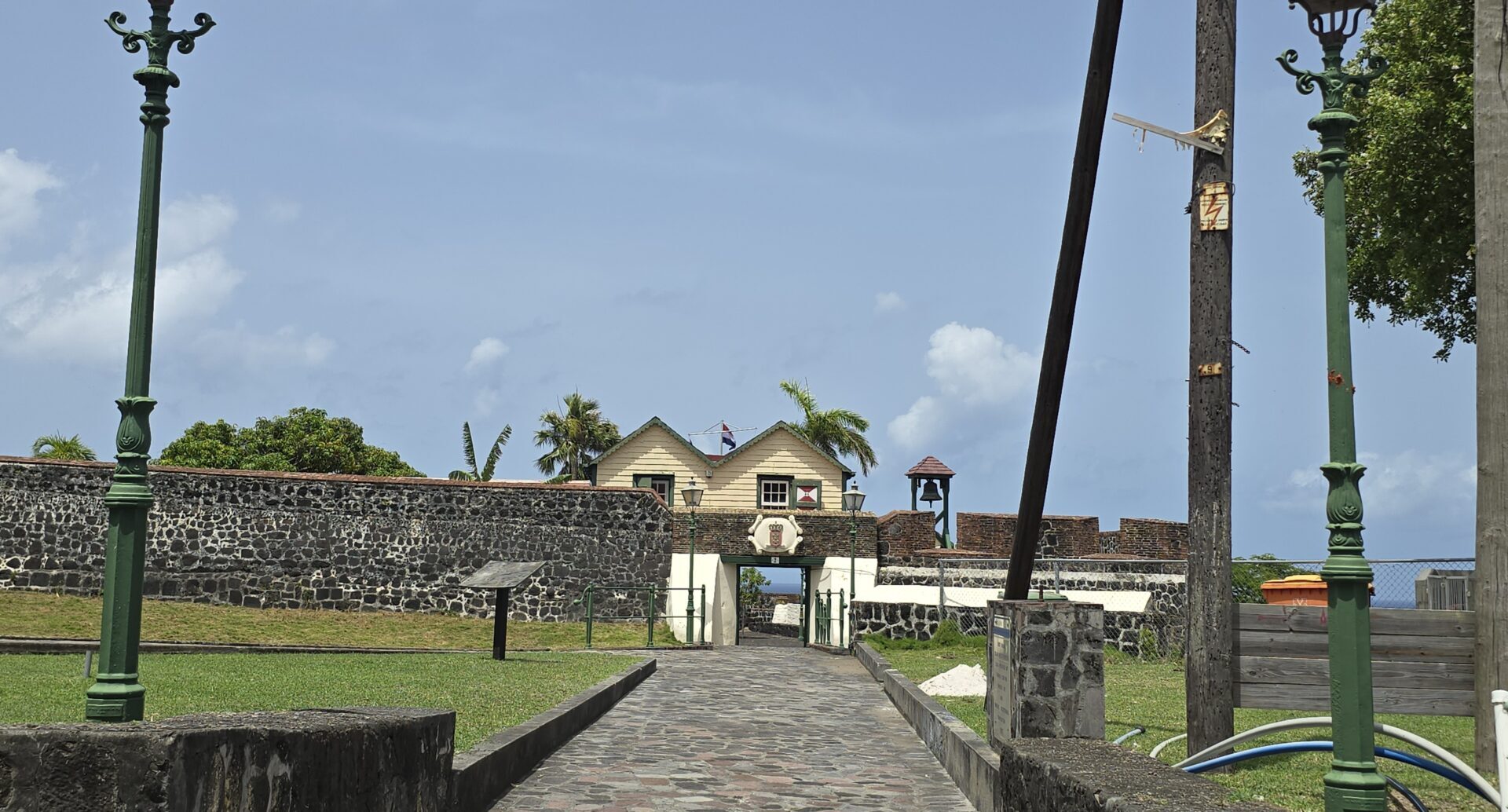
    This collaboration commenced with a two-day familiarization trip in February 2026 for the Caribbean Travel & Tours production team, marking STDF’s first international media visit of the year. The itinerary highlighted Statia’s dual appeal: its rich historical significance and ecological wonders. Participants experienced a cultural tour led by communication specialist Erieënne Brandao, exploring the island’s colonial heritage, including Fort Oranje—the site where the first salute to the American flag occurred in 1776.

    The program also featured an eco-tourism expedition up The Quill, a dormant volcano and protected nature reserve, guided by Anthony Reid of Global Nature Consultancy & Partners. This segment emphasized Statia’s unique biodiversity and commitment to sustainable tourism practices.

    Tourism Director Maya Pandt underscored the strategic timing of this initiative, noting its alignment with the upcoming 250th anniversary of the First Salute in November 2026. This historic event, wherein Statia became the first territory to recognize American independence, presents significant appeal for heritage tourism, particularly from the U.S. market.

    The Caribbean Travel & Tours platform, acclaimed by Forbes, Travel Noire, and Travel Weekly, leverages a network of over 40,000 travel advisers worldwide. This partnership ensures Statia’s compelling narrative reaches global audiences precisely when interest in revolutionary history and sustainable Caribbean travel is peaking.


  • ‘Islandism’ stalling Caribbean free movement, Huntley warns

    ‘Islandism’ stalling Caribbean free movement, Huntley warns

    A former Caribbean diplomat has identified psychological and political barriers—not technical complexities—as the primary obstacles preventing full freedom of movement across the Caribbean Community (CARICOM). Earl Huntley, Saint Lucia’s former ambassador to the United Nations and CARICOM, asserts that deep-seated fears of mass migration and political hesitancy have stalled regional integration for decades, despite the demonstrated success of smaller-scale initiatives.

    While Barbados, Belize, Dominica, and Saint Vincent and the Grenadines implemented a pioneering free movement agreement in 2025, the broader CARICOM vision remains unfulfilled. Huntley, who has observed these negotiations for years, contends that the required policy changes could be enacted immediately. “They have raised a lot of technical matters—social security benefits, contingencies for spouses—that I do not believe are necessary,” he stated. “This comes back to what I call ‘islandism’ and insularity.”

    Huntley traced these apprehensions to historical precedents, including the dissolution of the West Indies Federation in the 1960s, when larger territories feared being overwhelmed by migrants. He argues that such concerns are economically irrational. “People move to places where they can find employment opportunities,” he explained. “If there are jobs available in a country and yet unemployment persists, it means the people there don’t want to do those jobs.”

    He cited the successful example of the Organization of Eastern Caribbean States (OECS), which allows free movement without triggering the feared mass exodus. “Even with skilled nationals—media workers, entertainers, nurses, graduates—there has been no mass movement of people. The OECS has proven that these fears are unfounded.”

    Politicians, Huntley added, are reluctant to champion free movement due to potential voter backlash, prioritizing electoral security over regional progress. Meanwhile, the economic costs of inaction are mounting. He pointed to Guyana, with its expanding oil sector and need for a larger workforce, and Saint Lucia, which faces shortages in construction and skilled labor, as examples of economies that would benefit significantly from integrated labor mobility.

    Echoing this frustration, Saint Lucia’s Prime Minister Philip J. Pierre recently criticized the “slow and frustrating” pace of integration, urging citizens to demand action from their leaders to finally realize the long-promised vision of a unified Caribbean.

  • Making the case again for National Heroes in recognition of our Independence celebrations

    Making the case again for National Heroes in recognition of our Independence celebrations

    Four decades after former Prime Minister John Compton’s poignant warning, Saint Lucia continues grappling with what he termed “a major deficiency in our national psyche”—the failure to properly honor its nation-builders. His 1983 address during the Simón Bolívar bicentennial celebrations remains strikingly relevant today, highlighting the persistent pattern of treating national heroes as “disposable commodities” rather than foundational pillars of national identity.

    This societal shortfall extends beyond ceremonial neglect into the educational realm. Many citizens remain unaware of the architects who shaped Saint Lucia’s political institutions, economic reforms, and cultural identity. The nation heavily relies on fading oral traditions while underinvesting in written documentation, biographical preservation, and structured civic education. This cultural modesty, while admirable, risks evolving into collective amnesia when divorced from deliberate historical preservation.

    The psychological inheritance of colonialism further complicates this dynamic. Centuries of external domination conditioned Saint Lucians to seek validation through metropolitan approval and foreign credentials, creating a paradigm where local achievements require double justification. This has fostered ambition coupled with internal hesitation, where even global recognition rarely translates into sustained local reverence.

    Legislative frameworks for correction already exist. The National Honours and Awards Act (Chapter 17.08) established by former Prime Minister Kenny D. Anthony provides structures for designating National Heroes through a balanced, bipartisan commission. The criteria are specific and demanding: candidates must have demonstrated visionary leadership, achieved extraordinary excellence benefiting Saint Lucia, or made heroic sacrifices improving socioeconomic conditions.

    The existing architecture requires only political will, public engagement, and cultural urgency to activate. Proper implementation could transform civic education through school curricula modules, transparent nomination processes during Independence celebrations, and formal affirmation of living exemplars. Such institutionalization would create a virtuous cycle where recognition inspires contribution, contribution fosters pride, and pride ensures preservation.

    As Saint Lucia celebrates another Independence anniversary, substantive pride must replace slogans. It requires rooted knowledge of the nation’s builders, codified in law and reflected in public ceremony. The critical question remains whether Saint Lucia will finally honor its heroes while they can still receive gratitude, transforming Compton’s four-decade-old admonition into meaningful action.

  • LIVE NOW: Fifth Meeting Of The Third Session of the Eleventh Parliament

    LIVE NOW: Fifth Meeting Of The Third Session of the Eleventh Parliament

    The digital landscape is witnessing a paradigm shift in content processing with the emergence of sophisticated artificial intelligence systems. These advanced analytical platforms are revolutionizing how information is synthesized, interpreted, and reconstructed. The technology demonstrates remarkable capability in comprehensively deconstructing source material to identify core narratives, contextual background, and broader implications before reconstructing content with entirely original frameworks and sophisticated vocabulary. This represents a significant evolution beyond basic automated rewriting, incorporating nuanced understanding of journalistic integrity, copyright considerations, and audience engagement principles. The systems maintain rigorous standards for factual accuracy while employing diverse linguistic techniques to enhance readability and information retention. This technological advancement addresses growing demands for both content authenticity and production efficiency across media platforms, potentially establishing new benchmarks for how news organizations process and present information in increasingly saturated digital environments.

  • ‘Beaches Case’ Adjourned Again to April 9

    ‘Beaches Case’ Adjourned Again to April 9

    A landmark legal dispute over public beach access in Barbados has been further delayed, with the Magistrate’s Court scheduling the next hearing in the protracted ‘Beaches Case’ for April 9, 2026. The case originates from an incident on Whit Monday (June 9, 2025) when several individuals allegedly trespassed at Laurys Bay in the St. Philip North constituency. Prosecutors contend the defendants unlawfully entered property associated with a private coastal development, while the accused maintain their actions were a legitimate protest against diminishing public access to Barbados’ shoreline. The repeated adjournments have drawn sharp criticism from defense supporters who characterize the delays as procedural abuse. Both sides await the 2026 court date as this socially significant case continues to highlight tensions between private development interests and traditional public beach rights.

  • Revised Date Announced For The 2025 Antigua & Barbuda National Music Awards

    Revised Date Announced For The 2025 Antigua & Barbuda National Music Awards

    The Ministry of Creative Industries has announced a significant date change for the prestigious 2025 Antigua and Barbuda National Music Awards (ABNMA). Originally slated for February 26th, 2026, the ceremony will now take place on Tuesday, March 10th, 2026, at the American University of Antigua Conference Center.

    Government officials cited an unavoidable scheduling conflict as the primary reason for the rescheduling, emphasizing that the change was necessitated by circumstances beyond their control. Despite this adjustment, the Department of Culture reaffirmed its commitment to maintaining the event’s high production standards and celebratory atmosphere.

    All previously announced event details remain intact, including the comprehensive award categories and programmed entertainment elements. The ministry specifically addressed concerns regarding existing invitations, confirming that all previously issued invitations will remain valid for the new date.

    The statement included a formal apology to nominees, corporate partners, sponsors, and distinguished guests who may experience inconvenience due to the date modification. Organizers expressed gratitude for the community’s understanding and continued support of the nation’s music and entertainment industry.

    The rescheduled event will continue to honor exceptional achievements within Antigua and Barbuda’s creative community, showcasing the nation’s vibrant musical talent and cultural contributions on the international stage.

  • Improved Prison On-Site Care Expected to Cut Hospital Transfers

    Improved Prison On-Site Care Expected to Cut Hospital Transfers

    Saint Lucia’s government has successfully implemented a comprehensive enhancement of medical services at the Bordelais Correctional Facility (BCF), marking the culmination of a year-long transformation initiative. Health Minister Moses Jn Baptiste confirmed the complete operationalization of the facility’s upgraded healthcare infrastructure this week.

    The ministerial announcement emphasized the government’s commitment to fulfilling statutory obligations under the Correctional Services Act, which explicitly guarantees appropriate medical care for incarcerated individuals. Minister Jn Baptiste articulated the dual-purpose strategy behind these improvements: ensuring inmate welfare while simultaneously alleviating strain on the nation’s public healthcare infrastructure.

    “Our objective extends beyond mere compliance,” Jn Baptiste stated. “By fortifying medical capabilities within the correctional system, we deliberately reduce the necessity for inmate transfers to external healthcare facilities, particularly St Jude Hospital and Millennium Heights Medical Complex.”

    Key technological advancements include the full integration of the health management information system, enabling seamless synchronization of inmate health records with the national primary care network. This digital transformation ensures continuity of care and comprehensive medical tracking for the incarcerated population.

    The enhancement package features significantly expanded specialist clinical services with optimized scheduling protocols:
    – Internal medicine consultations now occur with reinforced capacity on the first Thursday of each month
    – Dermatology services have been enhanced and maintained on the second Friday monthly since December 2022
    – Ophthalmology clinics continue their regular schedule every fourth Tuesday

    Correctional authorities indicate these measures will deliver more holistic healthcare to inmates while creating substantial operational relief for the nation’s overburdened public health system. The systematic approach demonstrates how institutional healthcare improvements can simultaneously serve prisoner welfare and broader public health objectives.

  • Fibre benefits beyond constipation

    Fibre benefits beyond constipation

    Scientific research continues to reveal that dietary fibre serves far more critical functions than merely facilitating digestive regularity. The Grenada Food and Nutrition Council (GFNC) has highlighted fibre’s comprehensive role in maintaining systemic health, positioning it as an essential component for holistic wellbeing.

    The gastrointestinal system performs numerous survival functions, with fibre acting as a crucial protective agent. Although food enters through the mouth, the intestinal interior remains technically external to the body until nutrients penetrate the gut wall into the bloodstream. The intestinal barrier serves as a selective gateway, permitting nutrient absorption while blocking harmful pathogens. Dietary fibre reinforces this barrier by nourishing beneficial gut microbiota, which subsequently generate short-chain fatty acids (SCFAs) through fermentation. These microbial metabolites strengthen intestinal integrity, mitigate inflammatory responses, and enhance immunological function.

    Chronic inflammation—often triggered by infections, dietary imbalances, environmental toxins, or psychological stress—can precipitate tissue damage and elevate chronic disease risks. Adequate fibre consumption modulates inflammatory pathways by promoting microbial diversity and enhancing barrier protection.

    Research published in ‘Leaky Gut: Effect of Dietary Fibre and Fats on Microbiome and Intestinal Barrier’ demonstrates that insufficient fibre intake compromises the protective mucosal layer, enabling pathogen infiltration and inflammatory activation. Conversely, optimal fibre consumption stimulates butyrate and other SCFA production, which calms immune reactivity and preserves intestinal lining integrity.

    Fibre significantly influences metabolic health by decelerating digestion and promoting gradual glucose release into circulation. This mechanism prevents abrupt glycemic spikes, sustains energy equilibrium, and reduces insulin resistance development—a fundamental precursor to Type 2 diabetes.

    Cardiovascular protection represents another fibre benefit. A 2022 Frontiers in Nutrition study identified that soluble fibres like pectin sequester bile acids within the intestines, forcing hepatic utilization of circulating cholesterol for bile synthesis. This process effectively reduces serum cholesterol concentrations, thereby supporting cardiovascular health and diminishing cardiovascular disease susceptibility.

    Beyond transient digestive relief, consistent fibre consumption correlates with reduced risks of diabetes, hypertension, obesity, gastrointestinal disorders, and chronic inflammation. This multifaceted nutrient underpins immunological robustness, metabolic balance, and long-term pathological prevention.

    The GFNC recommends integrating diverse plant-based fibres through regular consumption of vegetables and fruits at each meal. Such dietary patterns confer systemic benefits that extend far beyond gastrointestinal comfort, ultimately enhancing overall physiological resilience and disease resistance.

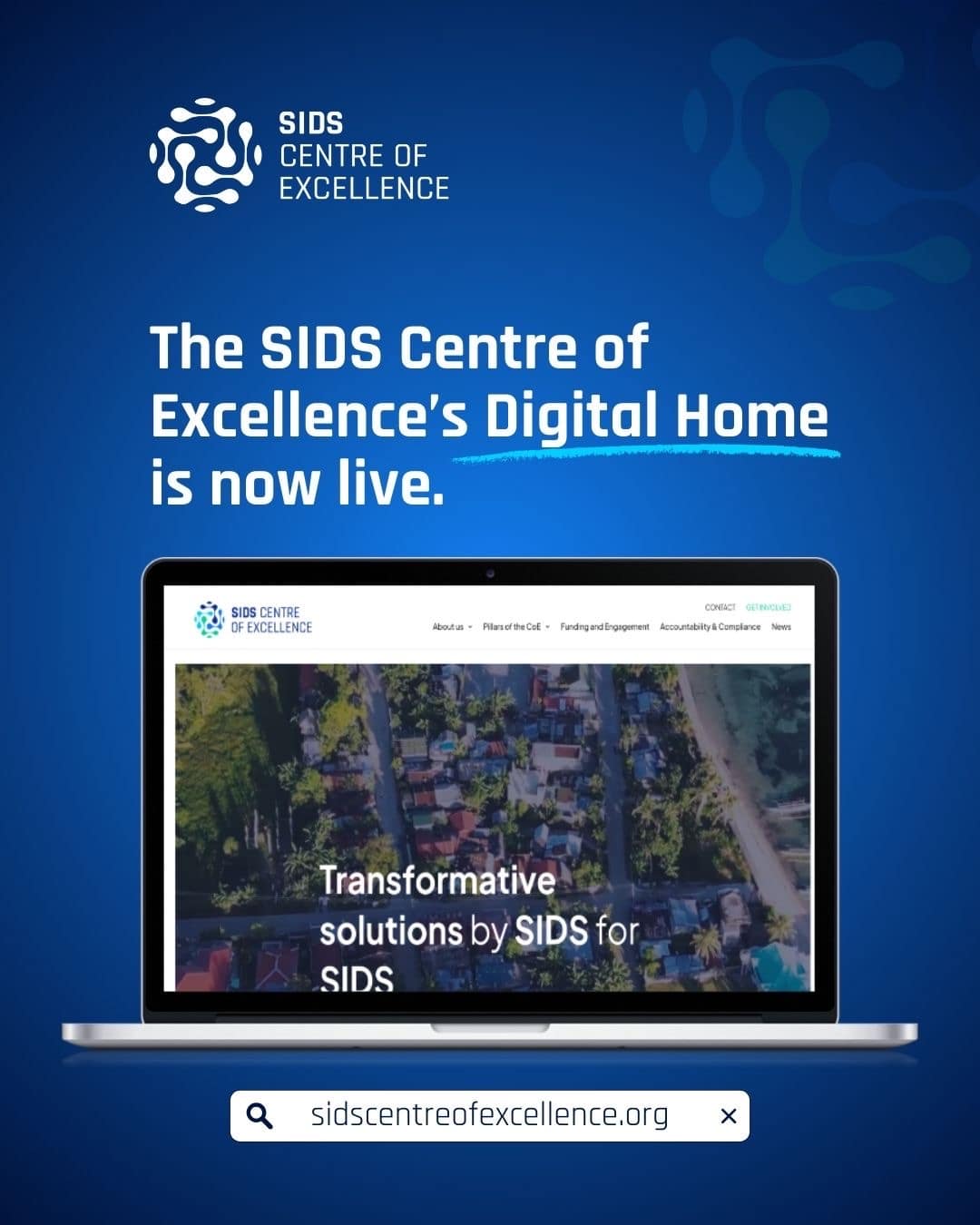
  • SIDS Centre of Excellence Launches Official Website

    SIDS Centre of Excellence Launches Official Website

    Antigua and Barbuda is poised to host the formal physical inauguration of the Small Island Developing States Centre of Excellence (SIDS CoE) in the coming months. This institution represents a concrete operational framework designed to bolster the efforts of Small Island Developing States in achieving the objectives outlined in the Antigua and Barbuda Agenda for SIDS (ABAS).

    The Centre’s mission is executed through a strategic framework of four synergistic pillars: a Global Data Hub for enhanced information access, an Innovation Technology Mechanism to foster digital advancement, an Island Investment Forum to catalyze financial flows, and a Debt Sustainability Service to address fiscal challenges. This integrated approach is specifically engineered to fortify the capabilities of SIDS nations, enabling them to accelerate progress toward sustainable and climate-resilient development pathways.

    The upcoming launch event will serve as a pivotal gathering for regional stakeholders and international partners. Its primary objectives are to officially mark the establishment of the Centre and to galvanize further collaborative action in direct support of SIDS-specific priorities. Organizers have indicated that comprehensive details regarding the event’s agenda and participation will be disclosed in the near future.

  • OP-ED: US Supreme Court tariff decision – What does this mean for the Caribbean?

    OP-ED: US Supreme Court tariff decision – What does this mean for the Caribbean?

    In a landmark ruling with profound implications for presidential authority and international trade, the United States Supreme Court has delivered a decisive verdict against the Trump administration’s controversial tariff regime. On February 20, 2026, the court determined by a 6-3 majority that the International Emergency Economic Powers Act (IEEPA) of 1977 does not grant the president authority to impose tariffs, striking down the so-called ‘Liberation Day’ emergency powers established through executive order in April 2025.

    The legal challenge, Learning Resources Inc v Trump (2026), centered on whether the 1977 legislation authorized the president to implement sweeping tariffs under declared national emergencies. The court reaffirmed that constitutional authority for taxation and tariffs resides squarely with Congress, delivering a robust defense of separation of powers principles.

    President Trump’s executive order had justified the tariffs by identifying two ‘unusual and extraordinary threats’: the flow of illegal drugs from Canada, Mexico, and China, and the United States’ persistent trade deficit which allegedly undermined domestic manufacturing and supply chains. The administration imposed a 10% ‘reciprocal tariff’ on nearly all countries globally, with additional rates targeting specific nations including Caribbean Community (CARICOM) members Trinidad & Tobago (15%) and Guyana (38%, later reduced to 15%).

    The economic impact has been substantial. US importers bore the direct costs, with small and medium enterprises particularly affected. Learning Resources Inc reported losses amounting to millions of dollars, while the Penn-Wharton Budget Model projects total tariff payments at approximately $175 billion. American households faced an average tax increase of $1,000 in 2025, with projections reaching $1,300 for 2026.

    Paradoxically, the tariffs failed to achieve their stated objectives. Despite increased tariff revenue, the US merchandise trade deficit reached record highs in 2025, partly due to importers rushing shipments ahead of implementation.

    For Caribbean nations, which historically enjoyed non-reciprocal duty-free access to US markets under the Caribbean Basin Initiative, the ruling offers significant relief. The US remains the region’s largest trading partner and main export market, with the tariffs having reduced price competitiveness for Caribbean goods.

    However, the trade policy battle continues. President Trump has announced intentions to implement a 10% global tariff using Section 122 of the Trade Act of 1974, which permits temporary tariffs up to 15% for 150 days unless extended by Congress. This development introduces renewed uncertainty for US importers and foreign exporters, including Caribbean businesses which must continue monitoring developments and adjusting strategies accordingly.

    Regional organizations including CARICOM and the Caribbean Private Sector Organisation maintain active engagement with US trade policy developments, advocating for Caribbean interests through diplomatic channels as the situation evolves.