博客

  • Vijf jaar zittingstermijn AAC: discussie nog open in DNA

    Vijf jaar zittingstermijn AAC: discussie nog open in DNA

    The National Assembly of Suriname witnessed intense deliberations on Thursday as parliamentary rapporteurs, chaired by NDP member Silvana Afonsoewa, examined proposed amendments to the Labor Advisory Council (AAC) Act. Central to the legislative revision is extending council members’ terms from two to five years—a move proponents argue would enhance institutional stability but critics warn requires stronger justification.

    Afonsoewa opened deliberations by characterizing the tripartite AAC—bringing together government, employers and workers—as vital for social dialogue and labor policy formulation. She contended that the current two-year term proves insufficient for maintaining continuity, developing expertise and preserving institutional memory. The proposed five-year term, she asserted, would foster stability and improve advisory quality, particularly amid significant economic and labor market reforms. Afonsoewa noted that members frequently serve beyond two years in practice.

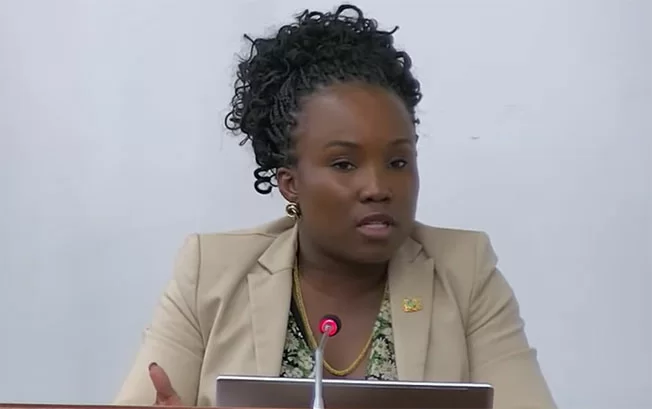
    Opposition voices emerged swiftly. VHP representative Chuanrui Wang acknowledged continuity benefits but criticized the proposal’s inadequate substantiation. He cautioned that extended terms without mid-term evaluations, clear performance metrics or parliamentary accountability mechanisms risked stagnation rather than improved functionality. Wang emphasized that structural challenges—including limited capacity and advisory implementation—would persist merely through tenure extension.

    NDP member Jennifer Vreedzaam raised governance concerns, questioning why five years specifically was necessary when existing legislation already permitted exceptions and reappointments. She warned that unchecked continuity might breed stagnation without evaluation benchmarks. Colleague Claudie Sabajo countered that the AAC itself identified two years as insufficient for developing quality advisories, arguing longer terms would reduce administrative burdens and enable deeper policy engagement. She simultaneously requested government transparency regarding past advisory implementations.

    Representation issues took center stage when VHP’s Mahinder Jogi challenged whether the AAC adequately represented informal sector workers, small entrepreneurs and unorganized laborers. He deemed the amendment overly narrow and recommended broader legislative reconsideration. ABOP representative Edgar Sampie linked the reform to Suriname’s emerging oil and gas sector, stressing that international labor conventions demanded a robust, independent AAC. Without adequate resources and authority, he cautioned, the council risked becoming ‘a tiger without teeth.’

    NPS representative Jeffrey Lau highlighted that no labor legislation proceeds without AAC consultation. He endorsed five-year terms as better aligned with governmental periods, facilitating medium-term planning and measurable policy outcomes. The council itself, he noted, considered five years operationally feasible.

    While consensus existed on the AAC’s importance, divisions persisted regarding whether term extension sufficed or broader evaluation of composition and operations was prerequisite. Deliberations will continue Thursday with contributions from non-rapporteur assembly members.
  • Bruce wants Taiwan IT expertise to tackle praedial larceny in SVG

    Bruce wants Taiwan IT expertise to tackle praedial larceny in SVG

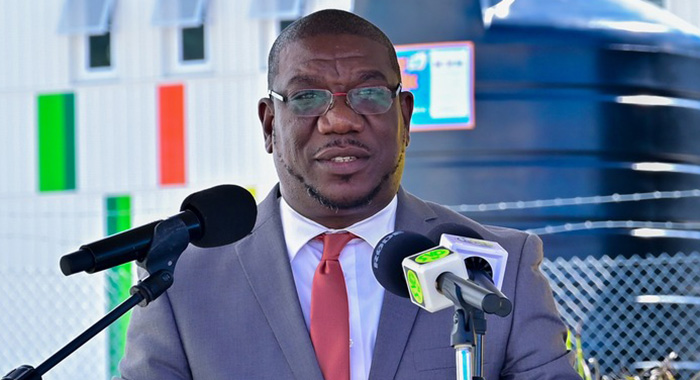
    In a significant diplomatic ceremony held in Kingstown, St. Vincent and the Grenadines (SVG) has formally requested Taiwan’s technological assistance to address the persistent challenge of predial larceny—the widespread theft of agricultural products and livestock that has plagued local farmers. SVG’s Minister of Agriculture, Israel Bruce, articulated the urgent need for digital solutions during an event where Taiwan donated substantial humanitarian aid, including a fire truck, 198 tons of rice, and two containers of charitable goods.

    Minister Bruce, who also oversees forestry and rural transformation, emphasized the devastating impact of agricultural theft on farmer livelihoods and economic investment. He recounted a recent incident where a Marriaqua farmer discovered most of his harvest stolen—an experience that represented both financial devastation and profound emotional distress. Bruce highlighted how such incidents erode trust in agricultural systems and discourage sector participation.

    The proposed collaboration centers on implementing Taiwan’s renowned information technology capabilities to establish comprehensive traceability systems. Bruce envisions digitally tagged produce that can be monitored from farm to market, creating accountability mechanisms that would deter theft. This technological intervention represents a crucial component of SVG’s agricultural modernization efforts and broader economic development strategy.

    Addressing Taiwan’s Ambassador to SVG, Fiona Huei-Chun Fan, Bruce positioned this cooperation as part of a larger pattern of bilateral support. Beyond immediate theft prevention, the partnership envisions expanded collaboration in agricultural technology, food security enhancement, climate change resilience, greenhouse production, livestock development, and sustainable environmental practices.

    The minister concluded that integrating Taiwan’s IT expertise would not only protect farmers but also strengthen the four pillars of SVG’s economy—agriculture, tourism, services, and the blue economy—creating synergistic development across sectors while restoring dignity and confidence to the agricultural community.

  • MP Simon Concerned About Visa Restrictions on Antiguan Athletes and Students (+VIDEO)

    MP Simon Concerned About Visa Restrictions on Antiguan Athletes and Students (+VIDEO)

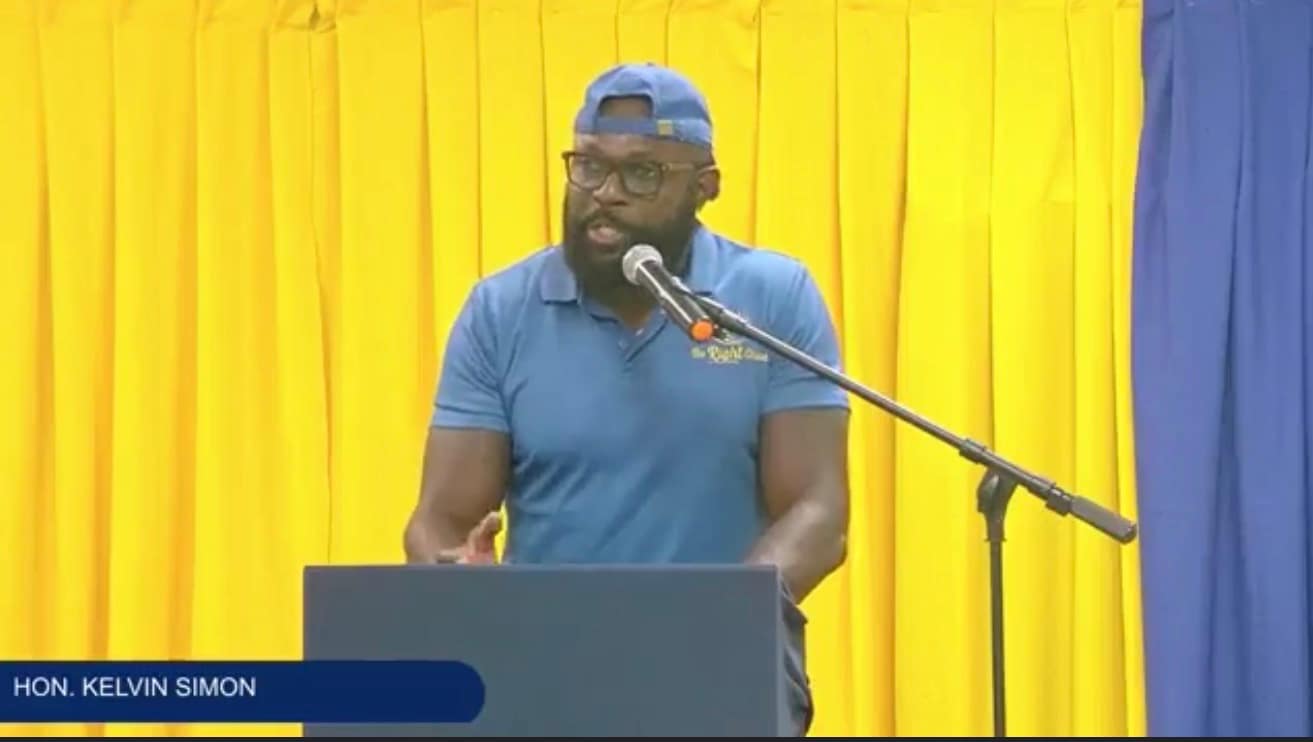
    Kelvin Simon, an opposition lawmaker, has launched a scathing critique against the Antiguan government, accusing its policies and inaction of creating a national crisis in human resource development. Speaking in parliament, Simon articulated that systemic failures are severely compromising the educational and athletic prospects of the nation’s youth at a pivotal stage in their development.

    The core of the issue, according to Simon, lies in the diminished international standing of the Antigua and Barbuda passport. He described it as a ‘red flag’ in visa application processes, creating significant uncertainty and disadvantage for students seeking to study abroad. This is particularly critical given the limited academic offerings at local institutions like the University of the West Indies, which Simon noted fails to cover ‘many areas of study,’ making overseas education unavoidable for numerous students pursuing specialized careers.

    Simon highlighted concrete consequences, pointing to visa delays and denials that are already disrupting educational pathways and athletic careers. He supplemented his argument with data from the Open Doors Report, noting that 183 Antiguan students are currently in U.S. higher education institutions, whose futures remain uncertain regarding visa renewals and degree completion.

    The lawmaker further criticized the domestic sports infrastructure, stating that local shortcomings compound these external barriers. He directly challenged Prime Minister Gaston Browne to address what he characterized as a national emergency, emphasizing that investment in youth must become an urgent priority.

    Simon concluded that while the government cannot control foreign visa policies, it bears full responsibility for protecting citizens from their impact and for developing comprehensive strategies to overcome these challenges, stating that the current situation is ‘preventing us from being as competitive as we should in order to drive this country forward.’

  • SOC en ministerie willen Sportwet voor continu en toekomstgericht sportbeleid

    SOC en ministerie willen Sportwet voor continu en toekomstgericht sportbeleid

    Surinamese sporting authorities have initiated a groundbreaking push to establish comprehensive sports legislation, aiming to secure sustainable development and institutional continuity beyond changing political administrations. The landmark decision emerged from high-level policy discussions between the Surinamese Olympic Committee (SOC) and the Ministry of Youth Development and Sports.

    During the strategic meeting, both entities unanimously agreed that implementing a Sports Law represents an urgent necessity to prevent athletic development from remaining vulnerable to shifting governmental priorities. The proposed legal framework would establish stability, enable long-term planning, and guarantee structured financing mechanisms for Suriname’s sports sector.

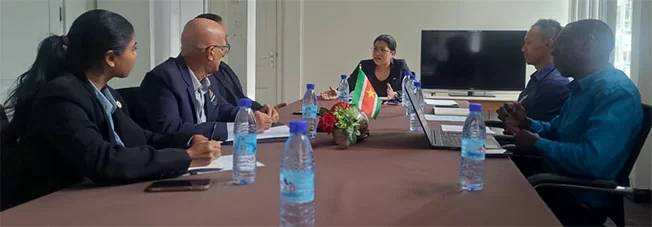
    The SOC delegation, led by President Ramon Tjon A Fat alongside Secretary Dennis MacDonald and Office Manager Ranoe Samlal, engaged with ministerial representatives including Minister Lalinie Gopal, Acting Director Enrique Ralim, and Deputy Director Jason Menso.

    Minister Gopal emphasized that her recently restructured ministry considers the current moment opportune for establishing clear agreements with the SOC regarding roles, collaborative efforts, and a shared vision for the future. Central to these discussions was the recognition that sports policy must prioritize long-term objectives supported by consistent budgetary allocations.

    The dialogue highlighted how comprehensive sports legislation could create cohesion between recreational, grassroots, and elite sporting initiatives. The framework would systematize talent development from early childhood through senior competition levels, specifically targeting success in regional and international events including Pan-American competitions and Olympic Games.

    Beyond competitive objectives, officials stressed the social dimensions of sports policy, identifying key pillars including the promotion of healthy lifestyles, safe sporting environments, and equal opportunities for girls and women.

    The SOC presented compelling international precedents from nations including Brazil and Paraguay, where legislative frameworks have yielded improved planning, greater transparency, and sustainable funding models. Consequently, the ministry has committed to collaborating with the SOC and additional stakeholders to develop preliminary legal and policy frameworks that will future-proof Surinamese sports.

  • Swiss Crew Wins World’s Toughest Row, Finishes Atlantic Crossing in Antigua

    Swiss Crew Wins World’s Toughest Row, Finishes Atlantic Crossing in Antigua

    In an extraordinary display of human endurance and maritime prowess, the Swiss rowing quartet known as Team 44 West has captured the coveted overall championship in the World’s Toughest Row competition. The athletes—Julian, Luca, Lorenzo, and Matthias—successfully completed their arduous 3,000-mile transatlantic journey, making landfall at Nelson’s Dockyard in Antigua after 31 days, 8 hours, and 8 minutes of continuous rowing.

    The prestigious endurance event, which commenced in La Gomera, Spain, featured 43 international crews comprising 114 rowers representing 20 nations. Participants faced formidable challenges including extreme physical exhaustion, unpredictable weather systems, and prolonged psychological isolation during their solitary ocean crossing in specialized rowing vessels.

    This annual Atlantic challenge represents one of the most demanding endurance competitions globally, testing the limits of human capability against the vastness of ocean wilderness. The Swiss team’s achievement marks not only a personal victory but sets a new benchmark for transatlantic rowing excellence.

    Race organizers have extended congratulations to the victorious Swiss team while maintaining communication with the remaining crews still navigating toward the traditional finish line in Antigua. The event continues to demonstrate remarkable international participation and sportsmanship in one of the world’s most extreme athletic challenges.

  • No official U.S. notice on reported visa pause, Antigua and Barbuda ambassador says

    No official U.S. notice on reported visa pause, Antigua and Barbuda ambassador says

    Ambassador Sir Ronald Sanders, Antigua and Barbuda’s top diplomat to the United States, has clarified that his nation has received no formal communication from the U.S. Department of State regarding potential visa processing suspensions. This statement, released on Tuesday, addresses circulating media reports suggesting Washington is contemplating a temporary halt for applicants from approximately 75 countries, including several Caribbean nations.

    Upon learning of these reports, which specifically named Antigua and Barbuda, Ambassador Sanders immediately sought clarification from senior State Department officials. While these discussions revealed that the consideration stems from a new White House-directed requirement, Sanders emphasized that the scope of the measure has been significantly overstated in international media coverage.

    The proposal under review would not constitute a blanket suspension but would be specifically targeted at immigrant visas, commonly known as green cards. This limited pause, potentially lasting up to 60 days, would allow for a review of existing screening and vetting procedures. Ambassador Sanders stressed that all information remains preliminary, as no written directive has been circulated to affected embassies.

    Concurrently, the Government of Antigua and Barbuda continues its diplomatic engagements with U.S. officials. These ongoing representations aim to have the country removed from lists subject to various partial visa restrictions, including specific bond requirements for certain applicants. Sanders reiterated that decisions on U.S. immigration applications reside solely with American authorities and individual applicants, with countries of nationality holding no legal or administrative role in the approval process.

  • WATCH: Malaka Parker Says PDV CAB Has Been Politicised Under ABLP

    WATCH: Malaka Parker Says PDV CAB Has Been Politicised Under ABLP

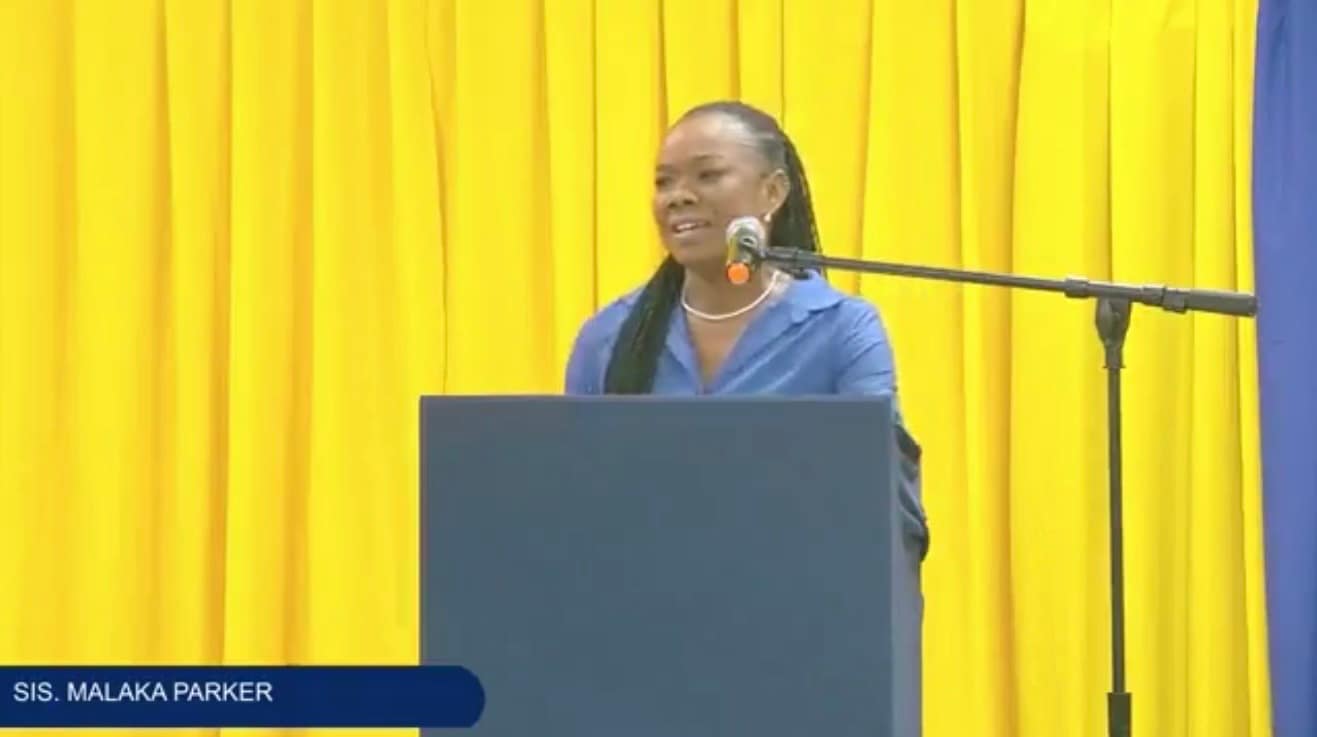
    In a recent political address, Malaka Parker, the United Progressive Party’s candidate for St. John’s Rural North, launched sharp criticisms against the ruling Antigua and Barbuda Labour Party administration. Parker asserted that the PDV CAB social safety-net initiative has undergone a fundamental transformation from its original design as an impartial protection system to a politically-motivated assistance scheme.

    The program, initially established during the UPP’s previous administration, was conceived as a rules-based social protection mechanism aimed at cushioning vulnerable households against volatility in global oil markets. Parker emphasized that the program’s original architecture supported over 10,000 households through a transparent framework that operated independently of political influence.

    According to the opposition candidate, PDV CAB derived its funding from savings and dividends generated through oil procurement rather than conventional taxation methods. This financial structure, she contended, created an insulated system where beneficiaries received support without requiring political endorsements or discretionary approvals from government officials.

    The program specifically prioritized female-headed households, elderly pensioners, children, and grandparents raising grandchildren—demographics that aligned with the UPP’s social protection philosophy under former Prime Minister Baldwin Spencer’s leadership.

    Parker criticized the current government for dismantling this structured approach, arguing that its replacement with voucher-based assistance and discretionary distribution has made essential support contingent upon political engagement rather than objective need. This shift, she maintained, compromises the dignity, fairness, and predictability that vulnerable citizens should expect from social safety programs.

    The ABLP government has previously justified its social support initiatives as necessary responses to economic challenges and escalating living costs, though specific rebuttals to these latest allegations have not yet been issued.

  • Winair to Expand Antigua-Montserrat Flights in March as SVG Airways Experience operational challenges

    Winair to Expand Antigua-Montserrat Flights in March as SVG Airways Experience operational challenges

    The Montserrat Access Division has issued a significant update on the island’s air connectivity, revealing a mixed landscape of service expansion and operational suspensions for early 2026.

    In a positive development for regional travel, WINAIR is enhancing its flight schedule to the British Overseas Territory. The carrier will maintain a three-day weekly service throughout January and February 2026, operating flights between St. Maarten, Montserrat, and Antigua every Tuesday, Friday, and Sunday. This limited schedule will undergo substantial expansion in March 2026, when WINAIR transitions to daily operations, significantly improving accessibility to the island.

    Conversely, SVG Airways (also known as BMN Air) faces substantial operational challenges that have compelled a temporary suspension of services. The airline confirmed multiple systemic issues including ongoing aircraft maintenance requirements and a critical reduction in personnel. The carrier has lost three pilots and two engineers from its human resources portfolio, creating severe staffing shortages.

    As a direct consequence of these operational difficulties, SVG Airways has closed its booking system for all routes serving Montserrat through February 2026. The airline is currently accepting reservations for travel commencing in March 2026, with bookings available through both digital platforms and traditional ticket agents.

    The Access Division within the Office of the Premier emphasized that these updates reflect the dynamic nature of regional air transportation while reaffirming the government’s commitment to keeping the public informed about travel infrastructure developments.

  • Taiwan donates fire truck, rice, charitable items to SVG

    Taiwan donates fire truck, rice, charitable items to SVG

    In a significant demonstration of international solidarity, Taiwan has delivered a substantial aid package to St. Vincent and the Grenadines (SVG), comprising emergency response equipment, food security provisions, and humanitarian supplies. The donation, formally handed over during a ceremony in Kingstown on January 13, 2026, included one fire truck, 198 tons of rice (equivalent to 20,000 bags), and two container loads of charitable goods valued at approximately $500,000.

    The comprehensive assistance package featured practical items including over 600 rolls of fabric, 300 pairs of shoes, and various clothing articles, contributed through a collaboration between the Taiwanese government and non-governmental organizations including the Simply Help Foundation and Wu Thun-Chih Foundation.

    Taiwanese Ambassador Fiona Huei-Chun Fan emphasized that the contribution represents “the heartfelt solidarity of the Taiwanese people and the Vincentian community,” adding that “true friendship is expressed not only in words, but in actions that improve lives.” She characterized the donation as a crucial step in strengthening social resilience and food security for the Caribbean nation.

    The aid extends beyond immediate humanitarian relief, reflecting Taiwan’s ongoing commitment to sustainable development partnerships. Ambassador Fan highlighted several strategic cooperation initiatives, including the recent installation of 300 CCTV cameras to enhance public safety and support accident investigations, plus the construction of an acute care hospital at Arnos Vale. In agriculture, Taiwan has launched a young farmer program incorporating smart agriculture technologies, IoT solutions, and vertical farms to empower SVG’s next generation of farmers.

    SVG’s Minister of Social Welfare and Community Empowerment, Shevern John, acknowledged the donation as evidence of the enduring friendship between both nations, noting that the rice quantity doubled previous contributions and arrives during a period of significant need following natural disasters and global uncertainty. The rice will be distributed through government social assistance programs to reach low-income families and those most vulnerable.

    Deputy Prime Minister and Minister of National Security St. Clair Leacock emphasized the symbolic importance of the fire truck donation for national safety infrastructure, while noting that Taiwan’s support consistently focuses on sustainable development rather than temporary relief. The partnership, he noted, represents “not one of a handout, but always a hand up” toward SVG’s aspiration to become a first-world nation.

  • VIEW POINT: The Caribbean’s Opportunity for a Brain Gain

    VIEW POINT: The Caribbean’s Opportunity for a Brain Gain

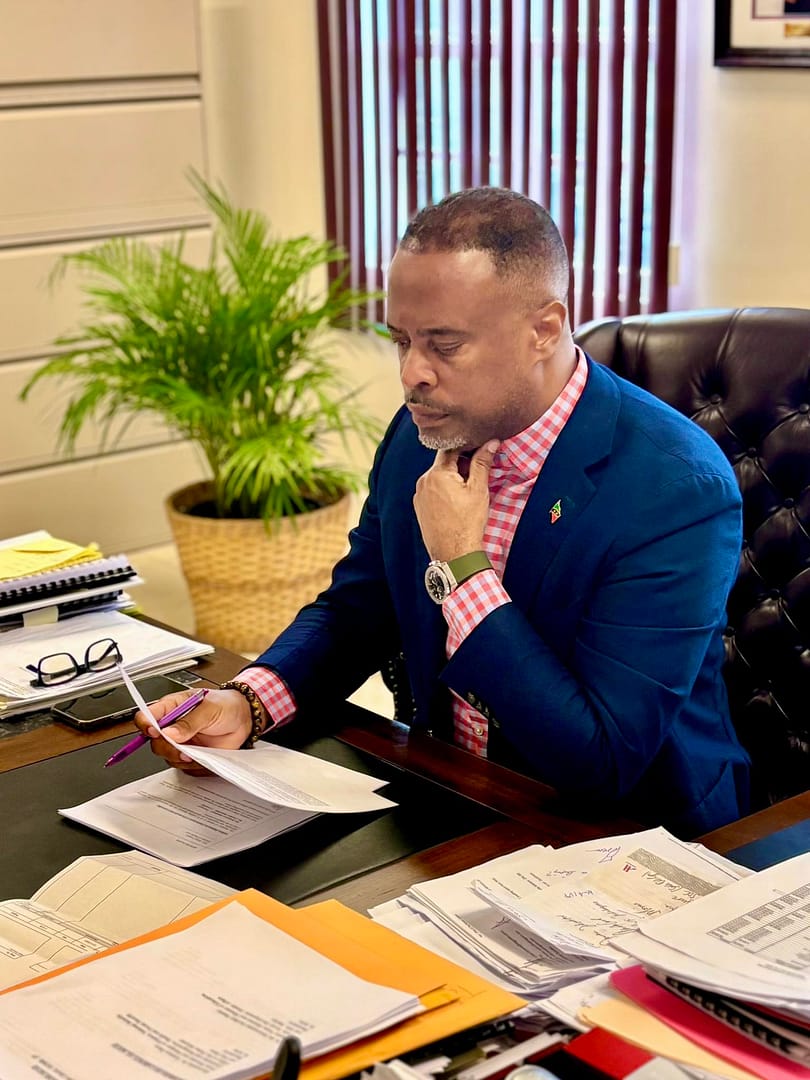
    Premier Mark Brantley of Nevis has articulated a strategic vision for transforming the Caribbean’s migration challenges into developmental opportunities. Recent immigration policy shifts in the United States, including suspended visa processing for certain Caribbean nations and forced acceptance of deportees from third countries, have generated significant regional concern. Rather than perpetuating what Brantley characterizes as counterproductive “hysteria” and diplomatic hand-wringing, he proposes a fundamental reimagining of Caribbean migration dynamics.

    The longstanding phenomenon of ‘brain drain’ has seen developed nations including the United States, Canada, and the United Kingdom benefit substantially from the migration of the Caribbean’s most talented citizens. This intellectual and professional exodus has simultaneously deprived the region of critical human capital necessary for sustainable development.

    Brantley’s comprehensive strategy centers on converting this brain drain into ‘brain gain’ through targeted incentives and emotional appeals to the Caribbean diaspora. Specific policy recommendations include making land available at symbolic prices (such as EC$1 per square foot for returning graduates in Nevis), developing fiscal incentives, and encouraging financial repatriation. The Premier explicitly calls for diaspora members to transfer financial assets from international institutions to Caribbean banks, invest in regional stock exchanges, and relocate their entrepreneurial ventures and professional expertise to their home nations.

    This approach reframes current immigration challenges as an unprecedented opportunity for reverse migration and regional development, urging Caribbean citizens to return home with their accumulated wealth, education, and innovation capabilities.