博客

  • Turner Marks First Year as St. Peter MP, Says Work Has Only Begun

    Turner Marks First Year as St. Peter MP, Says Work Has Only Begun

    Following his parliamentary election victory one year ago, Rawdon Turner, who represents the St. Peter constituency and serves as Minister of Social and Urban Transformation, has characterized his inaugural term as a period dedicated to foundational development rather than public acclaim. In a reflective statement, Turner emphasized that his primary focus has been on comprehensive listening, intensive learning, and establishing the necessary groundwork for future initiatives.

    Turner explicitly stated that the past twelve months were not measured by traditional achievements or ceremonial titles, but rather by the diligent process of understanding community needs and preparing for substantive action. “We have initiated crucial collaborative projects,” he acknowledged, “yet I maintain a realistic perspective: significant work remains ahead.”

    The Minister highlighted the inherent challenges of societal transformation, noting that genuine progress emerges through consistent effort and cooperative engagement at the grassroots level. He articulated that community development occurs incrementally through sustained dialogue and systematic problem-solving rather than through immediate, visible changes.

    Addressing the complex issues confronting both his constituency and the nation broadly, Turner identified three essential components for success: patient dedication, persistent effort, and constructive partnerships. He renewed his commitment to maintaining transparent communication with constituents, promising continued presence within communities and honest assessments of governmental capabilities and limitations.

    Turner concluded by expressing gratitude to St. Peter residents for their ongoing support and thanked the broader public for entrusting him with governmental responsibility. He framed the completion of his first year not as a destination reached, but as the preliminary phase of an extended journey toward tangible improvements in citizens’ daily lives.

  • Bradshaw: Major road fix drive to reach ‘most districts’ this year

    Bradshaw: Major road fix drive to reach ‘most districts’ this year

    The Barbadian government has announced an extensive national road rehabilitation initiative set to commence this month, with Deputy Prime Minister Santia Bradshaw confirming the program will extend through June. This ambitious infrastructure effort represents one of the most comprehensive road improvement campaigns in recent years, designed to address long-standing transportation challenges across the island nation.

    According to Bradshaw, who also serves as Minister of Transport and Works, her ministry has undergone months of preparatory work to clear bureaucratic backlogs, finalize engineering designs, and complete tender processes. This groundwork enables contractors to immediately begin construction activities across highway networks, primary thoroughfares, and residential communities nationwide.

    The strategic timing of the construction window between January and June capitalizes on optimal dry weather conditions, as the rainy season traditionally begins June 1st. Bradshaw explained the ministry has systematically reorganized its internal planning cycle to conduct technical assessments, preliminary drawings, and detailed designs during wetter months from June to December. This approach ensures contractors can commence work immediately when favorable conditions return.

    The rehabilitation program will utilize both roller-compacted concrete and traditional concrete surfaces, incorporating funding from the Development Bank of Latin America (CAF). While specific roadways weren’t identified during Wednesday’s announcement, Bradshaw indicated comprehensive media briefings scheduled for next week will provide detailed project outlines and implementation timelines.

    Beyond immediate infrastructure improvements, the initiative forms part of a broader modernization strategy within the Transport Ministry. Bradshaw emphasized technology’s increasing role in operational efficiency, noting ongoing investments in staff training and contractor coordination systems to meet growing infrastructure demands. The program aims not only to enhance road quality but also to reduce vehicle damage complaints and liability claims associated with deteriorating road conditions.

  • ‘Unworkable, unenforceable’: Senator slams tourism levy bill

    ‘Unworkable, unenforceable’: Senator slams tourism levy bill

    Barbados’ proposed Tourism Levy (Amendment) Bill has faced vehement opposition from Independent Senator Andrew Mallalieu, who characterized the legislation as fundamentally flawed and potentially damaging to the nation’s vital tourism sector. While acknowledging tourism’s crucial role in national financing and clarifying that the bill introduces no new taxes, Mallalieu systematically dismantled the proposed changes during Senate deliberations.

    The core contention revolves around shifting collection responsibilities to international online booking platforms. The amendments would mandate that digital marketplaces—regardless of their global location—register with the Barbados Revenue Authority and remit tourism levies directly. Mallalieu warned this approach would create enforcement loopholes, weaken local operators, and misplace liability within the taxation system.

    Expressing particular concern about the expanded definition of “online marketplace,” the senator noted the legislation could potentially ensnare over 500 vacation rental platforms, many without physical presence or direct relationships with Barbadian property owners. The current system places levy payment responsibility squarely on property owners or appointed managers, but the amendments would push this obligation to offshore entities that may lack knowledge of property ownership or taxpayer information.

    Mallalieu highlighted alarming provisions allowing property liens for non-remitted levies, even when failures occur at platform level—a precedent he described as deeply troubling for Barbadian law. He further argued the legislation unfairly burdens compliant operators while unlikely capturing non-compliant ones.

    The senator reserved sharpest criticism for the drafting process, revealing that neither he nor major industry stakeholders received consultation. After contacting villa operators, sharing-economy businesses, and the Barbados Hotel and Tourism Association, Mallalieu confirmed none had been engaged in legislative discussions, questioning how vital industry legislation could advance without operator input.

  • Walters questions bid to acquire Savvy on the Bay land

    Walters questions bid to acquire Savvy on the Bay land

    A contentious political debate has emerged regarding the government’s proposed land acquisition adjacent to Savvy on the Bay, with Opposition Senator Ryan Walters leading criticism against what he characterizes as unnecessary targeting of an established small business enterprise.

    During parliamentary deliberations on the Tourism Levy (Amendment) Bill, Senator Walters challenged the administration’s rationale for acquiring the neighboring parking facility, citing recent formal notices that have generated apprehension among local entrepreneurs. The senator articulated concerns that the move contradicts the government’s stated commitment to fostering business development.

    Housing and Lands Minister Christopher Gibbs attempted to allay fears, asserting that business operators should remain unworried about the acquisition process. “Our objective as an administration is to promote entrepreneurial ventures, not to impede business operations,” Gibbs emphasized, promising maintained access and improved facilities upon project completion.

    However, Senator Walters presented contradictory firsthand observations from multiple visits to the Bay Street location. “I’ve frequently visited Savvy on the Bay, utilizing both on-site and opposite parking facilities without encountering access restrictions,” the opposition legislator recounted. He described unimpeded beach access with his family, including purchases from local vendors and bar patronage without property disputes.

    The senator questioned the government’s particular interest in this specific parcel, noting numerous alternative development opportunities along Bay Street. He highlighted underutilized properties including the former Mobil service station and abandoned fish market as preferable alternatives. “Why pursue a plot supporting an active business when vacant lands remain available just a stone’s throw away?” Walters inquired.

    The opposition figure expressed bewilderment at the government’s approach, suggesting the strategy contradicts public encouragement of entrepreneurship and has generated confusion among both business operators and observers alike.

  • Senate clash over Tourism Levy Bill

    Senate clash over Tourism Levy Bill

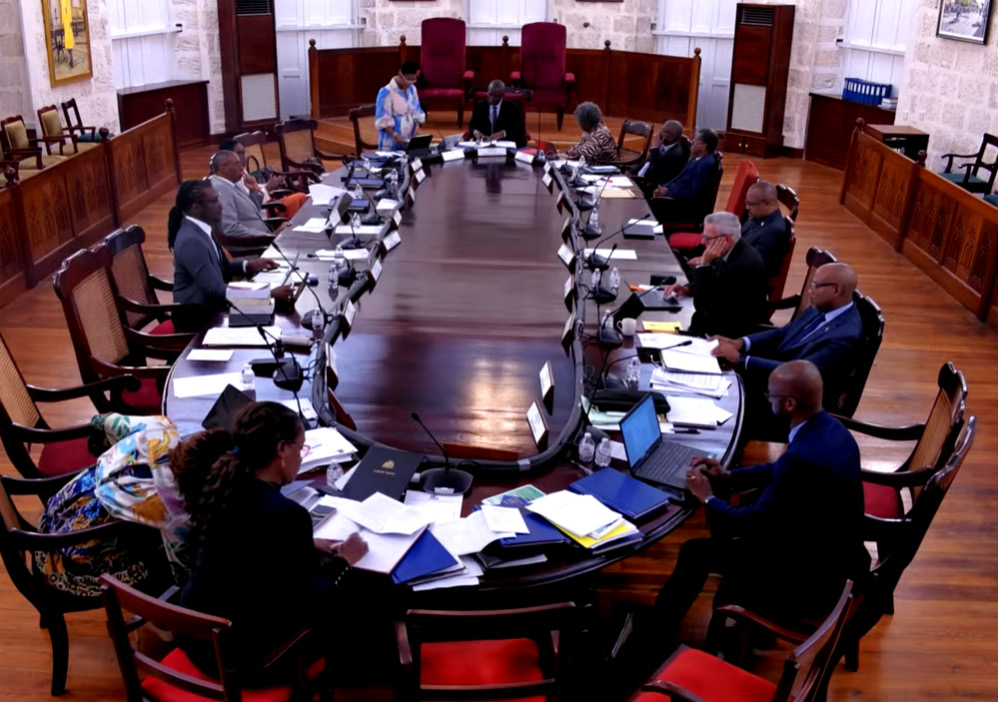
    A contentious debate erupted in the Barbados Senate on Wednesday as government and opposition legislators fiercely disagreed on the Tourism Levy (Amendment) Bill and the broader economic contribution of the nation’s vital tourism sector. The proposed legislation introduces significant fiscal measures targeting the hospitality industry, including a novel shared-economy levy that mandates global online booking platforms to collect and remit a 10 percent tax directly to the Barbados Revenue Authority.

    Opposition Senator Ryan Walters challenged the government’s recurring assertion that ‘tourism pays the bills,’ presenting a critical analysis of the sector’s recent performance. While acknowledging tourism’s historical importance, Walters cited a dramatic decline in its contribution to GDP, which he claimed has fallen from approximately 13 percent between 2016-2018 to below 5 percent in 2023-2024, projecting this trend to continue through September 2025. ‘That does not qualify the statement that tourism pays our bills,’ Walters contended. ‘That is saying the government can no longer afford to pay its bills.’

    Government Senator Lisa Cummins mounted a robust defense, presenting countervailing data from the Central Bank of Barbados indicating strong post-pandemic recovery. Citing the October 2025 quarterly report, Cummins highlighted a 5.5 percent increase in long-stay arrivals over the first nine months of the year, with particularly strong rebounds from key markets including the United Kingdom, which reached 2018 levels by 2021. US arrivals grew by 12 percent between 2021-2022, with European markets showing comparable recovery trajectories.

    Cummins contextualized the post-2018 decline, noting that Barbados was poised to exceed 900,000 visitors by February 2019—surpassing the 2018 benchmark of 800,000—before COVID-19 necessitated widespread shutdowns. Addressing employment sustainability, she outlined government strategies to develop year-round tourism, including targeted engagement with luxury cruise lines during traditionally slower summer months. These smaller, high-end vessels, while carrying fewer passengers, attract premium-spending tourists whose economic impact rivals that of higher-volume, lower-spending arrivals.

  • No Dengue Outbreak or Unusual Mosquito-Borne Illness Activity, Government Says

    No Dengue Outbreak or Unusual Mosquito-Borne Illness Activity, Government Says

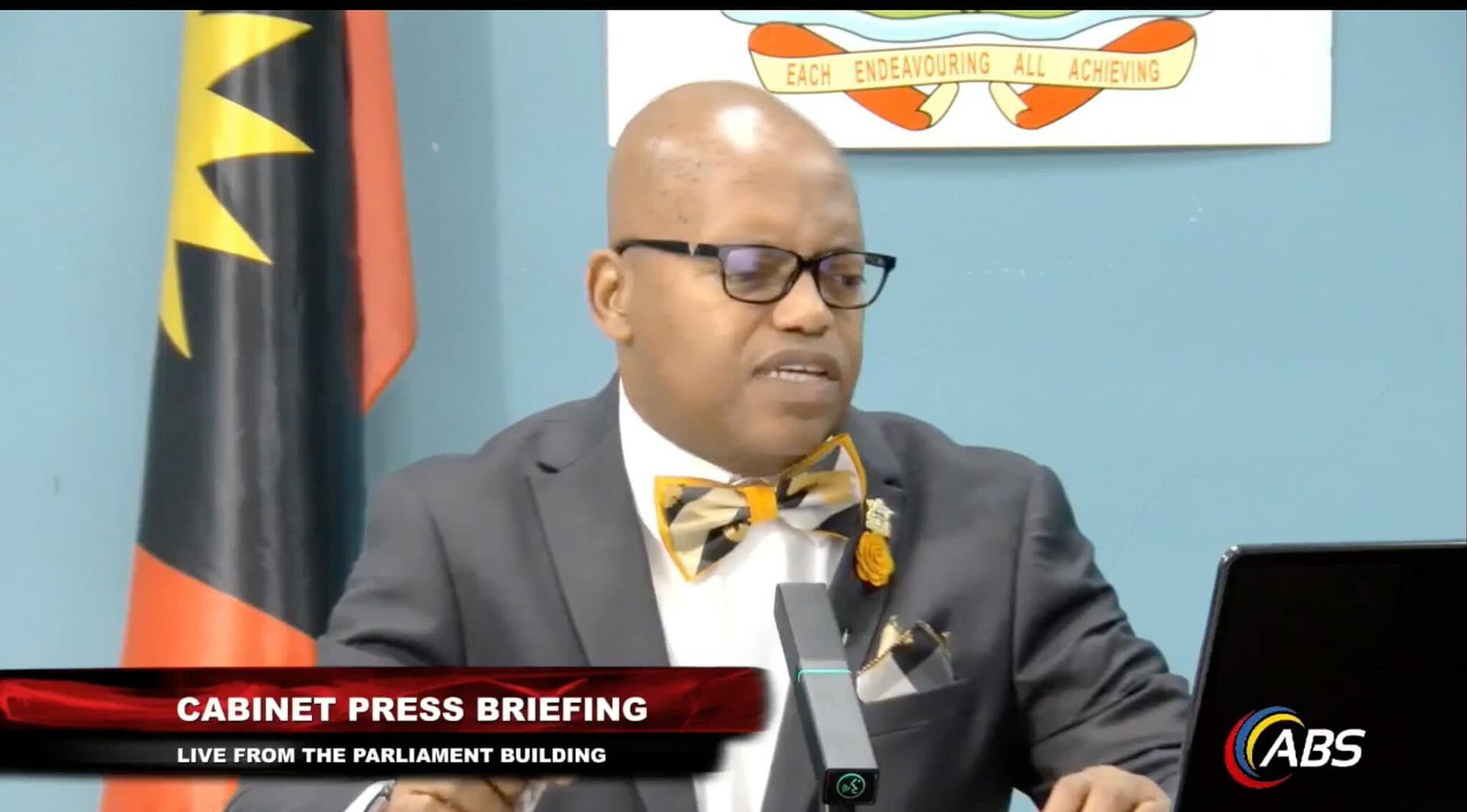
    Health authorities in Antigua and Barbuda have officially confirmed the absence of dengue outbreaks or unusual increases in mosquito-borne illnesses across the nation. This assurance came through a detailed epidemiological briefing presented to the Cabinet by Health Minister Sir Molwyn Joseph, with subsequent public communication handled by Director General of Communications Maurice Merchant.

    The comprehensive surveillance data reveals that all indicators for dengue and other arboviral diseases remain consistently within expected baseline parameters. The statistical trajectory shows a notable decline in confirmed dengue cases over recent years, with 2026 recording zero infections to date. Historical data indicates two cases in 2022, a significant spike to 106 cases in 2023, followed by a substantial reduction to 18 cases in 2024, and further decline to 11 cases in 2025.

    Other mosquito-transmitted illnesses including Zika, chikungunya, Oropouche fever, and yellow fever have similarly maintained minimal presence. Zika virus registered only two confirmed cases in the previous year, with no infections detected in 2022, 2023, 2024, or the current year. The more severe diseases—chikungunya, Oropouche fever, and yellow fever—have recorded zero laboratory-confirmed cases from 2020 through present.

    Cabinet officials concluded that arboviral activity remains effectively controlled with no evidence of sustained transmission or outbreak conditions. The Ministry of Health maintains fully operational surveillance systems designed for early detection and rapid response should disease patterns shift. While current risks remain low, health officials continue advocating for routine mosquito control measures including elimination of standing water and use of personal protection equipment. The ministry reaffirmed its commitment to transparent, evidence-based public health management and ongoing protection of citizen welfare.

  • CARICOM unity at risk, labour leader warns

    CARICOM unity at risk, labour leader warns

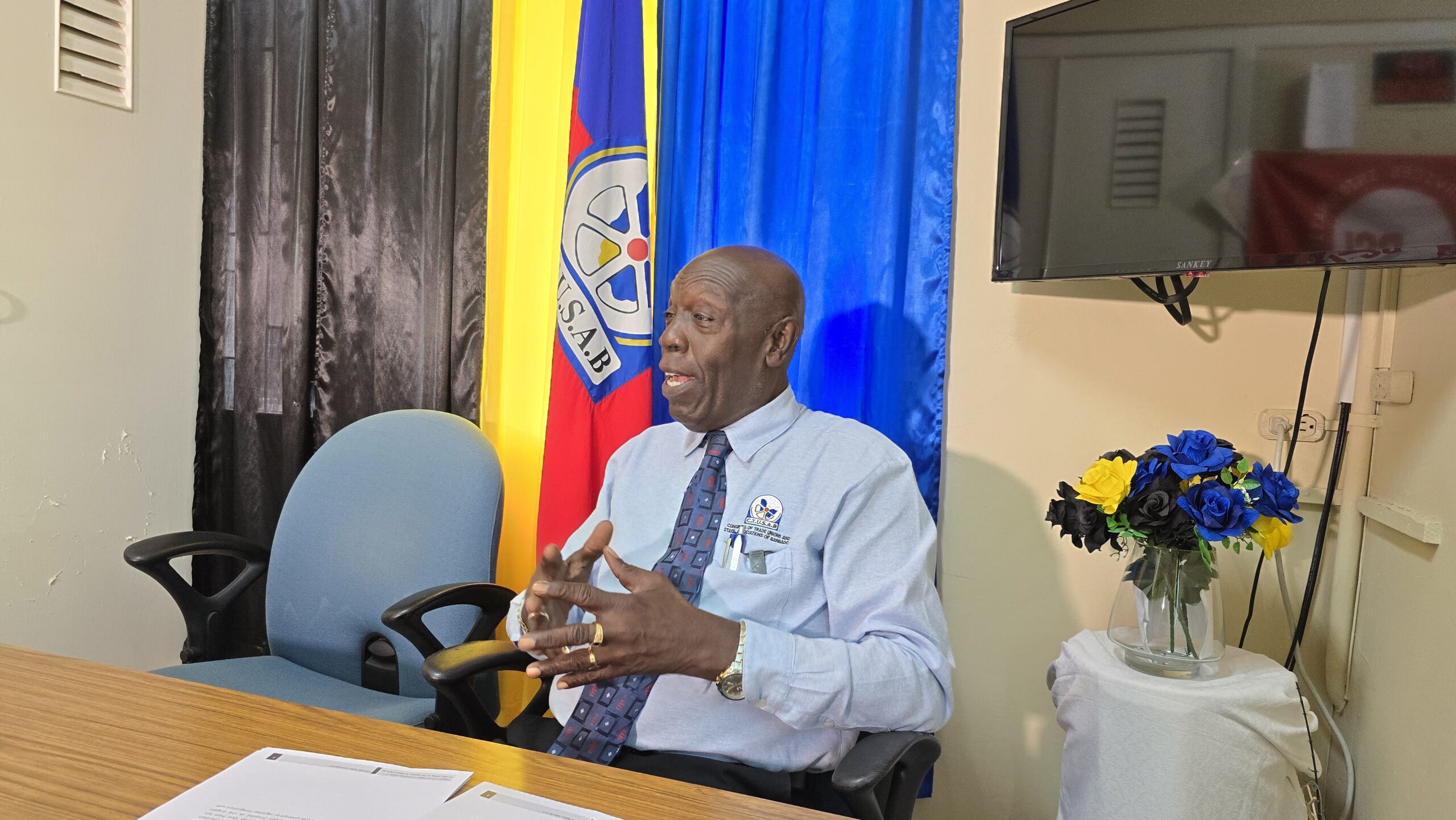
    A prominent Caribbean labor leader has issued a stark warning that political divisions within the CARICOM bloc threaten to undermine regional stability and economic security. Dennis de Peiza, General Secretary of the Barbados Congress of Trade Unions and Staff Associations (CTUSAB), expressed alarm over the absence of unified condemnation from Caribbean governments regarding recent U.S. military operations near Venezuela, describing it as a dangerous precedent for the region.

    De Peiza emphasized that this collective silence jeopardizes the Caribbean’s identity as a zone of peace and carries profound implications for the region’s economic and political cohesion. The labor leader endorsed Antiguan Prime Minister Gaston Browne’s call for greater unity among member states while expressing deep concern over Trinidad and Tobago Prime Minister Kamla Persad-Bissessar’s characterization of CARICOM as ‘dysfunctional and self-destructive.’

    According to de Peiza, such rhetoric echoes the political fragmentation that led to the collapse of the West Indies Federation in 1962 and represents a worrying trend that could weaken the regional bloc’s effectiveness. He stressed that Caribbean nations, despite their small size, occupy strategically important positions and must maintain coordinated foreign and security policies.

    The labor leader also highlighted increasing pressure from the United States through travel advisories and visa restrictions, noting that these developments make regional unity more crucial than ever. While acknowledging the region’s dependence on U.S. tourism, de Peiza criticized Caribbean reliance on external markets and urged accelerated progress toward economic diversification.

    ‘We possess the collective capacity to achieve food security and develop sustainable industries,’ de Peiza stated, pointing to the agricultural potential of Guyana, Jamaica, Haiti, Trinidad and Tobago, and Barbados. He challenged regional leaders to implement progressive policies that would reduce external dependency and create employment opportunities within the region.

    Concluding his assessment, de Peiza called for substantive changes to national and regional development agendas, emphasizing that continued adherence to outdated approaches would prevent the Caribbean from achieving its full economic potential.

  • Cabinet Says One Nation Festival Was Well Organized

    Cabinet Says One Nation Festival Was Well Organized

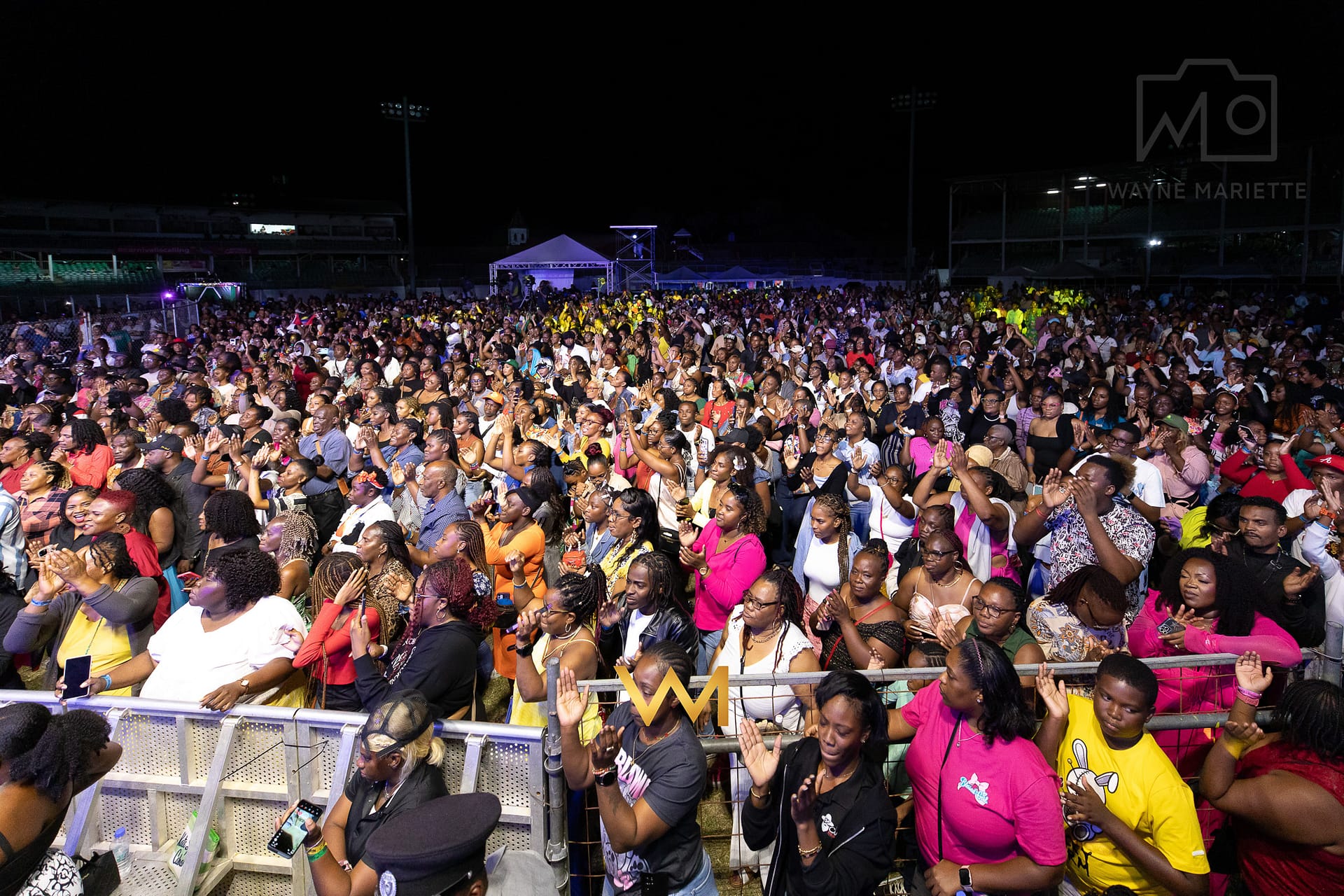
    The Antigua and Barbuda Cabinet has formally recognized the One Nation Caribbean Music Festival as an exemplary model of event organization, setting new standards for cultural productions within the nation. During Thursday’s post-Cabinet media briefing, Maurice Merchant, Director General of Communications in the Prime Minister’s Office, conveyed the government’s commendation of Festival Minister Daryll Matthew for the flawlessly executed two-day event.

    Merchant characterized the festival as “a shining example of excellence in planning, coordination, and execution,” with Cabinet members unanimously regarding it as among the most impeccably organized festivals ever hosted in Antigua and Barbuda. The government’s assessment highlighted how the event’s operational framework, audience turnout, and artistic presentations demonstrated clear strategic vision, effective leadership, and meticulous preparation.

    The festival’s success extended beyond logistical achievements, serving as a catalyst for national unity and cultural pride. According to official statements, the event showcased the nation’s capability to produce world-class cultural experiences while simultaneously strengthening community bonds and elevating the country’s profile as a premier destination for entertainment and cultural tourism.

    Cabinet members extended particular recognition to Festival Commission Chairperson Ambassador Elizabeth McCool and her entire team, acknowledging their dedication and professionalism as instrumental components of the event’s triumph. The government also expressed gratitude to the thousands of attendees whose enthusiastic participation and strong turnout generated the festival’s vibrant atmosphere and contributed substantially to its overall success.

    Appreciation was further directed toward service providers, security personnel, vendors, technical crews, volunteers, and support staff whose collective efforts ensured a safe, well-managed, and enjoyable experience for all patrons. Regarding future developments, government officials confirmed there are presently no discussions about expanding the festival or relocating its venue, asserting that the current format possesses the ideal components for continued success.

  • WATCH: U.S. forces seize tanker in Caribbean under Operation Southern Spear

    WATCH: U.S. forces seize tanker in Caribbean under Operation Southern Spear

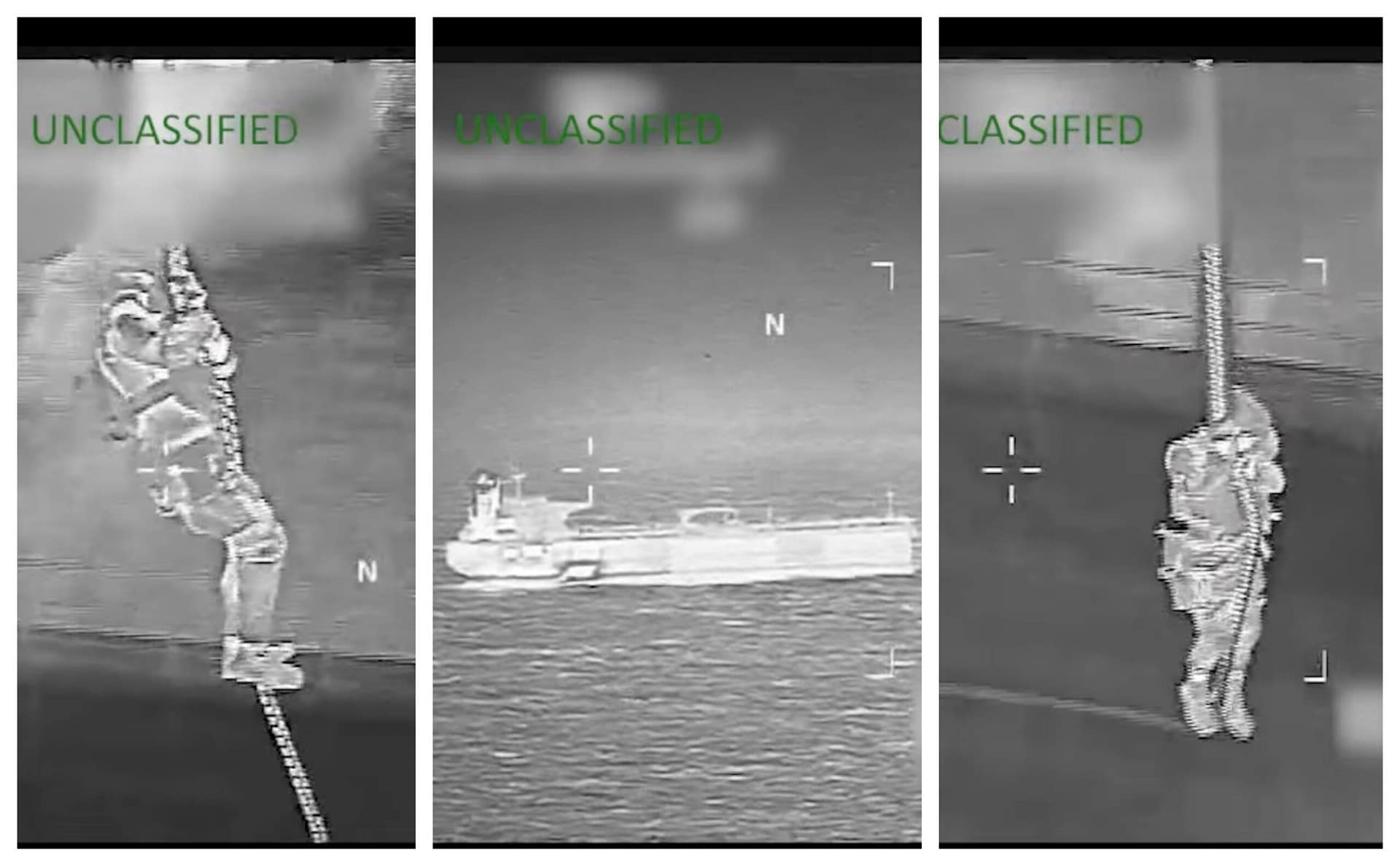
    In a coordinated pre-dawn naval operation, U.S. military forces successfully intercepted and seized the motor tanker Veronica in Caribbean waters as part of ongoing efforts to disrupt unauthorized Venezuelan oil exports. The operation, conducted under the banner of Operation Southern Spear, involved specialized Marines and sailors deployed from the USS Gerald R. Ford aircraft carrier.

    The seizure was executed without incident according to U.S. Southern Command, which characterized the tanker as operating in direct violation of U.S.-imposed sanctions targeting vessels associated with Venezuela’s oil sector. The military command emphasized that this intervention demonstrates continued effectiveness in enforcing maritime quarantine measures against sanctioned Venezuelan oil activities.

    This strategic operation featured extensive interagency collaboration between the Department of Homeland Security, U.S. Coast Guard, and the Department of Justice. The broader naval presence supporting these efforts includes assets from the U.S. Navy’s Amphibious Ready Group, notably the USS Iwo Jima, USS San Antonio, and USS Fort Lauderdale.

    U.S. Southern Command framed the operation within its wider hemispheric security objectives, stating that preventing illicit oil shipments from Venezuela remains a priority to ensure that any petroleum exports comply with U.S. legal standards and proper coordination protocols. The command further emphasized that such operations reinforce maritime security partnerships and counter illicit activities throughout the Western Hemisphere.

  • Health Alert Issued as Measles Outbreak Hits Guatemala

    Health Alert Issued as Measles Outbreak Hits Guatemala

    Health authorities across the Americas have escalated surveillance measures following confirmation of a dangerous measles outbreak centered in Guatemala. The Ministry of Health and Wellness (MOHW) has officially issued a public health alert after neighboring Guatemala reported 10 confirmed cases, with an additional case identified in El Salvador.

    The outbreak appears concentrated in the Guatemalan town of Santiago Atitlán, with secondary clusters emerging in the Petén and Izabal regions. This development occurs alongside ongoing measles transmission in Mexico, Canada, and the United States, creating a multi-national public health challenge that significantly elevates risks for unvaccinated individuals, particularly international travelers.

    Measles, classified as highly contagious by health experts, transmits through respiratory droplets from coughing and sneezing. The virus poses substantial risks of severe long-term complications. Initial symptoms typically manifest 7 to 21 days post-exposure and include high fever, nasal discharge, conjunctival inflammation (red eyes), and a distinctive rash that originates at the hairline before progressing downward across the entire body. Alarmingly, infected individuals can transmit the virus for four days before the characteristic rash appears and remain contagious for four days after its emergence.

    The MOHW emphasizes that vaccination continues to represent the most effective preventive strategy against measles infection. Health officials confirm that two properly administered doses of the measles vaccine provide essentially lifelong immunity against the disease. The ministry continues to monitor the epidemiological situation closely and urges heightened vigilance among healthcare providers and the general public.