博客

  • Trump: “Venezuela Will Soon Be Great and Prosperous Again”

    Trump: “Venezuela Will Soon Be Great and Prosperous Again”

    In a significant diplomatic development, U.S. President Donald Trump and Venezuelan Acting President Delcy Rodríguez held an extensive telephone conversation on Wednesday, marking a potential turning point in previously strained bilateral relations. The Venezuelan Embassy characterized the dialogue as “extended, productive, and courteous,” emphasizing that the exchange occurred within “a framework of mutual respect.”

    The discussion established a comprehensive bilateral work agenda addressing mutual benefits and longstanding issues between the two governments. President Trump subsequently confirmed the diplomatic breakthrough through his Truth Social platform, describing the conversation as “very good” and noting substantial progress toward stabilizing and revitalizing Venezuela’s economy and infrastructure.

    Key negotiation points included energy resources, particularly oil production, mineral assets, trade relations, and national security considerations. Trump enthusiastically endorsed the emerging partnership as “spectacular FOR ALL,” concluding with an optimistic projection that “Venezuela will soon be great and prosperous again, perhaps more so than ever before!”

    This diplomatic engagement follows recent heightened tensions after U.S. forces captured former Venezuelan president Nicolás Maduro, currently facing narcotics charges in American courts. Trump previously asserted that the United States would “run” Venezuela during a transitional period to stabilize the nation and rebuild critical sectors including its oil industry.

    Rodríguez’s assumption of acting presidential duties and demonstrated cooperation with Washington prompted Trump to cancel a second wave of planned U.S. operations against Venezuela. This goodwill gesture followed Caracas’ release of numerous prisoners, indicating mutual confidence-building measures between the historically adversarial nations.


  • Champs Barrackpore West start Under-15 volleyball campaign with a bang

    Champs Barrackpore West start Under-15 volleyball campaign with a bang

    Defending champions Barrackpore West Secondary School launched their 2026 Secondary Schools Volleyball League (SSVL) campaign with commanding performances on January 14, securing two decisive victories on their home court. The team demonstrated exceptional form against last season’s Under-17 and open division champions San Juan South Secondary, achieving a dominant straight-sets win with scores of 25-5 and 25-12.

    In their subsequent match, Barrackpore maintained their impressive momentum against Naparima College, securing another straight-sets victory with scores of 25-13 and 25-8. Meanwhile, Naparima College managed to rebound from their loss by defeating San Juan South Secondary in a comparatively closer match, finishing 25-11 and 25-15.

    The 2026 SSVL season commenced on January 12 at the Eastern Regional Indoor Sport Arena in Tacarigua and will continue through February 8. The competition resumes on January 18 with six boys’ open division matches scheduled at Aranguez North Secondary School, promising continued excitement in this prestigious school volleyball tournament.

  • Carnival delicacies

    Carnival delicacies

    No Carnival experience in Trinidad and Tobago is truly complete without sampling the nation’s iconic street foods—particularly the world-renowned Maracas shark and bake and flavorful hot fish pies. These beloved local delicacies, elevated by the distinctive chadon beni sauce, are sought after by both visitors and residents alike.

    For those eager to recreate these authentic flavors at home, acclaimed local chef Wendy Rahamut provides accessible recipes that capture the essence of Trinidadian culinary tradition. Notably, she recommends substituting shark with sustainable fish alternatives due to ecological concerns and the pronounced ammonia content in shark meat.

    The Maracas Fish and Float recipe features firm fish fillets marinated with chives, chadon beni, garlic, and lime juice, then fried in coconut oil. The accompanying “float” dough combines flour, yeast, sugar, and shortening, formed into rounds and deep-fried until golden.

    For Carnival fish pies, a flaky dough encases a savory filling of steamed fish, potatoes, fresh herbs, garlic, and spices, shallow-fried to perfection. Both dishes are traditionally served with a vibrant chadon beni pesto—a blend of shadow beni leaves, Spanish thyme, garlic, hot pepper, lime juice, and olive oil.

    These recipes not only offer a taste of Trinidad’s Carnival spirit but also enable home cooks to avoid crowded vendors while enjoying authentic, handcrafted versions of these national favorites.

  • Brightstar Lottery powers digital learning at Casa de Corazon home

    Brightstar Lottery powers digital learning at Casa de Corazon home

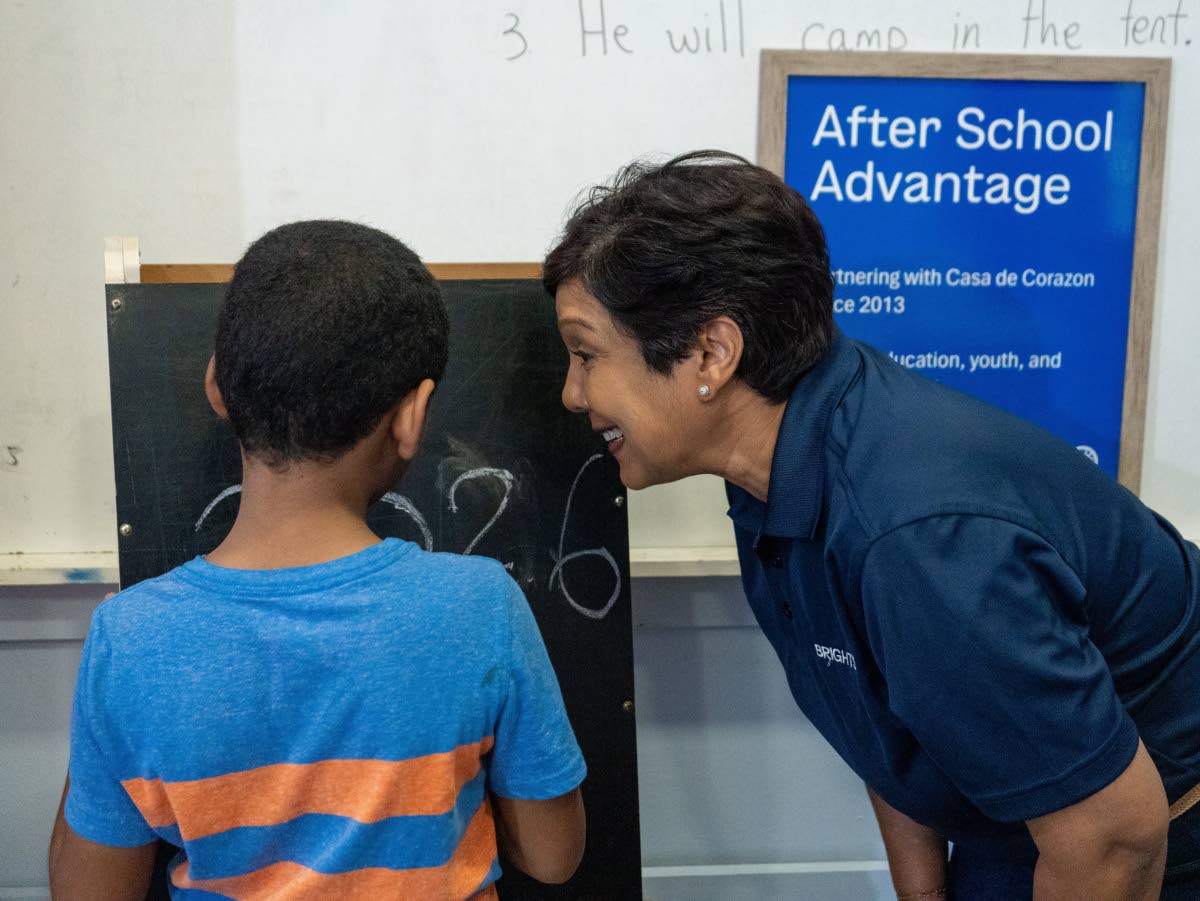
    In a significant community development initiative, Brightstar Lottery has substantially enhanced educational opportunities for residents of The Casa de Corazon Children’s Home in Sangre Grande through its comprehensive After School Advantage (ASA) programme. The organization recently celebrated the new school term by ensuring children at the facility returned with strengthened computer skills and improved digital readiness.

    During the December vacation period, Brightstar staff volunteers dedicated their time to revitalizing the home’s computer laboratory while bringing seasonal cheer to the children aged 7-16. This holiday engagement built upon substantial technological investments made earlier in June 2025, when the company conducted minor renovations and donated new desktop computers equipped with specialized digital learning software to create a secure, child-appropriate learning environment.

    The technological upgrade features a strategic partnership with education technology provider Age of Learning, granting children complimentary access to the ABCmouse Early Learning Academy platform. This comprehensive digital programme is specifically designed to bolster early literacy, numeracy, and fundamental educational skills.

    Shavindra Tewarie-Singh, People & Transformation Regional Senior Manager for the Caribbean, emphasized the program’s significance: “We maintain that consistent access to quality learning tools coupled with positive support can fundamentally alter a child’s developmental trajectory. Our team derived immense satisfaction from spending the holiday season decorating the home, contributing gifts, and sharing a Christmas meal prepared by Brightstar staff while simultaneously facilitating digital literacy training.”

    Tewarie-Singh further noted: “Most crucially, we aimed to reassure the children of our ongoing encouragement and support throughout their academic journeys. We take considerable pride in the meaningful investments channeled through the ASA programme at Casa de Corazon, which we believe will generate lasting educational opportunities.”

    This initiative represents part of Brightstar’s broader Sustainable Play programme, with ASA serving as the organization’s flagship community project dedicated to ensuring student access to digital learning centers while developing future-ready knowledge and skills. The company continues to champion education, digital literacy, and youth empowerment initiatives throughout communities across Trinidad and Tobago.

  • Robinson-Regis returns to Parliament after health-related leave

    Robinson-Regis returns to Parliament after health-related leave

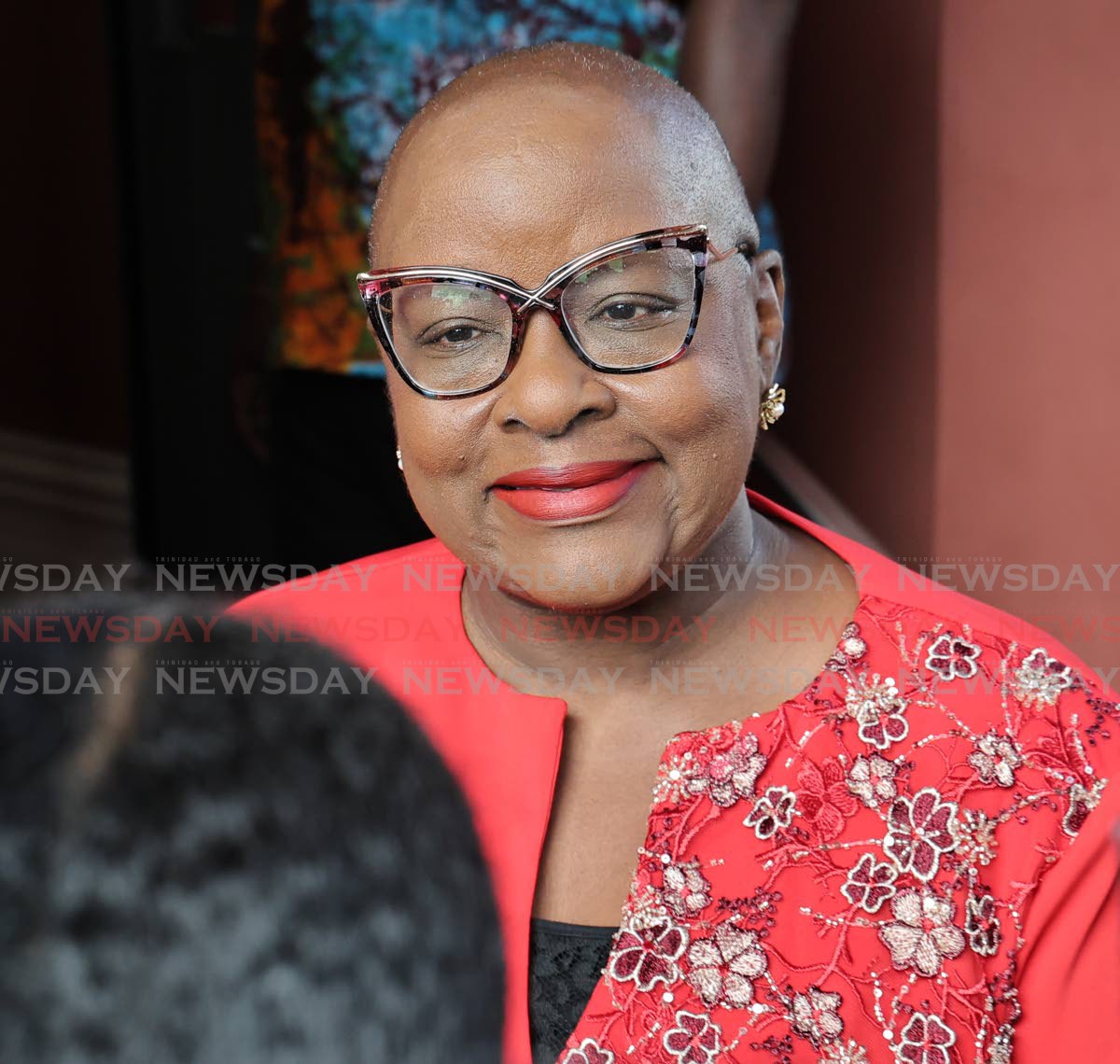
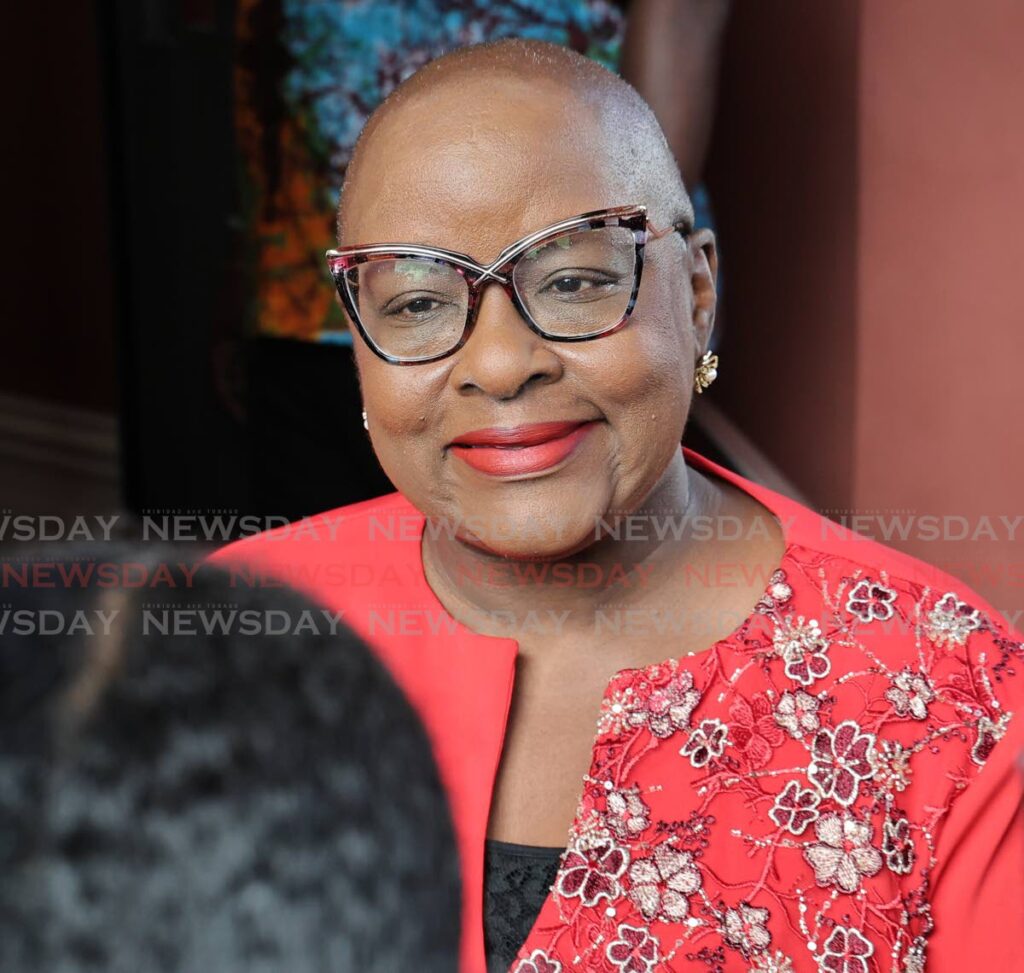
    After a six-month health-related absence, Trincity/Maloney Member of Parliament Camille Robinson-Regis made her official return to Trinidad and Tobago’s House of Representatives on January 16. The former housing minister and attorney general had been on medical leave since July 2025 following surgical procedures, during which time she focused on recovery and convalescence.

    Upon her arrival at the Red House, Robinson-Regis engaged briefly with press representatives, noting this marked her first public appearance since her medical treatment. While confirming her physical presence in Parliament, she clarified she would not actively participate in the day’s legislative debates, citing ongoing concerns within her party, the People’s National Movement (PNM), regarding the proposed bills.

    The parliamentary agenda featured three significant pieces of legislation: the Motor Vehicles and Road Traffic (Amendment) Bill 2026, which establishes stricter timelines for vehicle defect corrections; the Law Reform (Zones of Special Operations) Bill 2026, designed to implement special security measures in high-crime areas; and the Tobago House of Assembly (Amendment) Bill 2026, introduced by Prime Minister Kamla Persad-Bissessar to expand secretarial positions within the assembly.

    This legislative session occurred against the backdrop of recent political developments in Tobago, where the Tobago People’s Party achieved a sweeping electoral victory on January 12, capturing all 15 seats in the assembly. Prime Minister Persad-Bissessar had previously expressed the central government’s commitment to collaborative governance with Tobago’s administration for regional development.

  • Moonilal: NGC pulled sponsorship of steelpan, and tassa

    Moonilal: NGC pulled sponsorship of steelpan, and tassa

    A parliamentary session in Trinidad and Tobago turned contentious on January 16th as Energy Minister Dr. Roodal Moonilal and opposition MP Stuart Young clashed over energy sector management and cultural funding controversies. The debate revealed significant tensions regarding the National Gas Company’s (NGC) financial performance and its subsequent decision to terminate longstanding cultural sponsorships.

    Minister Moonilal disclosed that NGC reported substantial financial losses totaling $1.3 billion in 2023, following another deficit in the previous five-year period. This financial strain compelled the state-owned energy corporation to critically evaluate all non-essential expenditures, resulting in the discontinuation of cultural sponsorships that had consumed over $10.2 million in steelpan funding and $258,397 in tassa support over the past five years.

    ‘The company must prioritize its financial sustainability,’ Moonilal stated, emphasizing that ‘NGC will continue to review all future sponsorship commitments based on current revenue projections.’

    Opposition MP Stuart Young challenged the minister’s assertions, countering that NGC had actually achieved a $1.6 billion profit after tax in the most recent fiscal year. Young questioned whether the sponsorship cancellations—which affected Couva Joylanders, La Brea Nightingales, Steel X Plosion of Tobago, Pan Trinbago, and Trinidad & Tobago Sweet Tassa Group—represented a broader governmental attack on cultural preservation efforts.

    The debate expanded to include energy sector developments, with Moonilal confirming that Woodside Energy had not notified the ministry of any operational closures in Trinidad and Tobago. The minister revealed that Perenco had completed acquisition of Woodside’s Greater Angostura assets on July 8, 2025—a transaction involving fields that contribute approximately 12% of the nation’s total gas production through daily output of 300 million standard cubic feet of natural gas and 50,000 barrels of oil equivalent.

    Young distinguished between corporate divestment and operational shutdowns, noting that Woodside maintained minimal presence in the country with just one employee unrelated to the asset transfer.

    The confrontation further touched on arbitration proceedings concerning the Beetham Wastewater Plant, with Moonilal citing confidentiality restrictions that prevented disclosure of outcomes regarding the $1 billion facility that has never become operational.

  • Opposition: ‘Hot spot’ bill risks permanent emergency powers

    Opposition: ‘Hot spot’ bill risks permanent emergency powers

    Trinidad and Tobago’s opposition lawmakers have launched a coordinated constitutional challenge against the government’s proposed ‘hot spot’ crime legislation, warning the bill establishes dangerously draconian powers that could persist long after the current State of Emergency expires.

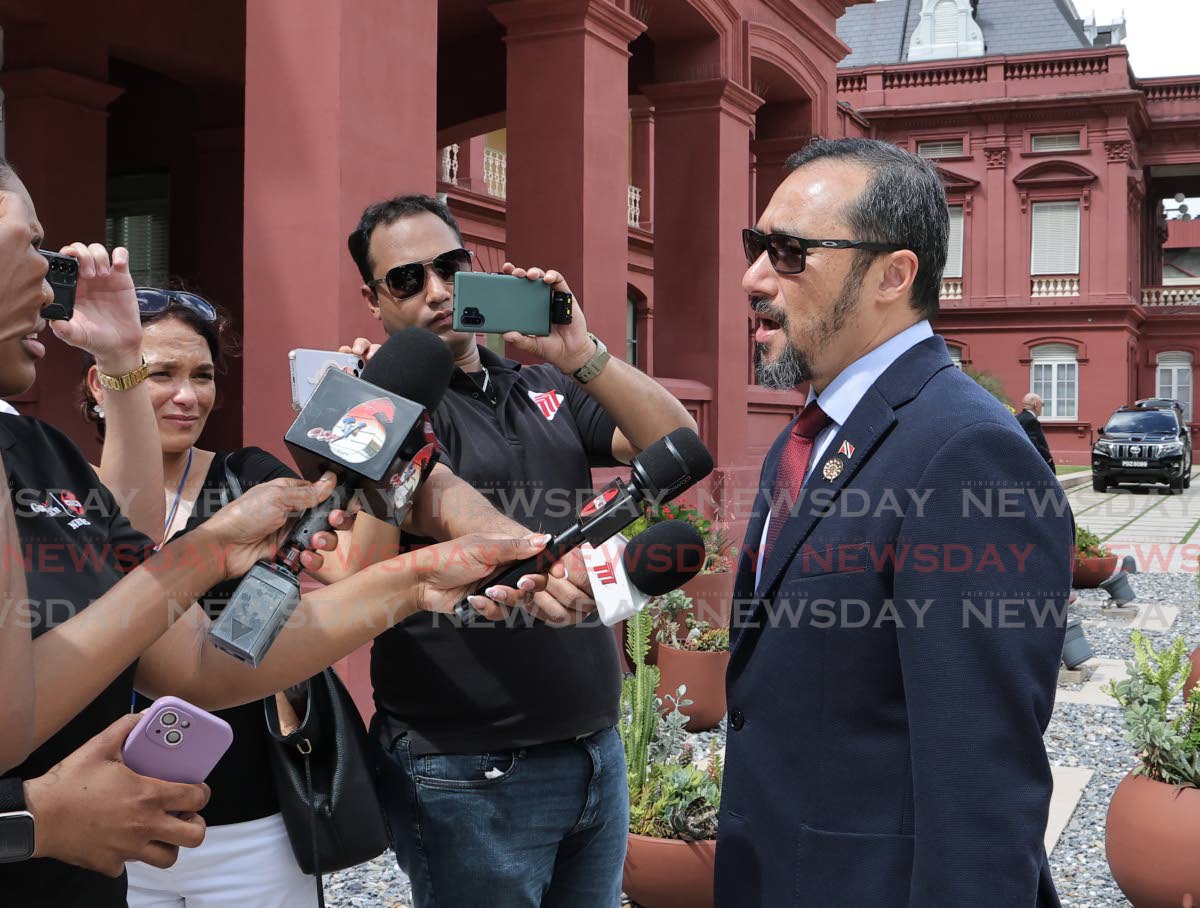
    Speaking ahead of Parliament’s first 2026 session on January 16, Opposition Chief Whip Marvin Gonzales characterized the proposed law as constitutionally problematic and poorly consulted. He revealed the opposition first became aware of the legislation during the Christmas period and has since identified numerous concerning provisions, including fines up to $20,000 for obstructing security operations or providing false identification.

    ‘The government should have engaged in appropriate consultations with national community groups for a bill of such constitutional gravity,’ Gonzales told reporters outside the Red House. ‘We intend to canvass these issues thoroughly during parliamentary debate.’

    Gonzales questioned the timing of the legislation, noting it emerges just days before the State of Emergency’s expiration. He recalled government officials initially justifying the SoE based on specific security threats rather than general crime, yet now cite crime as the primary justification for the new powers.

    Former National Security Minister Stuart Young delivered even sharper criticism, labeling the proposal ‘unconstitutional and draconian.’ He expressed particular alarm over the concentration of power in the prime minister’s hands, enabling the designation of neighborhoods for military and police lockdowns.

    ‘All power now resides in one person: a prime minister being able to say your neighborhood is one that security forces can literally lock down,’ Young stated. He noted the bill would authorize warrantless searches, curfews, and area cordoning without judicial oversight.

    Young revealed the legislation appears borrowed from Jamaican statutes rather than establishing legal precedent, noting Jamaica’s Supreme Court has already ruled on similar provisions’ constitutionality.

    Laventille West MP Kareem Marcelle warned the bill could effectively create a permanent State of Emergency while stigmatizing entire communities. He questioned the vague criteria for designating ‘hot spots’ and cautioned against demonizing neighborhoods based on incomplete crime data.

    Marcelle highlighted particularly concerning provisions allowing 72-hour curfews and warrantless home entries by Defense Force members for offenses ranging from loud music to serious crimes. ‘Soldiers aren’t trained to enforce summary offenses,’ he noted, warning the ambiguity creates risks for both citizens and law enforcement.

    All three opposition MPs predicted legal challenges would emerge against the legislation, with Young noting lawyers are already preparing constitutional cases. Gonzales added that even with government control of the House, Senate support would be necessary given the bill’s constitutional implications.

  • Kamla: SoE to end on January 31

    Kamla: SoE to end on January 31

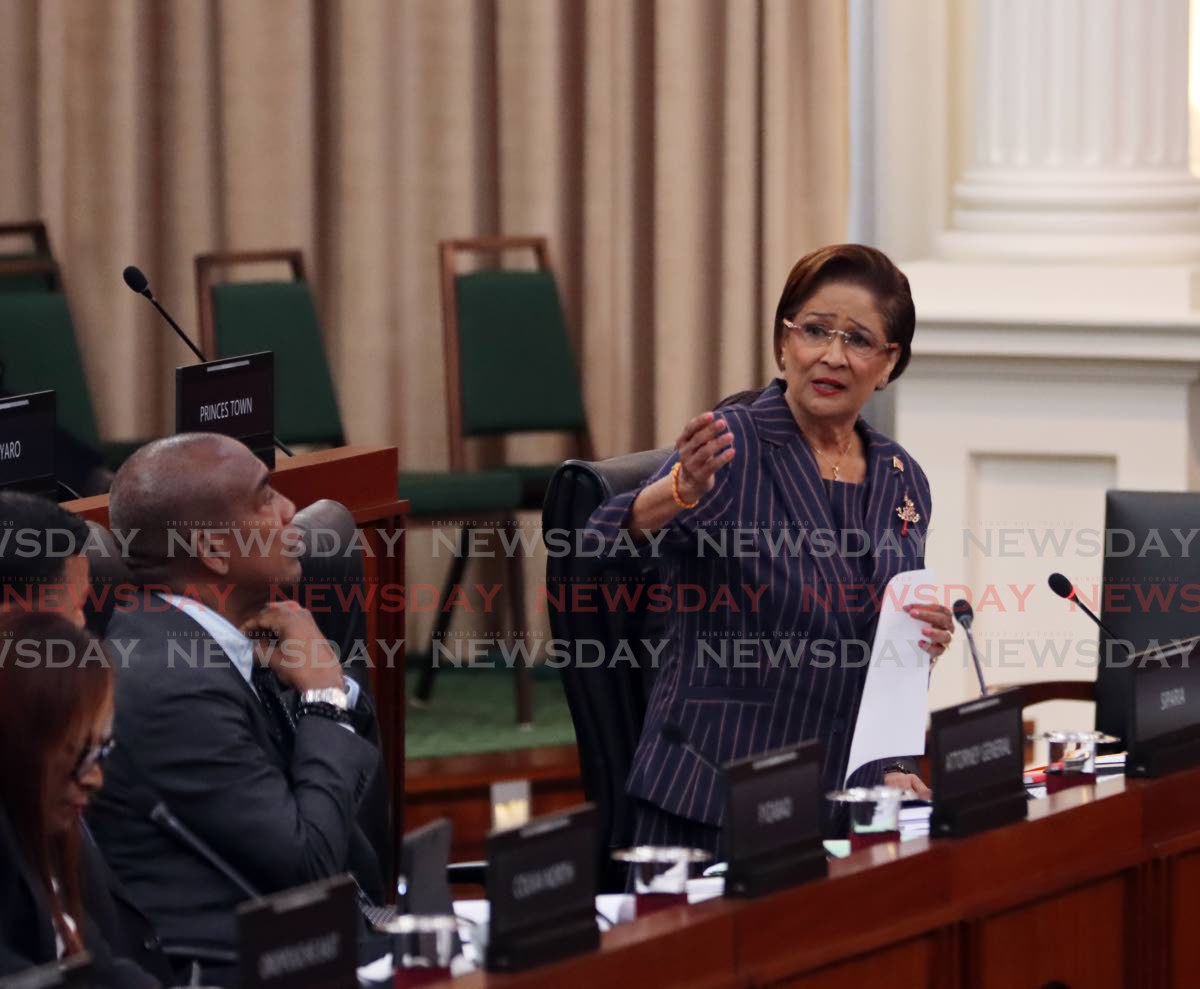
    In a major parliamentary address on January 16, Prime Minister Kamla Persad-Bissessar declared her government’s intention to terminate the nation’s prolonged state of emergency upon its scheduled expiration on January 31. The security measure, initially declared in July and subsequently extended twice, will be replaced by the implementation of targeted zones of special operation to maintain law and order.

    The Prime Minister delivered a comprehensive statement outlining her administration’s legislative agenda for the new parliamentary session, highlighting significant achievements in public safety. She revealed a dramatic 42% reduction in homicides, characterizing this statistic as one of the most substantial crime rate declines observed globally. Persad-Bissessar credited security forces for their efforts, stating: ‘From day one we have acted forcefully and decisively to frontally attack criminal organisations that have brought bloodshed, death, and terror to our citizens.’

    Addressing international controversy, the Prime Minister staunchly defended recent joint operations with US military forces that resulted in the destruction of alleged drug trafficking vessels. When challenged by opposition members regarding the legality of these actions, Persad-Bissessar retorted that she had received legal counsel confirming no international laws were breached, bluntly advising critics to ‘find a good international lawyer.’

    The government unveiled sweeping judicial reforms including a proposed constitutional amendment guaranteeing the right to a trial within a reasonable timeframe. Persad-Bissessar emphasized the injustice of defendants awaiting trial for periods exceeding their potential sentences, noting the severe damage to reputation such delays cause. Additional measures include restructuring homicide trials to feature three-judge panels instead of jury trials, establishing the new judicial position of Chancellor, and implementing plea bargaining mechanisms.

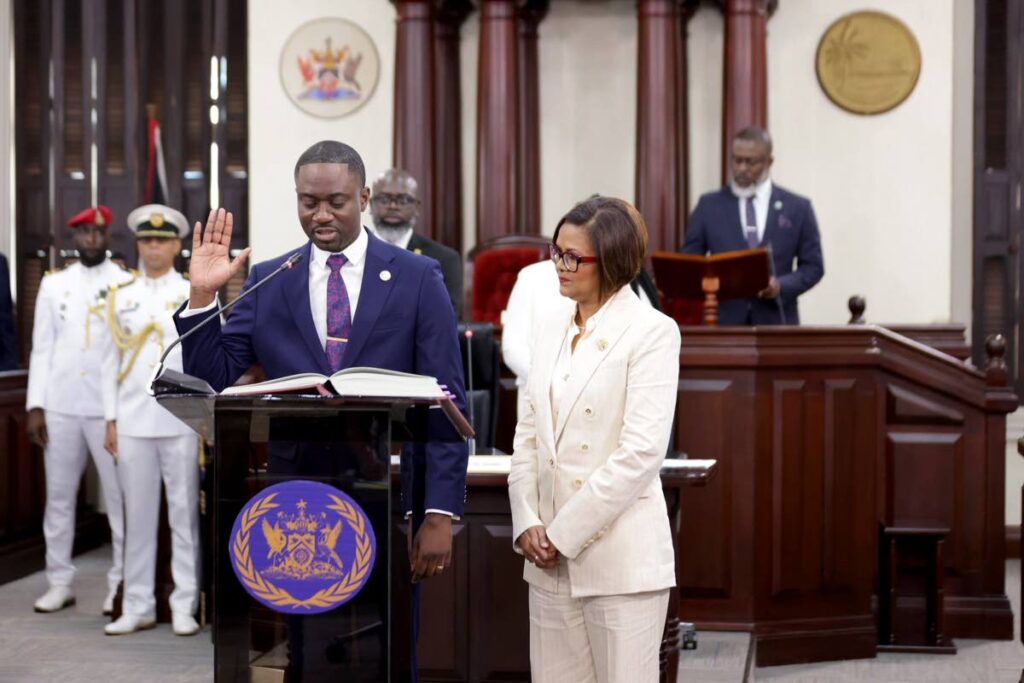
    Following her attendance at the swearing-in of re-elected Tobago House of Assembly leader Farley Augustine, the Prime Minister committed to advancing Tobago’s autonomy within the republic. She pledged to enact legislation establishing Tobago as ‘an equal, autonomous partner side by side with Trinidad,’ ending a decade of political stagnation on the issue.

    The administration also announced forthcoming regulations addressing noise pollution, with specific attention to fireworks and amplified music near residential areas. Firearms legislation will be strengthened to streamline the destruction of confiscated weapons, while age restrictions will be raised for alcohol consumption (from 18 to 21), cannabis use (18 to 21), and gambling (18 to 25).

  • Robinson-Regis returns to Parliament after health-related leave

    Robinson-Regis returns to Parliament after health-related leave

    After a six-month health-related absence, Trincity/Maloney Member of Parliament Camille Robinson-Regis resumed her duties in Trinidad and Tobago’s House of Representatives on January 16. The former housing minister and attorney general had been on medical leave since July 2025 following surgical procedures, during which time she focused on recovery.

    Upon her return to the Red House, Robinson-Regis engaged briefly with press representatives, noting this marked her first public appearance since her medical treatment. While confirming her physical presence in Parliament, she indicated she would not actively participate in the day’s legislative debates, citing concerns about the proposed bills that would be addressed through established party channels.

    The parliamentary session featured significant legislative items, including the Motor Vehicles and Road Traffic (Amendment) Bill 2026, which mandates drivers to rectify vehicle defects within three to seven days or face financial penalties. Simultaneously, the Law Reform (Zones of Special Operations) Bill 2026 proposes enhanced security measures and social development interventions in high-crime areas.

    Attorney General John Jeremie was scheduled to initiate discussions on these legislative measures. Meanwhile, Prime Minister Kamla Persad-Bissessar prepared to introduce the Tobago House of Assembly (Amendment) Bill 2026, which expands the administrative structure of Tobago’s governing body. This development follows the Tobago People’s Party’s decisive victory in the January 12 THA elections, where they secured all 15 assembly seats.

    The government has expressed commitment to collaborative governance with Tobago’s administration, emphasizing shared objectives in regional development and national progress.

  • Farley targets reform, investment, autonomy

    Farley targets reform, investment, autonomy

    In a sweeping post-election address from the Office of the Chief Secretary, Farley Augustine has declared a transformative governance agenda for Tobago that combines immediate administrative reforms with a strategic push for legislative autonomy. The newly sworn-in leader outlined a comprehensive vision addressing systemic inefficiencies, economic diversification, and self-determination for the island territory.

    Augustine announced a ‘zero-tolerance’ policy toward bureaucratic delays within the Tobago House of Assembly (THA), warning that public officers failing to execute lawful instructions would face accountability measures, even if resulting in legal challenges. This hardline approach comes alongside revelations that some tourism division employees haven’t received salaries since December, prompting an immediate investigation pledge from the Chief Secretary.

    The autonomy initiative represents a landmark constitutional effort, with Augustine targeting legislative changes by end-2026 that would grant Tobago independent lawmaking authority. This would be followed by island-wide consultations to determine Tobago’s preferred governance structure, including debates about legislative chambers, power separation, and electoral systems. Augustine emphasized that these structural matters should not require Trinidad’s approval for future modifications.

    Economic revitalization features prominently in the reform package. An Investment Commission will be established by February to evaluate both local and foreign investment proposals, reducing Tobago’s dependence on public-sector employment. Augustine defended foreign direct investment as essential for developing ports, parking facilities, and tourism infrastructure without risking taxpayer funds.

    The administration will address longstanding worker concerns, including salary increases for contracted employees and resolution of outstanding increments and gratuities for teachers and other public workers. A monitoring website is being developed to track critical projects and identify responsible officers for delays.

    Environmental and resource management also received attention, with Augustine criticizing Tobago’s slow adoption of solar energy despite abundant sunshine and reaffirming the island’s claim to authority over nearby maritime activities. The oil spill was cited as having delayed electric vehicle infrastructure projects.

    Legal autonomy measures include centralizing handling of claims against the THA, asserting the Assembly’s independent capacity to sue and be sued without central government involvement.