博客

  • China: military ties between nations should not affect third parties

    China: military ties between nations should not affect third parties

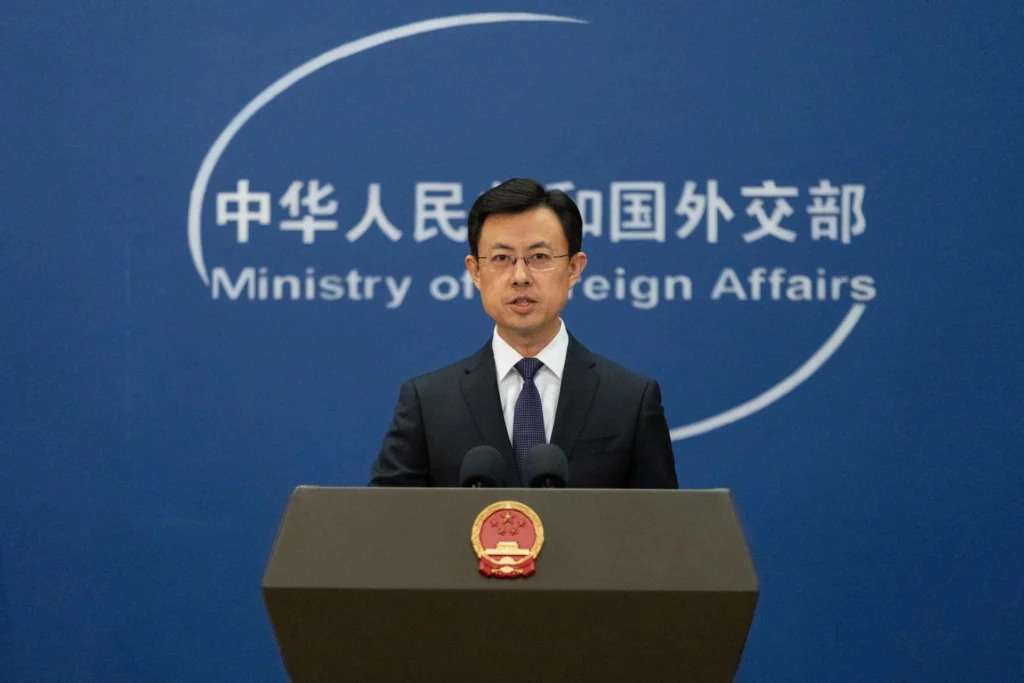
    The Chinese Foreign Ministry has issued a stern warning regarding Japan’s evolving security posture, expressing grave concerns over its potential impact on regional stability. Spokesperson Guo Jiakun articulated Beijing’s position that international cooperation must not compromise peace in the Asia-Pacific region.

    Citing historical precedents, Guo invoked Japan’s wartime atrocities during World War II, specifically referencing the invasion of the Philippines, crimes committed against civilian populations and Allied forces, and the assassination of Chinese diplomatic personnel. The spokesperson emphasized the critical importance of remembering this history to prevent the repetition of such transgressions.

    Guo further noted that Japan’s current security policies have drawn consistent criticism from Southeast Asian nations and the broader international community. Contrary to exercising restraint, Tokyo is actively pursuing military expansion and engaging in lethal weapons exports, actions that Beijing interprets as clear indicators of remilitarization efforts.

    The Chinese spokesperson called upon peace-loving nations to collectively oppose the resurgence of Japanese militarism, positioning this stance as essential for maintaining regional stability and upholding the post-war international order. The statement reflects growing tensions in East Asia as Japan continues to reinterpret its security constraints amid increasing geopolitical challenges.

  • ‘Not cash for gun’: Firearm amnesty begins next week

    ‘Not cash for gun’: Firearm amnesty begins next week

    The Royal Saint Lucia Police Force is initiating a decisive seven-day firearms amnesty program commencing next Monday, positioning it as a conclusive opportunity for citizens to voluntarily relinquish illegal weapons and ammunition before authorities escalate enforcement measures. This strategic initiative forms a critical component of the nation’s intensified ‘zero tolerance’ policy against firearm-related criminal activities.

    Police authorities have established two distinct operational windows for the surrender process: January 19-23 followed by January 26-28, with designated hours from 7:00 AM to 6:00 PM daily. Participants must proactively contact their local police station to declare their intention to surrender firearms prior to arrival.

    Assistant Commissioner of Police Luke Defreitas outlined rigorous safety protocols requiring all firearms to be completely unloaded—with no ammunition in chambers or magazines—and securely transported in appropriate carriers. Individuals are instructed to proceed directly to police stations without intermediate stops.

    The administration emphasizes that this amnesty constitutes neither immunity nor financial compensation program. Defreitas explicitly clarified that the initiative does not function as a ‘get out of jail free’ mechanism, warning that individuals discovered with illegal weapons during routine police operations will still face immediate arrest and prosecution.

    All surrendered firearms will undergo comprehensive forensic examination through ballistic testing. Weapons identified as connected to previous criminal activities may still lead to subsequent legal actions against those surrendering them. The program’s fundamental objective remains enhancing public safety rather than providing financial incentives, with Defreitas reiterating that no monetary compensation will be offered for surrendered weapons.

  • CDPF conduct foot patrol of Castle Comfort/Wallhouse as part of community policing initiative

    CDPF conduct foot patrol of Castle Comfort/Wallhouse as part of community policing initiative

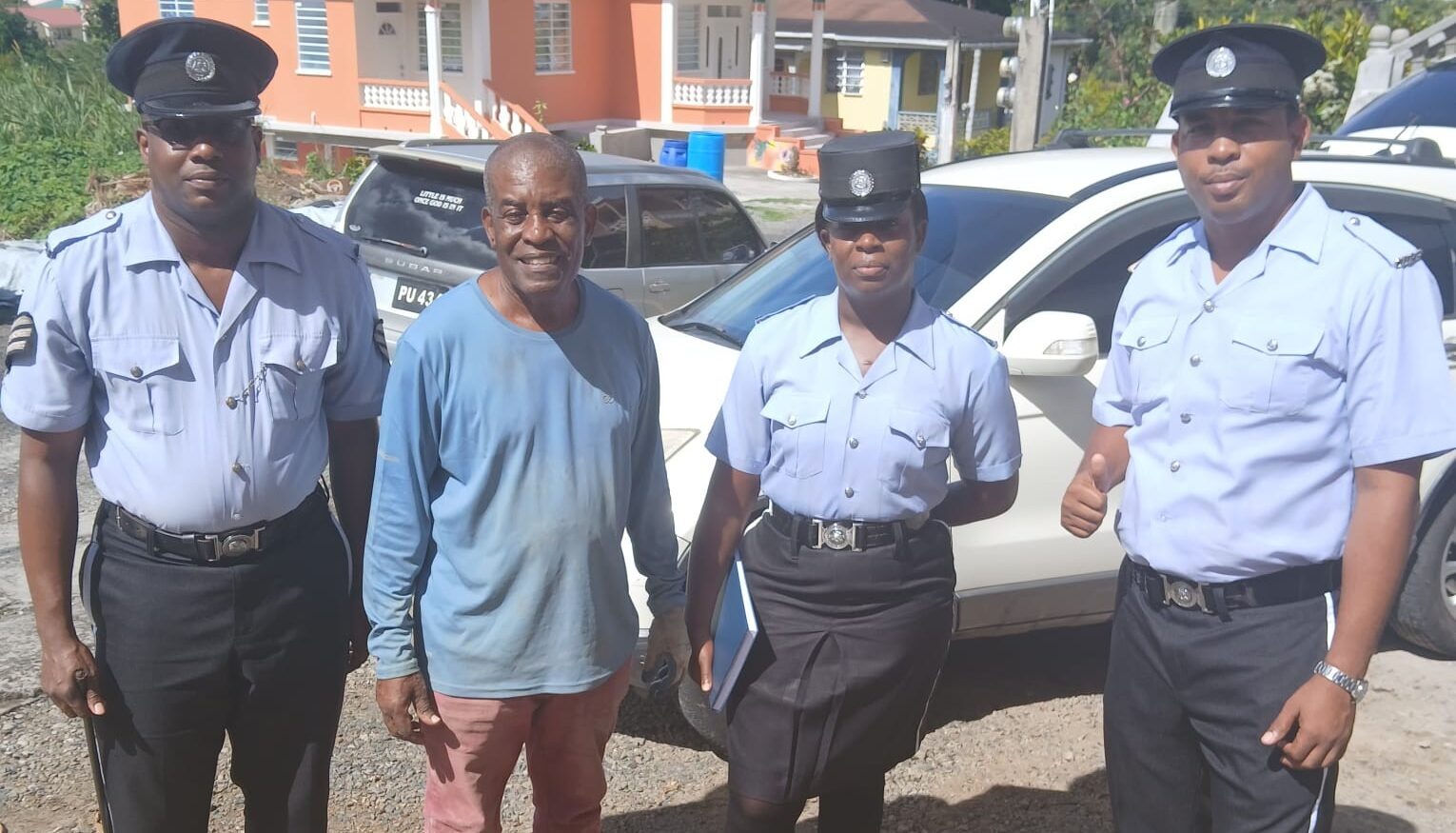
    The Commonwealth of Dominica Police Force (CDPF) has intensified its community engagement efforts through strategic foot patrols in the Wallhouse and Castle Comfort districts. On January 14, 2026, officers from the Community Oriented Policing Unit conducted comprehensive neighborhood walks as part of the Force’s sustained Community Policing Initiative.

    During these immersive patrols, law enforcement personnel actively interacted with residents, addressing local concerns while providing expert guidance on crime prevention methodologies. The initiative facilitated open dialogue between officers and community members, emphasizing the critical importance of collaborative security partnerships.

    Official communications from the CDPF, disseminated through their Facebook platform, characterize this approach as fundamentally proactive—enhancing police visibility while simultaneously discouraging potential criminal behavior. The strategy deliberately focuses on building relational bridges between law enforcement and citizens, creating foundations for sustained mutual trust.

    Photographic documentation released by the police force shows officers engaging directly with community members in both residential areas, visually demonstrating the program’s hands-on implementation. The CDPF reaffirms its institutional commitment to maintaining these cooperative relationships, emphasizing their necessity for developing safer and more harmonious communities throughout Dominica.

  • Venezuelan opposition leader Machado Gives Her Nobel Peace Prize to Trump

    Venezuelan opposition leader Machado Gives Her Nobel Peace Prize to Trump

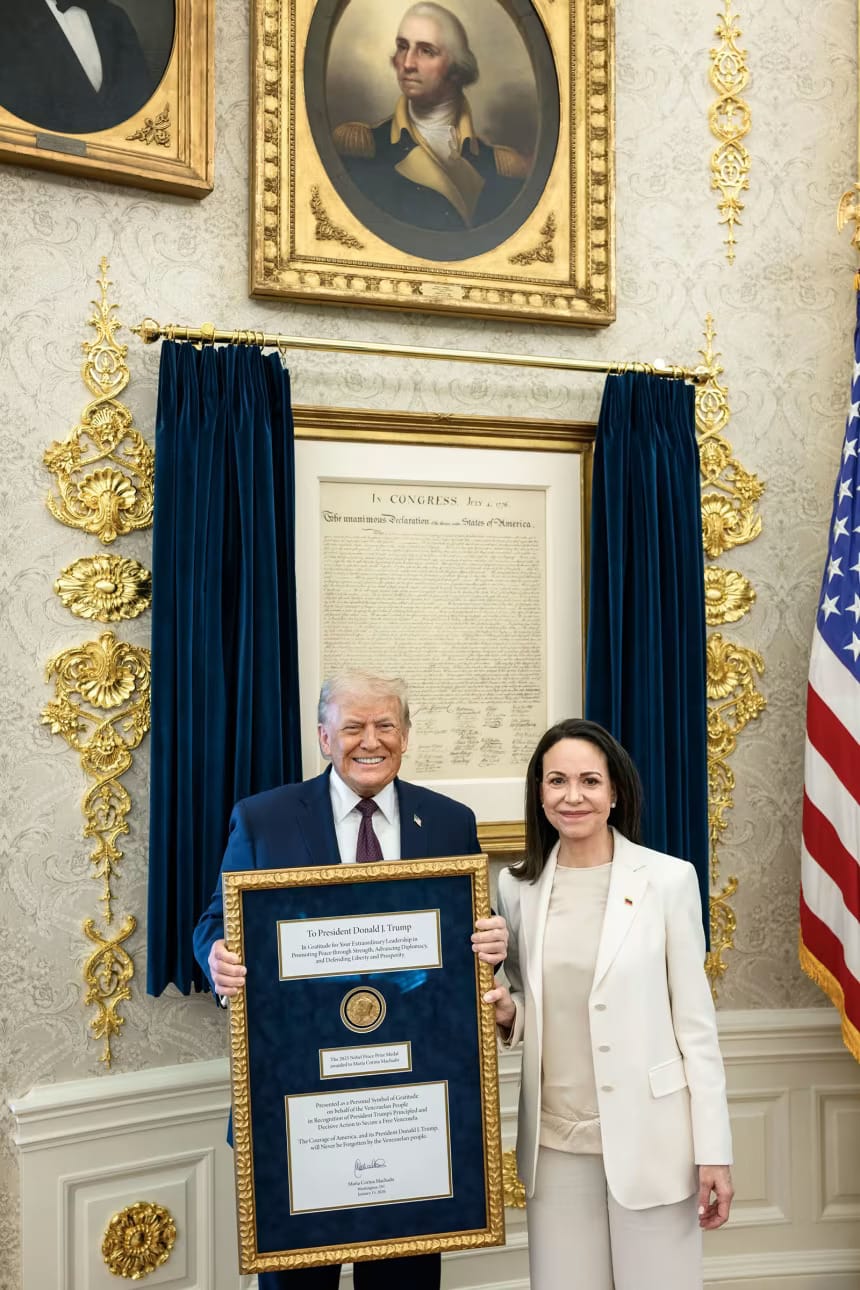
    In a politically charged gesture at the White House, Venezuelan opposition figure María Corina Machado presented her Nobel Peace Prize medal to President Donald Trump, framing the act as recognition of his dedication to Venezuelan freedom. The Thursday meeting marked their first face-to-face encounter since U.S. forces apprehended Venezuelan President Nicolás Maduro in Caracas on drug-trafficking charges several weeks prior.

    Machado characterized the event as “a historic day for us Venezuelans,” though Trump has refrained from endorsing her as Venezuela’s legitimate leader despite her coalition’s claims of victory in the intensely disputed 2024 elections. Instead, the U.S. administration has engaged with Delcy Rodríguez, Venezuela’s acting head of state and former vice-president to Maduro.

    Trump described the encounter as a “great honor,” praising Machado as “a wonderful woman who has been through so much.” Following the meeting, Machado assured supporters in Spanish that “we can count on President Trump,” and later told English-speaking journalists that the medal presentation represented “a recognition for his unique commitment with our freedom.”

    The symbolic transfer sparked immediate controversy, with the Nobel committee clarifying that prizes “cannot be revoked, shared, or transferred to others” once awarded. The Nobel Peace Center emphasized on social media that “a medal can change owners, but the title of a Nobel Peace Prize laureate cannot.”

    Machado contextualized her action through historical precedent, recounting how the Marquis de Lafayette presented a George Washington medal to Simón Bolívar as a token of solidarity against tyranny. “Two hundred years later,” she stated, “the people of Bolívar are giving back to the heir of Washington a medal.”

    During her Washington visit, Machado also met with U.S. senators amid enthusiastic chants of “María, presidente” from supporters. White House Press Secretary Karoline Leavitt acknowledged Machado as “a remarkable and brave voice for many of the people of Venezuela” prior to the meeting.

    The diplomatic developments coincide with significant shifts in Venezuelan policy. Since Maduro’s capture on January 3rd, the Trump administration has moved aggressively to restructure Venezuela’s oil sector, completing a $500 million oil sale and seizing multiple tankers allegedly transporting sanctioned Venezuelan oil.

    Simultaneously, diplomatic channels show signs of reopening, with a Venezuelan government envoy expected in Washington to discuss reopening their embassy. Rodríguez expressed willingness to engage diplomatically, stating she would visit Washington “standing tall, walking, and not crawling” if required as acting president.

  • UPP’s Lemuel Corriette calls for reassessment of Petite Savanne’s habitability 10 years post Erika

    UPP’s Lemuel Corriette calls for reassessment of Petite Savanne’s habitability 10 years post Erika

    A prominent voice in Dominica’s political landscape has issued a compelling call to action regarding the future of the Petite Savanne community, eight years after its devastation by Tropical Storm Erika. Lemuel Corriette, United Progressive Party (UPP) representative for the Petite Savanne Constituency, has demanded comprehensive reassessment and reevaluation initiatives for the displaced residents currently residing in Bellevue Chopin.

    During a featured appearance on Q-95 Radio’s ‘Talk on the Block’ program, Corriette emphasized the critical need to preserve the community’s cultural heritage, noting the absence of dedicated cultural centers where traditional arts could be maintained and transmitted to younger generations. “The community of Petite Savanne is traditionally known for its rich culture,” Corriette stated, highlighting a significant gap in cultural preservation efforts.

    The parliamentarian addressed the complex property situation, acknowledging that many residents retain ownership of lands in Petite Savanne and desire restoration of property values. “There are things that need to be done for things to happen,” Corriette remarked, suggesting that specific interventions are required to facilitate community restoration.

    Corriette adopted a cautiously diplomatic approach when discussing political representation, stating he takes “no issue with the representative there” from the ruling Dominica Labour Party (DLP). However, he pointedly added, “I don’t think there is a problem of who is there, I think the problem is who is leading them,” implying broader leadership concerns beyond mere representation.

    Significantly, the UPP representative challenged prevailing safety perceptions about the original community, asserting that “the village is safe enough” for habitation. He explained that while some houses were at risk during the 2015 disaster, residents should have autonomy in deciding whether to return or remain in Bellevue Chopin. “It should be their choice,” Corriette emphasized, advocating for resident agency in determining their future.

    The politician concluded by stressing the importance of community consultation, noting, “I want to talk to the people first,” before outlining specific plans, demonstrating a grassroots approach to addressing the ongoing displacement crisis.

  • Interact Clubs of Rotary District 7030 Donate Over 150 Books to Antigua and Barbuda Public Library

    Interact Clubs of Rotary District 7030 Donate Over 150 Books to Antigua and Barbuda Public Library

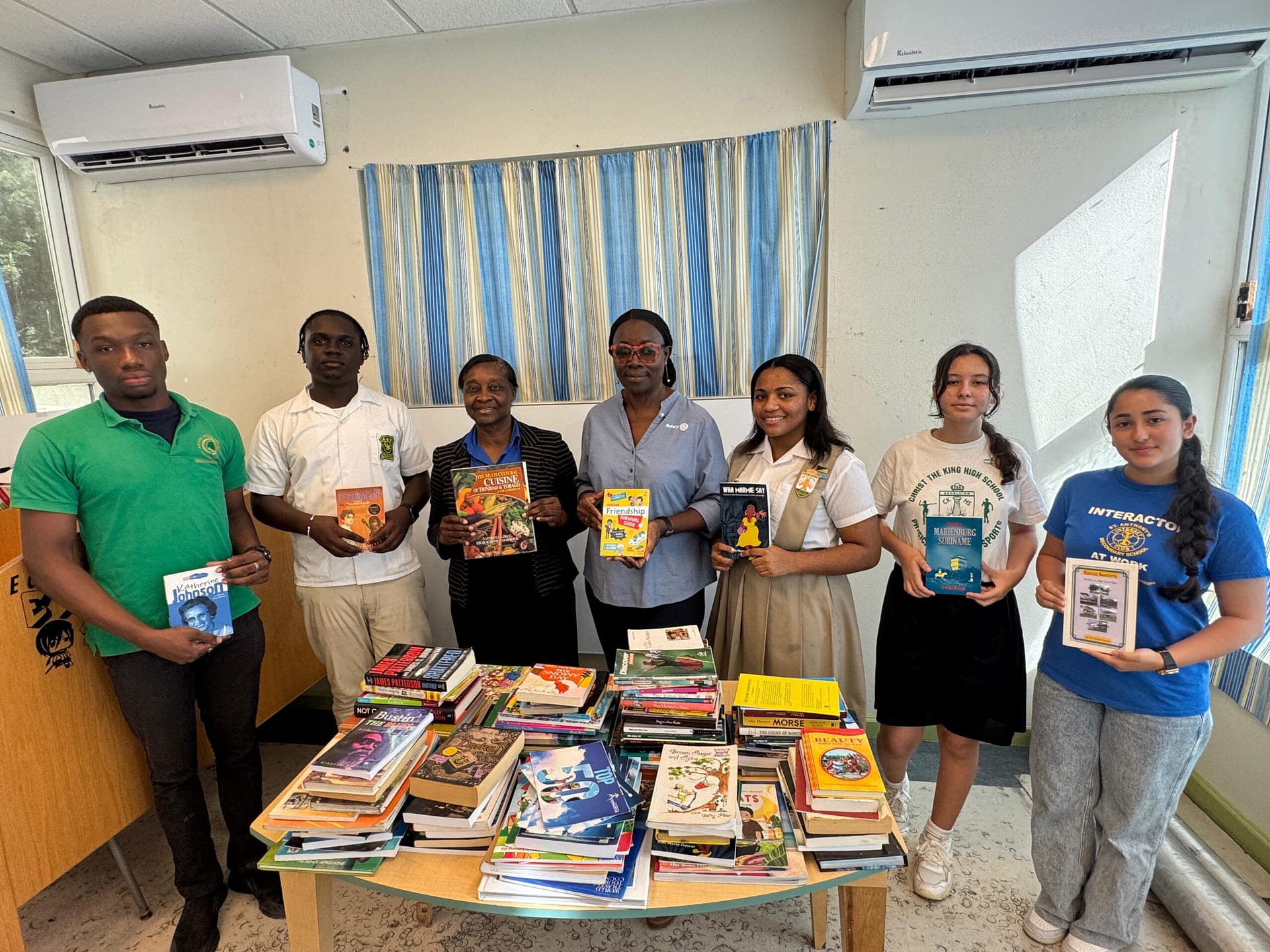
    In a significant boost to educational resources, Rotary International’s District 7030 Interact Clubs have presented more than 150 books to the Antigua and Barbuda Public Library. This donation enhances access to educational and cultural materials for students and community members alike.

    The formal handover ceremony was conducted at the library premises under the leadership of the District RYLA Chair. Participating clubs included:
    – Antigua Grammar School & Antigua Girls’ High School Interact Club
    – St. Anthony’s Secondary School Interact Club
    – Christ the King High School Interact Club
    – Antigua State College Interact Club

    This contribution originated from the ‘Books Across Borders’ regional community service project, an integral component of the Rotary Youth Leadership Awards (RYLA) convened in November 2025. The initiative saw participation from youth delegates across 13 territories spanning from Antigua to Suriname, with each region contributing literature as a testament to regional collaboration and youth-driven service. The collection features works on local and regional history, cultural folklore, and tourism insights.

    RYLA Chair Evangeline Allen, representing District Governor Soraya Warner-Gustave and all RYLA participants, highlighted the initiative’s foundational belief in education’s transformative power. ‘Each book here has journeyed across both physical and cultural boundaries to enrich this library,’ Allen stated. ‘Through this donation, we extend beyond sharing resources to offering encouragement, opportunity, and meaningful connections.’

    She further emphasized that the project embodies Rotary’s dedication to literacy, education, and service, showcasing how young leaders can drive change with purpose and global consciousness.

    Ms. R. Mannix, Director of the Antigua and Barbuda Public Library, gratefully acknowledged the donation, confirming that the books would substantially augment the library’s collections. She emphasized that these resources would advance the institution’s mission to provide open access to information and support lifelong learning while continuously promoting literacy. Mannix also expressed deep appreciation for the diligent efforts of District 7030’s student representatives in bringing the project to fruition.

    The Books Across Borders initiative serves as a tangible demonstration of youth leadership and regional cooperation, effectively translating collaborative effort into enduring community benefit.

  • Nieuw monument te Bakkie voor Amerikaanse slachtoffers 83 jaar geleden

    Nieuw monument te Bakkie voor Amerikaanse slachtoffers 83 jaar geleden

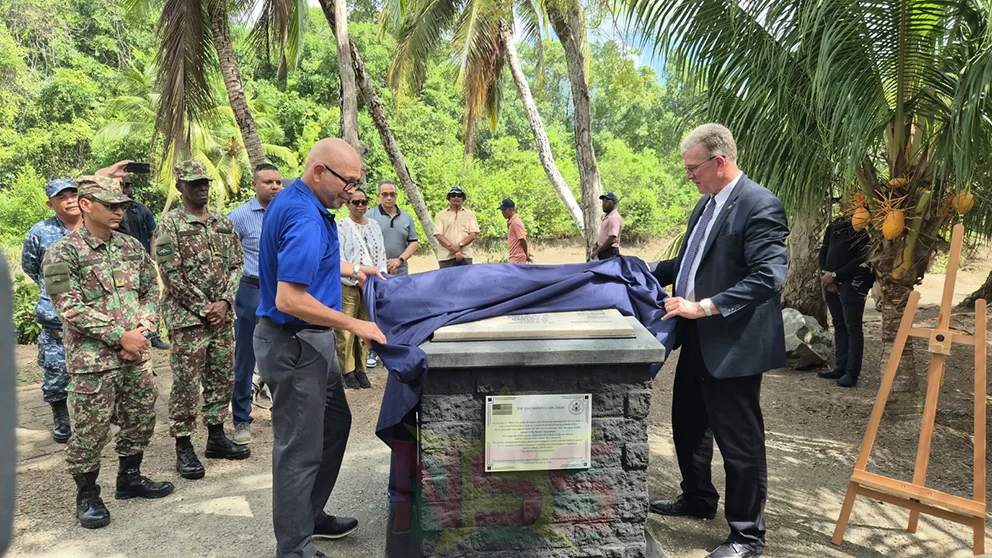
    Suriname’s pivotal role in World War II came into focus Thursday as U.S. Ambassador Robert Faucher and Education Minister Dirk Currie unveiled a renovated memorial commemorating a mysterious 1943 plane crash that claimed 35 lives. The ceremony at Bakkie Museum marked both historical remembrance and Faucher’s final diplomatic act before concluding his service in Suriname.

    On January 15, 1943, a Douglas C-54 Skymaster military aircraft plunged into the Warappakreek near Reynsdorp, known locally as Bakkie, in what remains Suriname’s deadliest aviation accident. All passengers perished, including high-ranking government officials, military personnel, and FBI agents. Witnesses reported seeing a ‘fireball’ descend, though the crash’s cause remains undetermined eight decades later.

    Ambassador Faucher revealed the flight was part of a secret three-plane mission destined for the historic Casablanca Conference, where President Franklin Roosevelt and Prime Minister Winston Churchill would strategize the Allied victory. Each aircraft departed Washington at thirty-minute intervals, following a Caribbean and South American coastal route to Africa while evading enemy warships and submarines.

    ‘Suriname held vital strategic importance,’ Faucher emphasized, noting that 80% of U.S. aluminum for war materials originated from Surinamese bauxite. The nation’s airspace also served as a critical corridor to global conflict zones.

    The ill-fated aircraft carried significant resources including gold, currency, and confidential documents. While Roosevelt ultimately traveled via modified arrangements, two planes reached Morocco successfully. The third crashed under circumstances that spawned theories ranging from onboard explosions to enemy attacks, as documented in Dave Edhart’s investigation ‘Mayday In The West’.

    The ceremony included a moment of silence for victims, among them Eric Knight, author of ‘Lassie Come Home’. Although artifacts including the propeller and personal effects reside in Bakkie Museum, most wreckage remains buried in marshland. The memorial now stands renewed, bearing names of those whose silent mission contributed to Allied success.

  • Road safety billboard vandalised

    Road safety billboard vandalised

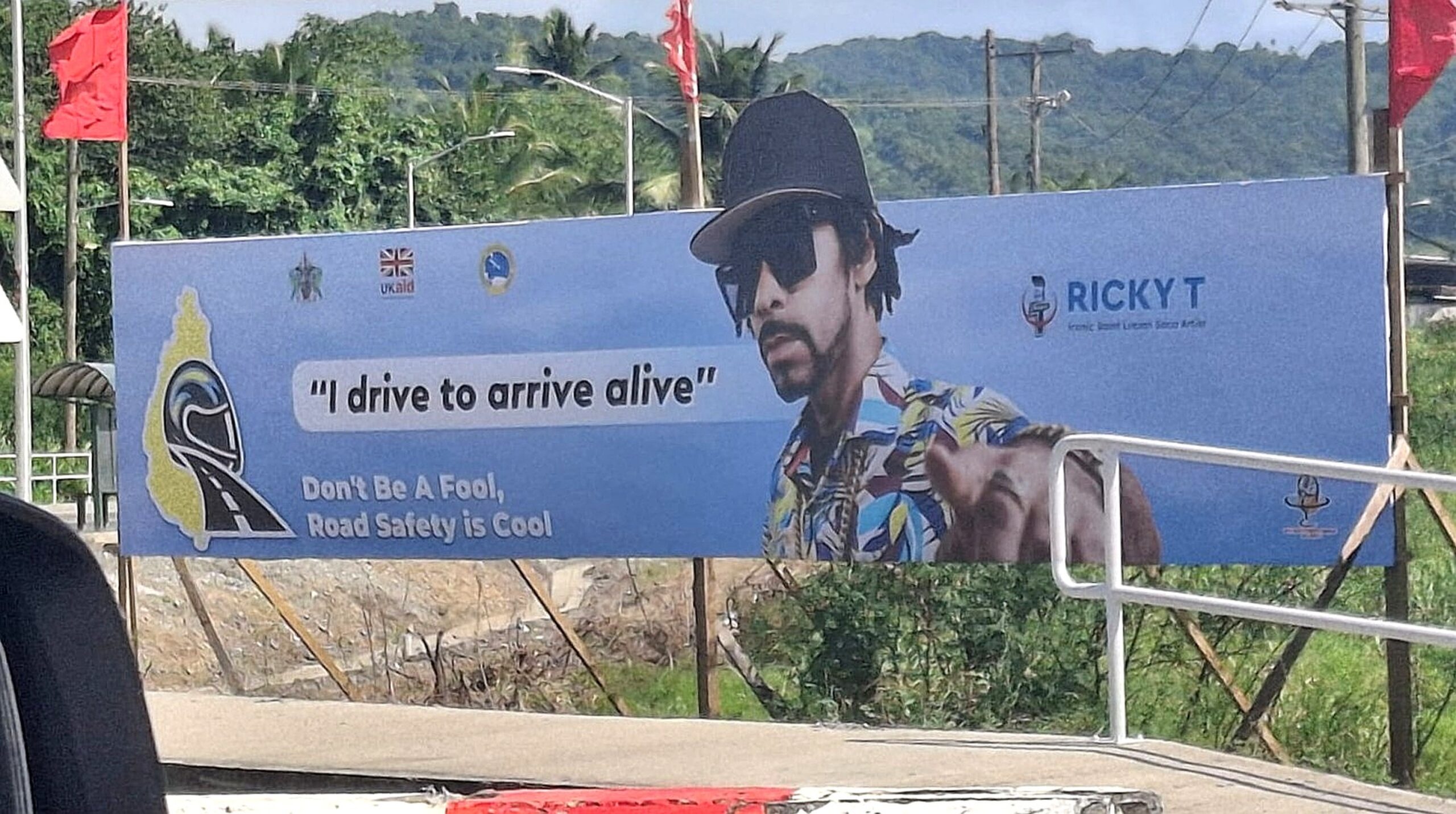
    Authorities overseeing a major infrastructure initiative have expressed profound disappointment following the deliberate dismantling and theft of a critical road safety billboard. The Project Management Unit (PMU) for the Millennium Highway and West Coast Road Reconstruction Project (MHWCRRP) reported that the 40-foot public installation, positioned near the Cul De Sac roundabout for optimal visibility, was illegally taken down last weekend.

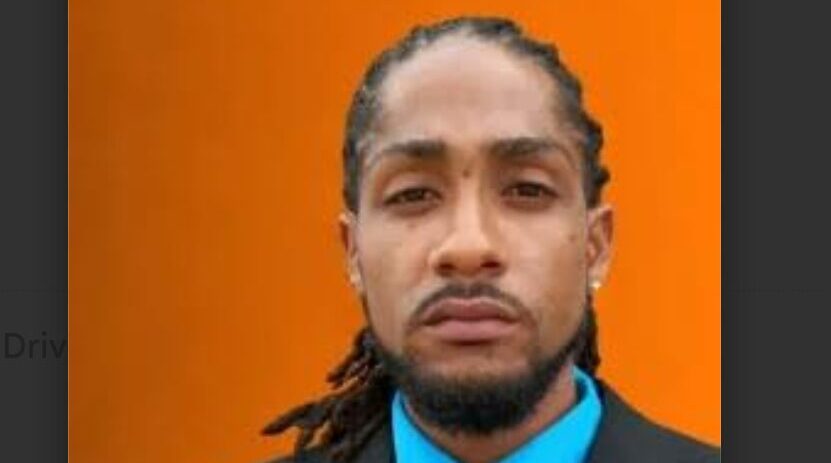
    Project Coordinator Amos Hippolyte condemned the act, stating that the theft represents a direct assault on a vital public safety campaign. The installation, a product of a collaborative effort with artist Ricky T and Stratosphere Music, carried the impactful message ‘I drive to arrive alive’ alongside a visual of the artist. It was designed as a central component of an educational drive to promote responsible driving behaviors and reduce accidents along the busy project corridor.

    Erected in a temporarily donated space post the December 2025 general election, this billboard was a key feature of the broader Road Safety Public Education Campaign launched by the MHWCRRP in October. Its strategic placement was intended to maximize outreach to motorists and pedestrians. The PMU has now issued a public appeal, urging anyone with information regarding the incident to immediately contact the Royal Saint Lucia Police Force to aid the investigation.

  • New wastewater plant in five-year plan to turn sewage into irrigation

    New wastewater plant in five-year plan to turn sewage into irrigation

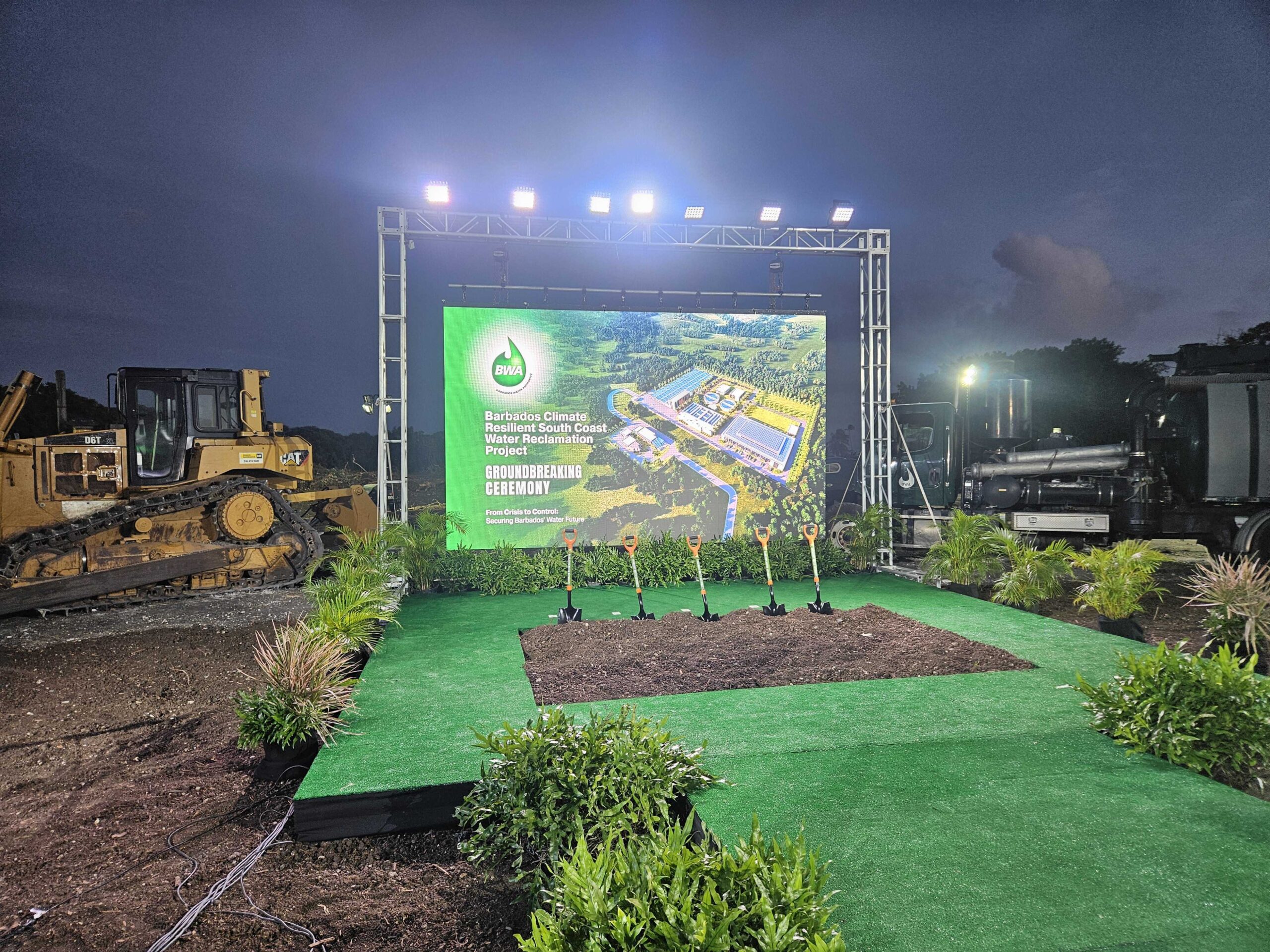
    Barbados is poised to revolutionize its agricultural sector through a landmark infrastructure initiative designed to convert sewage into a sustainable irrigation resource. The Climate Resilient South Coast Water Reclamation Project, a five-year development program, will provide treated wastewater to farmers at government-regulated prices, potentially reducing irrigation expenses significantly.

    Government officials confirmed that pricing structures for reclaimed water would be determined at the ministerial level, separate from the Barbados Water Authority’s purview. Current rates have already decreased from $1.80 to $1.00 per unit in recent years, with further reductions anticipated once the new system becomes operational.

    Technical specifications reveal an advanced multi-stage purification process beginning with mechanical screening to remove solid debris. The wastewater will then undergo biological treatment, particle filtration, and reverse osmosis purification—utilizing technology similar to the Spring Garden desalination facility—to achieve the Ministry of Agriculture’s strict standard of 450 milligrams per liter of total dissolved solids.

    Dr. John Mwansa, Technical Adviser for the Barbados Water Authority, emphasized the climate-resilient design elements: “The new treatment plant is being constructed four meters higher than existing facilities as protection against storm surges and rising sea levels.”

    The comprehensive system includes a 25-kilometer transmission pipeline extending along the ABC Highway toward St. George Valley, with ultraviolet and chlorine disinfection preventing biological growth within the distribution network. During rainy seasons when irrigation demand decreases, excess treated water will recharge aquifers through five injection wells, creating sustainable water reserves.

    Additional project components involve drilling new boreholes at Gibbons Boggs and upgrading the Bridgetown Sewage Treatment Plant to supplement water supplies toward the Botanical Gardens region. The Barbados Agricultural Development and Marketing Corporation will manage distribution through existing irrigation networks, though farmers won’t receive reclaimed water until construction concludes in approximately five years.

  • Thousands of Cubans pay tribute to fallen combatants in Venezuela

    Thousands of Cubans pay tribute to fallen combatants in Venezuela

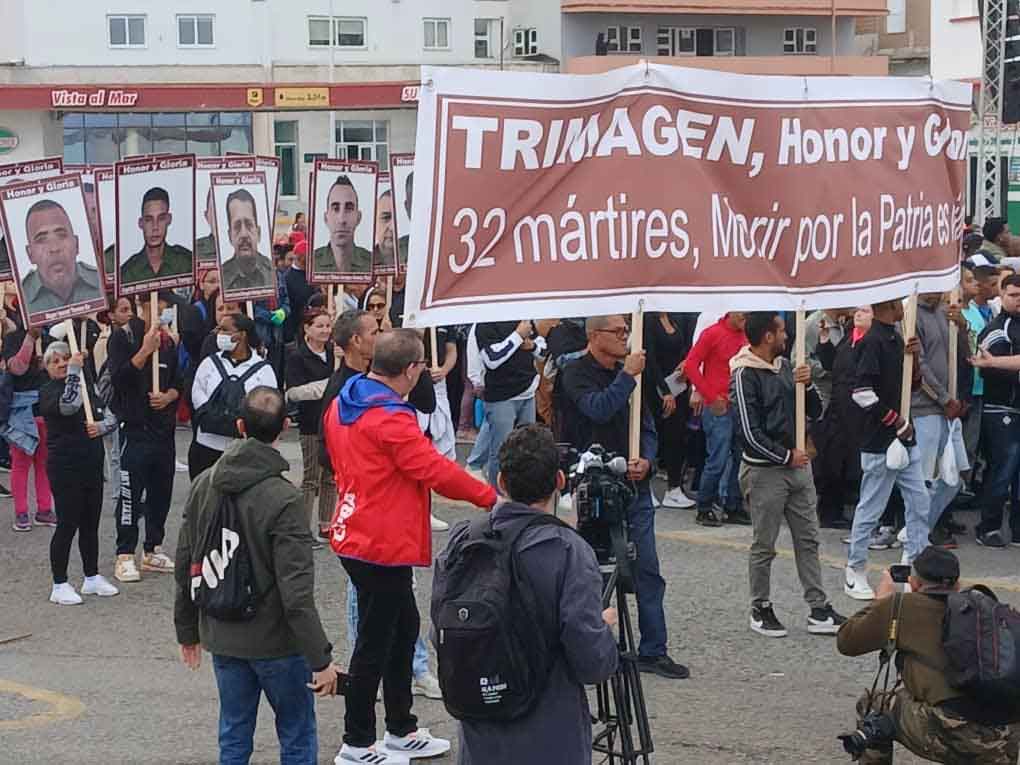
    Cuban President Miguel Diaz-Canel joined Commander Jose Ramón Machado Ventura and senior Communist Party officials in leading a solemn national tribute honoring internationalist fighters killed during recent hostilities involving the Bolivarian Republic of Venezuela. The ceremony preceded the traditional March of the Fighting People, demonstrating Cuba’s unwavering commitment to its revolutionary principles.

    The commemorative events began with the arrival of the combatants’ remains, which were met with widespread public displays of support across the nation. Revolutionary leader Raul Castro and President Diaz-Canel performed the first posthumous honors, leading the final honor guard in a gesture of profound respect for the fallen.

    A solemn procession transported the ceremonial urns from Havana’s airport terminal to the Ministry of the Revolutionary Armed Forces (MINFAR) headquarters along Rancho Boyeros Avenue. Thousands of citizens lined the route despite challenging weather conditions, offering heartfelt tributes to those who made the ultimate sacrifice in international service.

    The public tribute continued at MINFAR headquarters where a constant flow of mourners gathered to pay their respects to the mortal remains. The sustained attendance demonstrated the deep resonance of the combatants’ sacrifice within Cuban society, with citizens braving inclement weather to honor their legacy.

    Official ceremonies are scheduled for Friday morning across all provincial capitals, followed by afternoon interments in the Pantheon of the Fallen in Defense in the combatants’ respective localities. Concurrent recognition ceremonies will take place in every municipality, creating a nationwide expression of gratitude for the internationalists’ service and sacrifice.