博客

  • EU waarschuwt voor economische schade door Trumps heffingenplan

    EU waarschuwt voor economische schade door Trumps heffingenplan

    The European Union has delivered a forceful response to former U.S. President Donald Trump’s announced plan to reinstitute sweeping import tariffs, warning that such protectionist measures could severely damage both European and American economies while undermining transatlantic relations.

    In an official statement released Monday, European officials emphasized that protectionist trade policies typically result in increased business costs, disruption of global supply chains, and elevated consumer prices. The EU specifically highlighted that export-dependent sectors including manufacturing, agriculture, and logistics would likely bear the brunt of the economic impact.

    Brussels pointed to previous trade conflicts as evidence that reciprocal tariffs tend to suppress economic growth and generate financial market volatility. The European Commission stressed that stable trade relationships remain crucial for investment security, job preservation, and economic recovery, particularly during a period when the global economy already faces pressure from geopolitical tensions and persistent inflation.

    The warning extended beyond transatlantic concerns, noting that trade disruptions between the United States and Europe could create ripple effects across developing nations that depend on predictable market access and stable trade flows.

    The EU reaffirmed its commitment to diplomatic dialogue and multilateral cooperation through World Trade Organization frameworks. Simultaneously, European authorities made clear their readiness to implement protective measures to safeguard the bloc’s economic interests should the tariff proposal materialize.
  • Halo Foundation Ends Year on a Positive Note with Nationwide Anti-Bullying Resource Distribution

    Halo Foundation Ends Year on a Positive Note with Nationwide Anti-Bullying Resource Distribution

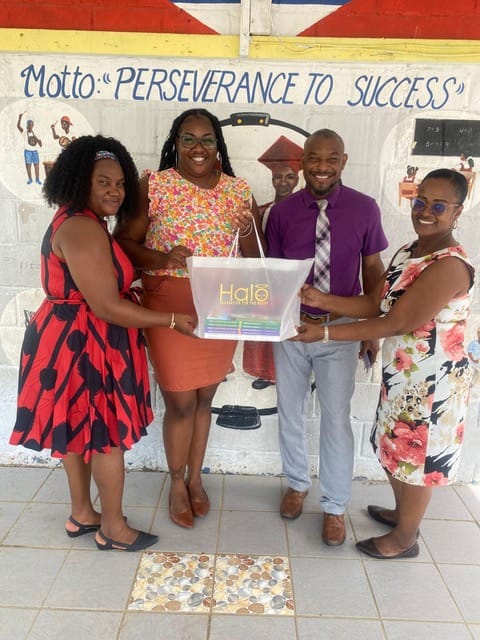
    The Halo Foundation culminated its 2025 operations with a significant nationwide initiative, delivering comprehensive anti-bullying and conflict-resolution materials to 34 educational institutions throughout Antigua and Barbuda. This extensive distribution effort, spearheaded by Bolinda Baptiste and Cuthbert Forbes, represents the Foundation’s sustained dedication to youth development and violence prevention strategies.

    This school outreach program constitutes an integral component of the Foundation’s national anti-bullying campaign, originally established in 2018 to systematically combat youth violence while fostering safer, more inclusive academic environments across the twin-island nation. Her Excellency Lady Williams, President of the Foundation, emphasized the organization’s philosophical approach: “Since initiating our anti-bullying campaign, we have maintained unwavering commitment to cultivating wholesome, compassionate environments for our youth. This year-end initiative underscores our conviction that prevention fundamentally originates through education, and that properly equipped educational institutions empower students to resolve conflicts through empathy and mutual respect.”

    School administrators—including principals, counselors, and librarians—extended enthusiastic receptions during the resource distributions, expressing genuine appreciation for the donated materials. Numerous educators highlighted how these resources would prove instrumental in facilitating dispute resolution, enhancing emotional intelligence, and promoting constructive peer interactions among students.

    Bolinda Baptiste noted the validating feedback: “The responses from educational institutions reaffirmed the essential nature of this work. By providing both educators and students with practical tools, we’re cultivating empathy, effective communication, and peaceful problem-solving capabilities from formative years.”

    The foundation’s outreach encompassed 22 primary schools and 12 secondary schools, supplemented by resources provided to the Public Library. This ensured broad accessibility to age-appropriate materials designed to encourage meaningful dialogue, mutual understanding, and respectful engagement among young community members.

    Since its inception, the Halo Foundation’s anti-bullying campaign has maintained its strategic focus on preventive measures, educational interventions, and community partnerships, reinforcing the core belief that enduring social change emerges through early intervention and consistent institutional support.

  • From desert to tundra: Jaryd Niles Morris’ Arctic pilgrimage

    From desert to tundra: Jaryd Niles Morris’ Arctic pilgrimage

    Tracy Moore

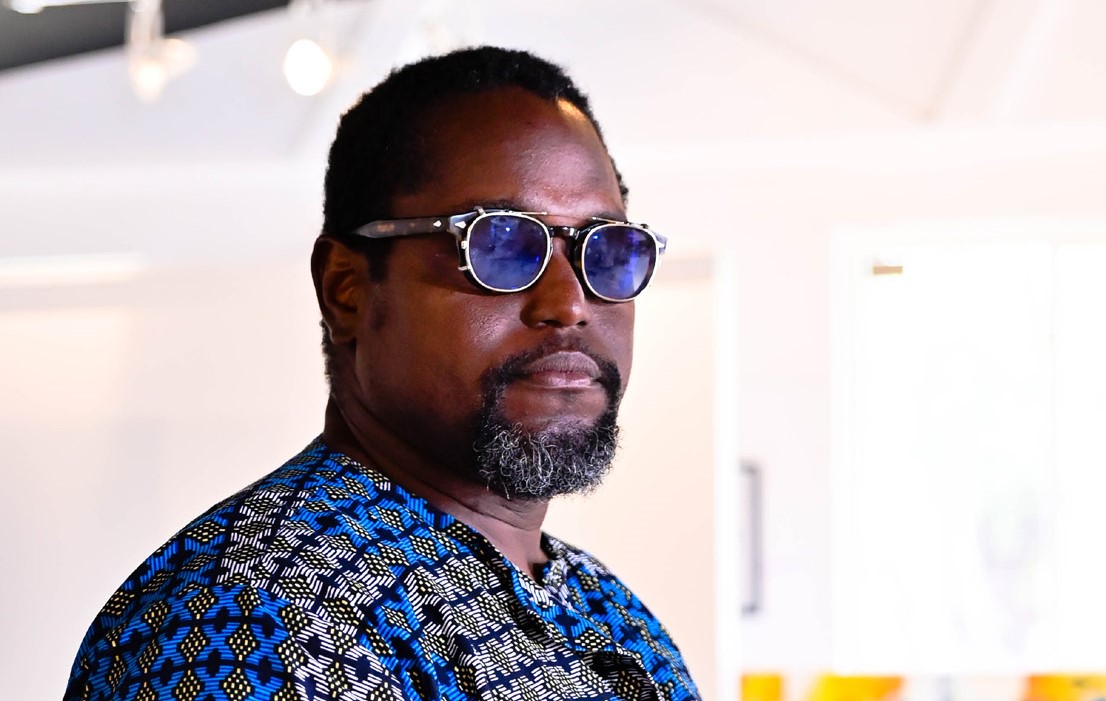
    Barbadian visual artist Jaryd Niles Morris is preparing for an extraordinary artistic expedition to the Arctic Circle in June 2027, having been selected for an internationally acclaimed artist residency program that challenges participants to create work addressing Arctic themes with global significance.

    This polar journey represents the latest chapter in Morris’s transformative artistic evolution, following profound residencies in Senegal and Morocco during 2024 that fundamentally reshaped his creative perspective. His Sahara Desert experience at Café Tissardmine—an artist residency embedded within an Amazigh (Berber) community—proved particularly impactful. “It reset me as a person,” Morris reflects. “Immersing myself within a community that has persevered through millennia of colonial pressure heightened my awareness of my Caribbean identity.”

    This awakened consciousness continued during his Senegalese residency, where Morris observed how cultural symbols and belief systems are actively preserved. “African communities maintain powerful connections to their cultural foundations through physical artifacts that constantly reaffirm their values,” he notes. This starkly contrasted with his Barbadian context, where he perceives traditional folk elements sometimes drifting toward entertainment rather than meaningful cultural remembrance.

    These comparative cultural observations have directly inspired Morris’s Arctic project: the creation of a groundbreaking cultural character rooted in Caribbean values, environmental stewardship, and collective responsibility. This modern figure—conceived as a cultural vehicle rather than policy document—aims to embed conservation awareness directly into Caribbean cultural consciousness.

    “We cherish our beaches and environment,” Morris explains. “This character will encapsulate ideals of activism and ocean conservation, bringing these priorities to the cultural forefront. The goal is integrating conservation into daily life through cultural means.”

    Originally discovering the Arctic residency opportunity online, Morris initially felt unprepared until his North African experiences provided the conceptual foundation. “Ironically, Morocco triggered the ideas now carrying me from desert to tundra,” he observes.

    Envisioned as a regional collaboration, the project will involve artists across the Caribbean, reflecting Morris’s commitment to pan-Caribbean cultural development. “We share history but not necessarily shared reality,” he notes, emphasizing his desire to create “a Caribbean project, not just Barbadian.”

    Morris describes his upcoming Arctic journey as essentially spiritual: “This is a pilgrimage. A Caribbean envoy traveling to the Arctic to witness and comprehend.” During his two-to-three-week residency, his sole expectation remains that the resulting work generates positive global impact.

  • OPINION l Gadgets: Creating More Problems in Education

    OPINION l Gadgets: Creating More Problems in Education

    Jamaican educational leaders are raising urgent concerns about the pervasive integration of digital devices in classrooms, warning that technological overreliance may be undermining fundamental learning skills. Linvern Wright, President of the Jamaica Association of Principals of Secondary Schools (JAPSS), contends that gadgets frequently create more educational challenges than solutions while depriving students of traditionally acquired critical abilities.

    Wright emphasizes that technological devices often serve as distractions rather than learning aids, particularly when not properly integrated into pedagogical frameworks. He specifically highlights the decline in manual calculation skills due to premature calculator introduction and notes concerning reductions in handwriting practice, which research indicates enhances memory retention and long-term information storage compared to typing.

    These concerns find support in Mark Malabver, President of the Jamaica Teachers’ Association (JTA), who urges the Ministry of Education to reassess the nation’s substantial dependence on classroom technology. Malabver references emerging research indicating digital devices may be eroding students’ critical thinking and problem-solving capabilities, contradicting earlier beliefs that technology would serve as an educational “silver bullet.

    The commentary references UNESCO’s 2023 report cautioning that excessive technology use or its substitution for qualified teachers could diminish learning outcomes. While not advocating for complete technology elimination, educators stress the necessity of balancing technological benefits with preserving traditional learning methodologies that foster concentration, independent reasoning, and foundational problem-solving skills.

    Educational stakeholders now call for urgent dialogue with the Ministry of Education to establish equilibrium between technological integration and maintaining essential cognitive skill development in Jamaican classrooms.

  • COMMENTARY: Between A Rock And A Hard Place

    COMMENTARY: Between A Rock And A Hard Place

    The recent imposition of visa sanctions against Antigua and Barbuda by the United States administration represents a calculated geopolitical maneuver rather than a mere response to alleged governance failures. While surface-level justifications cite concerns over drug trafficking and weaknesses in the Citizenship by Investment Program (CIP), a deeper examination reveals these accusations serve as pretexts for broader strategic objectives outlined in the US National Security Strategy of December 2025.

    The 29-page security document explicitly articulates Washington’s intent to reassert the Monroe Doctrine and eliminate non-hemispheric competitors’ influence throughout the Americas. This strategic framework provides context for the punitive measures against the dual-island nation, which possesses neither military capabilities nor substantive threat capacity against the United States. With a population of merely 100,000 citizens and no history of aggression, Antigua and Barbuda’s designation as a national security threat appears strategically disproportionate.

    The administration’s actions align with documented objectives to discourage regional partnerships with US adversaries, particularly China. Antigua and Barbuda’s significant Chinese assets, including an substantial embassy presence, have positioned the nation at the center of hemispheric power dynamics. The visa restrictions function as soft power instrumentation designed to create domestic pressure compelling policy changes.

    Three primary objectives underlie the sanctions: securing a deportee memorandum of understanding, severing Chinese relations, and demonstrating US regional dominance. The characterization of Antiguan and Barbudan citizens as ‘destabilizing populations’ within security documents further reveals the administration’s perceptual framework. This situation places Antigua and Barbuda’s government in a profoundly challenging position, balancing domestic welfare against international geopolitical pressures.

  • Wesley College Cuts Single-Use Plastics by 85%

    Wesley College Cuts Single-Use Plastics by 85%

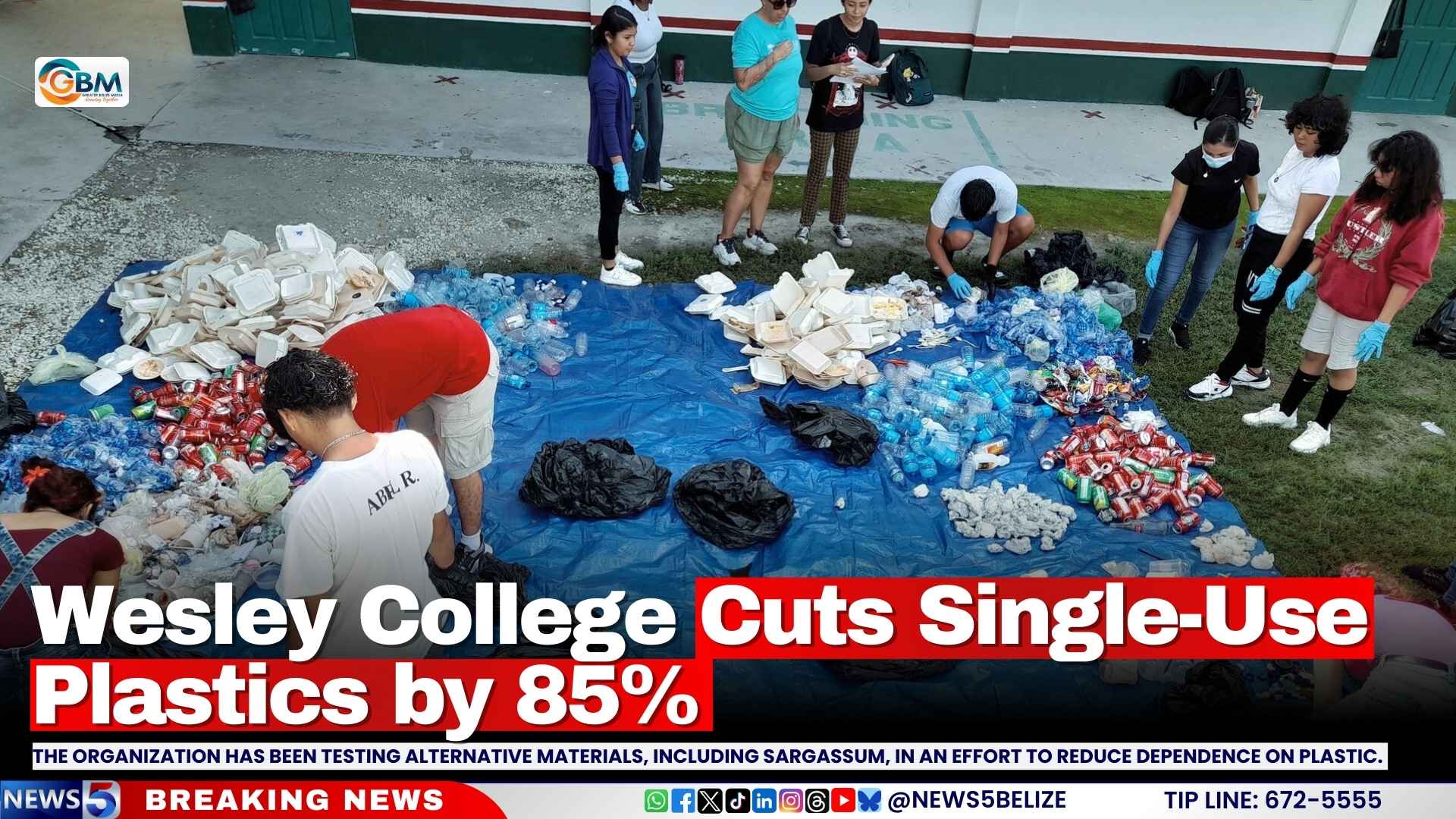
    In a significant environmental breakthrough, Wesley College in Belize City has successfully slashed its single-use plastic waste by an impressive 85% within just one year. This remarkable achievement follows the implementation of a comprehensive refillable water station system across the campus, effectively eliminating the previously ubiquitous plastic water pouches that dominated student consumption habits.

    The transformative initiative has been spearheaded by Sea of Life, an environmental organization operating through its Plastic Solution Academy program. With strategic backing from the Belize Fund, the academy focuses on developing and implementing practical waste reduction strategies within educational institutions and local communities throughout Belize.

    Beyond the water refill infrastructure, Sea of Life’s program encompasses rigorous testing of alternative sustainable materials. Notably, researchers are investigating the potential of sargassum—a abundant seaweed type in the region—as a viable replacement for conventional plastic products. This innovative approach addresses both waste reduction and creative resource utilization.

    Buoyed by the demonstrable success at Wesley College, Sea of Life has announced plans to expand this plastic reduction model to additional schools nationwide. The program serves as a replicable blueprint for educational institutions seeking to minimize their environmental footprint while fostering sustainable practices among younger generations.

  • Nicaragua boosts study opportunities at National Scholarship Fair

    Nicaragua boosts study opportunities at National Scholarship Fair

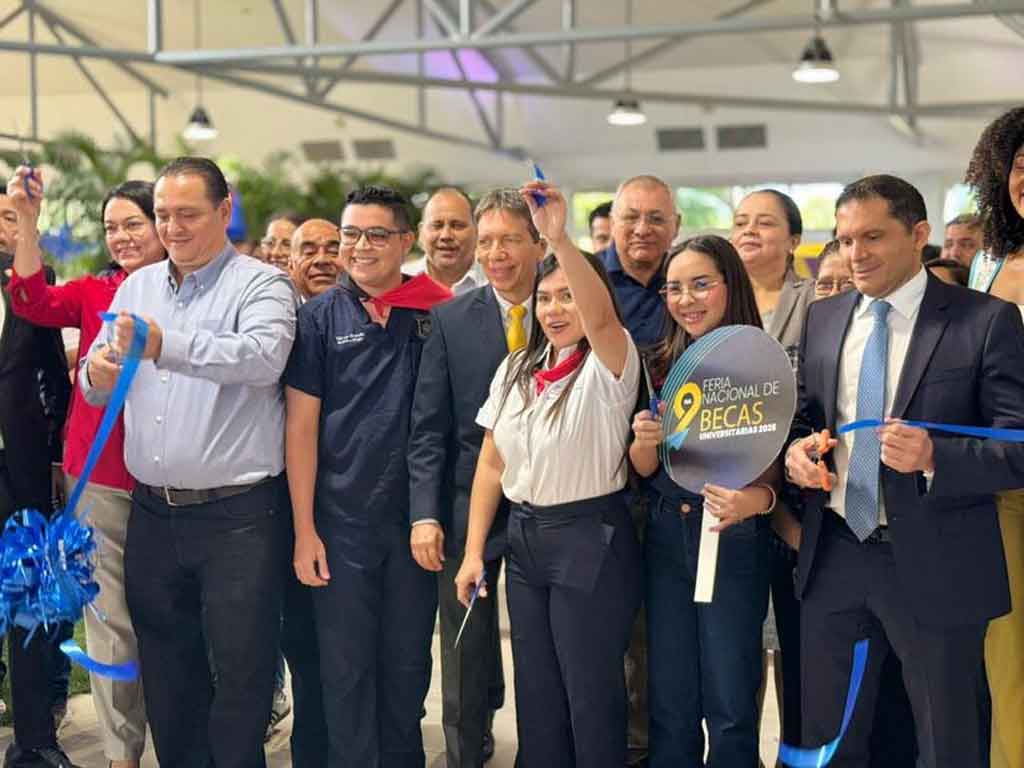
    Nicaragua’s Minister of Youth, Darling Hernández, has publicly celebrated the transformative achievements of the Sandinista government over its 19-year tenure, placing significant emphasis on educational reforms that position the nation’s youth and families as central figures in a comprehensive poverty alleviation strategy. The remarks were delivered during a vibrant youth-to-youth festival designed to foster academic and technical advancement.

    Minister Hernández articulated the government’s philosophy, stating that the most effective method for social development is through direct youth engagement. She characterized the modern Nicaraguan youth as an evolved demographic capable of driving revolutionary change via the power of education. The festival itself served as a platform to provide tailored study opportunities aligned with the contemporary interests and aspirations of this dynamic generation.

    Complementing this vision, Loyda Barreda, Director General of the National Technological Institute (Inatec), detailed the institution’s substantial contribution to this national upskilling initiative. Inatec is set to offer 79 distinct technical programs alongside 1,165 specialized training courses, all meticulously crafted to enhance technical proficiencies and technological competencies among the populace.

    The event transcended a conventional fair, evolving into a festive and family-centric celebration with youth empowerment at its core. Prospective students were provided with direct access to an expansive array of academic pathways through interactive vocational guidance tours. In a monumental offering, more than 36,000 scholarship opportunities were made available across a diverse spectrum of disciplines. This educational portfolio encompassed bachelor’s and engineering degrees, postgraduate and master’s programs, technical certifications, and specialized courses. This effort was realized through a collaborative partnership between Inatec, the Technical Secretariat for University Support, the Nicaragua Diseña Creative School, and 15 private higher education institutions.

  • THE CHOSEN: Twenty for the 2026 calypso semifinals

    THE CHOSEN: Twenty for the 2026 calypso semifinals

    SenseTime, a leading Chinese artificial intelligence enterprise, has officially launched its groundbreaking multimodal large language model, the ‘Book of Time’ (Ri Yue Da Zao), marking a significant leap in the global AI race. This sophisticated AI system demonstrates exceptional capabilities in processing and generating content across text, images, and potentially other data formats, positioning itself as a formidable competitor to established Western models like OpenAI’s GPT-4.

    The development represents a crucial milestone in China’s pursuit of technological sovereignty and innovation in generative AI. SenseTime’s breakthrough centers on the model’s advanced architecture, which enables more seamless understanding and creation of complex, multi-format content. This technological advancement potentially bridges communication gaps between different media types, offering more intuitive and comprehensive AI interactions.

    Industry analysts highlight the strategic importance of this development amid growing global competition in AI supremacy. The ‘Book of Time’ not only showcases China’s rapidly advancing capabilities in artificial intelligence but also signals intensified competition in the commercial AI sector. This launch may trigger accelerated innovation and potentially reshape market dynamics as technology companies worldwide strive to achieve superior multimodal integration.

    The introduction of this model coincides with increasing focus on AI governance and ethical considerations globally. SenseTime’s advancement contributes to the diversification of AI development pathways, potentially offering alternative approaches to responsible AI implementation while addressing unique linguistic and cultural contexts specific to Eastern markets.

  • Ministry defends sargassum removal methods amid criticism

    Ministry defends sargassum removal methods amid criticism

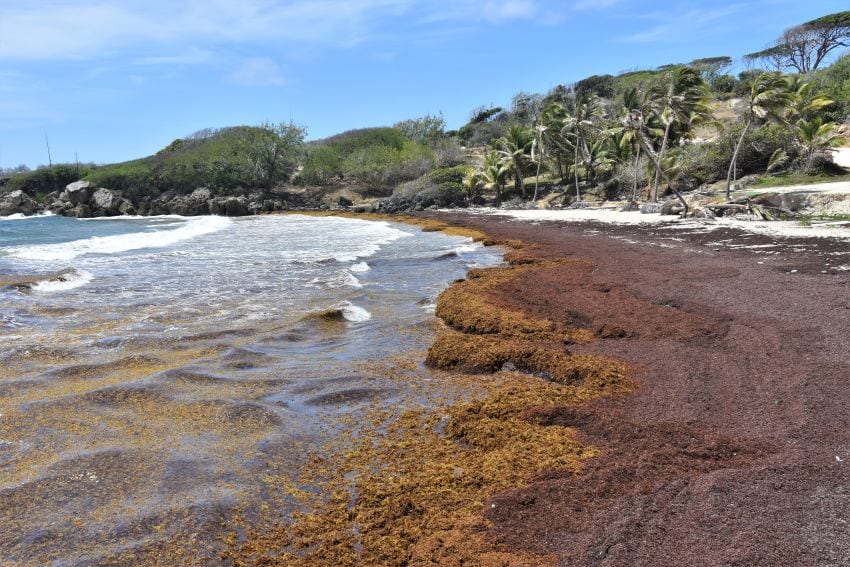
    The Barbados Ministry of Environment and National Beautification has publicly justified its operational protocols for sargassum seaweed extraction from coastal areas following mounting critiques across digital platforms regarding its beach rehabilitation initiatives. Official communications from the ministry elaborate that the Sargassum Seaweed Project constitutes a structured governmental response to the persistent accumulation of algal biomass along the nation’s coastline. This ecological initiative has engaged substantial local workforce participation through systematically coordinated cleansing operations over consecutive annual cycles. According to the ministry’s disclosure, the extraction methodology incorporates a multi-phase, rigorously supervised procedure engineered to equilibrate recreational beach accessibility with ecological conservation imperatives. The implemented techniques specifically aim to conserve critical natural ecosystems while ensuring protective measures for endangered marine turtle species and broader biodiversity preservation along Barbados’ shores.

  • Derelict building on Lower Newgate Street demolished as St. John’s renewal begins

    Derelict building on Lower Newgate Street demolished as St. John’s renewal begins

    The Ministry of Social and Urban Transformation has initiated a comprehensive demolition campaign targeting dilapidated and abandoned structures throughout St. John’s, marking a significant step in the government’s ongoing urban revitalization initiative. This strategic move aims to enhance public safety standards and restore the architectural integrity of Antigua’s capital city.

    Urban Development Minister Rawdon Turner identified the primary structure currently undergoing demolition on Lower Newgate Street as having remained unoccupied and structurally compromised for over ten years. The demolition protocol follows a series of formal amenity orders issued to property holders during the latter part of the previous year. These official notices provided landowners with a designated timeframe to undertake necessary repairs or address critical maintenance issues before the ministry proceeded with enforcement measures.

    The urban renewal program represents a coordinated effort between multiple government agencies to address longstanding concerns regarding structural instability, potential fire hazards, and criminal activity associated with neglected properties. Minister Turner emphasized that the initiative balances property rights with community welfare, ensuring due process while prioritizing public safety concerns.

    Government officials have indicated that additional properties across the capital meeting similar criteria for demolition have been identified for subsequent phases of the urban improvement campaign. The ministry plans to continue its systematic approach to urban renewal throughout the coming fiscal year.