博客

  • LETTER: The UPP will almost certainly lose these 3 seats in the next general election

    LETTER: The UPP will almost certainly lose these 3 seats in the next general election

    As Antigua and Barbuda’s political landscape solidifies with nearly complete candidate nominations, a rigorous examination reveals substantial challenges facing the United Progressive Party (UPP) in the upcoming general election. With only the St. Mary’s North constituency remaining undeclared for the ruling Antigua and Barbuda Labour Party (ABLP), electoral projections indicate a concerning trajectory for the opposition force.

    Electoral forecasts suggest the UPP stands to relinquish at least three currently held constituencies. Political analyst Kiz Johnson appears positioned to claim victory over incumbent Bowen, while Michael Joseph is projected to unseat Richard Lewis. Similarly, Michael Freeland demonstrates strong potential to overcome the Dalso/Watts coalition. Despite these setbacks, Simon is anticipated to maintain control of St. Mary’s South, while Pringle is expected to retain both All Saints East and St. Luke constituencies. Barbuda likely remains under Trevor Walker’s representation.

    The All Saints West constituency presents particular uncertainty with Harold’s entry creating a competitive triangular contest against sitting representative Anthony Smith. Current analysis indicates ABLP will maintain majority control of its existing seats, though Jonathan Joseph presents a formidable challenge to Sir Molwyn’s successor.

    Notably, neither UPP newcomers nor returning candidates demonstrate sufficient momentum to secure electoral victories. St. Paul constituency is projected to remain under ABLP control despite Cleon’s vigorous previous campaign. Similarly, Pearl Quinn faces significant obstacles in City East where former leader Lovell previously failed to secure victory.

    Two critical variables could substantially alter these projections: Prime Minister Gaston Browne’s administration must successfully address persistent water infrastructure issues before polling day, while UPP leadership dynamics could significantly influence voter sentiment if organizational changes occur. Historical context remains relevant as UPP narrowly missed victory in the previous electoral cycle, though contemporary political realities have evolved considerably since that period.

  • COE orders maritime restrictions due to strong winds and high waves

    COE orders maritime restrictions due to strong winds and high waves

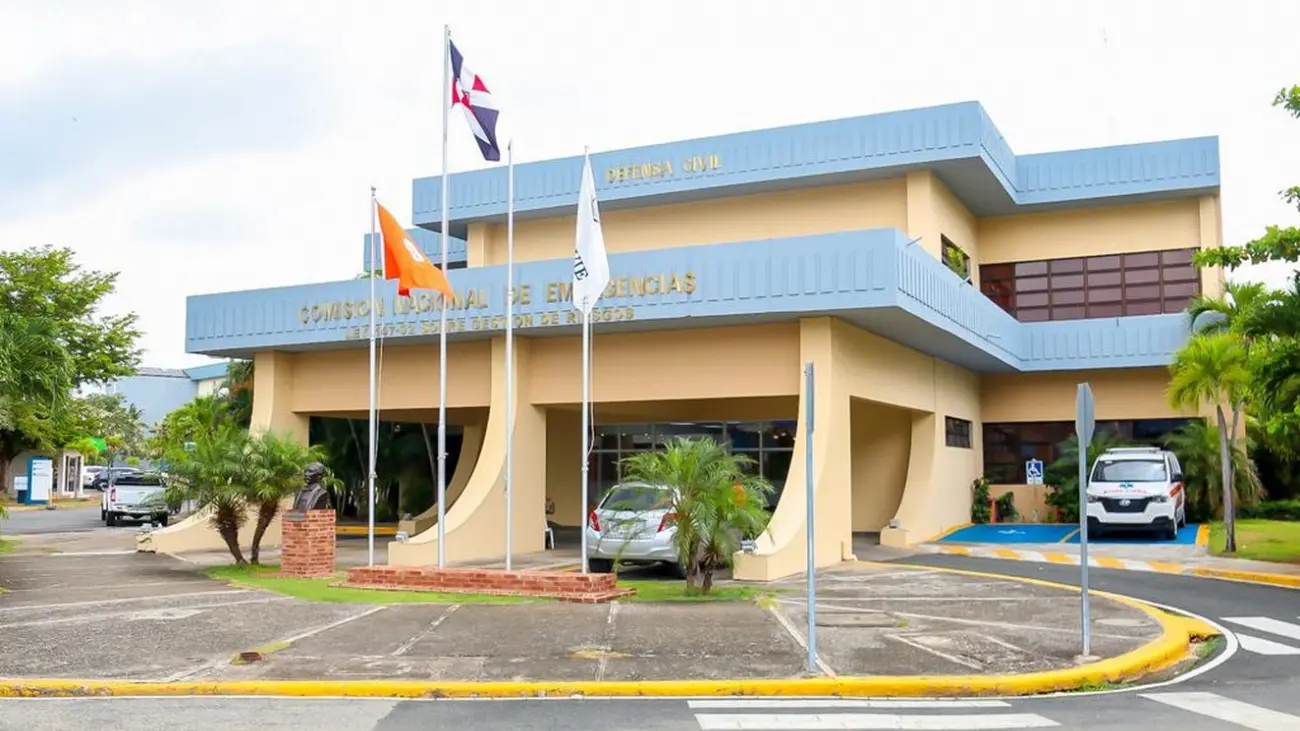
    Authorities in the Dominican Republic have activated emergency protocols following an official meteorological warning of dangerously deteriorating conditions along the nation’s extensive coastline. The Emergency Operations Center (COE) has declared a nationwide preventive alert after the Dominican Institute of Meteorology (Indomet) detected a rapid escalation in maritime turbulence affecting both the Atlantic and Caribbean coastal regions.

    Meteorological experts anticipate the severe weather system will persist for 24 to 48 hours, generating powerful wind currents and exceptionally hazardous wave patterns that pose significant risks to maritime activities. In response to the impending danger, the COE has implemented strict navigation restrictions along critical coastal segments.

    On the Atlantic front, vessel operations face complete suspension from Cabo Engaño in La Altagracia province to Cabo Francés Viejo in María Trinidad Sánchez. This prohibition specifically applies to small, fragile, and medium-sized watercraft, which must remain securely docked. Limited navigation privileges are maintained in other Atlantic zones, though operators must exercise extreme caution and remain within close proximity to shorelines.

    The Caribbean coast faces parallel restrictions, with mandatory suspensions enforced from Paraíso in Barahona to Isla Beata in Pedernales. This decisive action responds to monitored abnormalities in wave formations and sustained strong gusts that create potentially life-threatening conditions for maritime operators.

    Government agencies have intensified monitoring efforts through coordinated operations between COE and Indomet specialists. Officials emphasize the critical importance of heeding official communications and observing colored warning flags displayed at beach facilities nationwide. The public is advised that maritime conditions may undergo rapid, unpredictable changes throughout the alert period, requiring continued vigilance until official all-clear notifications are issued.

  • FLASH : Dismissal of the PM raises tensions between the international community and the CPT

    FLASH : Dismissal of the PM raises tensions between the international community and the CPT

    Haiti faces escalating political turmoil as the Presidential Transitional Council (CPT) has defiantly moved to dismiss Prime Minister Alix Didier Fils-Aimé, directly challenging pressure from the United States and other international partners. This controversial decision has triggered a significant diplomatic confrontation just weeks before the Council’s mandate expiration on February 7, 2026.

    The dismissal process encountered internal resistance from Laurent Saint-Cyr, the Council’s President pro tempore and Coordinator, who has blocked the resolution’s implementation. Saint-Cyr formally opposed what he characterized as “any resolution aimed at undermining governmental stability as February 7th approaches” in official correspondence to CPT members.

    The political drama intensified with the fluctuating position of Presidential Advisor Smith Augustin, who initially withdrew his signature from the dismissal resolution on January 21st, only to reverse course the following day and confirm his support for the Prime Minister’s ouster via WhatsApp message.

    International reaction has been swift and severe. The U.S. Embassy declared any government composition change by the non-elected CPT “null and void,” warning that supporters of such “disruptive steps” would be considered as “favoring the gangs” and acting against Haitian and international interests.

    The U.S. State Department’s Western Hemisphere Office delivered particularly harsh criticism, asserting that Haiti’s chronic instability stems from “corrupt Haitian politicians who use gangs and other armed groups to create chaos.” The statement explicitly labeled CPT members following this path as “criminals like the gangs they conspire with” rather than Haitian patriots.

    Canada expressed deep concern that replacing the Prime Minister would “weaken the stability and security of the country,” while the European Union, Germany, Spain, and France jointly warned that any leadership change would “jeopardize the encouraging momentum of the security forces against criminal gangs.”

    The United Kingdom similarly characterized the proposed government changes as “inopportune and destabilizing,” emphasizing that such moves would undermine security efforts precisely as the CPT’s mandate approaches expiration.

    This developing crisis represents a critical test for Haiti’s transitional governance amid ongoing security challenges and gang violence, with the international community presenting a united front against the CPT’s actions.

  • Argentinië verwelkomt eerste zending Chinese elektrische auto’s terwijl Trump dreigt met tarieven

    Argentinië verwelkomt eerste zending Chinese elektrische auto’s terwijl Trump dreigt met tarieven

    In a striking departure from its historically protectionist policies, Argentina has welcomed a massive shipment of 5,800 Chinese electric and hybrid vehicles, signaling President Javier Milei’s radical economic transformation. The BYD Changzhou cargo vessel docked at Zárate port in Buenos Aires on Tuesday after a 23-day journey from Singapore, marking a new era of trade liberalization under the libertarian leader.

    President Milei, despite his admiration for Donald Trump, has implemented policies diametrically opposed to the former US president’s protectionist stance. The Argentine government has significantly reduced import restrictions, lowered trade barriers, and streamlined customs bureaucracy. This dramatic shift has resulted in a record 30% surge in imports last year, primarily through Asian online retailers.

    The new regulatory framework permits up to 50,000 Chinese electric vehicles to enter Argentina duty-free this year—a remarkable change from the previous 35% import tariffs. This policy reversal represents one of the most significant economic transformations in the region, moving Argentina from one of Latin America’s most closed economies to an increasingly open market.

    Claudio Damiano, an expert from the National University of San Martin, emphasizes the symbolic importance of this shipment, noting that many observers are questioning how far this new economic direction will extend. The development occurs alongside pending free trade agreements between the EU and Mercosur, which would facilitate European industrial products’ access to South American markets. However, Damiano suggests European manufacturers cannot compete with Chinese pricing structures.

    Local automotive manufacturers and opposition figures have raised concerns about unfair competition from Chinese EVs. The Premier of Ontario province warned that the Canadian auto market could face significant pressure from this influx.

    Pablo Naya of Sero Electric, Argentina’s sole manufacturer of electric microcars, highlights infrastructure challenges: the country’s outdated energy grid remains unprepared for massive EV adoption, and dedicated service centers for maintaining Chinese vehicles are currently lacking.

    Despite these concerns, Naya acknowledges that domestic industry faces limited immediate threat but recognizes that future growth of Chinese EV imports could challenge local manufacturers as infrastructure and consumer demand develop.

    This strategic move positions Argentina toward a more open and dynamic economy, distancing itself from historical protectionist policies and reestablishing its role in global trade networks.

  • Guatemalan FM: ‘We Will Comply with ICJ Ruling

    Guatemalan FM: ‘We Will Comply with ICJ Ruling

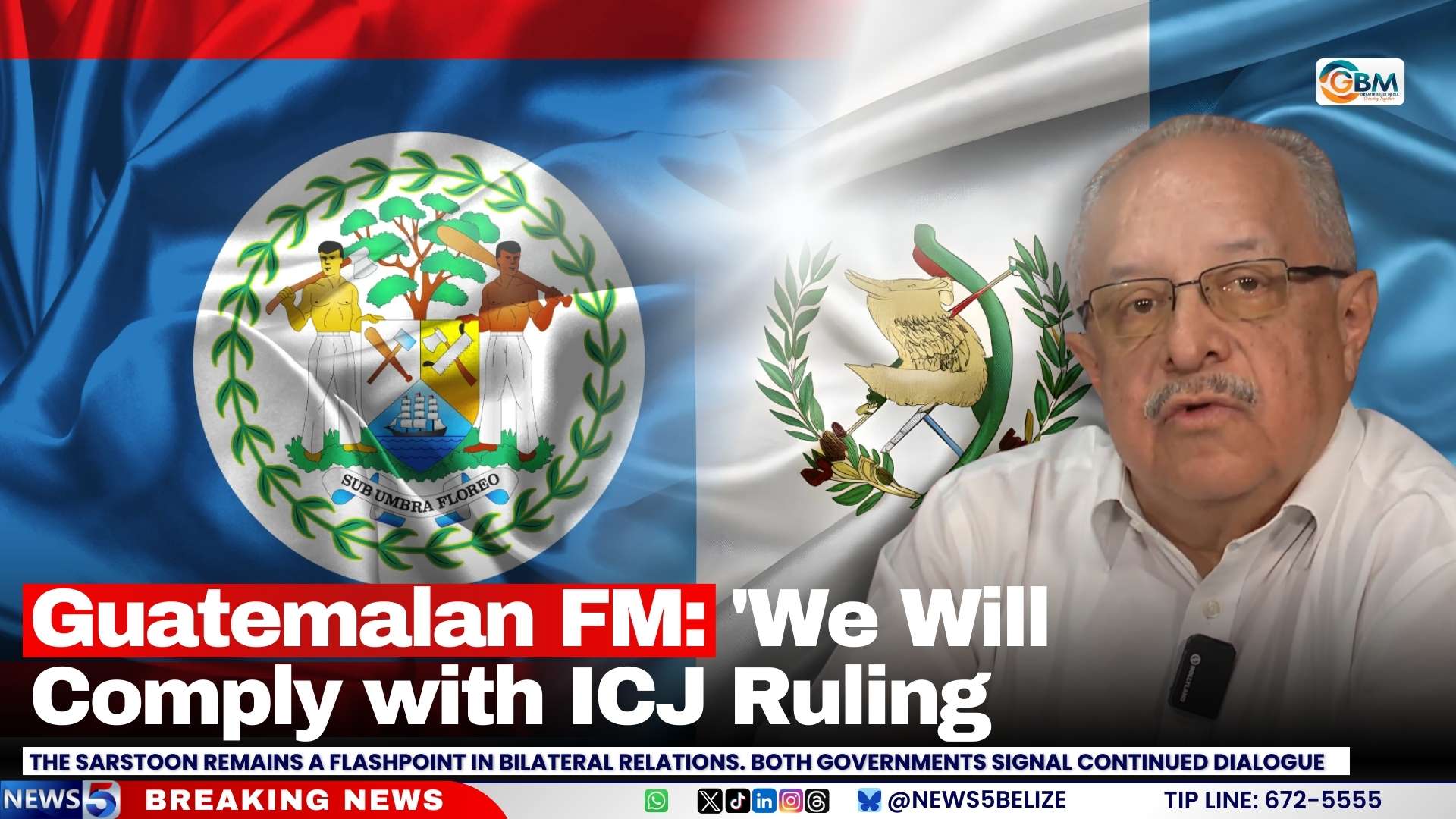
    In a definitive statement on international compliance, Guatemalan Foreign Minister Carlos Ramiro Martinez Alvarado has unequivocally committed to honoring the International Court of Justice’s forthcoming ruling regarding ongoing territorial disputes. The declaration came during high-level diplomatic engagements with the Organization of American States (OAS) on January 22, 2026.

    Minister Martinez Alvarado characterized Guatemala’s relationship with the OAS as fundamentally collaborative, emphasizing the nation’s steadfast dedication to international legal frameworks. When directly questioned about Guatemala’s position on the ICJ’s eventual decision, the Foreign Minister responded with an unambiguous affirmation: “With a firm ‘yes’, I respond to your question regarding our respect for the ICJ final ruling regardless of the outcome.”

    The diplomatic discussions also addressed documented military incursions along the contentious Sarstoon River border area, which remains a persistent flashpoint in regional relations. Minister Martinez Alvarado acknowledged that while some confrontational incidents have proven “unfortunately inevitable,” both neighboring nations have implemented concrete measures to de-escalate tensions throughout the disputed territory.

    “The primary objective remains reducing tension across the entire zone, including the Sarstoon River,” Martinez Alvarado stated, underscoring Guatemala’s commitment to diplomatic solutions despite periodic clashes. Both governments continue to signal their intention to maintain dialogue and adhere to established international protocols through the OAS framework, with the newly appointed OAS Secretary-General representative Francis Fonseca participating in the critical talks.

  • Police seek public’s help identifying person of interest

    Police seek public’s help identifying person of interest

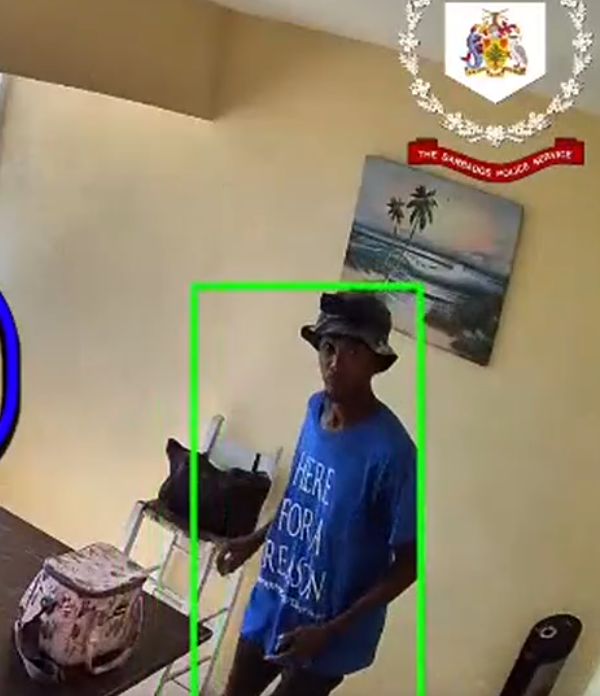
    Authorities in Barbados have initiated a public investigation appeal concerning an individual sought for questioning in relation to a significant criminal case. The Barbados Police Service has formally requested community assistance to both identify and locate this person of interest, who is connected to what officials have characterized as a serious criminal matter.

    Law enforcement agencies have provided multiple channels for information submission, encouraging citizens with relevant knowledge to come forward. The Criminal Investigation Department at the Hastings/Worthing Police Station can be reached at 430-7614 or 430-7219. For urgent police assistance, the emergency line 211 remains active, while anonymous tips can be directed to Crime Stoppers at 1-800-TIPS (8477).

    The appeal underscores the importance of community-police collaboration in resolving criminal investigations, with authorities emphasizing that any information, no matter how seemingly insignificant, could prove vital to their ongoing investigative efforts.

  • “Your Wings Were Ready”: A Mother’s Account of Love, Loss, and a Call for Change at the KHMH

    “Your Wings Were Ready”: A Mother’s Account of Love, Loss, and a Call for Change at the KHMH

    A Belizean mother’s devastating account of her newborn daughter’s tragic death has exposed critical systemic failures in neonatal healthcare, sparking urgent calls for medical reform. Joy’s brief life—born January 4, 2026—became a testament to extraordinary resilience and catastrophic resource shortages that ultimately proved fatal.

    Following Joy’s diagnosis with duodenal atresia—a intestinal blockage preventing milk digestion—she underwent successful surgery on January 6. However, the celebration was short-lived as cascading medical crises revealed the NICU’s alarming limitations. With no pediatric cardiologist available, an adult specialist performed an echocardiogram on January 12 that revealed both sepsis and two heart defects.

    The situation deteriorated critically when Joy’s platelet count plummeted to 27,000 on January 16 (normal range: 150,000-400,000), requiring immediate transfusion. Despite family purchasing emergency blood-giving sets, transfusions occurred without parental consent or notification. The crisis peaked when the blood bank closed during weekend critical hours, leaving no platelet access as Joy’s count dropped to 19,000 amid uncontrolled seizures.

    Though community donors responded overwhelmingly to public appeals for blood donations, the assistance arrived too late. Joy passed away on January 19 after suffering irreversible damage from unmet medical needs.

    Her mother’s testimony highlights multiple systemic failures: chronic specialist shortages, communication breakdowns, restricted visitation policies, and most critically—inadequate blood bank accessibility for emergency neonatal care. The account challenges healthcare authorities to implement 24/7 blood bank operations, guaranteed platelet supplies, and transparent communication protocols.

    The family expresses profound gratitude to medical staff who fought alongside them, community donors, and global supporters who surrounded Joy with love during her 15-day life. This tragedy now fuels a movement demanding that no other family endure preventable loss due to resource shortages.

  • UDP Hosts CDU Training to Strengthen Party Leadership

    UDP Hosts CDU Training to Strengthen Party Leadership

    The United Democratic Party (UDP) has successfully concluded a comprehensive training program in collaboration with the Caribbean Democrat Union (CDU), marking a significant step in its organizational strengthening efforts. The weekend initiative brought together party standard bearers, caretakers, Central Executive Committee members, and youth representatives for intensive capacity-building sessions.

    This training constitutes a strategic component of the UDP’s broader initiative to enhance its internal structure and fortify its position within Belize’s democratic landscape. Party leadership emphasized that the program directly supports ongoing efforts to revitalize, reform, and strategically reposition the organization to more effectively address the needs of Belizean citizens.

    The UDP extended sincere appreciation to its international partners, including the Caribbean Democrat Union, Westminster Foundation for Democracy, and the Leadership Institute, acknowledging their sustained collaboration in promoting democratic principles and leadership excellence throughout the region.

    Senior party figures underscored that a well-prepared, robustly organized UDP is fundamental to maintaining the vitality and integrity of Belize’s democratic system. The training focused on practical skills development, strategic planning, and reinforcing democratic values among party members at all levels.

  • Legal Year 2026 Officially Opens

    Legal Year 2026 Officially Opens

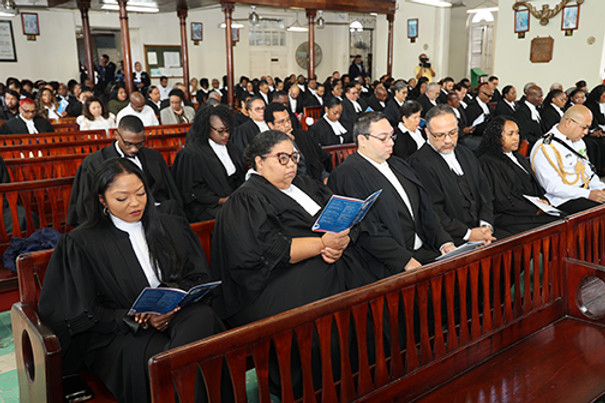
    Belize’s judicial leadership convened this week for the ceremonial inauguration of Legal Year 2026, gathering prominent figures including Governor-General Dame Froyla Tzalam, Cabinet Secretary Ambassador Stuart Leslie, and Attorney General Anthony Sylvestre. The event brought together judiciary members, legal practitioners, and court administrative staff in a formal proceeding that sets the judicial calendar’s commencement.

    Chief Justice Louise Esther Blenman delivered the keynote address, providing a comprehensive review of the judiciary’s 2025 accomplishments while mapping strategic priorities for the coming year. The address revealed significant progress in case resolution, with the Criminal Bar concluding 224 cases throughout the previous year.

    The judiciary’s modernization efforts featured prominently in the Chief Justice’s remarks. She disclosed that nineteen Practice Directions had been implemented to enhance operational efficiency and simplify legal procedures. These administrative improvements form part of a broader transformation initiative within Belize’s justice system.

    Justice Blenman outlined forthcoming developments including specialized training programs for both judges and attorneys, designed to enhance professional capabilities throughout the legal sector. Simultaneously, new regulatory frameworks are under development to improve the non-contentious administration of estates, addressing procedural gaps in estate management.

    The Chief Justice further emphasized critical needs for institutional strengthening, highlighting necessary improvements in court resources and infrastructure. This institutional enhancement represents a cornerstone of the judiciary’s ongoing commitment to accessible and efficient justice delivery for all Belizean citizens.

  • PayPulse 2025 Highlights Regional Salary Gaps in the Caribbean

    PayPulse 2025 Highlights Regional Salary Gaps in the Caribbean

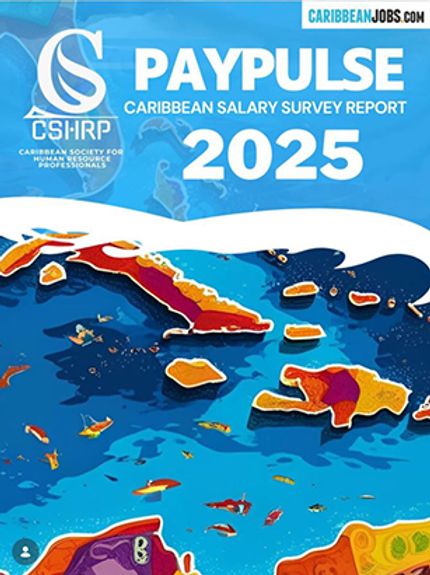
    A groundbreaking regional compensation study has exposed significant economic disparities throughout the Caribbean nations. The Caribbean Society for Human Resource Professionals (CSHRP) has published its fourth annual PayPulse survey, delivering the most comprehensive analysis to date of wage structures and cost-of-living challenges across the archipelago.

    The 2025 edition marks a substantial expansion in research scope, incorporating 206 survey responses from 119 organizations operating across 20 Caribbean territories. This represents a 48% response rate increase and more than doubles corporate participation compared to previous year’s data collection. The extensive research encompasses 137 distinct professional positions spanning 34 industrial sectors.

    This year’s report introduces an innovative Affordability Index metric that juxtaposes average monthly earnings against essential living expenditures—including housing, food, utilities, and transportation. An index score of 100% indicates earnings precisely meet basic subsistence requirements, while figures above or below this threshold denote varying degrees of financial comfort or strain.

    Geographical analysis reveals dramatic regional variations. Belize emerged with exceptional economic resilience at 233.99%, followed by Guyana (138.63%) and Grenada (136.56%). Moderate affordability characterized The Bahamas, Antigua and Barbuda, and Jamaica. Conversely, eight nations registered concerning scores below the sustainability threshold—Trinidad and Tobago, Barbados, Saint Lucia, and Aruba among them—where typical incomes fail to cover fundamental living costs.

    Compensation benchmarking demonstrated Antigua and Barbuda, St. Kitts and Nevis, and Belize offered the highest proportion of supra-market wages. Contrastingly, Trinidad and Tobago, Saint Lucia, and Guyana predominantly compensated below regional standards.

    Sectoral assessment identified Construction, Architecture, and Property as having the highest prevalence of sub-market remuneration packages. Hospitality, Tourism, and Catering sectors outperformed others in compensation competitiveness. Premium earning opportunities concentrated in Human Resources, Banking and Financial Services, alongside Hospitality and Tourism divisions.

    Recruitment metrics indicated most vacancies fill within three to eight weeks, though C-suite and specialized technology roles frequently require nine weeks or longer. Entry-level positions typically staff within three weeks.

    Executive leadership roles continued to dominate the compensation landscape, with Chief Executive Officers commanding highest regional remuneration, followed by Chief Operating Officers and Chief Financial Officers.

    Benefits analysis revealed health insurance and retirement plans as standard offerings for professional tiers, while perks like company vehicles and transportation allowances remained predominantly restricted to senior management.

    CSHRP emphasizes PayPulse 2025 delivers vital business intelligence for stakeholders across the economic spectrum—from HR professionals and employees to governmental policymakers—enabling evidence-based decisions amid evolving Caribbean economic conditions. The complete report is available for acquisition at www.cshrpteam.com.