博客

  • Urgent Search for Missing Canadian in PG

    Urgent Search for Missing Canadian in PG

    Authorities in Belize have launched an intensive investigation following the disappearance of Alfred Pliel, a 64-year-old Canadian national residing in Punta Gorda. The search operation entered its seventh day with growing concerns for Pliel’s welfare after his vehicle was discovered abandoned in the Toledo District town.

    According to Assistant Commissioner of Police Hilberto Romero, head of the National Crime Investigation Branch, Pliel had been living in the Indianville area for several months prior to his disappearance. The investigation began approximately one week ago when local authorities received reports that the Canadian expatriate had failed to appear at his regular dining establishment, triggering immediate concern among both law enforcement and community members.

    Police have conducted multiple interviews with individuals known to associate with Pliel, particularly those he frequently spent time with in Punta Gorda. Despite these investigative efforts, authorities confirm they have yet to establish any substantive leads regarding his current whereabouts or circumstances. ACP Romero specifically addressed and dismissed circulating rumors about the discovery of remains, clarifying that no evidence of foul play has been established at this stage of the investigation.

    The case has mobilized both official resources and community members in the southern region, reflecting the close-knit nature of the expatriate and local populations in the area. The Belize Police Department continues to pursue all available avenues in their search for the missing Canadian citizen, while urging anyone with potentially relevant information to come forward.

  • Former BTL Employees Renew Their Call for Justice

    Former BTL Employees Renew Their Call for Justice

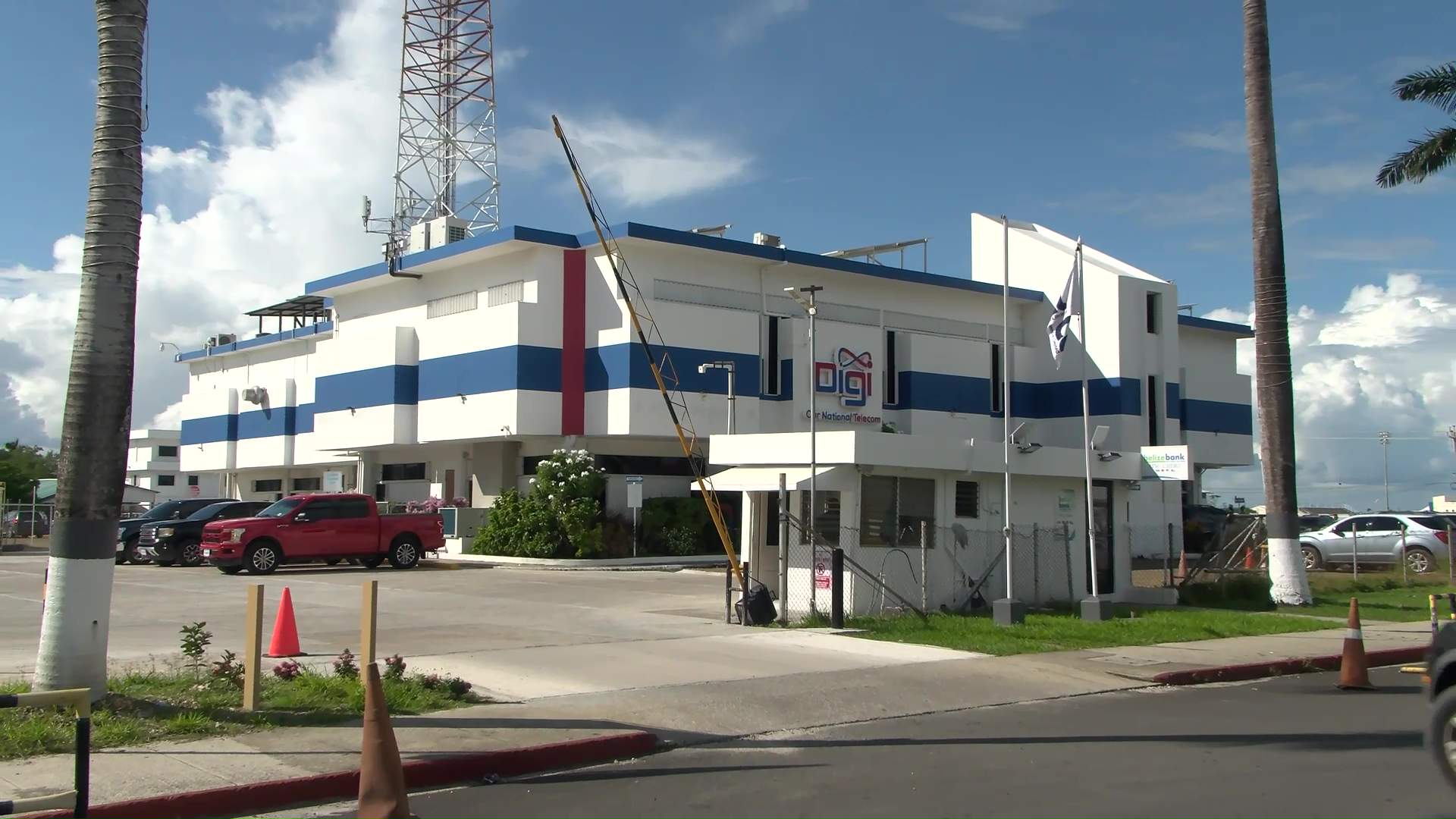
    A coalition of more than 130 former Belize Telemedia Limited (BTL) employees is intensifying its campaign for severance benefits allegedly withheld for years, now threatening public demonstrations if their demands remain unmet. The group, operating under the name Belize Communication Workers for Justice, has gained significant legal leverage following a landmark November ruling from the Caribbean Court of Justice (CCJ). The court determined that pension benefits cannot legally substitute for severance entitlements, effectively mandating compensation for hundreds of former telecommunications workers.

    The dispute centers on claims that BTL, Belize’s dominant telecommunications provider, systematically marginalized long-serving employees who helped build the nation’s telecom infrastructure. Former union leaders, including past presidents Paul Perriot and Emily Turner, have joined the growing movement, emphasizing that their pursuit is not a request but a demand for legally mandated compensation. Their position is strengthened by the CCJ’s judicial decision, which they assert leaves the company with no valid justification for further delay.

    Complicating the situation is BTL’s concurrent advancement of an $80 million acquisition plan for Speednet, a move that former employees cite as evidence of the company’s financial capacity to fulfill its obligations. The workers maintain that their fight transcends monetary compensation, representing broader issues of corporate accountability, workers’ rights, and respect for years of service. Ivan Puerto, a 20-year BTL veteran, articulated that the struggle is for dignity and recognition of contributions made by himself and colleagues facing post-employment hardships.

    The group has announced plans to outline specific escalation strategies, including potential marches on BTL’s corporate headquarters on St. Thomas Street, should management continue to disregard both their demands and the CCJ ruling. This developing situation highlights ongoing tensions between corporate interests and worker rights in Belize’s evolving telecommunications sector.

  • RUSAL returning to Guyana

    RUSAL returning to Guyana

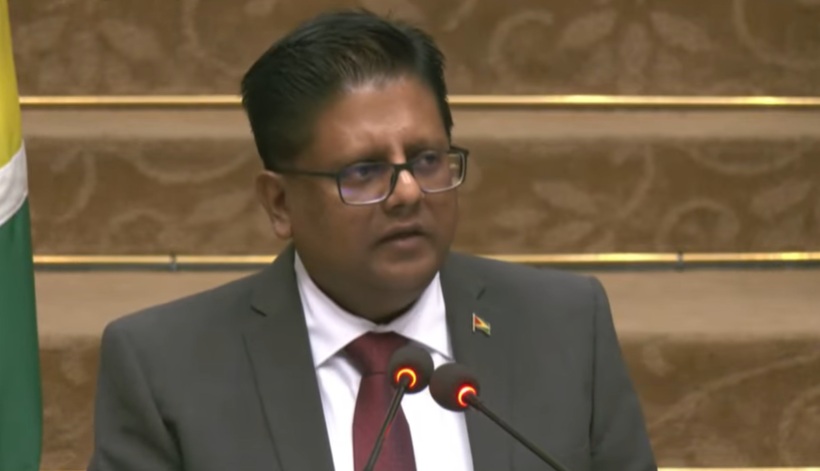
    In a significant development for Guyana’s mining sector, Russian aluminum giant RUSAL has finalized arrangements to restart bauxite mining operations in the Upper Berbice region after a six-year absence prompted by a severe industrial dispute. The announcement came during Finance Minister Dr. Ashni Singh’s 2026 national budget presentation, where he revealed that the government had reached an agreement with the company “a few days ago” to commence preparatory works this year.

    Minister Singh stated that throughout 2026, the operator will progress work to restore all critical systems to enable safe and reliable production resumption. Natural Resources Minister Vickram Bharrat corroborated the news, confirming to Demerara Waves Online News that the returning company is indeed RUSAL, which had previously withdrawn its machinery and equipment from Aroaima following violent labor unrest.

    The original dispute erupted when RUSAL dismissed over 100 workers after failing to obtain duty-free concessions on fuel, sparking strikes that escalated into boat blockades and property destruction. The Guyana Bauxite and General Workers Union (GBG&WU) had initially advocated for RUSAL’s complete departure from Guyana rather than continued operation amid alleged workers’ rights violations.

    The company’s 2020 closure had ripple effects across the supply chain, including the withdrawal of German shipping firm Oldendorff, which had been responsible for transshipping bauxite to stockpile vessels near the Atlantic Ocean for loading onto international cargo ships. The return of RUSAL signals potential economic reactivation for the region’s mining-dependent communities, though it remains to be seen how labor relations will evolve following the previous contentious departure.

  • UEH : Launch of the Master’s Program in Public Policy Analysis

    UEH : Launch of the Master’s Program in Public Policy Analysis

    In a landmark advancement for Haitian higher education, the State University of Haiti (UEH) inaugurated its pioneering Master’s program in Public Policy Analysis with specialization in Economics and Finance (MAPPEF) on January 23, 2026. This strategically developed graduate program emerges as an institutional response to Haiti’s pressing governance challenges and represents a concerted effort to bolster national economic management capabilities.

    Developed through intensive collaboration between UEH’s Faculty of Law and Economic Sciences (FDSE) and Haiti’s Ministry of Economy and Finance (MEF), the two-year curriculum comprises four semesters of rigorous study. The program’s core mission centers on cultivating expertise in designing, implementing, and evaluating socio-economic public policies—addressing what university leadership identifies as a critical barrier to national development.

    UEH Rector Dieuseul Prédélus emphasized the program’s significance beyond conventional academic boundaries, characterizing it as a direct intervention in Haiti’s development emergency. ‘The absence of coherent and properly assessed public policies constitutes a fundamental impediment to Haiti’s progress,’ Prédélus stated, underscoring the program’s practical orientation.

    Amid multidimensional national crises, MAPPEF aims to produce highly skilled professionals capable of converting political objectives into tangible outcomes that promote inclusive economic growth and poverty reduction. Faculty Dean Jean Eugène Pierre-Louis highlighted the program’s role in countering brain drain by creating a talent reservoir for Haitian public administration.

    Program graduates will be positioned for strategic roles within key governmental institutions including the Prime Minister’s Office, Ministry of Economy and Finance, Ministry of Planning and External Cooperation, and the Bank of the Republic of Haiti, alongside opportunities in international organizations and consulting firms.

    Academic coordinator Professor Luc Dieubénite Alexis detailed the program’s structure: 60 credits distributed across 14 specialized modules, complemented by two professional internships and a culminating thesis. The hybrid delivery format combines in-person and online instruction, employing innovative pedagogical approaches including flipped classrooms, case studies, and adult learning methodologies.

    The initiative extends beyond national borders through prospective partnerships with the University of the French West Indies and the CEDIMES international research network, ensuring both global recognition and maintained academic excellence.

  • Speed governors, designated parking for trucks this year – finance minister

    Speed governors, designated parking for trucks this year – finance minister

    In a comprehensive move to enhance roadway safety, Guyana’s Finance Minister Dr. Ashni Singh unveiled a multi-faceted infrastructure initiative during Monday’s 2026 national budget address to the National Assembly. The centerpiece involves the procurement and installation of 8,000 speed governors on commercial trucks throughout the country, designed to mechanically restrict vehicle speeds and reduce accidents.

    The ambitious program extends beyond speed regulation to address persistent parking challenges. Minister Singh announced plans to construct dedicated parking facilities specifically for heavy-duty vehicles, with initial sites capable of accommodating over 390 trucks. This measure directly targets the longstanding issue of large vehicles parking along public roadways, which has contributed to traffic congestion and safety hazards.

    Complementing these physical interventions, the government will implement a sophisticated automated enforcement system. The integrated safe road intelligence network will utilize advanced camera technology and radar speed detection equipment to enable real-time offense identification and automated citation issuance. This technological approach represents a significant modernization of Guyana’s traffic management capabilities, moving from manual enforcement to continuous electronic monitoring.

    The coordinated strategy addresses both behavioral and infrastructural aspects of road safety, representing one of the most comprehensive transportation safety initiatives recently undertaken by the Guyanese government. The measures respond to growing concerns about commercial vehicle operations and their impact on public safety and traffic flow across the nation’s transportation network.

  • Belize City Mayor Defends Salary Increase Request

    Belize City Mayor Defends Salary Increase Request

    A contentious proposal to raise compensation for Belize City’s mayor and councilors has been formally rejected by the national government, maintaining current salary levels amid growing economic pressures. The request, initially submitted in 2025, represented the council’s effort to align municipal compensation with industry standards following an extensive external review.

    Mayor Bernard Wagner defended the proposal, explaining that the initiative stemmed from a comprehensive analysis conducted by consulting firm Salient Group in 2024. The study revealed significant disparities between municipal employees and their private sector counterparts, particularly in positions involving janitorial services, grounds maintenance, and public space management. Following these findings, the council implemented substantial raises for lower-tier staff as part of a new collective bargaining agreement ratified in 2025.

    The proposed raises for elected officials marked the next phase of this compensation restructuring effort. Council members conducted comparative research examining remuneration packages in similar municipalities and industries, concluding that their current compensation lagged considerably behind comparable positions.

    However, the timing of the request drew sharp criticism from Opposition Leader Tracy Taegar-Panton, who characterized it as ill-considered given current economic challenges including rising living costs and increased property taxes. Ultimately, Prime Minister Dean Barrow’s administration exercised its statutory authority to block the salary adjustments, leaving the compensation structure unchanged for Belize City’s leadership team.

    The rejection highlights ongoing tensions between municipal and national governments regarding fiscal autonomy and resource allocation, particularly during periods of economic constraint.

  • New tax regime for vehicles, outboard engines

    New tax regime for vehicles, outboard engines

    In a significant economic policy shift, Guyana’s Finance Minister Dr. Ashni Singh unveiled substantial tax reductions and eliminations across multiple vehicle categories and marine propulsion systems on Monday, January 26, 2026. The comprehensive fiscal reforms introduce a simplified tax structure for double-cab pickup trucks, with a flat levy of GY$2 million applied to models under 2,000 CC regardless of age, while units between 2,000 CC and 2,500 CC will attract a GY$3 million charge. The government has further eliminated Value Added Tax (VAT) on conventional vehicles below 1,500 CC that are less than four years old, extending similar VAT exemptions to hybrid vehicles under 2,000 CC. In a move to boost recreational and industrial mobility, all import duties and taxes have been abolished for All-Terrain Vehicles (ATVs) without usage restrictions. Additionally, marine operators will benefit from complete tax removal on outboard engines with capacities up to 150 Horsepower, signaling support for Guyana’s maritime and fishing industries. These measures represent a strategic recalibration of the nation’s fiscal policy aimed at stimulating transportation sectors and reducing operational costs for businesses and consumers alike.

  • Belize City Youth Shadow Councilors Visit Sister City Miramar

    Belize City Youth Shadow Councilors Visit Sister City Miramar

    In a significant stride for international youth development, Belize City has dispatched two promising young leaders to Miramar, Florida, for an immersive governance exchange program. Youth Shadow Councilors Sanaa Rowland and Arthur Butler, accompanied by Councilor Stephanne Hamilton who oversees Sister City Relations, arrived on Saturday to participate in a meticulously curated week-long agenda focused on municipal governance.

    The delegation received formal welcoming ceremonies from Miramar Mayor Wayne Messam and his executive team on Monday morning, marking a substantial advancement in the bilateral partnership between the coastal municipalities. This exchange program represents a cornerstone initiative within the broader sister city framework established between Belize City and Miramar.

    Belize City Mayor Bernard Wagner provided exclusive insights into the program’s strategic importance, highlighting the comparable demographic scales between the two cities—approximately 150,000 residents in Miramar versus 70,000-80,000 in Belize City—which creates unique synergies for mutual learning. The partnership framework specifically prioritizes economic development, cultural exchanges, and youth development initiatives.

    The Youth Shadow Councilors’ itinerary includes observational sessions at Miramar’s city council meetings, comprehensive briefings with both fire and police departments—unlike Belize City’s structure, Miramar’s municipal government maintains direct oversight of these services—and evaluations of recreational facilities and youth programming. This hands-on exposure aims to provide the young Belizean representatives with practical insights into alternative models of civic engagement and community development.

    Mayor Wagner emphasized the program’s role in fostering sustainable international relationships while providing transformative professional development opportunities for the next generation of Belizean leadership. The exchange represents a significant investment in cross-cultural understanding and the development of practical governance skills among youth participants.

  • US President Trump pulls immigration chief out of Minnesota after second fatal ICE shooting

    US President Trump pulls immigration chief out of Minnesota after second fatal ICE shooting

    MINNEAPOLIS – The Trump administration has initiated a comprehensive review of law enforcement protocols following the second fatal shooting of a U.S. citizen by federal agents in Minneapolis within weeks. The latest incident occurred Saturday when Border Patrol agents shot and killed Alex Jeffrey Pretti, an intensive-care nurse, during an altercation that has generated conflicting accounts between federal and local authorities.

    Federal officials, including Homeland Security Secretary Kristi Noem, assert that Pretti was ‘brandishing’ a firearm, justifying the use of lethal force. However, Minneapolis officials and video evidence analyzed by The New York Times suggest Pretti was holding a mobile phone rather than a weapon when agents opened fire. The Times’ forensic analysis indicates no visual evidence of Pretti drawing a weapon before being pinned on the sidewalk.

    Pretti’s family confirmed he legally owned a handgun with a concealed carry permit, though they stated he was not known to carry it regularly. Minnesota law permits public carrying of firearms with proper authorization, adding complexity to the jurisdictional dispute.

    The incident has exposed deepening tensions between state and federal enforcement agencies. President Trump acknowledged the conflict following a conversation with Governor Tim Walz, noting they were ‘on a similar wavelength’ regarding resolution strategies. In response, the administration announced the reassignment of Customs and Border Patrol leadership from Minnesota, with veteran official Tom Homan appointed to oversee operations.

    This shooting follows the January 7th death of Renee Good, another Minneapolis resident fatally shot by immigration agents during an attempted departure from a scene. The back-to-back incidents have intensified scrutiny of federal law enforcement tactics and intergovernmental coordination in immigration enforcement operations.

  • Duartian Institute unveils first equestrian statue of Juan Pablo Duarte

    Duartian Institute unveils first equestrian statue of Juan Pablo Duarte

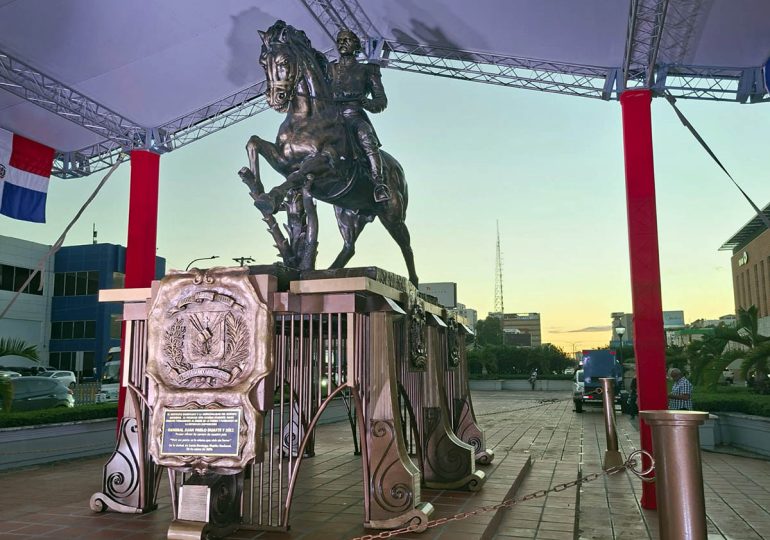
    Santo Domingo witnessed a historic civic celebration on Monday, January 26th, as the Duartian Institute unveiled the nation’s inaugural equestrian statue honoring Juan Pablo Duarte, founding father of the Dominican Republic. The ceremony formed a centerpiece of the nationwide observances marking the 213th anniversary of Duarte’s birth.

    Strategically positioned at the convergence of 27 de Febrero, Winston Churchill, and Comandante Jiménez Moya avenues, the monument now stands as a permanent fixture within one of Santo Domingo’s most frequented urban corridors. Wilson Gómez Ramírez, President of the Duartian Institute, presided over the unveiling and articulated the profound significance of the installation. He emphasized that the statue transcends mere artistic merit, serving instead as a powerful tribute to Duarte’s foundational military leadership as the first General-in-Chief of the Dominican armed forces.

    The dynamic depiction of Duarte astride his horse is richly symbolic, representing his enduring patriotic mission that traversed the nation. This representation is designed to reinforce core national values of sovereignty, courage, and unwavering determination. Gómez Ramírez further highlighted that the statue’s prominent placement amplifies the patriotic essence of 27 de Febrero Avenue, ensuring his legacy engages with thousands of citizens navigating this central hub daily.

    Crafted by renowned sculptor Yussep García, the monument utilizes stainless steel and epoxy resin to capture a vision of progress, foresight, and leadership—the very principles that defined Duarte’s legacy. The inauguration ceremony was conducted with full military honors and featured cultural artistic performances, attended by government officials, institute members, and the general public.

    This unveiling constituted a key element of an extensive commemorative agenda, which also included ceremonial flag raisings, floral tributes at significant national monuments, a solemn mass, and a series of parallel activities organized both domestically and within Dominican communities abroad.