博客

  • Openbaar Ministerie doet Red Notice aanvraag bij Interpol voor Torilal, had laatste contact met Leysner

    Openbaar Ministerie doet Red Notice aanvraag bij Interpol voor Torilal, had laatste contact met Leysner

    More than a month after local businessman Rodney Leysner vanished without a trace in Suriname, authorities have formally submitted an international manhunt request to Interpol targeting Ryan Kenneth Torilal, the primary fugitive suspect linked to his disappearance, newly obtained court documents show. Starnieuws gained full access to the request filed by Surinamese law enforcement, which lays out the key evidence pointing to Torilal’s alleged connection to the case.

    According to the case file, Leysner left his residence in his white Kia Sorento on Saturday, 15 August. By mid-afternoon that same day, family members, associates and colleagues lost all contact with him, both by phone and in person. The following day, 16 August, a co-director at Leysner’s company Rudisa N.V. filed an official missing person report with police.

    Investigative findings outlined in the Interpol request confirm that Leysner was in Torilal’s company shortly before his last recorded phone contact. The document does not detail who Leysner spoke to in that final call or what was discussed during the conversation.

    A critical piece of evidence in the investigation is Leysner’s missing Kia Sorento. Investigators later recovered the vehicle burned, crushed by an excavator, and buried on a plot of land located along the East-West Connection at kilometer 74 in Suriname’s Saramacca district. The Interpol document explicitly states that the plot was under the management or control of Torilal, though it does not claim Torilal is the formal owner of the land. Police previously announced the discovery of the vehicle, but the new request formally links the burial site to the fugitive suspect for the first time.

    Surinamese authorities have identified four total suspects in the case to date. Three have already been taken into custody and are being held pending legal proceedings following coordination with the Public Prosecution Service. Torilal, identified as the main suspect, has not been located since he was first flagged as a person of interest.

    Suriname’s Prosecutor General Garcia Paragsingh issued an arrest warrant for Torilal on 26 August. At that time, police already announced that Torilal faces charges including participation in a criminal organization, murder, manslaughter, aggravated assault resulting in death, and unlawful deprivation of liberty, alongside multiple counts of aiding and abetting criminal activity. The Interpol request notes that Torilal is being sought for prosecution, and that a conviction on the listed charges could carry a maximum sentence of life imprisonment. Importantly, the listing of charges does not constitute a formal finding of guilt at this stage of the proceedings.

    Law enforcement officials believe Torilal may have left Suriname via illegal border crossings. The document names Guyana and Brazil as potential countries he may have traveled to, though it stresses this does not confirm he is currently located in either nation.

    Torilal is described in the request as 42 years old, approximately 1.79 meters tall, of solid build, with black hair and dark eyes. Authorities have repeatedly warned that he is considered armed with firearms, dangerous, and highly likely to attempt to flee capture.

    Suriname’s request asks Interpol to issue a Red Notice to locate and detain Torilal ahead of extradition proceedings. The request notes that formal extradition requests will be submitted following his arrest, in line with applicable national laws and relevant bilateral or multilateral treaties. It also requests that any detention be processed as a request for provisional arrest. Suriname has authorized the public release of information from the request to increase the chances of a speedy arrest.

    The request carries an official Interpol reference number and is dated 17 September 2026, the date it was submitted for international distribution. As of 18 September, Interpol has not yet announced whether it will approve the request. It should be noted that an Interpol Red Notice is not an international arrest warrant, but rather a global request to locate a person and place them in provisional detention pending further legal action.

    To date, Torilal’s whereabouts remain unknown. Leysner also has not been found more than a month after his disappearance. Search operations using specially trained search dogs did not recover Leysner’s body, but police confirmed the operation turned up relevant evidence that will support ongoing criminal investigations.

  • Pilot Howell Grange Honoured as a Belizean Patriot

    Pilot Howell Grange Honoured as a Belizean Patriot

    As part of Belize’s 2026 Independence Day celebrations, a quick-thinking pilot who saved 15 lives during a deadly mid-air hijacking has been formally honored as a national patriot, cementing his place in the country’s recent history of extraordinary courage.

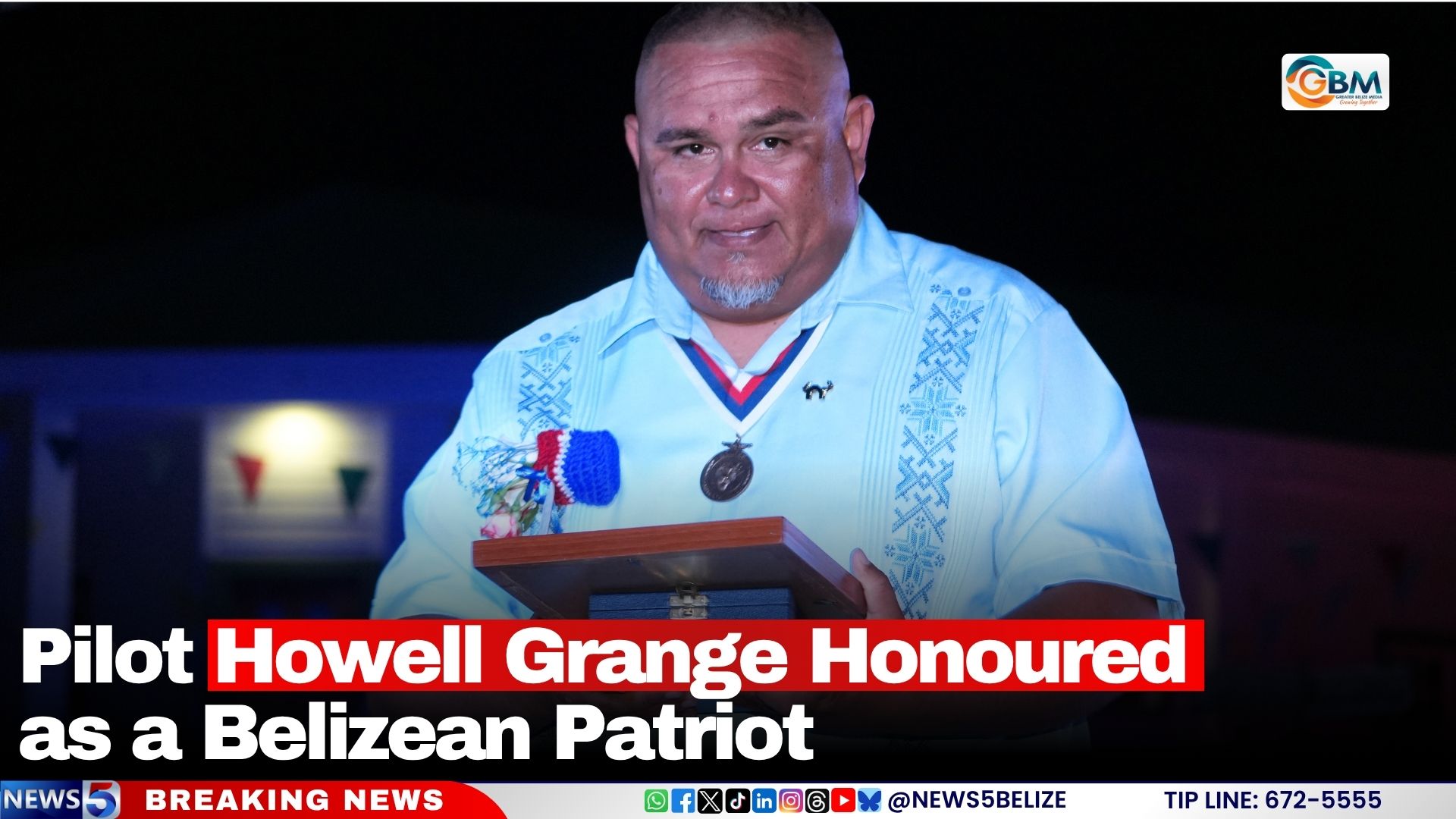
    On Thursday evening at the Tribute to Belizean Patriots ceremony, held along the waterfront beside the iconic Swing Bridge in Belize City, pilot Howell Grange joined 24 other distinguished Belizeans to receive one of the nation’s highest recognitions for bravery. Before a crowd of onlookers and fellow honorees, Governor General Froyla Tzalam placed the Medal of Valor around Grange’s neck as the audience erupted in sustained, thunderous applause.

    Grange’s act of heroism dates back to April 17 of the previous year, when he was operating a routine commercial flight for Tropic Air: a Cessna Caravan service transporting 14 passengers from Corozal to the popular island destination of San Pedro. Mid-flight, 49-year-old Akinyela Sawa Taylor, a U.S. military veteran, stormed the cockpit and seized control of the aircraft at knifepoint, triggering a terrifying crisis hundreds of feet above Belize’s coastline.

    In the face of imminent death, Grange never lost his composure. As the event’s award presenter noted during Thursday’s ceremony, Grange remained steady even under extreme duress: facing a direct threat to his own life, enduring a physical assault, and seeing his passengers attacked by the hijacker. Rather than panicking, he methodically developed a plan to divert the aircraft, executing a safe emergency landing at Philip Goldson International Airport that gave all on board a chance at survival.

    The ordeal did not end when the wheels touched the tarmac, however. During the hijacking, Grange and two passengers — Fitzgerald Brown and Jair Castañeda — were stabbed by Taylor. Moments after the plane landed, a passenger on board fatally shot Taylor to stop further violence.

    Grange was rushed to a local hospital in critical condition in the days following the attack, and spent months recovering from the serious wounds he sustained during the incident. On Thursday, he stood to accept his award, marking a full milestone in his journey from trauma to national recognition.

    In remarks framing the honor, the ceremony presenter highlighted that Grange’s calm, deliberate action under unthinkable pressure is what made his actions singularly heroic. “Despite all the adversity, despite everything that went on, despite the threat on his life, despite attacked physically, despite his passengers being attacked, he was able to keep a level head and come up with a plan,” the presenter said. “I think that is really what separates what happened that day and makes it so heroic.”

  • School of Agriculture and Culinary Arts shortlisted in regional competition

    School of Agriculture and Culinary Arts shortlisted in regional competition

    Students and faculty at the Saint Lucia TVET Institute’s School of Sustainable Agriculture and Culinary Arts are celebrating a notable milestone, after their submission was selected as one of 24 shortlisted entries for a landmark regional video competition organized by the Caribbean Community (CARICOM).

    Launched last month with a submission deadline of September 11, the *I Am Agriculture: Youth in Agriculture High School Video Competition* was created to reframe public perceptions of the agricultural sector across the Caribbean. Backed by the Food and Agriculture Organization (FAO), the initiative operates on a core belief: agriculture extends far beyond traditional farming. It is the backbone of regional food security, employment, innovative enterprise, community cohesion, and long-term sustainable development for Caribbean nations.

    Organizers note that young people across the region carry unique perspectives, personal stories, and on-the-ground experiences that can help reintroduce agriculture to modern audiences in a fresh, relatable light. The competition invited high school-aged participants from across CARICOM member states to leverage digital creativity and personal storytelling to share what agriculture means to them, their local communities, and the broader Caribbean region.

    After reviewing hundreds of submissions from across the bloc, judges selected just 24 entries to advance to the public voting round, with Saint Lucia earning only one spot: the submission from the TVET Institute’s School of Sustainable Agriculture and Culinary Arts.

    For the small institution, the shortlisting is far more than a competition nod—it is a win for the entire local agricultural community and Saint Lucia as a whole, according to Lesha Gustave, an agriculture instructor at the school. Speaking with local outlet St Lucia Times, Gustave shared the last-minute, organic origins of the winning submission that almost never happened.

    “Our team first heard about the competition over summer break, and we toyed with the idea of joining, but once the new school term started, we worried we wouldn’t have enough time to pull a polished project together,” she explained. That changed just days before the September 11 deadline, when Gustave was working with students on the school’s farm and struck up a conversation with Kellia Emmanuel, a student with combined interests in agriculture and culinary arts who aspires to become a professional chef.

    When asked what drew her to agriculture, Emmanuel began sharing enthusiastic, thoughtful insights off the cuff—and Gustave knew they had their narrative. “We wrote down what she said, tweaked it slightly, recorded her thoughts that day, and then stayed after school until 9 p.m. the next day editing the final cut,” Gustave recalled, adding that the tight turnaround for post-production made the project the most challenging, and rewarding, the team had worked on in recent memory.

    The news of their shortlisting came as a thrilling surprise for the entire team. Now, Gustave is calling on all Saint Lucians, from students and parents to community members across the island, to support the entry by voting. Voting is conducted via the CARICOM Caribbean Facebook page, where voters can like the Saint Lucian entry to cast their ballot, and share the submission link with their personal networks. The direct link to the video is available at https://www.facebook.com/share/v/1DdeVmkSr2/.

    Voting will close on Monday, September 21, 2026. The overall winner of the competition will be awarded a US$1,700 cash prize during the 20th Caribbean Week of Agriculture, scheduled to take place in Jamaica from September 27 to October 2, 2026. The winning entrant will also take on the role of CARICOM Youth in Agriculture Ambassador for a full year, representing young agricultural innovators across the region. The Saint Lucia team is urging community members to cast their vote before the deadline to help bring the prize and recognition home.

  • Rising Riddims: A New Spin on Belizean Sounds

    Rising Riddims: A New Spin on Belizean Sounds

    As local creators push to reimagine Belize’s rich musical heritage for a new generation, the innovative *Rising Riddims* project is bringing its genre-bending fusion sounds to audiences across two major Belizean cities this weekend. What began as a collaborative experiment back in May 2025 is now ready for public showcase, with two consecutive nights of free live performances that celebrate the evolution of Belizean rhythm.

    The project kicks off on the evening of September 18 at Orange Walk’s Banquitas House of Culture, running from 7 p.m. to 10 p.m. The collective will then travel south to Belize City’s House of Culture for a second show on September 19, held during the same evening hours. Entry to both performances is completely free, designed to make the new experimental work accessible to as many local listeners as possible.

    Helmed by producer Deron Thompson of the Belize Sound Syndicate, *Rising Riddims* centers on a core creative mission: blending time-honored Belizean musical traditions with contemporary global genres to craft entirely new, distinct sounds. Thompson describes the work as intentionally experimental, with the collective already developing two fully realized original styles under the project umbrella: xPunta and Boom & Chill.

    Breaking down the xPunta sound, Thompson explains the genre layers driving four-on-the-floor house music beats and edgy alternative production over the backbone of traditional punta rhythm. For Boom & Chill, the team draws inspiration from the local Boom & Chime style, integrating iconic traditional instruments—including the percussive jawbone and boom drum—with modern harmonic progressions that resonate with contemporary listeners. Thompson notes the resulting sound carries a laid-back dancehall energy that also accommodates reggaeton flows, resulting in something that cannot be mistaken for any existing genre.

    Artist Seth Cambranes, who performs under the stage name Flayed Lotus, emphasizes that the project prioritizes collaboration between creators from every region of Belize. The performance lineup for the weekend showcases this wide-ranging collaborative spirit, featuring Flayed Lotus alongside a diverse roster of local talent including Xhaba, Bad Bwau, Mocha, Stina, Viv and more.

    For Cambranes, the project’s creative approach is rooted in respect for Belize’s existing musical identity, rather than attempts to overhaul it. “A lot of our music is very rhythm-based,” he explained. “We’re not removing anything, we’re just adding to it. We’re only adding to the rhythms that we have.”

    DJ and producer Kristopher Arnold, another core member of the collective, says the project does more than create new music—it opens a path for Belizean sounds to connect with younger audiences and grow beyond the country’s current local industry. Arnold says he holds a clear long-term vision for the movement: “I personally see a vision of this music going places, taking Belize’s music industry a little bit further than it is at the moment.” Beyond just creating new genre labels, Arnold says the fusion approach injects fresh, youthful energy into traditional Belizean sounds that can resonate with listeners both at home and abroad.

    For Thompson, *Rising Riddims* is more than just a series of performances—it is part of a broader push to nurture original creativity across Belize’s music scene. The end goal, he says, is to cultivate a truly distinct Belizean fusion sound that gives local creators the platform to share their work with global audiences far outside the country’s borders.

  • Chaneil Imhoff Begins First GOHETD Assignment at CARICOM Reparations Conference

    Chaneil Imhoff Begins First GOHETD Assignment at CARICOM Reparations Conference

    A new chapter in global advocacy for reparatory justice has opened in Barbados, where Antiguan and Barbudan advocate Chaneil C. Imhoff is carrying out her inaugural appointment as GOHETD’s Ambassador to the Caribbean at the Third CARICOM Regional Conference on Reparations. Running from September 17 to 19, 2026, at the Wyndham Grand Barbados Sam Lord’s Castle Resort, the conference gathers policymakers, activists and community leaders under the unifying theme: “Reparatory Justice as the Coming Enlightenment.”

    Hosted by the Government of Barbados and the Barbados Reparations Task Force, the event is coordinated jointly by the Caribbean Community (CARICOM) Secretariat and the CARICOM Reparations Commission, marking the third regional gathering of its kind following earlier conferences in St. Vincent and the Grenadines (2013) and Antigua and Barbuda (2014). The high-profile opening dialogue on the global reparatory justice movement, held September 18, was moderated by CARICOM Secretary-General Dr. Carla Barnett, and featured a lineup of prominent contributors ranging from Barbados Prime Minister Mia Mottley and CARICOM Reparations Commission chair Professor Sir Hilary Beckles to St. Vincent and the Grenadines Prime Minister Dr. Ralph Gonsalves, Colombian Vice President Francia Márquez, and UK Member of Parliament Bell Ribeiro-Addy.

    In reflections on the opening proceedings, Imhoff highlighted two core messages that anchored the conference discussions: the centrality of development that transforms the lived circumstances of marginalized communities affected by colonialism and chattel slavery, and the urgent need to turn broad moral consensus around reparations into coordinated, tangible action. Among her key takeaways from early conversations were the critical need for deeper collaboration between Caribbean nations, African governments and the global African diaspora, long-overdue recognition of the decades-long advocacy work carried out by the Rastafari community in the reparations movement, and the inherent intersection between reparatory justice for historical harm and modern demands for climate justice.

    Imhoff’s session notes captured several practical, actionable proposals put forward during conference discussions. These include the establishment of national technical teams composed of historians and economists to document the specific harms inflicted by colonialism and slavery, and to develop clear, evidence-based reparation demands. Participants also discussed launching a global public petition to mobilize widespread grassroots support for the movement. Imhoff emphasized that both national governments and major global institutions, including Christian churches, carry unique responsibilities to advance meaningful repair, while noting that Caribbean communities must lead their own work toward self-reparation.

    “Reparatory justice must translate into changes that people can see and experience in their daily lives,” Imhoff stated in an interview following the opening sessions. “That includes expanded access to quality education, the protection of our shared cultural heritage, and giving communities an meaningful seat at the table when decisions about regional development are made. These priorities align directly with the mission and work I advance through GOHETD.”

    The conference’s opening day featured a diverse slate of thematic sessions beyond the opening plenary. A keynote plenary on Pan-African reparations jurisprudence delivered by Dr. Panashe Chigumadzi was moderated by Professor Verene Shepherd, with Ulele Burnham serving as official respondent. The first breakout roundtable centered on Indigenous rights, formal recognition, and resettlement, moderated by Dr. Damien Dublin with presentations from Chief Richard Currie, Steve Reid, Danelle James, and Nelcia Robinson. A separate session focused on the role of international institutions in advancing reparatory justice was moderated by Antigua and Barbuda’s Ambassador Dorbrene O’Marde, and included panelists Professor Verene Shepherd, Gaynel Curry, Dr. Barbara Reynolds, Ambassador Amr Aljowaily, and Dr. Hilary Brown.

    For Imhoff, these diverse thematic tracks reinforce a core truth: the movement for reparatory justice must center the distinct histories, needs and priorities of Indigenous communities, and ensure that Rastafari and other grassroots groups are empowered to shape cultural heritage and development initiatives across the region. Beyond her representation role at the conference, this first assignment as GOHETD’s Caribbean Ambassador carries a broader mandate: Imhoff will assess potential collaborative partnerships and gather stakeholder input to develop actionable recommendations that will guide GOHETD’s future programming and engagement across the Caribbean.

    A respected communications specialist and longtime mental health advocate based in Antigua and Barbuda, Imhoff founded the Wadadli Initiative for Self-care and Healing (WISH), and her professional portfolio spans strategic communications, media production, community organizing and mental health advocacy across the Eastern Caribbean. The Global Organization for Heritage, Environment and Tourism Development (GOHETD), the body that appointed Imhoff, works globally to advance cultural preservation, environmental sustainability, and responsible tourism through cross-border partnerships, grassroots community development and targeted youth engagement initiatives.

  • ABCAS Teacher Trainees Affirm Commitment At Annual Pledge Signing

    ABCAS Teacher Trainees Affirm Commitment At Annual Pledge Signing

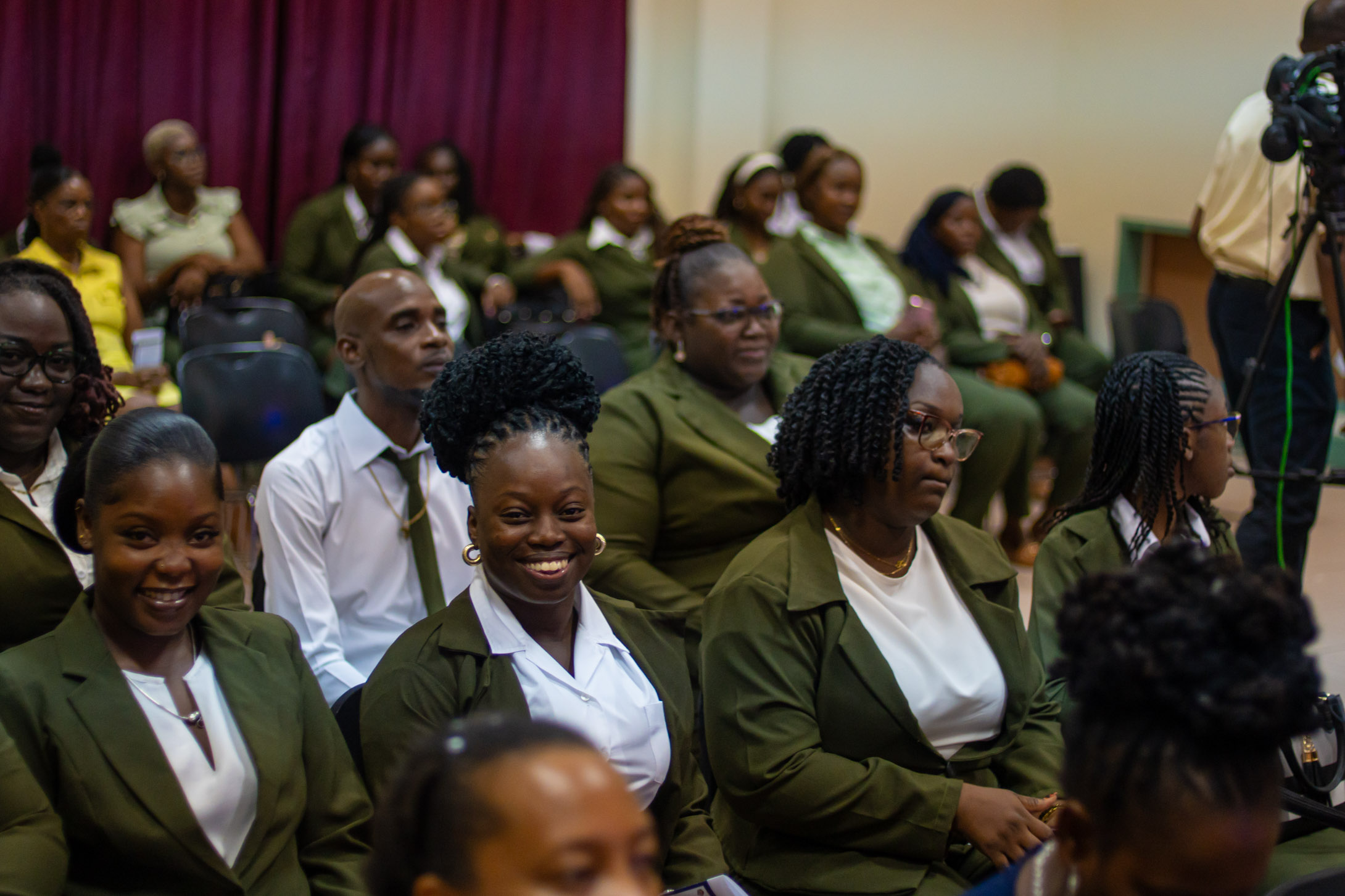
    On the Eustace Hill Campus of the Antigua and Barbuda College of Advanced Studies (ABCAS), a cohort of aspiring educators gathered this year for the institution’s long-running Annual Pledge Signing Ceremony, an event organized by ABCAS’ Department of Research, Education and Professional Development. Centered on the guiding theme “Inclusive by Purpose, Exceptional by Practice, Leaders by Choice,” the gathering was designed to reinforce the core commitments that define the teaching profession and underscore the profound responsibility upcoming teachers carry in nurturing the next generation of citizens.

    The ceremony drew a diverse cross-section of education stakeholders, from the trainee teachers themselves and ABCAS faculty to senior government education officials and top college leadership. Attending dignitaries included Hon. Daryll Matthew, the island nation’s Minister of Education and Science & Technology; Dr. Vernon Solomon, Chairman of the ABCAS Board of Trustees; Dr. E. Jonah Greene, President of ABCAS; and Dr. Na-Ajele Williams-Buffonge, ABCAS Vice President.

    Opening the formal proceedings, Mrs. Terry-Ann Marsh-Gayle, Head of the hosting Department of Research, Education and Professional Development, extended warm welcomes to all gathered guests and participants. Following her introductory remarks, Minister Matthew delivered an address to the trainees, and Mr. Phillip Lloyd presented the event’s featured keynote speech.

    In his remarks, Minister Matthew emphasized that teaching forms the foundational backbone of national progress across Antigua and Barbuda. “We have recognized that if our country is to achieve the aspirations that we have, if we are to get to the levels of development that we want here in Antigua and Barbuda, we must do as much as we can for teachers. There can be no national development without teachers,” he stated to the assembled group.

    The most anticipated centerpiece of the event came when second-year teacher trainee cohorts took to the stage to recite the official Teachers’ Pledge in unison. Through the oath, each trainee made a formal public commitment to uphold rigorous professional preparation, deliver accessible, effective instruction to all students, embrace their role in fostering civic responsibility, and dedicate themselves to helping every learner unlock their full personal and academic potential.

    Beyond the pledge ceremony, the event also celebrated excellence in educator training, with nine standout second-year trainees receiving special recognition for their outstanding academic performance. The group earned high honors for grade point averages spanning from 3.6 to a perfect 4.1 across their training programs.

    For ABCAS, this annual ceremony has become a core tradition that reinforces the institution’s core priorities: building a new generation of educators grounded in professionalism, a spirit of community service, and intentional educational leadership. As these trainees advance through their programs, the event prepares them to step into classrooms and serve communities across Antigua and Barbuda in the coming years.

  • Roofpoging aan Emelie Alvaresstraat mislukt

    Roofpoging aan Emelie Alvaresstraat mislukt

    A botched attempted armed robbery unfolded overnight on Emelie Alvaresstraat, located near Gompertstraat in Suriname, leaving one person with minor injuries and no stolen property, local police confirmed.

    Authorities received the first report of the incident at approximately 12:16 a.m. on September 18, with the case assigned to the Geyersvlijt police precinct, which launched an immediate inquiry into the attack. Early investigative findings outline that two male suspects approached three victims during the attempted heist. In a bold departure from typical robberies that often use facial coverings to avoid identification, the pair did not conceal their identities, but were armed with a handgun when they initiated the robbery attempt.

    The attempt collapsed before the suspects could seize any property, as unforeseen interference disrupted their plan. Faced with the unexpected interruption, the two men fled the scene empty-handed, according to preliminary police statements.

    Medical checks following the incident show that one victim sustained scrapes and abrasions to an arm and both legs. No other victims have reported physical injuries from the encounter so far, authorities confirmed.

    As of the latest update, the Geyersvlijt police team has formally opened a full investigation to identify and apprehend the two at-large suspects. Investigators are currently reviewing witness statements and collecting forensic evidence from the scene, with no further details on potential leads released to the public as the inquiry remains ongoing.

  • 12°N, 61°W Grenada Film Festival returns to Movie Palace

    12°N, 61°W Grenada Film Festival returns to Movie Palace

    One of the Caribbean’s most anticipated cultural events is set to make its return next year, as the 12°N 61°W Grenada Film Festival prepares to kick off its eighth iteration from October 18 to 25, 2026. For years, the festival has maintained a steady collaborative partnership with Grand Anse’s beloved Movie Palace, a relationship that has played a critical role in nurturing and sustaining communal theatrical viewing experiences across the island nation.

    The 2026 festival lineup brings together creative works from 15 different countries and territories, spanning a diverse range of cinematic formats that goes far beyond mainstream feature films. Attendees will be able to explore compelling narrative pieces, deeply researched documentaries, innovative animated projects, boundary-pushing experimental works, and immersive screen dance productions. Unifying the selected entries is a shared focus on resonant thematic questions: family memory, cross-border migration, local folklore, personal and cultural identity, connections to the land, and the intergenerational transmission of traditions that bind communities together.

    The eight-day celebration will launch on Sunday, October 18 with Grenada Night, a special opening segment entirely dedicated to centering Grenadian filmmakers and the unique stories rooted in the island’s culture, history, and people. Two standout films already confirmed for the opening showcase highlight the breadth of local storytelling talent. The first, *Call of the Jab*, follows a father and son as they journey into the heart of Grenada’s rich folklore, unpacking long-forgotten national histories and untangling layers of shared family memory. The second, *Mighty Mari*, is a warm, family-focused adventure centered on a young girl’s remarkable grit, boundless imagination, and unshakable belief in possibility. Additional film selections and special experiential programming for Grenada Night will be announced to the public as details are finalized.

    In comments on the festival’s opening night plans, Festival Director Meschida Philip emphasized that centering local creators on opening night sends a clear message about the organization’s core mission. “Grenadian filmmakers deserve to see their work presented to audiences at home, and Grenadian audiences deserve to see their people, communities and experiences reflected on the big screen,” Philip explained.

    This year’s overarching festival theme, ROOTS: What We Inherit, is directly shaped by the layered history and intergenerational memory of Grenada. The theme invites creators and audiences alike to reflect on the traditions, values, and stories that people carry with them across boundaries of family, culture, migration, and community.

    To deepen this exploration, the 2026 festival will include special retrospective screenings and community-focused film sessions, featuring archival materials, documentaries, and personal testimonies tied to key chapters of Grenadian history. Each of these screenings will be followed by moderated group discussions, creating intentional, accessible space for cross-generational reflection and dialogue.

    The 2026 edition of the festival has earned the formal endorsement of the Grenada National Trust, a recognition that underscores its alignment with efforts to preserve and celebrate the island’s cultural and historical heritage. Full details on the complete lineup, individual screening times, and ticketing will be released in the coming weeks, with updates posted to the festival’s official website at 1261filmfestival.com and across its social media channels @1261filmfestival.

  • Lastic confident ahead of Nations League opener

    Lastic confident ahead of Nations League opener

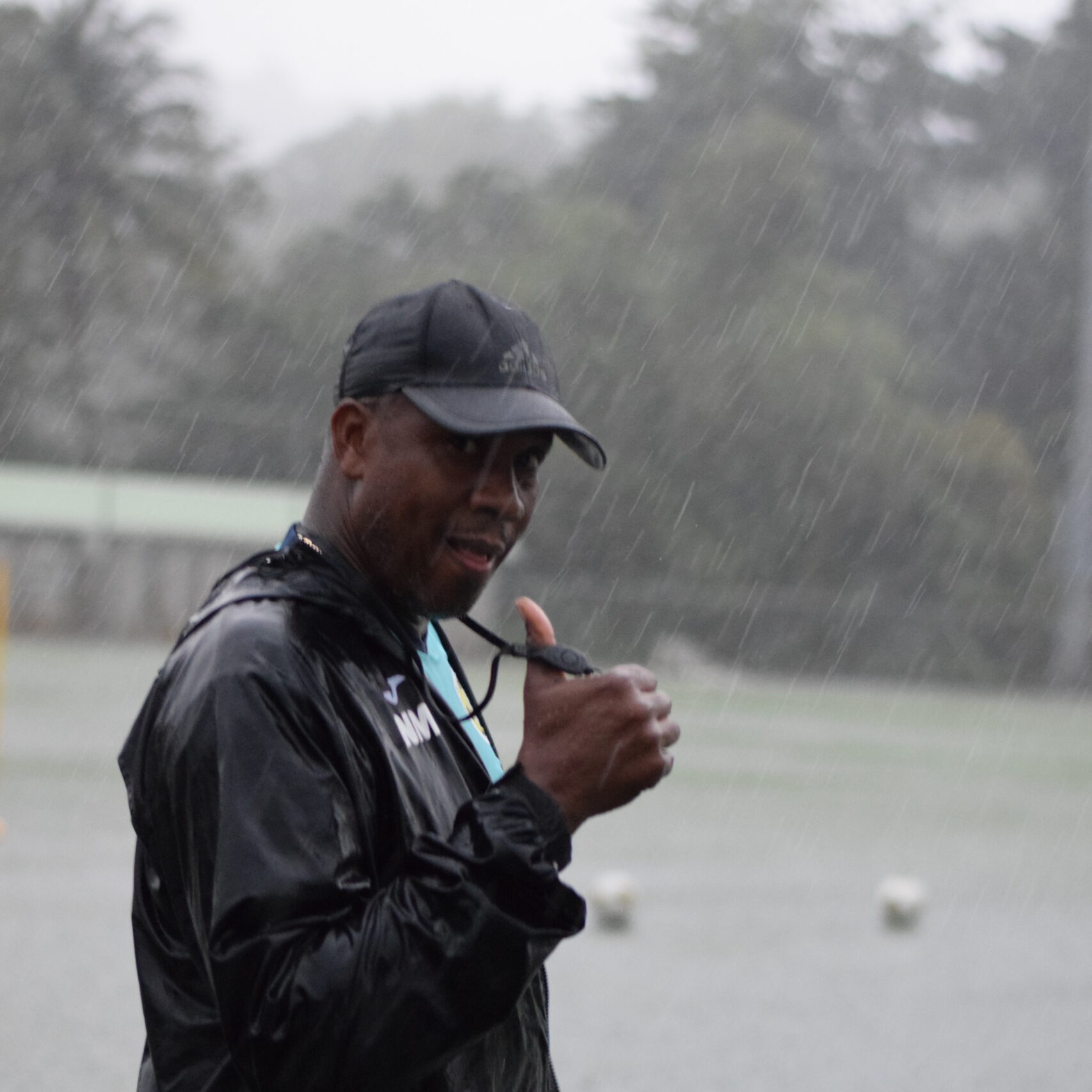
    As the 2026-27 Concacaf Nations League draws near, Francis “Baba” Lastic, the interim head coach of Saint Lucia’s men’s national football team, the Piton Boyz, has voiced unshakable confidence in his squad’s prospects ahead of their opening matches. The Caribbean side is scheduled to launch their campaign at the Daren Sammy Cricket Ground on September 25, kicking off against regional rivals Barbados, before turning around to face Bermuda just three days later at the same home venue.

    Even though unseasonably bad weather has disrupted the team’s on-field training schedule over the past week, Lastic says the locally-based core of the roster has remained committed to putting in the rigorous work needed to compete at the international level. Speaking following a demanding evening training session at the Saint Lucia Football Association Technical Centre in Grande Riviere, Dennery, the former long-time national team defender emphasized that his top priority in pre-camp preparation has been boosting the squad’s fitness to meet the physical demands of international competition.

    “Our main focus right now is ramping up training intensity and getting the players’ cardiovascular fitness up to match standard,” Lastic explained. “I’m working every day to get them up to speed and aligned with the requirements of this level of competition. The bad weather definitely slowed progress on some of the tactical work we planned to get done, but there’s no time for setbacks—we adjusted and got the necessary conditioning work in regardless of the conditions, to make sure we hit the fitness baseline we need for these opening matches.”

    Stepping into the top role following the recent departure of former head coach Stern John, this is not Lastic’s first turn as an interim manager for the national side. That prior experience, he says, has allowed for a remarkably smooth transition for the League B, Group B competitors, with the whole squad and technical staff already aligned on expectations.

    “This transition has been really straightforward for me,” Lastic shared. “This isn’t my first time stepping into this position, so the players, the staff, everyone already knows what I bring and what’s expected of me. My job right now is to put in the work, get the squad ready, and get the team in the right mental frame for these two critical opening matches.”

    Lastic was quick to credit the solid foundation his predecessor left behind, noting that he and the rest of the technical staff learned invaluable lessons about the high operational standards required to prepare a national side for elite regional competition during John’s time in charge.

    Despite the smooth transition, Lastic is already grappling with immediate selection challenges. Multiple key defensive players are expected to miss the opening September match window due to injury, forcing the coaching staff to adjust their plans. But help is on the way: Lastic confirmed that the Saint Lucia Football Association is currently in contact with several eligible overseas-based players, including experienced striker Caniggia Elva and defender Terell Thomas, to secure their availability for the campaign.

    “Most of these players have already committed to joining us, and by next Monday, we should have a clear picture of who will be available for the squad,” Lastic said. He also praised the drive and dedication of the locally-based players currently in camp, noting that they are hungry to represent the national colors and deliver strong performances for their home country.

    That hunger will be put to the test when the Piton Boyz face the Bajan Tridents (Barbados’ national team nickname) under the lights in Gros Islet next Friday. While Saint Lucia claimed a narrow 2-1 win over Barbados in their most recent meeting during the 2026 FIFA World Cup Qualifiers, Lastic is not underestimating his side’s regional opponents, and is planning for a tough, competitive contest.

    “Barbados is a proud football nation, and they won’t be coming here to roll over,” Lastic warned. “We’re doubling down on our preparation, refining every detail of our game plan to make sure we’re ready to face their challenge. It’s on us to put our best product on the pitch and secure a victory on home soil next Friday.”

    With both opening matches hosted on Saint Lucian soil, the squad holds a valuable early opportunity to set a strong tone for their Nations League campaign right out of the gate. If Lastic’s methodical, focused preparation is any indicator, the Piton Boyz are primed to rise to the challenge as they kick off their regional campaign.

  • New Sexual Offences Court to open in Grenada in 2027

    New Sexual Offences Court to open in Grenada in 2027

    In response to growing public demand for more robust accountability and victim protection in sexual offense cases, the government of Grenada has announced plans to launch a specialized Sexual Offenses Court by January 2027, alongside sweeping legislative reforms that include the creation of a national Sex Offender Registry. The policy push came into the spotlight during a recent interactive broadcast hosted by Prime Minister Dickon Mitchell, when a secondary school student raised urgent concerns about current penalties for sex offenders and directly called for the establishment of a formal registry to track convicted offenders.

    Claudette Joseph, Grenada’s Minister for Legal Affairs and Attorney General, confirmed that the Ministry of Legal Affairs and the Supreme Court Registry are already coordinating to prepare the court for full operations by the January 2027 deadline. The specialized court is designed to address the unique complexities of sexual offense cases, which often involve vulnerable victims and require tailored procedural handling. By creating a dedicated judicial space exclusively for these cases, government officials hope to reduce case backlogs, shorten trial timelines, and provide more trauma-informed support for survivors navigating the legal system.

    The new court is just one component of a broader legislative overhaul that the Grenadian government is currently advancing. Prime Minister Mitchell confirmed that a draft Sex Offender Registry Bill is being developed collaboratively by the Ministry of Legal Affairs and the Ministry of Social and Community Development, and the legislation is expected to be introduced for debate in the upcoming parliamentary session. Once enacted, the registry will create a formal, centralized system to document the details of individuals convicted of specified sexual offenses, though full details of how the registry will operate and be accessed have not yet been released to the public.

    During the broadcast, Prime Minister Mitchell also clarified the separation of powers between the legislative and judicial branches of government when it comes to criminal sentencing. He emphasized that while Parliament is responsible for setting the overarching legal framework and sentencing guidelines through legislation, the final decision on individual sentences rests exclusively with independent judges and magistrates, in line with Grenada’s constitutional separation of powers.

    The announcement of these reforms comes amid sustained public pressure for stronger measures to combat sexual violence, improve victim outcomes, and increase transparency around sex offender management. Advocates and community members have welcomed the planned changes as a critical step forward in aligning Grenada’s justice system with international best practices for addressing sexual offenses, though many are awaiting further details on the structure of the Sex Offender Registry and the resources that will be allocated to the new specialized court.