博客

  • Antigua and Barbuda Moves to Tighten Price Control Laws After Retailer Pushback

    Antigua and Barbuda Moves to Tighten Price Control Laws After Retailer Pushback

    The Cabinet of Antigua and Barbuda has initiated urgent legal reforms to bolster price control enforcement mechanisms following widespread non-compliance from retailers. This decisive action comes after inspectors from the Prices and Consumer Affairs Division encountered significant resistance during routine compliance checks, including refusal to provide mandatory invoices and instances of verbal harassment.

    According to Maurice Merchant, Director General of Communications in the Prime Minister’s Office, Cabinet members received comprehensive briefings on monitoring efforts following recent fiscal measures that reduced taxes and duties on essential food items. While major supermarket chains demonstrated partial cooperation, numerous retailers and suppliers outright violated legal requirements by withholding pricing documentation and even expelling inspectors from their premises.

    The government identified the Prices Control Act of 1957 as fundamentally inadequate for modern enforcement needs, describing its procedures as ‘cumbersome and slow’ in achieving timely compliance. In response, the Ministry of Legal Affairs has been directed to expedite legislative amendments that will enhance enforcement capabilities and implement stricter penalties for violations.

    Cabinet officials emphasized their commitment to ensuring that tax relief measures actually benefit consumers through transparent price reductions. The nation continues to experience imported inflation from major trading partners, making these market interventions particularly critical for household economic stability.

    To strengthen oversight capabilities, Cabinet approved the recruitment of nine additional staff members for the Prices and Consumer Affairs Division, significantly expanding inspection coverage across retail establishments. The division will now provide bi-weekly compliance reports directly to Cabinet, establishing unprecedented accountability measures.

    Furthermore, officials have been instructed to identify additional consumer goods that may require price control protections as part of broader market fairness initiatives. The government has indicated that additional enforcement measures will be announced in coming weeks as legislative revisions progress through the parliamentary process.


  • Cuba on the path to biosimilar drugs

    Cuba on the path to biosimilar drugs

    Cuba’s state-owned biotechnology conglomerate BioCubaFarma is implementing a strategic expansion of its biosimilar pharmaceuticals portfolio to enhance medical treatment accessibility within the National Health System while simultaneously boosting export capabilities. This initiative received presidential attention during Miguel Diaz-Canel’s regular consultation with scientific experts addressing national healthcare priorities.

    Biosimilar medications, which undergo rigorous regulatory approval processes, demonstrate equivalent molecular structure, biological activity, safety profiles, and therapeutic efficacy to their reference biologic products. These pharmaceuticals contain identical active ingredients to original biologics but become available at significantly reduced costs due to abbreviated development pathways.

    The BioCubaFarma group, Cuba’s premier developer of pharmaceutical products and medical technologies, currently markets multiple biosimilar and generic medications. Their portfolio includes EPOCIM for managing chronic kidney failure and Leukocim for oncological applications. Additional offerings comprise Heberon Alfa R (Interferon alpha 2B) and its pegylated formulation PEG-Heberon, both exhibiting anti-infective and anticancer properties; human albumin for treating hypoproteinemia and nephrotic syndrome; and the anticoagulant Enoxaparin sodium.

    This strategic pharmaceutical development serves dual objectives: facilitating introduction of novel treatments into Cuba’s healthcare infrastructure while expanding the corporation’s export catalog. The initiative further aims to diversify therapeutic options by incorporating medications not presently available in the Cuban market, thereby complementing existing research and development pipelines.

    The comprehensive approach demonstrates Cuba’s commitment to advancing biomedical innovation while addressing healthcare economic challenges through scientifically validated alternatives to expensive biologic therapies.

  • ABEC Officials Participate in International Electoral Observation Mission in Costa Rica

    ABEC Officials Participate in International Electoral Observation Mission in Costa Rica

    In a significant development for international electoral cooperation, the Electoral Commission of Antigua and Barbuda (ABEC) has received an official invitation to participate in Costa Rica’s forthcoming electoral observation mission. The mission, operating under the established Tikai Protocol framework, is scheduled to take place from January 29th to February 2nd, 2026.

    The ABEC delegation will be represented by Commissioner Mr. Clovis St. Romaine and Ms. Kisher Esprit, Assistant to the Human Resource and Training Officer. Their selection underscores ABEC’s growing reputation in the field of electoral management.

    The Tikai Protocol serves as a comprehensive cooperative framework that standardizes electoral observation practices among participating nations. This agreement emphasizes core democratic principles including transparency, impartiality, professional conduct, and respect for national sovereignty throughout electoral processes. Through this mechanism, electoral management bodies engage in mutual knowledge exchange, technical collaboration, and professional development initiatives that strengthen democratic governance across jurisdictions.

    His Excellency Ambassador Arthur G.B Thomas, Chairman of ABEC, emphasized the critical importance of such missions, stating: ‘International observation missions represent vital instruments for strengthening electoral integrity worldwide. This engagement allows ABEC to simultaneously enhance our professional capabilities while contributing to regional and international efforts that uphold free, fair, and credible elections.’

    The Commission regards participation in such international missions as invaluable opportunities for institutional learning and improvement. This initiative reaffirms ABEC’s commitment to advancing democratic principles both within its domestic operations and through its contributions to the global democratic community.

  • Antigua and Barbuda welcomes more than 10,000 cruise passengers in single day

    Antigua and Barbuda welcomes more than 10,000 cruise passengers in single day

    Antigua and Barbuda experienced a significant boost in cruise tourism activity as six vessels carrying thousands of visitors docked across multiple ports. Official data from Antigua Cruise Port revealed approximately 10,300 passengers and 3,800 crew members arrived in St John’s, Falmouth, and Barbuda, marking one of the busiest days for the dual-island nation’s tourism sector.

    The MSC Virtuosa, the largest vessel in the fleet, accounted for nearly half of all passengers with 5,149 travelers and 1,684 crew members. It was accompanied by the Valiant Lady (2,577 passengers), Brilliance of the Seas (2,229 passengers), and three smaller luxury vessels—Star Flyer, SeaDream 2, and Le Ponant.

    Tourists engaged in extensive exploration of local attractions, including historical heritage sites, pristine beaches, and retail districts. Many participated in organized tours and authentic cultural experiences, generating substantial revenue for local businesses and tour operators.

    Tourism authorities attribute this surge to growing confidence in Antigua and Barbuda’s appeal as a diverse cruise destination. Strategic investments in port infrastructure and strengthened partnerships with major cruise lines have been instrumental in attracting both large-scale and boutique vessels. This coordinated approach has resulted in a consistent increase in port calls throughout the current season.

    As the islands anticipate an exceptionally busy tourism period, cruise arrivals continue to serve as a vital economic engine, creating employment opportunities and sustaining livelihoods across various communities.

  • Wereldwijde aandelen stijgen, goud bereikt nieuw record

    Wereldwijde aandelen stijgen, goud bereikt nieuw record

    Global financial markets experienced broad-based gains on Thursday, propelled by robust corporate earnings optimism while gold prices shattered records for the ninth consecutive session, breaching the $5,500 per ounce threshold. The simultaneous surge in oil prices, driven by escalating geopolitical tensions between the United States and Iran, further fueled market momentum.

    European equities demonstrated strength with the Euro STOXX 600 index advancing 0.5%, primarily driven by rising oil and precious metal prices. Major European exchanges in the United Kingdom, Spain, and France posted gains, while Germany’s DAX index declined 0.9% following disappointing economic data releases.

    Market participants continue to rely on strong corporate earnings to maintain equity attractiveness amid diminishing expectations for Federal Reserve rate cuts before summer. The Federal Reserve maintained current interest rates during Wednesday’s meeting, emphasizing a “clearly improving” economic outlook. Chairman Jerome Powell remained silent regarding his future as Fed governor following his scheduled departure as chair in May.

    Deutsche Bank analysts suggest the Powell-led Fed may have implemented its final rate cut, with increasing balance between risks regarding additional reductions this year.

    Wall Street’s attention centered on Apple, with JPMorgan anticipating quarterly results exceeding expectations due to strong iPhone 17 demand and moderating cost increases. S&P 500 and Nasdaq futures edged higher despite Microsoft’s disappointing figures, offset by Meta’s upgraded revenue and investment projections for 2026.

    Gold surged 2.2% to approximately $5,594 per ounce, achieving nearly 28% monthly gains. Silver similarly benefited, climbing above $120 per ounce. This precious metal rally contributed to a 3% increase in European basic materials indexes, reaching levels unseen since May 2008.

    Oil prices reached four-month highs following President Trump’s warnings to Iran regarding potential attacks absent nuclear agreement progress. Brent crude advanced 2.5% to $70.11 per barrel, while U.S. crude rose 2.6% to $64.83 per barrel.

    Asian markets remained largely stable, with exceptions including South Korea’s 0.6% gain, bringing monthly advances to an impressive 23%. Taiwan’s technology exchange has climbed nearly 13% since January’s commencement.

    Microsoft shares declined 6.5% amid investment profitability concerns, while Meta’s after-hours trading surged 8% following raised 2026 revenue and investment guidance.

    The U.S. dollar faced continued pressure due to policy uncertainty and expanding national debt. The dollar index registered 96.36 against currency baskets, nearing Tuesday’s four-year low of 95.57. Despite U.S. officials advocating for dollar strength, European leaders expressed concern over the decline, with the European Central Bank suggesting a strong euro might justify rate reductions. The euro gained 0.2% to $1.1979, while the dollar weakened against the Swiss franc and Japanese yen.

  • Jamaica’s prime minister calls for a stronger Caribbean presence on the global stage

    Jamaica’s prime minister calls for a stronger Caribbean presence on the global stage

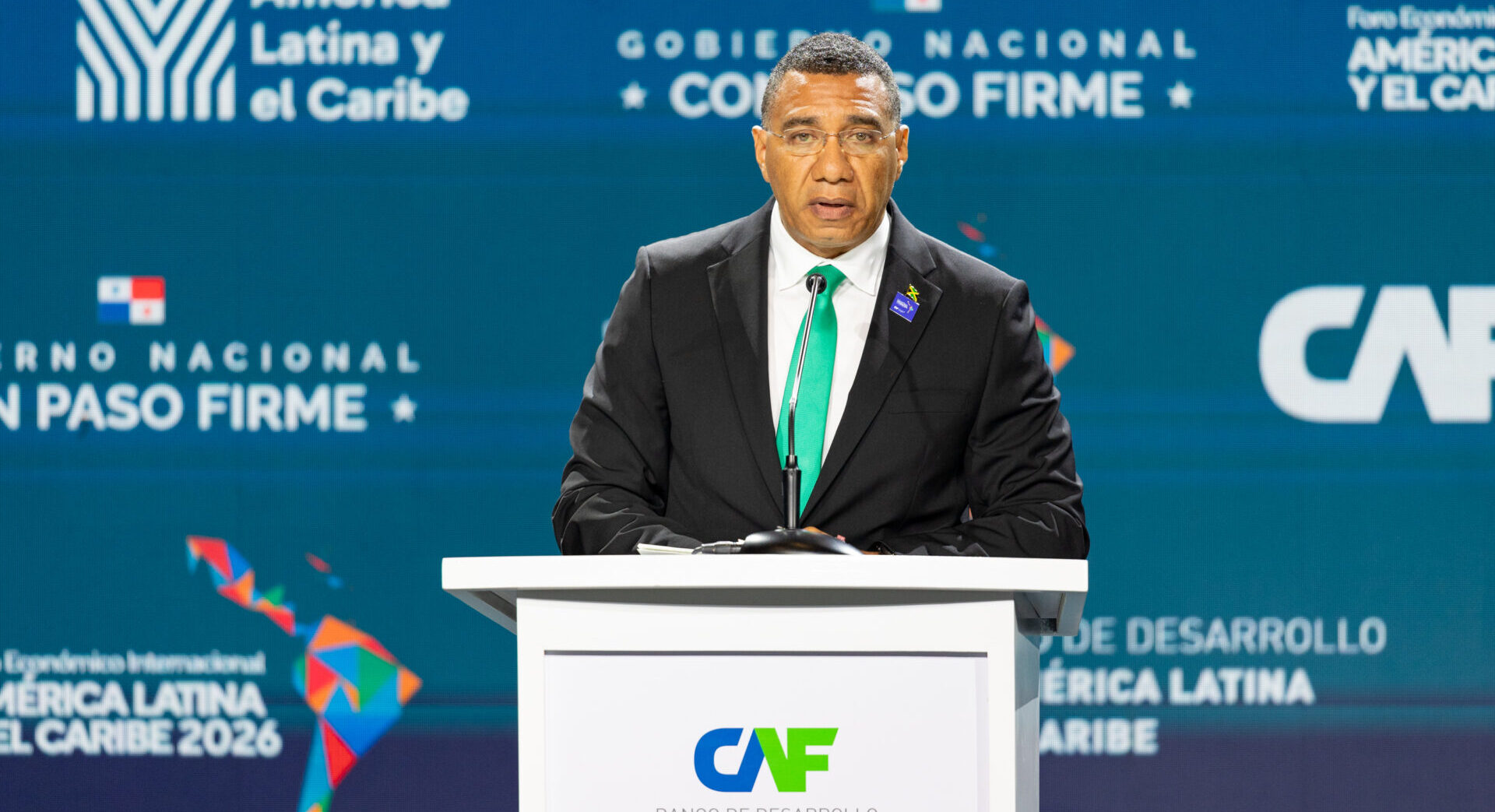
    Jamaican Prime Minister Andrew Holness has delivered a compelling address at CAF’s second International Economic Forum in Panama City, challenging Latin American and Caribbean nations to redefine their international standing. Speaking before an assembly of regional leaders, policymakers, and global investors, Holness articulated a vision of regional transformation from perceived vulnerability to recognized global leadership.

    The Prime Minister categorically rejected the conventional narrative of regional fragility, asserting that “vulnerability is not destiny.” He positioned the Caribbean not as peripheral to the global system but as fundamental to its stability, sustainability, and future expansion. Holness enumerated the region’s considerable advantages, including strategic geographical positioning, demographic youth, abundant natural resources, agricultural capacity, renewable energy potential, creative industries, and robust democratic frameworks.

    To translate these assets into global influence, Holness outlined a tripartite strategic approach: developing a cohesive regional competitiveness agenda focused on connectivity, logistics, energy security, and digital transformation; strengthening institutional frameworks to ensure stability; and pursuing dynamic diplomacy that engages both traditional partners and emerging markets.

    Drawing from Jamaica’s recent experience, the Prime Minister highlighted how disciplined fiscal management and institutional reforms enabled rapid recovery from Hurricane Melissa, a Category Five storm that caused extensive damage. This resilience, he noted, demonstrates the region’s capacity to withstand external shocks when supported by strong governance and international cooperation.

    Holness extended specific invitations to investors to explore Jamaica’s expanding opportunities in infrastructure, logistics, energy, manufacturing, tourism, and digital innovation. The Jamaican government, in partnership with CAF, has organized a dedicated Investment Forum to channel resources toward rebuilding efforts and sustainable development.

    The overarching message emphasized that the Caribbean’s future as a significant global actor depends on deliberate collective action, regional cohesion, and proactive international engagement rather than passive reaction to global trends.

  • President launches national youth mentorship drive during Graydon Sealy school visit

    President launches national youth mentorship drive during Graydon Sealy school visit

    In a significant address at Graydon Sealy Secondary School, President The Right Honourable Jeffrey Bostic unveiled a transformative national mentorship program designed to create pathways for youth from economically challenged communities. The initiative, named the Chapman Challenge in honor of the President’s childhood community of Chapman Lane, represents a cornerstone of his presidential legacy, focusing on breaking cycles of disadvantage through structured support systems.

    During the school’s 50th anniversary celebrations, President Bostic emphasized that socioeconomic circumstances should never determine a young person’s potential. ‘Your circumstances must not stop you from achieving your goals,’ he declared to assembled students, drawing from his personal journey to underscore leadership’s responsibility to inspire future generations.

    The comprehensive program features multiple tiers of support, with schools serving as primary identification hubs for participants as young as twelve. Among its most immediate benefits are academic scholarships to Jordan’s prestigious King’s Academy, secured through President Bostic’s diplomatic engagement with King Abdullah II during his November 30 installation ceremonies. These scholarships specifically target academically qualified students from low-income households.

    Beyond educational support, the initiative adopts an inclusive approach extending to vulnerable populations outside traditional education systems. The government will collaborate with the Barbados Prison Service to develop rehabilitation frameworks using mentorship to facilitate societal reintegration for incarcerated individuals.

    A nationwide mentorship framework will leverage partnerships with religious organizations, athletic associations, and national institutions. Sporting icons will play pivotal roles in shaping youth development, utilizing athletics as a vehicle for instilling discipline and positive values.

    The presidential visit featured cultural performances that received standing ovations and concluded with an interactive dialogue where students engaged the Head of State on leadership, career development, and constitutional responsibilities.

  • Central Bank cautions against sweeping VAT cuts

    Central Bank cautions against sweeping VAT cuts

    The Central Bank of Barbados has issued a stark warning against implementing sweeping reductions to the nation’s 17.5% Value Added Tax (VAT), cautioning that such untargeted fiscal measures could undermine economic stability while failing to deliver meaningful assistance to populations most severely impacted by rising living costs.

    Governor Dr. Kevin Greenidge articulated the Bank’s position during a Wednesday press conference reviewing the country’s 2025 economic outlook. His comments directly addressed campaign promises from opposition parties contesting the February 11 general election, who have pledged significant VAT reductions as a primary mechanism for addressing cost-of-living pressures should they form the next government.

    Dr. Greenidge, drawing upon his extensive experience from the International Monetary Fund, presented a detailed economic analysis questioning the wisdom of broad-based VAT cuts. He emphasized that such blanket reductions would provide financial benefits across all economic segments, including affluent demographics who don’t require assistance, rather than concentrating support where it’s most needed.

    The Governor highlighted implementation challenges, particularly the uncertain ‘pass-through effect’ where merchants and wholesalers might not fully transfer tax savings to consumers. Using automotive taxation as an example, he explained how importers could retain savings rather than reducing consumer prices, especially in economic environments where prices demonstrate downward rigidity.

    Dr. Greenidge advocated for precisely targeted policy measures instead of across-the-board reductions, stating: ‘If your objective is addressing cost of living, you must identify which specific groups you’re trying to impact. Well-designed, targeted measures for vulnerable populations deliver significantly more effective outcomes than broad fiscal changes.’

    He noted that VAT reductions typically prove most effective when the tax system is performing optimally and the objective involves stimulating productive sectors, rather than addressing immediate cost-of-living concerns. The Governor concluded that implementing monitoring mechanisms to ensure merchants pass on tax savings would likely incur administrative costs exceeding the actual benefits delivered to consumers.

  • Drainage Improvement Works Continue in Bolans, Collins and Newfield

    Drainage Improvement Works Continue in Bolans, Collins and Newfield

    The Ministry of Works, Housing, and Transportation in Antigua and Barbuda is spearheading a critical infrastructure initiative, advancing comprehensive drainage enhancement projects across multiple communities. This strategic intervention targets the flood-prone regions of Bolans, specifically the West Palm vicinity, alongside Collins and Newfield. The primary objective is to systematically mitigate recurrent flooding incidents, which have historically disrupted local mobility and compromised public safety. By upgrading the subterranean water management systems, the government aims to fortify road durability and ensure more resilient community infrastructure against extreme weather phenomena. Concurrently, official advisories have been issued, urging motorists and residents within these operational zones to maintain heightened vigilance. The ministry emphasizes the necessity for reduced speeds and increased awareness around active construction sites to safeguard both pedestrians and workers. This project reflects a broader commitment to sustainable urban planning and climate adaptation, aligning with national goals to enhance civic welfare through preemptive environmental management.

  • PSV culture ‘damaging’ children, warns acting DPP

    PSV culture ‘damaging’ children, warns acting DPP

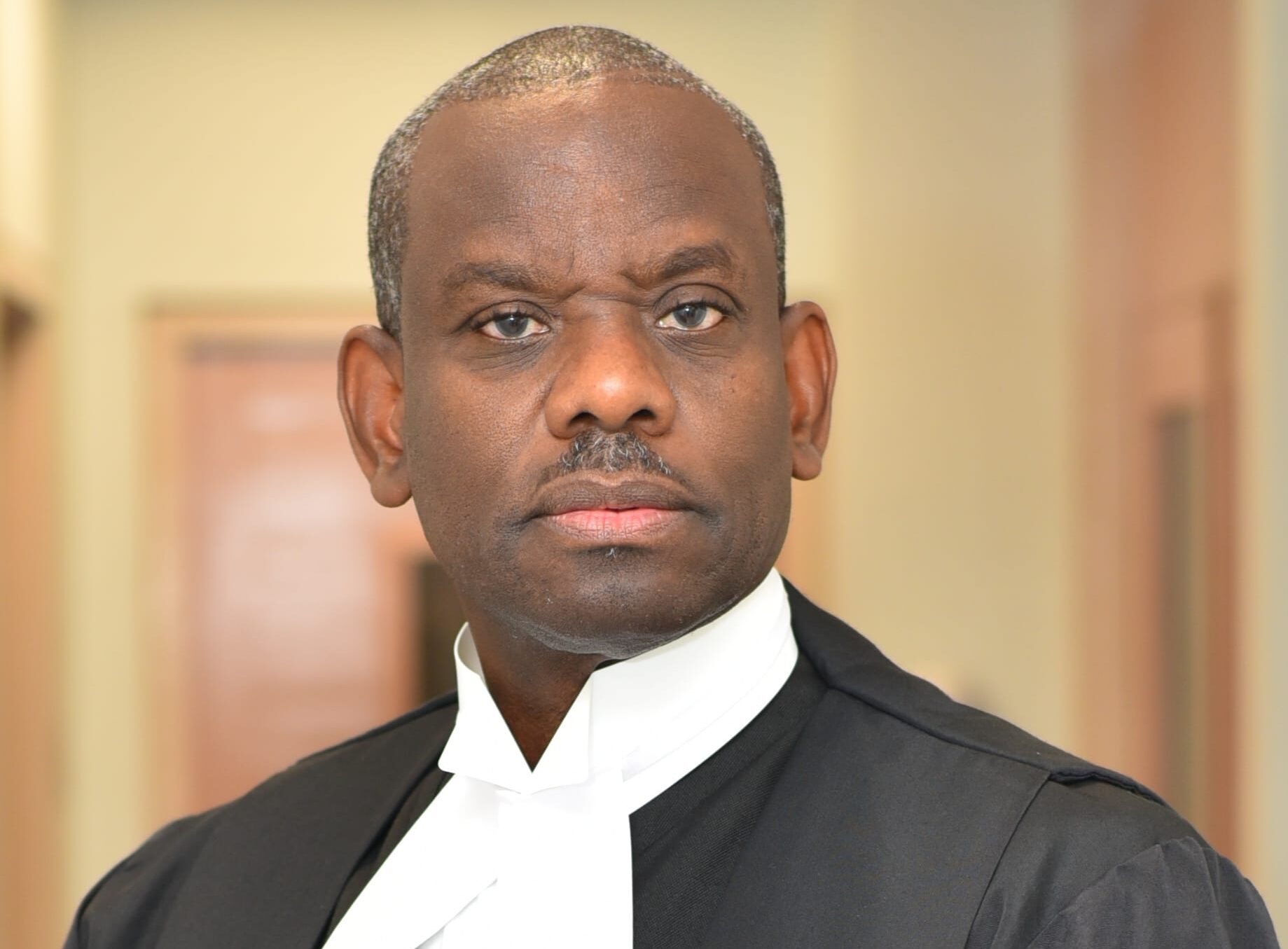
    Barbados’ Acting Director of Public Prosecutions Alliston Seale has issued a stark warning about the deteriorating moral environment within the nation’s public service vehicle (PSV) sector, asserting that the pervasive culture of violence and vulgarity is directly harming schoolchildren and eroding societal values. Speaking during sentencing submissions for convicted murderer Shakira Blackman, Seale delivered an impassioned critique of the PSV industry’s negative influence on youth development.

    The veteran prosecutor described how continuous exposure to violent content, abusive language, and inappropriate behavior on minibuses and ZRs creates psychological distress that impedes children’s educational progress. “They cannot listen to maths; they cannot understand Pythagoras’ theorem,” Seale stated, emphasizing that students arrive at school already overwhelmed by the “ignorance” they encounter during their commutes.

    Seale identified multiple concerning elements within the PSV environment, including drivers’ and conductors’ vulgar speech, explicit musical content, and inappropriate dress standards that children inevitably emulate. He expressed particular concern about the absence of positive role models in this sphere, noting that the lack of uniforms and professional standards undermines efforts to instill discipline in young people.

    The prosecutor connected these environmental factors to broader societal problems, including school violence and future criminal behavior. He questioned contemporary approaches to discipline in the context of reduced corporal punishment, noting that alternative solutions have proven insufficient against rising classroom violence.

    Seale’s comments emerged during legal proceedings concerning Shakira Blackman, who was convicted of murdering 27-year-old Shanice Miller in November 2021. The prosecutor recommended a 40-year starting sentence, citing aggravating circumstances and premeditation. He described how Blackman pursued her victim even after initial defensive actions, ultimately causing fatal injuries near Central Police Station.

    Despite Blackman’s claims of defending a friend, Seale emphasized personal accountability for violent actions. Justice Laurie-Ann Smith-Bovell will deliver sentencing on March 20, with King’s Counsel Andrew Pilgrim representing the convicted individual.