博客

  • Guyana wary of Venezuela border ‘threat’ even with Maduro gone

    Guyana wary of Venezuela border ‘threat’ even with Maduro gone

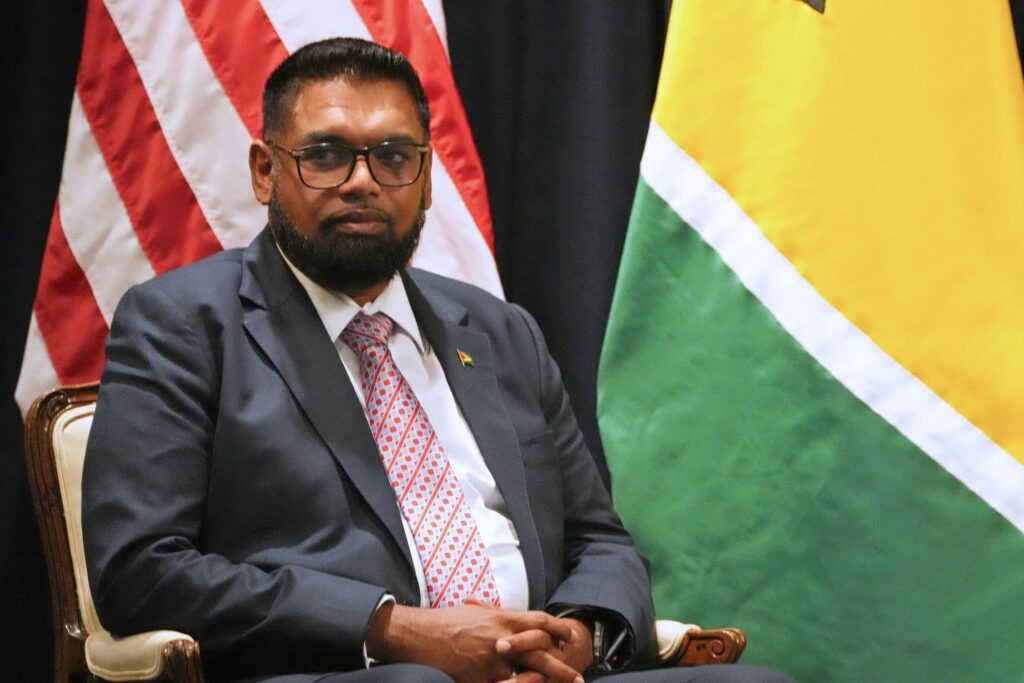
    GEORGETOWN, Guyana – President Irfaan Ali declared on Thursday that Guyana remains on high defensive alert against persistent territorial claims from Venezuela over the oil-rich Essequibo region, despite the recent ouster of former leader Nicolas Maduro. Addressing officers at the annual conference of the Guyana Defence Force (GDF), President Ali emphasized that the current political transition in Caracas has not eliminated the fundamental threat to his nation’s sovereignty.

    The longstanding border dispute, which has persisted for over a century, escalated dramatically following ExxonMobil’s discovery of substantial offshore oil reserves in the Essequibo basin a decade ago. Tensions reached critical levels in 2023 when Guyana initiated auctions for oil exploration blocks in the contested waters.

    ‘We cannot afford to drop our guard,’ President Ali stated unequivocally, highlighting that the change in Venezuela’s leadership does not diminish the strategic challenge facing Guyana. The disputed territory, administered by Guyana since 1899, represents approximately two-thirds of the country’s total land area and contains potentially transformative hydrocarbon resources.

    Venezuela is currently governed by an interim administration led by Delcy Rodríguez, Maduro’s former vice-president, who has swiftly moved to privatize the national oil sector and release political prisoners in alignment with U.S. demands. This geopolitical shift follows January’s U.S. military operation that removed Maduro from power.

    ExxonMobil CEO Darren Woods noted during a recent earnings call that reduced Venezuelan naval patrols in disputed waters have created new opportunities for exploration in the Stabroek block offshore from Essequibo. The U.S. government had previously supported Guyana’s position during Maduro’s administration and cautioned Venezuela against military escalation.


  • Air traffic dips at both airports in January

    Air traffic dips at both airports in January

    JAMAICA’S TOURISM RECOVERY PATH: Jamaica’s primary international gateways witnessed significant passenger traffic reductions in January, according to latest operational data. The aftermath of Hurricane Melissa continues to reverberate through the island’s tourism infrastructure, with both Norman Manley International Airport (NMIA) and Sangster International Airport (SIA) reporting diminished activity.

    Concession operator Grupo Aeroportuario del Pacífico disclosed Thursday that SIA processed 284,200 passengers during January, representing a substantial 37.7 percent decrease compared to January 2025’s 456,200 travelers. Despite this sharp decline, the figures indicate a gradual recovery from December 2025’s low of 262,200 passengers at the nation’s busiest aviation hub.

    NMIA experienced a more moderate 6.9 percent contraction, handling 155,500 passengers versus 167,000 during the same period last year.

    The aviation downturn directly correlates with ongoing restoration efforts across Jamaica’s hospitality sector. Multiple luxury resorts remain temporarily closed as reconstruction continues, compounded by infrastructure challenges involving utility restoration and roadway clearance to key tourist destinations.

    According to the Jamaica Tourist Board’s official updates, 23 major hotel properties have postponed reopenings throughout 2026. The phased recommencement schedule includes:
    – Grand Decameron properties: March 1 reopening
    – Three Sandals resorts: May 30 operational restoration
    – Two Royalton hotels: August 25 return to service
    – Eight Hyatt properties: November 1 reactivation
    – Bahia Principe Grand Jamaica: December 1 reopening

    Amid the recovery landscape, Princess Senses the Mangrove resort has initiated operations with substantial promotional incentives, offering up to 60 percent discounts for bookings through February 2026 to October 2027.

    Tourism Minister Edmund Bartlett maintained an optimistic outlook during recent stakeholder engagements, asserting Jamaica remains positioned for a successful winter tourism season despite current challenges.

  • Jamaica Consulate in Lagos, Nigeria now open

    Jamaica Consulate in Lagos, Nigeria now open

    KINGSTON, Jamaica — In a significant move to deepen bilateral relations, the Jamaican government has officially inaugurated a new consular office in Lagos, Nigeria. The establishment marks a strategic expansion of Jamaica’s diplomatic presence within Africa’s economic powerhouse.

    Under the leadership of Consul Aima Lijadu, the mission will serve as Jamaica’s primary representation in Nigeria’s commercial nerve center. The consulate is strategically positioned to enhance economic cooperation, particularly in sectors where Lagos excels as a regional hub: commerce, financial services, technological innovation, and digital entrepreneurship.

    A core function of the new office will be to strengthen connections with the substantial Jamaican diaspora community residing in Lagos and throughout Nigeria. The consulate will provide essential citizen services, including processing applications for Jamaican passports and citizenship by descent. Additionally, it will facilitate visa applications for Nigerian nationals and other foreign citizens seeking to travel to Jamaica.

    Operational support will be provided by Jamaica’s High Commission located in Nigeria’s capital city of Abuja. The Lagos consulate will be open to the public during scheduled hours on Tuesdays and Wednesdays from 10:00 am until 3:00 pm local time.

    For inquiries, the consulate can be contacted via telephone at +234 916 0323 314 or through email at jamconsulatelagos@gmail.com. This diplomatic initiative reflects Jamaica’s commitment to fostering stronger ties with African nations and creating new pathways for cultural exchange and economic partnership.

  • Michelangelo foot sketch sells for record US$27.2 million at auction

    Michelangelo foot sketch sells for record US$27.2 million at auction

    NEW YORK — A remarkable rediscovery in the art world culminated in a historic auction event Thursday when a previously unknown Michelangelo drawing achieved a staggering $27.2 million sale at Christie’s New York. The extraordinary price establishes a new auction record for any work by the Renaissance master.

    The exquisite red-chalk sketch, measuring just several inches, represents one of approximately fifty preparatory studies Michelangelo created for his legendary Sistine Chapel frescoes. These works stand alongside his sculptural masterpieces David and Pieta as defining achievements of Western art.

    Christie’s reported an intense 45-minute bidding competition among multiple international collectors participating both in person and remotely. The final hammer price dramatically exceeded the lower pre-sale estimate by nearly twenty times. The auction house has maintained confidentiality regarding the purchaser’s identity.

    This acquisition represents an exceptionally rare opportunity, as fewer than ten Michelangelo drawings remain in private collections worldwide. The work’s authentication began when its previous owner submitted a photograph through Christie’s digital appraisal portal. Specialists from the auction house’s Old Masters department subsequently confirmed both the attribution and the drawing’s specific purpose—a study of the right foot belonging to the Libyan Sibyl figure positioned at the eastern extremity of the Sistine Chapel’s ceiling.

    Andrew Fletcher, Global Head of Old Masters at Christie’s, described the offering as “an exceptional piece with a wonderful story.” He emphasized the competitive bidding reflected the drawing’s unique significance, noting this likely represented “the only chance a collector might have to acquire a study for arguably the greatest work of art ever made.”

    The previous auction record for Michelangelo stood at $24.3 million, established in Paris for a figurative sketch containing a nude male study with secondary background figures.

  • NHT to pay an additional 10,000 contribution refunds by February 9

    NHT to pay an additional 10,000 contribution refunds by February 9

    KINGSTON, Jamaica — Jamaica’s National Housing Trust (NHT) is accelerating its refund distribution with an additional 10,000 contributors scheduled to receive their 2018 contribution refunds by Monday. This latest disbursement, valued at approximately $39 million, represents part of an intensive five-week payout initiative that has already processed substantial amounts for eligible citizens.

    Cameo Simmons Thomas, Supervisor of the Contributions, Refunds, Payments and Monitoring Unit, revealed impressive processing statistics during a recent Jamaica Information Service (JIS) Think Tank session on February 5. “Over the past five weeks, we have received 220,000 applications and successfully processed 131,000 refunds totaling $5.9 billion,” Thomas announced, highlighting the organization’s efficient handling of the massive volume.

    In a significant policy expansion, the NHT has broadened cash refund accessibility to include all mortgage holders in good standing. Previously limited to public-sector mortgage holders, this benefit extension implemented since July 2025 now enables qualified mortgagors from all sectors to claim refunds through online applications without errors.

    The NHT’s operational mechanism involves contributors allocating two percent of their monthly salary, which employers annually remit to the Trust. These funds accumulate over a seven-year period, becoming refundable in the eighth year with accrued interest. “Contributors earn two percent interest annually on their deposits, resulting in approximately 14 percent total interest by the refund period,” Thomas explained.

    While January typically experiences application surges, the NHT emphasizes that refund requests can be submitted throughout the year via their official website (nht.gov.jm) or digital platform (NHT Online), providing convenient access from any location.

  • Cuba willing to talk to US ‘without pressure’ as fuel shortage continues

    Cuba willing to talk to US ‘without pressure’ as fuel shortage continues

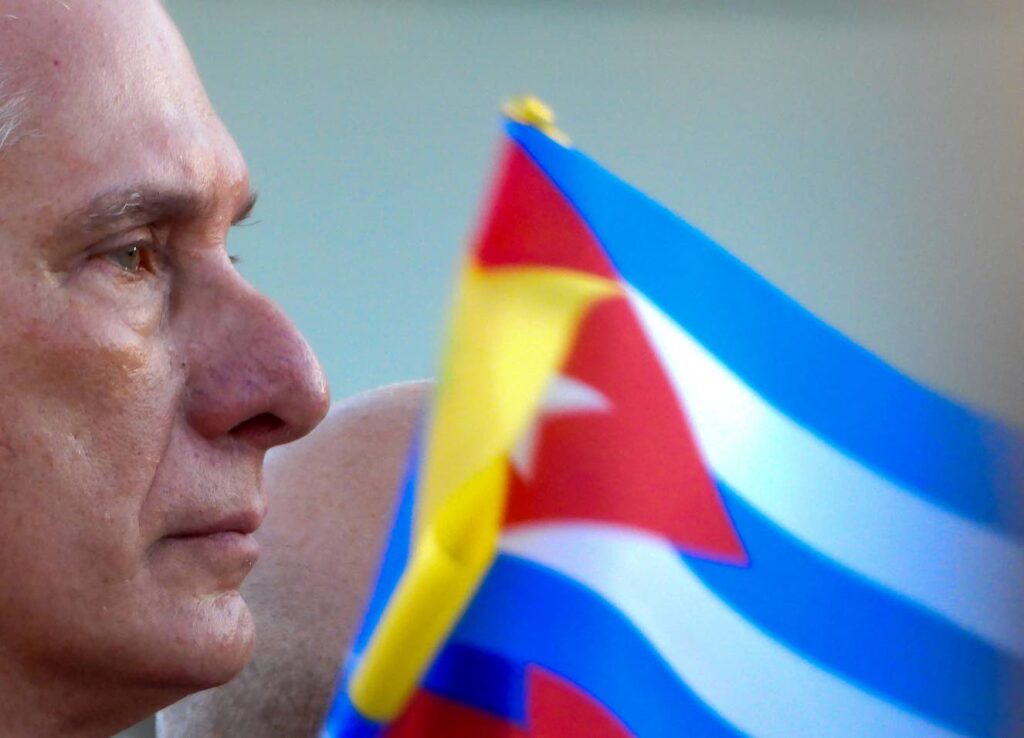
    HAVANA, Cuba — In a firm national address broadcast on state media Thursday, Cuban President Miguel Diaz-Canel declared his nation’s readiness to engage in diplomatic talks with the United States, but strictly on condition of mutual respect and without external pressure. This statement comes as a direct response to recent threats from US President Donald Trump, who has aggressively threatened to sever Cuba’s oil access and predicted the collapse of its communist government.

    President Diaz-Canel emphasized that any potential dialogue must be conducted between equals, respecting Cuba’s sovereignty, independence, and right to self-determination without interference in its internal affairs. This position directly counters Trump’s public urgings for Havana to ‘make a deal before it is too late’—a proposition the Cuban government maintains does not constitute genuine negotiation.

    The escalating tension occurs against a backdrop of severe economic and energy distress in Cuba. The nation, already grappling with its worst economic crisis in decades, faces acute fuel shortages that have crippled power generation. An electrical grid failure earlier Thursday left hundreds of thousands in eastern Cuba without electricity for hours, highlighting the vulnerability of its infrastructure.

    This crisis has been exacerbated by the US’s recent actions in Venezuela, Cuba’s primary historical oil supplier. Following a US military operation that ousted Venezuelan leadership, Trump claimed control over the nation’s oil reserves and vowed to starve Cuba of fuel, threatening tariffs on any third country attempting to supply the sanctioned island.

    While the White House, through spokeswoman Karoline Leavitt, asserted that diplomacy is ongoing and that the Cuban government is ‘on its last leg,’ Havana continues to deny the existence of formal negotiations. International support appears limited; Mexican President Claudia Sheinbaum stated her country is pursuing diplomatic channels to resume oil shipments to Cuba but will not risk triggering punitive US tariffs.

    President Diaz-Canel acknowledged the gravity of the fuel situation, noting that energy production from traditional generators has been ‘zero for weeks,’ but insisted that ‘Cuba is not alone.’ He pointed to the current pressure as validation of Cuba’s efforts to transition toward renewable energy and reduce foreign dependence. While Cuban officials squarely blame decades of US sanctions for the crisis, independent observers also cite poor economic management and a pandemic-induced tourism collapse as contributing factors to the nation’s dire situation.

  • Lower pollution during Covid boosted methane — study

    Lower pollution during Covid boosted methane — study

    PARIS — Scientific research published Thursday in the journal Science reveals an unexpected climate consequence of pandemic-era lockdowns: improved air quality inadvertently triggered the largest recorded surge in atmospheric methane levels during the early 2020s.

    The study demonstrates that reduced pollution during COVID-19 restrictions weakened Earth’s natural atmospheric cleansing mechanism, allowing methane concentrations to accelerate at unprecedented rates. This paradoxical outcome resulted from diminished nitrogen oxide emissions—primarily from transportation and industrial sources—which are essential for producing hydroxyl radicals (OH), the atmosphere’s primary methane-scrubbing agents.

    Lead author Philippe Ciais, associate director at France’s Laboratory of Climate and Environment Sciences, explained the counterintuitive finding: “We observe a clear paradox where reduced pollution unexpectedly harmed methane mitigation efforts. With less nitrogen oxide in the atmosphere, we essentially disabled the planet’s natural methane removal system.”

    The research attributes approximately 80% of methane’s dramatic accumulation during 2020-2021 to this hydroxyl radical reduction. Additional contributing factors included increased emissions from wetlands and agricultural activities driven by unusually wet conditions in tropical regions.

    Methane’s climate significance cannot be overstated. While shorter-lived than carbon dioxide, this potent greenhouse gas possesses 80 times the warming potential over a 20-year period, making it a critical focus for climate mitigation strategies.

    The study documents how methane growth rates peaked at 16.2 parts per billion annually in 2020—the highest recorded increase—before declining by approximately half by 2023 as economic activities resumed.

    Co-author Marielle Saunois characterized the phenomenon as “collateral damage” in environmental policy, emphasizing that “this research underscores the necessity of simultaneously improving air quality while aggressively mitigating greenhouse gas emissions to counterbalance these complex chemical-climate interactions.”

    The findings present policymakers with a formidable challenge: designing environmental regulations that reduce conventional pollution without compromising the atmosphere’s capacity to regulate potent greenhouse gases.

  • Jamaican Josh Minott traded to Nets in NBA deal

    Jamaican Josh Minott traded to Nets in NBA deal

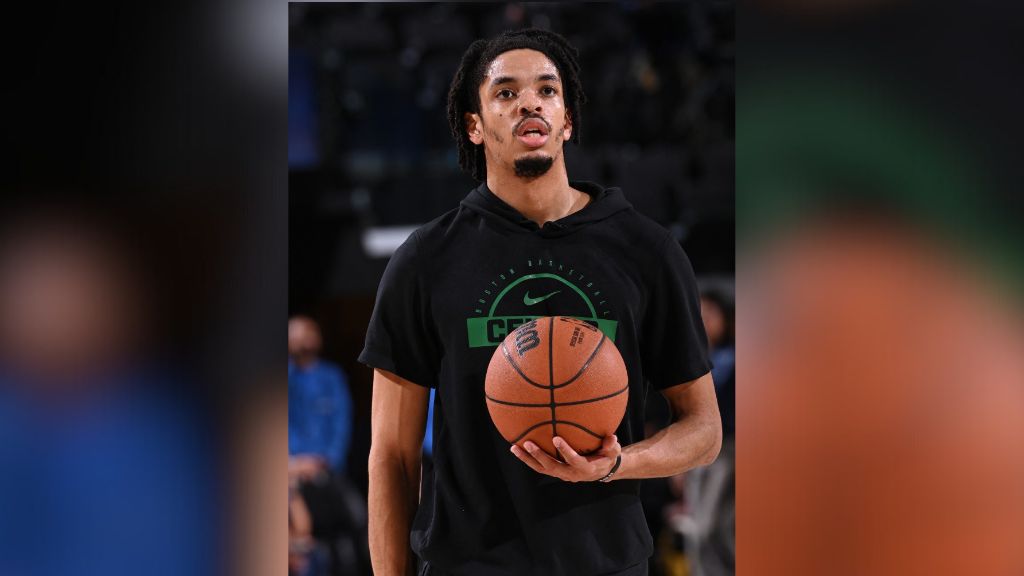
    Jamaican basketball talent Josh Minott has been acquired by the Brooklyn Nets from the Boston Celtics in a strategic trade finalized during the NBA’s transaction deadline on Thursday. Multiple American sports media outlets confirmed the move involving the 23-year-old forward, who saw action in 10 starting games for the Celtics.

    The trade represents one of several roster adjustments executed by the Celtics organization during a notably active trade period. Minott, who previously represented Jamaica in international junior basketball competitions, joined the Celtics franchise following their historic 2024-25 championship season where they secured a record-breaking 18th NBA title.

    This transaction marks a significant career development for the young athlete as he transitions to the Nets’ lineup, potentially offering fresh opportunities for professional growth and increased playing time. The move also reflects the dynamic nature of NBA team management strategies during trade windows, where franchises continuously optimize their rosters for competitive advantage.

  • In ‘most boring’ feat, Brazilian runs record 24h on treadmill

    In ‘most boring’ feat, Brazilian runs record 24h on treadmill

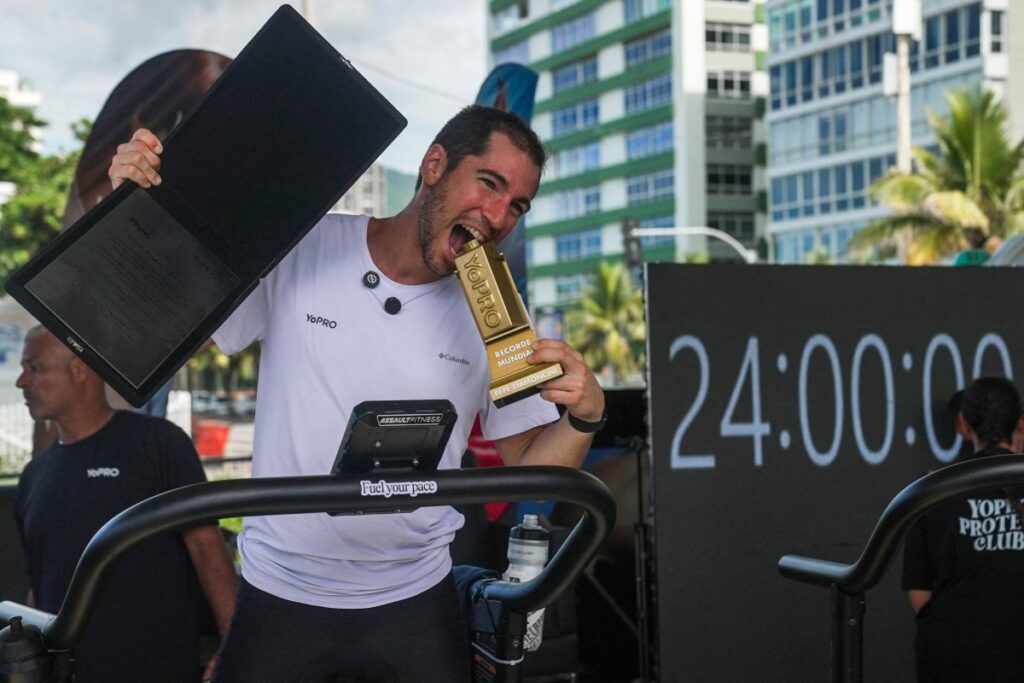
    RIO DE JANEIRO—In an extraordinary display of mental fortitude and physical endurance, Brazilian athlete Pepe Fiamonini has successfully completed a 24-hour treadmill run, covering an astonishing 188 kilometers (116 miles) along Ipanema beach. The grueling challenge, which equates to more than four consecutive marathons, was monitored via live stream by Guinness World Records officials for validation.

    The 35-year-old endurance specialist, who began his athletic journey during the COVID-19 pandemic, permitted himself only minimal breaks for essential needs such as footwear changes and restroom visits. Fiamonini described his motivation to AFP reporters as stemming from profound curiosity about human capabilities: ‘I define myself with one word: curious. I’m curious about my abilities.’

    This achievement marks what is expected to be Fiamonini’s third Guinness World Record. His previous accomplishments include a remarkable 170-kilometer crossing of Bolivia’s Uyuni salt flats in May 2023—completed in just over 33 hours at 3,600 meters altitude with temperature extremes from 30°C to -10°C—shattering the previous record by 22 hours. In October, he additionally set a 12-hour treadmill record of 110 kilometers as preparation for this ultimate test.

    Fiamonini’s athletic evolution began with an Iron Man triathlon, which he considered the ‘pinnacle of human capacity,’ before progressing to an Ultraman competition more than double the distance. His latest endeavor was specifically designed to conquer mental barriers by embracing what he found most tedious: ‘Running non-stop in the same place.’

  • Doping chiefs vow to look into Olympic ski jumping ‘penis injection’ claims

    Doping chiefs vow to look into Olympic ski jumping ‘penis injection’ claims

    MILAN, Italy – Olympic anti-doping authorities have launched an investigation into extraordinary allegations that competitive ski jumpers are utilizing unconventional methods to gain aerodynamic advantages. The claims, which originated in German media reports, suggest athletes may be injecting hyaluronic acid into genital tissue to create enhanced body suit aerodynamics.

    The controversial practice allegedly aims to manipulate the fit of competition suits around the groin area, theoretically creating a sail-like effect that could add significant distance to jumps. This investigation emerges following previous sanctions against Norwegian athletes for suit manipulation violations.

    At a Milan press conference, World Anti-Doping Agency President Witold Banka acknowledged the unusual nature of the allegations while committing to thorough examination. “Ski jumping is very popular in Poland,” Banka remarked with visible amusement, “so I promise you I’m going to look at it.”

    WADA Director General Olivier Niggli adopted a more measured approach, stating: “I’m not aware of the details of ski jumping—and how this can improve performance—but if anything was to come to the surface we would look at anything if it is actually doping-related. Our list committee would certainly look into whether this would fall into this category.”

    The allegations follow previous competitive violations involving Norwegian jumpers Marius Lindvik, the defending Large Hill Olympic champion, and fellow medalist Johann Andre Forfang. Both received three-month suspensions after their team was found to have illegally adjusted suit seams around the crotch area during the 2025 World Ski Championships, though both athletes maintained the alterations occurred without their knowledge.

    Medical experts have expressed serious concerns about the alleged practice. Dr. Kamran Karim, a senior physician at Maria-Hilf Hospital in Krefeld, Germany, noted that while injections could create “temporary, visual thickening of the penis through injections of paraffin or hyaluronic acid,” he emphasized that “lengthening is not possible in this way” and warned that “such injections are not medically indicated and are associated with risks.”