博客

  • Flow empowers Welches Primary students with a Safer Internet Day session

    Flow empowers Welches Primary students with a Safer Internet Day session

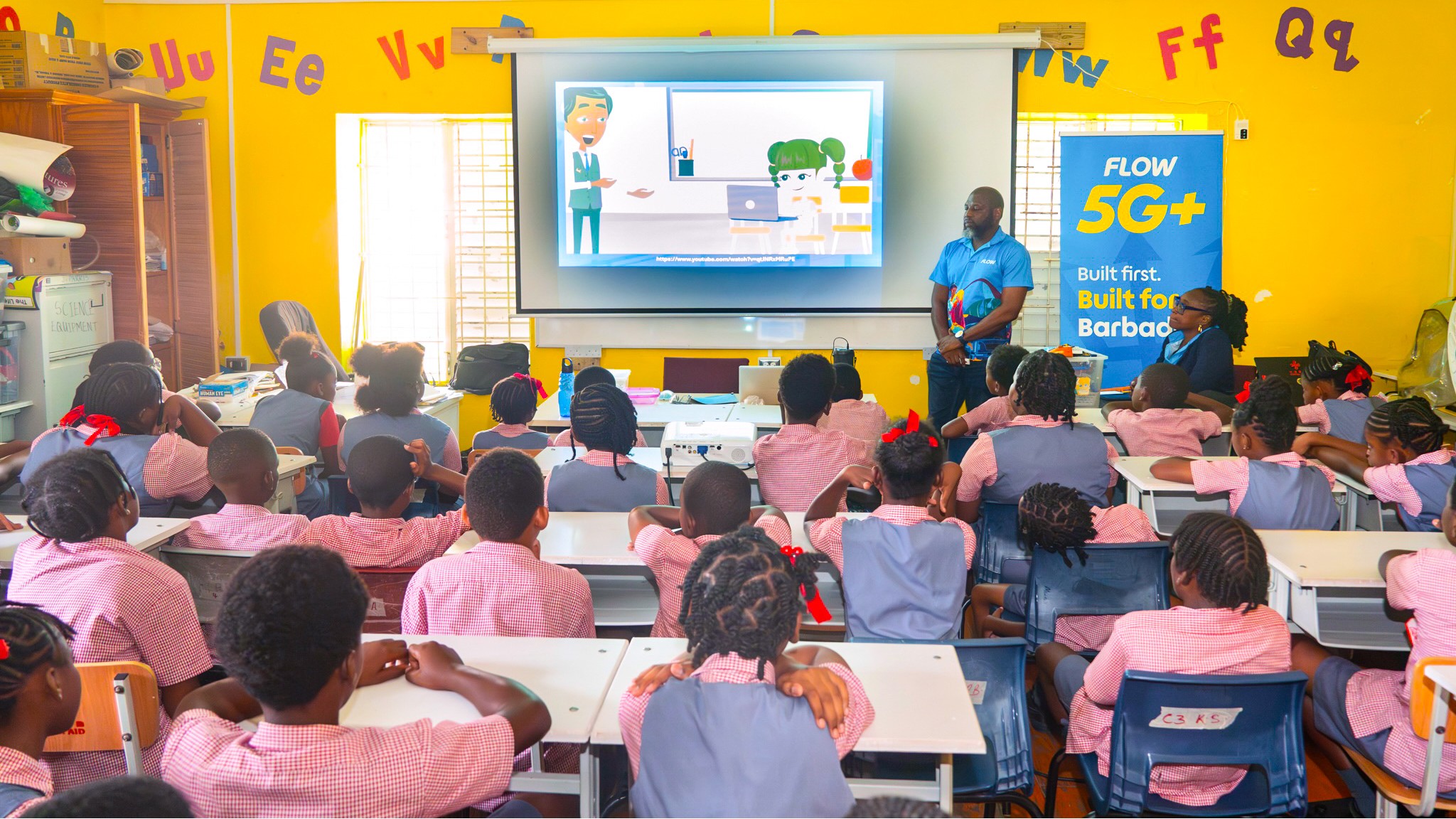
    In anticipation of the global Safer Internet Day, telecommunications provider Flow conducted a specialized educational engagement at Welches Primary School, delivering crucial lessons on responsible digital citizenship to young learners. The initiative targeted Class 3 and Class 4 students, emphasizing the formation of secure online habits during formative years.

    Led by Camara Price, Supervisor of Flow’s Technical Assistance Centre, the interactive session empowered students to critically evaluate their digital behaviors. The curriculum addressed multiple dimensions of online safety, including appropriate information sharing, respectful digital communication, and the ethical use of emerging smart technologies. Central themes reinforced the values of kindness, privacy protection, and awareness that digital actions create permanent footprints.

    The workshop generated enthusiastic participation, with students actively posing questions and sharing personal online experiences. Flow contributed educational resources to the institution, presenting an iPad and vouchers to the school administration. Additionally, all participating students received branded merchandise commemorating the event.

    Toni Yarde, Senior Communications Manager at Flow, articulated the company’s philosophy: “We believe connectivity must simultaneously empower and protect, particularly for younger users. This engagement enabled early intervention through meaningful dialogue, helping students recognize that technology’s power must be balanced with informed choices. Education and awareness constitute essential pillars of online safety, especially as children access digital tools at increasingly younger ages.”

    School Principal Julia Broome expressed appreciation for the corporate partnership, noting: “We value Flow’s investment in delivering interactive, relevant safety education. This collaboration strengthens our school community by reinforcing critical lessons about digital responsibility and ethical decision-making.”

    The initiative aligns with the 2024 Safer Internet Day theme: “Smart Tech, Safe Choices – Exploring the Safe and Responsible Use of AI,” highlighting the growing importance of informed digital literacy in an increasingly connected world.


  • Vincy NGO Hand2Earth to present at climate forum in Vienna

    Vincy NGO Hand2Earth to present at climate forum in Vienna

    Saint Vincent’s grassroots organization Hand2Earth has achieved international acclaim by securing an invitation to present at the prestigious UNIDO Climate Adaptation and Industrial Resilience Forum scheduled for February 2026 in Vienna, Austria. This recognition comes as a direct result of the NGO’s receipt of the highly competitive GEF Assembly Challenge Award in 2023, where it emerged victorious among 600 global applicants as one of only 22 selected winners.

    The organization will showcase its innovative vetiver systems project, which has demonstrated remarkable success in farmland recovery throughout North Leeward. Since its inception in 2022 with initial funding from the SVG Conservation Fund, the project has expanded significantly, now engaging 85 active farmers and 21 craft beneficiaries while positively impacting over 200 households through its comprehensive watershed management and agri-heritage tourism initiatives.

    Project Manager Vonnie Roudette has been personally invited to deliver a keynote address focusing on the governance, design, and sustainability of community-led climate adaptation solutions. Her presentation will emphasize the holistic approach that has become Hand2Earth’s trademark—a methodology that combines creative praxis with inclusive problem-solving to ensure community ownership and long-term viability.

    The four-day UNIDO forum, aligned with the UNIDO Climate Action Plan 2025–2029, will convene government representatives, private sector leaders, and technical experts to establish practical pathways for integrating climate adaptation into sustainable industrial development. Additionally, a specialized workshop will provide capacity-building training and networking opportunities for the 22 selected civil society organizations, enabling knowledge exchange and initiative scaling.

    Hand2Earth’s invitation acknowledges both its environmental achievements and its established reputation in prisoner rehabilitation programs encompassing vetiver crafts, literacy education, and sustainable farming practices since 2015. The organization’s participation represents not just local success but a model for global community-led climate resilience.

  • Wereld Kinderkankerdag: Samen bouwen aan hoop, zorg en betere overleving

    Wereld Kinderkankerdag: Samen bouwen aan hoop, zorg en betere overleving

    February 15th marks the annual observance of International Childhood Cancer Day, a global initiative dedicated to raising awareness and demonstrating solidarity with children and adolescents battling cancer alongside their families. The 2026 campaign carries the poignant theme “Together We Build Hope,” highlighting the critical importance of collaborative efforts in enhancing survival rates, improving care quality, and ultimately transforming patient outcomes worldwide.

    Childhood cancer remains one of the leading causes of mortality among children globally, with approximately 400,000 new cases diagnosed annually. Suriname faces its own share of this challenge, reporting between 15 to 20 new pediatric cancer cases each year. Statistical data reveals that about 60% of these cases involve blood cancers (leukemia) and lymphatic system cancers (lymphomas).

    The most prevalent childhood cancer manifestations include:
    – Leukemia (blood cancer)
    – Brain tumors
    – Lymphomas (cancer of the lymphatic system)
    – Solid tumors such as neuroblastoma and nephroblastoma (Wilms tumor)

    Unlike adult cancers, pediatric malignancies frequently lack identifiable causes, with environmental factors and lifestyle choices typically playing minimal roles in disease development. These conditions primarily stem from uncontrolled cellular growth within developing biological systems.

    Treatment methodologies encompass chemotherapy, radiation therapy, and surgical interventions, tailored according to cancer type and detection stage. Medical professionals emphasize that early recognition and rapid diagnosis significantly improve treatment success probabilities and survival outcomes.

    Beyond medical interventions, comprehensive psychosocial support proves indispensable throughout the treatment journey. Family, friendship networks, and community engagement collectively create crucial support systems that help children endure treatments more effectively while strengthening families during profoundly challenging periods.

    In Suriname, International Childhood Cancer Day serves as a platform for amplifying awareness, fostering collaborative partnerships, and encouraging societal engagement. The central message remains unequivocal: only through unified global action can we genuinely expand hope for children confronting cancer diagnoses.

    The collective commitment resonates across nations: united we stand stronger—for our children, for their future.

  • SVG triumph in bilateral chess competition in Grenada

    SVG triumph in bilateral chess competition in Grenada

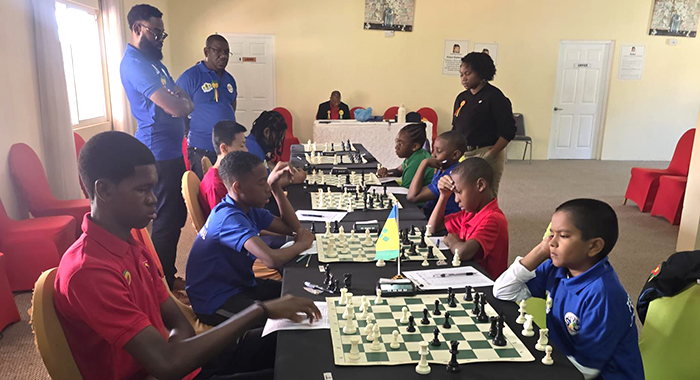
    The St. Vincent and the Grenadines Chess Federation has proudly announced the exceptional achievement of its National Lottery Junior Chess Team at the historic Fedon Bilateral Invitational Chess Competition held in Grenada. The young Vincentian squad, comprising Captain Vedant Shetty, Le’mar Abbott, Nathanael Lawrence, Stacy Baptiste-King, and Arianna Balcombe, delivered a masterclass in competitive chess under the guidance of manager Oris Robinson and coach Terence Latctman.

    Facing formidable regional opposition from Team Grenada across three demanding rounds, the SVG contingent exhibited extraordinary mental fortitude, strategic acumen, and impeccable sportsmanship throughout the tournament. The competition commenced with a hard-fought 3-2 victory in Round One, followed by a dominant 4-1 performance in Round Two that highlighted their tactical discipline and competitive resolve. The final round culminated in a tense 2.5-2.5 draw after fiercely contested matches from both sides.

    Securing a comprehensive overall victory with a final score of 9.5-5.5, Team SVG’s triumph stands as a testament to their collective talent, rigorous preparation, and unwavering dedication to the sport. The federation officially commended the players for representing the nation with outstanding integrity and determination while expressing profound gratitude to the National Lottery Authority for its sustained investment in youth chess development initiatives.

    The team is scheduled to return home on Monday, with their next competitive challenge set for the Chatoyer Youth Tournament in St. Vincent and the Grenadines in March 2026.

  • Let’s have clarity on PM Friday’s son

    Let’s have clarity on PM Friday’s son

    The appointment of political leaders’ offspring to government positions has reignited debates in St. Vincent and the Grenadines, echoing historical controversies that previously gripped the nation. Current Prime Minister Ralph Friday’s utilization of his son as an unofficial aide has drawn public scrutiny, despite parliamentary procedures blocking formal questioning from opposition figures.

    This situation evokes memories of the 2007 appointment of Camillo Gonsalves, son of then-Prime Minister Ralph Gonsalves, as the nation’s UN ambassador. That controversial decision first introduced the term ‘nepotism’ into mainstream political discourse within SVG, with then-opposition leader Arnhim Eustace condemning it as a clear case of preferential treatment based on family connections.

    The current administration faces mounting questions about the nature and scope of the prime minister’s son’s involvement in government affairs. Citizens seek transparency regarding his access to confidential information, participation in cabinet meetings, travel arrangements, and overall exposure to sensitive governmental operations. These concerns mirror those previously directed at the Gonsalves administration during their tenure.

    While Speaker of the House has blocked official parliamentary questioning on the matter, public curiosity remains unabated. Commentators argue that Prime Minister Friday, who during his swearing-in ceremony pledged accountability to the people, should proactively address these concerns through official channels rather than allowing speculation to flourish.

    Observers suggest that formalizing the arrangement with a clearly defined job description, even for a voluntary position, would provide the transparency necessary to maintain public trust and prevent the gradual erosion of accountability mechanisms that has characterized the nation’s political landscape over recent decades.

  • Griffith warns of eroding trust in electoral process

    Griffith warns of eroding trust in electoral process

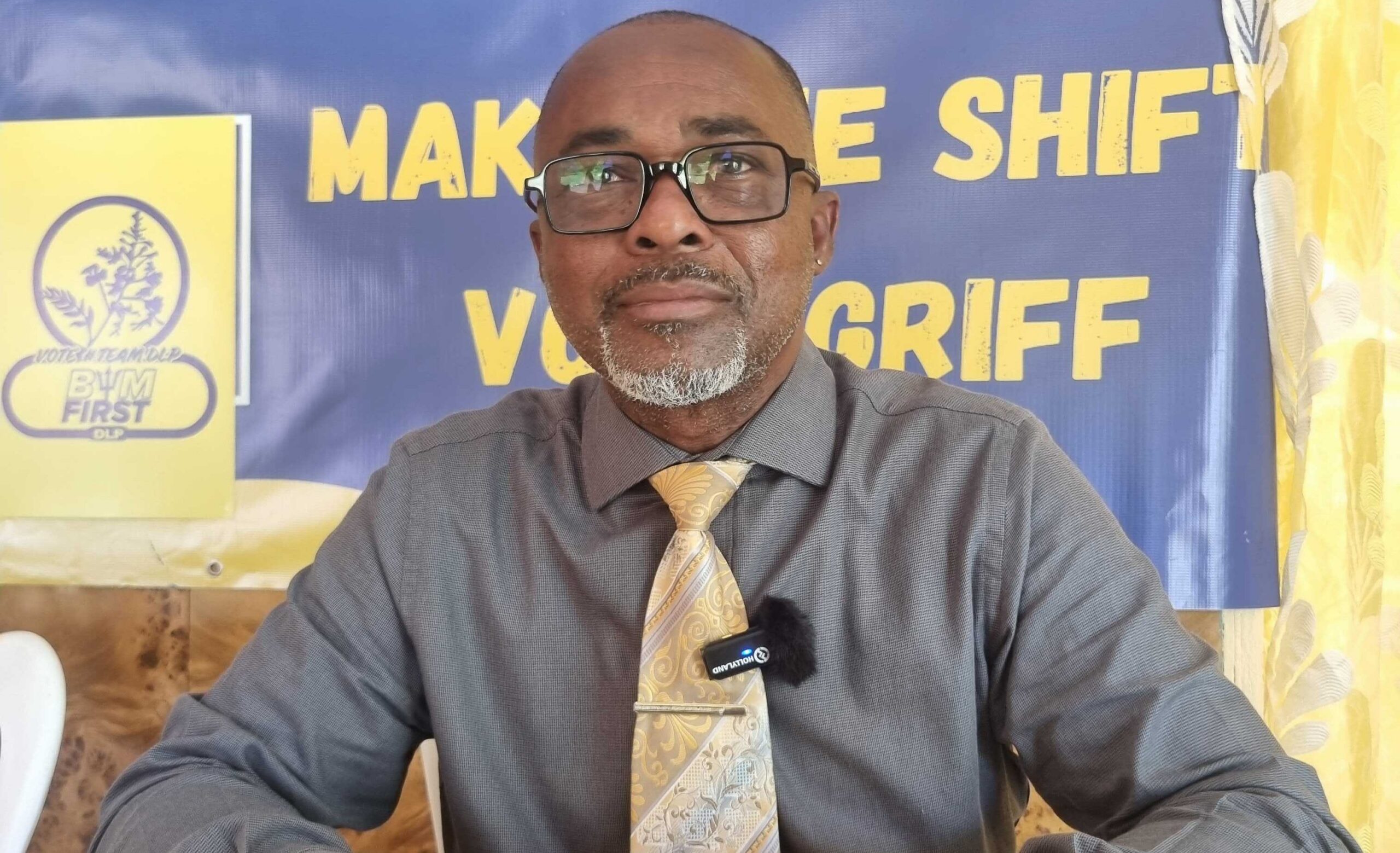
    A profound crisis of confidence in Barbados’ democratic institutions has been exposed through alarming interactions with the nation’s youth, according to Democratic Labour Party (DLP) candidate Ian Griffith. The former St Lucy constituency candidate revealed disturbing evidence of eroding trust in the electoral process, highlighted by a troubling encounter with an eight-year-old boy who inquired about monetary compensation for his future vote.

    This exchange, which occurred during Griffith’s campaign activities, serves as a stark indicator of deeper systemic issues affecting political engagement across generations. The child’s question—’How much will I give him for my vote?’—and his subsequent explanation that ‘That is what I hear’ suggests widespread normalization of transactional politics that fundamentally undermines democratic principles.

    The situation is further exacerbated by abysmal voter participation rates, with Griffith pointing to a mere 30% turnout in the February 11 poll. These figures demonstrate a dramatic disengagement from the political process that threatens the foundation of Barbadian democracy. Many citizens have developed profound skepticism toward political figures, viewing them as disingenuous actors rather than genuine representatives of public interest.

    Griffith emphasizes that comprehensive civic education represents the most critical intervention needed to reverse this dangerous trend. He advocates for targeted programs that specifically address youth understanding of electoral participation as a civic duty rather than a transactional exchange. This educational initiative must clarify the fundamental purpose of selecting representatives who will genuinely advocate for constituency development and national progress.

    Despite his electoral defeat, Griffith has committed to maintaining an active presence in St Lucy, promising to hold the victorious Barbados Labour Party (BLP) government accountable on multiple pressing issues. His ongoing advocacy will focus on resolving persistent water infrastructure challenges, ensuring transparency regarding proposed desalination plants, addressing deteriorating road conditions across multiple communities, combating coastal erosion threatening Sherman’s area, and improving facilities at the North Stars Cultural and Social Club.

    The politician has called for regular town hall meetings to facilitate genuine dialogue between constituents and government agencies, particularly the Barbados Water Authority. He further reiterated his demand for compensation consideration for households suffering extended water service disruptions.

    While congratulating his successful opponent Peter Phillips and the BLP on their victory, Griffith unequivocally stated that his political movement would continue its work in the constituency, signaling ongoing opposition oversight and community engagement.

  • LISTEN: Antigua and Barbuda Government Purchases Crusher to Accelerate Road Repairs

    LISTEN: Antigua and Barbuda Government Purchases Crusher to Accelerate Road Repairs

    In a strategic move to enhance national infrastructure development, Prime Minister Gaston Browne revealed on Saturday that the government has secured a new stone crusher through an outright purchase. The announcement, made during his weekly appearance on the ‘Browne and Browne Show,’ signals a significant step forward in the administration’s public works agenda.

    The newly acquired industrial equipment, fully paid for by the state, is projected to arrive within the next 45 to 60 days. This machinery is specifically intended to revolutionize the country’s aggregate production capabilities, which have been operating below optimal capacity. By substantially increasing the daily output of crushed stone—a fundamental component in concrete manufacturing—the government aims to eliminate existing bottlenecks in construction material supply.

    Prime Minister Browne articulated the direct correlation between aggregate availability and road construction efficiency, stating, ‘This strategic acquisition will enable us to dramatically increase aggregate production, thereby accelerating our concrete road paving initiatives nationwide.’ The investment represents a core component of the administration’s comprehensive infrastructure modernization program, which prioritizes durability, quality, and long-term resilience in public works projects.

    Beyond the crusher acquisition, the government is preparing to deploy additional specialized road repair machinery in the coming weeks. This multi-faceted approach underscores an intensified commitment to overhauling the nation’s transportation network, addressing both immediate repair needs and long-term infrastructure development goals through enhanced technical capacity and resource allocation.

  • Antigua and Barbuda to Invest in National Sound System for Major Events

    Antigua and Barbuda to Invest in National Sound System for Major Events

    The Antiguan government is advancing ambitious plans to elevate the nation’s cultural infrastructure with a dual-pronged approach: the imminent completion of a $20 million performing arts center and a potential state investment in a national sound and lighting system. Prime Minister Gaston Browne, speaking on the ‘Browne and Browne Show,’ confirmed that the transformation of the former Deluxe Cinema into a cutting-edge performance venue is on track for a September or October unveiling.

    Beyond the brick-and-mortar development, the administration is contemplating a significant investment in professional audio-visual technology. This initiative aims to drastically improve the production quality of large-scale national events, including Carnival celebrations and major concerts. The government has already procured a large stage for the new center and is now evaluating the acquisition of a professional-grade sound system, with lighting equipment also under consideration.

    Prime Minister Browne framed this investment as a crucial component of a broader strategy to ‘level up’ the country’s creative economy. He emphasized the government’s role in ensuring that flagship productions meet international standards, thereby enhancing the experience for both residents and tourists. ‘We can’t have substandard sound at major productions,’ Browne stated, underscoring the commitment to quality.

    The proposed government-owned system would specifically target large-scale events, while private audio providers would continue to serve the small and medium-sized event market. This delineation aims to supplement rather than supplant existing private sector services, with the government taking responsibility for guaranteeing top-tier production value at the nation’s most prominent cultural showcases.

  • PM Announces Tax Breaks to Help Small Tourism Businesses Compete

    PM Announces Tax Breaks to Help Small Tourism Businesses Compete

    In a strategic move to bolster domestic engagement within the tourism economy, the government of Antigua and Barbuda has enacted significant fiscal incentives for local leisure and entertainment enterprises. Prime Minister Gaston Browne unveiled the policy shift during his weekly national address, revealing that Cabinet has sanctioned complete duty-free importation of capital equipment for water sports and tour operators.

    The initiative specifically targets machinery and gear utilized in water-based recreational activities, effectively reducing financial barriers for small and medium-sized businesses seeking to modernize or expand their operations. This calculated economic intervention aims to recalibrate the sector’s balance by fostering broader Antiguan and Barbudan participation in the lucrative tourism market.

    Concurrently, the administration issued a stern warning to major hotel conglomerates attempting to directly compete with local operators. Properties found to be importing equipment for tour operations or water sports in manner that disadvantages smaller domestic businesses face potential revocation of their existing tax concessions. The government has already initiated reviews of certain hotel agreements to ensure compliance with this equitable tourism framework.

    Prime Minister Browne emphasized the philosophical underpinning of these measures, stating, ‘Our fundamental objective is to guarantee that the tourism sector generates widespread benefits rather than becoming an exclusive enclave for major developers.’ The policy represents a deliberate reorientation toward economic inclusivity, ensuring that nationals capture more substantial value from the islands’ primary industry.

  • Monorath: Vreemdelingenbeleid moet integraal worden aangepakt, boetegelden ‘levensader’

    Monorath: Vreemdelingenbeleid moet integraal worden aangepakt, boetegelden ‘levensader’

    Suriname’s Minister of Justice and Police, Harish Monorath, has delivered a stark assessment of the nation’s immigration system during a parliamentary session in De Nationale Assemblee (DNA), acknowledging fundamental structural deficiencies that demand comprehensive reform.

    Minister Monorath identified critical flaws in the 2017 legalization project, initially designed as a general pardon program to register undocumented migrants and grant legal residency status. The initiative, however, stalled at the registration phase, with many foreigners failing to complete subsequent renewal procedures, consequently reverting to illegal status. The minister specifically highlighted challenges with Guyanese citizens who frequently cross borders through informal ‘backtrack routes,’ effectively bypassing official immigration controls.

    The minister emphasized that immigration policy cannot be addressed in isolation from border district realities, particularly in regions like Nickerie and areas bordering French Guiana. “For many residents in these regions, borders barely exist in practical terms,” Monorath stated, noting the intensive daily cross-border movement. He revealed that specialized border arrangements are under development alongside strengthened formal border checkpoints, with conceptual proposals to be presented to parliament subsequently.

    In a separate but equally significant appeal, Minister Monorath advocated for redirecting 100% of fine revenues to his ministry, challenging the current distribution framework that allocates:
    • 40% to Justice and Police
    • 20% to the Ministry of Finance
    • 20% to the Suriname Police Corps
    • 20% to the Public Prosecutor’s Office

    The minister characterized the fine revenue as an essential emergency fund for urgent operational needs when regular funding channels through Finance Ministry allocations prove insufficient. Critical expenses covered by these funds include accommodation costs for judicial staff attending court sessions in Nickerie, logistical expenses for process servers delivering summonses in remote districts, and immediate repairs for police and fire department equipment including malfunctioning pumps and water tanks.

    “When these resources must first transit through Finance’s central treasury before we can reclaim them, we encounter significant operational challenges,” Monorath warned parliamentarians. He suggested enhancing penalty effectiveness through additional measures such as linking traffic violations to insurance premium increases, where accidents would trigger substantial insurance cost hikes.