博客

  • Antigua and Barbuda Pushes for Visa-Free Travel to the United Arab Emirates

    Antigua and Barbuda Pushes for Visa-Free Travel to the United Arab Emirates

    DUBAI – Against the gleaming backdrop of the 2026 World Governments Summit, the Caribbean nation of Antigua and Barbuda has initiated a transformative partnership with the United Arab Emirates, signaling a new chapter in transcontinental connectivity and economic collaboration.

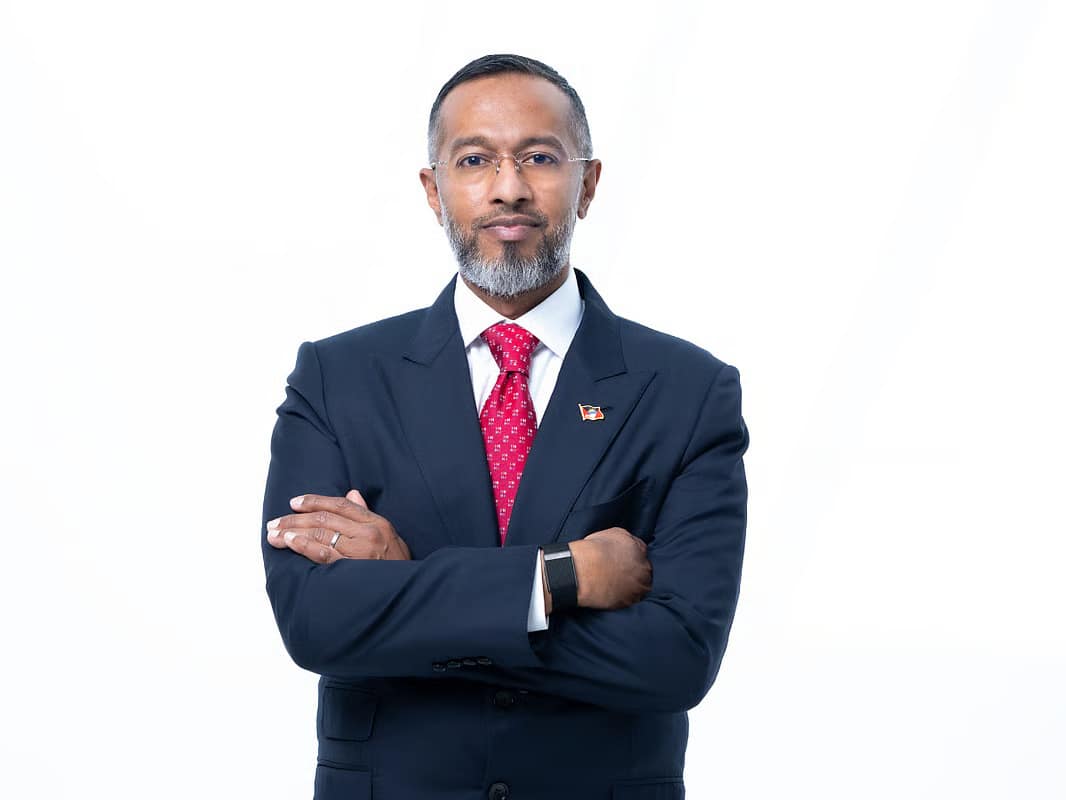
    The high-level delegation, led by Prime Minister Gaston Browne and Ambassador Theon Ali, progressed beyond theoretical discussions to establish concrete, actionable frameworks aimed at bridging the geographical and economic divide between the Caribbean and the Middle East. Central to these diplomatic efforts is the advancement of a Comprehensive Economic Partnership Agreement (CEPA), designed to synchronize economic policies across three critical sectors: luxury tourism, sustainable infrastructure development, and global trade logistics.

    In a landmark development for global mobility, both nations are negotiating a significant expansion of their existing Mutual Visa Waiver Agreement. While currently benefiting only diplomatic and official passport holders, the proposed extension would grant ordinary citizens from both nations unprecedented freedom to travel for business and leisure, effectively eliminating longstanding bureaucratic barriers.

    Complementing this initiative, the delegation advanced the renewal of a bilateral Air Services Agreement during strategic talks with UAE Minister of State Noura Al Kaabi. This critical aviation framework aims to dismantle historical connectivity challenges by streamlining regulations and incentivizing airlines to establish direct routes, thereby creating a permanent ‘air bridge’ between the regions.

    Beyond tourism, the partnership focuses on substantial Emirati investment in Antigua and Barbuda’s sustainable infrastructure. Leveraging UAE expertise in smart-city development and renewable energy, the islands seek to fortify their economy against external shocks while attracting high-net-worth visitors and venture capital to their emerging digital and luxury sectors.

    The summit concluded with the establishment of a Joint Technical Team tasked with implementing these agreements by year’s end. This collaboration represents a strategic pivot for small island nations, demonstrating their capacity to evolve from vacation destinations into proactive architects of global economic integration.

  • Civil rights activist The Rev. Jesse Jackson, dies at 84

    Civil rights activist The Rev. Jesse Jackson, dies at 84

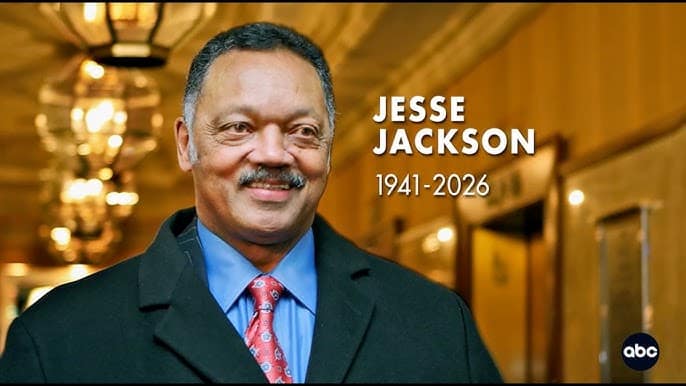
    The Reverend Jesse Louis Jackson, a monumental figure in the American civil rights movement whose profound moral leadership and powerful oratory permanently altered the nation’s political landscape, has passed away at age 84. The confirmation came from a spokesperson for the Rainbow Push Coalition, the organization Jackson founded.

    Jackson, who had been hospitalized in recent months while battling progressive supranuclear palsy (PSP), emerged from humble beginnings in segregated Greenville, South Carolina. Born to an unmarried teenage mother during the Jim Crow era, he would eventually become one of America’s most influential civil rights leaders and a transformative political force.

    As a protégé of Dr. Martin Luther King Jr., Jackson first gained national prominence in the 1960s. Following King’s assassination in 1968, he charted his own course as a dynamic leader, sometimes drawing criticism from other King associates who considered him overly bold in his approach.

    Jackson’s most significant political contributions came through his groundbreaking presidential campaigns in the 1980s. His dual bids for the Democratic nomination electrified Black communities nationwide and surprised political analysts with their ability to attract substantial White voter support. Long before Barack Obama’s national emergence, Jackson demonstrated that a Black candidate could achieve significant crossover appeal.

    His visionary Rainbow Coalition concept—an ambitious alliance embracing Blacks, Whites, Latinos, Asian Americans, Native Americans, and LGBTQ individuals—fundamentally reshaped Democratic Party politics. Jackson famously articulated this vision: “Our flag is red, white and blue, but our nation is a rainbow – red, yellow, brown, Black and White – and we’re all precious in God’s sight.”

    Beyond his inspirational rhetoric, Jackson engineered concrete political changes with lasting impact. He successfully advocated for replacing winner-take-all delegate allocation in Democratic primaries with a proportional system—a reform that ultimately facilitated Obama’s come-from-behind victory over Hillary Clinton in 2008.

    Jackson’s signature mantra, “Keep hope alive,” became more than just a catchphrase; it embodied his lifelong commitment to social justice across three distinct eras: Jim Crow segregation, the civil rights movement, and the post-civil rights period culminating in Obama’s election and the Black Lives Matter movement.

    Despite facing childhood insecurities as what biographers described as a “double outcast” due to his race and circumstances of birth, Jackson developed into one of America’s most gifted communicators. He masterfully incorporated the rhythmic cadences and poetic imagery of Black church tradition into political discourse, captivating audiences with his eloquence and his empowering refrain: “I Am Somebody.”

    Historians now recognize Jackson as a crucial trailblazer who demolished the perception that a Black candidate couldn’t be politically viable on the national stage. His legacy endures in the multicultural Democratic Party he helped create and in the millions of Americans who continue to draw inspiration from his dream of a vibrant, multiracial democracy.

  • Scrub Life Cares Introduces Community Clothing Drive Focused on Dignity and Wellness

    Scrub Life Cares Introduces Community Clothing Drive Focused on Dignity and Wellness

    In a groundbreaking move at the upcoming Fifth Annual Grow With The Flo Women & Girls’ Health Expo on May 23rd, 2026, public health nonprofit Scrub Life Cares will unveil its innovative community initiative called ‘The Open Closet.’ This pioneering program represents a significant advancement in addressing both health equity and environmental sustainability through clothing accessibility.

    The Open Closet establishes a welcoming space where expo attendees can freely select and acquire quality clothing items—including clean, gently used, or new garments—completely free of charge. This initiative emerges from the organization’s recognition that clothing accessibility directly impacts multiple dimensions of well-being, including confidence levels, emotional health, social engagement, and overall quality of life.

    Simultaneously, the program addresses the growing environmental crisis caused by textile waste and clothing overproduction. By creating a sustainable channel for clothing redistribution, The Open Closet tackles both social needs and ecological concerns through a single, integrated approach.

    Tanya Ambrose, Founder and CEO of Scrub Life Cares, emphasized the comprehensive nature of their approach: ‘Health outcomes are fundamentally shaped by social, environmental, and economic factors. The Open Closet represents our commitment to addressing these interconnected systems by meeting immediate community needs while promoting environmentally conscious practices.’

    The initiative operates on a dignity-centered model that eliminates registration requirements and eligibility screenings. This design intentionally prioritizes individual autonomy, reduces potential stigma, and reinforces respect for personal choice—all essential components of effective health equity work.

    The Grow With The Flo Expo itself serves as Scrub Life Cares’ flagship annual event, bringing together health professionals, community organizations, and advocates to provide comprehensive wellness programming. From its beginnings as an intimate gathering of under 100 participants, the event has expanded significantly to serve hundreds annually, demonstrating both community need and trust in the organization’s evidence-based, dignity-centered methodology.

    The incorporation of The Open Closet strengthens the Expo’s holistic wellness framework by acknowledging that basic necessities—including appropriate clothing—constitute fundamental components of health, social participation, and quality of life.

  • Antigua and Barbuda Swimming Federation to Host 10th National Swimming Championships This Weekend

    Antigua and Barbuda Swimming Federation to Host 10th National Swimming Championships This Weekend

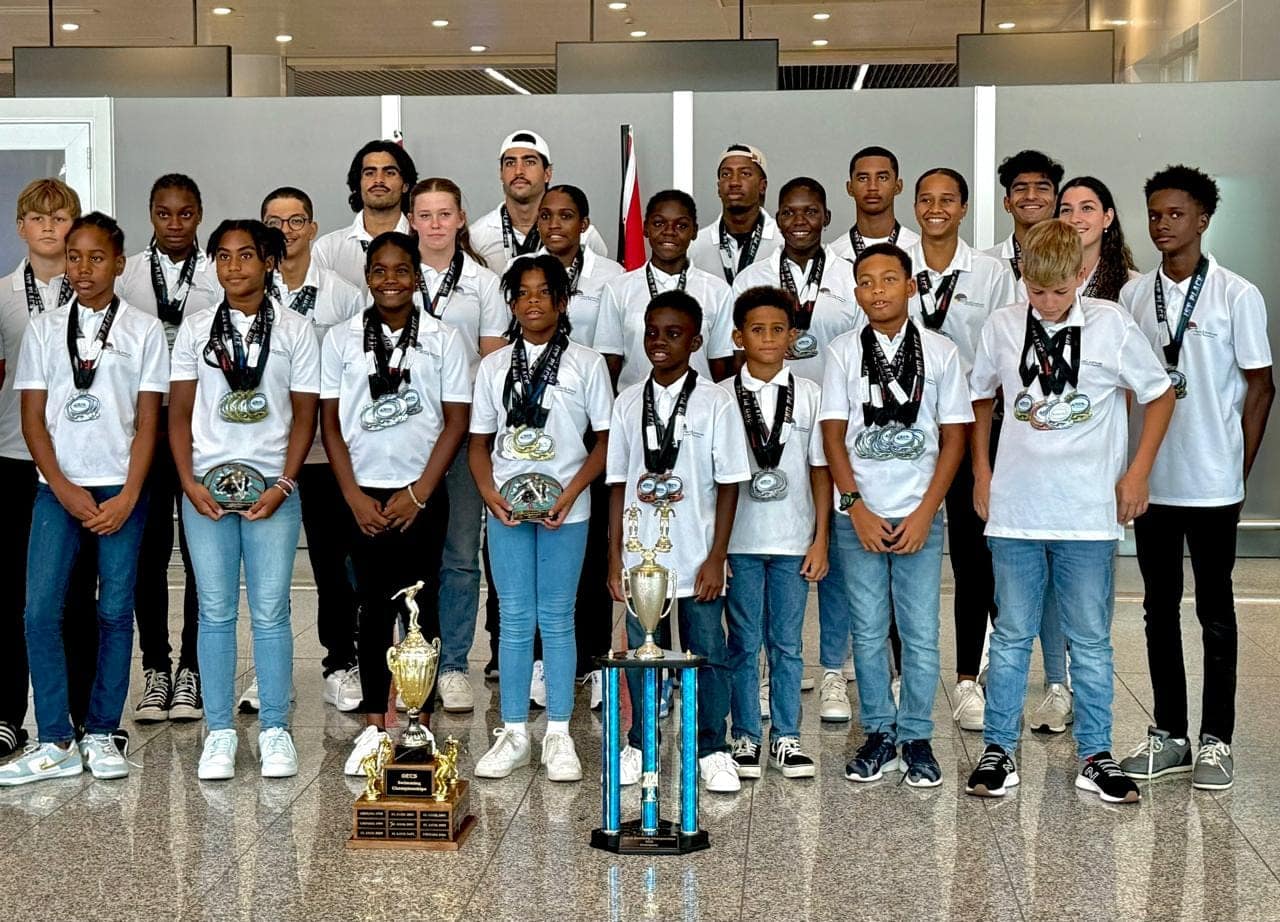
    The Vipers Pool Facility in Longfords will serve as the vibrant venue for the 10th National Swimming Championships of Antigua and Barbuda, scheduled from Friday, February 20th to Sunday, February 22nd. The event, organized by the Antigua and Barbuda Swimming Federation, represents the final qualifying opportunity for athletes seeking a place on the National Team for the upcoming 39th CARIFTA Swimming Championship in Martinique this April.

    Competition will commence on Friday evening at 5:45 PM, featuring swimmers from four local clubs alongside a visiting contingent from the British Virgin Islands. Participants will compete across the full spectrum of swim distances and events in an Age Group Championship format. Categories include 8 & under, 9-10, 11-12, 13-14, 15-17, and 18 & over age divisions.

    The Federation extends an open invitation to the general public to attend the championships and support local athletic talent. Spectators can enjoy food and beverages available for purchase throughout the event. Admission pricing is structured with a weekend pass available for $25 for adults. Alternatively, single session entry fees are set at $10 for adults, $5 for children aged 5-12, while children under 5 enjoy free admission.

  • Antigua and Barbuda Reaffirms Support for Uganda and Strengthens Bilateral Cooperation

    Antigua and Barbuda Reaffirms Support for Uganda and Strengthens Bilateral Cooperation

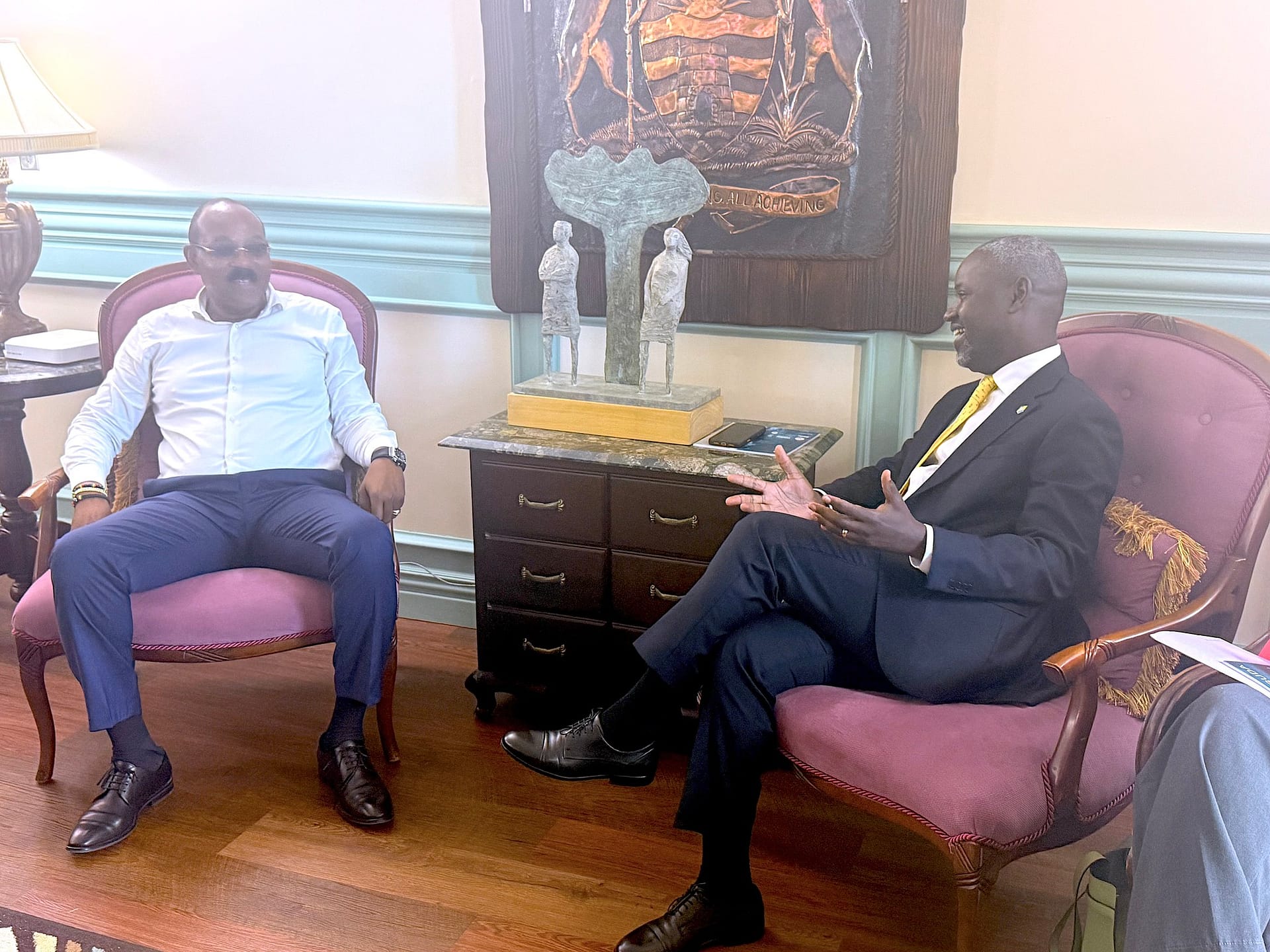
    In a significant diplomatic development, the Caribbean nation of Antigua and Barbuda has solidified its international partnership with Uganda following high-level governmental discussions. The meeting between Prime Minister Gaston Browne and visiting Ugandan Deputy Parliament Speaker Thomas Tayebwa yielded substantial agreements on bilateral cooperation and mutual international support.

    Prime Minister Browne formally congratulated President Yoweri Museveni on his recent electoral victory, interpreting the results as evidence of strengthened public confidence in Uganda’s leadership. The Antiguan leader praised President Museveni’s governance and committed his nation’s ongoing diplomatic support for Uganda within global forums.

    The dialogue emphasized Uganda’s influential position within the Non-Aligned Movement, with Antigua and Barbuda pledging comprehensive backing for the Movement’s core principles and activities. Both nations acknowledged Uganda’s active participation in United Nations initiatives, particularly regarding climate change advocacy and multilateral diplomatic engagement.

    A cornerstone of the enhanced bilateral relationship is the existing visa-waiver program that facilitates seamless travel between the two nations. Citizens of both countries enjoy visa-free entry for short-term visits up to 90 days, enabling tourism, business development, and cultural exchanges without bureaucratic barriers. This arrangement establishes a framework for increased mobility and cross-border investment opportunities.

    The discussions also focused on expanding Caribbean-African cooperation through educational partnerships, technical knowledge sharing, and tourism development. Prime Minister Browne recognized Uganda’s dedication to strengthening ties with Caribbean states through regional organizations and affirmed Antigua and Barbuda’s commitment to collaborative efforts in sustainable development, climate resilience, and South-South cooperation initiatives.

    The concluding statements from both delegations emphasized mutual goodwill and a shared determination to advance bilateral relations for the benefit of their citizens and the broader international community.

  • Spain extradites Dominican man wanted for murder in the Dominican Republic

    Spain extradites Dominican man wanted for murder in the Dominican Republic

    In a significant international law enforcement collaboration, Spanish authorities have extradited Miguel Ángel Álvarez García to the Dominican Republic to face serious criminal charges. The suspect, who operated under multiple aliases, stands accused of orchestrating the fatal shooting of Cristofer Díaz Rodríguez in Santo Domingo’s Ensanche La Fe neighborhood on November 6, 2024.

    Álvarez García arrived at Las Américas International Airport under heavy security escort by OCN-Interpol Santo Domingo operatives. He was immediately transferred to the National District Prosecutor’s Office where judicial proceedings commenced without delay. The extradition marks the culmination of a complex legal process involving meticulous coordination between European and Caribbean judicial systems.

    According to investigative documents, the alleged murder plot involved multiple accomplices. Sandy Gabriel Alcántara, identified as the triggman nicknamed ‘Chamaco,’ reportedly executed the shooting under Álvarez García’s direction. The criminal network allegedly included Manuel Antonio Mora, currently in pretrial detention, and two additional suspects who remain fugitives from justice.

    The successful transnational operation was coordinated through the Public Ministry’s Directorate of International Legal Assistance, Extraditions and Human Rights in partnership with the National District Prosecutor’s Office. Dominican officials formally expressed gratitude to Spanish authorities for their cooperation in apprehending the fugitive, who had fled to Spain following the commission of the crime.

    Álvarez García now faces comprehensive charges under the Dominican Penal Code including homicide and violations of national firearms regulations. The case demonstrates growing international judicial cooperation in combating transnational criminal networks and ensuring accountability for violent crimes across jurisdictions.

  • The example of a man for difficult paths

    The example of a man for difficult paths

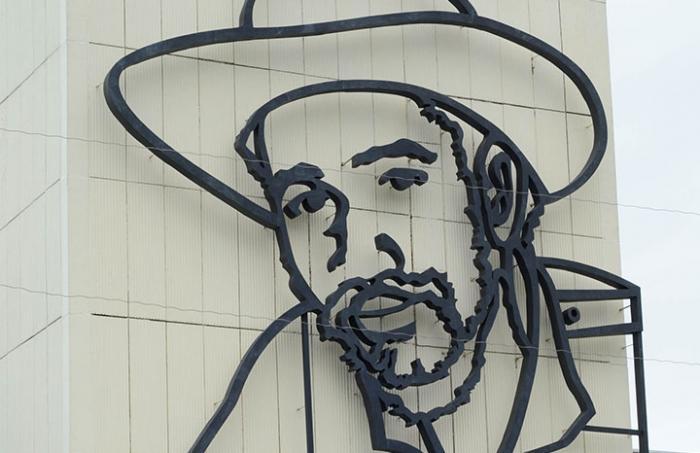
    On what would have been his 99th birthday, the enduring legacy of Juan Almeida Bosque continues to inspire contemporary generations facing daunting challenges. As one of the earliest soldiers of the Cuban revolution, Almeida arrived aboard the historic yacht Granma that heralded a new era of freedom for the nation.

    His remarkable journey transformed him from a fearless guerrilla combatant into a distinguished military strategist, yet no difficulty could diminish his resolve or prevent him from assuming responsibilities with exemplary conduct and inherent nobility. Beyond his military accomplishments, Commander Almeida possessed profound artistic sensibilities—his delicate musical compositions, joyful melodies, and constant engagement with creative expression revealed one of the most multifaceted revolutionaries of his epoch.

    Contemporary remembrance of Almeida transcends mere historical reflection; it serves as a vital source of strength for new missions and current struggles. His example remains perpetually relevant, particularly when tasks appear overwhelming or when reaffirmation of collective commitment becomes necessary. The foundational principle that defined his activism emerged during a pivotal moment when Fidel Castro halted the yacht, risking everything to save one man’s life—an episode that crystallized Almeida’s understanding that true revolution centers on concern for others.

    In moments when perseverance falters, when exhaustion threatens to prevail, or when discouragement seems imminent, Almeida’s defiant proclamation continues to resonate across generations: ‘Here, no one surrenders!’ This powerful declaration, originating from the Sierra mountains yet echoing through history, maintains its capacity to fortify resolve and reinforce dedication to collective progress.

  • Hof corrigeert vervolging Adhin met opvallend hoge schadevergoeding

    Hof corrigeert vervolging Adhin met opvallend hoge schadevergoeding

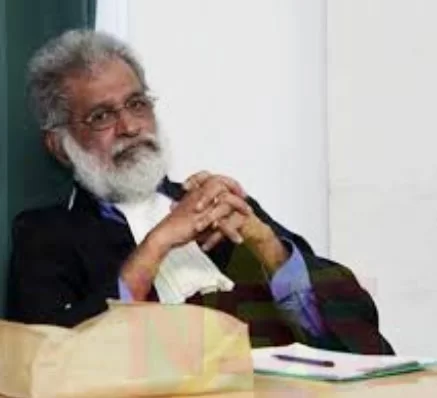
    In a significant judicial ruling, Suriname’s Court of Justice has rendered its verdict in the case involving former Vice President Ashwin Adhin, who currently serves as Parliamentary Assembly Chairman. The court granted substantial compensation for Adhin’s wrongful detention period while referring claims for immaterial damages to civil court proceedings.

    Legal representative Irvin Kanhai, who jointly defended Adhin alongside colleague Chandra Algoe, revealed to Starnieuws that the court awarded approximately SRD 400,000 (Surinamese dollars). This compensation package comprises three distinct components: reimbursement for the nine days of unlawful custody, coverage of legal expenses, and compensation for material damages incurred during the proceedings.

    According to Kanhai’s breakdown, roughly SRD 100,000 was allocated specifically for the unjust detention period, while the remaining SRD 300,000 covers legal assistance provided by both attorneys. The defense had additionally sought substantial compensation for immaterial damages, including reputational harm and psychological distress resulting from the detention.

    The court did not dismiss these immaterial damage claims but determined that Article 77 of the Criminal Code provides no legal basis for such awards within criminal proceedings. Instead, the judiciary clarified that pursuing compensation for non-material injuries requires initiating separate civil litigation.

    “The court isn’t denying his entitlement to such compensation,” Kanhai emphasized. “However, within the criminal law framework, the court cannot substantively rule on these matters.” The attorney noted this represents one of the highest compensation amounts ever awarded under Article 77 for wrongful detention cases, potentially setting a precedent for future acquittals or dismissed prosecutions.

    Kanhai further clarified that the court’s decision doesn’t guarantee immediate payment, despite creating an enforceable title. Actual fund recovery might necessitate additional legal procedures, potentially involving asset seizure—a process the attorney described as potentially protracted.

    Whether Adhin will pursue civil proceedings for immaterial damages remains unconfirmed, though Kanhai indicated he would recommend such action to comprehensively address all damages suffered.

  • Abinader delivers new military and emergency equipment to strengthen national security

    Abinader delivers new military and emergency equipment to strengthen national security

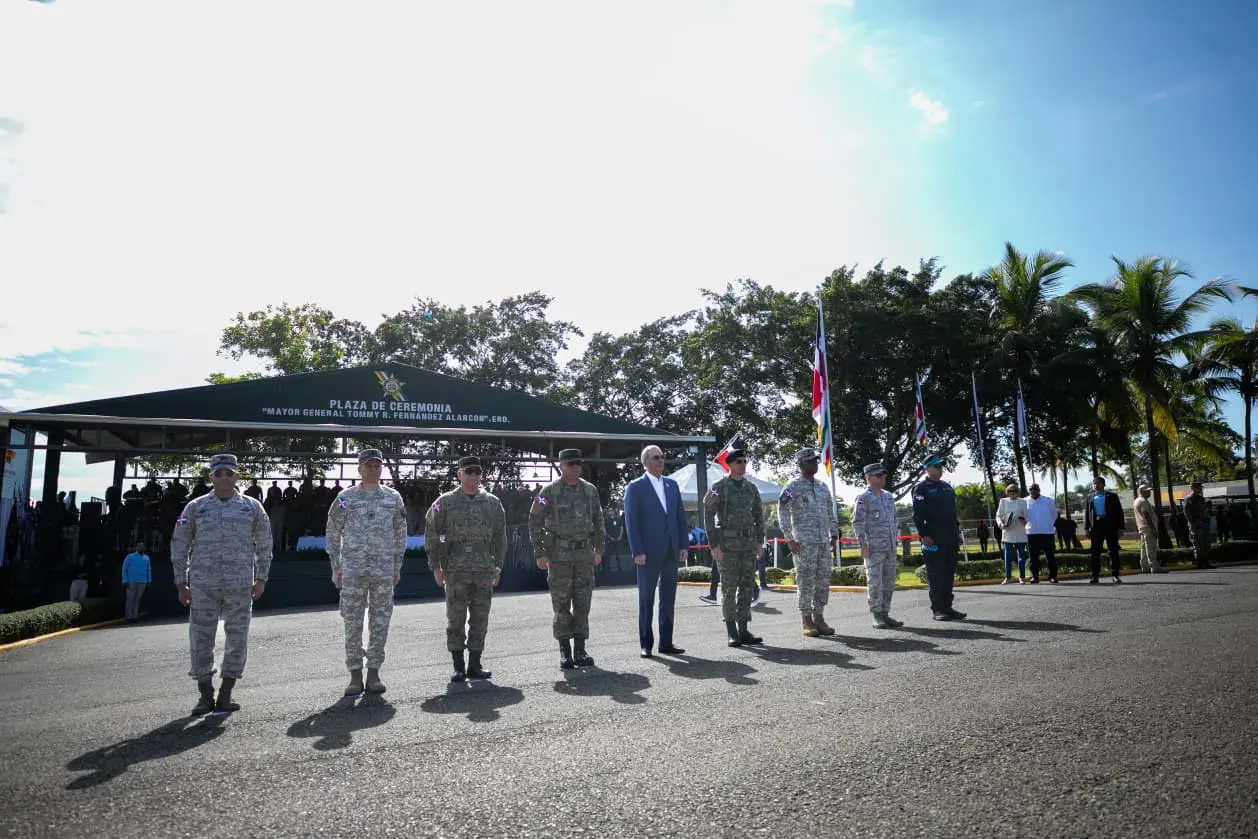
    SANTO DOMINGO – In a landmark ceremony underscoring a significant leap in national defense capabilities, President Luis Abinader has officially commissioned a comprehensive suite of advanced military and emergency response assets for the Dominican Armed Forces. This strategic delivery forms a critical component of the nation’s ongoing, state-led modernization initiative designed to fortify territorial integrity, enhance public safety, and boost operational readiness.

    The event marked the rollout of a new fleet of operational vehicles, the first installment of a procurement program extending to 2026. These vehicles are engineered for a diverse range of duties, including high-risk patrols, efficient troop transportation, and critical logistical support, thereby dramatically improving strategic mobility across diverse Dominican terrain.

    A historic highlight was the unveiling of three FURIA VBD-1 armored vehicles. These units represent a monumental achievement for the domestic defense industry, being the first armored platforms entirely assembled within the Dominican Republic, signaling a new era in local military manufacturing and technological self-reliance.

    President Abinader emphasized the transformative impact of the new assets, stating, “This equipment positions our Armed Forces at an unprecedented level of operational capacity. We are delivering tools that will profoundly contribute to our continuous modernization journey.”

    Beyond ground vehicles, the technological upgrade is substantial. The forces have integrated autonomous reconnaissance drones for enhanced land and maritime surveillance. Complementing this are sophisticated anti-drone systems, providing a critical defensive layer with the capability to detect, track, and neutralize unauthorized unmanned aerial intrusions, thereby solidifying national airspace control.

    The arsenal was further expanded with the provision of specialized weaponry for elite tactical units, including high-precision rifles, grenade launchers, submachine guns, and heavy machine guns.

    Recognizing the dual role of the military in security and civil protection, the government also bolstered the Specialized Disaster Mitigation Corps (CEMED). The new equipment includes a state-of-the-art urban fire truck, a specialized unit for combating forest fires, and a advanced search-and-rescue vehicle, significantly upgrading national emergency response capabilities.

  • St. Kitts’ Citizenship-by-Investment Programme under gobal scrutiny as China looms in the background

    St. Kitts’ Citizenship-by-Investment Programme under gobal scrutiny as China looms in the background

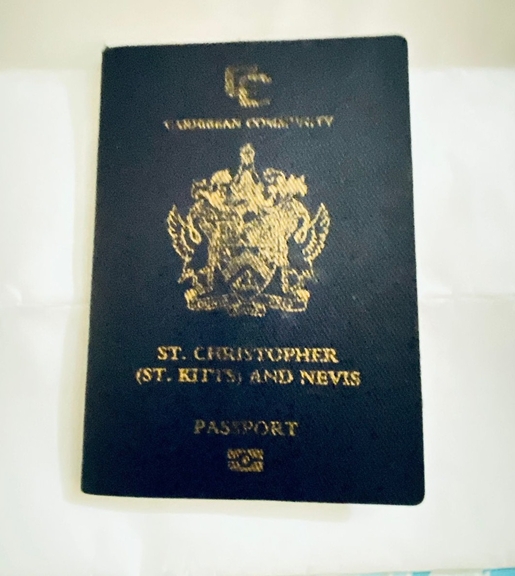
    The Citizenship-by-Investment (CBI) programme that transformed St. Kitts and Nevis into one of the Caribbean’s most prosperous microstates now faces intense international scrutiny, not merely for its economic implications but for the geopolitical questions it raises in an increasingly polarized global landscape.

    As the pioneer of modern investment migration, the twin-island federation has long promoted its passport as a gateway to global mobility, opportunity, and financial security. Investors are attracted by visa-free access to over 150 countries, flexible residency rules, and a reputation built over four decades. However, the program’s explosive growth over the past decade has alarmed international partners concerned about who obtains Kittitian and Nevisian citizenship—and whether investment migration could become a conduit for foreign influence.

    These concerns emerge against the backdrop of China’s aggressive expansion across Latin America and the Caribbean, coupled with its persistent campaign to diplomatically isolate Taiwan. Although St. Kitts and Nevis maintains no formal relations with Beijing, the substantial participation of Chinese nationals in the federation’s CBI programme adds complex layers to an already delicate geopolitical balancing act.

    A Programme Overshadowing Its Nation

    Over the past ten years, St. Kitts and Nevis has witnessed a dramatic surge in economic citizens alongside increased migration from within CARICOM and the OECS. This influx has strained infrastructure and public services in a nation with a resident population of just over 53,000.

    According to the European Commission’s Eighth Report, the federation received 17,668 CBI applications between 2015 and 2023, resulting in 48,844 passports issued. Subsequent data shows over 3,000 additional applications and 6,437 passports issued in 2024, with 734 more by April last year—bringing the total beyond 55,000. Effectively, passports issued through the programme now exceed the number of citizens living and working in the federation.

    The Commission noted that many successful applicants come from countries whose citizens typically require visas to enter the European Union, including China, Iran, Syria, Iraq, Nigeria, and Lebanon. While the Citizenship by Investment Unit releases limited demographic data, international reports indicate Chinese nationals constitute one of the largest applicant groups across Caribbean CBI programmes.

    Critics argue that the absence of routinely published nationality and residency data undermines public oversight and fuels speculation about the strategic implications of mass citizenship grants, particularly when applicants originate from geopolitically sensitive states.

    Unlike St. Kitts and Nevis, Grenada provides quarterly reports detailing programme operations, including applicant nationalities, application numbers, approvals, passports issued, and total revenue—fulfilling its international obligations.

    China, Mobility, and Strategic Ambiguity

    Although China does not officially recognize dual nationality, wealthy Chinese nationals remain among the most active users of investment migration programmes worldwide. For many, a Caribbean passport offers mobility, asset diversification, and insulation against domestic political or economic uncertainty.

    However, analysts caution that scale matters. While individual applicants may be motivated by personal considerations, a sustained concentration of citizenship acquisition from any single country—particularly a major geopolitical power—raises long-term governance and security concerns for small states.

    The concern is not that Chinese CBI citizens act as state agents, but that the programme could inadvertently create strategic leverage. Visa-free access to Europe, minimal residency requirements, and inadequate post-citizenship monitoring have been identified by European and North American authorities as vulnerabilities when due diligence systems are inconsistently applied.

    Several high-profile legal cases involving Chinese holders of Caribbean passports have intensified scrutiny, reinforcing fears that investment citizenship could be exploited for illicit financial flows or geopolitical positioning—even if such cases remain exceptions rather than the rule.

    Public Good Projects and the Belt and Road Dynamic

    Complicating matters further is the Public Benefit and Public Good investment option, which channels large-scale capital into national development projects. While these investments can finance crucial infrastructure, critics warn that the model may blur the line between economic development and influence-building when transparency is lacking.

    This concern resonates across the region as China’s Belt and Road Initiative (BRI) continues to reshape Caribbean infrastructure landscapes. In several jurisdictions, Chinese-financed ports, roads, and public facilities have preceded deeper political and diplomatic engagement with Beijing.

    Though St. Kitts and Nevis is not a BRI partner state, the growing presence of Chinese capital—including through citizenship acquisition—has prompted questions about whether economic pathways could eventually translate into political pressure, especially as Beijing intensifies its global campaign to reduce Taiwan’s remaining diplomatic allies.

    The BRI, launched under Chinese President Xi Jinping, focuses on financing major infrastructure projects including roads and ports. Since its inception, over 150 countries have signed various memoranda of understanding with the Chinese government, representing an estimated US$1 trillion in commitments.

    Reports indicate that more than 20 Latin American and Caribbean territories have joined the programme, with Guyana recently completing its 2,900-meter Demerara Harbour Bridge at US$260 million under the initiative. Other beneficiaries include Antigua and Barbuda, Barbados, Dominica, Grenada, Trinidad and Tobago, and Jamaica.

    While welcomed by many, BRI projects have left several participating territories with significant debt burdens. Jamaica, for instance, reportedly owes China over US$700 million following supported projects, including the North-South Highway completed in 2016 and the ongoing Southern Coast Highway development.

    Despite criticism, many acknowledge that BRI projects serve as essential lifelines for territories that could otherwise not afford such infrastructure, as traditional development partners often provide funding at higher interest rates or lack sufficient capital for completion.

    Reform Efforts and External Pressure

    In response to mounting international criticism, St. Kitts and Nevis and other OECS CBI jurisdictions signed a Memorandum of Agreement aimed at harmonizing standards and strengthening oversight. The agreement commits governments to information-sharing, enhanced transparency, independent audits, stricter regulation of authorized agents, and establishing a regional regulatory authority.

    Despite these efforts, the United States recently tightened scrutiny on passport holders from Antigua and Barbuda and Dominica, suspending certain visa categories partly due to concerns about insufficient residency requirements. This move has sent ripples through the entire Caribbean investment citizenship industry.

    Last year, the Governments of St. Kitts and Nevis and other OECS territories implemented key reform measures to strengthen programme safeguards, including introducing mandatory residency requirements and biometric data collection.

    “We are serious when we say that we will do what is necessary to put this CBI programme in good standing,” St. Kitts and Nevis Prime Minister Dr. Terrance Drew stated during one of his Roundtable sessions.

    Economic Lifeline or Strategic Liability?

    There is little dispute that the CBI programme remains central to the federation’s economy, contributing an estimated 30-90% of GDP. Revenues reached approximately EC$218-670 million over the last decade, funding social programmes and public infrastructure that would otherwise be unattainable.

    In 2019, the country recorded EC$443 million, followed by EC$270 million in 2020. A significant increase to EC$543 million occurred in 2021, and 2022 proved exceptionally successful with EC$669 million. However, after reforms were imposed, the government saw a slight decline to EC$621 million in 2023, followed by a sharp drop to EC$218 million in 2024.

    Attorney-at-law and former National Security Minister Dwyer Astaphan warned that weak oversight risks eroding national credibility, while acknowledging the programme’s economic necessity for a resource-poor state.

    He expressed particular concern about the lack of information sharing and the number of passports issued under the Public Good Option, specifically referencing three projects: the airport development, the Basseterre High School project, and the National Performing Arts Centre project.

    “I do not like the way these options are structured,” he added.

    Nevis Premier and Opposition Leader Mark Brantley cautioned against conflating isolated criminal cases with systemic failures, while acknowledging that the sheer number of economic citizens inevitably raises long-term governance questions.

    “I am not concerned about that. I think that those—the practical matter—those things happen…it doesn’t suggest any weakness in the programme,” Brantley said, comparing the situation to citizens without criminal records who later engage in criminal activity.

    In an invited comment on geopolitical shifts and the CBI programme, Prime Minister Dr. Terrance Drew confirmed that the government is establishing a regulatory body to safeguard the federation’s programme, ensuring it is “more resilient, built on transparency, and integrity.”

    “Of course, there are geopolitical aspects to it that we deal with all the time, but we continue to engage our international partners, from the EU to the United States,” Drew noted.

    Taiwan Ties in a Changing Region

    St. Kitts and Nevis has maintained formal diplomatic relations with Taiwan since independence in 1983, making it one of only a handful of Caribbean states still aligned with Taipei. Over four decades, Taiwan has funded projects across healthcare, agriculture, education, sports, water security, and community development.

    Notable contributions include approximately US$7 million toward the redevelopment of the Warner Park Cricket Stadium for the 2007 ICC Cricket World Cup, over 100 scholarships for local students pursuing tertiary education, desalination initiatives, and the 2023 refurbishment of the New Road Playpark at a cost exceeding US$350,000.

    Taiwan’s Resident Ambassador Edward Ling-wen Tao recently reaffirmed the partnership, describing it as “positive and fruitful” and pledging continued support for nation-building. He acknowledged China’s growing influence in the Caribbean but emphasized that Taiwan’s assistance remains focused on long-term development rather than strategic leverage.

    “I met with the Prime Minister and the Honourable Ministers and also grassroots friends, and they are all very positive about their relationship with Taiwan. And I can assure you that Taiwan will remain a loyal friend of St. Kitts and Nevis for many years to come.”

    Yet regional history offers cautionary examples. In several Caribbean and Central American states, expanding economic ties with China have eventually preceded diplomatic shifts away from Taiwan—often justified on development grounds.

    China continues to view the LAC region as a priority amid the changing global landscape. The European Parliament recently underscored this by noting the frequency of high-level visits by Chinese Communist Party officials—including President Xi Jinping, who visited the region six times between 2013 and 2024, reportedly more often than the last three US Presidents combined.

    A Delicate Balancing Act

    Currently, most analysts agree that St. Kitts and Nevis’s CBI programme does not directly serve as a geopolitical backdoor for China. Yet they also caution that in an era of great-power competition, economic instruments rarely remain purely economic.

    As one of Taiwan’s remaining Caribbean allies, the federation occupies a position of outsized strategic significance. The challenge ahead lies in preserving economic opportunity without allowing scale, opacity, or external pressure—real or perceived—to undermine sovereignty, credibility, or long-standing diplomatic relationships.

    In this context, the debate surrounding CBI has evolved beyond passports and revenue. It has increasingly become about how small states navigate global power shifts without losing control of their own strategic destiny.