博客

  • International healthcare accreditation and other improvements on the docket for Dominica, says DHA chairman

    International healthcare accreditation and other improvements on the docket for Dominica, says DHA chairman

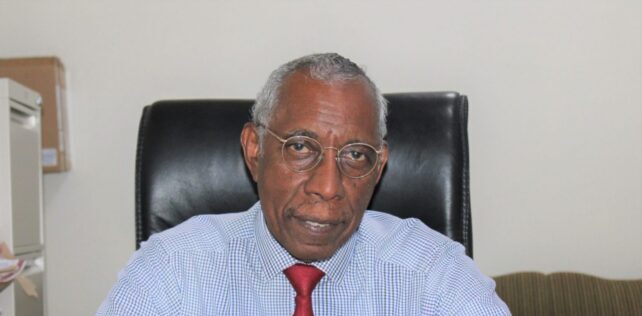
    The Dominica Hospitals Authority (DHA) has announced a comprehensive strategic roadmap aimed at revolutionizing healthcare delivery on the island. Chairman Dr. Donald Peters revealed the multi-faceted plan during a recent press conference, outlining key priorities for the coming year.

    Foremost among these initiatives is the pursuit of international accreditation for Dominica’s medical facilities. Dr. Peters emphasized that this three-year endeavor, conducted in collaboration with Canadian authorities, would enable the hospital to serve international patients and meet global insurance requirements. “Our standards need to meet international standards to achieve this crucial recognition,” he stated.

    The chairman identified financial stabilization as perhaps the most critical challenge, noting that healthcare represents the most significant expenditure for governments worldwide. “Some governments simply cannot afford to make healthcare free due to the enormous costs involved,” Dr. Peters explained, contextualizing the global healthcare financing dilemma.

    A third pillar of the strategy involves enhanced collaboration with the Ministry of Health to address systemic inefficiencies. Dr. Peters revealed a startling statistic: 68% of Accident and Emergency department visitors present with non-urgent conditions like stomach aches or flu viruses. He made a public appeal: “Please go to your health center instead of coming all the way to Goodwill for non-emergencies so that critical cases can receive prompt attention.”

    The most technologically ambitious component involves implementing a nationwide Hospital Management Information System, with $8 million already allocated for the project. This digital transformation will digitize all medical records nationally, accelerating both diagnosis and treatment delivery while improving overall care quality.

    Dr. Peters also addressed the sensitive topic of medical fees, clarifying that the government subsidizes approximately 90% of actual costs. While the cabinet-approved charges appear modest—a $400 bill representing what should be a $4,000 service—he emphasized that these payments remain essential for the hospital’s financial viability.

    The chairman concluded by noting that the Dominican government allocates approximately $28 million daily to healthcare, with a significant portion directed to hospital operations, underscoring the substantial investment required to maintain the nation’s health infrastructure.
  • Cabinet Endorses US $10M Wastewater Project for Caye Caulker

    Cabinet Endorses US $10M Wastewater Project for Caye Caulker

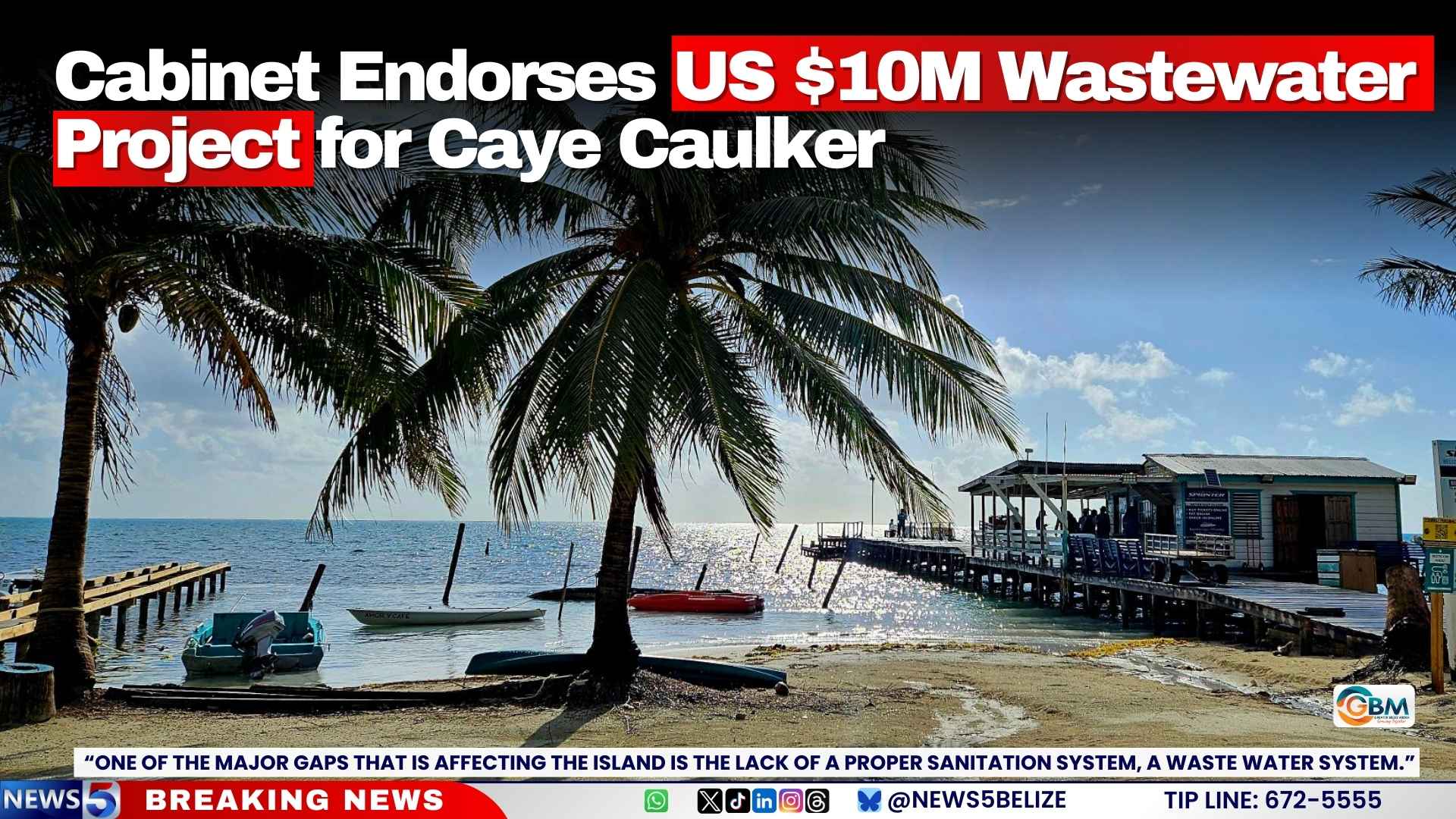
    The Belizean Cabinet has formally endorsed a major infrastructure initiative to address sanitation challenges on the island of Caye Caulker. Government officials will now seek legislative approval from the House of Representatives for a sovereign-guarantee agreement securing a US$10 million loan from the Inter-American Development Bank (IDB) to fund a comprehensive wastewater collection and treatment system.

    According to Ervin Flores, resident consultant engineer at Belize Water Services Limited (BWSL), the picturesque island currently lacks proper sanitation infrastructure despite having potable water access. “One of the major gaps affecting the island is the absence of a centralized wastewater system,” Flores noted, explaining that existing homes and businesses rely on individual septic tanks or small package plants that don’t provide coordinated treatment.

    The ambitious project will employ innovative vacuum pipe technology to transport wastewater from connected properties to a modern treatment facility. Flores emphasized that the system will “collect wastewater and treat it in a manner that exceeds effluent standards, ultimately enhancing environmental protection and public health outcomes for the community.”

    With a total project valuation of US$13 million—combining the IDB loan, BWSL contributions, and supplemental grants—the infrastructure development represents a significant investment in the island’s future. Implementation will commence with a six-month procurement phase to acquire necessary equipment, followed by an estimated three-year construction period involving extensive road trenching and pipe network installation.

    The initial phase will exclusively serve South Caye Caulker, the island’s more developed sector with higher population density and water consumption. North Caye Caulker will be considered for future expansion using potentially different, nature-based solutions due to budgetary constraints and the geographical challenge posed by the Split—a narrow water channel separating the two island sections.

    BWSL officials report successful public consultations and widespread community support from both residents and business operators. Pending government approvals and preparatory work, construction is anticipated to commence in the first quarter of next year, marking a transformative step toward sustainable development for the popular tourist destination.

  • Suriname bereidt zich voor op ratificatie VN-verdrag voor bescherming volle zee

    Suriname bereidt zich voor op ratificatie VN-verdrag voor bescherming volle zee

    Suriname has commenced a comprehensive three-day national workshop to prepare for the ratification and implementation of the United Nations Biodiversity Beyond National Jurisdiction (BBNJ) Agreement. The initiative, launched Wednesday, represents a significant step toward global marine conservation efforts.

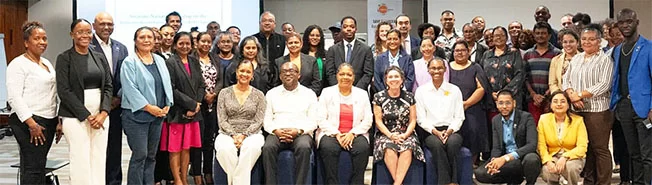
    The workshop, organized by the Ministry of Foreign Affairs, International Business, and International Cooperation in collaboration with the High Seas Alliance, brings together policymakers, scientists, civil society organizations, and private sector representatives. This diverse participation aims to equip Suriname with both the technical expertise and institutional framework necessary for successful adoption of the binding international instrument.

    Adopted under the UN Convention on the Law of the Sea (UNCLOS) in June 2023, the BBNJ Agreement establishes legal frameworks for conserving and sustainably using marine biodiversity in areas beyond national jurisdiction—commonly known as the high seas.

    A recent regional analysis titled ‘High Seas, High Stakes: A Cost-Benefit Analysis of the BBNJ Agreement in the Caribbean (2025)’ indicates that Caribbean nations similar to Suriname stand to gain substantial long-term economic benefits. These advantages include improved fisheries management, enhanced monitoring of offshore activities, and reduced losses from illegal, unreported, and unregulated fishing practices.

    Furthermore, the global biotechnology sector utilizing marine genetic resources is currently valued at approximately $400 to $650 million annually. By strengthening national research and innovation capabilities, Suriname could potentially tap into this growing market segment.

    The agreement holds particular strategic importance for Suriname, which possesses an Exclusive Economic Zone exceeding 130,000 km² and a coastline forming part of the ecologically significant Guianas Shield ecosystem. The nation faces emerging environmental challenges due to expanding offshore operations, increasing maritime traffic, and growing energy sector activities.

    Through the BBNJ framework, Suriname will gain opportunities to intensify international cooperation, access specialized funding mechanisms, facilitate technology transfer, and participate in decision-making processes concerning marine protected areas on the high seas.

    Having signed the agreement in June 2025, Suriname has demonstrated its commitment to actively engage in the new global governance structures that will become operational once the treaty enters into force internationally.

  • PM says no official info received on deadly US strikes on boats

    PM says no official info received on deadly US strikes on boats

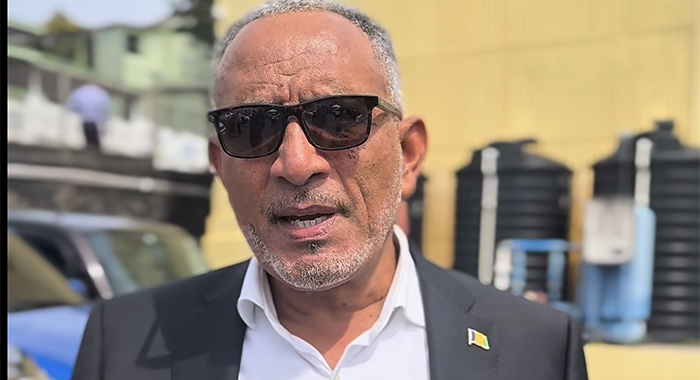
    KINGSTOWN, St. Vincent – Caribbean leaders are demanding answers following a controversial United States military operation in the Caribbean Sea that resulted in multiple fatalities. Prime Minister Godwin Friday of St. Vincent and the Grenadines characterized the incident as “deeply concerning” during a national address, highlighting the potential threat to regional maritime safety.

    The operation, conducted by the US Southern Command (SOUTHCOM), targeted a vessel allegedly engaged in narcotics trafficking. Military officials confirmed a “lethal kinetic strike” resulted in three fatalities described as “narco-terrorists.” However, Caribbean authorities have received no official confirmation regarding the identities or nationalities of the deceased, though unconfirmed reports suggest they may have been St. Lucian nationals.

    Prime Minister Friday announced that National Security Minister St. Clair Leacock would provide a formal statement, emphasizing that while information remains preliminary, the government is “actively seeking definitive answers through diplomatic channels.” The Prime Minister expressed particular concern for fishermen and maritime workers, noting that such military actions introduce unprecedented risks to those who depend on Caribbean waters for their livelihood.

    The incident has drawn parallels to previous US counter-narcotics operations in the region. Last month, families of two Trinidadian men killed in an October strike filed a lawsuit against the US government, while international legal experts continue to question the legality of such operations under international law.

    St. Lucian Prime Minister Phillip J. Pierre confirmed his administration is engaged in diplomatic discussions, stating that while fatalities occurred, official circumstances surrounding the deaths remain unclear. Meanwhile, footage released by SOUTHCOM shows a missile strike obliterating a vessel, and debris believed to be from the incident has reportedly washed ashore near Canouan Island.

    Prime Minister Friday, emphasizing the archipelagic nature of his nation, stated that maritime security remains paramount for regional stability. He urged citizens to remain vigilant while assuring them that authorities would pursue all necessary measures to ensure their safety in territorial waters.

  • African Union again signs resolution against US-Cuba blockade

    African Union again signs resolution against US-Cuba blockade

    For the seventeenth consecutive year, the African Union (AU) has delivered a powerful diplomatic rebuke to the United States by formally condemning its protracted economic, commercial, and financial embargo against Cuba. The recently approved resolution, detailed in an official release from the Cuban Embassy in Ethiopia, characterizes the six-decade-long policy as a severe impediment to Cuban development and a profound burden on its citizenry.

    A central and recurring demand within the resolution is the urgent call for Washington to remove Cuba from its State Sponsors of Terrorism list. The AU describes this designation as both arbitrary and unjustified, framing it as a political instrument that provides a foundation for maintaining the stringent embargo. The document further emphasizes the moral and legal obligation to revoke this classification.

    The resolution articulates deep concern regarding the intensifying negative impacts of the U.S. sanctions, which have been exacerbated by global economic pressures following the COVID-19 pandemic. A significant point of condemnation is the extraterritorial application of U.S. law, specifically through Title III of the Helms-Burton Act. This provision, which allows U.S. nationals to sue entities engaging in business with Cuban assets nationalized after the 1959 revolution, effectively internationalizes the blockade and cripples Cuba’s capacity to participate in global trade and finance.

    Beyond the critique, the resolution serves to reaffirm the deep-seated historical and political bonds between African nations and Cuba, rooted in decades of solidarity and mutual support. It stands as a clear manifestation of Africa’s collective stance against a policy it deems to be in violation of international law and the fundamental principles of national sovereignty.

  • “Bestie” Shares Life Behind the Screen as an Immigrant

    “Bestie” Shares Life Behind the Screen as an Immigrant

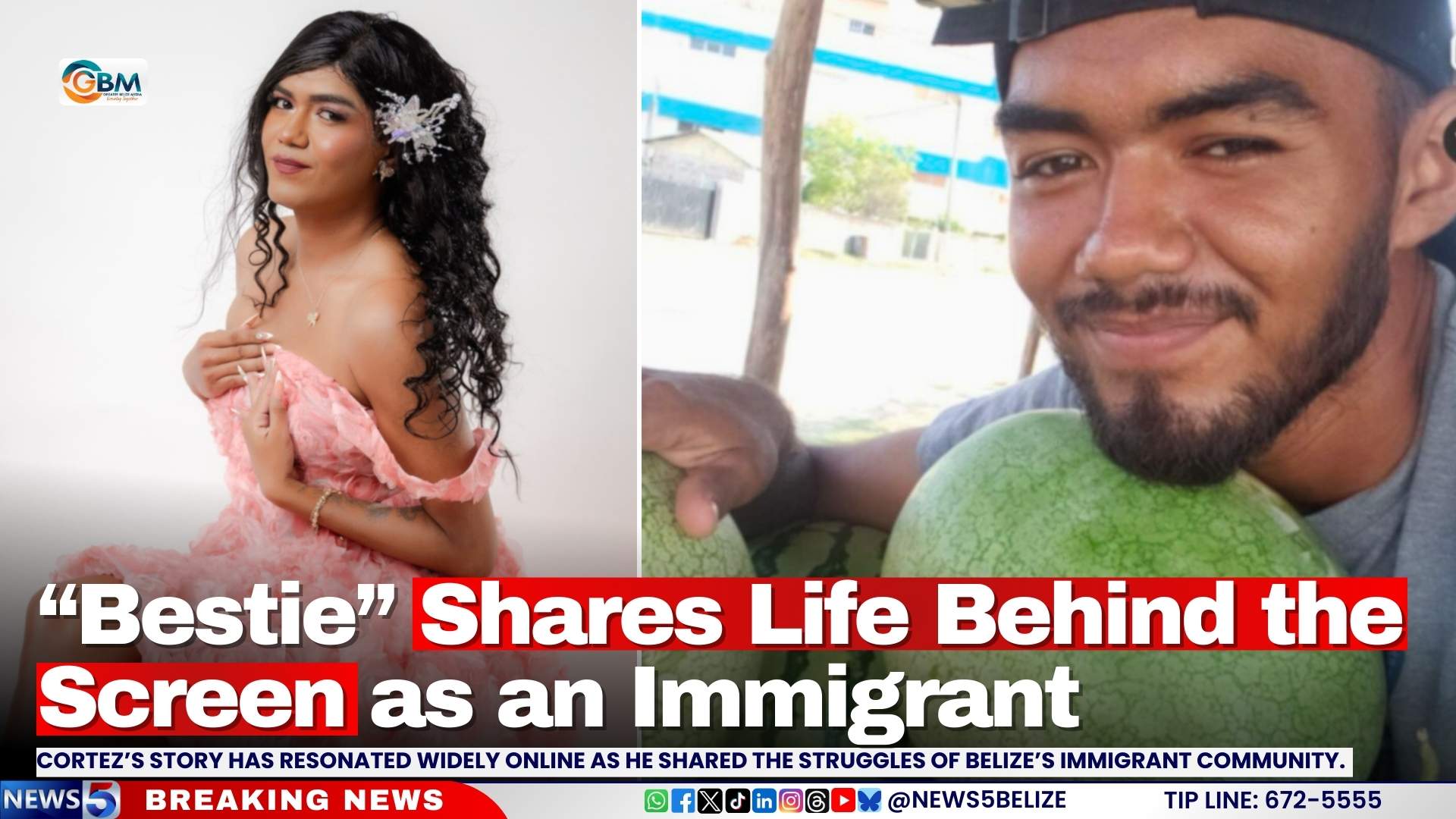
    Melvin Daniel Cortez, a 27-year-old social media personality known as “Bestie,” has emerged as an influential voice for immigrant rights in Belize after publicly recounting their challenging journey from undocumented childhood to documented adulthood. Cortez’s narrative reveals the multifaceted struggles faced by immigrants in the Central American nation, drawing widespread attention across digital platforms.

    Brought to Belize as a child by a parent fleeing difficult circumstances, Cortez endured years of instability that included sleeping on church floors and navigating economic survival by selling vegetables from a tricycle in Corozal’s streets. The journey from undocumented status to legal recognition represents a significant milestone that many immigrants never achieve, according to Cortez’s account.

    In an exclusive interview with News Five, Cortez detailed the dual challenges of social discrimination and systemic barriers. “Schoolchildren would routinely use derogatory terms like ‘yellow belly pania,’ ‘alien,’ or tell us to return to our countries,” Cortez revealed. “But the professional exclusion proved more damaging—employers consistently reject undocumented immigrants to protect their trade licenses, creating a cycle of poverty and exploitation.”

    As a trans woman, Cortez faced additional layers of discrimination while struggling to make ends meet through various informal sector activities, including selling chocolate bananas for less than $15 daily. This economic vulnerability, Cortez explained, makes undocumented immigrants particularly susceptible to workplace exploitation throughout Belize.

    Despite these challenges, Cortez maintained both hope and ethical integrity, guided by the philosophy encapsulated in the Spanish proverb: “Lo que siembras, cosechas” (You reap what you sow). This principle served as a moral compass against the temptation of quick but destructive solutions to financial desperation.

    The viral dissemination of Cortez’s story has sparked broader conversations about immigration reform, workplace protections, and social acceptance in Belize. The narrative has particularly resonated with Belize’s immigrant community, many of whom recognize similar patterns of struggle and resilience in their own experiences.

    News Five will feature Cortez’s complete story on their 6 o’clock broadcast, promising deeper insights into both the personal journey and the systemic issues affecting immigrants throughout the country.

  • Free training course in computer repairs to begin in March

    Free training course in computer repairs to begin in March

    The Caribbean Digital Transformation Project, operating under the Ministry of Public Works, Public Utilities and the Digital Economy, has unveiled a comprehensive six-week Computer Repairs Training Course commencing March 3, 2026. This educational initiative will be hosted at the Lagoon Innovation Hub with sessions scheduled every Tuesday and Thursday from 5:30 p.m. to 7:00 p.m.

    The curriculum has been meticulously designed to provide participants with fundamental knowledge of computer systems, encompassing essential topics including computer architecture, internal hardware components, peripheral devices, software ecosystems, and operating systems. The program further delves into practical aspects such as system installation protocols, diagnostic troubleshooting techniques, and proactive maintenance strategies. The course culminates with a comprehensive review session, hands-on practical examination, and professional guidance on career development fundamentals within the technology sector.

    Prospective participants can now register through multiple channels: by scanning the QR code featured on official promotional materials or by accessing the digital registration portal at https://forms.gle/5sKWwFUpzR9LmcYm8. For individuals requiring technical assistance or additional information, the Project Implementation Unit has established dedicated support available at 266-3840. The administrative office is situated at the former First Domestic Insurance Building on King George V Street in Roseau, maintaining operational hours from 8:00 a.m. to 5:00 p.m. on Mondays and 8:00 a.m. to 4:00 p.m. Tuesday through Friday.

    Project organizers have emphasized that all educational offerings under this digital transformation initiative remain entirely tuition-free, eliminating financial barriers and creating equitable access to technical skill development in computer repair and maintenance disciplines.

  • Seven Independent Senators sworn in

    Seven Independent Senators sworn in

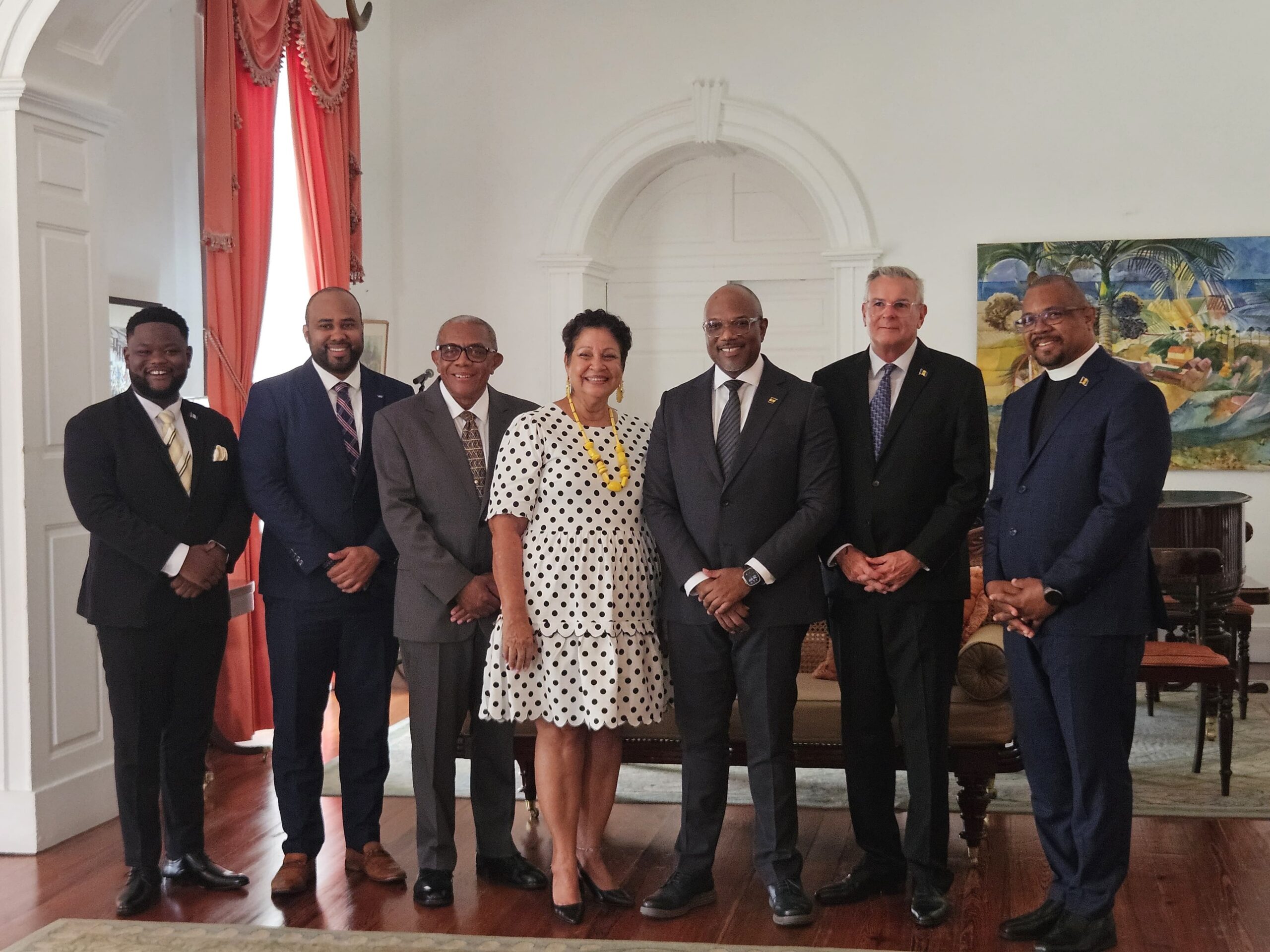
    In a significant political development at Barbados’ State House, seven newly appointed independent senators formally assumed their legislative roles in a swearing-in ceremony presided over by President Jeffrey Bostic. The diverse group of appointees represents various professional sectors including religious leadership, healthcare, and social advocacy.

    The newly inaugurated senators comprise Jamal Slocombe, Reverend Canon Dr. John Rogers, Mary-Anne Redman, Andrew Niles, Andrew Mallalieu, Ryan Forde, and Dr. Kenneth Connell. Their installation marks a strategic expansion of the island nation’s parliamentary framework, enhancing the chamber’s independent voice in governance matters.

    This constitutional procedure demonstrates Barbados’ continued commitment to balanced political representation following its transition to a republic. The independent senators are expected to provide non-partisan perspectives on national legislation, serving as crucial voices between government policy and civil society interests. Their appointments reflect President Bostic’s deliberate approach to incorporating diverse expertise into the nation’s highest deliberative body.

  • National Workers Union to host annual congress of delegates

    National Workers Union to host annual congress of delegates

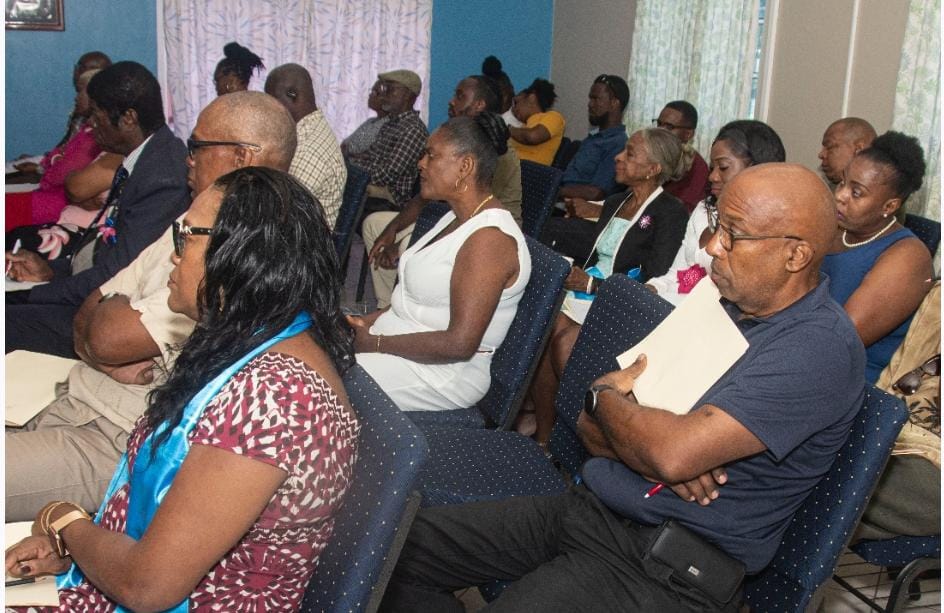
    The National Workers Union (NWU) will convene its pivotal Annual Congress of Delegates on February 20, 2026, adopting the resolute theme: “Preserving and Advancing Decades of Economic, Social, Political, and Industrial Achievements.” This gathering represents a critical juncture for the organization to reaffirm its commitment to protecting workers’ rights and consolidating past gains.

    In accordance with its constitutional mandate, the Congress will assemble at the NWU Headquarters located within the John Burke King Industrial Academy at Unity House, #7 Maurice Mason Avenue, Sans Souci, Castries. The proceedings will commence with an Open Session at 9:30 a.m., featuring a distinguished roster of speakers and participants.

    The ceremonial opening will be presided over by Chairperson Comrade Kimani Pompelis, with Comrade Nnamdi Obodoechina, Central Committee Member and Shop Steward at St. Jude Hospital, delivering the invocation. Secretary General Comrade Johann M. Harewood will set the strategic tone for the assembly through his Welcome Address.

    The Feature Address will be presented by Cletus Springer, a prominent figure in regional development who serves simultaneously as Chairman of the Caribbean Natural Resources Institute (CANARI) and Chairman of the Board of Governors of the Sir Arthur Lewis Community College. His extensive expertise in industrial relations is expected to provide valuable insights into contemporary labor challenges.

    The agenda also includes brief remarks from Emma Hippolyte, Minister for Labour, alongside solidarity messages from regional and international partner organizations. Following the Open Session, delegates will transition into a Closed Session to critically examine organizational reports and develop comprehensive work plans for the upcoming operational term.

  • STATEMENTS: Dominica Bar Association on voter registration and confirmation – ensuring the Integrity and inclusivity of the electoral process

    STATEMENTS: Dominica Bar Association on voter registration and confirmation – ensuring the Integrity and inclusivity of the electoral process

    The Dominica Bar Association has released a comprehensive statement emphasizing the fundamental importance of voter registration verification and its proper administration by authorities to protect the democratic rights of all citizens. The legal body has received numerous expressions of concern regarding electoral processes through both written and verbal communications.

    In an unprecedented appeal transcending political affiliations, the Association urgently calls upon every registered voter to verify their registration status to ensure participation in forthcoming electoral events, whether local or national. This represents an inclusive initiative directed at all Dominican citizens regardless of political orientation or background.

    The constitutional significance of voting rights receives particular emphasis, with reference to paragraph (c) of Dominica’s Constitution Preamble which asserts the people’s belief in a democratic society where all persons may participate in national institutions according to their capacity, thereby fostering respect for lawfully constituted authority.

    While acknowledging ongoing legal challenges to recently amended electoral legislation and concerns about the current framework, the Association stresses the necessity for eligible voters to comply with existing regulations until any formal modifications occur. This approach is presented as the most effective method to safeguard both individual voting rights and the nation’s democratic principles.

    Addressing specific concerns about identification requirements for registration confirmation, the Bar Association proposes that the Electoral Commission conduct a thorough, data-informed analysis to evaluate how ID mandates affect voter participation rates. Such statistical examination would determine whether adjustments to identification requirements are necessary to balance electoral list integrity against potential voter disenfranchisement.

    Given current legal stipulations requiring identification, the Association questions what measures the government is implementing to assist citizens lacking proper documentation or financial means to obtain it. The legal body recommends implementing non-partisan initiatives, such as temporarily suspending new passport application fees to facilitate passport acquisition as valid identification.

    To enhance the confirmation process, the Association advocates for intensified public awareness campaigns by the Electoral Office and political parties, suggesting election-level promotion efforts. Additionally, the proposal includes employers—both public and private sectors—facilitating the process through designated ‘confirmation days’ where employees receive paid time off to verify registrations, provided they submit proof of completion.

    Regarding new voter registrations, the Association notes that the Electoral Office’s temporary suspension caused significant uncertainty and disappointment across political and private sectors. With the announcement that registration will resume by March 10, 2026, the legal body anticipates this will rectify what may have constituted a breach of statutory continuous registration duties, encouraging all unregistered eligible citizens to enroll promptly.

    The statement concludes with a strong recommendation against calling elections before completing the confirmation period, warning that premature electoral proceedings could disenfranchise voters and compromise result legitimacy at national and international levels. The Association clarifies it possesses no knowledge of imminent election plans but addresses a legally permissible scenario that could undermine electoral integrity.

    Finally, the Dominica Bar Association commits to collaborating with all stakeholders—voters, state institutions, the Electoral Commission, and private sector entities—to protect the democratic rights of every citizen through enhanced confirmation processes and inclusive electoral measures.