博客

  • 650+ Women in Uniform Stand United for Women’s Month

    650+ Women in Uniform Stand United for Women’s Month

    BELIZE CITY, BELIZE – In an unprecedented display of female solidarity, over 650 uniformed women from Belize’s defense and security forces will make history on March 1st with the nation’s first exclusive women’s law enforcement march. The groundbreaking event, organized by the Belize Police Department in collaboration with the Belize Coast Guard and Belize Defence Force, represents a monumental step forward for gender representation in traditionally male-dominated professions.

    The historic procession will commence at 9:00 AM local time in front of the House of Culture, with participants marching along Regent Street before turning onto Albert Street. Assistant Superintendent of Police Stacy Smith, the driving force behind the initiative, characterized the event as “a first-of-its-kind demonstration of female empowerment within Belize’s security apparatus.”

    Under the unifying theme “Uniting Women in Law Enforcement for a Safer Belize,” the march serves as the centerpiece of the country’s Women’s Month observances. The participating officers, drawn from various regions across Belize, will showcase the growing presence and influence of women in national security roles.

    Smith extended a special invitation to educational institutions and community members, urging them to witness this transformative moment in Belize’s social history. “We encourage schools to bring students to observe this celebration of women’s achievements in law enforcement,” she stated, emphasizing the event’s significance as both a celebration and an inspiration for future generations.

    The march symbolizes not only the progress of gender equality in Belize’s security forces but also highlights the crucial role women play in maintaining national safety and security. This coordinated display of female professional unity sets a powerful precedent for other nations in the region seeking to enhance gender diversity within their defense and law enforcement agencies.
  • Parliament: Henderson says regulatory ECCU financial services Bill ‘late’ but necessary

    Parliament: Henderson says regulatory ECCU financial services Bill ‘late’ but necessary

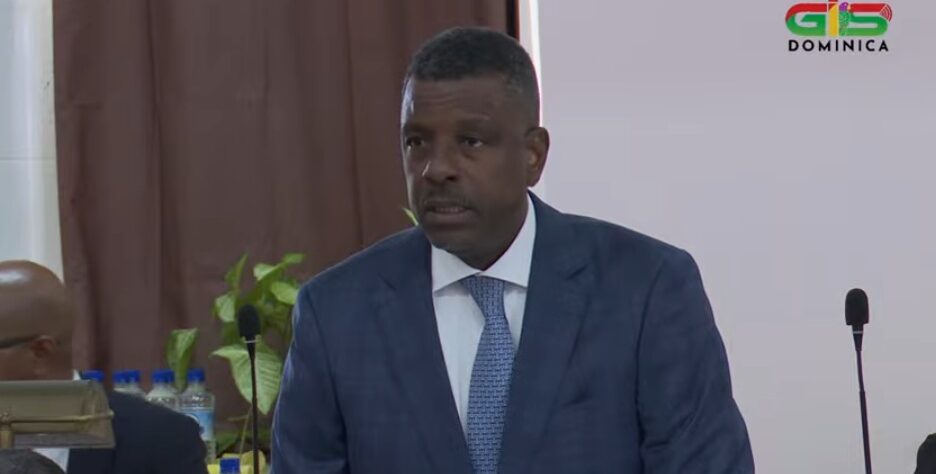
    The Eastern Caribbean Currency Union is poised to establish a comprehensive regulatory framework for payment services with the introduction of the Payment System and Services Bill 2026. Dr. Vince Henderson, Minister for Foreign Affairs, International Business, Trade and Energy, praised both Finance Minister Dr. Irving McIntyre and the Eastern Caribbean Central Bank (ECCB) for presenting the groundbreaking legislation to Parliament on Monday.

    The bill represents a significant milestone in financial regulation, creating a structured licensing system for payment service providers while expanding oversight mechanisms and enhancing consumer protection protocols across member states. During parliamentary proceedings, Dr. Henderson emphasized the urgent need for such regulation, noting the region has witnessed both the emergence and instability of money transfer systems.

    “This legislative action comes at a crucial time,” Henderson stated. “Our primary objective is to establish regulatory safeguards that protect consumers and their hard-earned money as we transition toward an increasingly cashless society.”

    The minister articulated a dual-focused approach: implementing necessary consumer protections while actively fostering innovation within the financial technology sector. He highlighted the importance of developing indigenous payment solutions that reduce dependency on international corporations like Visa, MasterCard, and American Express, thereby minimizing transaction fees for local businesses and consumers.

    Henderson specifically advocated for creating regionally developed money transfer systems and mobile banking platforms that would keep financial benefits within the Eastern Caribbean economic zone. “We must evolve from mere technology consumers to becoming creators and innovators,” he asserted. “This means developing our own properly regulated financial services that attract both local and international investment while generating employment opportunities.”

    The minister further connected digital financial infrastructure to energy security, noting that reliable electricity is fundamental to electronic payment systems. He drew attention to ongoing state investments in energy projects as essential components of national development strategy, all ultimately directed toward improving living standards and creating economic opportunities for citizens.

    This legislative initiative marks a coordinated effort to modernize financial services while ensuring economic benefits remain within the Eastern Caribbean community, representing a significant step toward financial sovereignty and technological self-reliance in the region.

  • Ambergris Caye International Airport Could Begin Construction in Three Years

    Ambergris Caye International Airport Could Begin Construction in Three Years

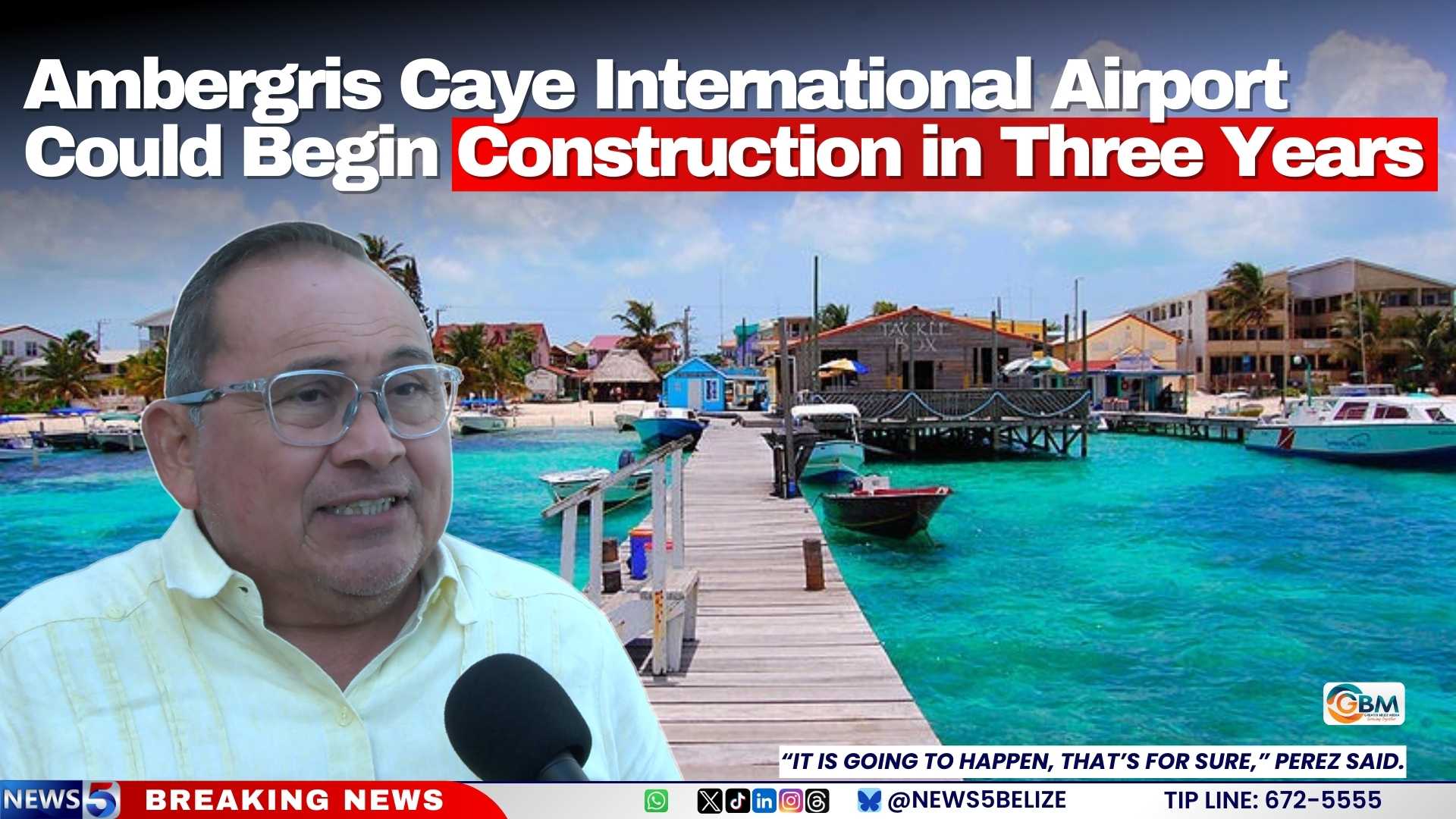
    After more than ten years of deliberation, Belize’s government has reaffirmed its commitment to constructing a new international airport in northern Ambergris Caye, with development anticipated to commence within the next three to four years.

    Andre Perez, Area Representative for Belize Rural South, confirmed to media outlets that the project remains under active consideration and is poised for implementation. The proposed aviation facility would adopt operational models successfully implemented in the Bahamas, streamlining customs and immigration processes to enable arriving passengers to reach their accommodations within minutes of landing.

    The airport’s business model includes provisions for private aircraft parking, generating sustained revenue through daily fees. Additionally, the enhanced infrastructure would significantly boost operational efficiency for local airlines. Current flights between San Pedro and Philip Goldson International Airport (PGIA) are limited to approximately 14 passengers per flight. The new, extended runway would accommodate larger ATR aircraft capable of transporting nearly 40 passengers per trip.

    Comprehensive development plans encompass supporting infrastructure such as road networks, water distribution systems, sewerage facilities, and lighting installations. Funding has already been secured for the project, which features a runway measuring between 7,000 and 8,000 feet in length. The Inter-American Development Bank (IDB) has reviewed and approved the technical design specifications.

    Perez emphatically stated: “It is going to happen, that’s for sure,” signaling the government’s determination to transform this long-discussed project into tangible reality.

  • San Pedro Sees Early Sargassum Landfall

    San Pedro Sees Early Sargassum Landfall

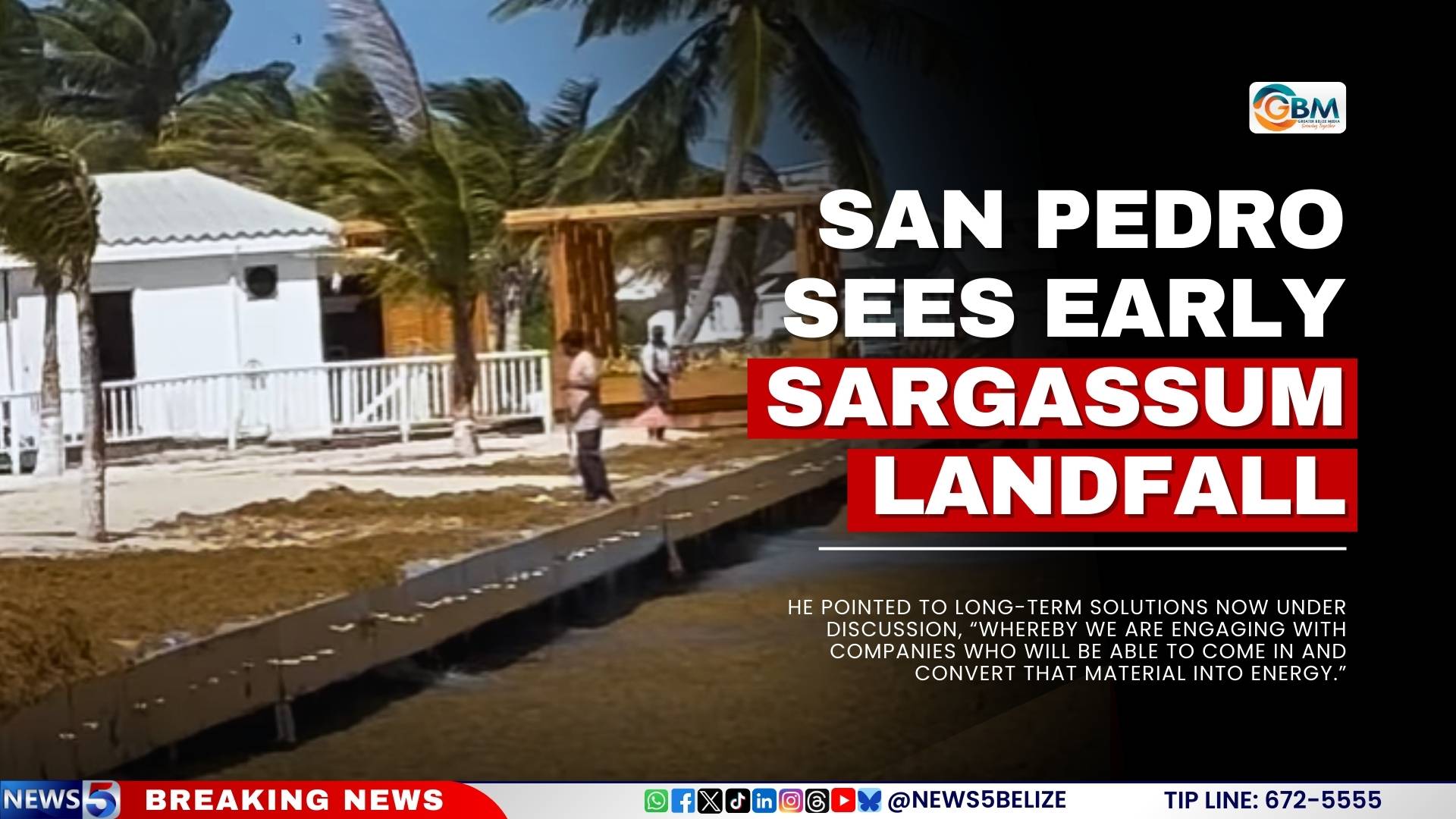
    The coastal community of San Pedro, Belize, is experiencing an unusually early arrival of sargassum seaweed, with confirmed landfall occurring last Friday—months ahead of typical seasonal patterns. This premature emergence of the brown macroalgae has triggered immediate response protocols from national authorities.

    Andre Perez, Belize’s Minister of Blue Economy and Area Representative for Belize Rural South, confirmed that while the situation raises environmental concerns, comprehensive preparatory measures are already in motion. “We’ve been proactively organizing through our dedicated Sargassum Task Force,” Minister Perez stated. “Current initiatives include securing necessary funding, deploying containment barriers, and allocating specialized beach cleaning equipment, particularly for vulnerable areas like Placencia.”

    The Minister acknowledged the potential for cleanup operations to be overwhelmed by the substantial volume of incoming seaweed, emphasizing that the government is pursuing transformative long-term strategies beyond immediate containment. “We’re actively engaging with technology partners who can convert this biological material into renewable energy,” Perez revealed, outlining a visionary approach to ecological challenges.

    According to meteorological assessments from Belize’s National Meteorological Service, satellite surveillance currently detects scattered sargassum formations offshore and along coastal peripheries. While northerly wind patterns are temporarily keeping most mats away from shore, forecasts indicate increased landfall probability by mid-to-late week.

    The national alert system currently classifies sargassum impact probability as medium severity for several coastal regions including San Pedro Town, Caye Caulker, Hopkins, and Placencia, with anticipated effects described as moderate in scale.

  • Ministry of Education Urges All Parents to Support the OECS Students’ Census

    Ministry of Education Urges All Parents to Support the OECS Students’ Census

    Education authorities in Antigua and Barbuda have issued an urgent appeal to parents and guardians as the Organization of Eastern Caribbean States (OECS) Student Census approaches its final deadline this week. The Ministry of Education, Sports and Creative Industries revealed that the nation currently trails behind regional counterparts with a concerning 55% participation rate, significantly below the targeted 80% completion benchmark.

    With the clock ticking on the region-wide educational initiative, ministry officials emphasize that nearly half of the nation’s student population remains uncounted in this critical data collection effort. The current participation level places Antigua and Barbuda among the lowest-performing OECS member states, highlighting an urgent need for collective action during these final days.

    The comprehensive census, conducted simultaneously across all OECS territories, serves as a vital instrument for educational planning and policy formulation. The gathered data will provide unprecedented insights into student demographics, learning environments, and educational needs, enabling evidence-based decision-making for strengthening national education systems.

    Education leaders are mobilizing a nationwide coalition involving parents, guardians, school administrators, teachers, and students themselves to accelerate participation rates. The ministry specifically encourages families to dedicate minimal time to complete the digital questionnaire, emphasizing that each response contributes to shaping the future of education in the dual-island nation.

    Despite the current shortfall, educational authorities maintain optimism that through concerted community effort, Antigua and Barbuda can not only meet but potentially exceed its participation objectives, ensuring every student’s perspective informs future educational development.

  • ‘Bomb cyclone’ leaves NYC under nearly two feet of snow, continues across Northeastern U.S.

    ‘Bomb cyclone’ leaves NYC under nearly two feet of snow, continues across Northeastern U.S.

    A catastrophic winter storm identified as a bomb cyclone has unleashed unprecedented havoc across the Northeastern United States, placing approximately thirty million residents under active blizzard warnings. The tempest has generated ferocious winds exceeding 65 mph and dumped record-shattering snowfall, triggering massive disruptions to daily life and infrastructure.

    Meteorological reports confirm extraordinary snow accumulations, with numerous areas receiving over 30 inches since Sunday. At least five states, including New York and New Jersey, have documented depths surpassing two feet. This event now stands as the most significant snowfall for New York City and Philadelphia in years, with Central Park’s 19.7-inch measurement ranking it among the top ten storms since record-keeping began in 1869. Providence, Rhode Island, is confronting its largest snowstorm in history.

    The storm’s severity is captured in the testimony of a three-decade New York resident: ‘It is terrible out there, omg, never seen that before in all my years in New York.’

    Transportation networks have ground to a complete standstill. Widespread travel bans are enforced, public transit systems are suspended, and authorities are imploring citizens to avoid all non-essential travel. The national air travel system is in disarray, with over 10,000 flight cancellations tracked by FlightAware.

    Emergency and utility restoration efforts are severely hampered. In Massachusetts, a formal travel prohibition is active, while utility companies like National Grid struggle to address outages affecting over 51,000 customers statewide. Heavy, wet snow combined with hurricane-force winds has rendered countless roads impassable, blocking crews from reaching damaged infrastructure.

    As the system begins to push into New England on Monday afternoon, New York City Mayor Zohran Mamdani announced the worst has passed for the metropolis. Public schools are scheduled to reopen for in-person learning on Tuesday, February 24th, marking a return after the city discontinued traditional snow days starting in the 2022-23 academic year.

  • Family Says “Jerry” Ingram was Intended Target

    Family Says “Jerry” Ingram was Intended Target

    A tragic double homicide at a popular swimming creek in Unitedville has left two young adults dead, with family members asserting the violence followed explicit prior warnings to local authorities. The victims, identified as 23-year-old Jermaine Jerrington Ingram Jr. and 20-year-old Miguela Vanegas, were fatally shot on Saturday evening at the community gathering spot.

    According to Ingram’s sister, her brother was the deliberate target of the attack, while Vanegas was an innocent bystander caught in the violence. The family claims they had reported specific threats to both Cayo and Georgeville police departments weeks before the shooting, indicating an escalating conflict between Ingram and another group of local youths.

    In a disturbing account, the sister described direct death threats allegedly made against her brothers, quoting the assailants as stating: ‘Me wa kill uno. Me wa responsible fi uno.’ She further recounted personally pleading with police on the night of the incident after observing armed individuals near the community center, but claims no preventive action was taken.

    The brother of Miguela Vanegas remembered his sister as a charismatic, kindhearted, and outspoken young woman with no criminal associations or personal conflicts. He emphasized she was simply at the wrong place at the unfortunate time, characterizing her death as collateral damage in a targeted attack.

    Law enforcement officials have not released any confirmed motive for the shooting and have made no arrests in connection with the case. The investigation remains ongoing as community members seek answers and justice for both victims.

  • Caribbean ports face chemical risks despite no domestic threat – officials

    Caribbean ports face chemical risks despite no domestic threat – officials

    Barbados is hosting a critical multinational training initiative to enhance chemical threat response capabilities across the Caribbean region. The program, organized by the Organisation for the Prohibition of Chemical Weapons (OPCW) with UK government support, brings together emergency responders from multiple Caribbean nations for advanced technical training.

    Despite the absence of active chemical weapons threats or stockpiles in the region, experts emphasize the Caribbean’s strategic vulnerability as a major transit corridor for hazardous materials. Anthony Headley, Director of Barbados’ Environmental Protection Department, explained that while chemical warfare terminology may seem unusual for service-based economies, the detection and response methodologies remain identical for both weapons and industrial accidents.

    The intensive training program provides hands-on experience with specialized detection equipment, protective gear, and contamination management techniques. Participants from various Caribbean states learn practical skills from international instructors representing North America, Europe, and Argentina.

    Headley highlighted the region’s particular vulnerability: “The Caribbean serves as a significant trans-shipment point. While we don’t manufacture chemical weapons, the precursor chemicals used in their production transit through our waters regularly. This makes technical preparedness absolutely critical.”

    UK Ministry of Defence representative Clive Rowland clarified that while no imminent chemical weapons threat exists in Barbados, the 2018 Salisbury attack demonstrated how chemical incidents can occur unexpectedly anywhere. He noted that dangerous substances can be improvised from common agricultural products, making comprehensive training essential.

    The collaboration builds on Barbados’ longstanding partnership with UK authorities dating to 2007, which has already trained 68 professionals including three instructor-level experts. The program’s effectiveness was demonstrated during actual incidents including a white powder scare at the National Union of Public Workers and a recent chemical fire.

    British High Commissioner Simon Mustard reaffirmed the UK’s commitment to global chemical weapons prevention, noting London’s £2.8 million contribution to OPCW operations in Syria. He reiterated the UK’s condemnation of chemical weapons use “by anyone under any circumstances,” emphasizing that the threat persists despite near-universal adherence to the Chemical Weapons Convention.

  • ECCB to introduce banknotes honouring Caribbean Heroes by 2027

    ECCB to introduce banknotes honouring Caribbean Heroes by 2027

    The Eastern Caribbean Central Bank (ECCB) has embarked on a transformative journey to redefine regional identity and financial modernization through two significant initiatives: a historic currency redesign and strategic financial policy adjustments.

    In a landmark decision following its 112th Monetary Council meeting, the ECCB announced the gradual replacement of Queen Elizabeth II’s portrait on EC dollar banknotes with images of Caribbean national heroes. Governor Timothy Antoine characterized this move as “a historic step toward strengthening regional identity” that will commence circulation in 2027. The phased approach ensures economic prudence by allowing newer banknotes to remain in circulation until natural wear necessitates replacement.

    Concurrently, the ECCB addressed monetary policy concerns regarding the region’s savings landscape. With excess liquidity reaching unprecedented levels—deposits across the Eastern Caribbean Currency Union (ECCU) have surpassed EC$28 billion and are growing faster than loans—the minimum savings rate remains anchored at 2%. Governor Antoine clarified that market liberalization would likely drive rates below 1%, stating definitively: “There should be no expectation that the minimum savings rate will go up.”

    Rather than promoting traditional savings, the ECCB is championing investment diversification through newly introduced financial products. Recent innovations include mutual funds and retail bond programs that have already attracted nearly 350 new investors across the currency union. The bank’s ambitious goal aims to increase regional investment participation from the current 4% to 20% within the next decade.

    These developments build upon the ECCB’s ongoing modernization efforts, including the 2024 commemorative EC$50 note celebrating Grenada’s independence anniversary and the recent EC$2 polymer banknote honoring cricket legend Sir Vivian Richards. The integration of cultural heritage with financial innovation represents a comprehensive strategy to strengthen both economic resilience and regional identity across the Eastern Caribbean.

  • Farmers in Carriacou & Petite Martinique receive irrigation equipment

    Farmers in Carriacou & Petite Martinique receive irrigation equipment

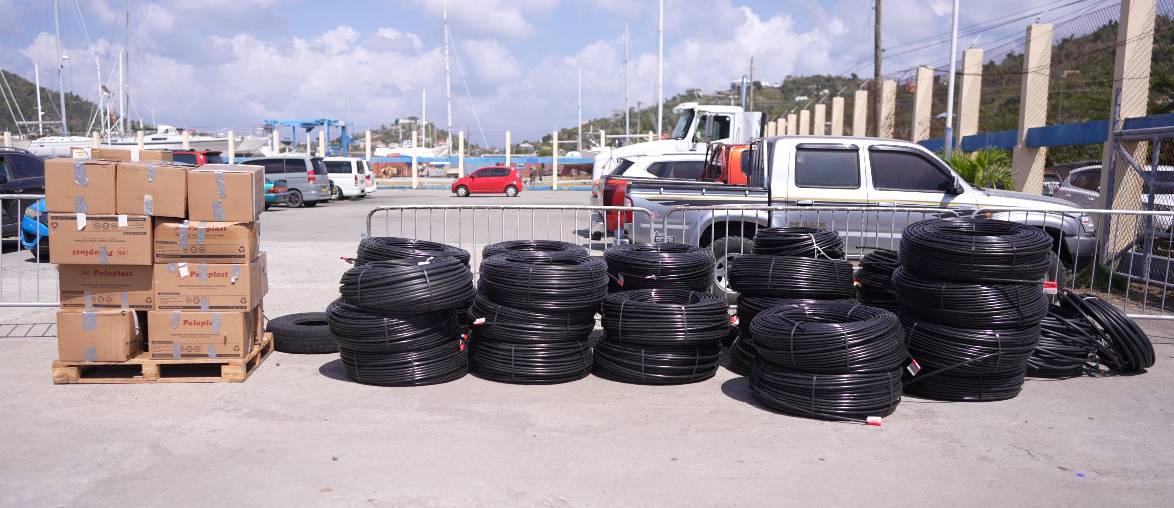
    Agricultural communities on the sister islands of Carriacou and Petite Martinique are pioneering climate-resilient farming through the implementation of advanced irrigation technologies. This transformative initiative, funded through the Challenge Fund for Agriculture (CFA), has equipped twelve pioneering farmers with state-of-the-art dripline and micro sprinkler systems during a formal ceremony at Tyrell Bay Port.

    The distribution event, presided over by Honourable Tevin Andrews, Minister of Carriacou and Petit Martinique Affairs, represents the initial phase of a comprehensive program targeting approximately 270 agricultural producers. These farmers will benefit from integrated climate adaptation solutions including rainwater harvesting infrastructure, precision irrigation systems, and protective shade houses.

    The CFA program operates under the joint administration of the Grenada Development Bank and the Ministry of Agriculture, functioning as a core component of the broader Climate-Resilient Water Sector in Grenada (G-CREWS) project. This strategic partnership represents a significant investment in sustainable agricultural development for the region.

    Among the beneficiaries, Gifford Andrew, a diversified crop producer, expressed enthusiasm for the technological upgrade: “This equipment will revolutionize my farming operations, particularly during drought periods. I currently cultivate corn, lettuce, peppers, cabbage, and tomatoes—these systems will significantly enhance my production capacity.”

    The initiative demonstrates notable gender inclusivity with three female farmers from Petite Martinique among the first recipients. Kiola St Bernard, a year-round agricultural producer, highlighted the system’s potential for seedling propagation: “This irrigation technology will enable me to establish on-farm seedling production, reducing external dependencies and increasing overall output.”

    Minister Andrews emphasized the program’s significance: “These advanced systems will substantially bolster crop production and livestock rearing capabilities, supporting our farmers’ exceptional work in building agricultural resilience.”

    The technical implementation received additional endorsement from Permanent Secretary Leanwall Perrot, who urged optimal utilization of the resources to enhance local food security. Recipients previously completed specialized irrigation installation training to ensure proper system deployment and maintenance.

    The G-CREWS project operates through multinational financing from the Green Climate Fund, Germany’s Federal Ministry for the Environment via its International Climate Initiative, and the Grenadian government. This collaborative effort aims to fundamentally transform water management practices while strengthening national climate adaptation capabilities.