博客

  • West Indies Women announce squad for T20 clash against Sri Lanka in Grenada

    West Indies Women announce squad for T20 clash against Sri Lanka in Grenada

    Cricket West Indies has unveiled a strategically assembled 15-member women’s squad poised to face Sri Lanka in a three-match T20 International series at Grenada’s National Cricket Stadium from February 28 to March 3. This confrontation serves as vital preparation ahead of the ICC Women’s T20 World Cup 2026 scheduled for June-July in the United Kingdom.

    Under the leadership of captain Hayley Matthews, the Caribbean side introduces promising 17-year-old Barbadian batter Eboni Brathwaite, who receives her maiden senior call-up following an explosive performance in the regional T20 Blaze tournament where she maintained a striking rate of 146. The selection reflects a strategic shift with Zaida James and Mandy Mangru joining the T20 lineup post-ODI series, replacing Ashmini Munisar and Shunelle Sawh, while Brathwaite takes Realeanna Grimmond’s position.

    Head Coach Shane Deitz emphasized the series’ significance within World Cup preparations: “This T20 series provides valuable preparation with that tournament firmly in mind. We had a strong campaign two years ago and have continued to play quality T20 cricket since then.” Deitz highlighted the added advantage of three players returning in peak form from the Women’s Premier League, alongside the integration of emerging talents.

    The coach specifically noted Brathwaite’s power-hitting capabilities and the T20-suited skill set of all-rounder Jahzara Claxton, who debuted last year. “This will be another important opportunity for her to make an impact,” Deitz stated, characterizing the series as crucial for World Cup buildup.

    The contest gains additional intensity given the closely matched ICC rankings—West Indies holding sixth position against Sri Lanka’s seventh. All matches will offer free admission to Grenadian spectators, with live streaming available on Windies Cricket’s YouTube channel and Disney+ for international audiences.

    The complete squad includes: Hayley Matthews (captain), Chinelle Henry (vice-captain), Aaliyah Alleyne, Eboni Brathwaite, Shemaine Campbelle, Jahzara Claxton, Deandra Dottin, Afy Fletcher, Jannillea Glasgow, Shawnisha Hector, Zaida James, Qiana Joseph, Mandy Mangru, Karishma Ramharack, and Stafanie Taylor, supported by an extensive management team led by Head Coach Shane Deitz.


  • Stabbing Victim Identified As Dalton “Baby J,” Cornwall

    Stabbing Victim Identified As Dalton “Baby J,” Cornwall

    Authorities have officially identified Dalton Cornwall, colloquially known as “Baby J,” as the individual fatally wounded in a stabbing incident that occurred this Tuesday. The event, now classified as a homicide, transpired during a physical confrontation between Cornwall and another male individual.

    Law enforcement officials confirmed that emergency services transported the victim to a nearby medical facility; however, he was subsequently pronounced deceased upon arrival. A coordinated police response led to the swift apprehension of a person of interest, who is currently detained and cooperating with ongoing investigative procedures.

    The precise motivations and sequence of events preceding the lethal altercation remain under active examination by detectives. Police spokespersons have indicated that additional operational details will be withheld pending further evidence collection and forensic analysis to ensure the integrity of the judicial process.

  • UPDATE: Stabbing Victim Identified As Dalton “Baby J,” Cornwall

    UPDATE: Stabbing Victim Identified As Dalton “Baby J,” Cornwall

    Authorities have officially identified Dalton Cornwall, colloquially known as “Baby J,” as the victim in the nation’s most recent homicide case. The fatal incident occurred on Tuesday following a physical confrontation that resulted in Cornwall sustaining multiple stab wounds.

    Law enforcement personnel responded promptly to the altercation, transporting the critically injured Cornwall to a nearby medical facility where he was subsequently pronounced deceased by attending physicians. Police investigators have since launched a comprehensive investigation into the precise circumstances precipitating the violent encounter.

    A person of interest is currently detained in police custody and is actively cooperating with ongoing investigative procedures. The suspect, whose identity remains undisclosed pending formal charges, is being questioned regarding their potential involvement in the tragic event.

    Police representatives have indicated that additional evidentiary collection and witness interviews are currently underway. The investigation remains active with authorities withholding specific details to preserve the integrity of the judicial process. Further developments are anticipated as the case progresses through official channels.

  • PHOTO: Secretary Rubio meet CARICOM Heads In St. Kitts

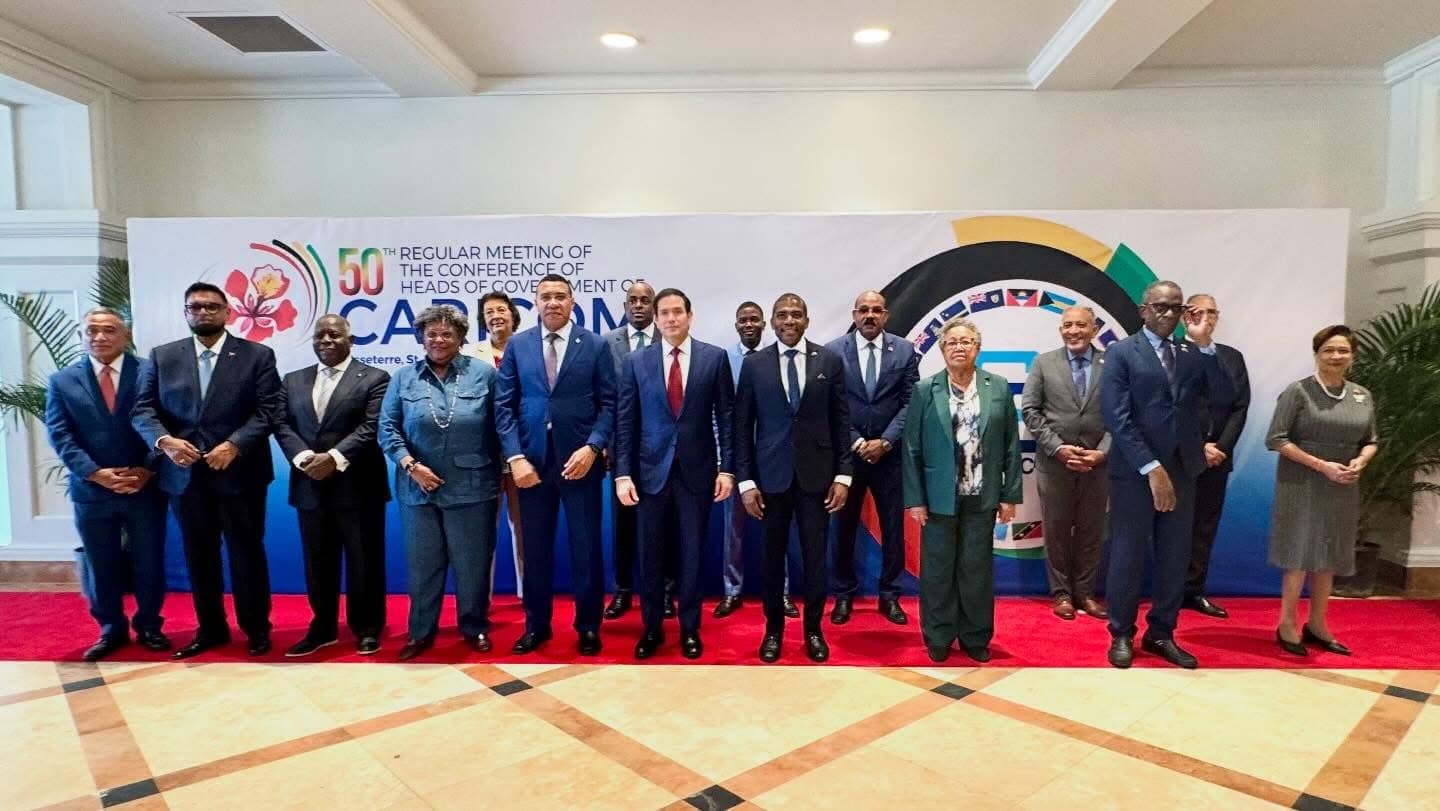
    PHOTO: Secretary Rubio meet CARICOM Heads In St. Kitts

    In a significant diplomatic move, U.S. Secretary Marco Rubio convened with Caribbean Community (CARICOM) leadership to solidify America’s position as the region’s premier strategic ally. The high-level discussions focused on enhancing multilateral cooperation across security, economic development, and climate resilience initiatives.

    The meeting represented a strategic recalibration of U.S.-Caribbean relations, emphasizing sustainable partnership frameworks rather than transactional engagements. Secretary Rubio outlined comprehensive support mechanisms including disaster preparedness coordination, counter-narcotics operations, and renewable energy infrastructure development.

    CARICOM representatives welcomed the renewed commitment, highlighting the importance of predictable collaboration in addressing regional challenges. The dialogue established working groups for implementing joint programs on maritime security, digital transformation, and trade facilitation.

    This diplomatic initiative signals a concerted effort to counterbalance growing external influence in the Caribbean basin while addressing shared concerns about economic stability and environmental vulnerabilities. The partnership framework includes regular ministerial consultations and technical assistance programs designed to foster long-term regional prosperity.

  • School Meals Programme Rejects Claims Over Alleged ‘Vegetarian’ Meal

    School Meals Programme Rejects Claims Over Alleged ‘Vegetarian’ Meal

    The National School Meals Programme has issued an official clarification regarding recent allegations about meal quality standards. According to the program’s operational protocols, vegetarian meals are exclusively prepared and distributed based on prior registration to ensure proper resource allocation, food safety, and accurate meal planning. Records confirm that no vegetarian meal requests had been registered at the concerned school before the incident date.

    The program clarified that the teacher involved did not request a vegetarian meal through proper channels. Instead, the individual opted for a standard meal at the serving point and specifically requested only vegetable components, which were provided as asked. The program emphasized that any subsequent presentation of this meal—particularly if deliberately altered to appear unappetizing—does not accurately represent the actual quality or standards of meals routinely prepared and served.

    Reaffirming its commitment to nutritional excellence, the National School Meals Programme stated it maintains rigorous standards for meal preparation and service. While acknowledging operational challenges inherent to large-scale programs, officials denied any intentional serving of substandard or unfit meals to children.

    The statement encouraged constructive engagement from the public and educators, urging them to utilize official channels for service-related concerns rather than resorting to public misrepresentation. Program officials emphasized their dedication to continuous improvement and respectful dialogue focused on children’s welfare.

    The program expressed pride in its teams who prepare and serve thousands of meals daily across Antigua and Barbuda, requesting that future concerns be raised through appropriate channels for professional resolution.

  • Berger Paints’ Barbados plant closure reignites trade rules debate

    Berger Paints’ Barbados plant closure reignites trade rules debate

    The impending closure of Berger Paints Barbados’ manufacturing operations has ignited serious concerns regarding the future viability of the island’s industrial sector and the effectiveness of CARICOM’s regional trade agreements. The company confirmed this week it will cease all local production, shuttering its factory, warehouse, retail outlets, and administrative offices by April 24th, transitioning to a distribution-only model through established partners including Carters and Ace H&B Hardware.

    This strategic pivot stems directly from challenges posed by Article 164 of the Revised Treaty of Chaguaramas, the foundational document governing the CARICOM Single Market. University of the West Indies economists Dr. Ankie Scott-Joseph and Dr. Antonio Alleyne identify this provision as the central catalyst. Article 164 permits smaller, designated Less Developed Countries (LDCs) within the trade bloc to impose protective tariffs on imports from more economically advanced members like Barbados.

    Dr. Scott-Joseph explained the mechanism: “The provision’s intent is to shield nascent industries in LDCs. Consequently, Barbadian-manufactured paint becomes subject to tariffs in those markets, deliberately making production in lower-cost LDC territories—such as Grenada or Trinidad—more financially attractive. Thus, the very regulation designed to foster regional protectionism has rendered local manufacturing in Barbados uncompetitive.”

    Dr. Alleyne contextualized the move within Barbados’s broader economic structure, noting the island has traditionally focused on high-value services rather than mass production. “Our competitive edge lies in marketing our human capital for high-end, technologically advanced products and services. Large-scale manufacturing faces inherent limitations here due to constrained land availability, a smaller labor pool, and consequently, higher production costs,” he stated.

    Both economists warned of significant macroeconomic repercussions, extending beyond immediate job losses. Dr. Scott-Joseph highlighted the risk of increased import dependency, potential foreign exchange pressures, and negative multiplier effects on the nation’s current account. They jointly emphasized that while Berger’s decision is a rational business response, it underscores a critical flaw in the regional framework—the absence of a compensatory mechanism for countries experiencing industrial displacement due to trade policies.

    The analysts concluded that this development necessitates a urgent reassessment of CARICOM’s trade arrangements to ensure regional integration does not inadvertently penalize its more developed member states, balancing protectionist goals with economic equity.

  • Zuidoosten Brazilië: Minstens 30 doden en 39 vermisten na zware regenval

    Zuidoosten Brazilië: Minstens 30 doden en 39 vermisten na zware regenval

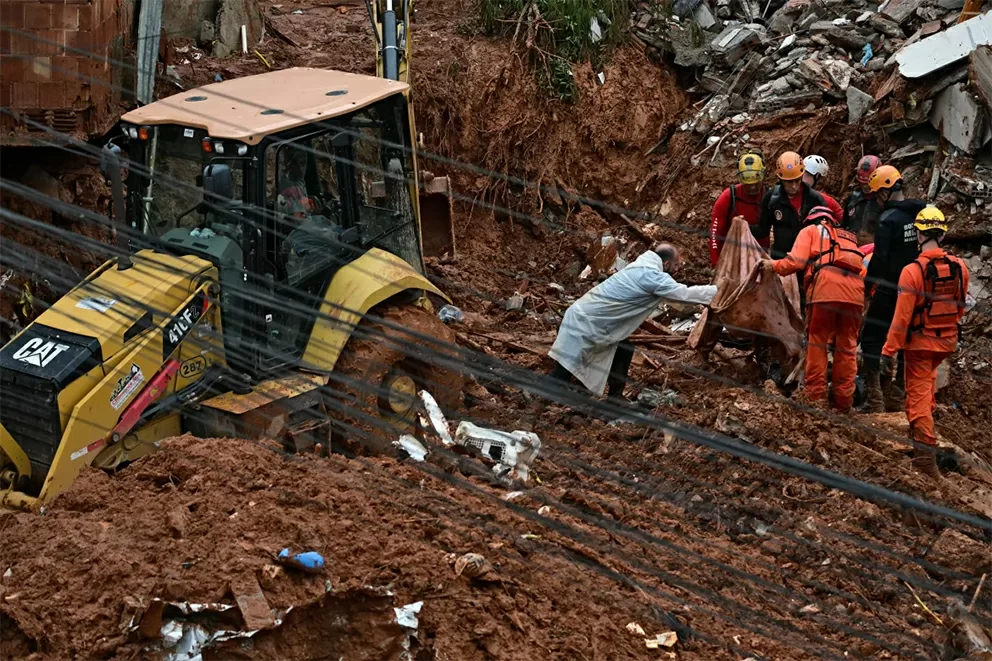
    A catastrophic weather event has struck Brazil’s southeastern state of Minas Gerais, resulting in at least 30 fatalities and leaving 39 individuals unaccounted for following intense rainfall that triggered devastating floods and landslides. The cities of Juiz de Fora and Ubá, separated by approximately 110 kilometers, have borne the brunt of this natural disaster.

    The state fire department has confirmed the casualties and initiated a large-scale emergency response operation involving 134 firefighters deployed across both municipalities. Their mission focuses on search and rescue efforts, providing immediate aid to affected communities, and stabilizing the critical situation.

    Brazilian President Luiz Inácio Lula da Silva expressed profound condolences through social media platform X, emphasizing the government’s priority to deliver humanitarian assistance, restore essential services, support displaced persons, and facilitate reconstruction efforts.

    Juiz de Fora has reported approximately 440 residents displaced due to the catastrophic flooding and landslides. Municipal authorities have suspended school activities indefinitely due to unsafe conditions while specialized emergency teams continue their search operations.

    Mayor Margarida Salomão characterized the situation as ‘critical,’ noting that February has become the wettest month in the city’s recorded history with precipitation levels exceeding double the monthly average. The local administration has declared a state of emergency to expedite access to federal resources and support.

    The National Meteorological Institute (INMET) has issued severe weather alerts across 14 states, including entire territories of Minas Gerais and Rio de Janeiro. This crisis coincides with the peak of Brazil’s rainy season (December-March), which typically brings intense thunderstorms, flooding, and lethal mudslides.

    Compounding the tragedy, continuous rainfall since Monday afternoon has saturated soils already weakened by previous precipitation, significantly increasing risks of additional flooding and landslides.

    Local residents have expressed shock and grief. Jaqueline Teixeira, a Juiz de Fora resident, stated: ‘It was horrific; words cannot capture this tragedy. We can only pray for miracles and that those still alive will be found.’

    Firefighter Gabriel Vitor, deployed in Juiz de Fora, emphasized the severity: ‘This remains a precarious scenario with many people missing. Through collective effort, we will eventually locate everyone.’

    Emergency operations continue at full capacity with firefighters and civil protection services working to evacuate residents from high-risk zones while monitoring weather conditions for potential further developments.

  • Persad-Bissessar Says Opposition Voices Marginalized Within CARICOM

    Persad-Bissessar Says Opposition Voices Marginalized Within CARICOM

    Kamla Persad-Bissessar, Leader of the Opposition in Trinidad and Tobago and head of the United National Congress (UNC), has launched a significant critique against the Caribbean Community (CARICOM), asserting that the regional body systematically sidelines opposition voices across member states. Her statements, delivered during a recent political address, highlight a growing tension between regional governance and domestic political dynamics.

    Persad-Bissessar articulated that CARICOM’s engagement model predominantly favors incumbent governments, effectively excluding elected opposition representatives from critical dialogues and decision-making processes. This approach, she contends, undermines democratic principles and creates an information deficit for alternative governments, who are consequently ill-prepared to assume national leadership roles. She emphasized that this practice not only disenfranchises a substantial segment of the Caribbean electorate but also potentially weakens regional cohesion and policy continuity.

    The veteran politician framed this alleged exclusion as a deliberate strategy that consolidates power for sitting administrations while stifling robust, multi-partisan debate on pressing regional issues. Her critique extends beyond Trinidad and Tobago, suggesting a pan-Caribbean pattern where the voices of parliamentary opposition parties are conspicuously absent from high-level CARICOM summits, working groups, and diplomatic negotiations.

    This accusation raises profound questions about transparency, inclusivity, and the very nature of governance within the 15-member bloc. It implies that CARICOM’s effectiveness and legitimacy could be compromised if it fails to incorporate diverse political perspectives from its member nations. The challenge presented by Persad-Bissessar calls for a potential restructuring of how the community interfaces with all elected officials, not just those currently in executive power, to foster a more resilient and representative regional partnership.

  • US ready to partner with CARICOM’s energy producers, sees regional energy role for Venezuela

    US ready to partner with CARICOM’s energy producers, sees regional energy role for Venezuela

    During a pivotal meeting with Caribbean Community (CARICOM) leaders in St. Kitts on Wednesday, United States Secretary of State Marco Rubio articulated a comprehensive energy cooperation strategy for the region. The American diplomat confirmed Washington’s readiness to collaborate with Caribbean energy producers in responsibly developing their hydrocarbon resources to generate national prosperity.

    Rubio highlighted ‘extraordinary opportunities’ for economic advancement through collective energy initiatives. ‘Many countries represented here possess energy resources that you seek to explore responsibly and safely, generating wealth for your people. We aspire to be your partner in this endeavor,’ stated Rubio according to official State Department transcripts.

    The Secretary specifically acknowledged Trinidad and Tobago’s established energy sector alongside emerging producers Guyana and Suriname, noting Grenada’s progressing exploration plans. This recognition underscores the shifting energy landscape in Latin America and the Caribbean.

    In a significant geopolitical pivot, Rubio envisioned Venezuela’s potential future role in regional energy supply pending continued political and economic reforms. He asserted that Venezuela has demonstrated ‘marked improvements’ since Nicolas Maduro’s removal from power in January, citing the interim administration’s release of political prisoners, closure of the notorious Helicoide prison, and redirected oil revenues toward public welfare.

    ‘Regardless of individual perspectives on our Venezuela policy, the country is unequivocally better off today than eight weeks ago,’ Rubio declared, acknowledging some Eastern Caribbean nations’ previous affiliations with Maduro through bilateral and CELAC agreements.

    The Secretary connected Venezuela’s stabilization to broader regional objectives, including democratic transitions in Cuba through fair elections. He projected that a legitimately governed, prosperous Venezuela could become an invaluable energy partner and source of regional stability for CARICOM members.

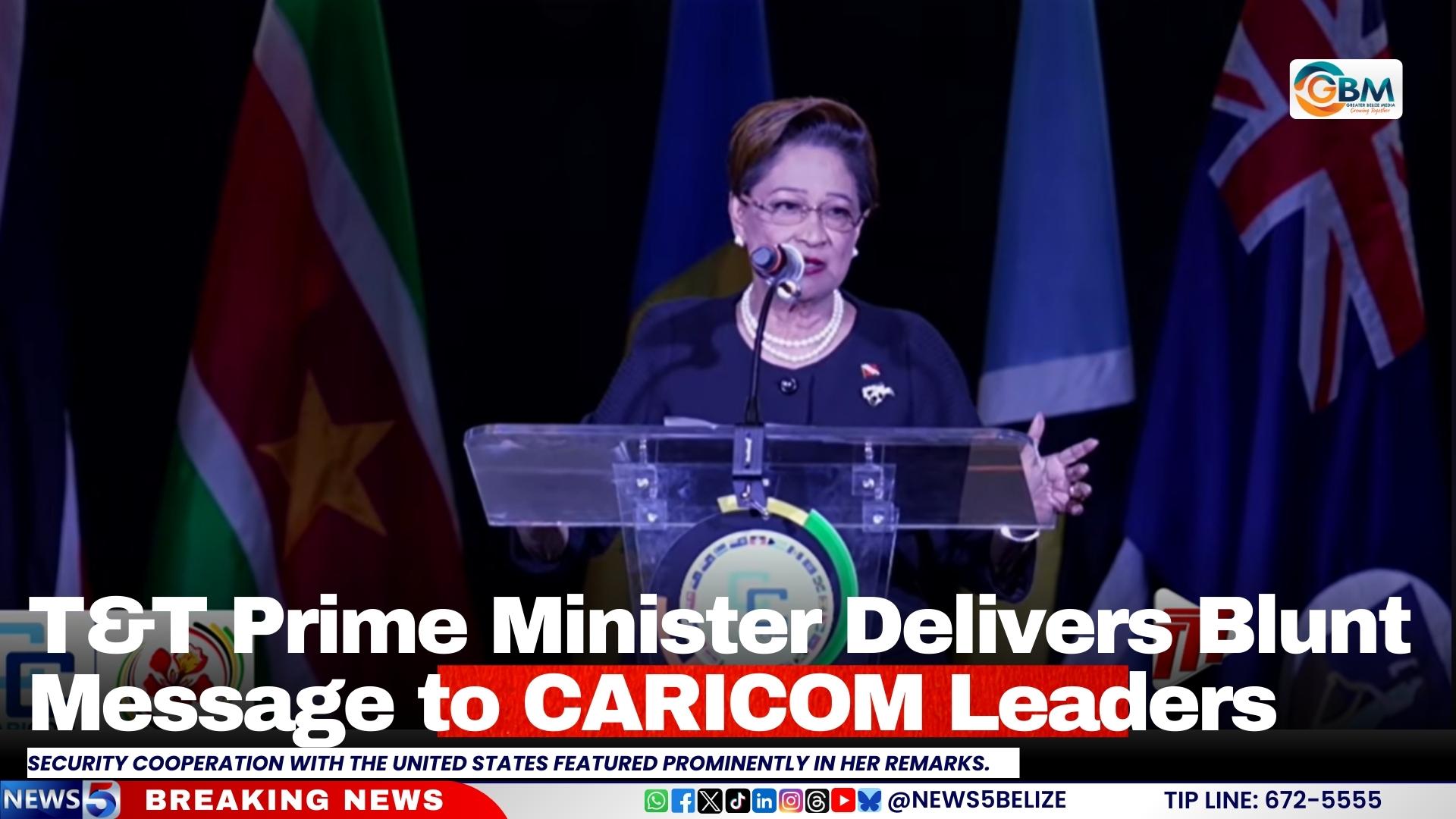
  • T&T Prime Minister Delivers Blunt Message to CARICOM Leaders

    T&T Prime Minister Delivers Blunt Message to CARICOM Leaders

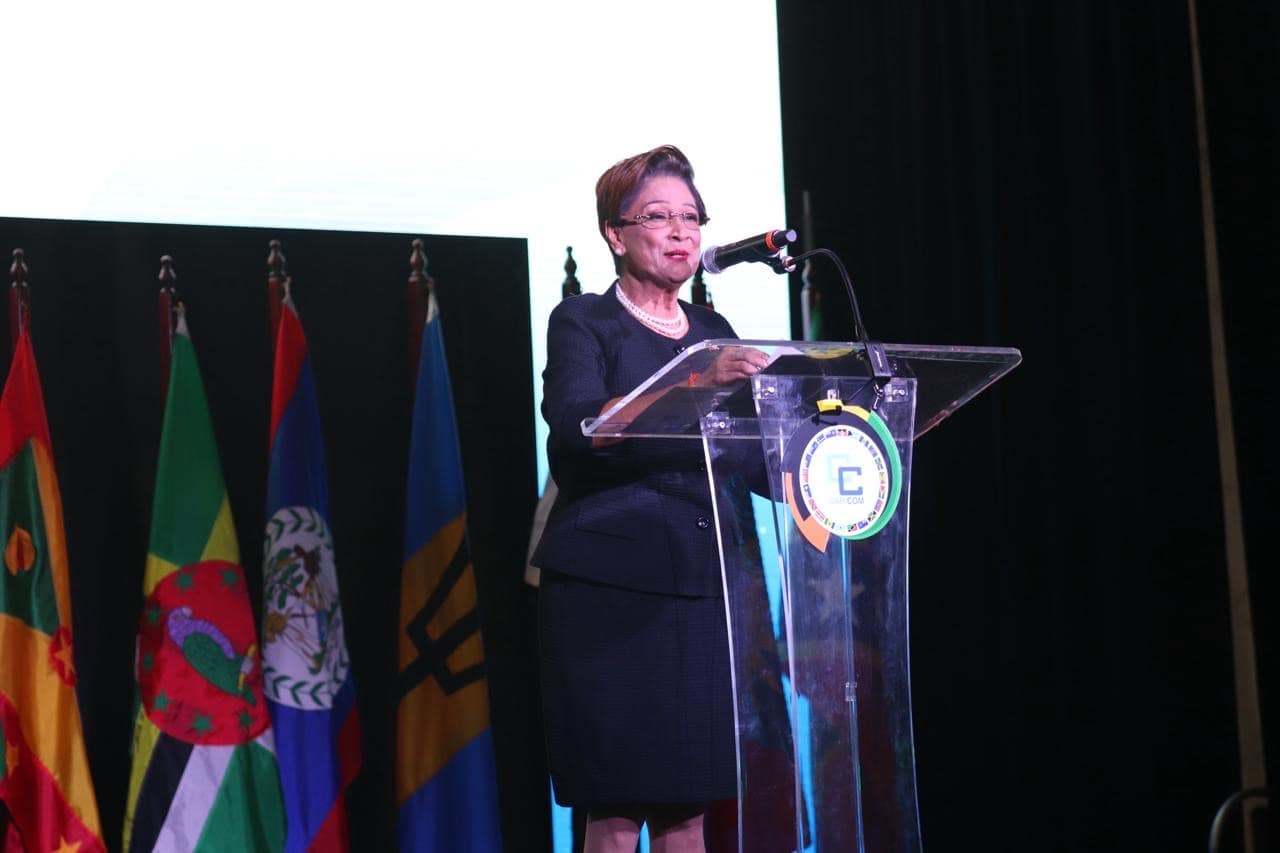
    In a politically charged address that reverberated through the Caribbean Community, Trinidad and Tobago’s Prime Minister Kamla Persad-Bissessar delivered a stark message prioritizing national security over regional consensus during the 50th Regular Meeting of CARICOM in St. Kitts and Nevis on Tuesday night.

    The Prime Minister articulated a firm stance on her nation’s autonomous security policies while questioning the regional bloc’s reliability during critical moments. ‘We will work with CARICOM moving forward,’ Persad-Bissessar declared, ‘but we cannot bind ourselves to the same political ideologies and security policies of the entire CARICOM.’

    Her address highlighted specific grievances, including CARICOM’s perceived silence during security threats from Venezuela against both Trinidad and Tobago and Guyana. She further referenced a 2022 incident involving the removal of a Trinidadian citizen from another CARICOM state, noting her administration had yet to receive satisfactory explanations from the CARICOM Secretariat.

    A significant portion of her remarks focused on Trinidad and Tobago’s security cooperation with the United States. Persad-Bissessar explicitly thanked former President Donald Trump and Secretary of State Marco Rubio for military collaboration targeting narcotics and arms trafficking from Venezuela, crediting this partnership with achieving a 42% reduction in homicides during 2025.

    Addressing regional divisions, the Prime Minister defended her nation’s security choices: ‘When crime reaches critical levels, I cannot depend solely on our military resources,’ emphasizing her obligation to prioritize national security despite disagreements within CARICOM regarding foreign military presence.

    On free movement within the Caribbean Single Market, Persad-Bissessar maintained theoretical commitment while citing practical limitations due to strains from undocumented migration. The address concluded with pointed criticism regarding regional democracy support, with the Prime Minister questioning contradictions in CARICOM’s stance and affirming Trinidad and Tobago’s refusal to endorse ‘dictatorship in Cuba or anywhere else.’