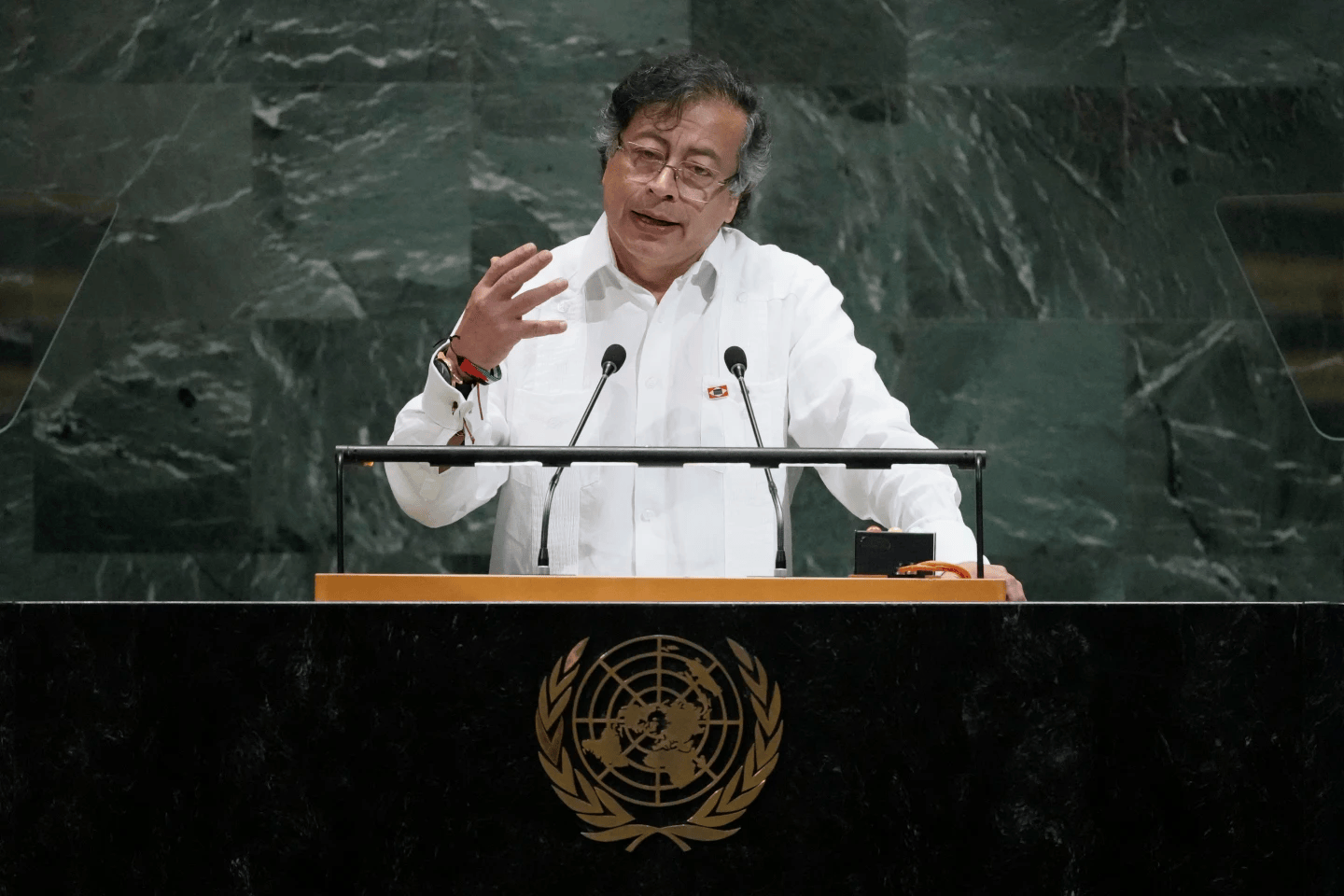
Colombian President Gustavo Petro has demanded a criminal investigation into U.S. President Donald Trump and other U.S. officials following a series of deadly military strikes in the Caribbean. The strikes, which occurred this month, targeted boats allegedly transporting drugs, according to the White House. Petro condemned the attacks during his speech at the United Nations General Assembly, accusing Trump of criminalizing poverty and migration. He argued that the passengers on the boats were not drug traffickers but impoverished young individuals from Latin America. Petro emphasized that criminal proceedings should be initiated against those responsible, including Trump, who authorized the operations.
博客
-

Creole Heart Beat Phrase 4 Today – ‘Anbwasé chak moman pis la vi pa sèten’
In a groundbreaking development, researchers have unveiled a cutting-edge artificial intelligence (AI) system that promises to revolutionize data processing efficiency. This innovative technology, developed by a team of leading scientists, leverages advanced machine learning algorithms to analyze and interpret vast datasets at unprecedented speeds. The system’s ability to process complex information in real-time is expected to have far-reaching implications across various industries, including healthcare, finance, and logistics. Experts believe that this breakthrough could significantly enhance decision-making processes, reduce operational costs, and improve overall productivity. The research team has also emphasized the system’s potential to address critical challenges in data management and security. As the world increasingly relies on data-driven solutions, this AI advancement marks a pivotal moment in the evolution of technology.
-
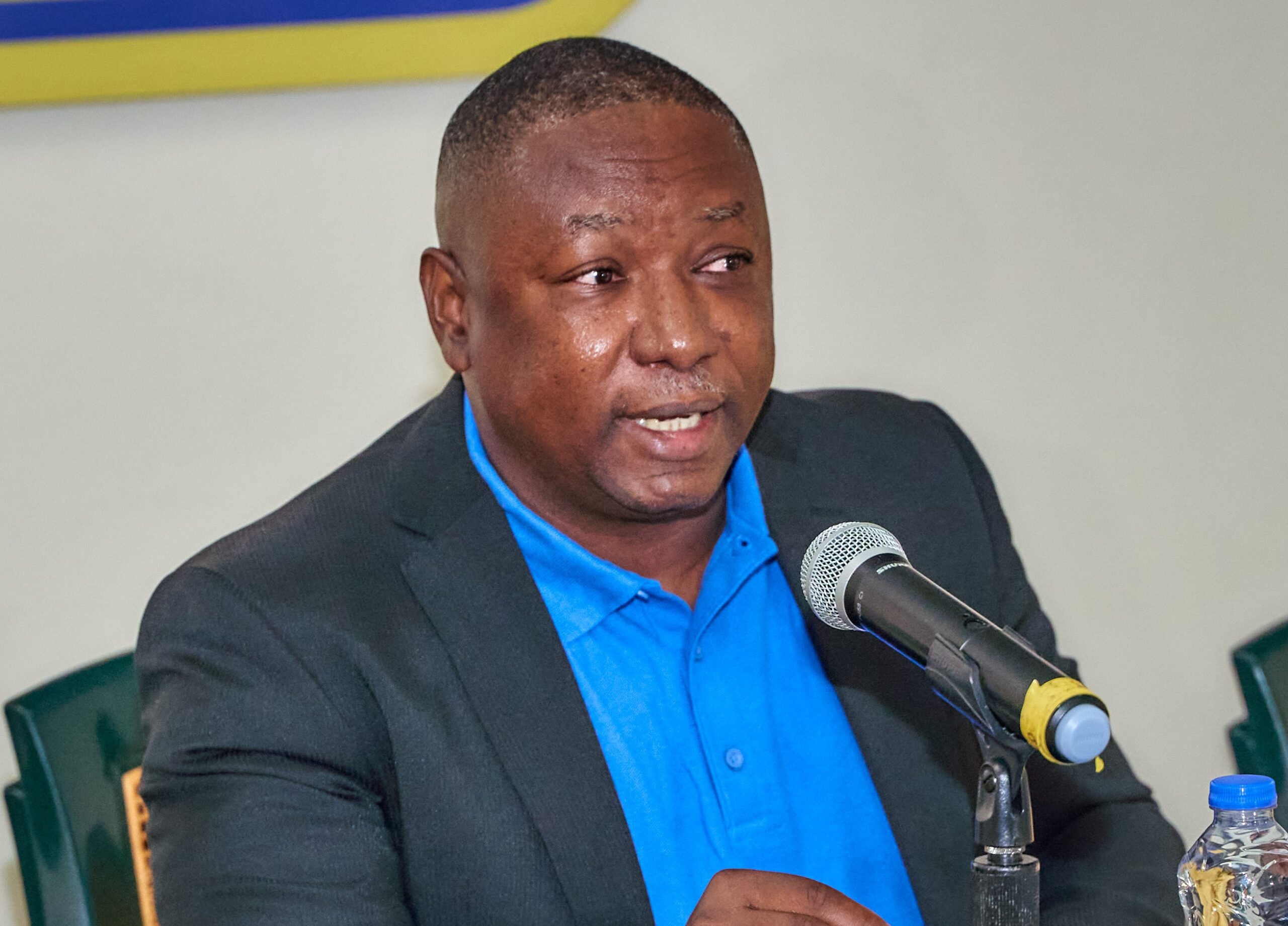
Nurse attacks spark opposition calls for urgent security overhaul
The Democratic Labour Party (DLP) has issued a stern rebuke to the Mottley administration following two violent incidents targeting nurses at public clinics in Barbados. Opposition spokesperson on health and wellness, Senator Andre Worrell, condemned the attacks as indicative of a systemic crisis and demanded immediate government intervention to safeguard frontline healthcare workers. “We are seeing street-level violence infiltrating our healthcare facilities,” Senator Worrell stated. “These are not isolated events but symptoms of a deeper societal breakdown and the government’s failure to secure our health institutions.” The incidents occurred at the Randal Phillips Polyclinic in Oistins on Monday evening, where a nurse was injured, and at the Frederick Miller Polyclinic in St. George on Tuesday. The opposition has criticized the Ministry of Health for its sluggish response and inadequate protection measures for staff. Senator Worrell emphasized the vulnerability of healthcare workers, stating, “These individuals care for our nation’s most vulnerable, yet they are left exposed by a deficient security system overseen by a complacent Minister of Health.” The senator outlined five urgent demands: a comprehensive audit and upgrade of security across all public health facilities, deployment of trained security personnel during operational hours, installation of surveillance cameras and secure access systems, transparency from the Ministry regarding violent incidents, and psychological support and compensation for affected workers. “Healthcare workers should not fear assault while performing their duties,” Senator Worrell asserted. “Barbados must act now to prevent further tragedies.” He also called for full emotional, legal, and financial support for impacted workers, warning that “the country is watching.” Senator Worrell concluded, “Let this be the last time a nurse is attacked under this government’s watch.”
-

Woman sentenced to two years for attempted service station robbery
Shadesha Phillip, a resident of Gray’s Farm, has been handed a two-year prison sentence for her involvement in an attempted robbery at the Golden Grove Service Station. The incident, which unfolded on June 24, 2021, saw Phillip, then in her early twenties, and a masked accomplice confront a female pump attendant. The situation escalated when police arrived on the scene, leading to a shootout that left Phillip injured in the leg and subsequently arrested. Her accomplice managed to evade capture and remains at large. Security footage of the event was later made public, providing a clear account of the failed robbery attempt. The case highlights the ongoing challenges of crime and law enforcement in the region, underscoring the risks faced by both perpetrators and victims in such incidents.
-

Hunting season now open, say officials
The 2025 hunting season in Dominica has officially begun, running from September 22 to December 31, as announced by the Forestry, Wildlife, and Parks Division of the Ministry of Environment, Rural Modernization, Kalinago Upliftment, and Constituency Upliftment. Hunters must possess a valid hunting license to participate, ensuring compliance with national wildlife conservation laws. Additionally, the sale and limited export of wildlife or its parts will be permitted from September 23, 2025, to January 31, 2026, with export permits mandatory for any such transactions. The ministry has issued a stern warning that unauthorized sale or export of wildlife will result in legal penalties, including fines of five thousand Eastern Caribbean dollars (XCD 5,000) per offense. Licensed hunters are allowed to target specific species during the season, including crabs from the Gercarcinidae family, agouti, and manicou (opossums). However, hunting or fishing in freshwater streams without a license is illegal, and the hunting of other species such as frogs, birds, snakes, and iguanas is strictly prohibited. Violators face fines of two thousand five hundred dollars (XCD 2,500) per offense. Hunting licenses and export permits are available for purchase starting September 22 at the Forestry, Wildlife, and Parks Division office on Windsor Park Link Road, as well as at the Sub-Treasuries in Portsmouth and Marigot. The division emphasizes the importance of public cooperation in conserving and sustainably managing Dominica’s natural resources. For further details, individuals can contact the division at Tel. 266-5863 or 266-5852.
-

Opposition Leader Invites Public to Attend Upcoming Parliamentary Committee Meeting
Hon. Jamale Pringle, the Leader of the Opposition in Antigua and Barbuda, has issued a public invitation urging citizens and residents to attend the upcoming meeting of the Public Accounts Committee. The session is set to take place on Thursday, 25 September 2025, at 2:30 p.m. in the House of Parliament. In his statement, Mr. Pringle underscored the critical role of the Public Accounts Committee in promoting transparency and accountability by scrutinizing government expenditures and ensuring the efficient use of public funds. He emphasized the importance of civic participation in parliamentary proceedings, highlighting the committee’s function as a cornerstone of democratic oversight. While specific details of the meeting’s agenda remain undisclosed, this initiative reflects the Opposition’s ongoing commitment to fostering public engagement in governance. By encouraging community involvement, the Opposition aims to strengthen democratic processes and enhance trust in government operations. This move aligns with broader efforts to empower citizens and ensure that parliamentary activities remain accessible and transparent.
-
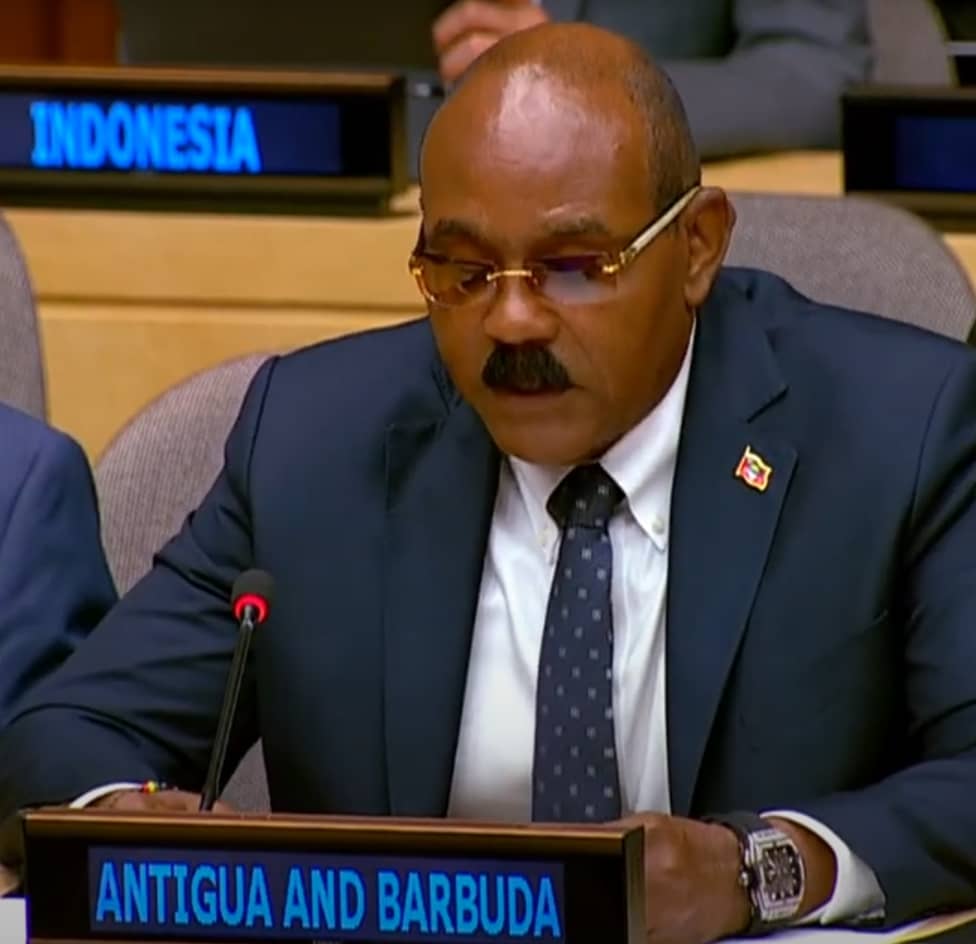
VIDEO: Antigua and Barbuda PM Calls for Debt Relief and Financial Reform to Protect Small Island States
In a compelling address at the United Nations, Prime Minister Gaston Browne of Antigua and Barbuda called for urgent international action to address the escalating climate and economic crises threatening small island developing states (SIDS). Speaking before global leaders, Browne emphasized the profound challenges facing these nations, including trade fragmentation, financial volatility, and increasingly frequent climate disasters. He noted that climate-related disasters in 2024 alone caused $7 billion in damages across the region. Browne highlighted the vulnerability of economies heavily reliant on tourism, which in some islands contributes over 40% of GDP. He warned that rising sea levels, projected to reach up to one metre by the Intergovernmental Panel on Climate Change (IPCC), could threaten homes, ports, and entire cultures. The Prime Minister stressed the gap between global pledges and action, citing slow progress on agreements such as the Paris Climate Accord and the UN’s 2030 Agenda. He outlined regional initiatives, including the establishment of a Debt Sustainability Support service (DSS) by the Antigua and Barbuda Gender for SIDS, aimed at restructuring debt and directing financing into resilience projects. Browne urged multilateral development banks and financial institutions to expand concessional financing, adopt vulnerability-based access, and implement automatic debt service pauses in the event of disasters. He also encouraged partnerships with philanthropy and private capital to fund resilient infrastructure, clean energy, and adaptation projects. ‘State-contingent debt, climate-resilient clauses, and debt-for-nature swaps must become standard practice, not pilots,’ he said, appealing for immediate global action to safeguard the futures of the world’s most vulnerable nations.
-

Sustainable development of region’s oceans and natural resources take center stage in GGGI, CDF agreement
The Global Green Growth Institute (GGGI) and the Caribbean Biodiversity Fund (CBF) have solidified their collaboration through the signing of a Memorandum of Understanding (MoU), marking a significant step toward advancing sustainable development in the Caribbean. The agreement, finalized in August 2025, underscores a shared commitment to fostering the blue economy, promoting green growth, and enhancing climate resilience across the region. By combining GGGI’s expertise in sustainable strategies with CBF’s innovative financial mechanisms and conservation projects, the partnership aims to unlock economic opportunities while safeguarding biodiversity and improving livelihoods. The initiative will focus on strengthening planning processes, financial frameworks, and institutional capacities at national and local levels, with the ultimate goal of translating development plans into actionable outcomes. The blue economy, which emphasizes the sustainable use of ocean resources, is particularly vital for the Caribbean, where over 90% of economies rely on marine ecosystems. Green growth complements this by ensuring economic progress is environmentally sound and inclusive. Together, these strategies are critical for the region’s long-term sustainability and global competitiveness. The partnership also emphasizes regional cooperation, knowledge exchange, and leadership development, with plans to establish learning hubs and collaborative platforms. Both organizations will explore innovative financial tools, such as blue bonds and circular economy models, to support Caribbean nations in achieving their sustainable development goals. Karen McDonald Gayle, CEO of CBF, highlighted the alliance’s importance in preserving the Caribbean way of life, while Daniel Muñoz-Smith, GGGI’s Caribbean Representative, stressed the strategic value of leveraging the region’s natural assets for inclusive progress and climate resilience.
-

Antigua and Barbuda’s Michael Joseph Named CARICOM Youth Farmer of the Year 2025
Michael Joseph, a young farmer from Antigua and Barbuda, has been awarded the prestigious title of CARICOM Youth Farmer of the Year 2025. This accolade recognizes his innovative approach to agriculture and his unwavering commitment to the sector. The announcement was made this week, with the Ministry of Agriculture hailing it as a moment of pride for the nation.
Joseph’s journey in agriculture began modestly, but his ability to merge traditional farming practices with modern techniques has set him apart. He has been a vocal advocate for food security, climate-smart agriculture, and youth empowerment in the agricultural sector. His work emphasizes the importance of sustainability, as he integrates new technologies and environmentally friendly methods into his farming practices.
The Ministry of Agriculture, led by the Honourable Anthony Smith Jr., Minister of Agriculture, Lands, Fisheries and the Blue Economy, along with Permanent Secretary Walter Christopher and Director Gregory Bailey, extended their congratulations to Joseph. In a statement, the ministry highlighted that his achievement is not only a personal triumph but also a testament to the dedication and creativity of young farmers in Antigua and Barbuda.
The CARICOM Youth Farmer of the Year award underscores the critical role young people play in shaping the Caribbean’s food systems. Joseph’s success is expected to inspire other youth to view agriculture as a dynamic and rewarding career path. The ministry reiterated its commitment to fostering youth engagement in agriculture, emphasizing that Joseph’s accomplishments will encourage more young men and women to contribute to national and regional food security.
Joseph’s story is a powerful reminder of the potential of agriculture to build communities, protect the environment, and create opportunities for future generations. His recognition serves as a beacon of hope and inspiration for young farmers across the Caribbean.
-

Man on bail over unlawful sexual intercourse charge
A 21-year-old man accused of unlawful sexual intercourse has been granted bail by the St John’s Magistrates’ Court. The defendant, who is self-employed, must meet several stringent conditions, including depositing $3,000, providing two sureties, surrendering his passport, and reporting to the police three times a week. Additionally, he has been ordered not to contact the 18-year-old complainant. Acting Chief Magistrate Dexter Wason highlighted that the accused has no prior record of similar offenses. The committal proceedings are scheduled for December 15, with the defendant being represented by attorney Wendel Alexander. This case has drawn significant attention due to the serious nature of the allegations and the court’s decision to grant bail under strict conditions.