
Recent reports from Transparency International and other civil society organizations highlight a nuanced picture of the Dominican Republic’s efforts to combat corruption. While the country has made moderate progress over the past four years, scoring 36 out of 100 on the Corruption Perceptions Index, it remains below the global average of 42%. This indicates that significant challenges persist in achieving transparency and accountability in public affairs.
博客
-
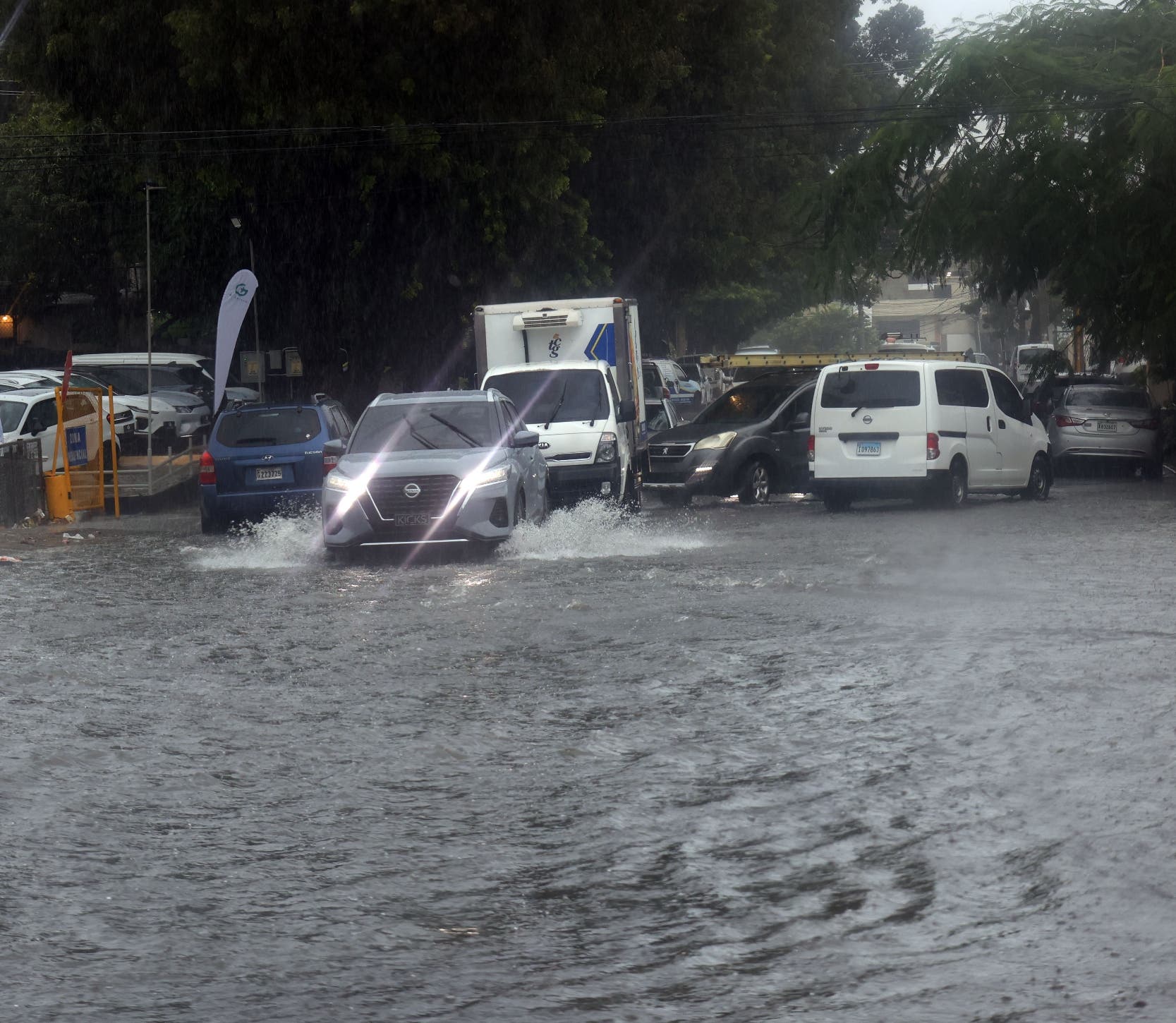
Heavy rains leave 602,666 users without drinking water.
Torrential downpours swept across much of the national territory yesterday, leaving a trail of destruction in their wake. According to the latest report from the Emergency Operations Center (COE), 511 homes were damaged, 2,555 people were displaced, and 26 individuals sought shelter. The severe weather also isolated 11 communities, damaged three roads, and caused equal harm to bridges. Additionally, 32 aqueducts were impacted, with 31 completely out of service, affecting approximately 602,666 users. The Dominican Institute of Meteorology (Indomet) predicts that the rains will persist throughout the weekend, particularly in the southeast, northeast, southwest, and northwest regions, driven by an active tropical wave. These conditions will be accompanied by thunderstorms and gusty winds, especially along the Caribbean coast. Temperatures are expected to remain slightly warm, ranging from 21°C to 28°C. The COE has issued alerts for 30 provinces, warning of potential flooding in rivers, streams, and urban areas. Red alerts are in place for Azua, San José de Ocoa, San Cristóbal, Santo Domingo, and the National District, while yellow alerts cover several other regions. Green alerts have been issued for Independencia, Elías Piña, Montecristi, and others. Meanwhile, Hurricane Humberto, located 690 km northeast of the Leeward Islands, has intensified but poses no threat to the Dominican Republic. The Ministry of Public Works and Communications (MOPC) reported significant damage to road infrastructure due to overflowing rivers and urban flooding. In La Altagracia, streets were inundated, and 26 homes were flooded in Verón-Punta Cana. A fallen tree on the Higüey-Anamuyita highway disrupted traffic, though it was later cleared. In San Pedro de Macorís, urban flooding affected several neighborhoods, and the Soco River’s overflow isolated multiple communities. Tragically, a bridge collapse in Monte Plata resulted in one fatality. Landslides and road blockages were reported in Los Cacaos de San Cristóbal, while 160 homes were flooded in Azua, displacing 774 people. In San José de Ocoa, trucks carrying vegetables were stranded due to a landslide, and flooding in Pedernales, Jimaní, and La Descubierta damaged crops. Santiago also experienced widespread flooding in various neighborhoods.
-
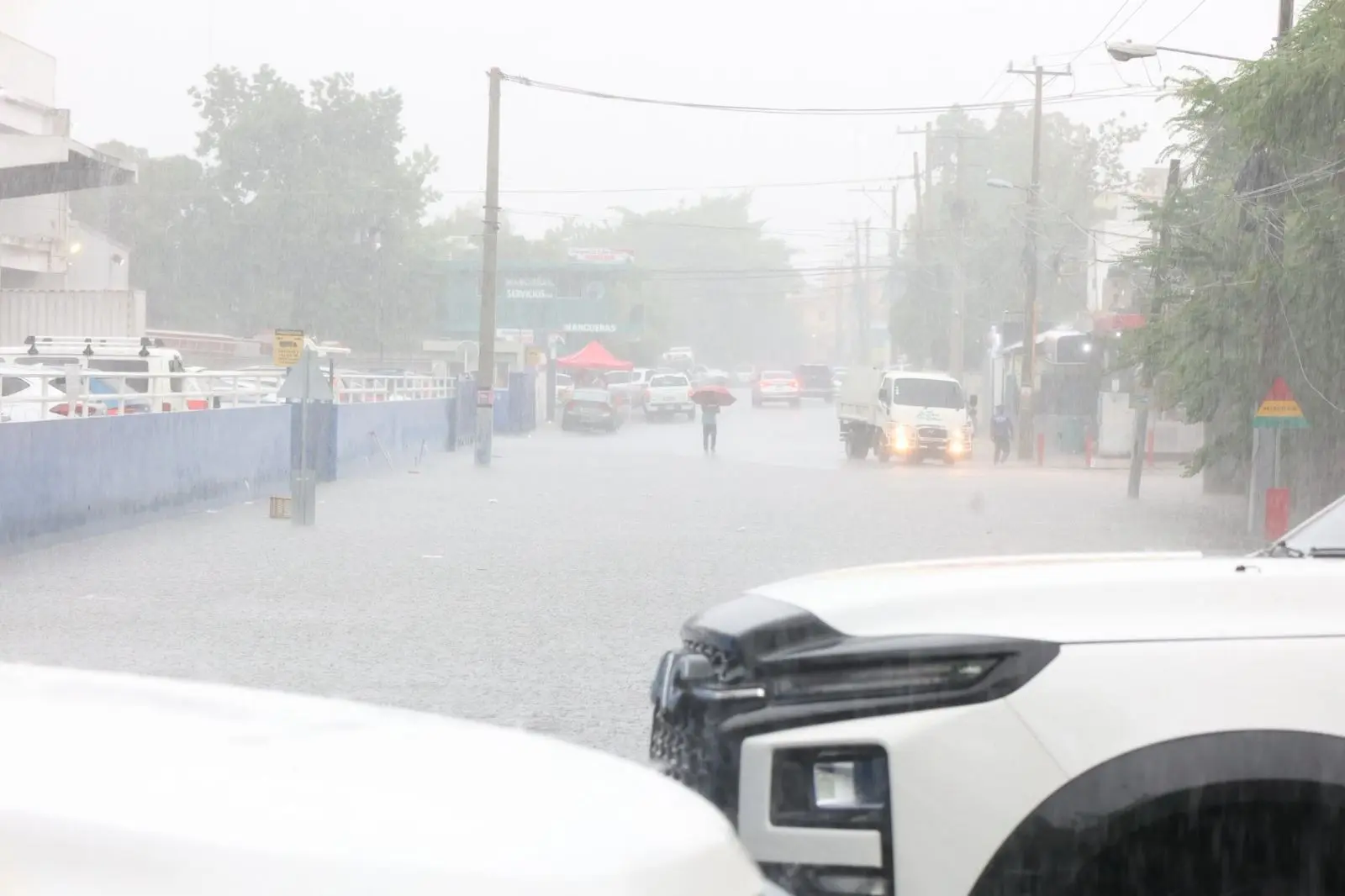
How long will the rains continue and what measures will be taken to avoid unfortunate situations?
The Dominican Republic is currently experiencing intense rainfall, driven by an active tropical wave and a low-lying trough, with forecasts predicting the downpour to persist until Saturday. Gloria Ceballos, director of the Dominican Institute of Meteorology (Indomet), provided updates on the situation, noting that preliminary reports indicate rainfall exceeding 200 millimeters (mm) in the southwest region within a 24-hour period. Additionally, provinces such as Enriquillo, Barahona, and Azua have recorded 146 mm of precipitation. Ceballos emphasized that data collection on rainfall accumulation from inland areas is ongoing. In response to the adverse weather conditions, the Emergency Operations Center (COE) has issued a series of safety guidelines for the public. These include seeking shelter in secure locations, properly disposing of trash to prevent blockages, securing loose items on balconies and windows, avoiding flooded streets, refraining from touching electrical poles or cables, driving cautiously with lights on, and steering clear of rivers and streams with high water volumes. The COE urges residents to adhere to these measures to mitigate risks during the rainy season.
-

Barbados Premier League Champions one win away From Concacaf Caribbean Cup Semis
In a thrilling display of resilience and skill, Ackeel Applewhaite made a triumphant return from injury, scoring a sensational equalizer to help Weymouth Wales secure a vital 1-1 draw against Trinidad Premier League Champions Defence Force. The match, held at the Hasely Crawford Stadium, kept Wales’ hopes of advancing to the semi-finals of the Concacaf Caribbean Cup alive. Applewhaite, who had been sidelined for two months with a fractured eye, delivered a breathtaking acrobatic goal in the second half, showcasing his determination and talent. Defence Force initially took the lead in first-half stoppage time, courtesy of a well-executed corner kick by Joshua Araujo-Wilson, headed home by Shaquille Bertand. Despite Wales’ missed opportunities earlier in the game, including a close-range shot by former Barbados national captain Rashad Jules, the team’s defensive line, led by Mario Williams, Ricardio Morris, Akeem Hill, and Rashad Smith, held firm for much of the match. Applewhaite’s equalizer came from a fortuitous long throw by Williams, which he expertly volleyed into the net. Both teams pushed for a winner in the closing stages, but the match ended in a draw. In a post-match interview with Concacaf, Applewhaite expressed his joy and gratitude, emphasizing the team’s collective effort and his commitment to contributing to their success. He also highlighted the significance of the draw as Wales prepares for their final group stage home match against Cavalier, with the support of Barbados behind them.
-

Is it true? US visa denials rising for Antiguans and Barbudans
A growing number of Antiguans and Barbudans are reporting a significant rise in US visa denials, even for routine renewals. Business leaders, professionals, and frequent travelers have expressed frustration over being rejected without clear explanations, causing disruptions to trade, family visits, and educational pursuits. Local visa consultants describe the situation as “unprecedented,” attributing the surge to stricter vetting procedures, a more rigid interpretation of US immigration policies, and the lingering effects of the Trump administration’s stance on Caribbean nationals. For many residents, securing a US visa remains crucial, leading some to budget for multiple applications despite the financial strain. The trend has raised concerns about its broader impact on bilateral relations and the economic and social ties between the United States and the twin-island nation.
-
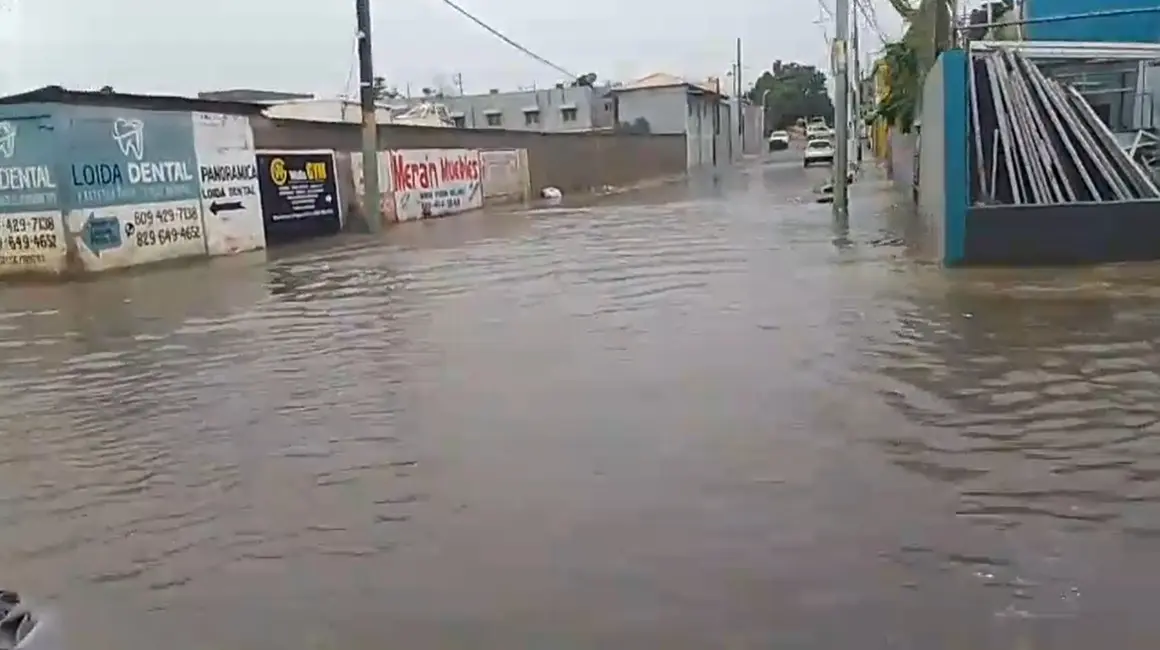
The damage caused by the rains in the Dominican Republic
The Dominican Republic is facing significant challenges as heavy rains, driven by an active tropical wave and a trough, have caused widespread flooding and displacement across several regions. According to the Emergency Operations Center (COE), 1,781 people have been forced to evacuate their homes. The municipal district of El Rosario in Azua province is among the hardest-hit areas, with the Tábara River overflowing and flooding approximately 160 houses, displacing 774 residents. The Civil Defense has established a shelter at the Liceo Gregorio Luperón, currently housing 26 individuals from nine families. La Altagracia has also reported 26 flooded residences, with urban flooding severely affecting areas like Veron, Bavaro, Cortesito, and Sabana de Los Martinez. In San Pedro de Macorís, malfunctioning drainage systems have led to flooding in multiple sectors, including Placer Bonito and Barrio Mexico. Additionally, the Soco River’s overflow has partially isolated several communities. Santiago has seen flooding in numerous sectors, with 150 houses partially submerged. The National Institute of Drinking Water and Sewerage (Inapa) reported that 10 aqueducts are out of service, leaving 179,256 users without water. The Ministry of Public Works and Communications (MOPC) has also noted damage to road infrastructures due to overflowing rivers and urban flooding. The COE has issued safety guidelines for residents, advising against crossing flooded areas, disposing of garbage properly, and driving cautiously during the ongoing crisis.
-
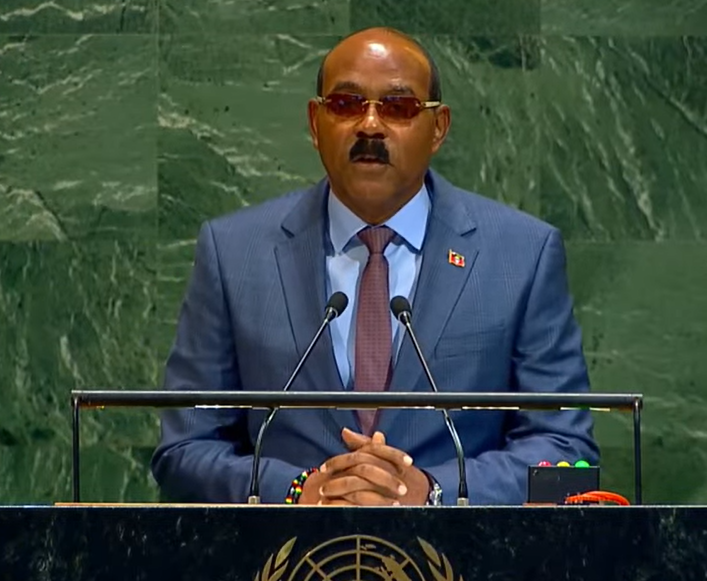
Antigua PM wants fight against drug trafficking in the Caribbean to be based on law and order
In a compelling address at the 80th session of the United Nations General Assembly (UNGA), Antigua and Barbuda Prime Minister Gaston Browne emphasized the necessity of a law-based and cooperative approach to combat drug trafficking in the Caribbean Sea. Browne underscored the importance of clear legal authority, rules of engagement, and respect for sovereignty in interdiction efforts, while also expressing concern over the militarization of the region. He highlighted the potential risks posed by the build-up of military assets, including a nuclear submarine, and reiterated the Caribbean’s stance as a ‘zone of peace.’ Browne also addressed broader regional issues, including the U.S. embargo on Cuba, the ongoing crisis in Haiti, and the urgent need for climate action. He advocated for a just energy transition, fair carbon levies, and robust international financial reforms to support vulnerable nations. Additionally, Browne called for decisive global action against illegal fishing, plastic pollution, and seabed mining, emphasizing the Caribbean’s role as custodians of vast marine resources.
-
NGO behind U.S. senators enquiry into ExxonMobil tax filings
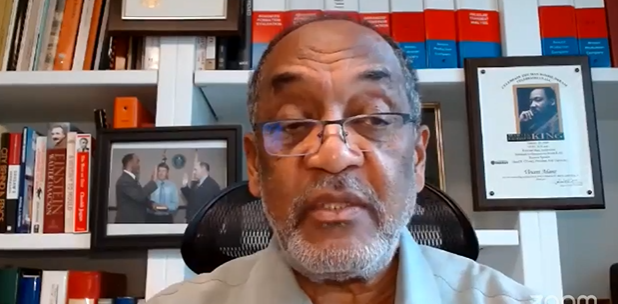
A New York-based non-governmental organization, the Oil and Gas Governance Network (OGGN), has been credited with prompting three U.S. senators to investigate ExxonMobil’s tax practices in Guyana. The senators—Sheldon Whitehouse (Rhode Island), Chris Van Hollen (Maryland), and Jeff Merkley (Oregon)—raised concerns about potential misuse of American taxpayer funds, alleging that ExxonMobil may be exploiting tax loopholes to claim credits for taxes it did not pay in Guyana. The OGGN, led by Professor Kenrick Hunte and Mike Persaud, provided the senators with critical information that led to the inquiry. Dr. Vincent Adams, a former head of Guyana’s Environmental Protection Agency, highlighted the NGO’s role in exposing what he described as a scheme where ExxonMobil allegedly uses fake Guyanese tax certificates to claim U.S. tax credits. The senators’ letter to ExxonMobil CEO Darren Woods questions whether the company directly paid taxes in Guyana or if the Guyanese government covered these payments from its share of oil profits. The inquiry also examines ExxonMobil’s partnership with China’s state-owned CNOOC and its implications for U.S. tax liabilities. The senators have set a deadline of October 23, 2025, for ExxonMobil to respond to their seven detailed questions regarding its tax practices and the 2016 Production Agreement with Guyana. The investigation could have significant implications for U.S. tax policy, potentially saving taxpayers an estimated $71.5 billion over a decade by closing existing loopholes.
-
What measures are hospitals taking to deal with the effects of the tropical wave?
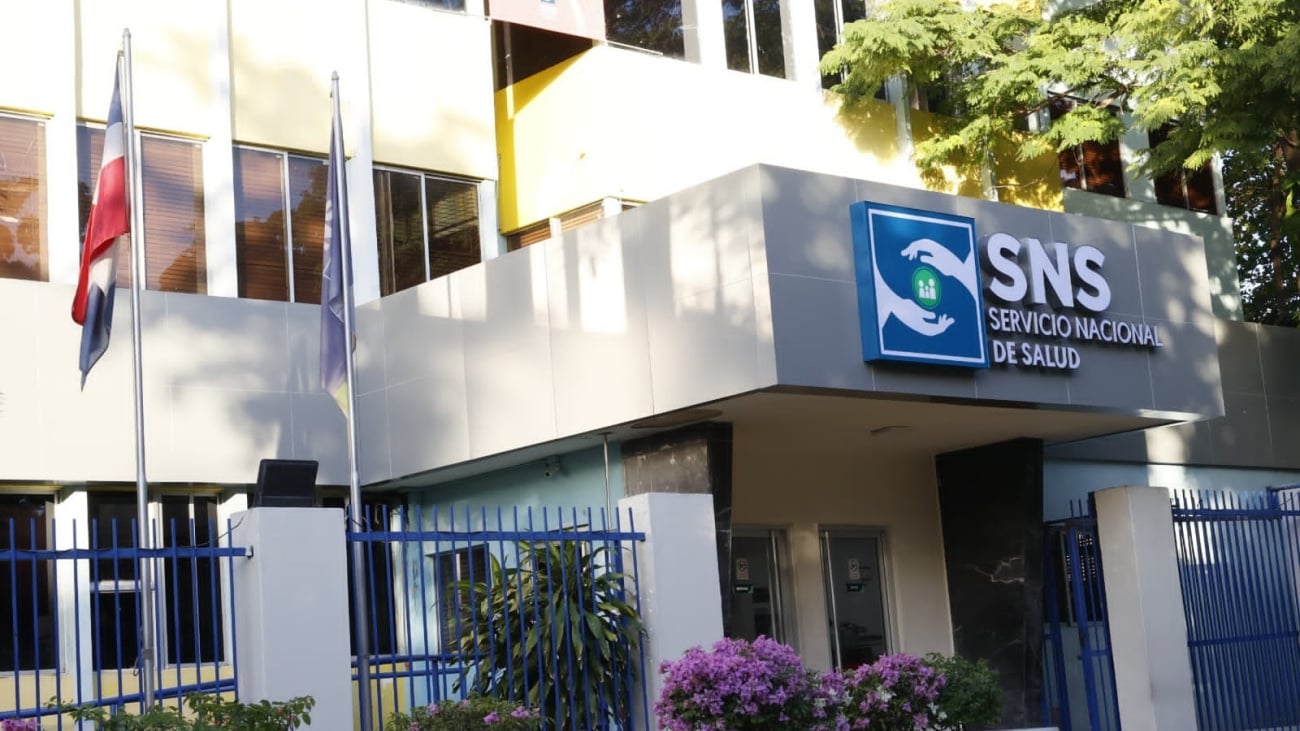
The National Health Service (NHS) announced on Friday that public hospitals across the country have been fortified as a proactive response to the ongoing tropical wave, which has been causing persistent rainfall nationwide. This initiative aims to ensure uninterrupted and high-quality healthcare for the population during this period of heightened weather activity. Yocasta Lara, Director of SNS Hospital Centers, detailed that Emergency and Disaster Committees have been activated in hospitals under the Regional Health Services of Ozama, Valdesia, and El Valle, in alignment with the latest weather advisories. Health centers are intensifying their prevention and preparedness measures, which include thorough cleaning and maintenance of infrastructure, as well as the provision of essential medications, supplies, water, and cleaning materials. Additionally, security has been enhanced in emergency zones, with comprehensive inspections of power plants, water and fuel reservoirs, and the protection of critical medical equipment, computers, and documents. Hospital directors in the affected regions have been directed to commence medical shifts at 2:00 p.m. today. These concerted efforts underscore the NHS’s unwavering commitment to safeguarding public health, particularly during adverse atmospheric conditions that could pose significant health risks.
-

Missing evidence found in Chacadan Daniel case, police chief says
In a significant development in the long-standing investigation into the death of 22-year-old Chacadan Daniel, Police Commissioner Verne Garde announced on Thursday that crucial evidence once believed to be missing has been recovered. The discovery was made following a renewed search of the exhibit room at the Micoud Police Station, where the case originated. Garde revealed that the investigation had been reassigned to a more senior officer after the primary investigator went on vacation, leading to the recovery of the evidence. The issue of the missing evidence dates back to 2018 and 2019, with a formal investigation launched in May 2023. Garde emphasized the importance of accountability, stating that non-intimate DNA samples from officers who worked at the station during the relevant period would be cross-referenced with the recovered evidence to ensure transparency. The case, which dates back to 2013, has been a source of immense pain for Daniel’s family, who have criticized the lack of due process and transparency in the investigation. They have called for sweeping reforms, including stricter evidence handling procedures and the establishment of an independent body to address complaints against police officers. The family expressed gratitude for Garde’s disclosure but stressed that Daniel’s death is a national issue highlighting systemic failures in accountability and human rights.