
The U.S. State Department’s latest report, titled ‘2025 Investment Climate Declarations: Dominican Republic,’ underscores the Dominican Republic’s robust economic growth and its efforts to attract foreign investment under President Luis Abinader’s leadership. The report highlights the country’s upper-middle-income status and its position as one of Latin America’s fastest-growing economies over the past five decades, with a projected real GDP growth rate of 5% by 2024. Foreign direct investment (FDI) has been a cornerstone of the Dominican economy, making it one of the Caribbean’s largest FDI recipients. The government has actively incentivized foreign investment through tax exemptions and other benefits, particularly in strategic sectors such as tourism, real estate, telecommunications, free trade zones (FTZs), mining, and energy. Additionally, the Dominican Republic’s membership in the Dominican Republic-Central America-United States Free Trade Agreement (CAFTA-DR) has bolstered its appeal to international investors by enhancing competition, strengthening the rule of law, and improving access to quality products. The United States remains the country’s most significant individual investor, with CAFTA-DR providing protections such as dispute resolution mechanisms to reinforce investor confidence. However, the report also identifies challenges, including a lack of priority for key reforms, particularly in the electricity sector, and high levels of informality. Other concerns include transparency issues, poor law enforcement, perceived corruption, bureaucratic inefficiencies, and inconsistent administrative and judicial decisions. Land tenure disputes and weak protection of private property rights further complicate the investment landscape. Despite these obstacles, the Dominican Republic continues to present significant opportunities for foreign investors, driven by its economic potential and strategic initiatives.
博客
-

The Santo Domingo Metro resumes operations at the Pedro Francisco Bonó station after an incident.
Santo Domingo — The Office for Transportation Reorganization (OPRET) announced the resumption of commercial services at the Pedro Francisco Bonó station on Line 2 of the Santo Domingo Metro by 8:25 p.m. this Saturday. This follows an accident that occurred Friday night, which led to the temporary suspension of operations. OPRET confirmed that the damaged access point was swiftly demolished within 24 hours, ensuring user safety and enabling normal train operations. Restoration work on the station’s facade will be conducted during nighttime hours to avoid service disruptions, with a commitment to restoring it to its original condition promptly. OPRET expressed gratitude to commuters for their patience and reaffirmed its dedication to efficiency and safety, prioritizing the well-being of citizens. Meanwhile, Caribe Tours released an official statement detailing the incident. According to the report, a speeding jeep ran a red light and collided with a Caribe Tours vehicle, causing the driver to lose control and crash into the station’s access structure. An OPRET employee sustained injuries in the accident and was transported to a medical center, where she is reported to be in stable condition.
-
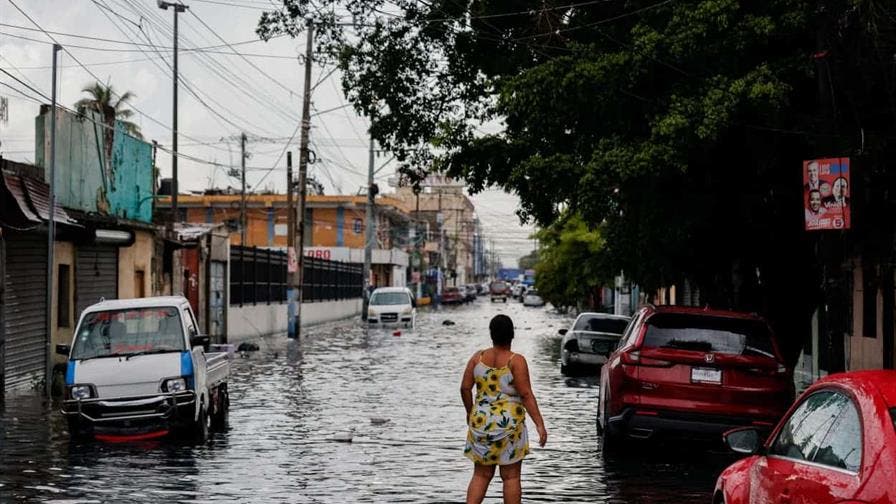
Public Health warns about health risks during the rains
In response to the recent heavy rains across the country, the Ministry of Health has issued a series of preventive guidelines to mitigate the risk of waterborne and respiratory illnesses. The accumulation of stagnant water and improper handling of food or consumption of contaminated water could lead to a surge in cases of dengue, leptospirosis, and acute diarrheal disease (ADD), among other health concerns. The Health Agency has highlighted that the rainy season often coincides with an increase in acute respiratory illnesses and epidemics, urging the public to adhere to local health recommendations for both prevention and treatment. Authorities have emphasized the importance of consuming only potable water. If safe drinking water is unavailable, they recommend purifying it by boiling, filtering, or adding five drops of chlorine per gallon and allowing it to sit for 30 minutes to eliminate contaminants. For domestic water storage, the Ministry advises applying chlorine evenly to the walls of water tanks using a clean cloth and keeping them covered to prevent the breeding of mosquito larvae, which can spread diseases like dengue. Additionally, the public is encouraged to maintain proper hygiene by washing kitchen utensils thoroughly, storing food safely, and washing fruits and vegetables before consumption. Avoiding contact with contaminated water or animal feces is also crucial to prevent leptospirosis. The Ministry stresses the importance of handwashing with soap and water for at least 20 seconds after using the bathroom, before eating, and before handling food. Using tissues when sneezing can help curb the spread of flu viruses. Proper waste disposal is another critical measure; garbage bags should not be left on sidewalks during rain but instead placed in containers or kept until garbage trucks arrive. The Health Agency strongly advises against self-medication. Individuals experiencing symptoms such as fever, diarrhea, vomiting, respiratory illness, or general malaise should seek immediate medical attention at the nearest health center, which is equipped to handle such cases. Special care should be taken with vulnerable groups, including the elderly, individuals with chronic diseases, mental health disorders, and disabilities. The Ministry urges the public to stay informed through official sources like the Dominican Institute of Meteorology (INDOMET) and the Emergency Operations Center (COE) and to adopt these preventive measures to safeguard their health.
-
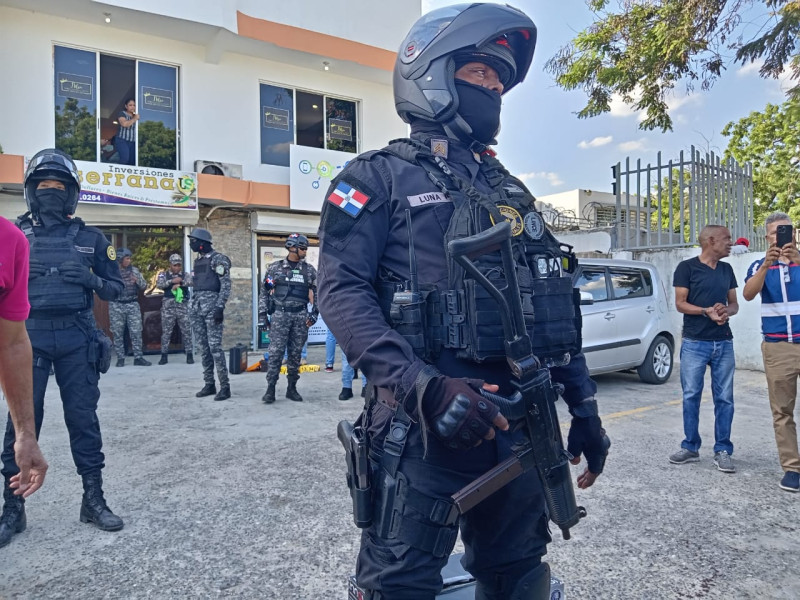
Investigations into the deaths of five people in Santiago are progressing slowly.
In Santiago, Dominican Republic, a tragic incident on September 10 has left five individuals dead following an alleged confrontation with a police patrol. Over two weeks later, the investigation remains sluggish, fueling anxiety and frustration among the victims’ families. The National Police and the Santiago Prosecutor’s Office have yet to release an official report, leaving the public in the dark about the circumstances that led to the fatal exchange of gunfire. Relatives of the deceased have voiced their exasperation over the lack of transparency, urging authorities to provide clarity. ‘We need a clear explanation, not just rumors,’ said one family member, who chose to remain anonymous. Civil society groups and human rights advocates have echoed these demands, calling for a transparent and independent investigation to ensure accountability and prevent impunity. The victims, identified as Edward Bernardo Peña Rodríguez, Carlos Enrique Guzmán Navarro (alias Charly Chasc), José Vladimir Valerio Estévez, Elvis Antonio Martínez Rodríguez, and Julio Alberto Gómez, all succumbed to their injuries at the José María Cabral y Báez Hospital. Vladimir Valerio, a barber, was reportedly serving a client and preparing to go out for a meal when the shooting occurred. His partner, Gabriela, defended his character, stating, ‘He wasn’t a criminal. If they have evidence, let them present it. He was just working hard for his dreams.’ The family is determined to clear Vladimir’s name and seek justice for what they perceive as excessive use of force by the police. Gabriela Mercedes Espinal Estévez, Vladimir’s sister, along with other relatives, has been visiting the site of the shooting daily, holding banners that demand justice and honor their loved ones. Despite the ongoing investigation, both the Santiago Police and the prosecutor’s office have maintained a tight-lipped stance, only confirming that the preliminary phase of the investigation has concluded. An alleged police officer was also injured during the incident, which took place in front of a barbershop on Olímpica Avenue in the La Barranquita sector of Santiago province.
-

23% of vehicles in the country are registered in the name of women.
In the Dominican Republic, a significant shift in vehicle ownership is emerging, with women increasingly taking the wheel on smaller roads, while men continue to dominate the main thoroughfares. According to recent data from the General Directorate of Internal Revenue (DGII) and the National Statistics Office (ONE), women now account for 23% of registered vehicles, a notable increase in a traditionally male-dominated sector. The data, updated to 2024, reveals that women own 432,256 motorcycles, 313,113 automobiles, 244,943 Jeeps, 19,410 buses, and 46,648 vehicles in other categories. The eastern provinces of Hato Mayor (28.7%), La Altagracia (28.1%), and El Seibo (27.3%), along with Peravia (27.7%) and Samaná (27.2%), show the highest percentages of female vehicle owners. In contrast, men still hold the majority, with 77% of vehicles registered in their names, including 1,894,849 motorcycles, 712,256 cars, 416,429 Jeeps, 79,229 buses, and 339,853 other vehicles. The 2024 vehicle fleet totaled 6,194,052 units, marking a 384,916 increase from 2023. Motorcycles dominate the fleet at 57.0%, followed by automobiles (18.7%), Jeeps (11.9%), and cargo vehicles, buses, and other categories (12.4%). Color preferences for cars lean towards white (23.7%), gray (22.9%), and blue (12.6%), while Jeeps favor white (28.6%), gray (20.8%), and black (17.4%). The year 2024 also saw a 40% rise in electric vehicle imports, with 6,640 units, and a 33% increase in hybrid vehicle imports, totaling 3,442 units. This data underscores a growing trend of women’s empowerment in transportation and a shift towards more sustainable vehicle choices in the Dominican Republic.
-

Celebrating service, flavour and festivity at Hilton’s ‘Beyond the Banquet’
On Friday evening, Hilton Barbados Resort transformed the traditional hotel experience into an immersive showcase of its offerings during the ‘Beyond the Banquet’ event. From the moment guests stepped inside, it was evident that the night was more than just a culinary affair. The lobby was alive with the soothing melodies of saxophonist Zukeli Inniss, while the hotel’s hospitality team greeted attendees with warm smiles and trays of exquisite bites. The event was a sensory journey, highlighting the resort’s commitment to exceptional service and ambiance. Guests were treated to a variety of culinary delights, including perfectly grilled skewered shrimp, succulent Bajan-style pigtails, and refreshing snow cones. The mixology team kept the cocktails flowing, ensuring a seamless and enjoyable experience for all. Inside the main banquet area, Executive Chef José Gutiérrez and Chef Banquets David Brome set the tone for the festive season with Christmas music and enchanting lighting. The evening’s host, Teresa Nicholls, Director of Catering & Events, kept the atmosphere lively, while the carving station offered a selection of mouthwatering meats paired with delectable sides. A tribute to Oistins featured seasoned fish alongside creamy macaroni pie, while a dedicated dessert station overflowed with sweet indulgences. Bea Dottin, Assistant Marketing Manager, explained the event’s purpose: ‘Beyond the Banquet is our way of showcasing our revamped banquet menus and holiday offerings, giving guests a taste of what to expect when hosting events with us.’ Annmarie Thompson, Director of Sales and Marketing, expressed gratitude to loyal clients, celebrating recent milestones such as the property’s 20th anniversary and accolades like ‘Great Place to Work’ and ‘Best Business’ by BCCI. The event encapsulated the essence of Hilton Barbados’s top-tier service and hospitality.
-
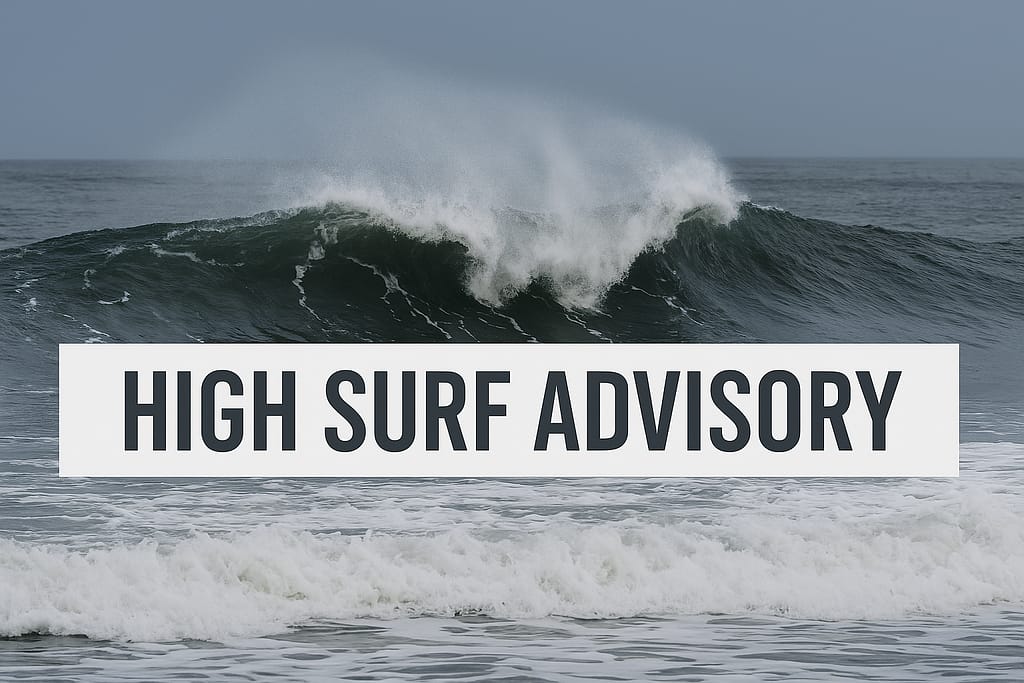
High Surf Advisory Issued for Barbuda, Anguilla, St. Kitts and BVI
The Antigua and Barbuda Meteorological Service has issued a high surf advisory for several northeastern Caribbean islands, including Barbuda, Anguilla, St. Kitts, and the British Virgin Islands. The advisory, issued on Saturday morning, warns of hazardous swells moving into the region, with waves expected to reach heights of 6 to 10 feet. These conditions pose significant risks, including rip currents, beach erosion, and localized coastal flooding. The threat level has been classified as moderate, with the potential for substantial impacts on affected areas. The timing of the swells varies across the islands. Barbuda is expected to experience the worst conditions from Saturday afternoon until midnight, while Anguilla will be impacted through the early hours of Sunday. St. Kitts faces high surf from Saturday night into midnight, and the British Virgin Islands will be affected from Saturday evening through late Sunday. Authorities have urged residents and visitors to exercise caution, advising against swimming on exposed beaches and recommending the use of lifeguarded or sheltered southern beaches. They also warned against venturing onto rocks or jetties, as strong currents could sweep people away. The advisory provided safety tips for those caught in rip currents, emphasizing the importance of staying calm, floating, and swimming parallel to the shore until free. The meteorological service encouraged the public to monitor further updates on its official website and social media channels.
-
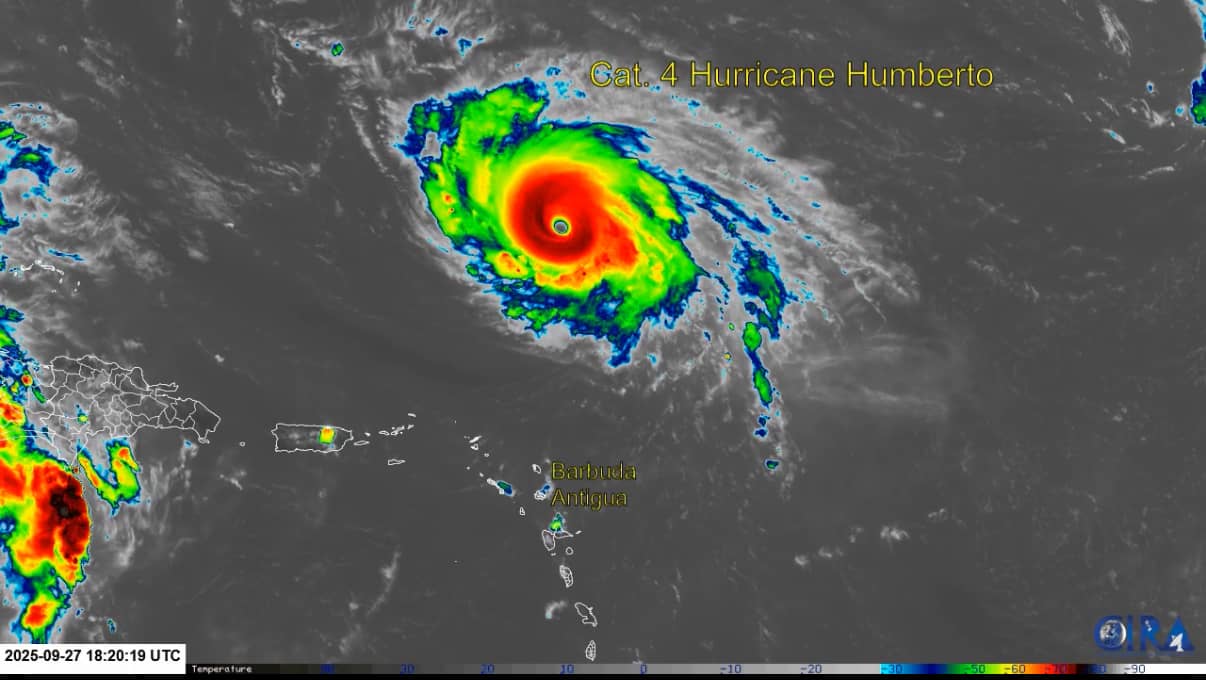
Hurricane Humberto Passes Safely North of Antigua
Hurricane Humberto, a formidable Category 4 storm with sustained winds nearing 145 mph, has safely bypassed Antigua and Barbuda, maintaining a distance of over 350 miles north of the twin-island nation. While the hurricane’s direct impact has been avoided, its influence has disrupted local wind patterns, driving the heat index to a sweltering 40°C (104°F). Authorities in Antigua and Barbuda have urged residents to remain vigilant, stay cool, and monitor official advisories as the hurricane season persists.
Meanwhile, attention is shifting to Tropical Depression Nine, which is currently developing near the Bahamas. As of 2 p.m. EDT Saturday, the National Hurricane Center reported the system’s location approximately 195 miles northwest of eastern Cuba and 120 miles south-southwest of the central Bahamas. With maximum sustained winds of 35 mph and a northwestward movement at 6 mph, the depression poses a growing concern. Tropical storm warnings are now in effect for parts of the central and northwestern Bahamas, while a watch has been issued for sections of Florida’s east coast. Heavy rainfall continues to affect eastern Cuba and the Bahamas, and U.S. Air Force hurricane hunters are en route to assess the system.
As the Atlantic hurricane season remains active, residents across the region are advised to stay informed and prepared for potential weather disruptions.
-

Youth leader urges unity, consistent support at parade
The Kensington Oval in Barbados was alive with energy and vibrancy on Friday evening as the National Youth Parade showcased the talents and spirit of the nation’s youth. Featuring dynamic performances from the Barbados Fire Cadets, Barbados YouthAdvance Corps, Girl Guides, and other organizations, the event celebrated the resilience and determination of young Barbadians. Amid the festivities, Caleb Brathwaite, President of the Barbados Youth Development Council (BYDC), delivered a poignant address, urging leaders and stakeholders to deepen their commitment to supporting the younger generation.
-

LIVE NOW: Opening of Independence Parade 2025
In the ever-evolving landscape of social media, user engagement continues to shape the way content is consumed and shared. Recent observations highlight a surge in sharing behaviors across platforms, with users increasingly utilizing features like ‘Share,’ ‘Tweet,’ ‘Pin,’ and ‘Related’ to amplify their digital presence. These actions not only reflect individual preferences but also contribute to the broader dissemination of information. The rise in such engagement tactics underscores the growing importance of social media as a tool for communication and influence. As platforms evolve, understanding these trends becomes crucial for both users and content creators aiming to maximize their reach and impact.