
In a notable shift in currency markets, the Jamaican dollar demonstrated resilience against several major currencies on Monday, September 29. According to the Bank of Jamaica’s daily exchange trading summary, the US dollar concluded trading at J$161.05, marking a decline of 25 cents compared to previous rates. This movement reflects a strengthening of the Jamaican dollar against its US counterpart. Simultaneously, the Canadian dollar experienced a significant drop, closing at J$116.11, down from J$121.14. Similarly, the British pound saw a decrease, ending the day at J$214.99, a reduction from J$216.34. These fluctuations highlight the dynamic nature of foreign exchange markets and underscore the impact of economic factors on currency valuations. The Bank of Jamaica’s data provides crucial insights into the financial landscape, offering stakeholders a clearer picture of current trends and potential future movements.
博客
-

YouTube to pay $22 million in settlement with Trump
YouTube has reached a $22 million settlement with former President Donald Trump, resolving a lawsuit stemming from the suspension of his account following the January 6, 2021, Capitol attack. The agreement, disclosed in a court document on Monday, marks another legal resolution between Trump and major tech companies. The Google-owned platform suspended Trump’s account amid concerns that his posts could incite further violence, particularly after he repeatedly claimed without evidence that the 2020 election was marred by voter fraud. Trump, 79, argued that the suspension constituted wrongful censorship and took legal action against YouTube and other social media platforms. The settlement funds will reportedly support a construction project at the White House through the nonprofit Trust for the National Mall, which focuses on preserving and enhancing the National Mall. The January 6 riot, which involved violent clashes between pro-Trump rioters and law enforcement, resulted in injuries to over 140 police officers. This settlement follows similar agreements with other tech giants, including Meta’s $25 million payout earlier this year and X’s $10 million settlement in February. Meanwhile, Alphabet’s 2025 annual report revealed that YouTube’s ad sales alone generated over $36 billion in revenue in 2024.
-
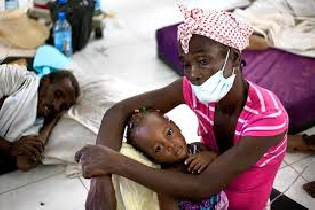
OCHA reports increase in cholera cases in Haiti
The United Nations Office for the Coordination of Humanitarian Affairs (OCHA) has raised alarms over a sharp increase in cholera cases in Haiti, particularly in the Port-au-Prince metropolitan area. Pétion-Ville, a key economic and educational center, has become a major hotspot for the disease. Farhan Haq, Deputy Spokesperson for UN Secretary-General Antonio Guterres, revealed that between September 21 and 25, 40 suspected cases and three deaths were reported in Pétion-Ville alone. This surge coincides with the imminent start of the new school year, heightening concerns about further transmission. In total, 66 suspected cases have been recorded in the capital and surrounding communes in recent days, marking a significant escalation compared to previous weeks. Young adults, who are highly mobile due to work and daily activities, constitute the majority of cases, raising fears of the disease spreading to other areas such as Delmas, Tabarre, and Carrefour. Nationwide, over 3,100 suspected cholera cases have been reported this year. In response, local health teams are conducting investigations, collecting samples, distributing water purification tablets, and launching awareness campaigns in affected neighborhoods like Brisetoux and Bobin. OCHA, in collaboration with Haitian authorities and partners, is intensifying efforts to monitor cases and mobilize health workers to curb the outbreak’s spread.
-
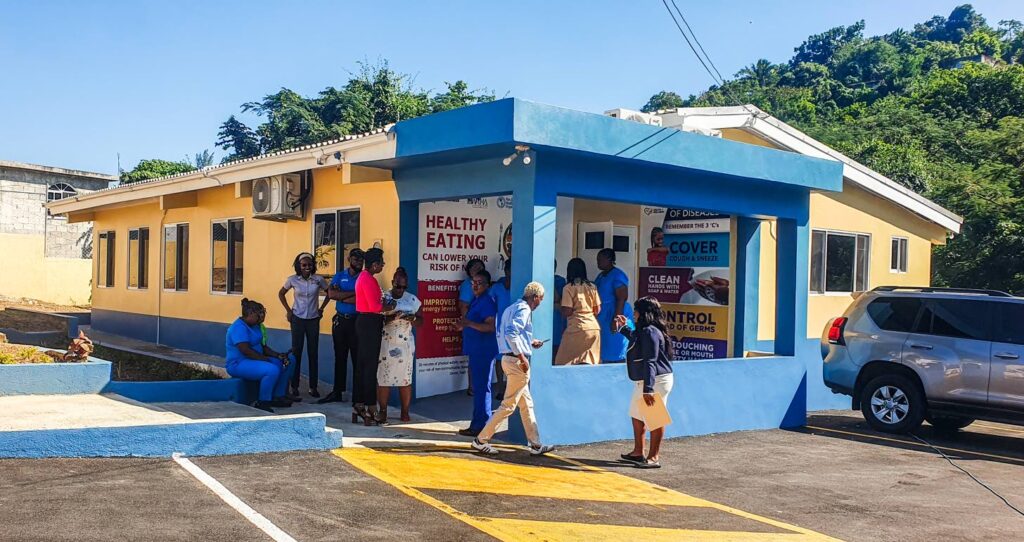
Lives and economies at risk from weak primary healthcare in region — report
A groundbreaking report released on Monday by the World Bank and the Pan American Health Organisation (PAHO) has issued a stark warning: the lack of resilience in primary healthcare (PHC) systems across Latin America and the Caribbean (LAC) could result in catastrophic losses, both in human lives and economic stability. The report, titled “No Time to Wait: Resilience as the Cornerstone of Primary Health Care in Latin America and the Caribbean,” was unveiled during PAHO’s 62nd Directing Council, attended by health ministers and high-level delegates from the region. The study highlights that a 25–50 per cent reduction in PHC delivery due to a health emergency, such as a pandemic or natural disaster, could lead to up to 165,000 preventable deaths and economic losses ranging from US$7 to 37 billion over one to five years. Among the projected fatalities are 11,300 maternal deaths, 10,000 child deaths, and over 149,000 deaths from noncommunicable diseases (NCDs), alongside 14 million unintended pregnancies. Dr. Jarbas Barbosa, PAHO Director, emphasized that building robust PHC and resilience are inseparable. “Without resilient PHC, the next crisis will disproportionately affect the poorest and most marginalized communities,” he stated. The report defines resilience as the ability of health systems to maintain essential services equitably before, during, and after shocks, including pandemics, hurricanes, and floods. The COVID-19 pandemic exposed the region’s vulnerabilities, with LAC accounting for 30 per cent of global COVID-19 deaths despite representing only 8.5 per cent of the world’s population. Essential services like maternal care, childhood immunization, and chronic disease treatment plummeted by up to 50 per cent, with some countries experiencing gaps for over two years. The region, prone to hurricanes, floods, and vector-borne outbreaks, remains heavily reliant on hospital-centered, fragmented health systems with insufficient investment in PHC. Jaime Saavedra, World Bank’s Director of Human Development for LAC, stressed that strengthening PHC is one of the region’s greatest health challenges. The report outlines a five-point action plan to build resilience, including expanding equitable care models, embedding public health functions within PHC, and ensuring sustainable financing. PAHO urges health leaders to prioritize PHC resilience as a political and economic imperative.
-
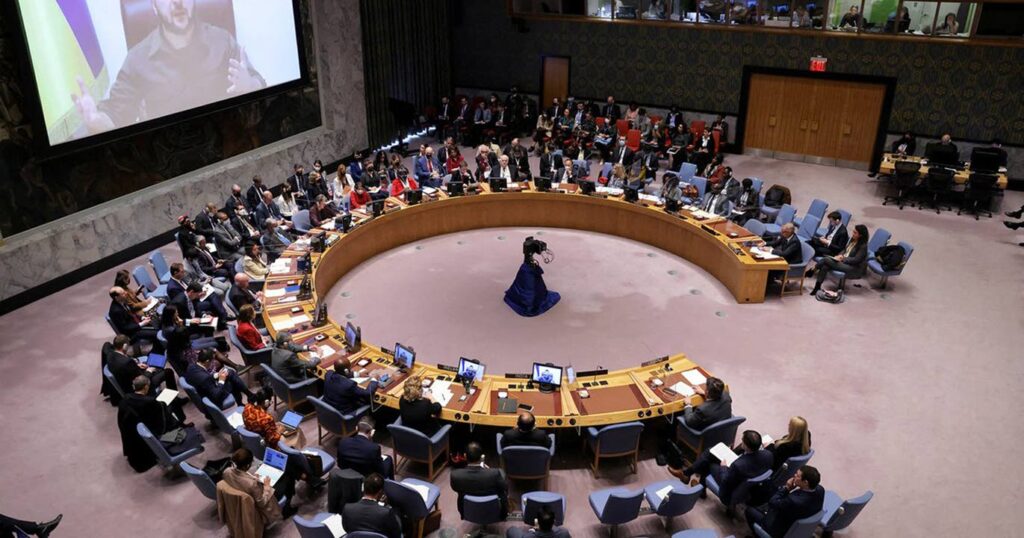
UN Security Council to vote on future of foreign Haiti force
The United Nations Security Council is set to vote on Tuesday on a pivotal proposal to transform the current UN-backed security mission in Haiti into a robust, full-scale force. This initiative aims to address the escalating gang violence that has plunged the Caribbean nation into chaos. Currently, the Multinational Security Mission (MSS) comprises 1,000 police officers, predominantly from Kenya, who are assisting the overwhelmed Haitian police force. However, the mission, established in 2023, has yielded inconsistent results. Laurent Saint-Cyr, head of the Haitian Transitional Presidential Council, recently highlighted the dire situation at a UN diplomatic gathering, describing Haiti as a ‘country at war’ and a ‘human tragedy on America’s doorstep.’ He emphasized the urgent need for international intervention, citing the displacement of over a million people and the destruction of entire neighborhoods. The proposed expansion, spearheaded by the United States and Panama, would increase the force to a maximum of 5,500 personnel, including both police and military units, for an initial one-year period. Kenya’s President William Ruto expressed confidence that with adequate resources and logistics, Haiti’s security could be restored. The plan also includes establishing a UN support office to provide logistical and financial backing. US Deputy Secretary of State Christopher Landau underscored the mission’s mandate to proactively target gangs and restore stability. However, the resolution faces potential opposition, with China and Russia expressing skepticism about the mission’s effectiveness without political reforms in Haiti. Both countries abstained from the initial vote, and their positions remain uncertain ahead of Tuesday’s decision. Haiti, the poorest nation in the Americas, has been plagued by violent gangs, political instability, and a lack of elections since 2016. The situation deteriorated further in early 2024 when gangs forced Prime Minister Ariel Henry to resign, leaving the country under the leadership of a Transitional Presidential Council.
-

SLB diversifying loan options for alternative education pathways
KINGSTON, Jamaica — In a significant move to adapt to evolving educational and employment trends, the Students’ Loan Bureau (SLB) of Jamaica has unveiled plans to diversify its loan offerings. The initiative aims to cater to Jamaicans seeking flexible learning opportunities beyond traditional degree programs, including professional certifications and emerging skill areas crucial for national development.
-
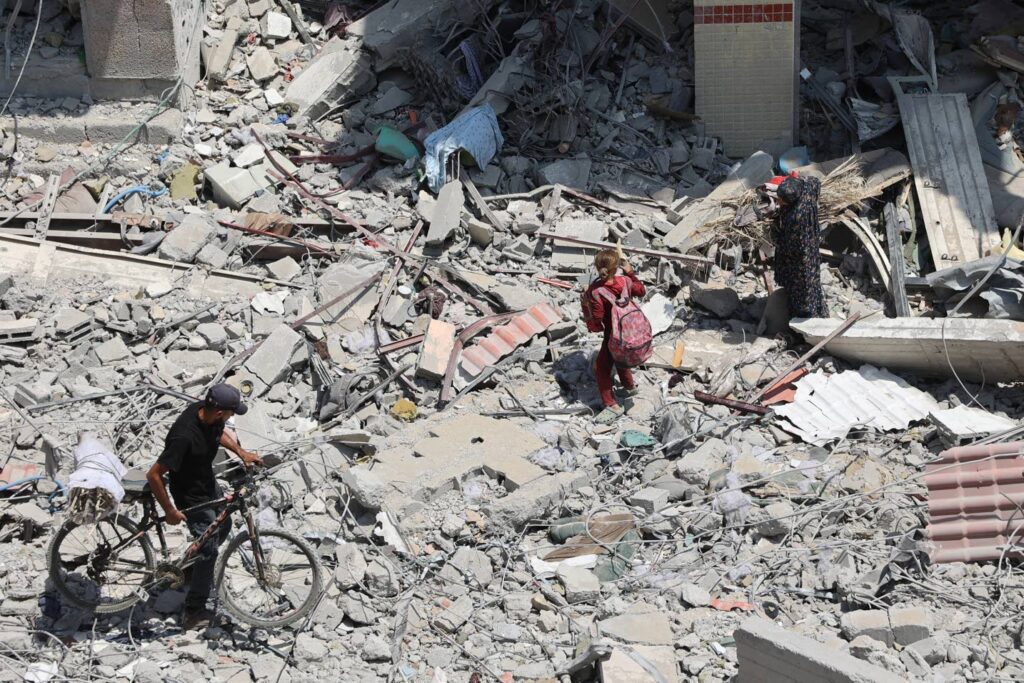
Muslim states join European powers in backing Trump Gaza plan
DOHA, Qatar — In a significant development, several Muslim-majority nations have expressed their support for U.S. President Donald Trump’s proposal to end the ongoing conflict in Gaza. The plan, which has also garnered backing from key European allies, aims to bring an immediate halt to the devastating war. However, some Palestinian factions and residents of Gaza have dismissed the initiative as a “farce” and a ploy to secure the release of hostages without addressing the root causes of the conflict.
-
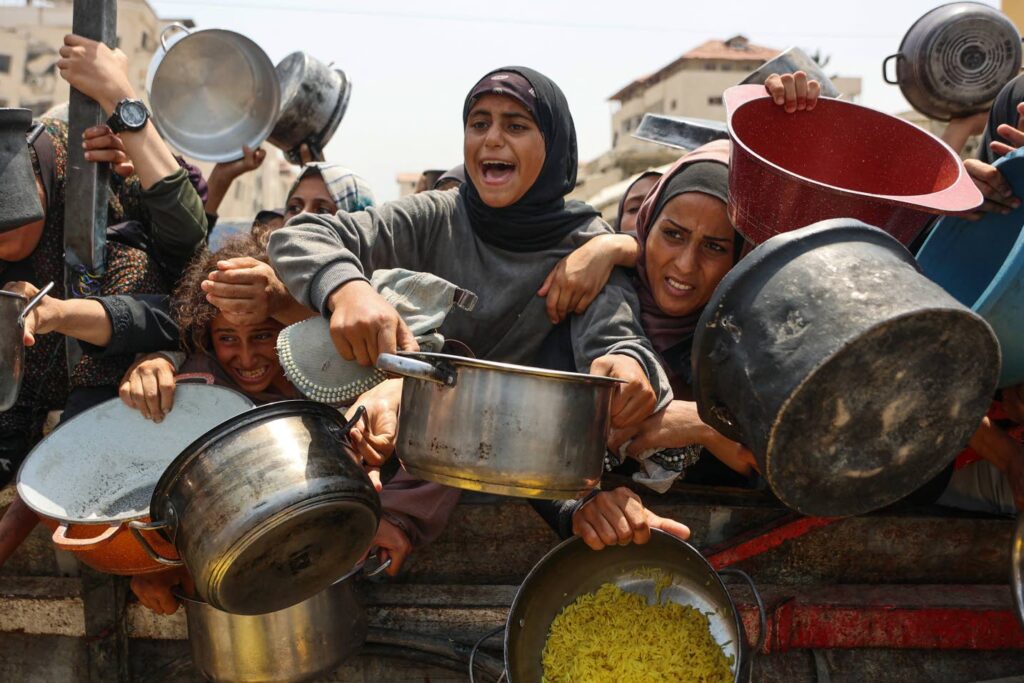
Trump’s 20-point Gaza peace plan
In a significant move to address the prolonged conflict in Gaza, the White House has unveiled a detailed 20-point plan aimed at ending the nearly two-year war, securing the release of hostages held by Hamas, and outlining a sustainable future for the Palestinian enclave. The plan, announced on Monday, was presented by President Donald Trump alongside Israeli Prime Minister Benjamin Netanyahu, who expressed cautious support for the initiative.
The proposal begins with the establishment of Gaza as a deradicalised, terror-free zone, ensuring it no longer poses a threat to neighboring regions. It emphasizes the redevelopment of Gaza to benefit its residents, who have endured immense suffering. A key component of the plan is the immediate cessation of hostilities upon mutual agreement, with Israeli forces withdrawing to pre-defined lines to facilitate the release of hostages. Military operations, including aerial and artillery bombardments, will be suspended during this period.
Within 72 hours of Israel’s acceptance of the agreement, all hostages, both alive and deceased, are to be returned. In exchange, Israel will release 250 life-sentence prisoners and 1,700 Gazans detained after October 7, 2023, including all women and children. Hamas members committed to peaceful coexistence will be granted amnesty, and those wishing to leave Gaza will be provided safe passage.
The plan also prioritizes humanitarian aid, ensuring the immediate delivery of essential supplies and the rehabilitation of critical infrastructure such as water, electricity, and hospitals. A temporary transitional governance structure, led by a technocratic Palestinian committee and overseen by an international ‘Board of Peace,’ will manage Gaza’s administration until the Palestinian Authority completes its reform program.
Economic revitalization is a cornerstone of the proposal, with the creation of a special economic zone and the involvement of international experts to attract investment and foster job creation. The plan guarantees that no one will be forced to leave Gaza, while encouraging residents to stay and contribute to rebuilding their homeland.
To ensure long-term security, the United States will collaborate with regional partners to establish an International Stabilisation Force (ISF) to train and support Palestinian police forces. The ISF will work alongside Israel and Egypt to secure border areas and prevent the flow of munitions into Gaza. Israel has committed to not occupying or annexing Gaza, with the IDF progressively withdrawing as stability is achieved.
The plan also includes measures to promote interfaith dialogue, foster peaceful coexistence, and create a credible pathway to Palestinian self-determination and statehood. The United States will facilitate ongoing dialogue between Israel and the Palestinians to ensure a political horizon for peaceful and prosperous coexistence.
-
Missing man found dead in Manchester
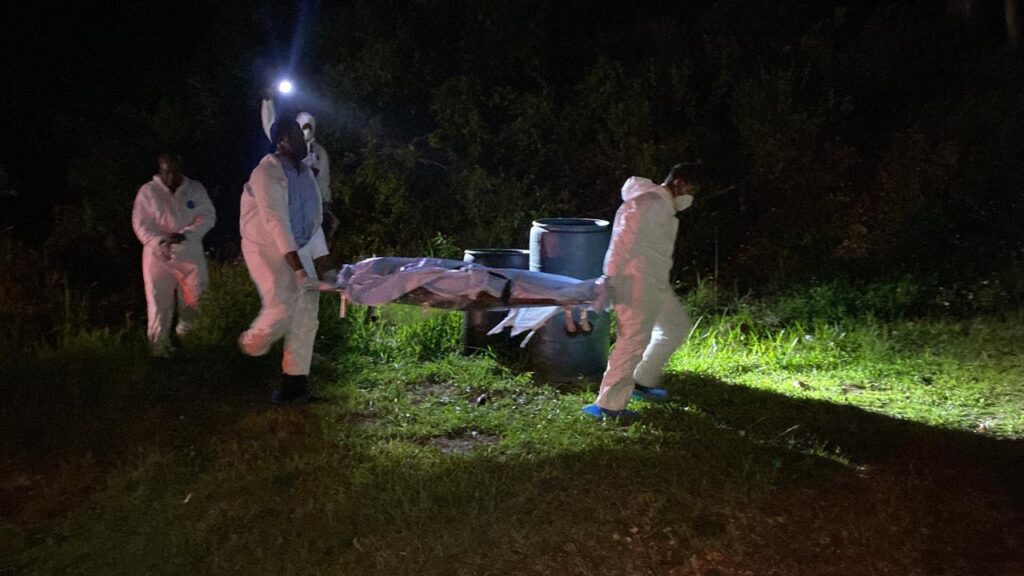
In a tragic discovery, the decomposed remains of a man believed to be mentally challenged were found in an overgrown area of George Reid, Manchester, on Monday. The body is suspected to be that of Marlon Corinthian, a 46-year-old resident who was last seen on September 20. Concerned family members had filed a missing person’s report on September 27 after growing anxious about his disappearance. The grim find was made when residents, alerted by a foul odor, searched the area. A local woman recounted how a man from the community used a machete to clear the bushes, uncovering a part of a foot. Police were immediately notified. The woman, who identified herself as Corinthian’s friend, expressed her sorrow, stating that she last saw him nine days ago. She speculated that Corinthian, who often foraged for herbs to make tea, might have fallen into a ditch and become trapped. ‘He had a mental problem, but everyone loved him. I don’t think anyone would harm him,’ she added. A relative revealed that Corinthian was a mental health patient and had been missing from his usual spots, including the Mandeville Regional Hospital. Firefighters assisted in removing the body, with onlookers using masks and fabric to shield themselves from the stench. The community mourns the loss of a man described as kind and well-loved.
-

Parents must pay close attention to changes in children’s behaviour – NPSC
KINGSTON, Jamaica — Kaysia Kerr, CEO of the National Parenting Support Commission (NPSC), has issued a heartfelt plea to parents, urging them to remain vigilant about behavioural changes in their children amidst a concerning rise in student suicides. Speaking to JIS News, Kerr emphasized that even subtle shifts in behaviour could signal underlying emotional distress or trauma. She advised parents to approach such changes with care and empathy, ensuring their children feel safe to express themselves. Kerr highlighted several critical warning signs, including sudden bedwetting, altered sleep or eating habits, social withdrawal, and unusual agitation or hyperactivity. She stressed the importance of early intervention, encouraging parents to seek professional help from trusted sources such as pastors, doctors, teachers, or school counsellors. Additionally, Kerr pointed to resources like the NPSC and the Office of the Children’s Advocate (OCA), which offers a 24-hour helpline for confidential support. Kerr underscored the value of parental intuition, particularly among mothers, and urged immediate action if something feels amiss. ‘Early intervention can save lives,’ she concluded.