博客

  • APUA Says Aging Infrastructure Behind Delays in Repairing Water Leaks

    APUA Says Aging Infrastructure Behind Delays in Repairing Water Leaks

    Antigua’s public water network is grappling with unprecedented strain as aging core infrastructure drives a sharp spike in reported water faults and repair backlogs, according to the Antigua Public Utilities Authority (APUA). In a recent transparent briefing on operational challenges, the utility revealed that its maintenance teams now respond to more than 800 leak and fault reports every month – a volume that far outpaces the response capacity the agency built for older, lower-demand network conditions.

    APUA officials explain that two overlapping factors have created the current pressure cooker: growing water distribution volumes to meet rising residential and commercial demand across the country, and decades of wear on an outdated core infrastructure system that was never designed to handle today’s usage levels. On a daily basis, maintenance crews are forced to juggle competing priorities across multiple communities, ranging from urgent emergency leak repairs and unplanned service interruptions to scheduled system upgrades and long-term infrastructure improvement projects. This split focus has inevitably led to longer wait times for many leak repairs, frustrating residents and businesses across the island.

    In releasing the breakdown of current challenges, APUA emphasized that the disclosure is not an attempt to justify existing service gaps or operational inefficiencies. Instead, leaders say the goal is to give the public clear context for the realities that frontline crews navigate every day as they work to keep water service running.

    Recognizing that changes are needed to address rising customer frustrations, the authority has already begun internal restructuring to boost emergency response capacity. The core of these adjustments is expanding the number of dedicated response crews, a change designed to cut wait times and ensure faults are resolved faster and more effectively for affected customers.

    In closing, APUA extended its gratitude to the Antiguan public for their ongoing patience and understanding as the agency works through systemic infrastructure challenges. The utility also reminded residents that collective water conservation remains a critical tool to reduce overall strain on the network while long-term upgrades are carried out.

  • Saint Lucia students try out new flexible CXC exam system

    Saint Lucia students try out new flexible CXC exam system

    A landmark shift in secondary education assessment across the Caribbean is underway, as Saint Lucia hosted the inaugural sitting of the Caribbean Targeted Education Certificate (C-Tech) exams this week. The new modular assessment framework, which launched Tuesday, is designed to upend the traditional one-and-done testing model that has long defined the region’s Caribbean Secondary Education Certificate (CSEC) system.

    Unlike the standard CSEC structure, which requires students to sit exams for all required subjects in a single sitting to earn full certification, C-Tech enables learners to complete their syllabus in incremental, self-paced stages. Students work toward their full credential one module at a time, gradually building up to a full CSEC pass after successfully completing three separate modules.

    Patterson Abraham, Registrar of Examinations at the Caribbean Examinations Council (CXC), the body governing regional education assessments, explained that CXC selected mathematics as the subject for the very first C-Tech module. Mathematics has historically been one of the most challenging subjects for students across all Caribbean nations, with consistent low pass rates dragging down overall academic outcomes for thousands of learners annually.

    Drawing on decades of regional performance data, Abraham noted that the staggered modular model gives students far greater opportunity to earn incremental micro-credentials along their journey, even before they complete the full certification requirement. By breaking the large, comprehensive mathematics syllabus into smaller, more focused sections, the framework reduces the academic burden placed on learners. “The number of areas that they have to cover is less than the CSEC programme,” Abraham explained. “Students can focus on a few topics at a time, and to be able to do as well as they can on just one module, and then to build onto the next module.” This segmented approach makes the subject far more manageable, lowering the barrier to success for struggling learners.

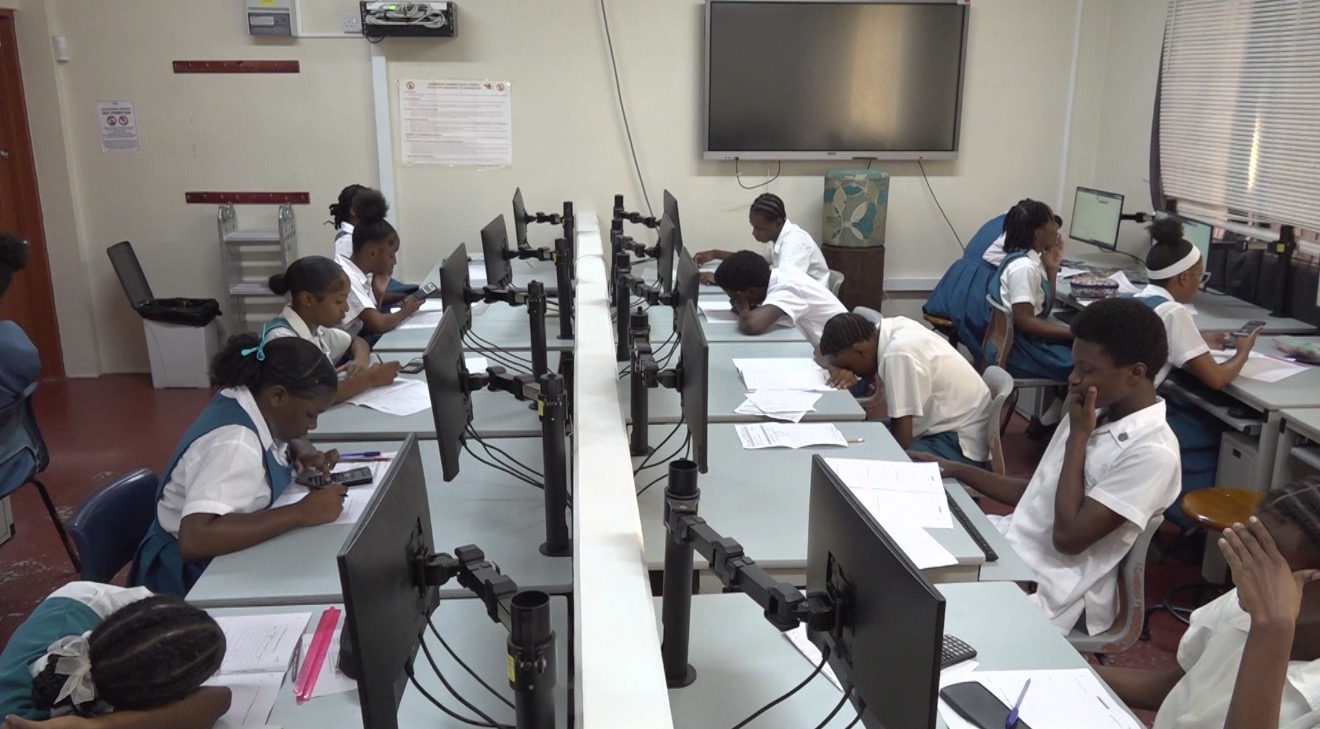
    After completing site visits to multiple participating examination centers on the first day of testing, Abraham reported that the launch went far smoother than many observers expected. The first C-Tech exam used a modern hybrid format: paper one of the module was administered prior to Tuesday, and Tuesday’s sitting was for paper two, where students accessed test questions via digital devices and recorded their responses in traditional printed answer booklets. This blended digital-write-in structure marks a small but meaningful step toward modernizing assessment practices across the region.

    Abraham confirmed that no major logistical issues or security incidents were reported across any testing sites, with all operations running according to plan. “From my visits and from my communication with the centres that are doing C-Tech, everything seemed to be under control,” he said. Regional education officials are now optimistic that the full 2024 C-Tech exam sitting will conclude successfully, paving the way for a broader rollout across other Caribbean nations in coming years.

    Framing the new initiative as a transformative milestone for Caribbean secondary education, Abraham expressed confidence that the flexible modular framework will deliver tangible long-term benefits, boosting overall academic performance and opening up more education and career pathways for regional students.

  • DOWASCO announces progress for Water Sector Strategic Development Project

    DOWASCO announces progress for Water Sector Strategic Development Project

    A critical initiative to upgrade drinking water and sewerage infrastructure across multiple communities in Dominica has logged major construction progress across all four of its project zones, though unforeseen obstacles have forced a timeline extension, the island’s state-owned water utility announced this week.

    The Dominica Water and Sewerage Company Limited (DOWASCO) shared the project update in an official post on its public Facebook page, detailing the status of the Water Sector Strategic Development Project (WSSDP), an upgrade scheme targeting improved water access and service reliability in Grand Fond/Morne Jaune, Calibishie, Castle Bruce, and the Coulibistrie/Morne Rachette/Salisbury corridor.

    As of the latest update, construction in the Grand Fond and Morne Jaune zone is already well advanced. DOWASCO confirmed that all distribution piping within Grand Fond has been fully laid, and more than 60 percent of the cross-country main supply pipeline connecting Grand Fond to Morne Jaune has been installed. Two new reinforced concrete storage tanks have also been completed and put in place: a 115,000-gallon tank serving Grand Fond, and a 70,000-gallon tank for Morne Jaune. Work is now ongoing to replace aging sections of the local distribution network in the area, with pre-delivered project piping staged at multiple points across local communities to speed up on-site work.

    Despite this measurable progress, DOWASCO acknowledged that a series of unexpected challenges have slowed construction across all project sites, pushing back the original completion deadline. The initiative was initially scheduled to wrap up all construction by the end of March 2026, but the utility has formally requested an extension to a new completion date of September 30, 2026. According to the statement, approval for the timeline adjustment is expected shortly from the Caribbean Development Bank (CDB), the primary funding body backing the WSSDP.

    Common barriers that have disrupted work schedules include recurring weather-related disruptions, difficult hilly terrain that complicates excavation and pipeline installation, unexpected equipment breakdowns, and administrative processing delays that have paused construction at multiple points. DOWASCO’s update reaffirms the project’s core goal of modernizing Dominica’s aging rural water infrastructure to reduce service outages, improve water quality, and meet growing community demand across the island’s northern and eastern rural districts.

  • Fernandez Urges Faster Action to Capitalise on Tourism Growth as Arrivals Hit Record Levels

    Fernandez Urges Faster Action to Capitalise on Tourism Growth as Arrivals Hit Record Levels

    Against a backdrop of surging visitor numbers that are hitting unprecedented records in 2026, Antigua and Barbuda is being urged to move quickly to capitalize on the booming momentum sweeping its critical tourism sector, according to the nation’s Tourism Minister Charles Fernandez. In a recent address outlining the government’s updated strategic vision for the industry, Fernandez explained that policy priorities are evolving past the single goal of growing arrival volumes. Instead, the new focus centers on elevating both the quality of visitor experiences and the long-term value the sector delivers to local communities, with a heavy emphasis on inclusive, sustainable growth that lifts residents across the country.

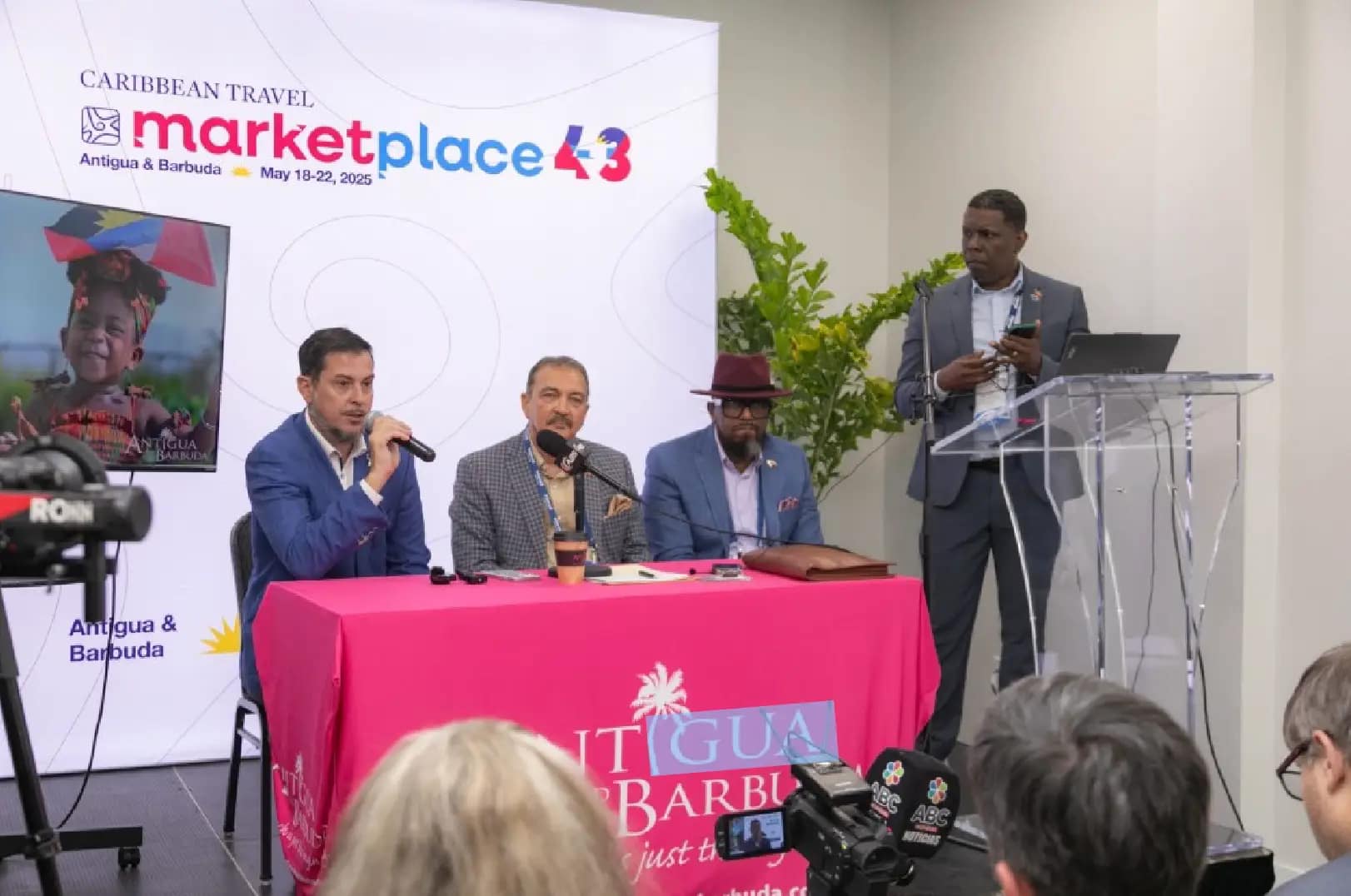
    Fernandez highlighted three major pillars that have already fueled the sector’s strong 2026 performance: a pipeline of ongoing luxury hospitality development projects, expanded cruise ship operations that bring more day-trippers and overnight guests to the islands, and increased airlift capacity that opens the destination up to more international travelers from key source markets. One particularly valuable opportunity on the near horizon, he noted, is the nation’s second consecutive hosting of the Caribbean Travel Marketplace. This high-profile industry gathering gives Antigua and Barbuda a unique platform to strengthen long-standing collaborative ties with global tourism partners and put its one-of-a-kind island offerings front and center for leading international travel buyers.

    In closing, Fernandez extended public recognition to the nation’s frontline tourism workers and broader hospitality stakeholders, crediting their consistent dedication with preserving Antigua and Barbuda’s standing as one of the most sought-after top travel destinations in the Caribbean. He also reaffirmed the national government’s unwavering commitment to ongoing targeted investment in the sector, which continues to anchor the country’s overall economy and drive widespread employment and development across both islands.

  • CDB and EU approve new funding to strengthen flood early warning systems in Suriname

    CDB and EU approve new funding to strengthen flood early warning systems in Suriname

    The Caribbean Development Bank (CDB) has formally announced a new $698,700 grant, backed by funding from the European Union (EU), designed to shore up Suriname’s capacity to handle climate-driven flood events, the bank confirmed in an official press statement this week.

    This investment will underpin the cross-stakeholder Strengthening Flood Early Warning Systems in Suriname Project, a collaborative effort between the CDB, the EU, and the Surinamese national government. Per the CDB’s announcement, the core goal of the initiative is to boost disaster preparedness and emergency response capacity across Suriname’s high-risk regions that are regularly exposed to extreme rainfall and catastrophic flooding, while safeguarding local populations, livelihoods, and critical economic infrastructure.

    L. O’Reilly Lewis emphasized that the targeted funding will address long-standing structural gaps in the country’s existing flood monitoring and alert infrastructure. “This new investment will close critical gaps by upgrading hydrometeorological monitoring, strengthening forecasting capacity, improving inter-agency coordination, and ensuring that warnings are timely, accurate and actionable at both national and community levels,” Lewis explained.

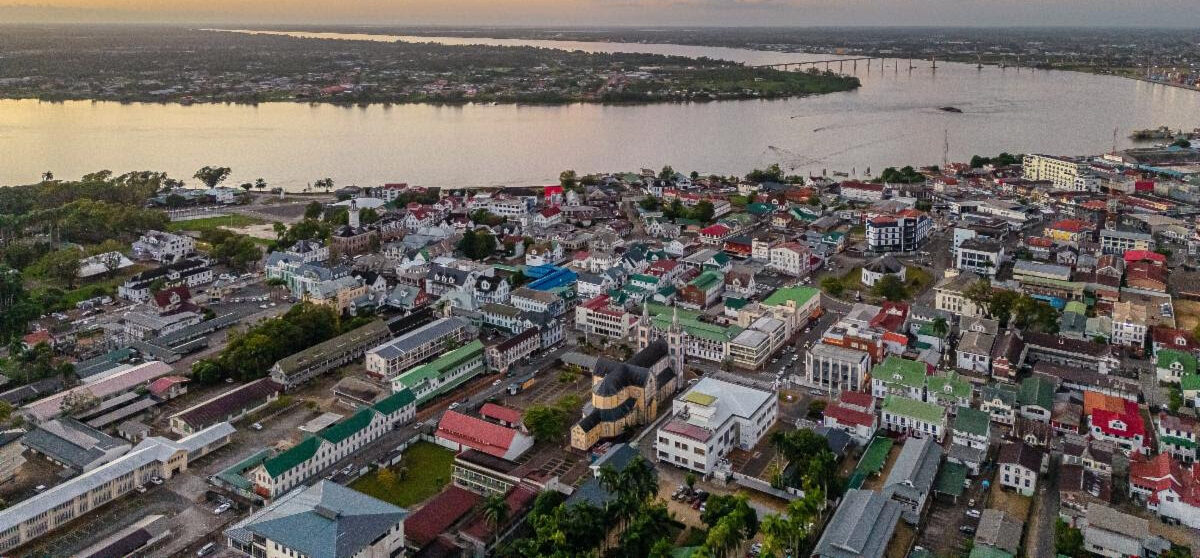
    The project is financed through the Caribbean Action for Resilience Enhancement (CARE) Programme, which falls under the EU’s broader Intra-African Caribbean Pacific European Union Disaster Risk Reduction Programme. The CDB notes that the upgrade work will focus heavily on low-lying, flood-prone communities across the country, including Brokopondo, Sipaliwini, sections of the capital Paramaribo, the Boven-Suriname watershed, and at-risk coastal zones. These areas have repeatedly faced crippling disruptions to transportation networks, agricultural production, housing, and public services, driven by a combination of heavy rainfall, shifting river system activity, and inherent geographic vulnerability to flooding linked to climate change.

    Fiona Ramsey, speaking for the EU, underscored the urgent regional need to modernize weather forecasting and climate monitoring infrastructure across the Caribbean. “This initiative reflects the European Union’s continued commitment to strengthening climate resilience in the Caribbean, under our renewed partnership with the region on Disaster Risk Management,” Ramsey said. “By advancing weather forecasting capabilities and enhancing early warning systems, we are helping countries like Suriname better anticipate and respond to extreme weather events. Investing in reliable, science-based forecasting and timely alerts is essential to protecting lives, livelihoods and infrastructure, and to supporting sustainable development in the face of a changing climate.”

    Key deliverables for the project include the creation of high-resolution 3D hazard and flood-risk mapping, a major expansion of national meteorological and hydrological monitoring networks, upgrades to data processing and management systems, and the rollout of a standardized Common Alerting Protocol to streamline the distribution of emergency warnings to at-risk populations. The CDB also confirmed that widespread public education and community outreach campaigns will be rolled out to ensure that even residents in remote, underserved vulnerable communities can understand and act quickly on flood alerts when they are issued.

    Once fully implemented, the project is projected to cut flood-related economic and human losses, strengthen national food security, protect critical public and private infrastructure and local employment, reduce unplanned fiscal pressures tied to disaster response and recovery, and bolster investor confidence in the country’s long-term climate stability.

    On-the-ground implementation will be led by Suriname’s Ministry of Public Works and Spatial Planning through the country’s National Meteorological and Hydrological Service, using a coordinated multi-agency governance framework to ensure effective delivery.

    Stephen Tsang, representing the Government of Suriname, expressed gratitude for the collaborative support from the CDB and the EU. “The Government of Suriname welcomes this timely support from the CDB and the EU. Strengthening our flood early warning systems is a critical step in protecting our communities, infrastructure, and economy against the increasing impacts of climate variability. This initiative will enhance our national capacity to anticipate and respond to extreme weather events, while reinforcing our commitment to building a safer, more resilient and sustainable future for all Surinamese,” Tsang said.

    The CDB added that this new financing aligns fully with the institution’s 2026–2035 Strategic Plan, which prioritizes boosting social, economic, and environmental resilience across the entire Caribbean region. The investment also advances the bank’s core mission of cutting poverty and improving quality of life through resilient, inclusive, and sustainable development practices.

  • Throwing sprat to catch whale

    Throwing sprat to catch whale

    The old adage of “casting a sprat to catch a whale” has taken on a bitter new meaning in the context of St. Vincent and the Grenadines’ education sector, where the “whale” pulled to the surface is not a prize, but a decades-long, systemic crisis of underperformance and inequity.

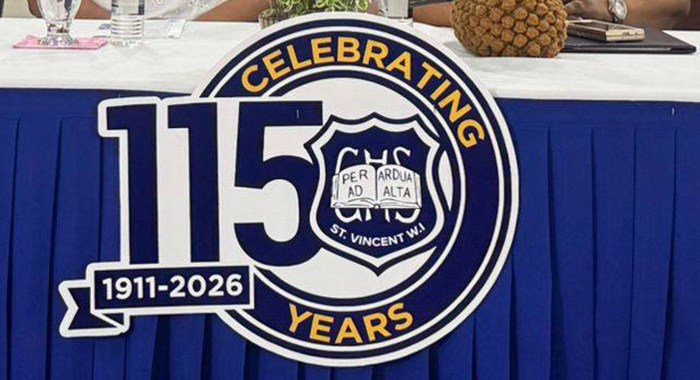
    Recent public debate surrounding the all-girls Girls’ High School (GHS) has exposed a deeper community dysfunction than any issue tied to the institution alone: a widespread reluctance to engage with constructive criticism, with many critics choosing to attack the messenger rather than grapple with the core message of the assessment.

    While some readers grasped the central call for urgent, system-wide school oversight, and others aired personal grievances specific to GHS, a large share of observers rejected the entire critique out of hand. The core claim at the heart of the analysis, however, is impossible to dismiss: St. Vincent and the Grenadines’ public education system is failing its students and its national development goals. Oversight frameworks are chronically weak, core policies remain outdated after decades without revision, and the Ministry of Education has failed to uphold its mandatory review, monitoring, and evaluation duties outlined in the 2002 Education for All national policy.

    The author of the critique, writing under the pseudonym Critical Observer, poses two searing questions that have gone unanswered by education officials: When was the last full review of national education policy conducted? And more importantly, are current policies actually structured to help students develop into critical thinkers prepared to thrive in adult life and the modern workforce?

    Former GHS students describe the elite institution as largely unchanged from the rigid grammar school model of 40 years ago. While preserving tradition can hold cultural value, when tradition hardens into inflexible class hierarchies, narrow definitions of achievement, and exclusionary practices, it becomes a direct barrier to individual student growth and broader national progress.

    Multiple longstanding problematic practices have been documented at GHS: student and, in some cases, teacher perpetrated bullying; consistent favouritism toward children from wealthy households; prefect eligibility tied to a student’s ability to pay for extracurricular activities; exclusive overseas learning opportunities priced far out of reach for low-income students; and graduation events that cost upwards of $120,000, pushing already cash-strapped families into unsustainable debt.

    These systemic inequities do more than erode individual student self-esteem: they entrench cross-generational class inequality, weaken core civic values, and exacerbate widespread societal strains, including the island nation’s growing youth mental health crisis.

    Critics of the assessment often point to GHS’s track record of producing high-achieving, prominent alumni, but the author challenges this claim, asking whether that success stems from the school’s institutional structure, or from the outsized parental support and raw individual ambition of the students the school attracts. Even as GHS consistently enrolls the top-performing female students in the national CPEA examinations, the fundamental question remains: does its current curriculum actually prepare young women for life beyond secondary school?

    National economic and social data underscore the urgency of reform. In 2015, national youth unemployment hit 22.5%. For a small island nation of just 110,000 people grappling with more than $3 billion in national debt and a persistently high homicide rate, St. Vincent and the Grenadines cannot afford a system that produces graduates with formal qualifications but none of the practical skills needed to contribute to the workforce. Local employers regularly report that new school-leavers lack both the hard technical skills and soft professional attitude required for entry-level work; a shocking number struggle to complete basic, essential tasks like filling out a passport application form.

    Education officials often point to rising graduation rates and higher exam pass rates as proof of progress, but the author argues that a system that prioritizes formal credentials over actual merit fuels systemic corruption and long-term economic stagnation. What the nation needs is not just more graduates with certificates, but engaged, skilled citizens capable of contributing meaning to inclusive national growth.

    The takeaway from this assessment is unavoidable: St. Vincent and the Grenadines’ education system requires consistent independent oversight, evidence-based analysis, and urgent structural reform. Before dismissing calls for change, the author urges the public and education leaders to confront the hard truths laid out in the critique. The future of the nation’s children, and the future of the country itself, depends on meaningful action.

  • Education Minister Daryll Matthew Attends Global AI Education Conference in China

    Education Minister Daryll Matthew Attends Global AI Education Conference in China

    From May 11 to 13, the eastern Chinese city of Hangzhou has become the global hub for conversations reshaping the future of learning, playing host to the 2026 World Digital Education Conference. This year’s landmark gathering, centered on the theme “AI+Education: Transformation, Development, Governance,” draws together cabinet-level education officials, pioneering tech innovators, veteran educators and cross-sector leaders from every corner of the globe, united by a shared goal of exploring artificial intelligence’s evolving role in reimagining 21st-century education.

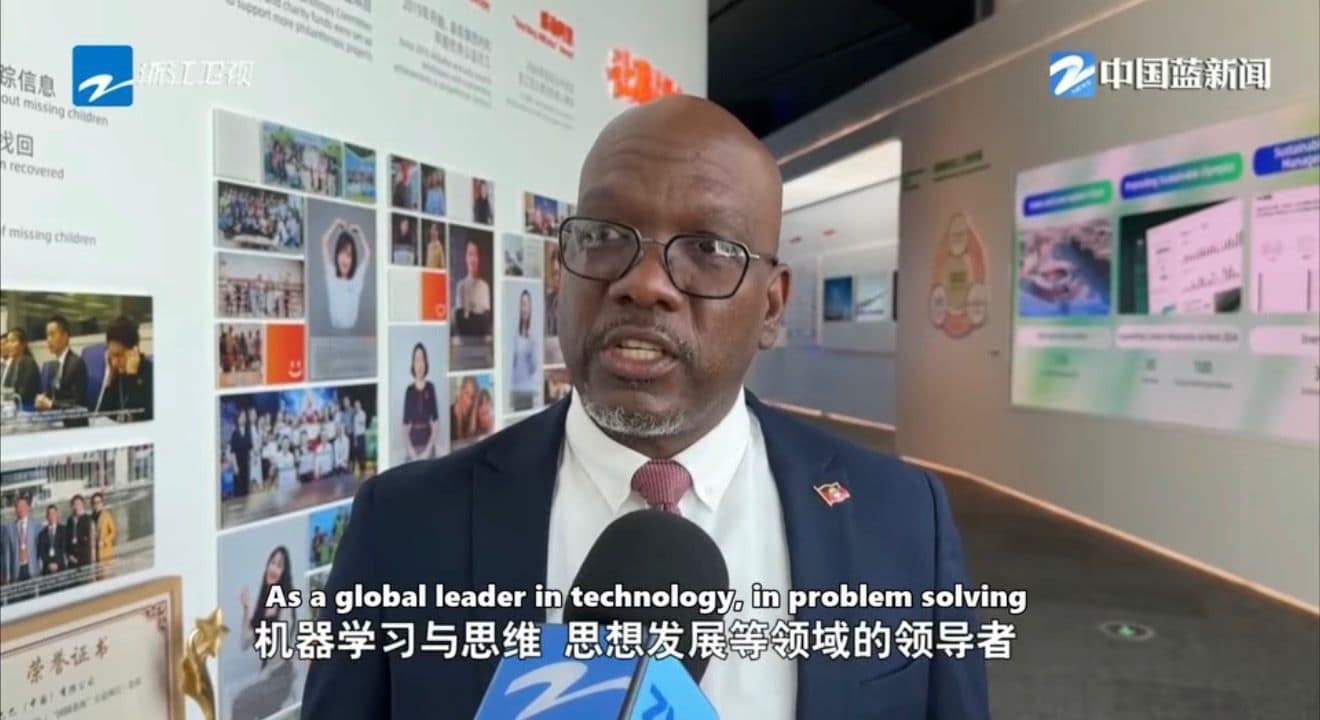
    Among the high-level delegates in attendance is Daryll Matthew, Education Minister of Antigua and Barbuda, who traveled to China to take part in the collaborative dialogue. In his remarks during the conference, Matthew offered substantial praise for China’s decades-long trajectory of technological progress and breakthrough innovation. He emphasized that over the past 30 to 40 years, China has cemented its position as a worldwide leader across key technology spaces, including machine learning, large-scale problem solving, and iterative development of cutting-edge technological solutions.

    “China has emerged over the last three or four decades as a global leader in technology, in problem solving, in machine learning and in thinking, in thought development,” Matthew stated publicly during the event.

    For small island developing states like Antigua and Barbuda, the conference serves as a critical opportunity to access cutting-edge insights and scalable models for digital education. Matthew made clear that his nation intends to leverage the ideas and innovative frameworks showcased at the gathering to strengthen its own education ecosystem over the coming years. “And I’m hoping that we can over time adopt in my country of Antigua and Barbuda,” he added, highlighting the long-term ambition for knowledge-sharing and policy adoption.

    Beyond individual national partnerships, the conference is structured to advance global collective action: participating stakeholders are working collaboratively to map out how AI can modernize outdated education systems, elevate student learning results, and contribute to the United Nations’ sustainable development goals. At the same time, delegates are actively debating and building consensus around frameworks for inclusive, responsible governance that ensures AI integration in education is equitable, secure, and accessible to learners across all income and regional groups.

  • ASP Frankie Thomas Wins Top Caribbean Community Policing Award

    ASP Frankie Thomas Wins Top Caribbean Community Policing Award

    A senior law enforcement official from Antigua and Barbuda has earned one of the Caribbean’s most prestigious awards for excellence in community-focused policing, cementing the region’s reputation for dedicated public safety work.

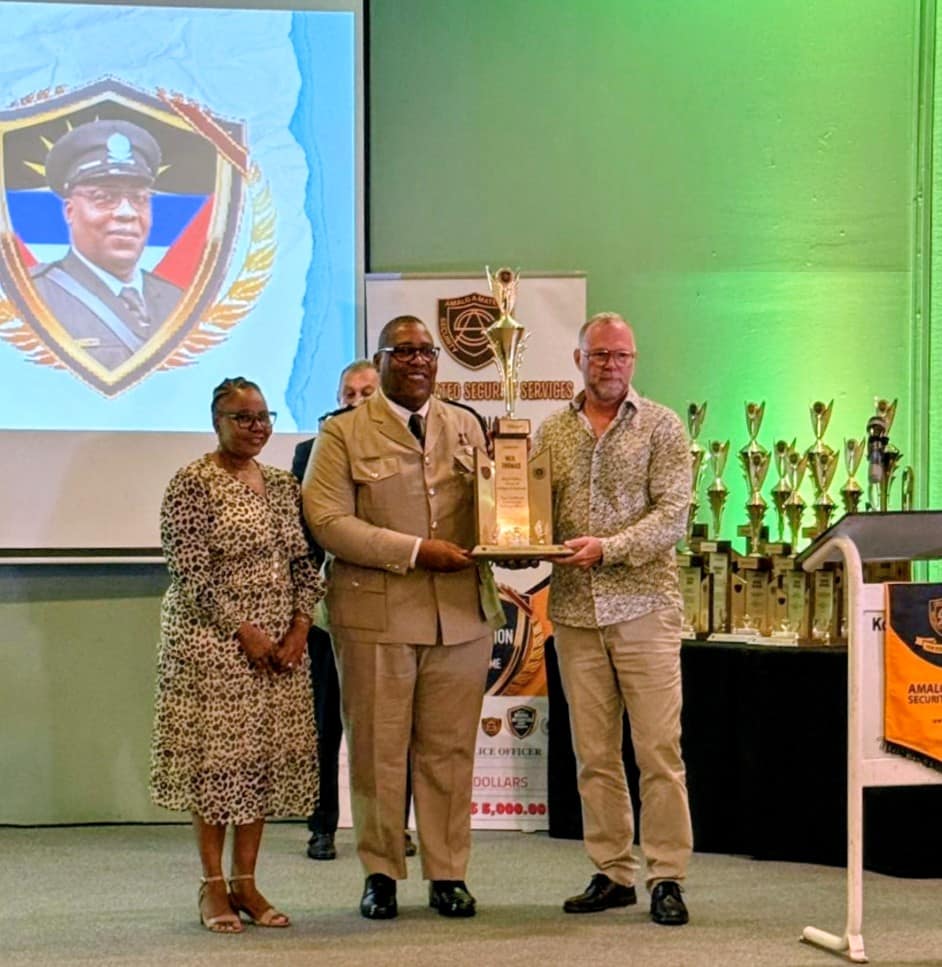
    Assistant Superintendent of Police Frankie Thomas of the Royal Police Force of Antigua and Barbuda was awarded the Amalgamated Security Services Limited (ASSL) Top Caribbean Community Policing Award at an official ceremony hosted jointly by the Association of Caribbean Commissioners of Police (ACCP) and ASSL in Paramaribo, Suriname, on May 12.

    In remarks delivered after accepting the award, Thomas spoke of his mixed feelings of excitement and humility at being selected for the regional honor. He dedicated the recognition to his mother, his longtime biggest supporter, as well as everyone who has lifted him up during his entire career in law enforcement.

    Beyond expressing gratitude, Thomas reaffirmed his ongoing commitment to deepening the collaborative ties between local police forces and the communities they serve. He urged fellow officers both within the Royal Police Force of Antigua and Barbuda and across the Caribbean to prioritize police-public partnerships, framing these connections as a core pillar of boosting public safety and building lasting public trust in law enforcement.

    Thomas also offered thanks to divine providence for the opportunity, and extended special appreciation to organizers ASSL and ACCP for selecting him for the distinguished prize. He singled out former Royal Police Force Commissioner Atlee Rodney, now Deputy Director of the Regional Security System (RSS), for years of steady guidance and encouragement, and also recognized current police leadership, his team, and fellow colleagues for their unwavering support throughout his career.

    The annual ASSL/ACCP Regional Recognition Awards Program was launched back in 2015 as a collaborative initiative between the two organizations. The program was created to shine a spotlight on exceptional Caribbean law enforcement officers who demonstrate outstanding performance in policing, public safety advancement, and community engagement work. The awards are split into three distinct categories: the Top Caribbean Community Policing Officer, which recognizes work to strengthen police-community ties; the Top Caribbean Crime Fighter, which honors officers with extraordinary success in crime detection and investigation; and the Top Caribbean Career Move, which celebrates major professional milestones and advancement within the law enforcement field.

    Following the announcement of Thomas’s win, Royal Police Force Commissioner Everton Jeffers offered warm, sincere congratulations to the assistant superintendent, praising him for bringing regional acclaim to the entire Royal Police Force of Antigua and Barbuda. The service’s top administration also commended Thomas for his years of dedication, consistent professionalism, and unwavering commitment to community-centered policing, extending well wishes for continued success in all his future work in law enforcement.

  • Chinese Embassy Hosts International Chinese Language Day Event in Antigua and Barbuda

    Chinese Embassy Hosts International Chinese Language Day Event in Antigua and Barbuda

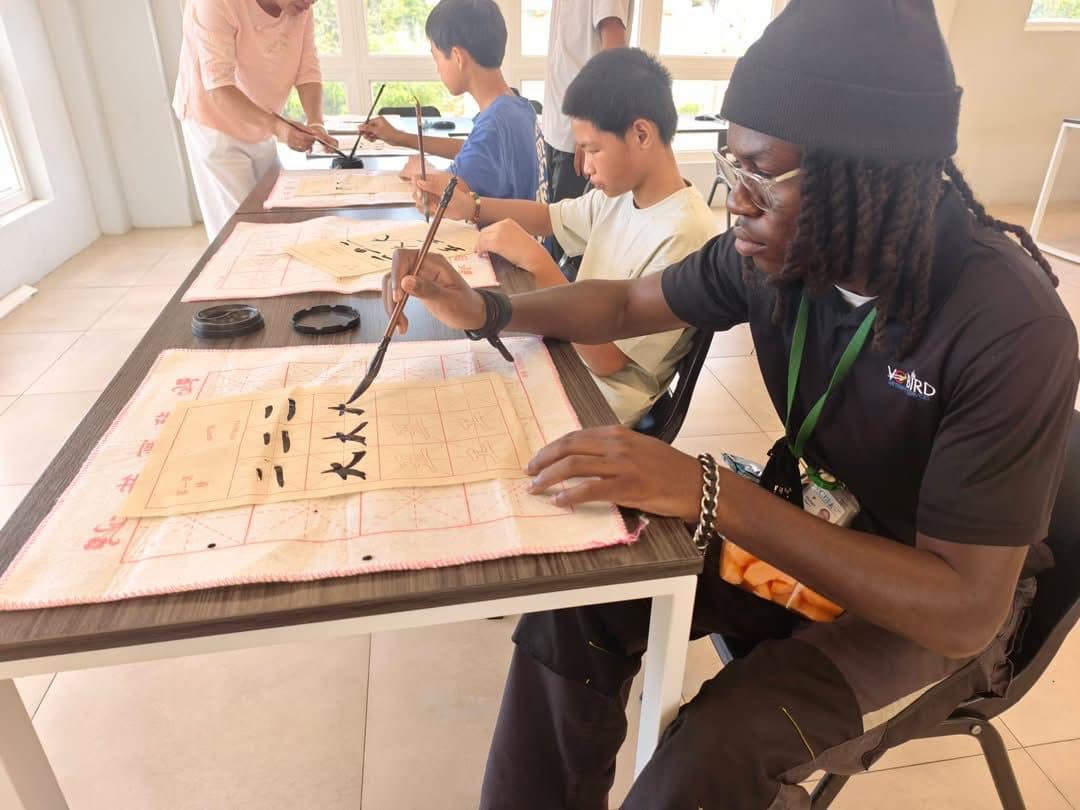
    On May 9, a vibrant celebration of International Chinese Language Day brought together students, cultural lovers, community members and diplomatic representatives in Antigua and Barbuda, co-hosted by the local Chinese Embassy and organized by the Confucius Institute. The cross-cultural gathering drew a diverse crowd, ranging from university students to local Chinese community members and Antiguans and Barbudans with a growing passion for Chinese language and cultural learning, with Chinese Ambassador Jiang Wei gracing the event as a key guest. In her remarks shared by the Chinese Embassy, Ambassador Jiang framed language as far more than a tool of communication: she positioned it as a foundational bridge that fosters deeper mutual understanding between distinct civilizations and creates lasting, close connections between people from different national backgrounds. She further shared her expectation that this inclusive celebration would inspire a growing number of residents across Antigua and Barbuda to start their Chinese language learning journeys, and in turn, lay stronger groundwork for enduring people-to-people and cultural exchanges between China and the Caribbean island nation. Beyond opening remarks, the full day of programming was designed to immerse attendees in tangible Chinese cultural experiences. Scheduled educational lectures covered core themes of traditional Chinese culture, while hands-on activity sessions introduced guests to the structure, history and artistry of Chinese characters and centuries-old traditional Chinese artistic practices. A series of interactive booths spread across the venue let participants try their hand at a wide range of cultural activities: from writing traditional Chinese calligraphy to decorating hand-painted lacquer fans, testing their skill at the ancient pitch-pot throwing game, creating traditional paper rubbing art, and trying on the iconic traditional Hanfu clothing to experience Chinese sartorial culture first-hand. Event organizers emphasized that the gathering was built with a clear dual purpose: to leverage Chinese language and culture as an accessible platform for nurturing wider public appreciation for Chinese traditions, while simultaneously strengthening cross-community connections and bonds among all attendees within the local Antigua and Barbuda community.

  • US drops $15,000 visa deposit for foreign fans with World Cup tickets

    US drops $15,000 visa deposit for foreign fans with World Cup tickets

    In a move aimed at facilitating fan attendance for the upcoming 2026 FIFA World Cup co-hosted by the United States, Canada, and Mexico, the Trump administration has announced that it will waive the mandatory $15,000 visa deposit requirement for football fans traveling from 50 pre-designated restricted countries, so long as visitors hold valid match tickets for the tournament.

    Five countries that have successfully qualified for the June 11 tournament – Algeria, Cape Verde, Ivory Coast, Senegal, and Tunisia – fall within the group of 50 nations originally subject to the bond rule. “We are waiving visa bonds for qualified fans who bought World Cup tickets,” Assistant Secretary of State for Consular Affairs Mora Namdar confirmed in an official statement shared with the BBC.

    The controversial visa bond requirement was first rolled out in August of last year as part of a 12-month pilot program tied to the administration’s broader immigration enforcement agenda. According to official documentation published by the U.S. State Department, the policy was designed to cut down on rates of visa overstays and address cases where applicant screening and vetting data was deemed incomplete. The full deposit would be refunded to visitors once they departed the U.S. at the end of their approved stay. Prior to this new announcement, only participating World Cup players and coaching staff had been granted exemption from the bond rule; ordinary ticket-holding fans were not included until Wednesday’s official update.

    Global governing body FIFA has praised the decision, framing it as evidence of productive ongoing collaboration between the organization and the Trump White House to deliver a standout 2026 tournament. “The announcement demonstrates the ongoing collaboration with the White House to deliver a successful, record-breaking and unforgettable global event,” FIFA said in a statement, adding, “We are grateful to the Administration for the ongoing partnership.”

    Despite the new exemption for fans, several key restrictions remain in place for travelers from the affected group of countries. Travelers from Iran and Haiti still face full entry bans to the U.S., though players and coaches from both nations are exempt for tournament-related travel. Fans from Ivory Coast and Senegal, both of which earned qualification for 2026, still face partial travel restrictions under the administration’s expanded entry ban policy. Human rights organizations have previously raised repeated concerns about the disproportionate impact of the bond policy and broader entry restrictions on vulnerable travelers, warning that the rules create unnecessary barriers to global participation in the world’s biggest sporting event.