
The Family Court Division in Antigua and Barbuda, established to safeguard children and uphold parental responsibilities, is facing severe criticism for its systemic failures. Despite the Maintenance of and Access to Children Act, 2008, which mandates both parents to financially support their children, custodial parents are often left to bear the brunt of unmet obligations. The Act empowers the court to issue maintenance orders covering essential needs like food, clothing, schooling, and medical care. It also allows for enforcement mechanisms such as wage attachments, property levies, and even imprisonment for non-compliance. However, these measures are rarely enforced effectively. Maintenance payments are frequently delayed or entirely neglected, and warrants for non-payment are inconsistently issued. The absence of a modern tracking system exacerbates the issue, leaving parents in the dark about the status of their cases. These administrative shortcomings have dire consequences, with children often going without basic necessities and custodial parents sinking into debt. The Ministry of Legal Affairs, the Attorney General, and the Judicial Administration are urged to implement a digital case-tracking system, ensure automatic enforcement of warrants, and provide adequate training for court staff. Until these changes are made, the Family Court will continue to fail in its mission to protect the most vulnerable.
博客
-
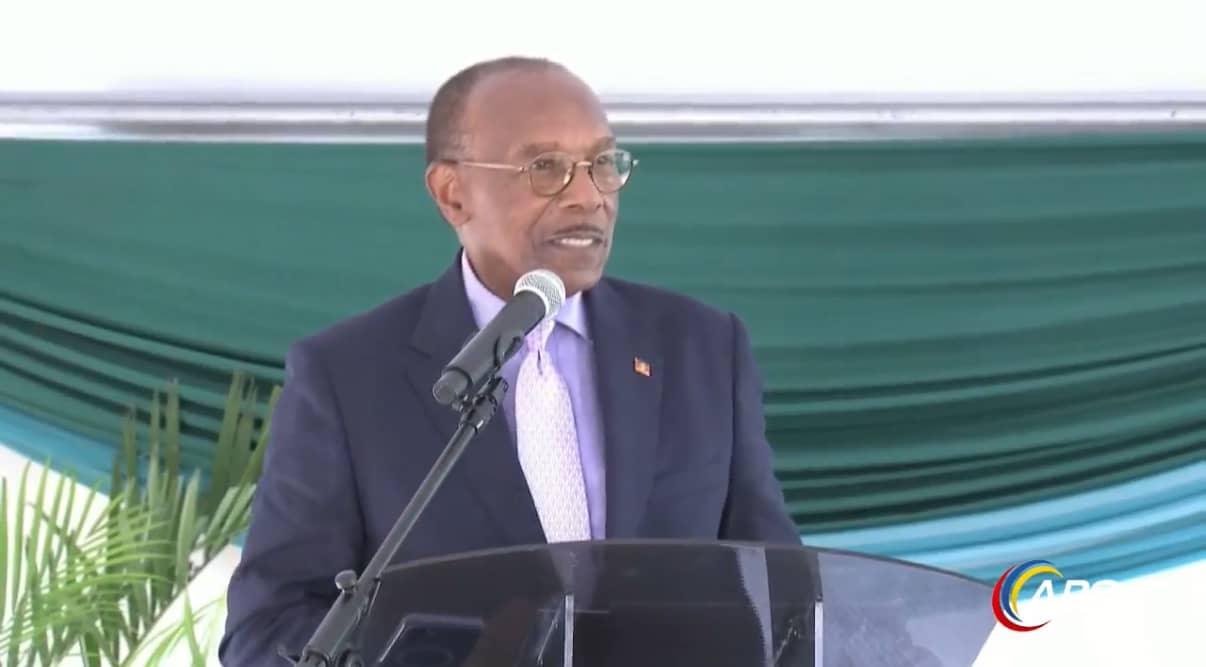
Antigua Designated as Caribbean’s First “Blind-Free Zone”
Antigua and Barbuda has achieved a significant milestone in public health by becoming the Caribbean’s first ‘Blind-Free Zone.’ This pioneering initiative, announced by Health Minister Sir Molwyn Joseph, aims to eradicate preventable blindness through comprehensive eye screenings and early treatment for residents. The announcement was made during the reopening of the Cobbs Cross Clinic, highlighting the government’s commitment to expanding community health services. The project, spearheaded by Ambassador Aubrey Webson and supported by the Ministry of Health, will provide free eye screenings, diagnoses, and follow-up care to residents in a designated zone stretching from Jennings to Cobbs Cross. The initiative targets conditions such as cataracts, glaucoma, and diabetic retinopathy, which are leading causes of preventable blindness. Minister Joseph emphasized the importance of accessible healthcare, stating that local clinics will be equipped with the necessary infrastructure to ensure residents can protect their vision without traveling far. This effort is part of a broader strategy to enhance primary healthcare, including the renovation of 17 of the country’s 23 community clinics and the expansion of diagnostic services beyond the Sir Lester Bird Medical Centre. Joseph hailed the initiative as a testament to innovation, partnership, and vision, showcasing how collaborative efforts can transform public health in the region.
-
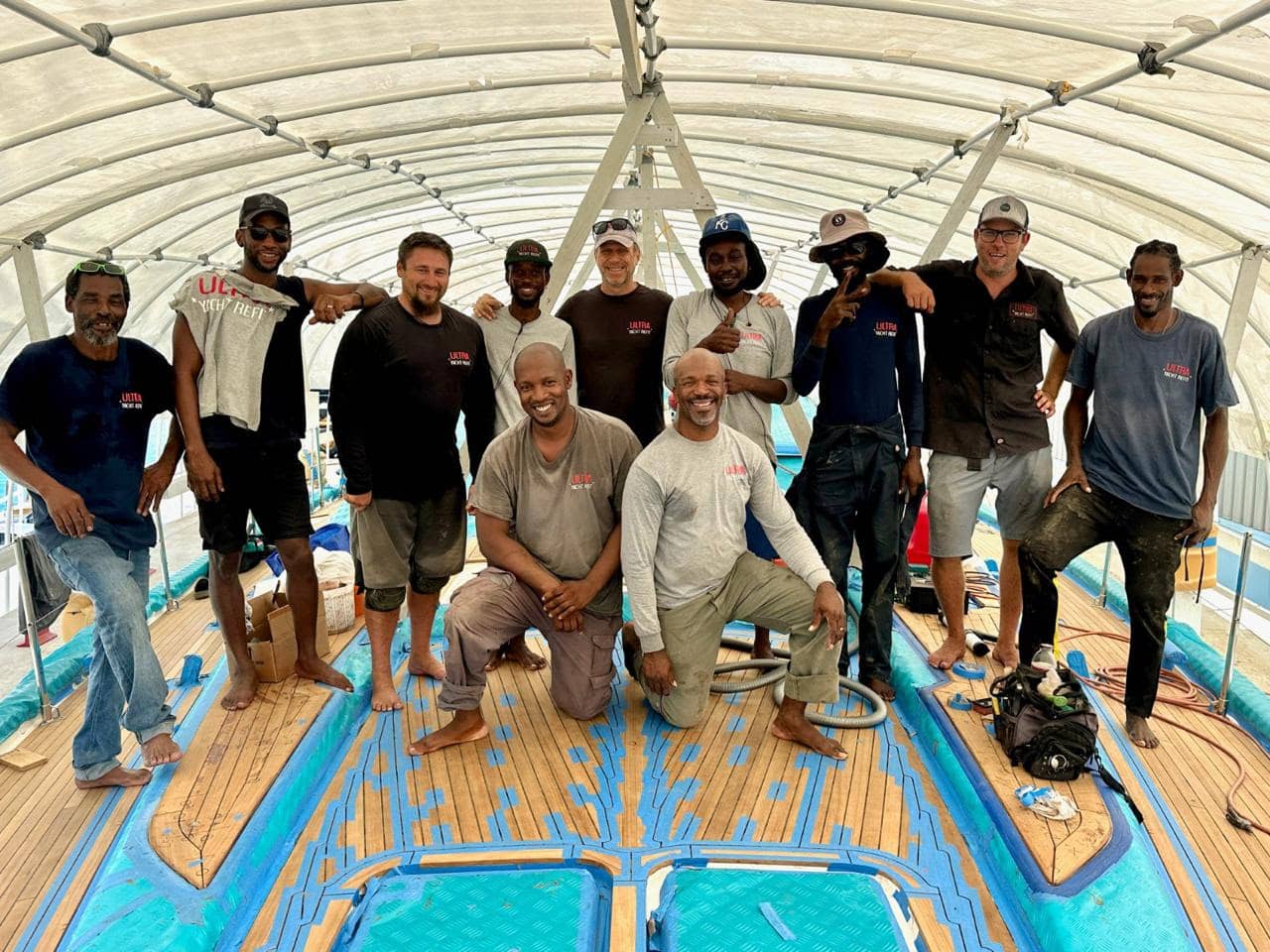
Antigua Barbuda Yachting and Marina Association Discover Yachting & Marine Expo Kicks off this week
The Antigua Barbuda Yachting and Marina Association (ABYMA) is set to host the highly anticipated Discover Yachting and Marine Industry Expo on October 8th and 9th at the Antigua Yacht Club and Marina. This two-day event, running from 9 AM to 6 PM, aims to inspire school leavers, tertiary education students, and adults to explore the diverse career opportunities within the marine industry. Over 20 businesses will showcase the wide array of roles available, from woodworking and electrical work to administration and marketing, emphasizing that these careers can be pursued locally without the need to leave Antigua and Barbuda. President Franklin Braithwaite highlighted the event’s mission to debunk the misconception that marine industry jobs require relocation, stating, ‘Many roles require valuable skills that are essential for the industry to thrive, and they can be pursued right here at home.’ Attendees will have the opportunity to receive personalized advice from industry professionals, network with exhibitors, and access a list of seasonal job openings. The Expo, which is free to enter, will also feature an official opening ceremony at 10 AM on Wednesday, with bars and restaurants open to create a welcoming atmosphere for visitors. Schools and individuals are encouraged to attend and discover the potential of the yachting and marine industry in Antigua and Barbuda. For more information, visit the ABYMA website or contact 736-1345.
-

Government Helping Farmers Build Free Ponds for Water Storage, PM Browne Says
In a significant move to bolster agricultural sustainability, the Antiguan government, led by Prime Minister Gaston Browne, has unveiled a new initiative to assist farmers in constructing free ponds and dams for rainwater storage. The announcement was made during a recent episode of the *Browne and Browne Show* on Pointe FM, where Browne emphasized the government’s commitment to enhancing water access and mitigating the effects of drought.
-
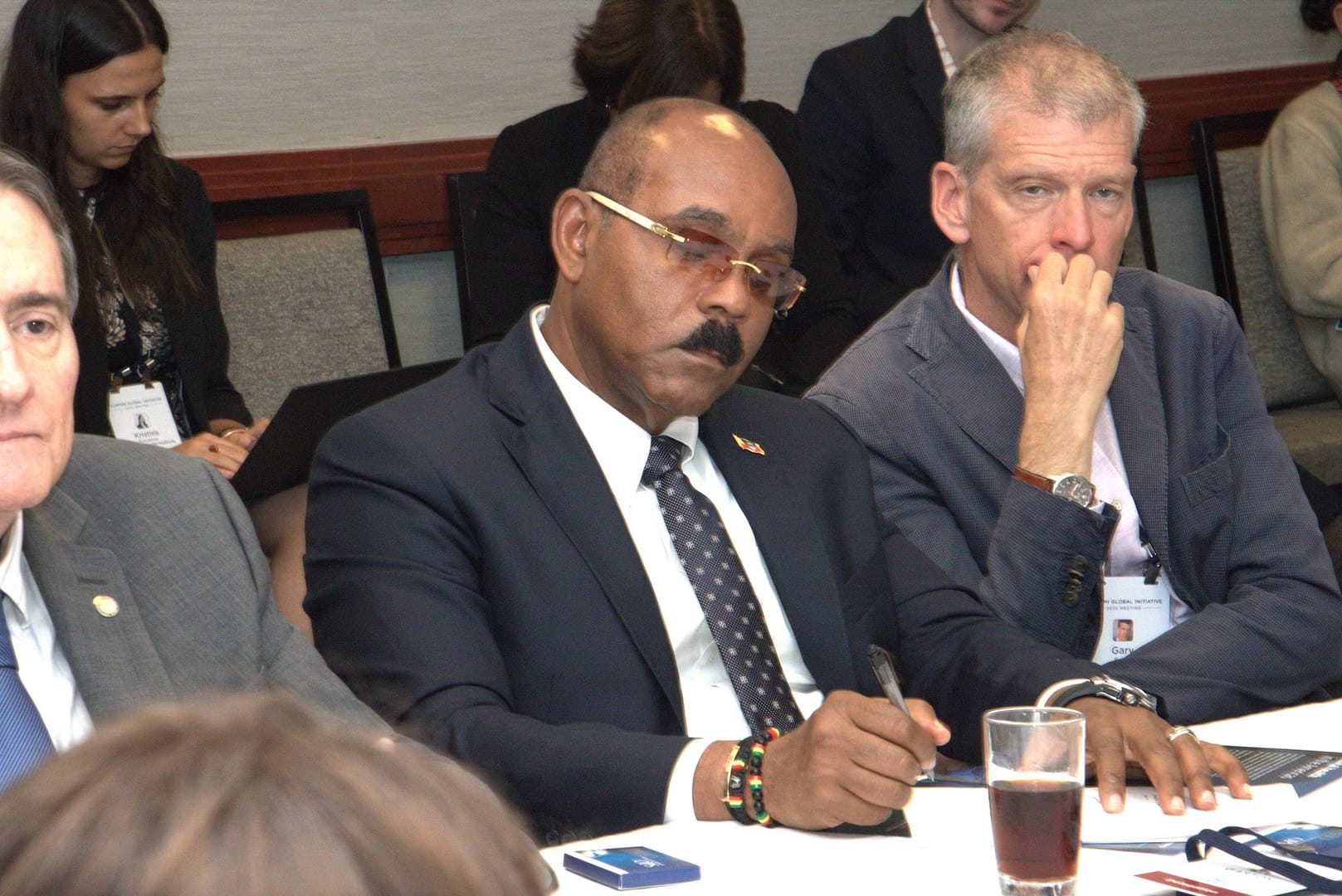
$75M Cash Injection Part of Government’s Social Security Debt Proposal
The Government of Antigua and Barbuda has unveiled a comprehensive plan to address its $400 million debt to the Antigua and Barbuda Social Security Board (ABSSB). The proposal, detailed in a letter from Financial Secretary Rasona Davis-Crump to ABSSB Chairman Kem Tonge on August 21, 2025, includes a $75 million cash injection and the transfer of income-generating assets, starting with the Jolly Beach property. This initiative aims to restructure and consolidate the government’s arrears into a single 25-year bond valued at $437.8 million. The bond will feature interest-only payments at 3% for the first five years, increasing to 5% in years six to ten, with full principal and interest repayments commencing in year eleven. The Financial Secretary has also requested the waiver of all accumulated interest arrears to facilitate the restructuring. Prime Minister Gaston Browne emphasized that this plan fulfills a previous arrangement designed by the UPP administration but never executed. He highlighted that transferring Jolly Beach to the ABSSB would significantly reduce the government’s debt to approximately $300 million, ensuring the Social Security scheme remains financially sustainable without raising contribution rates or the retirement age. The proposal is seen as a responsible approach to honoring long-overdue obligations while preserving the solvency of Social Security and stabilizing long-term pension payments.
-
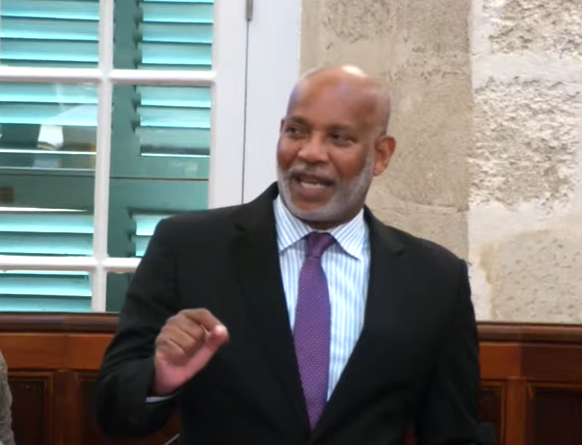
Balancing law, vision in ‘free movement’ goal
The recent launch of full free movement among Barbados, Belize, Dominica, and St Vincent and the Grenadines marks a significant milestone in Caribbean regional integration. This initiative, which allows citizens of these nations to live, work, and study without bureaucratic obstacles such as skills certificates or work permits, has been hailed as a transformative step towards unity. However, it has also ignited a contentious debate over its legal and constitutional foundations. At the core of this debate lies a tension between policy-making and the rule of law. Attorney General Dale Marshall defends the initiative, asserting that it aligns with the existing Immigration Act and the CARICOM Protocol on Enhanced Cooperation. He emphasizes the discretionary authority granted to the immigration minister to determine the duration of stay for non-citizens. Prime Minister Mia Mottley’s decision to implement the policy ahead of parliamentary approval is framed as a pragmatic move to prevent potential disadvantages for citizens of the participating countries. The government has pledged to introduce legislation soon to solidify the arrangement’s legal standing. On the opposing side, the Barbados Bar Association (BBA) and the Democratic Labour Party (DLP) raise concerns about the constitutionality of the initiative. The BBA argues that executive discretion cannot override the legislature’s role in fundamental policy changes, particularly when altering individual rights and obligations. They stress that the Caribbean Community (Movement of Skilled Nationals) Act remains the primary domestic law governing free movement and that bypassing parliamentary approval undermines legal clarity. The DLP adds that policies, no matter how visionary, must adhere to legal frameworks to avoid setting unfavourable precedents. While the initiative is a bold step towards regional unity, its success hinges on balancing vision with legality. The government’s commitment to introducing legislation and engaging in public dialogue will be crucial in ensuring the policy’s legitimacy and long-term sustainability.
-

LETTER: My Journey with UWI Global Campus: Pride, Sacrifice, and a Call for Better Support
Pursuing higher education has been one of the most transformative experiences of my life. From earning my Associate’s degree to now working toward my Bachelor’s at the University of the West Indies (UWI) Global Campus, this journey has been both challenging and rewarding. My ultimate goal is to achieve a Master’s degree, a testament to my commitment to lifelong learning. UWI Global Campus, with its fully online model, has been instrumental in making this possible, offering flexibility that caters to working professionals like myself who juggle studies, careers, and family responsibilities. Beyond convenience, the program fosters regional unity, connecting students from across the Caribbean and emphasizing education as a tool for personal and collective growth. However, the path to academic success is not without its hurdles. The financial and time investments required are significant, and the lack of adequate support from instructors can be disheartening. This semester, I raised concerns about challenges I faced, only to be met with indifference. At the university level, constructive feedback and open dialogue should be standard, yet students often encounter hostility when seeking clarification or voicing questions. This culture of defensiveness undermines the very essence of education, which should be rooted in respect and collaboration. While UWI Global Campus excels in accessibility and diversity, it must also prioritize accountability and student well-being. As I continue my academic journey, I remain proud of my achievements but also advocate for a more supportive and respectful learning environment. Education has the power to transform lives and societies, but only when its principles are upheld in practice.
-
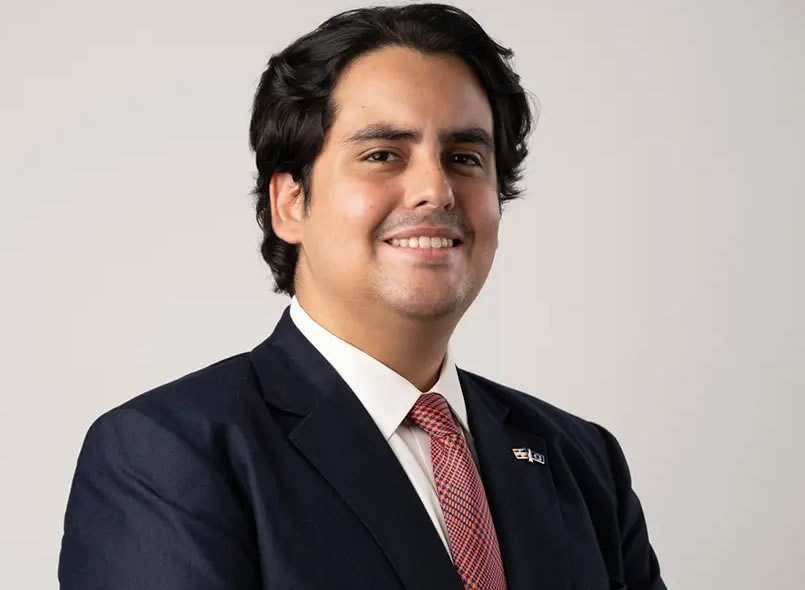
Law, Capital, and the Startup Frontier: Jean Marco Pou Fernández on Structuring Dominican Innovation
Jean Marco Pou Fernández, a prominent figure in the Dominican Republic, has carved a unique niche at the intersection of law, business, and diplomacy. As an attorney, entrepreneur, and former President of the EuroCámara de Comercio de la República Dominicana, Pou’s influence extends across corporate law, infrastructure projects, and binational chambers connecting Santo Domingo to global hubs like Brussels and Madrid. Later this year, he will further his expertise by pursuing an LL.M. in International Business and Economic Law at Georgetown University, solidifying his role in shaping the hemisphere’s most critical economic debates.
Pou’s insights are particularly valuable for founders and investors in the Dominican Republic, offering clarity on structuring startups for capital, scalability, and international credibility. He emphasizes that corporate governance is essential for investor confidence, advocating for practices like shareholder agreements, advisory boards, and transparent records. These measures, he argues, signal a startup’s seriousness about attracting external funding.
Despite the Dominican Republic’s legal framework supporting venture deals, Pou highlights gaps such as the absence of standardized instruments like SAFEs or convertible notes, unclear regulations on stock options, and slow IP enforcement. These challenges, he notes, make the country less competitive compared to other markets.
For cross-border ventures, Pou stresses the importance of strategic structuring, recommending that founders maintain local entities while raising capital through Delaware or EU holdings. This approach provides investors with legal familiarity while enabling local operations to thrive. He also underscores the role of legal advisors in balancing founder protection with investor appeal, ensuring that international clauses are enforceable under Dominican law.
Pou identifies three key policy reforms to accelerate innovation: a Startup Act to simplify incorporation and offer tax incentives, clear crowdfunding and fintech regulations, and legal recognition of employee equity plans. These changes, he believes, could transform the Dominican Republic into a more attractive ecosystem for global capital.
Additionally, Pou sees potential in a Digital Nomad Visa, not just as a tourism driver but as a means of fostering knowledge transfer through connections with accelerators, coworking spaces, and universities.
Pou’s perspective reflects a broader shift in Dominican business credibility, moving away from legacy institutions and toward founders who prioritize governance, traction, and structure. As a bridge between the old order and the emerging economy, Pou embodies the tectonic shift in credibility from traditional boardrooms to the innovators shaping tomorrow’s economy.
-
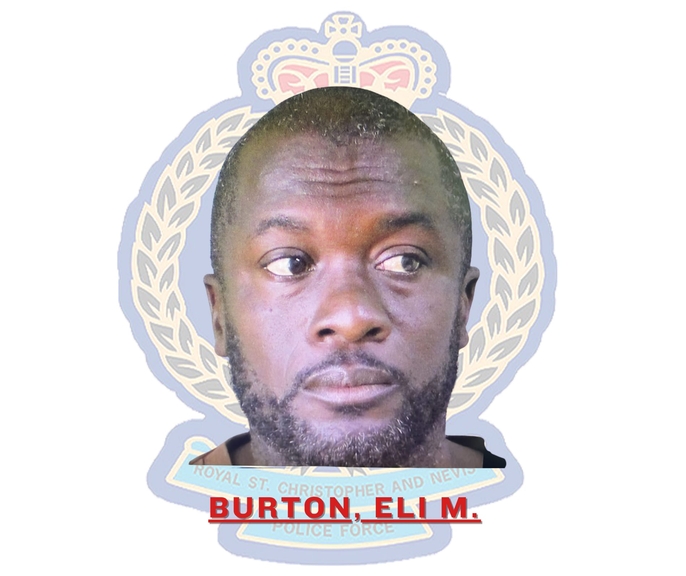
Dominican fined for importing marijuana
In a significant legal development, Eli Burton, a Dominican national, has been convicted and fined for drug-related offenses in St. Kitts. The incident dates back to August 25, 2025, when Burton was apprehended at the Deep Water Port in Bird Rock, Basseterre, following the discovery of cannabis in his possession. The charges against him included Importation of a Controlled Drug and Possession of a Controlled Drug (Cannabis) with Intent to Supply. Burton pleaded guilty to both charges and was fined $5,000 for each offense, with the stipulation that failure to pay would result in a 12-month imprisonment. Additionally, Burton faced two more charges brought by the St. Kitts Customs and Excise Department for the Importation of Goods (Cannabis) Packed to Deceive a Customs Officer. For these, he was convicted and cautioned. The sentences were pronounced by Her Honour Magistrate Yasmine Clarke at the Basseterre Magistrate’s Court on October 6, 2025. This case underscores the stringent enforcement of drug laws in the region and serves as a reminder of the legal consequences of drug trafficking.
-
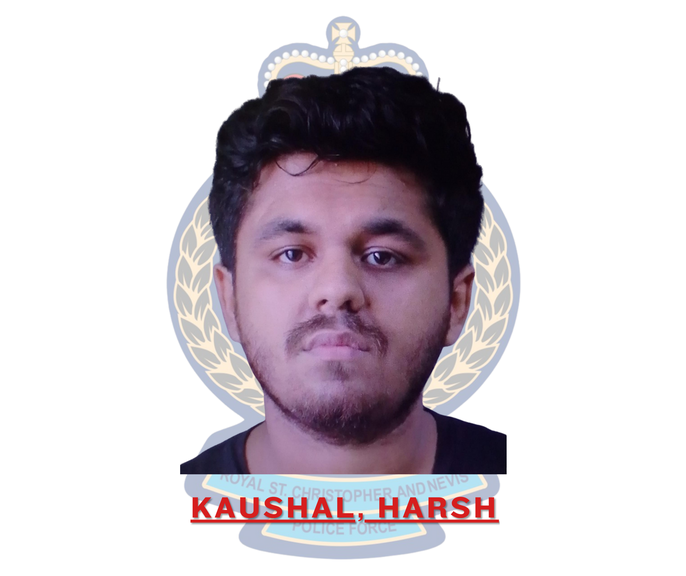
Kaushal charged with Embezzlement and Larceny
In a significant legal development, Harsh Kaushal, a resident of Golf View, Frigate Bay, has been formally charged with multiple financial crimes by the Royal St. Christopher and Nevis Police Force. The charges, which include Larceny by Servant and Embezzlement, stem from alleged activities spanning a five-year period from July 1, 2020, to October 2, 2025. The police confirmed that Kaushal was officially charged on October 6, 2025, at the Basseterre Police Station. While specific details of the case remain undisclosed, the charges highlight a serious breach of trust and financial misconduct. This case underscores the ongoing efforts by law enforcement to address white-collar crimes in the region.