博客

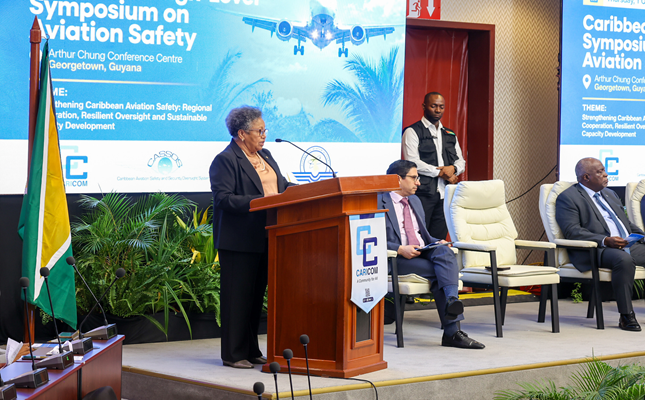
  • Remarks | Dr. Carla Barnett | Secretary-General | CARICOM | Opening Ceremony | Caribbean High-Level Symposium on Aviation Safety | 1 October 2026

    Remarks | Dr. Carla Barnett | Secretary-General | CARICOM | Opening Ceremony | Caribbean High-Level Symposium on Aviation Safety | 1 October 2026

    GEORGETOWN, Guyana – 1 October 2026 – The Caribbean High-Level Symposium on Aviation Safety opened its doors Thursday in Guyana’s capital, bringing together regional leaders, international aviation bodies, and development partners to address the foundational role of air safety in advancing Caribbean integration. In her keynote opening remarks, CARICOM Secretary-General Dr. Carla Barnett framed regional air connectivity not as a luxury for the bloc, but as an non-negotiable necessity that underpins nearly every pillar of Caribbean economic and social life.

    The gathering, convened in partnership with the Government of Guyana and the Guyana Civil Aviation Authority, draws attendees from across 15 CARICOM member states, as well as representatives from the International Civil Aviation Organisation (ICAO), the Caribbean Development Bank (CDB), the European Union Aviation Safety Agency (EASA), and the Caribbean Aviation Safety and Security Oversight System (CASSOS). Dr. Barnett opened the symposium by extending gratitude to host nation Guyana and collaborating organizations for their work in advancing the regional aviation safety agenda.

    Against the backdrop of Caribbean small island developing states (SIDS) and low-lying coastal developing economies, Dr. Barnett emphasized that reliable, safe air transportation sustains the region’s largest economic sector – tourism – while also facilitating cross-border trade, attracting foreign direct investment, enabling rapid emergency response to natural disasters, and keeping geographically separated families connected. For a bloc spread across hundreds of miles of ocean, safe aviation is not just an infrastructure concern: it is the backbone of meaningful economic and social integration. No matter the size of the member state, whether a small archipelagic nation or a larger continental Caribbean country like Guyana, communities, students, artists, traders, and visitors all rely on the unspoken guarantee that air travel will be safe.

    Dr. Barnett acknowledged that national civil aviation authorities across the region face growing pressures, from tightening international regulatory requirements to rapid technological shifts, persistent workforce gaps, and strained national budgets. For small national administrations with limited resources, these challenges cannot be solved alone. This reality, she argued, makes collective regional cooperation not just beneficial, but indispensable.

    CASSOS, the bloc’s regional aviation safety oversight body, stands as a key example of effective collective action, Dr. Barnett noted. By pooling specialized expertise across the region, aligning regulatory frameworks, and building shared technical capacity, the system enables CARICOM states to meet global safety standards that would be unsustainable for many small nations to maintain individually. To keep up with evolving industry demands, Dr. Barnett called for sustained investment and resourcing to ensure CASSOS remains agile and fully equipped to address emerging safety challenges.

    She also pointed to the Caribbean Community Multilateral Air Services Agreement, signed to date by 13 CARICOM member states, as a landmark step toward building a fully integrated regional air transport market. But she stressed that expanded connectivity can only deliver shared prosperity if it is built on a foundation of strong, consistent safety oversight. “A more connected Caribbean must also be a safer Caribbean,” she argued, noting that safety, regulatory trust, and operational reliability are non-negotiable foundations for an integrated regional air market.

    The symposium is set to conclude with a formal Declaration on Aviation Safety, which Dr. Barnett said will serve as a critical roadmap to turn shared goals into tangible, collective action. With clear priorities, closer coordination between national aviation authorities, sustainable resourcing for regional oversight, greater investment in skilled technical workforces, and a shared commitment to measurable progress, the region can deliver stronger aviation safety and build a more connected, resilient, and prosperous CARICOM.

    Closing her remarks, Dr. Barnett urged delegates to move past discussion to decisive action, shifting from individual national constraints to collective solutions, and from formal commitments to on-the-ground implementation. She closed by wishing the symposium productive deliberations and impactful outcomes, noting that she looked forward to reviewing the meeting’s final results once proceedings conclude.
  • Anguilla tourism minister calls regional air connectivity an economic lifeline

    Anguilla tourism minister calls regional air connectivity an economic lifeline

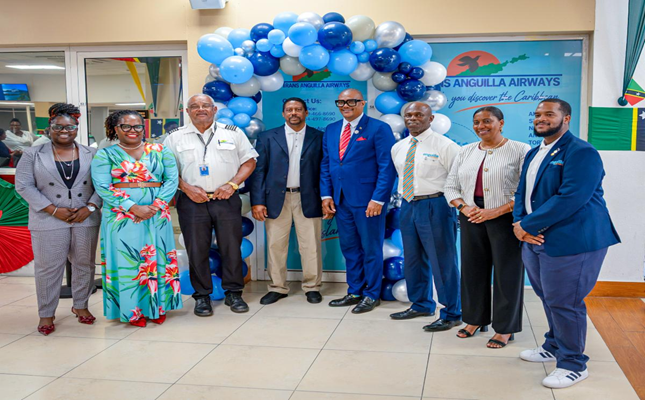
    BASSETERRE, St. Kitts – October 1, 2026 – At a ceremonial ribbon-cutting marking the launch of Trans Anguilla Airways’ (TAA) new regional office at Robert L. Bradshaw International Airport, Cardigan Connor, Anguilla’s Minister of Health, Tourism and Sports, emphasized that reliable inter-island air access is far more than infrastructure for small Caribbean island nations: it is the backbone of sustained economic and social prosperity across the region.

    The event, held September 30, celebrated the latest expansion of TAA, a homegrown Anguillian airline that has built its reputation connecting Caribbean communities for 26 years. The carrier first launched scheduled service to St. Kitts and Nevis in 2013, and its new permanent base in Basseterre, which began operations October 1, represents a major milestone in its regional growth strategy.

    Connor highlighted the deep, centuries-long bonds that link Anguilla to St. Kitts and Nevis, connections woven through shared culture, intermarriage, cross-border commerce, and generations of travel between the islands. “For small island states such as ours, air connectivity is not simply about getting from one destination to another. It is an economic lifeline,” Connor told attendees at the ceremony. He went on to outline the multifaceted value of robust regional air links: it powers the $30 billion Caribbean tourism industry, streamlines cross-border trade for small and medium businesses, keeps geographically separated families connected, and makes it easier for both local residents and international visitors to explore the diverse offerings of the Caribbean bloc.

    Beyond transport infrastructure, Connor framed TAA’s expansion as a powerful example of Caribbean entrepreneurial success. The airline’s growth, he noted, demonstrates that regional businesses can expand their footprint across neighboring island markets while retaining their deep commitment to the local communities that founded them. “This new office reflects the confidence TAA has in St. Kitts and Nevis as a key regional hub, and it represents a sustained investment in knitting the Caribbean closer together through accessible, reliable air travel,” Connor added. He extended official congratulations to TAA Managing Director Vernol Gumbs and the entire airline team for the milestone achievement.

    As a wholly locally owned carrier, TAA’s expansion stands out in a regional aviation market long dominated by international and non-regional operators, offering a model of community-centered growth that prioritizes Caribbean economic integration.

  • National Carnival Committee boosts Queen Pageant prize to $20,000 and land

    National Carnival Committee boosts Queen Pageant prize to $20,000 and land

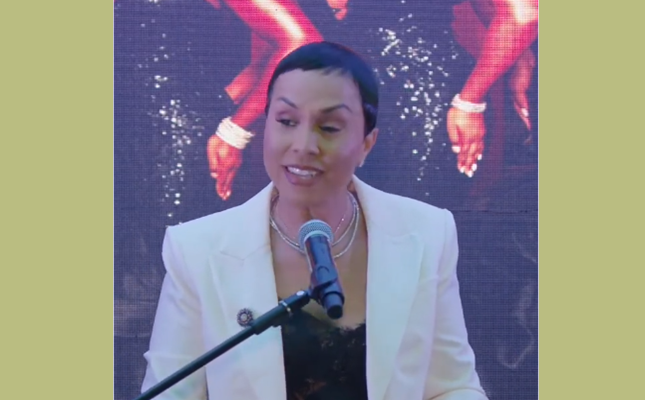
    BASSETERRE, St Kitts — The long-running National Carnival Queen Pageant of St. Kitts and Nevis is entering an unprecedented new chapter this year, with the National Carnival Committee (NCC) announcing sweeping upgrades to the event, including a historic increase to the winner’s grand prize package. The updates were officially unveiled Wednesday evening, September 30, during a public ceremony held to introduce the 2026-2027 competition’s competing delegates ahead of the crowning event.

    Shannon Hawley, chairperson of the National Carnival Committee, shared that the winner of the upcoming pageant title will walk away with 20,000 dollars in cash in addition to a full plot of land, a marked upgrade from previous prize offerings. Hawley emphasized that the increased reward is far more than a ceremonial honor for the pageant’s winner. “A crown may be worn for a year, but an investment in a young woman’s future can change the trajectory of her life,” she explained.

    Marking 55 years since the pageant’s founding, the 2026 iteration ushers in a series of reforms designed to refresh the competition and elevate the experience for every participating candidate. Beyond the expanded prize, the event will see the crown itself receive an entirely new name, a shift that Hawley says aligns with the committee’s renewed vision for the pageant’s future.

    Hawley outlined that the NCC’s updates touch every stage of the competition journey. “We want to elevate the entire Queen Pageant experience from the moment our ambassadors begin their journey to the moment that one of the extraordinary young women is crowned. And when we say a new era, we mean it,” she stated.

    For only the second time in the pageant’s 55-year history, the main crowning event will be hosted at the Royal St. Kitts Event Dome, a venue change crafted to deliver a more immersive, high-quality experience for audience members. The 2026-2027 pageant will run under the official theme “Diamonds and Elegance: Come Dressed to Sparkle.”

    Hawley noted that both the crown renaming and the return to the Event Dome are intentional, strategic choices that reflect the NCC’s core values for the competition. “That name represents more than a change in title. It represents our commitment to building a pageant that reflects excellence, sophistication, national pride, and the extraordinary women who step forward every year to represent St. Kitts and Nevis. Carnival is teamwork,” she said.

    The chairperson also extended recognition to the unsung contributors that make the annual event possible, acknowledging the hard work of NCC members and volunteers who work behind the scenes to coordinate logistics and pull off a successful staging of the beloved national celebration each year.

  • De familie Bolsonaro is groter dan Jair

    De familie Bolsonaro is groter dan Jair

    Brazil’s 2026 presidential election, scheduled for October 4 with a potential runoff on October 25, has thrust the question of the Bolsonaro family’s political future into the national spotlight — even though the family’s most famous figure, former president Jair Bolsonaro, cannot appear on the ballot. Convicted for his role in the 2022 election result overturn attempt and currently confined to home arrest with a ban from political office, Jair Bolsonaro still looms over every stage of the campaign, as his eldest son, Flávio Bolsonaro, a 45-year-old sitting senator from Rio de Janeiro, runs to carry the family’s political legacy forward.

    Across campaign rallies, Flávio openly leans into his father’s name and image: he holds up portraits of Jair at public events, features the Bolsonaro surname prominently on all campaign materials, constantly references his father’s tenure and political legacy, and ties his own policy platform directly to Jair’s fate as a convicted politician. This strategy is deliberate: over the past eight years, the Bolsonaro brand has evolved from a single political personality to a full-fledged political dynasty, with multiple family members holding elected office and building independent bases of support.

    Jair Bolsonaro first rose to national power in 2018 as a firebrand anti-establishment candidate, positioned against Brazil’s long-dominant Workers’ Party (PT) led by current president Luiz Inácio Lula da Silva. His platform blended conservative social values, hardline law-and-order policies, pro-military sentiment, and uncompromising opposition to left-wing politics. As Insper political scientist Carlos Melo told Reuters, Jair Bolsonaro became the face of a far-right movement that predates and extends far beyond his own political career. Today, that movement faces a critical test: can it survive and thrive without Jair Bolsonaro at its head?

    The Bolsonaro family has spent years building a distributed political network that extends well beyond Jair. Alongside Flávio’s senate seat, son Carlos Bolsonaro has built influence in Rio de Janeiro politics and led the family’s digital communication strategy. Son Eduardo Bolsonaro serves as a national congressman and has built a broad international network, particularly with right-wing groups in the United States. Even the youngest son, Jair Renan, has entered politics, while former first lady Michelle Bolsonaro has cultivated her own loyal following among conservative and evangelical voters, emerging as a political figure in her own right rather than just a surrogate for her husband.

    This structure brings both strengths and vulnerabilities. Open internal rivalries have already flared: Flávio and Michelle Bolsonaro had a very public split earlier this year, proving that control of Brazil’s right wing is not preordained to go to a single family member. Still, the dynasty model offers unique advantages: where a single candidate can only reach one group of voters at a time, the extended Bolsonaro family can simultaneously target different regions, demographic groups, and policy priorities, operating as a political franchise centered on the recognizable Bolsonaro name.

    Flávio was not initially seen as the obvious heir to his father. When Jair was sidelined by legal convictions, many conservative voters looked to other leaders, most notably São Paulo Governor Tarcísio de Freitas, to lead the right. But breaking fully from the Bolsonaro name carries huge political risk: for core conservative supporters, loyalty to Jair Bolsonaro has become a core part of their political identity, and no right-wing candidate can claim to carry forward his movement while distancing themselves from Jair himself.

    Instead, Flávio has adopted a deliberate middle path: he leans fully into his identity as a Bolsonaro, while positioning himself as a less confrontational, more moderate, business-friendly iteration of his father. He has not abandoned the core tenets of bolsonarismo — conservative values, opposition to left-wing politics, and unwavering support for his father — but has packaged them for a broader electorate. During a September campaign stop in Juiz de Fora, the city where Jair was stabbed during his 2018 campaign, Flávio retraced his father’s route to make his message explicit: Jair Bolsonaro’s political story is not over, and he is here to write the next chapter.

    The strength of Flávio’s campaign is also deeply tied to the decades-long polarization that defines Brazilian politics, which pits lulismo against bolsonarismo as much as it pits candidates against each other. For many voters, the election is as much about rejecting the other side as it is about supporting their preferred candidate. Late September Datafolha polling found that 47% of voters would never vote for Flávio, and an identical share would never vote for Lula. This dynamic works heavily in the Bolsonaro family’s favor: a voter does not need to believe Flávio is the ideal candidate to vote for him — they just need to oppose Lula and the PT enough to back any alternative. This dynamic explains much of the family’s enduring political power despite Jair’s legal troubles.

    Still, Flávio cannot escape the legal shadow that hangs over the Bolsonaro family. He is currently under investigation over his ties to disgraced former banker and businessman Daniel Vorcaro, with probes into alleged corruption, money laundering, and capital flight linked to the financing of a documentary about Jair Bolsonaro. Flávio has denied all wrongdoing and frames the investigation as politically motivated, a tactic straight out of his father’s playbook: he has turned the scrutiny back on his opponents, accusing them of selective prosecution and refocusing attention on alleged corruption in Lula’s orbit. This strategy has turned the legal case itself into a political weapon, fitting the Bolsonaro narrative of fighting a corrupt establishment.

    The Bolsonaro dynasty’s influence also extends far beyond Brazil’s borders. Eduardo Bolsonaro has been based in the United States for the past two years, where he cultivated ties with former President Donald Trump’s political circle to build support for his father, even lobbying for action against Brazilian judges who oversaw Jair’s conviction. Flávio has also reached out to Trump for support, a connection that has brought both benefits and risks: Trump’s administration has imposed trade restrictions on Brazil, allowing Lula to frame the Bolsonaros as advance for foreign interests over Brazilian needs. The family is now firmly integrated into a global network of right-wing populist movements, which offers financial and political support but carries domestic political costs.

    As more than 158 million registered Brazilian voters prepare to head to the polls, the election serves as a critical stress test for the future of bolsonarismo. If Flávio wins, it will prove the movement can successfully transition power from father to son, rebranding the Bolsonaro name from a single former president to a self-sustaining political dynasty. Even if he loses, the movement is unlikely to disappear: the Bolsonaros have built a broad base of support across Congress, local governments, evangelical communities, and party infrastructure, rooted in the deep-seated national polarization between the right and Lula’s PT.

    Recent polling confirms how tight the race is: Datafolha puts Lula at 40% and Flávio at 36% in first-round polling, while an AtlasIntel/Bloomberg poll found Lula at 45.3% and Flávio at 42.2%, with both candidates virtually tied in projected runoff results. While these are just snapshots of voter sentiment ahead of election day, they confirm one clear truth: five years after Jair Bolsonaro left the presidency, the Bolsonaro name still holds enough power to put a family member in contention for Brazil’s highest office. Jair Bolsonaro may not be on the ballot, but his shadow and his legacy are already etched firmly in the mind of every Brazilian voter.

  • AG Says Some Employers Are Using Their Positions to Pressure Young Female Workers for Sex

    AG Says Some Employers Are Using Their Positions to Pressure Young Female Workers for Sex

    During parliamentary debate on a landmark bill aimed at cracking down on sexual offences against minors, Antigua and Barbuda’s top law enforcement official has pulled back the curtain on a disturbing pattern of abuse plaguing the nation’s workplaces: the systemic exploitation of young female employees by predatory bosses.

    Attorney General Sir Steadroy Benjamin brought the underreported issue to the floor of parliament this week as lawmakers considered the Sexual Offences Amendment Bill 2026, a legislative package designed to stiffen penalties for perpetrators and expand legal safeguards for vulnerable victims of sexual violence.

    In blunt, candid remarks to the chamber, Benjamin detailed how employers in multiple sectors are leveraging their positions of power to coerce young women into sexual compliance, tying professional and financial security directly to inappropriate demands. One common abusive tactic he called out is the explicit linking of salary increases to sexual favors, with bosses weaponizing young workers’ financial vulnerability to force compliance. “Some employers take advantage of these girls by saying you want a raise. If you want a raise, you must raise yourself,” Benjamin told lawmakers, highlighting the cruel, exploitative quid pro quo many young women face.

    Under current legislation, Benjamin explained, existing provisions already criminalize sexual activity between an adult employer and a minor employee who works under the employer’s direct supervision, or who relies on the employer for wages, regardless of how those earnings are disbursed. These rules are explicitly structured to address the inherent power imbalance that exists when an adult employer controls the livelihood and working conditions of a young minor worker. The proposed 2026 amendments build on this existing framework to further strengthen penalties for offences and close gaps in legal protections that have left some vulnerable young workers without adequate recourse.

    Benjamin stressed that any proven use of institutional authority to coerce a young worker into sexual activity will automatically result in a criminal conviction for the offending employer. “Once the evidence shows, Mr. Prime Minister, that you use your position, exactly, to force sex on a person like that, you are guilty of an offence,” he emphasized. The public acknowledgement of this widespread abuse comes as lawmakers move to update the nation’s sexual offence statutes, with a clear focus on better protecting minors from exploitation in workplaces and other settings where power imbalances put young people at risk.

  • National Student Council Announces Commencement Of Student Council Elections

    National Student Council Announces Commencement Of Student Council Elections

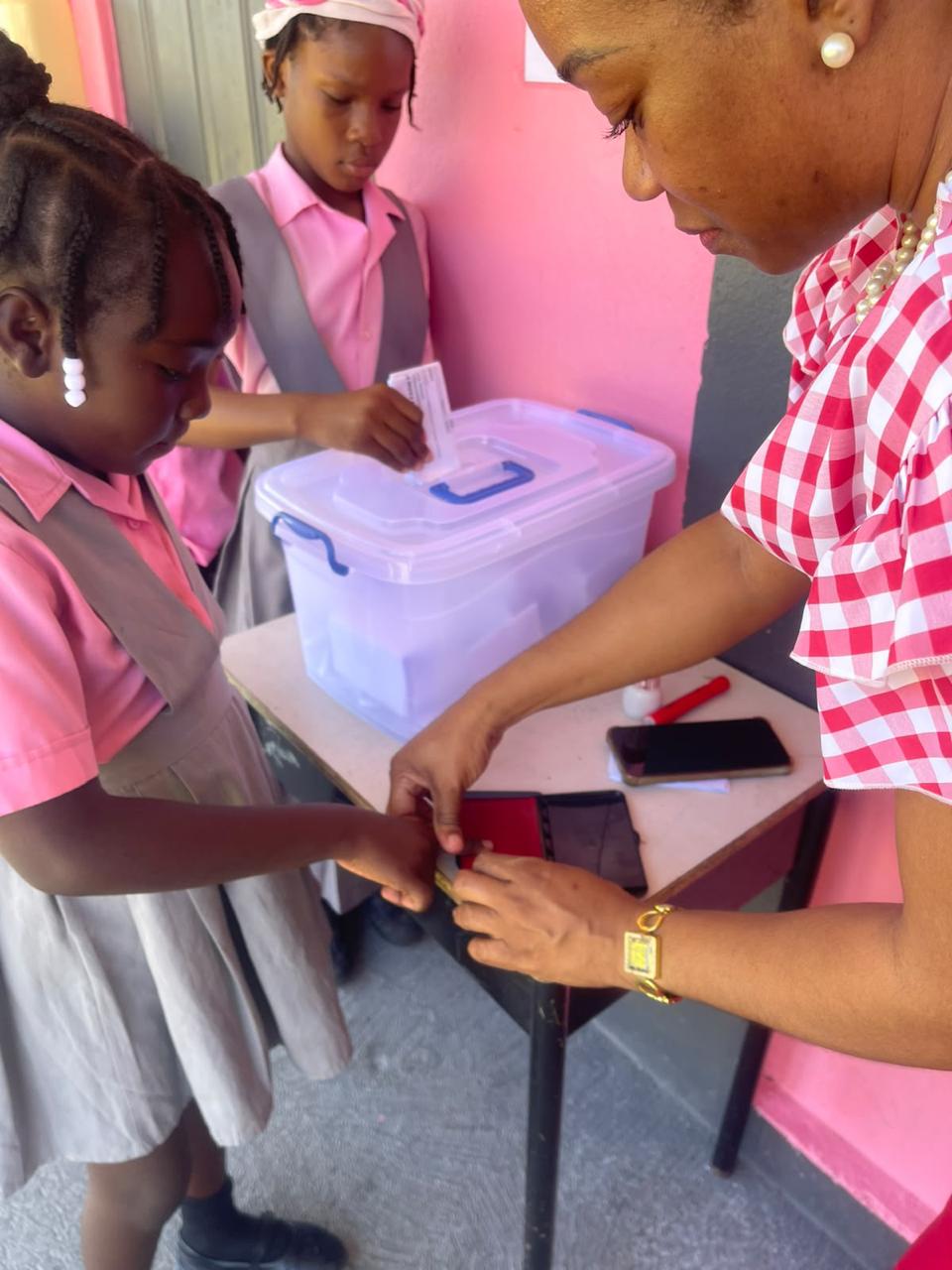
    A new chapter of student-led governance is unfolding across Antigua and Barbuda, as the National Student Council (NSC) has officially kicked off annual student council elections at secondary and primary institutions nationwide. This ongoing electoral cycle represents a critical milestone for the country’s decades-old national student representation framework, reinforcing its commitment to amplifying youth voices in school decision-making.

    The first round of voting kicked off on September 25, 2026, at two participating institutions: Antigua Girls High School and Jennings Secondary School. Following this initial launch, elections have rolled out sequentially to every registered school across the twin-island nation, with the entire school-level electoral process scheduled to wrap up by October 9, 2026. Student representative bodies have been a core structural component of Antigua and Barbuda’s education system since the early 2010s, embedding youth engagement into daily school operations.

    When the voting concludes, each participating school will either establish a new student council or renew the mandate of its existing body. These local councils serve a formal, critical purpose: they give students an organized platform to voice the needs and concerns of their peer groups, organize collective action around issues impacting their school communities, and push forward actionable, positive changes that benefit the entire student body. To accommodate diverse voting preferences and school infrastructure, this year’s elections utilize a hybrid model combining traditional paper ballots with secure electronic voting options. Early reports from participating schools indicate high levels of excitement and engagement among the student population, with many first-time voters turning out to cast their ballots.

    After local school elections are finalized, every campus-level student council will submit a cohort of elected representatives to the NSC’s General Council. The assembly of this cross-island General Council is designed to ensure proportional, broad representation from every corner of Antigua and Barbuda’s education system, and it will lay the foundational structure for the NSC to launch its full slate of national programming and operations for the 2026-2027 term. Throughout the electoral process, the NSC has issued clear guidance to all participating schools, urging administrators to support a fair, accessible, and inclusive process that guarantees every student the chance to participate meaningfully, whether as a candidate or a voter.

    The NSC’s work continues to be anchored by three unchanging core pillars: Representation, Mobilization, and Advocacy. As campuses across the country complete their voting cycles, the national body has expressed enthusiasm for welcoming a new cohort of young, emerging student leaders. The organization is looking forward to collaborating with this new generation of representatives to strengthen and elevate the collective voice of students across every school in Antigua and Barbuda.

  • Antigua and Barbuda Poised to Benefit as China Offers 5,000 AI Training Opportunities

    Antigua and Barbuda Poised to Benefit as China Offers 5,000 AI Training Opportunities

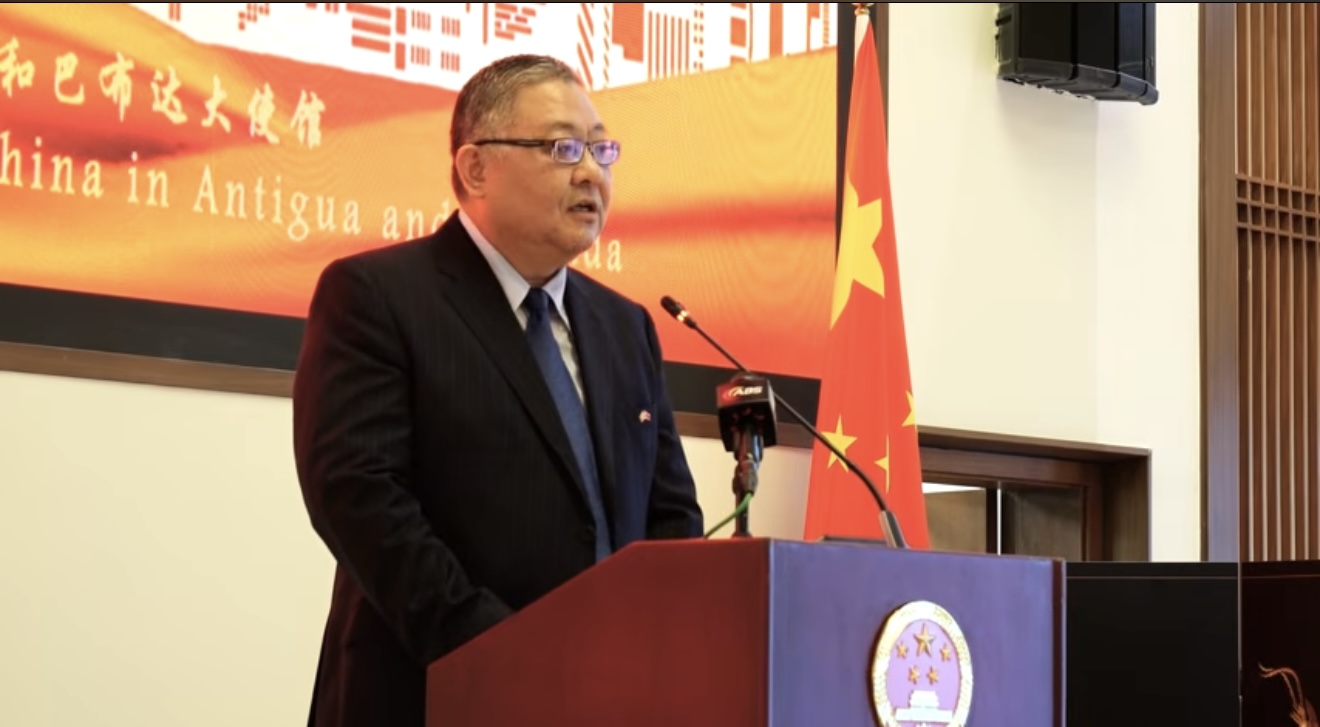
    At a high-profile reception celebrating the 77th anniversary of the founding of the People’s Republic of China, a senior Chinese official announced two landmark new initiatives aimed at expanding global collaboration on artificial intelligence development and governance.

    The first proposal sets out plans to establish joint international AI application cooperation centers with the Community of Latin American and Caribbean States (CELAC) and other multilateral organizations representing the Global South. This move forms a core part of China’s broader strategy to deepen inclusive international cooperation around AI innovation and rule-setting for the rapidly evolving sector.

    Speaking at the event, the official highlighted that Chinese President Xi Jinping has called for collective global action to construct a fair and equitable governance framework for artificial intelligence that serves the interests of all nations.

    In a second major announcement, the official confirmed China will open access to its AI-driven multi-hazard early warning system to 30 countries, a step designed to boost disaster preparedness and climate resilience for vulnerable nations around the world. No details were provided on the specific list of participating nations, including whether Antigua and Barbuda will be among the recipients of the new access.

    Beyond AI-focused cooperation, the address also reinforced China’s longstanding commitment to deepening ties with the Latin American and Caribbean region. Despite the significant geographical distance between China and the region, the official noted, this separation has never weakened Beijing’s determination to pursue mutually beneficial, sincere cooperation with Latin American and Caribbean partners.

  • Prime Minister Praises Police for Quickly Solving Recent Crimes

    Prime Minister Praises Police for Quickly Solving Recent Crimes

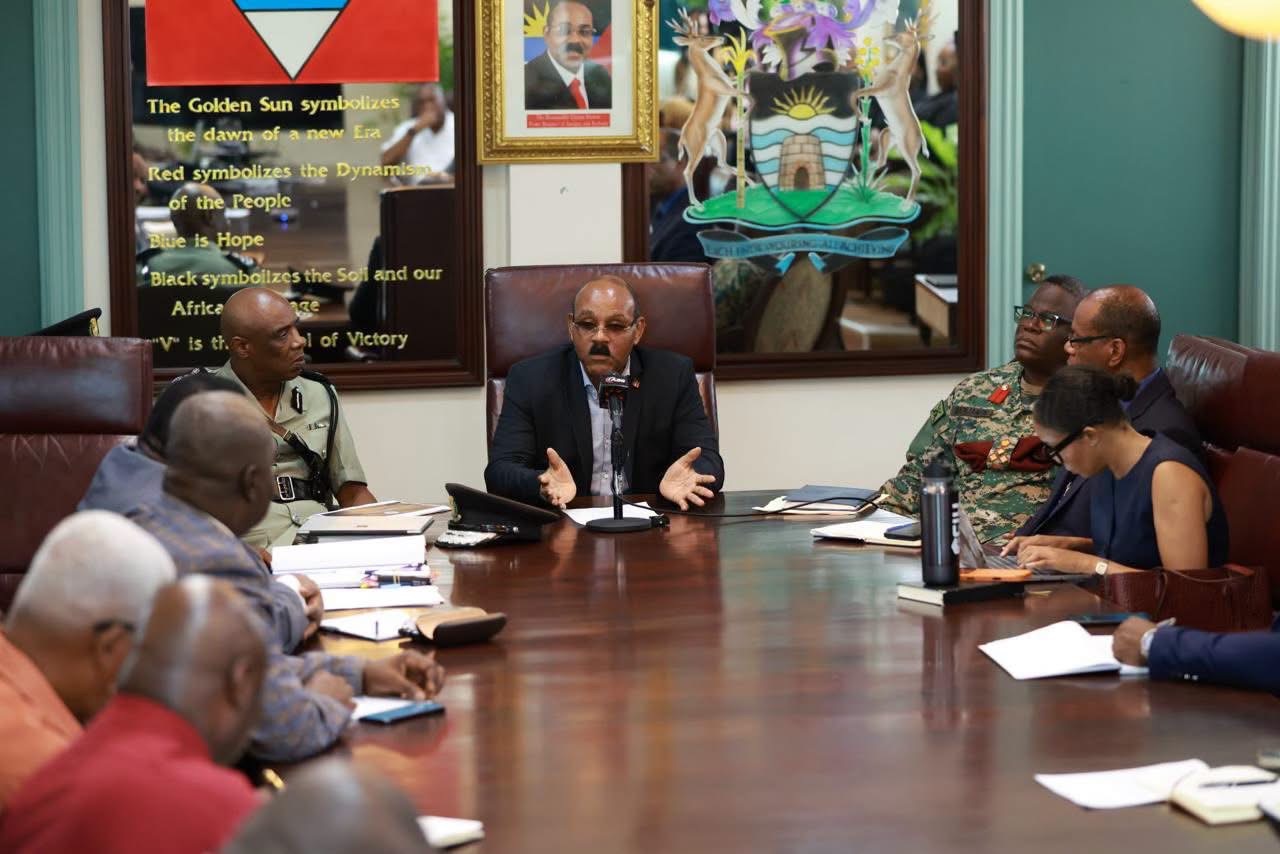
    During a heated parliamentary sitting focused on debate of the 2026 Firearms (Amendment) Bill, Antigua and Barbuda Prime Minister Gaston Browne delivered public praise for the Royal Police Force of the island nation, pushing back against growing public and political criticism of the service’s crime-fighting performance. In remarks to lawmakers, Browne emphasized that the modern police force has never been more organized or effective in its core mandate, highlighting a notable shift in speed and success rate for solving serious offenses in recent months. According to Browne, the force now routinely resolves major crimes and apprehends suspects within mere hours or days of an incident, a timeline that marks a major improvement over previous response and investigation efforts. Beyond rapid case resolution, the prime minister also spotlighted the service’s successful efforts to remove illegal weapons from public streets, noting that authorities have already seized between 40 and 50 unregistered firearms so far this cycle. Browne argued that these tangible outcomes are clear evidence that the force is operating effectively, and that it deserves formal public recognition for its hard work. He went on to stress that frontline law enforcement cannot tackle rising gun crime and other violent offenses alone, calling for full, unwavering backing from all branches of government and the general public to sustain the force’s positive momentum. The comments come as the parliament considers amendments to existing firearms legislation, a policy push tied directly to national efforts to curb gun-related violence and strengthen public safety across Antigua and Barbuda.

  • New Biometric Entry System Launches Today to Speed Up Arrivals for Antigua and Barbuda Nationals

    New Biometric Entry System Launches Today to Speed Up Arrivals for Antigua and Barbuda Nationals

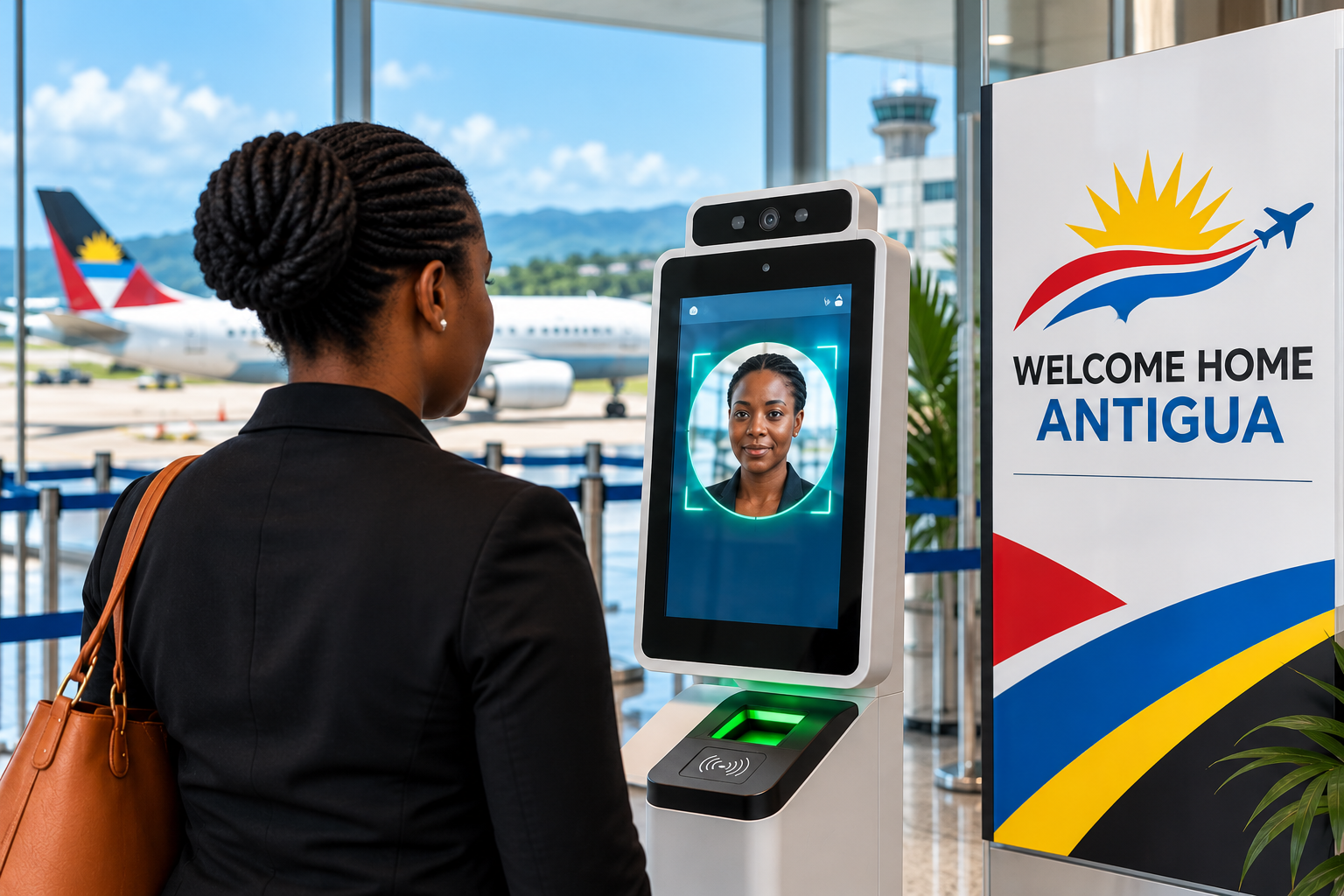
    Antigua and Barbuda’s Department of Immigration is preparing to unveil a transformative new initiative for returning citizens this week, with the official launch of the Welcome Home Antigua biometric clearance service scheduled for Thursday, October 1. The cutting-edge program, built to cut wait times and streamline arrival procedures for nationals entering V.C. Bird International Airport, will kick off with a formal ceremony at the airport’s VIP Lounge starting at 2 p.m.

    As outlined by immigration authorities, the core goal of Welcome Home Antigua is to deliver a far smoother and quicker immigration clearance experience for returning Antiguans and Barbudans by leveraging advanced biometric identification technology. A number of senior government officials will lead the launch event: Foreign Affairs, Trade and Immigration Minister E.P. Chet Greene and Chief Immigration Officer Katrina Yearwood are both slated to give keynote remarks addressing the importance of the new service.

    Attendees will also get a first-hand look at the system in action: the team that developed the program will lead a live demonstration of its functionality, walk through its key features, and break down the direct advantages it will deliver to citizens using the airport’s arrival facilities. Before the official public launch, Minister Greene is set to take part in a preliminary test run of the new system to validate its operations.

    This rollout forms a key plank of the government’s broader push to modernize Antigua and Barbuda’s national immigration infrastructure and upgrade the passenger experience at the country’s busiest and most important international gateway. Full information on the process for citizens to register for and access the Welcome Home Antigua service will be released to the public during Thursday’s launch event, authorities confirmed.

  • Minister Matthew takes girl power to Cabinet, backs bid for global robotics title

    Minister Matthew takes girl power to Cabinet, backs bid for global robotics title

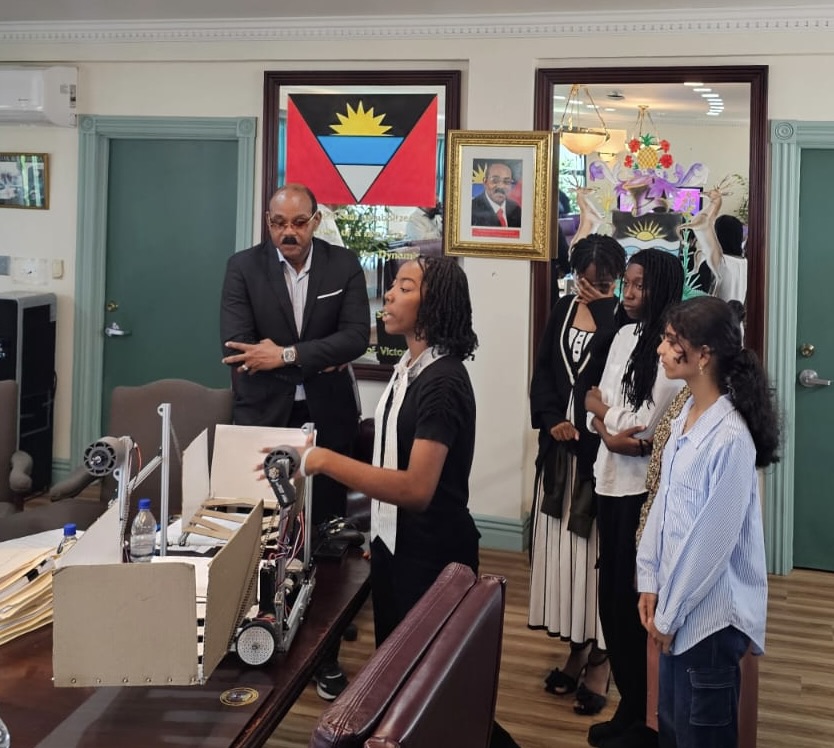
    In a historic moment for STEM advancement in the Eastern Caribbean, Antigua and Barbuda’s Minister of Education, Science and Technology Daryll Matthew formally introduced the nation’s first all-female robotics team and their custom-built robot HAWK to Prime Minister Gaston Browne and the full Cabinet during an official ceremony held Wednesday. The high-profile presentation marked the first time a student robotics project has received formal recognition at the highest level of the country’s government, underscoring the administration’s growing commitment to expanding youth engagement in science, technology, engineering and mathematics. Minister Matthew did not limit his support to ceremonial recognition; the local Board of Education, which operates under his ministerial portfolio, has allocated 30,000 Eastern Caribbean dollars to fund the team’s travel, preparation and participation in the upcoming international competition. Prime Minister Browne lavished praise on the five team members, who were handpicked from participants in this year’s TechByte summer STEM residential camp. Calling the young students the “crème de la crème” of Antigua and Barbuda’s emerging STEM talent, the prime minister encouraged the team to compete with confidence and aim to bring the global competition title back to the twin-island nation. The all-girls squad is set to represent Antigua and Barbuda at the 2026 FIRST Global Challenge, scheduled to take place from October 7 to 10 in Incheon, the Republic of Korea. Aligned with this edition’s theme “Igniting Innovation,” the competition is projected to gather more than 190 national teams from across the globe, making it one of the largest international youth robotics events in the world. This year’s challenge tasks participating teams with collaborating to design and operate robots that complete simulated real-world missions focused on wildfire prevention, mitigation and recovery – a pressing issue for many small island developing states that face growing climate-related wildfire risks. The Antigua and Barbuda team counts five talented young students: Hannah Masson, Audella-Mae James, Gyanna Ryan, Sidea Ambrose and Neola Noronha. They have been undergoing intensive preparation under the guidance of lead mentor Elijah James and assistant mentor Asanti Bacchus, who have supported the team in designing, building and testing their robot HAWK ahead of the international tournament.