博客

  • UWI Professor Plays Key Role in Groundbreaking UN Ocean Assessment

    UWI Professor Plays Key Role in Groundbreaking UN Ocean Assessment

    On June 8, 2026, World Oceans Day, the United Nations officially unveiled its Third World Ocean Assessment (WOA III), the most comprehensive global audit of Earth’s marine environment ever compiled, with a leading Caribbean climate scientist playing a central role in steering the landmark initiative.

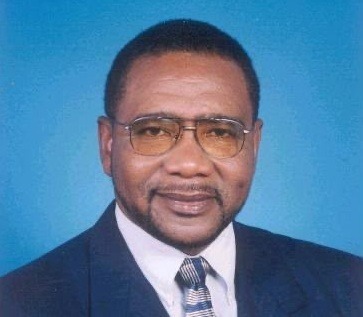
    Unlike fragmented regional or single-issue ocean studies, WOA III stands alone in its holistic approach, examining the entire interconnected marine system rather than breaking it into isolated segments. The project drew together more than 580 leading scientists and policy experts from 86 nations across the globe, pooling decades of on-the-ground research, satellite data, and community observations to create an evidence-backed roadmap for global ocean stewardship. Donovan Campbell, a professor of geography at the University of the West Indies (UWI) Mona Campus and director of the university’s Western Jamaica Campus, was tapped as one of just 25 global lead experts for the assessment, guiding its strategic framework and scientific integrity through every stage of development.

    For Campbell, a specialist in climate action and social equity who has spent decades collaborating with Caribbean governments and local communities to build climate-resilient development, the opportunity to lead the assessment was a landmark professional honor. “What sets WOA III apart is that it treats the ocean as a single connected system, weighing its environmental health alongside the economies and societies that depend on it. That is the only way to see clearly what is at stake and what must be done,” he explained in remarks following the report’s launch.

    The 2026 assessment outlines a stark portrait of growing systemic pressure on the world’s oceans, documenting accelerating trends including rising ocean temperatures, widespread degradation of critical marine ecosystems, shifting fisheries productivity, accelerating sea-level rise, and mounting strain on coastal communities worldwide. To reverse these damaging trajectories, the report emphasizes that urgent, coordinated action is needed: science-backed regulatory policies, large-scale ecosystem protection initiatives, sustainable management of marine natural resources, and far stronger cross-border collaboration between nations and global institutions.

    For Jamaica and the broader Caribbean region, the WOA III findings carry particularly urgent weight. The region’s core economic sectors—from traditional industries such as tourism, commercial fisheries, maritime transport, and coastal development to fast-growing emerging blue economy segments—are entirely dependent on healthy, functional marine ecosystems. At the same time, Small Island Developing States (SIDS) across the Caribbean are among the most vulnerable nations on Earth to climate-driven ocean impacts, already facing widespread coral reef die-offs, accelerating coastal erosion, more intense and destructive tropical cyclones, and chronic sea-level rise that threatens coastal communities and infrastructure.

    Campbell stressed that ocean sustainability is not an environmental afterthought for Caribbean SIDS, but a core requirement for economic stability, social well-being, and long-term development. “The Caribbean has a profound stake in the future of the ocean. For Jamaica and other Small Island Developing States, ocean sustainability is an economic, social, and developmental imperative,” he said. “The assessment reinforces the need for evidence-based policy, stronger ocean governance, sustainable ocean planning, and sustained investment in resilience, conservation, and sustainable ocean industries.”

    As the global community works toward meeting the United Nations Sustainable Development Goals by 2030, WOA III is expected to serve as a foundational reference tool for policymakers, academic researchers, international development agencies, and intergovernmental organizations for the next decade. Campbell’s leadership role in the initiative also underscores the UWI’s longstanding standing as a global leader in scientific research and policy development focused on climate action, ocean sustainability, and equitable sustainable development, particularly for small island and coastal developing nations.

  • Chinese Ambassador Pays Courtesy Call on Health Minister Michael Joseph

    Chinese Ambassador Pays Courtesy Call on Health Minister Michael Joseph

    A high-stakes diplomatic meeting between senior officials from China and Antigua and Barbuda has underscored the deep, long-standing partnership between the two nations, with a renewed focus on expanding collaboration in healthcare and broader national development. At the headquarters of Antigua and Barbuda’s Ministry of Health, Wellness, Environment and Civil Service Affairs, the portfolio’s minister, the Honourable Michael Joseph, formally hosted Her Excellency Jiang Wei, China’s sitting ambassador to the Caribbean island nation, for an official courtesy visit this week.

    During the discussions, Minister Joseph opened by highlighting the decades of amicable relations and collaborative progress that have defined ties between Beijing and St. John’s. He specifically emphasized China’s outsized, positive contributions to Antigua and Barbuda’s ongoing social and economic advancement across multiple critical sectors. Beyond healthcare, Joseph noted that China’s support has transformed Antigua and Barbuda’s public infrastructure, expanded access to educational opportunities, and delivered critical technical expertise that has empowered local communities and institutions.

    According to Joseph, the gathering was far more than a routine diplomatic courtesy: it served as a targeted strategic session to map out shared priorities and identify actionable avenues for future collaboration that will strengthen and expand Antigua and Barbuda’s public healthcare system. For the small island nation, upgrading healthcare services remains a top policy priority to improve population outcomes and meet growing public demand, and Chinese partnership has been central to past progress in this area.

    “China has been an invaluable trusted partner throughout Antigua and Barbuda’s entire development trajectory,” Joseph said in remarks following the meeting. “As we continue our work to lift the health and quality of life for all our citizens, we are eager to deepen and extend this productive relationship.”

    For her part, Ambassador Jiang reaffirmed China’s unwavering commitment to deepening bilateral diplomatic relations and aligning cooperative projects with Antigua and Barbuda’s own national development goals. She stressed that sustained open dialogue and targeted collaboration would remain core to advancing shared initiatives that deliver tangible benefits to the people of both countries.

    By the end of the meeting, both officials publicly reaffirmed their shared commitment to preserving and strengthening the robust bonds of friendship and cooperation that have been the hallmark of relations between Antigua and Barbuda and the People’s Republic of China for decades. The discussions set the stage for further collaborative work in healthcare and other priority sectors in the coming years.

  • Over 100,000 Pieces of Plastic Waste Given a Second Life in Antigua and Barbuda

    Over 100,000 Pieces of Plastic Waste Given a Second Life in Antigua and Barbuda

    A landmark environmental initiative in Antigua and Barbuda has turned more than 100,000 discarded plastic bottle caps into durable public seating, marking a major win for community-led ocean conservation and waste reduction efforts.

    The West Indies Sail Heritage Foundation, the organization leading the project, announced the milestone as part of its ongoing Ocean Love No Plastic No Waste programme. Instead of allowing single-use plastic caps to end up in landfills or leak into surrounding oceans, the initiative has repurposed the collected waste into sturdy, long-lasting benches that now serve eight local schools and youth organizations across the twin-island nation. Beneficiaries of the donations include Sea View Farm Primary School, Newfield Primary School, Cobbs Cross Primary School, the Antigua & Barbuda Girl Guides Association, Cedar Grove Primary School, Potters Primary School, Jennings Secondary School and Buckleys Primary School.

    Every finished bench incorporates a minimum of 12,000 recycled plastic caps, turning a common everyday waste item into a functional public asset that will serve communities for years. Beyond providing useful seating, the project is designed to blend tangible conservation action with hands-on environmental education for young people. Through the programme, participating students learn core lessons about plastic pollution, marine ecosystem protection, and the four key principles of sustainable waste management: Reduce, Reuse, Recycle and Refuse. The initiative encourages young participants to reframe their understanding of waste, teaching them that materials most people throw away can be transformed into valuable, useful resources.

    For the foundation and local communities, these benches are far more than just a place to sit. They serve as constant, visible reminders of what collective community action can accomplish when groups unite to cut waste and protect shared natural spaces. Every bottle cap kept out of the waste stream is one less piece of plastic that risks contaminating local coastlines, harming marine life, or damaging the island nation’s sensitive ecosystems that rely on clean oceans for tourism and livelihoods.

    The success of the milestone would not have been possible without external support, and the West Indies Sail Heritage Foundation has publicly thanked its core partners and sponsors: the Sandals Foundation, CCRIF SPC, and the French Embassy in Saint Lucia. Their funding and logistical backing have made both the collection drive and the distribution of the upcycled benches possible.

    Looking ahead, the Ocean Love No Plastic No Waste programme is set to continue expanding through 2026 and 2027, bringing environmental education workshops, plastic collection drives, and upcycling projects to even more young people across Antigua and Barbuda. The foundation’s long-term goal is to inspire the next generation of environmental leaders to rethink their relationship with plastic, develop creative local solutions to waste challenges, and launch their own community initiatives to keep plastic out of oceans and natural areas.

    By turning tiny, often overlooked discarded bottle caps into lasting public infrastructure, the programme offers a powerful example of how small, individual actions can add up to large, meaningful environmental change. The foundation invites community members and local groups to join the effort, emphasizing that collective action can turn waste into opportunity and build a cleaner, more environmentally resilient future for Antigua and Barbuda.

  • Derde helft WK-2026: De echte winnaar van het WK staat niet op het veld

    Derde helft WK-2026: De echte winnaar van het WK staat niet op het veld

    When the first kickoff of the FIFA World Cup signals the start of the world’s biggest sporting celebration, billions of viewers around the globe fixate on the on-pitch drama: the form of star players, the tactical choices of head coaches, and the fight between 32 national teams to lift the sport’s most coveted trophy. Fans cheer every goals, debate controversial referee calls, and spend weeks dreaming of their nation lifting the golden World Cup trophy. But behind this global festival of football, a far less visible, equally high-stakes competition is already underway – one that plays out not on grass pitches, but in corporate boardrooms, broadcast control rooms, advertising departments and online betting platforms. Today’s modern World Cup is far more than just a sporting event: it has evolved into one of the most valuable commercial and economic events on the planet.

    For the global gambling industry, the World Cup is always a win-win proposition. While national teams can be eliminated early, and millions of supporters leave the tournament disappointed, the betting sector holds one unbeatable advantage: it almost always comes out on top. During every World Cup cycle, an estimated tens of billions of dollars are wagered on matches across the world, with bets placed not just on final match results, but also on individual goal scorers, the number of yellow cards, corner kicks, and dozens of other in-game micro-events. For bookmakers, the final winner of any given match barely matters: their business model is built on consistent, pre-structured margins baked into every bet placed.

    This makes the World Cup one of the most profitable annual highlights for the global gambling industry. While players compete for glory on the pitch, bookmakers battle each other for larger market share and thousands of new first-time customers. What billions watch as a month of sport has become a massive commercial product, with an entire multi-billion dollar industry built around it.

    The competition for profit extends far beyond betting, however. A brutal, high-stakes battle is also waged for exclusive World Cup broadcast rights. Governments, private television networks and global media conglomerates spend hundreds of millions of dollars to secure the rights to air matches in their regions. For outside observers, this price tag can seem bewildering: why spend such massive sums on 90 minutes of live play that becomes history as soon as the final whistle blows? In many smaller national economies, it is nearly impossible to recover the full cost of broadcast rights through advertising revenue alone. So why do media companies continue to outbid each other for these rights?

    The answer boils down to one of the most valuable commodities in the modern digital economy: audience attention. No other television event on Earth draws the same massive, simultaneous global audience as the FIFA World Cup. The tournament final alone regularly draws more than one billion concurrent viewers. For advertisers, this level of unified global attention represents enormous untapped economic value. FIFA sells bulk broadcast rights to international distribution partners, which then issue sub-licenses to national public and private broadcasters. Every link in this distribution chain works to recoup its investment through advertising revenue, sponsorship deals, paid streaming subscriptions and commercial partnerships. For media companies, one simple rule holds: whoever owns the broadcast rights controls the world’s largest attention economy for an entire month.

    Host nations almost universally frame the World Cup as a once-in-a-generation economic opportunity. The event spurs the construction of state-of-the-art new stadiums, major upgrades to national transportation infrastructure, and large-scale global tourism campaigns to draw millions of international visitors. For the 2026 co-hosted World Cup, the United States, Canada and Mexico expect to welcome millions of traveling fans over the course of the month-long tournament. But decades of international economic research show that direct financial returns rarely live up to the optimistic projections set by host governments. While hotels, restaurants, airlines and the local tourism sector almost always see significant short-term revenue gains, these benefits are often offset by the enormous upfront costs of expanded security, infrastructure upgrades and new stadium construction.

    In some cases, host nations have struggled for years after the tournament to turn the purpose-built sports facilities into profitable, long-term assets. The most famous example remains Brazil’s 2014 World Cup, where several new stadiums built specifically for the tournament sit underused nearly a decade later. For most host nations, the biggest benefit rarely comes from direct match-related revenue, but rather from the unprecedented global visibility the event delivers. A World Cup acts as a global marketing campaign that no host nation could ever afford to fund on its own, boosting international trade and tourism for years after the final match.

    One of the most underrecognized economic forces behind the modern World Cup is the outsized role of global advertisers and corporate sponsors. Major global brands across banking, telecommunications, insurance, automotive and dozens of other sectors invest billions of dollars annually in football sponsorship, not because they sell the sport itself, but because football sells something far more valuable to brands: emotional audience attention.

    Academic research on sports sponsorship confirms that brands actively align themselves with football because supporters experience powerful positive emotions while watching the sport: pride, excitement, joy, a sense of collective belonging and the thrill of victory. These positive emotions are then partially transferred to the brands that sponsor the teams or the tournament, a psychological effect researchers call positive brand association. Multiple studies have shown that sports fans consistently rate brands associated with their favorite teams more favorably than identical competing brands with no sports ties. A 2020 study published in the *Journal of Sport Management* found that sports sponsorship significantly boosts consumer brand trust and long-term brand loyalty. Additional research has confirmed that fans perceive sports-linked brands as more credible, and are far more likely to actively seek out more information about products from these brands.

    For advertisers, it is not just the raw number of viewers that matters – the emotional context in which their brand appears is equally critical. This explains why more brands are moving beyond just pitch-side hoardings and 30-second ad spots, to partner with in-depth content, behind-the-scenes storytelling, expert analysis and public discussion around the tournament itself.

    The World Cup is often framed in public discourse as a symbolic battle between nations. In reality, multiple overlapping competitions are happening all at once. On the pitch, players fight for the World Cup trophy. Off the pitch, media companies fight for viewers, gambling operators fight for new customers, host nations fight for global visibility, and brands fight to win long-term consumer preference. This is the biggest shift in modern football: the World Cup remains one of the world’s most beloved sporting events, but it has also grown into a multi-billion-dollar global industry where audience attention is the most valuable raw material. And that is why, more often than not, the biggest winner of the World Cup never steps onto the pitch.

  • All Saints Shopkeeper Fights Off Chain-Snatching Attempt

    All Saints Shopkeeper Fights Off Chain-Snatching Attempt

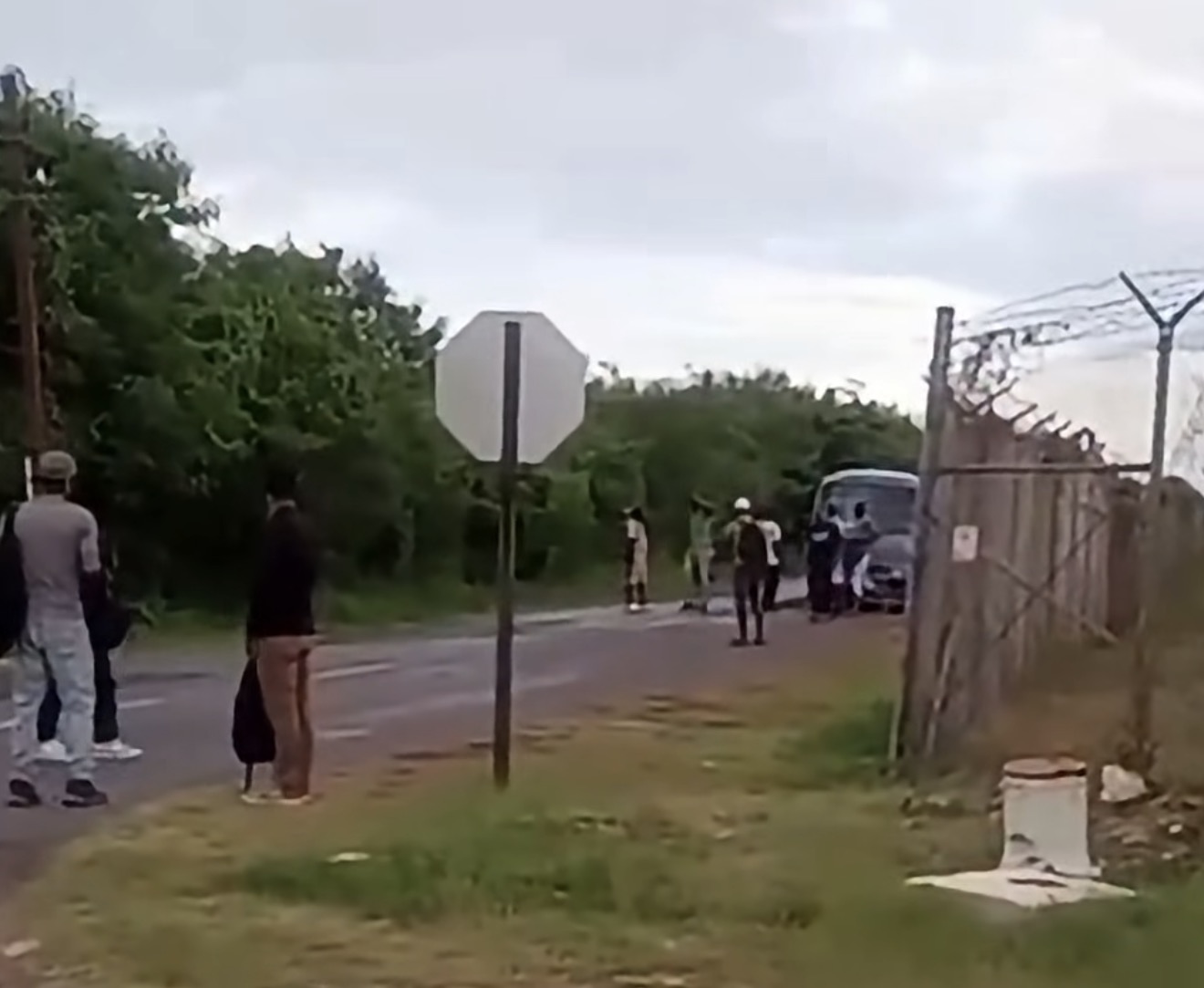
    A bold shopkeeper in the All Saints district has become a local hero after successfully fending off an attempted chain-snatching incident that unfolded on the shop floor earlier this week.

    Local law enforcement sources confirm that the incident began when an unidentified suspect entered the small independent retail outlet under the pretense of browsing merchandise. Once inside, the individual suddenly lunged toward the owner, reaching for the gold chain the shopkeeper was wearing around their neck in a blatant attempt to steal the valuable piece of jewelry.

    Witnesses who were inside the store at the time of the attack described the shopkeeper as acting quickly and decisively, refusing to surrender to the robber’s demands. Instead of complying, the owner pushed back against the suspect, shouting to draw attention from passersby and engaging in a brief physical struggle that threw the attacker off balance.

    The unexpected resistance caught the would-be thief off guard. Within seconds, the suspect realized they would not be able to seize the chain and escape easily, and fled the premises on foot before any bystanders could block their exit. Emergency responders and police were called to the scene immediately after the incident, launching a search operation for the suspect that remains ongoing as of press time.

    The shopkeeper, who has operated their small business in the All Saints area for more than 12 years, sustained only minor scrapes during the struggle and was able to reopen the store the following day. In a brief interview with local media, the owner emphasized that they wanted to send a message that small business owners will not stand idly by while criminals target them or their community.

    Local residents have rallied around the shopkeeper, praising their courage in the face of danger. Neighborhood safety organizers have noted that the incident highlights ongoing concerns about street-level petty crime in the area, and are calling for increased police patrols to reassure local business owners and shoppers.

  • Antigua and Barbuda Students Honoured in FCCA Environmental Poster and Essay Competitions

    Antigua and Barbuda Students Honoured in FCCA Environmental Poster and Essay Competitions

    Young talent from the twin-island nation of Antigua and Barbuda has once again turned heads across the Caribbean region, clinching multiple top awards at the Florida-Caribbean Cruise Association (FCCA) Foundation’s 2025 Environmental Poster and Essay Competitions. The annual contest, which centers on linking environmental protection to sustainable regional tourism, saw local students dominate national-level categories and earn a prestigious regional distinction, cementing the country’s reputation for nurturing creative, environmentally conscious youth.

    Across both the essay and poster divisions, Antigua and Barbuda’s student competitors secured all national championship titles, with one participant going on to take second place in the broader regional competition. The impressive haul of awards is being widely celebrated as evidence of the strong potential and skill held by the nation’s younger generation.

    To honor the winning students, an official prize-giving ceremony was hosted last Thursday at the headquarters of Antigua and Barbuda’s Ministry of Tourism. Tourism Minister Charles Fernandez personally presented the trophies, cash rewards, and other prizes to the victorious participants, taking time to praise each student for their creative vision, commitment to environmental protection, and academic dedication.

    Leading the group of national winners is Mckenzi Edwards, a student at New Bethel SDA School, who claimed first place in both the junior division essay and poster competitions. Edwards walked away with a $200 USD cash prize for each of his two winning entries, totaling $400 USD in rewards.

    In the senior division of the environmental poster competition, Sophia Cao from St. Anthony’s Secondary School took the national top spot, earning a $200 USD cash prize for her work.

    The highlight of the event came when Kiara Kwenga, a student at Christ the King High School and Antigua and Barbuda’s sitting Junior Minister of Tourism, earned regional acclaim for her essay, taking second place in the competition open to all Caribbean participants. For her achievement, Kwenga received a brand-new Lenovo laptop, while her school was awarded a $1,500 USD grant to support student programs.

    Addressing attendees at the ceremony, Minister Fernandez emphasized the broader meaning of the students’ wins beyond the competition itself. He praised the young competitors for channeling their creative abilities into raising awareness about environmental stewardship and its critical connection to the Caribbean’s tourism-dependent economy, which is the backbone of Antigua and Barbuda’s national income.

    “The FCCA competitions create an invaluable space for young people across our region to show off their creativity, while also building a deeper personal understanding of why protecting our natural home matters,” Fernandez said in his remarks. “These students have represented Antigua and Barbuda with incredible distinction, and every one of us in the country is incredibly proud of what they have accomplished here.”

    The FCCA Foundation’s Environmental Poster and Essay Competitions are held every year to encourage secondary and primary school students across the Caribbean to engage with key topics around climate action, environmental conservation, sustainable development, and the way these priorities intersect with the regional tourism sector. The industry relies heavily on the appeal of pristine beaches, coral reefs, and natural landscapes, making environmental awareness among young people a critical long-term investment for regional economies.

    Following the ceremony, the Ministry of Tourism, Civil Aviation, Transportation and Investment issued a statement extending congratulations to all competition participants, with special recognition for the winning students, their families, teachers, and school administrators who supported their preparation for the contest. The ministry also encouraged all young people across Antigua and Barbuda to continue taking part in similar educational programs that build environmental responsibility while contributing to long-term national growth.

  • Lawyer questions need for gun court amid resource strain

    Lawyer questions need for gun court amid resource strain

    Against the backdrop of rising gun violence and a crippling backlog of cases in Barbados’ criminal justice system, a top defence attorney has publicly challenged the government’s plan to launch a dedicated firearms court, arguing that targeted investments in the existing judicial framework would deliver faster, more cost-effective progress on both issues.

    Defence counsel Shadia Simpson, in an exclusive interview with Barbados TODAY, did not mince words when weighing in on the executive branch’s latest policy proposal to tackle the island’s pressing gun crime crisis. The government has framed the specialized court as a critical intervention to speed up trial proceedings for firearm-related offences, which have contributed to growing public safety concerns across the island. But Simpson argues that the plan misallocates limited public resources at a time when foundational gaps in the current system are the real root of persistent delays.

    “I think that a specialisation in court is not necessary at this time,” Simpson stated plainly. While she openly acknowledged that gun violence remains a critical threat to Barbados communities, she pointed out that the jurisdiction already has structural provisions in place to handle serious weapon-related cases. Currently, the island operates eight active criminal courts, with one specifically designated to hear high-stakes matters including murder and firearms charges. “So I personally don’t think that we needed this at this time,” she added.

    At the core of Simpson’s critique is the strain that a new standalone court would place on already overburdened judicial support services. She emphasized that most administrative delays that slow case progression do not stem from a shortage of dedicated courtrooms, but rather from understaffing and outdated infrastructure across the system. For example, pre-sentencing reports, which are required to move cases toward resolution, often take months to complete because probation officers are already stretched far too thin across existing caseloads.

    “ We already have limited resources, so sometimes the sentencing reports, for example, take an extremely long time to reach the courts because the probation officers are stretched,” Simpson explained. “I just think that the resources could have been allocated better if you wanted to see a more efficient criminal justice system. And I don’t think that necessarily is the best use of resources to establish a specialised gun court at this time.”

    Notably, Simpson pushed back on one of the most common critiques of specialized courts: that creating one for gun crimes would open the door to a proliferation of separate tribunals for every high-profile crime category. Citing long-standing successful models across the Caribbean, she noted that jurisdictions like Jamaica have operated specialized gun courts for years, while many other regional systems maintain dedicated drug courts, with no major disruption to their overall legal frameworks. “I personally don’t have a challenge with it. It’s just that to me, if we want to clean up the backlog and we want to address crime, I just think that there are better ways to do it,” she clarified.

    One of the most significant practical barriers Simpson highlighted is the ongoing manpower shortage among criminal bar practitioners in Barbados. She warned that launching an additional court without expanding the pool of available defence attorneys and prosecutors would only exacerbate existing delays, rather than solving them. Currently, a small group of criminal lawyers already handle all cases across the eight existing criminal courts; adding another venue would force these already overworked practitioners to split their time across more dockets, slowing proceedings across the board.

    “You don’t knock things until you try them, yes, but to me one of the challenges is the fact that again you don’t have the manpower,” Simpson cautioned. “I don’t know if there are going to be prosecutors assigned, but you still have the same handful of attorneys who practise at the criminal Bar who are now going to not only be stretched between the eight existing criminal courts, but now who are expected to also be in these courts as well. So I personally don’t think that it may have the desired results.”

    Beyond understaffing, Simpson added that the shift between multiple specialized court venues would add unnecessary logistical complexity to case management, further slowing the delivery of justice. She noted that lawyers are already able to manage mixed caseloads more efficiently when cases are heard at a single venue, rather than forcing practitioners to travel between separate specialized locations throughout the workweek.

    Simpson did acknowledge that the sharp rise in gun-related crime across Barbados demands urgent, decisive action from policymakers, and said that the legal community would reserve final judgment until the policy is implemented and its outcomes can be assessed. Still, she argued that addressing foundational gaps in the existing system would have delivered more immediate, sustainable improvements in both case backlogs and public safety.

    For example, lower courts across the island still rely heavily on manual, paper-based processes, with no digital transcription of proceedings. Magistrates still write court notes by hand, creating unnecessary delays when records need to be accessed for trial progression. Even with these gaps, Simpson maintains that the existing eight criminal courts are fully capable of handling firearm-related cases more efficiently if they receive adequate targeted funding and support.

    “I certainly think the existing framework could handle it,” she said. “For example, we are now waiting in some instances for two to two and a half months to get a pre-sentencing report, and the probation officers are extremely stretched. They’re working with limited resources and they have to service some courts, so we understand the constraints.”

    “In the magistrates’ court, for example, we aren’t even to a place where there are transcripts available from the proceedings. You still have magistrates writing by hand. If we had tried to deal with those foundational things first, we could get matters moving through the system a lot faster.”

  • WEATHER (6:00 AM, June 13th): Occassionally cloudy and breezy conditions expected, possible showers

    WEATHER (6:00 AM, June 13th): Occassionally cloudy and breezy conditions expected, possible showers

    For residents of Dominica and the northern Lesser Antilles, stable atmospheric conditions are set to define the weather pattern over the next 12 to 24 hours, according to regional meteorological projections. A sprawling high-pressure system will hold sway across the area through the end of the day, bringing a mix of partly cloudy skies and consistent breezy conditions. While isolated, short-lived showers cannot be ruled out entirely, widespread precipitation is not expected during this period.

    As the calendar flips to Sunday, the region’s weather profile will begin to shift. A low-level atmospheric trough is on track to push through the southern portion of the northern Lesser Antilles by early Sunday morning, injecting significantly higher levels of moisture into the local atmosphere. This increased moisture will translate to a marked uptick in the probability of shower activity during Sunday’s pre-dawn and early morning hours.

    One key air quality trend unfolding through the forecast period is the fluctuating concentration of Saharan dust across the region. After several days of elevated dust levels that impacted air clarity, concentrations are expected to drop through today, delivering noticeable improvements to both regional air quality and overall visibility. Unfortunately, this improvement will be temporary: meteorologists project dust levels will begin climbing again by Sunday afternoon, bringing a return of hazy conditions.

    Public health officials are reminding residents that the return of elevated Saharan dust poses specific risks for vulnerable groups. People living with asthma, seasonal allergies, and other chronic respiratory conditions are urged to maintain proactive precautions, such as limiting extended outdoor exposure when dust levels are high, carrying necessary rescue medication, and monitoring symptoms closely to avoid preventable health complications.

    For coastal and marine activities, conditions will remain manageable through the next day. Sea states are forecast to stay between slight and moderate across most local waters. Wave heights will vary significantly by coastline, with maximum swells reaching roughly 3 feet along the more sheltered western coast. Along the exposed eastern coast, waves are expected to build to up to 7 feet, creating choppier conditions that mariners and recreational beachgoers should plan for accordingly.

  • Nieuwe leden Tuchtcolleges beëdigd; behandeling tuchtzaken kan worden hervat

    Nieuwe leden Tuchtcolleges beëdigd; behandeling tuchtzaken kan worden hervat

    After weeks of halted proceedings that left dozens of complaints against legal professionals unaddressed, Suriname has marked a key milestone for judicial integrity with the formal swearing-in of new members to two of the country’s most important legal oversight bodies: the Disciplinary Board for Notaries and the Disciplinary Board for Lawyers. The ceremony, held Friday at the Presidential Palace, was presided over by Suriname President Jennifer Simons, officially closing a period of gridlock that threatened the continuity of disciplinary oversight.

    The backlog emerged when scheduled swearing-in proceedings for the new boards were delayed, forcing the suspension of all active complaint procedures against members of the two professions. With the inauguration of the new board members, the Suriname government confirmed this Friday that the continuity of disciplinary adjudication and ongoing efforts to strengthen the rule of law in the country are now secured.

    In her opening remarks at the ceremony, President Simons emphasized the non-negotiable role these two disciplinary bodies play in upholding professional integrity across Suriname’s legal sector. Tasked with investigating public and private complaints against working lawyers and notaries, the boards hold the authority to impose a full range of disciplinary sanctions when professional misconduct is confirmed, from formal written warnings to permanent removal from professional practice.

    “Surinamese citizens place enormous trust in their lawyers and notaries to protect their most critical personal and financial interests,” Simons told the newly inaugurated board members. “As independent disciplinary bodies, you are tasked with strictly enforcing standards of professionalism, quality, and integrity. I have full expectation that you will carry out this weighty responsibility with honor and conscience, as we work collectively to strengthen our country’s rule of law.”

    Speaking on behalf of the Disciplinary Board for Lawyers, board member Nailah van Dijk expressed gratitude for the public trust placed in the new cohort of members. She framed disciplinary law as an indispensable tool, designed not only to protect the rights of citizens interacting with the legal system but also to safeguard the reputation of the legal profession itself and the integrity of the broader judicial process. Van Dijk noted that the board’s work requires unwavering independence, rigorous and careful assessment of all facts presented, and the courage to take firm action when established professional norms are violated.

    Siegline Wijnhard, the newly appointed chair of the Disciplinary Board for Notaries, echoed the call for unwavering independence and impartiality in processing all complaints. She emphasized that the role of the board carries enormous responsibility, requiring careful balancing of broader public interests against the rights of individual notaries who are the subject of complaints. Wijnhard confirmed that the new board would maintain the independent course charted by previous iterations of the body, prioritizing fair and unbiased adjudication above all other considerations.

    The newly formed Disciplinary Board for Notaries will serve a four-year term running from June 1, 2025, to June 1, 2029. Wijnhard will lead the body as chair, with Maytrie Kuldip Singh appointed as deputy chair. Sitting members of the board include experienced jurists Jane Jensen and G. Blom, while Sandra Nanhoe-Gangadin and Kitty Astwood-Olff have been named alternate members.

    For the Disciplinary Board for Lawyers, Robert Praag will serve as the new chair, with Alida Johanns stepping into the role of deputy chair and M. Wesenhagen taking up the position of board secretary. Van Dijk and mr. Lilawati Punwasi-Raghoebier will serve as sitting members representing the legal profession, with mr. Benito Pick and Sardha Sitaram appointed as alternate members.

  • Warning against ‘attacks without proof’

    Warning against ‘attacks without proof’

    In the wake of controversial parliamentary remarks from Trinidad and Tobago’s Attorney General John Jeremie, top leaders from the American Chamber of Commerce of Trinidad and Tobago (AMCHAM T&T) have publicly pushed back against unsubstantiated attacks on societal groups, while renewing longstanding calls for systemic accountability to address white-collar crime and rebuild public trust in national institutions.

    Jeremie drew widespread attention Wednesday during a parliamentary address when he revealed that the U.S. government had revoked visas for multiple individuals linked to what he labeled the “1%” group in the country. Citing the nation’s Anti-Gang Act, which defines a gang as any grouping of two or more people, Jeremie explicitly framed the so-called 1% as a criminal gang.

    Speaking to reporters Tuesday following AMCHAM T&T’s 33rd annual general meeting and business forum held at Port of Spain’s Hilton Trinidad and Conference Centre, AMCHAM T&T CEO Nirad Tewarie pushed back against the claims, warning that baseless attacks on any organized group create unnecessary division that undermines collective progress toward a stronger Trinidad and Tobago.

    “Every group, no matter how it is defined, will always have a small number of outliers who act outside shared norms,” Tewarie said. “But by and large, the Trinidad and Tobago business community is deeply invested in this country’s success, and we remain committed to working toward shared prosperity for all residents now and in the years ahead.”

    Beyond its response to Jeremie’s comments, the chamber used its annual forum to amplify urgent calls for decisive action against white-collar crime, arguing that consistent, high-profile prosecutions and greater institutional accountability are the only paths to restoring eroded public confidence in the nation’s justice system and government bodies.

    AMCHAM T&T President Anna Henderson noted that a small number of successful, public convictions of prominent white-collar offenders would make an outsize difference in rebuilding trust, at a moment when large swathes of the public already doubt whether core national institutions are functioning properly. Over recent years, the organization has put forward multiple policy proposals to strengthen the country’s Financial Intelligence Unit, implement robust public procurement regulations, and overhaul the criminal justice system to improve outcomes.

    Henderson’s call echoes previous demands from former AMCHAM T&T president Stuart Franco, who made tackling white-collar crime a core priority during his tenure in early 2024. Franco repeatedly emphasized that transparency and accountability are non-negotiable foundations for boosting investor confidence and repairing public trust in national leadership.

    A key urgent priority the chamber highlighted is addressing crippling staffing shortages in the Office of the Director of Public Prosecutions (DPP). Henderson referenced recent public comments from DPP Roger Gaspard, SC, confirming the office continues to grapple with severe understaffing that delays cases and undermines the delivery of timely, fair justice.

    “We again urge the government to prioritize fully staffing the DPP’s Office, as this is a critical, non-negotiable step toward building a properly functioning criminal justice system that delivers fair, timely justice for all,” Henderson said.

    Henderson explained that the push for accountability stems from broader, growing societal concerns: plummeting public confidence in institutions and rising frustration across all segments of the population.
    “Families are buckling under the pressure of skyrocketing living costs, young people can see few clear pathways to economic opportunity, and communities across the country remain gripped by fear of violent crime,” she said. “Beyond the daily headlines and economic data, there is a deeper, widespread sense that meaningful progress is slipping out of reach for too many people.”

    She stressed that crime, economic insecurity, public distrust, and social frustration are deeply interconnected challenges that demand coordinated, collaborative solutions from both the public and private sectors. At their core, these issues stem from a simple public desire: to know that national systems work as intended, that leadership is credible, and that hard work still creates opportunities for upward mobility.

    “Trust cannot exist without transparency, and confidence cannot grow without accountability,” Henderson emphasized. “If we want citizens to believe in their institutions again, institutions must prove they are worthy of that belief. If we want businesses to invest confidently in our future, we need a policy environment that is stable, transparent, and efficient.”

    Turning to the country’s economic outlook, Henderson noted that Trinidad and Tobago is entering a make-or-break period, with new projections pointing to expanded natural gas supplies over the next three years. While economic diversification remains a key long-term goal, the energy sector will continue to anchor the nation’s economy for the foreseeable future, and this emerging opportunity cannot be wasted.

    “This is a critical window of opportunity for our country, but opportunity alone is not enough,” she said. “We must act immediately now to turn possibility into tangible, lasting success. That means building the stable conditions that make long-term investment viable, securing reliable markets for our natural gas, and working collaboratively across borders when needed to ensure upstream producers, LNG operators, domestic downstream industries, and all participating partner countries share in the benefits of this growth.”