分类: world

  • Jamaica re-elected to IMO Council

    Jamaica re-elected to IMO Council

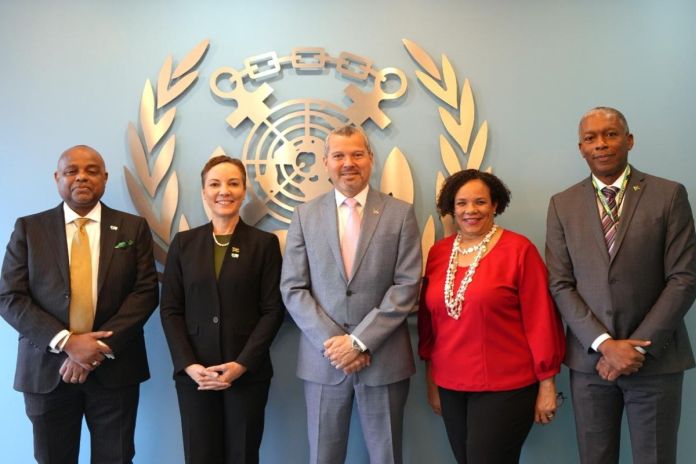
    In a landmark achievement for Caribbean maritime leadership, Jamaica has been decisively re-elected to the International Maritime Organisation (IMO) Council with an unprecedented 129 votes—the highest tally the nation has ever received in the organization’s electoral history. This decisive victory occurred during the 34th session of the IMO Assembly at the organization’s London headquarters in November 2025.

    The resounding endorsement reflects Jamaica’s growing influence in global maritime affairs. Bertrand Smith, Director General of the Maritime Authority of Jamaica, characterized the re-election as recognition of Jamaica’s dedicated advocacy not only for national interests but for the entire Caribbean region and other member states. Speaking from London following the newly constituted Council’s meeting, Smith emphasized that the upcoming biennium presents both significant challenges and opportunities, particularly regarding the complex transition toward maritime decarbonization.

    This electoral success marks Jamaica’s ninth consecutive term in Category C of the IMO Council, the governing body that oversees organizational operations between biennial Assembly sessions. The Council wields substantial authority, including approval of committee work, budget proposals, recommendations for Secretary General appointments, and development of strategic policy frameworks including the IMO’s strategic plan.

    Jamaica’s sophisticated electoral campaign was orchestrated by a specialized Steering Committee comprising multiple government entities: the Ministry of Foreign Affairs and Foreign Trade, the Jamaican High Commission in London, the Maritime Authority of Jamaica, and the Ministry of Energy, Transport and Telecommunications.

    The IMO Council’s composition ensures global representation through three distinct categories: Category A includes ten nations with the largest international shipping services; Category B comprises ten states with the most significant interest in seaborne trade; and Category C consists of twenty countries representing diverse geographic regions with special maritime transport interests.

    The newly elected Council convened its 136th session on December 4th in London, where leadership positions for the next two-year period were determined through internal elections.
  • Dominica hosts regional IICA white potato workshop

    Dominica hosts regional IICA white potato workshop

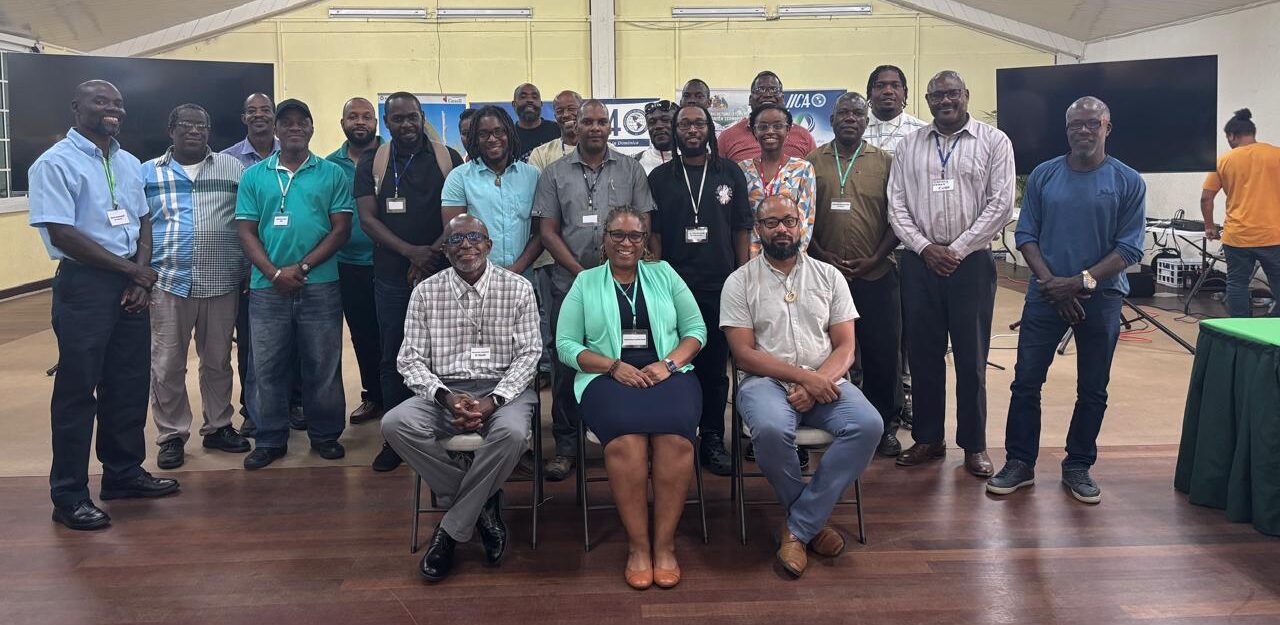
    In a significant move toward agricultural self-sufficiency, Dominica has hosted a landmark regional workshop focused on revolutionizing white potato production across the Eastern Caribbean. The event, orchestrated by the Inter-American Institute for Cooperation on Agriculture (IICA) from December 1-3, 2025, brought together over thirty key stakeholders from six OECS member states and territories.

    The workshop served as a practical platform for participants—including farmers, government technical officers, and representatives from IICA, OECS Commission, CARDI, and FAO—to engage in technical presentations, field visits, and strategic planning. The location was strategically chosen given Dominica’s unique status as the only OECS member with over forty years of continuous commercial white potato production, providing a viable model for regional emulation.

    This initiative addresses a critical economic vulnerability: in 2024 alone, OECS nations imported 8,890 tons of white potatoes valued at approximately US$7.6 million, with imports steadily increasing. IICA Eastern Caribbean representative Gregg Rawlins emphasized the urgency of ‘structured and coordinated production’ to strengthen food security and reduce this substantial import dependency.

    Dominica’s Minister of State for Agriculture, Jullan Defoe, reaffirmed the nation’s commitment to regional cooperation, aligning with both the OECS FAST Strategy and CARICOM’s goal of reducing food imports. He detailed government support mechanisms including improved financing access, land preparation assistance, and enhanced technical services through partnerships with CARDI, IICA, FAO, and WUSC-Caribbean.

    FAO Value Chain Development Specialist Vermaran Extavour noted the workshop’s alignment with regional policy priorities, including the ’25 by 2025 +5′ initiative, while praising Dominica’s production model as a foundational blueprint for other member states. OECS Director General Dr. Didacus Jules characterized the gathering as a pivotal shift from planning to implementation, highlighting that agricultural transformation requires robust regional cooperation and that white potato development exemplifies the integration of climate-smart agriculture, value chain enhancement, and public-private partnerships.

    The workshop is expected to directly inform the creation of a strategic regional framework for white potato research, development, production, and marketing across the OECS. This framework will aim to increase production capacity, enhance postharvest systems, and expand market access, collectively contributing to CARICOM’s broader objective of reducing the region’s food import bill and building economic resilience.

  • IOM Belize Expands Migration Support After 2017

    IOM Belize Expands Migration Support After 2017

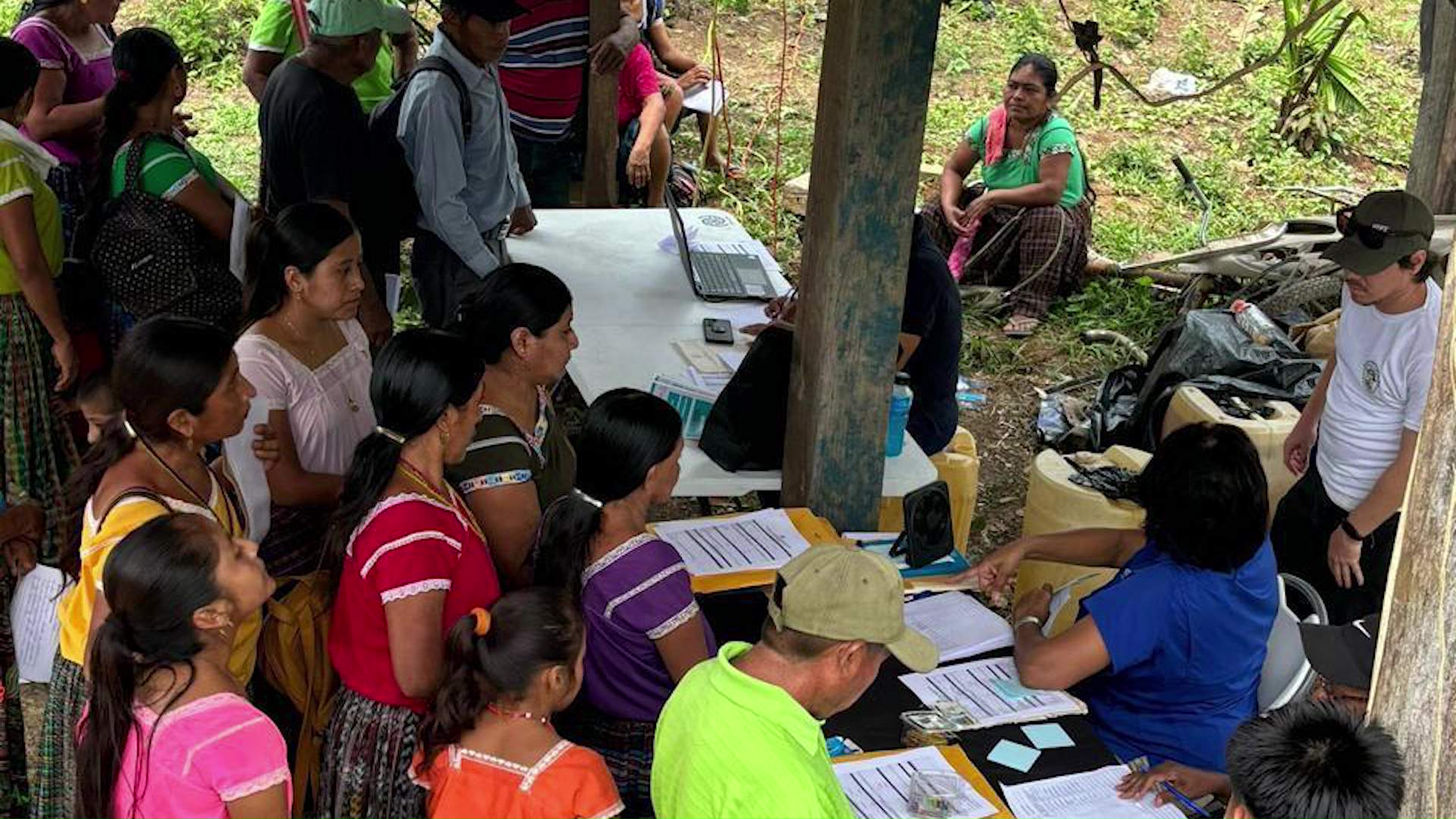
    BELIZE CITY – The International Organization for Migration (IOM) has dramatically expanded its operational footprint in Belize over the past eight years, investing nearly six million dollars in comprehensive migration governance programs since 2017. This substantial growth represents a strategic evolution for the UN’s specialized migration agency in the Central American nation.

    Establishing its country office in 2010 with minimal staffing and limited programming scope, IOM Belize operated with approximately two personnel throughout its first decade. The operational landscape transformed significantly following 2017 with the initiation of the Western Hemisphere program, which served as a catalyst for expanded migration initiatives throughout the region.

    The most pronounced expansion occurred post-2020, during which IOM Belize implemented seven distinct projects designed to strengthen migration management frameworks, enhance institutional capacity building, and bolster community resilience mechanisms. According to Diana Locke, Head of Office for IOM Belize, this period marked a substantial escalation in both programming scope and financial investment in the country’s migration infrastructure.

    “From 2020 to December 2025, we have definitively implemented seven projects,” Locke stated. “We have invested a little under six million dollars across all activities, staffing, and operational components.”

    The organization’s growing presence in Belize parallels its broader institutional evolution. Initially established in December 1951 to address post-war European displacement, IOM attained formal United Nations agency status in 2016, solidifying its position as the global leader in migration governance. Belize first joined IOM around the year 2000, with the physical country office established a decade later.

    Looking forward, IOM Belize continues to prioritize innovative solutions and sustainable strategies for migration governance, building upon its seventy-four years of global expertise in population movement management and humanitarian response.

  • STATEMENT: Caribbean Development Bank president on International Anti-Corruption Day 2025

    STATEMENT: Caribbean Development Bank president on International Anti-Corruption Day 2025

    The Caribbean Development Bank (CDB) has issued a powerful declaration reinforcing its institutional dedication to combating corruption during International Anti-Corruption Day 2025 observances. President Daniel Best emphasized that transparency, integrity, and accountability form the essential foundation for meaningful development progress across Caribbean nations.

    Corruption continues to present one of the most formidable obstacles to sustainable development globally. Citing alarming statistics from UN Secretary-General António Guterres, the Bank highlighted that approximately $1 trillion is paid in bribes annually while an additional $2.6 trillion is siphoned through corrupt practices. These enormous financial drains represent resources that could otherwise transform communities through essential infrastructure, education systems, and healthcare services.

    The Caribbean region faces particularly severe consequences from corruption due to constrained fiscal environments, substantial debt burdens, and minimal tolerance for inefficiency. For small island developing states served by the CDB, any resources lost to corruption directly translate into diminished development outcomes and missed economic opportunities.

    Accordingly, the Bank has positioned anti-corruption measures as central to its operational mandate rather than peripheral concerns. As a development finance institution serving vulnerable nations, maintaining impeccable integrity standards is crucial for securing continued access to resources required by Borrowing Member Countries. Robust governance frameworks and anti-corruption mechanisms directly enable the Bank’s core objectives of advancing economic growth, poverty reduction, and building resilient societies.

    For over a decade, CDB’s Office of Integrity, Compliance, and Accountability has functioned as the institutional cornerstone for governance frameworks encompassing ethics, accountability, and compliance. Through sustained capacity-building initiatives, training programs, and knowledge-sharing on anti-corruption practices, the Office has demonstrated regional leadership in governance standards.

    The 2025 observance theme, “Uniting with Youth Against Corruption: Shaping Tomorrow’s Integrity,” aligns perfectly with CDB’s institutional priorities and regional vision. With youth development embedded in its operational strategy, the Bank recognizes that empowering emerging generations requires providing young people with the values, knowledge, and tools to champion integrity across all sectors. Caribbean youth bring technological fluency, fresh perspectives, and determination to challenge outdated practices that have hindered progress.

    By investing in youth-led initiatives and creating platforms for young voices in governance discussions, CDB supports the emergence of a generation demanding higher institutional integrity standards. As global progress toward Sustainable Development Goals remains significantly off-track, the Bank reaffirms its commitment to championing anti-corruption and good governance.

    Effective anti-corruption systems enable institutions to operate more efficiently, attract sustainable financing, and deliver transformative development outcomes. With strengthening anti-corruption mechanisms becoming increasingly urgent, CDB will continue collaborating with governments, civil society, and youth to build a Caribbean where development resources fulfill their promise, institutions operate with unwavering integrity, and citizens trust that development genuinely serves public interests.

  • Toerismesector slaat alarm: Goudwinning bedreigt voortbestaan Brownsberg Natuurpark

    Toerismesector slaat alarm: Goudwinning bedreigt voortbestaan Brownsberg Natuurpark

    The Suriname Hospitality and Tourism Association (SHATA) has issued an urgent environmental alert regarding the escalating crisis at Brownsberg Nature Park, an internationally recognized conservation and tourism destination in Brokopondo district. What initially began as concerns about inadequate maintenance has rapidly evolved into a full-scale ecological emergency due to proliferating gold mining operations.

    Multiple sites within the protected area now show severe degradation. The Witikreek area has been transformed into an active gold mining site, while guides at the Irene Falls recently confronted heavy machinery and experienced intimidation when attempting to document the destruction. Simultaneously, the Leo Valley sector continues to suffer from extensive deforestation and excavation caused by illegal mining activities.

    Industry representatives Dinesh Ramlal of Travel The Guianas, along with Dick Lock and Lieke Verwoerd of Unlock Nature, have formally communicated the tourism sector’s grave concerns to government authorities and relevant institutions. They emphasize the critical need for immediate intervention before Brownsberg sustains irreversible damage.

    SHATA’s communications underscore Suriname’s unique position: “As one of the world’s few nations where nature requires not restoration but merely protection, preserving Brownsberg has never been more urgent. In an era where healthy ecosystems are becoming increasingly scarce—and may soon hold greater literal value than gold—effective conservation is paramount.” The association notes that despite repeated warnings from NGOs, guides, tour operators, and concerned citizens, substantive protective measures remain absent.

    The association has outlined an eight-point action plan demanding:
    1. Immediate enforcement against illegal gold mining operations within and surrounding the park
    2. Establishment of a permanent security and surveillance outpost staffed by military police, regular police, or LBB personnel
    3. Development of a comprehensive, sustainable management strategy integrating conservation, security, and tourism
    4. Restoration of essential infrastructure including access roads and accommodation facilities
    5. Structured collaboration between government agencies, guides, tour operators, NGOs, and local communities
    6. Professionalization of the governing foundation STINASU
    7. Support for temporary initiatives including crowdfunding campaigns
    8. Creation of an investment-friendly framework for public-private partnerships

    SHATA maintains that while the situation remains critical, it is still reversible. With robust government intervention supported by tourism sector professionals and conservation experts, Brownsberg could be restored and repositioned as one of Suriname’s most valuable natural treasures.

  • Saint Lucia, Indonesia agree to boost coconut, fruit processing

    Saint Lucia, Indonesia agree to boost coconut, fruit processing

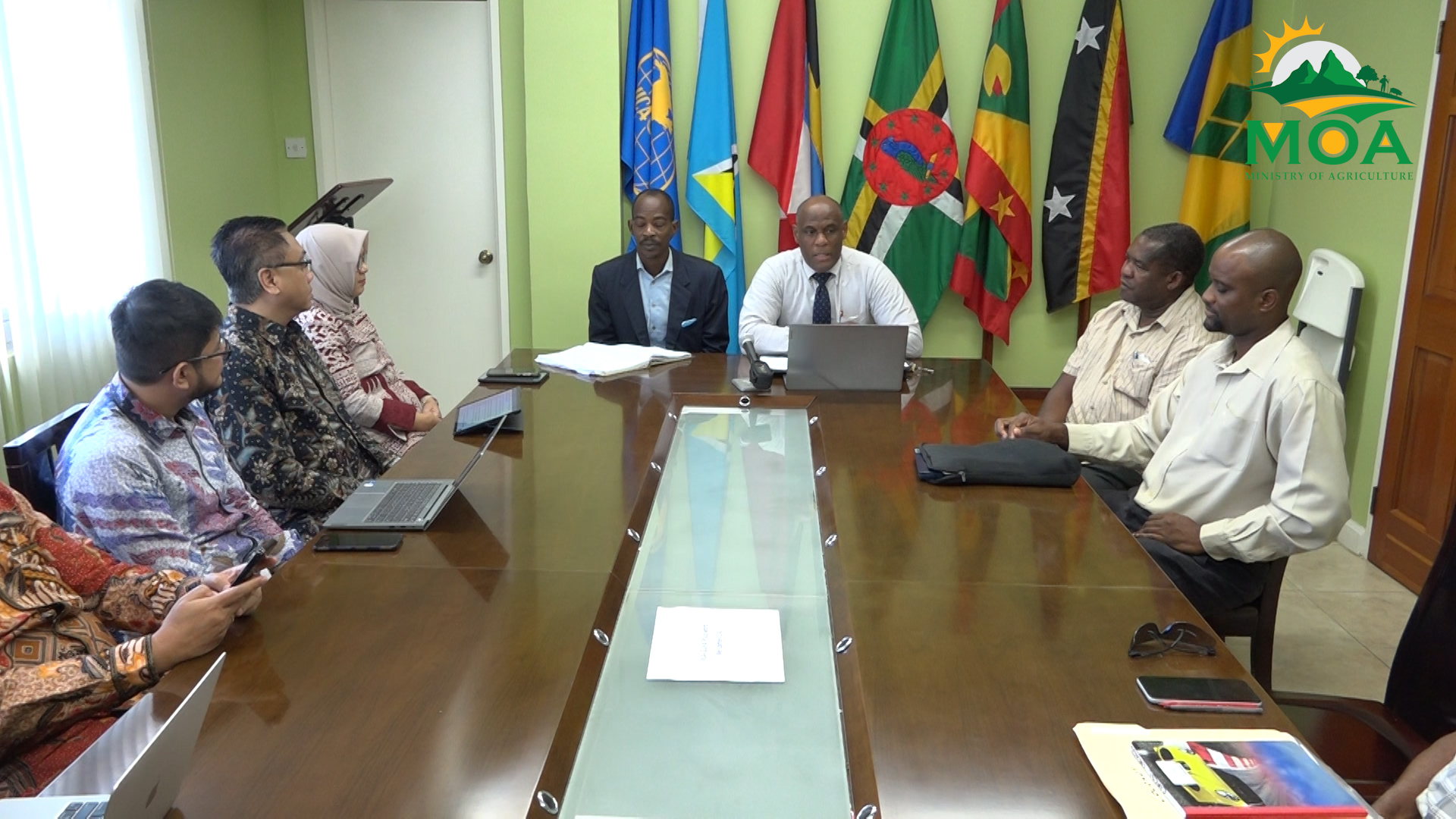
    In a significant development for South-South cooperation, the Caribbean nation of Saint Lucia and Southeast Asia’s Indonesia have formalized an ambitious agricultural partnership with concrete projects scheduled to commence in 2026. This collaboration represents a strategic alignment between two nations separated by vast geographical distance but united in their agricultural development objectives.

    The partnership framework was solidified during high-level discussions in Castries, where officials from both governments endorsed a comprehensive roadmap for modernizing Saint Lucia’s agricultural infrastructure. This agreement follows extensive field assessments conducted by Indonesian agricultural specialists who identified key areas for technological transfer and capacity building.

    Central to the cooperation are plans to revolutionize Saint Lucia’s coconut industry through advanced processing techniques, expanded cultivation of oil-producing varieties, and the introduction of modern agricultural machinery. The partnership will additionally focus on developing value-added production chains for mangoes, breadfruit, and other tropical fruits indigenous to the Caribbean region.

    Kemuel Jn Baptiste, Director of Agricultural Services for Saint Lucia, emphasized the practical implementation framework: “Today’s discussions confirmed the operational details outlined in our roadmap. The division of responsibilities is clear – Saint Lucia will provide personnel and technical expertise, while Indonesia will supply advanced plant materials and agricultural equipment.”

    The sentiment was strongly echoed by Indonesian representative Herry Laksono, who characterized Saint Lucia as Indonesia’s priority partner in the Caribbean region. “Despite the considerable geographical distance spanning approximately 18,000 kilometers, our nations share compatible development objectives that necessitate collaborative effort,” Laksono stated.

    This bilateral cooperation is strategically significant for both parties: Saint Lucia gains access to Indonesian agricultural technology and expertise to enhance food security and rural development, while Indonesia establishes a strategic foothold for agricultural cooperation within the Caribbean community.

    With implementation scheduled for 2026, both governments anticipate the partnership will generate substantial economic benefits for farming communities and contribute to sustainable agricultural development across Saint Lucia.

  • Antifreeze poisoning named in death of Grenadian opposition senator

    Antifreeze poisoning named in death of Grenadian opposition senator

    A shocking development has emerged in the Caribbean nation of Grenada, where forensic evidence indicates that opposition senator Neilon Franklyn’s untimely death resulted from antifreeze poisoning. The 28-year-old politician passed away on August 24, 2025, under circumstances that have now triggered a potential murder investigation.

    Renowned regional pathologist Professor Hubert Daisley, based in Trinidad and Tobago, conducted the comprehensive autopsy which identified ethylene glycol—a highly toxic compound commonly found in automotive antifreeze—within Franklyn’s system. Professor Daisley’s detailed report, submitted to the Royal Grenada Police Force several weeks ago, has prompted serious consideration of criminal foul play.

    The investigation faces complexities due to Grenada’s limited forensic capabilities, which necessitated sending biological samples to advanced laboratories in Port-of-Spain, Trinidad, for confirmatory analysis. Law enforcement sources, including an unnamed retired police superintendent, emphasize that the inquiry remains in preliminary stages but requires meticulous examination of several critical angles.

    Authorities are particularly focused on determining how such dangerous chemicals entered Grenada, whether ethylene glycol-based products are readily available locally, and investigating the possibility that contaminated beverages might have been administered to the senator. The police have specifically requested Professor Daisley maintain confidentiality regarding his findings to preserve the integrity of their ongoing investigation.

    Notably, medical records indicate Franklyn exhibited symptoms consistent with organ failure upon hospital admission, further supporting the poisoning hypothesis. Investigators are now examining the senator’s social and professional circles to identify individuals with potential access to such toxic substances and possible motives.

    The Grenadian government previously honored Franklyn’s service in an official statement, recognizing his “dedication and distinction” during his Senate tenure and his tireless advocacy for Grenadian citizens. His thoughtful contributions to legislative processes, particularly during budget debates, earned him widespread respect among political peers.

    This case has drawn significant attention across the Caribbean region, highlighting concerns about political safety and toxic substance regulation in island nations.

  • Cambodia: Seven civilians killed in Thai airstrikes

    Cambodia: Seven civilians killed in Thai airstrikes

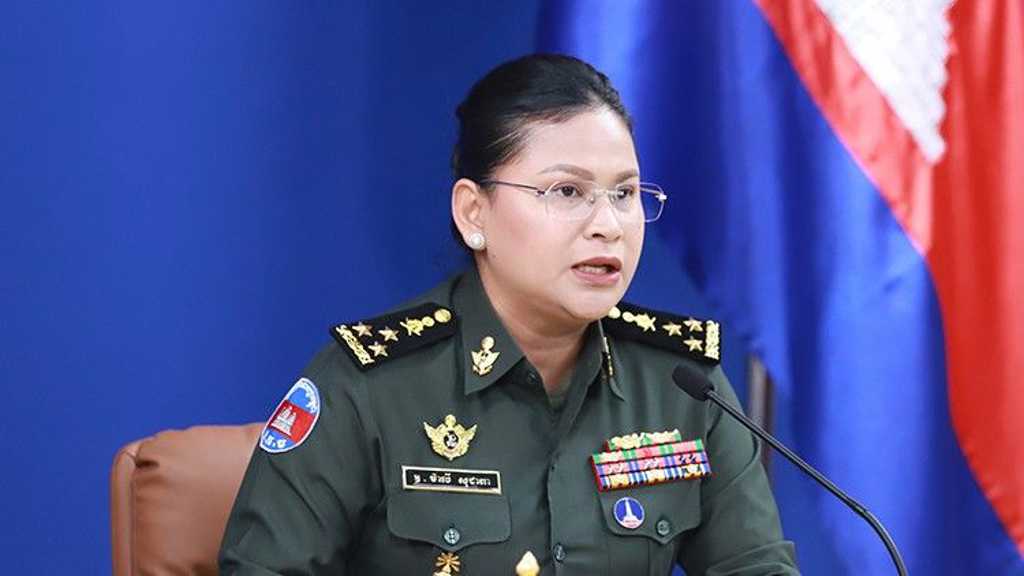
    Cambodian authorities have issued a stern condemnation of Thailand’s military following a series of airstrikes on border-area civilian populations. According to official spokesperson Socheata, preliminary reports from provincial authorities confirm that Thai army operations persisted from Monday through 6:00 AM local time on Tuesday, deliberately targeting non-military zones.

    At an official press briefing, the National Defense Ministry characterized the bombings as ‘inhumane and brutal acts,’ asserting they represent a clear violation of both the existing ceasefire and the Joint Declaration previously ratified by the prime ministers of both nations on October 26. This diplomatic agreement was intended to de-escalate tensions and foster peaceful relations between the neighboring countries.

    The Cambodian Interior Ministry provided specific casualty figures, confirming seven citizens killed across three provinces: one in Preah Vihear, three in Oddar Meanchey, and three in Banteay Meanchey. These fatalities mark a significant escalation in the ongoing border dispute between the Southeast Asian nations.

    International concern continues to mount as United Nations Secretary-General Antonio Guterres expressed apprehension regarding the resurgence of armed conflict. The UN specifically referenced allegations of airstrikes and the mobilization of heavy military equipment along the contested border region, calling for immediate de-escalation and peaceful resolution through diplomatic channels.

  • UN report accuses DRC of 7,000 Rwandan soldiers in the country

    UN report accuses DRC of 7,000 Rwandan soldiers in the country

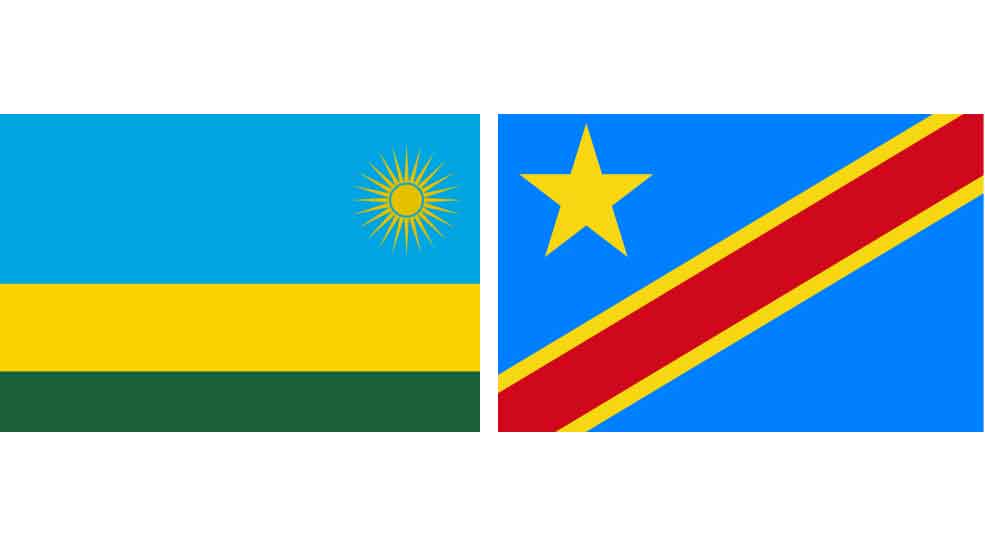
    A detailed investigative report, recently referenced by Congolese media outlet Actualite.CD, presents substantial evidence of Rwanda’s direct military engagement in the eastern Democratic Republic of Congo (DRC). According to the findings, the Rwandan Defense Forces (RDF) have deployed a significant contingent comprising at least two fully-equipped brigades and two specialized battalions within Congo’s volatile North Kivu and South Kivu provinces.

    These forces are reportedly operating in direct support of the M23 rebel movement (March 23 Movement), with documentation placing them actively on front lines rather than in advisory roles. The report specifies that Rwandan personnel are leading combat operations against the Democratic Forces for the Liberation of Rwanda (FDLR) in the strategically significant territories of Nyiragongo and Rutshuru.

    Further analysis reveals these are not conventional army units but specialized formations created specifically for cross-border operations within Congolese territory. The composition includes elite special forces elements supplemented by a considerable number of military reservists, indicating a deliberate and structured military campaign. This deployment represents a significant escalation in regional tensions and contradicts official statements from the Rwandan government regarding its military activities in neighboring Congo.

  • DRC: New clashes leave at least 74 dead

    DRC: New clashes leave at least 74 dead

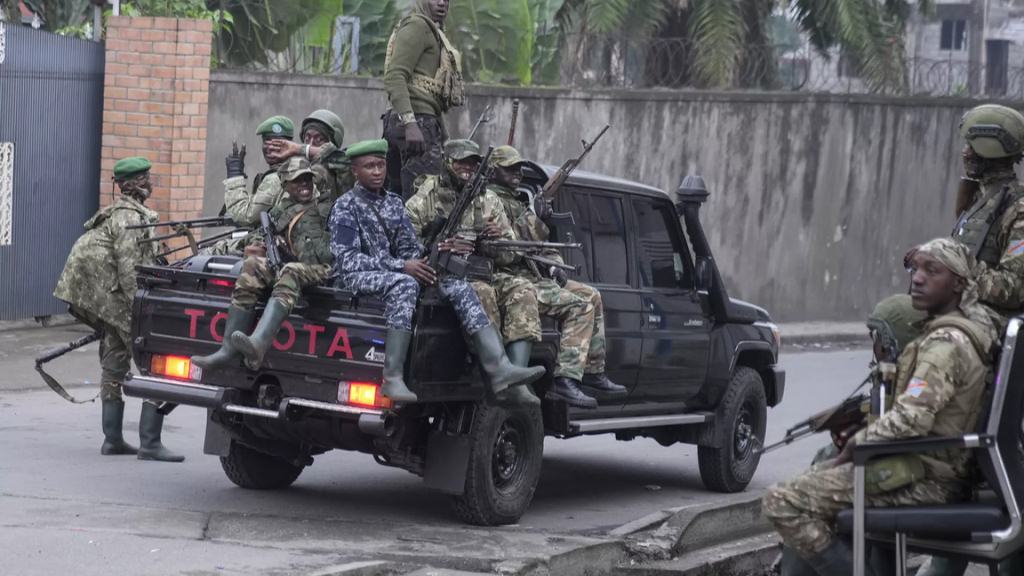
    The United Nations has issued a stern condemnation of the rapidly deteriorating security situation in the eastern Democratic Republic of Congo (DRC), where intensified combat between rebel forces and national troops is triggering a severe humanitarian emergency. Bruno Lemarquis, the UN Humanitarian Coordinator for the DRC, voiced profound alarm over a significant surge in hostilities involving the M23 rebel group (Alliance of the Congo River-March 23 Movement), the Congolese Armed Forces (FARDC), and their allied militias.

    Lemarquis highlighted a specific period of intense violence from December 2 to 7, during which heavy artillery and aerial bombardments struck densely populated areas. The territories of Uvira, Walungu, Mwenga, Shabunda, Kabare, Fizi, and Kalehe were particularly affected. The relentless nature of the fighting has severely hampered emergency response efforts, leaving medical teams unable to evacuate the wounded from conflict zones.

    In a grave development, the UN coordinator reported targeted assaults on vital civilian infrastructure, including educational institutions. Such actions represent direct and serious breaches of international humanitarian law, which explicitly protects non-combatants and essential public assets during periods of conflict.

    “I am deeply dismayed by the devastating impact of this fighting on the civilian population. It is imperative to prevent further casualties from being added to the already tragic death toll,” Lemarquis stated emphatically. He further demanded an immediate cessation to the use of explosive weaponry in urban centers, declaring that “Civilians and civilian infrastructure are not targets.”

    The human cost of this violence is staggering. Preliminary UN assessments indicate that the recent wave of fighting has displaced over 200,000 individuals within the province since the start of December. Furthermore, a massive cross-border exodus is underway, with thousands of refugees fleeing into neighboring nations, including Burundi and Rwanda, in search of safety.