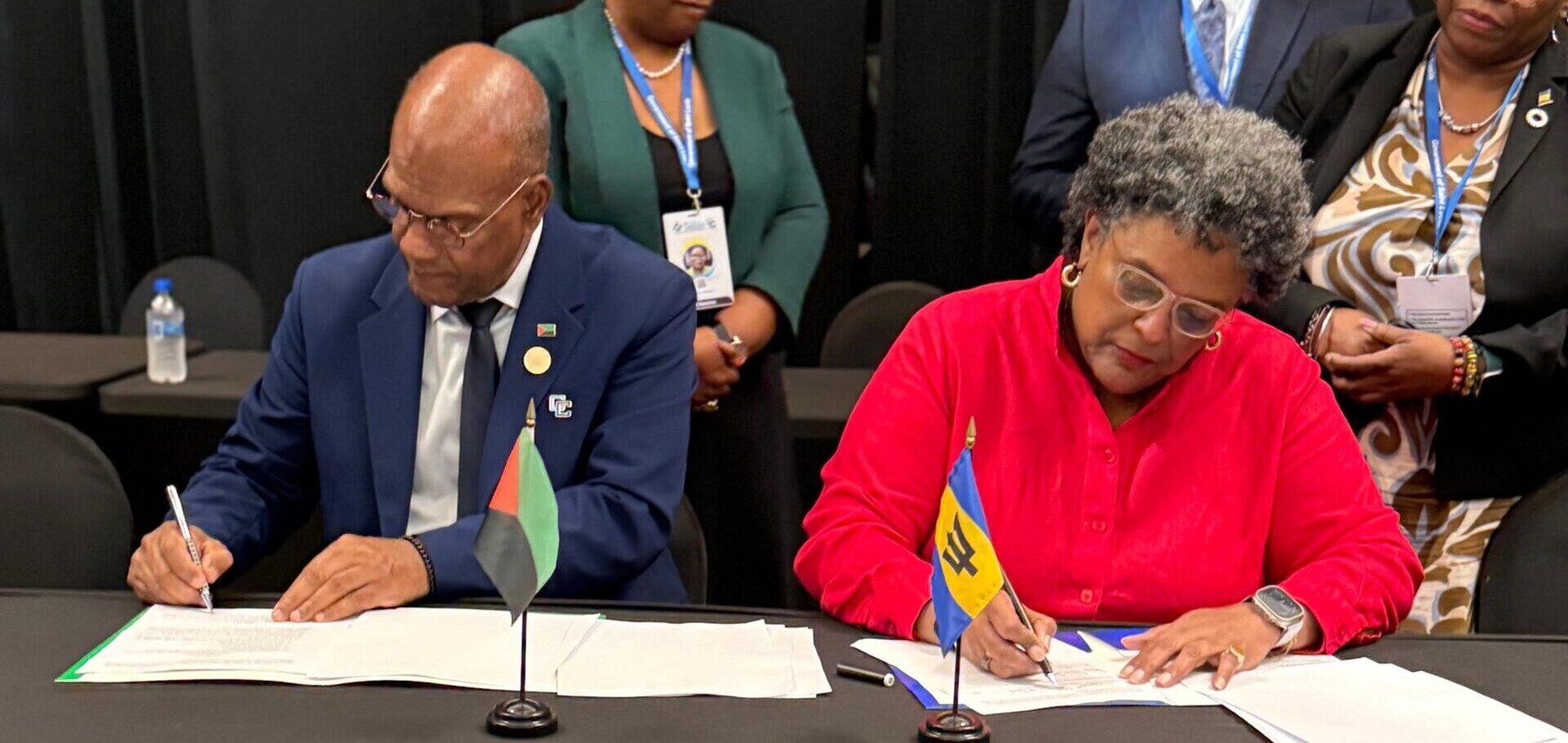
分类: world

  • PM urges overhaul of global finance rules

    PM urges overhaul of global finance rules

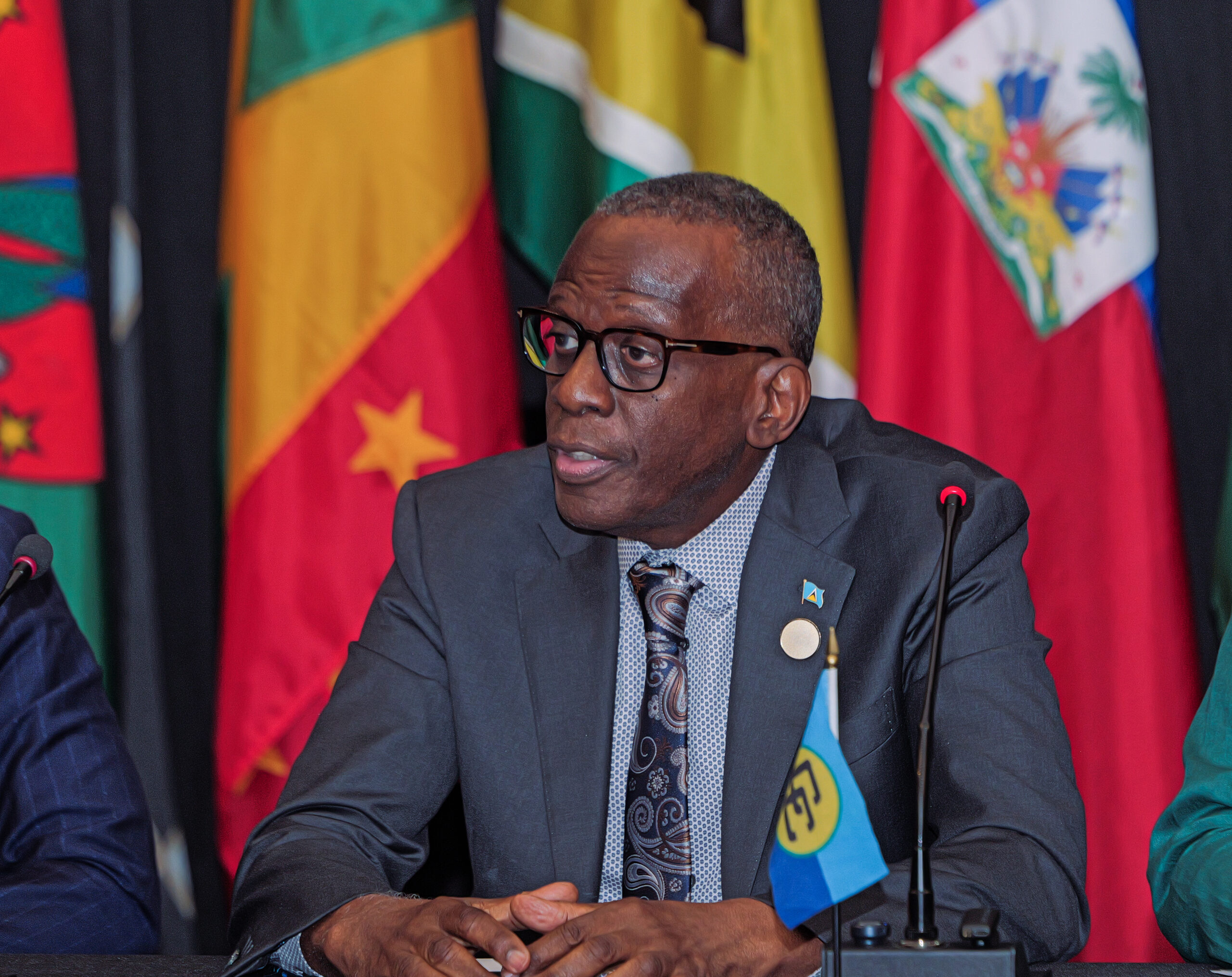
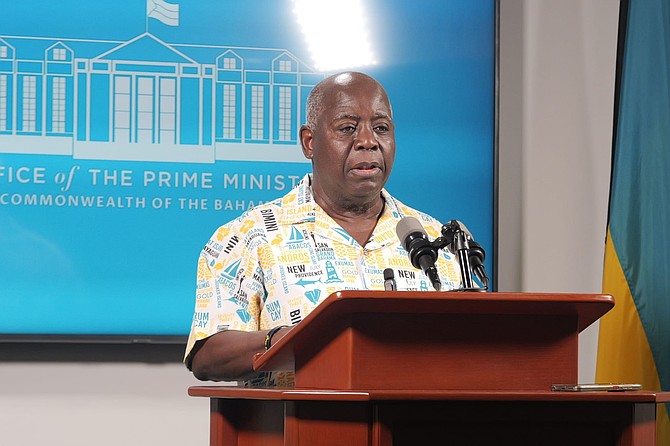
    At the “From Recovery to Transformation and Resilience” Development Partners Roundtable hosted in Kingstown, St. Vincent and the Grenadines Prime Minister Godwin Friday has delivered a urgent call for a fundamental restructuring of the global development finance system, arguing that the long-standing “one size fits all” model tied exclusively to national income levels is unconscionable and actively failing small island developing states (SIDS) across the globe.

    Friday pushed for the United Nations and leading international financial institutions to adopt the Multidimensional Vulnerability Index (MVI) as the new operational standard for determining access to concessional, low-interest financing, aligning his country’s stance with the unified position of CARICOM and the global Alliance of Small Island States.

    “It is unconscionable that Caribbean small states, which contribute less than 1% of global greenhouse gas emissions, are forced to borrow at double-digit commercial interest rates to rebuild after climate-fueled disasters, while developed nations access capital at far lower costs,” Friday told attending diplomats and representatives of multilateral and bilateral development agencies. He emphasized that arbitrary income-based metrics fail to account for small islands’ extreme exposure to climate catastrophes and inherent geographic isolation, two structural challenges that severely strain fiscal capacity. With climate projections forecasting more frequent and intense extreme weather events across the Caribbean, Friday stressed that reform cannot wait: “So action is not an option. The timing is what’s required, and that timing is now.”

    The prime minister grounded his appeal for systemic change in the string of consecutive catastrophic shocks that have pummeled St. Vincent and the Grenadines (SVG) in recent years: the global COVID-19 pandemic, the 2021 eruption of the La Soufriere volcano, 2024’s Hurricane Beryl, and the inflationary spillover from ongoing global geopolitical conflicts. The cumulative impact of these events, he explained, has forced the SVG government to ramp up public spending to protect lives and rebuild critical infrastructure, driving public debt to more than 113% of gross domestic product. Without a shift in the global financing model, Friday warned, debt levels will only continue to rise. Despite their widely acknowledged vulnerability, he added, SIDS do not seek to be defined or limited by this reality: survival from one crisis to the next is not enough; the goal must be structural transformation of national economic foundations.

    Tying his push for fairer global financing to a domestic agenda of structural economic reform, Friday outlined three core transformative priorities for his government. First, the country is moving full speed ahead with a green energy transition, aiming to cut its costly dependence on imported diesel, which drags down household budgets and national competitiveness. SVG remains firmly committed to its target of sourcing 60% of its energy from renewables by 2030, through a shift to solar power and utility-scale battery storage to replace aging diesel generators. “I know it’s ambitious, but you gotta think big,” Friday noted.

    Second, the government is addressing a persistent skills mismatch that disproportionately excludes young people and women from quality formal employment. Large-scale infrastructure projects including port modernization and the construction of the new Arnos Vale Hospital have revealed a large gap between the technical skills held by local workers and the demands of growing sectors of the economy, with the majority of certified tradespeople currently imported. To close this gap, SVG is overhauling its vocational and technical education systems to directly align workforce development with the current and future needs of the private sector and the broader national economy.

    Third, the government is strengthening fiscal discipline through a formalized legal framework. Working with international technical partners, SVG is updating and activating a modern fiscal responsibility framework to guide medium-term debt reduction. Measures including comprehensive public expenditure reviews, enhanced tax compliance, and automated social protection delivery are already underway to ensure all public spending is transparent and effective, with plans to codify the fiscal framework into national law.

    In wider discussion at the roundtable, Friday connected his calls for financing reform to a growing regional debate across the Caribbean about the difference between incremental coping and meaningful long-term progress. He referenced a widely shared analogy from Bahamian Prime Minister Philip Davis, drawn from researcher Michael Mann, that describes regional development as “walking up the down escalator”: many projects are completed, but meaningful transformation of on-the-ground conditions often remains out of reach. Friday argued that both national governments and international development partners must refocus their efforts on coordination and measurable impact, rather than just counting completed activities.

    Friday also announced a policy shift away from historical state dominance of key economic sectors, noting that the current fiscal context leaves no viable alternative to expanding private sector leadership in national development. The government has already signaled its clear commitment to this shift to domestic private stakeholders. Under the new governance model, the role of government is not to single-handedly build the economy and deliver it to citizens, but to mobilize all available domestic and international talent and resources to accelerate progress. “There is a lot of goodwill around the place. How do we coordinate this, bring this all together … so we could move forward more quickly?” he asked.

    Repeatedly stressing that neither SVG nor other Caribbean small islands can achieve this transformation alone, Friday warned that a single extreme weather event can erase a decade of hard-won development progress. “While we hope for better days, and we think of better fortunes that may come, we can’t rely on those vicissitudes,” he said. “We must plan, we must have partners in place, and be capable and willing to adapt and to adjust to these crises.”

    The two-day roundtable, convened in partnership with the UN Resident Coordinator’s Office, also featured a detailed presentation of SVG’s Growth and Stabilisation Plan from Ambassador Kevin Hope. The plan sets ambitious targets: reduce public debt to 60% of GDP by 2035, double long-term economic growth, and cut both poverty and unemployment to single-digit rates. Representatives from attending international partners including the UN, Caribbean Development Bank, World Bank, CAF, EU, Canada, Germany, China, UK, CARICOM Development Fund, UNICEF, UNFPA, WFP, PAHO, and GIZ broadly endorsed the government’s strategic direction, while calling for stronger cross-sector coordination, integration of regional priorities, and explicit targeted support for the poorest and most vulnerable populations.

  • Filipijnen: Race tegen de klok om overlevenden te vinden na krachtige aardbeving

    Filipijnen: Race tegen de klok om overlevenden te vinden na krachtige aardbeving

    A powerful 7.8-magnitude earthquake has rocked the southern region of the Philippines, leaving at least 37 people dead and more than 400 others injured as rescue teams scramble to locate any trapped survivors buried under collapsed infrastructure. The devastating quake, which struck at approximately 7:40 a.m. local time on Monday around 20 kilometers off the coast of Sarangani province, was felt as far as Manado on the Indonesian island of Sulawesi, some 420 kilometers from the epicenter, according to initial geological assessments.

    The hardest-hit urban center is General Santos, a coastal city of 720,000 residents on the island of Mindanao. The city has been declared a state of disaster, with multiple commercial and residential buildings reduced to rubble, streets littered with fallen debris, and downed power lines cutting electricity to large swathes of the community. On Tuesday, search and rescue crews continued to comb through the wreckage of a collapsed commercial building that housed a local supermarket, where two people remain unaccounted for. Rescuers have already pulled two survivors from the site and recovered one body, with no signs of life detected at other search locations as of Wednesday.

    For families of the missing, the wait for news has been agonizing. Dioslinda Deluvio, whose son remains trapped under the collapsed supermarket, waited outside the disaster site Tuesday, clinging to a slim hope. “It is hard to accept that my son is still stuck there,” she said. “My only hope is that he is found today, so we can have peace.”

    The initial major earthquake was followed by a series of aftershocks, the strongest of which registered a magnitude of 6.5, per data from the United States Geological Survey. Immediately after the main quake, tsunami warnings were issued across multiple regional countries, though no major destructive tsunami events were recorded.

    Across affected regions, the death toll has mounted beyond General Santos. Eighteen fatalities were recorded in Sarangani province, most of which came after a mudslide buried homes in the mountain village of Glan. Additional deaths have been confirmed in the nearby provinces of South Cotabato, Davao Occidental, and on Balut Island.

    Access to remote, hard-hit areas has emerged as a major barrier to rescue and recovery efforts, with many mountainous regions of Sarangani only reachable by helicopter. Ongoing aftershocks have further slowed operations, forcing rescuers to work with extreme caution to avoid secondary collapses and additional casualties. “The aftershocks mean rescuers have to move very slowly and carefully,” explained Rodrigo Sosmena, head of regional civil defense. “That is one of our biggest challenges right now.”

    Witnesses across the affected zone described the terrifying force of the quake, which caught people going about their daily routines off guard. Jojo Calma was driving through General Santos when a nearby building crumbled around him. “It was the first time I ever felt such a strong quake, I couldn’t hold back my tears,” he said. “I immediately thought of my children and niece, and what could have happened to them.”

    In Malita, a town located east of General Santos, more than 100 students and a dozen teachers were gathered for a flag-raising ceremony to mark the first day of class after summer break when the quake hit. School principal Rosavel Cachuela reported that the students’ quick decision to stay calm and in their seats prevented serious injuries, but the traumatic event has left lasting psychological impacts on the young community.

    Preliminary damage assessments show the disaster has damaged roughly 2,000 residential homes and 117 government buildings across multiple provinces. Around 6,000 public school campuses still require full structural inspections before classes can resume, leaving thousands of students out of school indefinitely. General Santos’ international airport has remained closed since the quake, forcing the cancellation of 63 domestic flights and disrupting travel across the southern Philippines.

    Given the scale of the destruction, many observers note it is surprising that the death toll has not climbed higher. Manila-based correspondent Barnaby Lo called the relatively low fatality count a “miracle” and outlined the current priorities for response teams. “Right now, the main priority is search and rescue, with hope that more people can still be found alive under the rubble,” he said. “The biggest challenge is reaching mountainous areas, where roads and bridges have been heavily damaged. The department of public works is working around the clock to clear blocked routes, while structural engineers inspect buildings for safety. It is an enormous job.”

    Philippine President Ferdinand Marcos Jr. has already activated national emergency response agencies and reaffirmed the government’s commitment to supporting affected communities. “The national government is in action, and we will not leave Mindanao behind,” he said in a statement.

    This earthquake is the most powerful to hit the Philippines in eight months. The previous major seismic event, a 6.9-magnitude quake near Cebu last year, killed 79 people.

  • Sir Rodney Williams and Sir Vivian Richards Featured in CHOGM Mural Project

    Sir Rodney Williams and Sir Vivian Richards Featured in CHOGM Mural Project

    Antigua and Barbuda has taken a major step forward in its preparations for the 2026 Commonwealth Heads of Government Meeting (CHOGM) with the public unveiling of a striking, eco-friendly mural crafted entirely from recycled plastic bottle caps. This creative community project, which features portraits of the nation’s governor-general Sir Rodney Williams and beloved Antiguan cricket icon Sir Vivian Richards, weaves together environmental advocacy, national pride, and public engagement as the Caribbean nation gears up for the landmark international summit. More than just a public art installation, the initiative is designed to embed sustainable development goals into the lead-up to the conference, driving nationwide conversations about environmental stewardship and encouraging widespread community participation in summit preparation efforts. Government officials involved in the project emphasized that the mural’s sustainable construction is no coincidence—it is a tangible public demonstration of Antigua and Barbuda’s long-standing commitment to environmental responsibility, particularly as the country prepares to make history as the smallest sovereign nation ever to host the quadrennial Commonwealth gathering. For the small island nation, which is disproportionately vulnerable to the impacts of climate change and sea-level rise, the project also serves as a quiet, powerful reminder of its climate advocacy priorities on the global stage ahead of the high-profile summit.

  • Hurricane Season : «Let’s prepare, before it is too late»

    Hurricane Season : «Let’s prepare, before it is too late»

    As the 2026 Atlantic hurricane season got underway on June 1, Haiti’s interim government under Prime Minister Fils-Aimé has rolled out a coordinated national preparedness strategy, urging collective action to mitigate avoidable harm from extreme weather that routinely devastates the Caribbean nation. Key cabinet departments and public disaster management agencies laid out their operational plans during a press briefing hosted at the General Directorate of Civil Protection headquarters in Clercine, marking a unified push to address longstanding climate vulnerability.

    The multi-agency effort brings together a wide range of stakeholders: beyond the prime minister’s office, participating bodies include the Ministries of the Interior, Environment, Public Works, Public Health, Economy and Agriculture, alongside technical agencies such as the Haiti Hydro-Meteorological Unit, National Risk and Disaster Management System, and National School Canteens Program.

    Leading on-the-ground pre-season interventions, Haiti’s Ministry of Public Works has already kickstarted a nationwide campaign to clear clogged gullies and river channels ahead of projected heavy rainfall events. Clearing operations are prioritizing high-risk zones in major population centers including Port-au-Prince, Cap-Haïtien, Petit-Goâve, Léogâne, Jacmel, Les Cayes and Ouanaminthe, with supplementary drainage improvement projects underway in the capital cities of all 10 of Haiti’s administrative departments.

    Despite the aggressive proactive push, ministry officials acknowledged deep structural challenges that put communities at continued risk. Years of environmental degradation have left nearly all of Haiti’s watersheds, rivers, and ravines in compromised condition, meaning even with full mobilization, the goal of eliminating flood risk entirely is out of reach for the 2026 season. In light of this, officials emphasized that public vigilance remains a critical line of defense.

    To support emergency response and pre-season work, the ministry has deployed a fleet of 162 fully operational heavy machinery units across every region of the country, including excavators, bulldozers, graders, compactor rollers, loaders, bobcats, and transport trucks. Parallel to the clearing campaign, key subsidiary agencies under the ministry’s oversight – including the National Directorate of Drinking Water and Sanitation (DINEPA), Haiti’s Maritime and Navigation Service (SEMANAH), and the National Telecommunications Council (CONATEL) – have been directed to activate their own tailored emergency response plans.

    The ministry has also bolstered staffing and operations at Emergency Operations Centers at both the national and departmental levels, enabling real-time information sharing and rapid response coordination if a storm makes landfall. In a closing appeal to local stakeholders, officials called on mayors, municipal section coordinators, and private sector actors to mobilize available local labor, materials, and technical expertise to support preparedness efforts. Leadership stressed that the success of all hurricane season mitigation measures depends on broad collective mobilization across national authorities, international financial partners, local media, and individual Haitian citizens.

    Finally, the ministry urged the public to maintain a strong spirit of mutual solidarity and pay close attention to all official guidance and safety instructions issued throughout the hurricane season, which runs through November. The U.S. National Oceanic and Atmospheric Administration has forecast a below-average 2026 Atlantic hurricane season, though disaster officials warn that even one major storm can have catastrophic consequences for Haiti’s vulnerable infrastructure and population.

  • Belize, Mexico Deliver Humanitarian Aid to Cuba

    Belize, Mexico Deliver Humanitarian Aid to Cuba

    In a coordinated display of regional solidarity, Belize and Mexico have jointly dispatched a large humanitarian aid shipment to Cuba, arriving at the island nation on Sunday last week, as the Caribbean country struggles through one of the deepest economic downturns in recent decades.

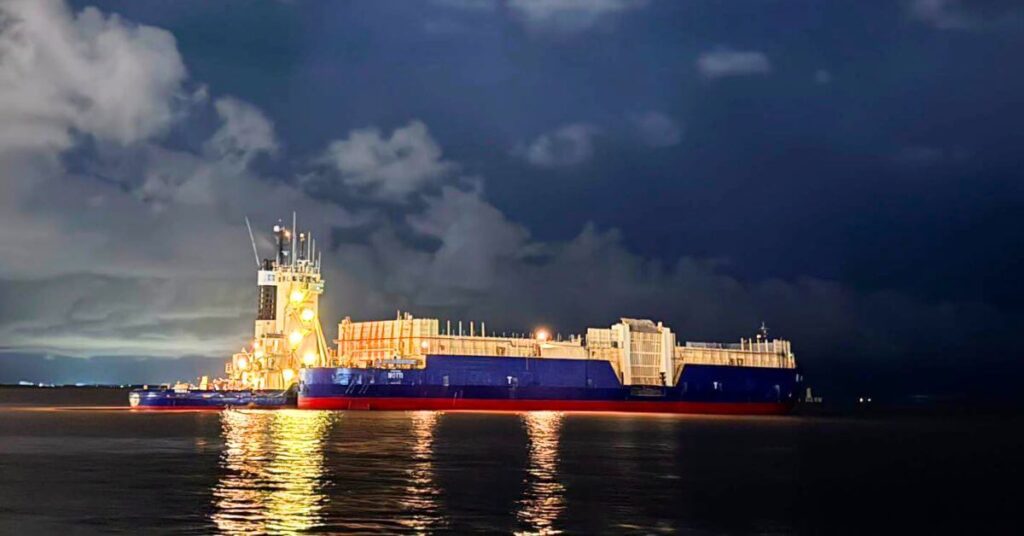
    The aid cargo, carried by a joint vessel, contains 1,700 tons of food staples and other critical relief supplies, targeted to reach vulnerable Cuban communities directly amid worsening conditions driven by long-standing U.S. energy sanctions. Ana Luisa Vallejo Barba, Mexico’s ambassador to Belize, reaffirmed Mexico’s unwavering commitment to standing with Cuba through the crisis, framing the current hardship as a clear humanitarian emergency that demands collective cross-border action.

    “From our perspective, this is a humanitarian crisis, and we have always stepped forward to assist in such situations,” Vallejo Barba told reporters, referencing the departure of the aid vessel from Belize last Saturday ahead of its Sunday arrival. She added that Mexico has partnered closely with Belize and other Caribbean nations to streamline the delivery process, cutting red tape to ensure the supplies reach the Cuban people who need them most rather than being held up by bureaucratic hurdles.

    When asked about the risk of pushback from the United States over the joint aid effort, Vallejo Barba emphasized that Mexico’s support for Cuba is a long-standing, principle-driven position that will not change. She noted that Mexico was the only country in the region that openly opposed Cuba’s expulsion from the Summit of the Americas, a stance the nation has maintained consistently for decades.

    Cuba has continued to face crippling economic strain since the tightening of U.S. energy sanctions and a broader trade embargo that has restricted access to fuel, medical imports, and essential goods for years. The ongoing energy blockade has exacerbated existing inflation, food shortages, and infrastructure gaps, pushing the country into what analysts describe as one of the most severe crises it has experienced since the 1990s. This joint delivery from Belize and Mexico marks one of the largest coordinated regional aid shipments to reach Cuba in recent months, highlighting growing regional support for the island amid ongoing international pressure.

  • Mexican Ambassador Invites Belizeans to Chetumal

    Mexican Ambassador Invites Belizeans to Chetumal

    In a recent interview dated June 9, 2026, Ana Luisa Vallejo Barba, Mexico’s Ambassador to Belize, addressed growing public concerns over cross-border cartel-linked violence in the Yucatan Peninsula and called on Belizean travelers to return to the popular border city of Chetumal, emphasizing that the destination remains safe for visitors.

    Widespread questions have emerged in recent months over whether Belize faces rising risks of spillover criminal activity from neighboring Mexico, where cartel violence has disrupted parts of the Yucatan Peninsula. Ambassador Vallejo Barba acknowledged that cross-border organized crime is a shared transnational challenge that requires coordinated action, but stressed that longstanding security partnerships between the two nations remain robust and effective.

    “ It’s a challenge we are facing and it is a transnational problem that we will have to work out together. But right now, the Mexican government has reinforced the security, mainly in the southern part of Mexico, so please come again to Chetumal. It is safe and everybody is waiting for you,” the ambassador stated.

    When asked to elaborate on the depth of security cooperation, Vallejo Barba confirmed that Belize and Mexico currently operate at least three to four dedicated formal mechanisms for real-time intelligence sharing, joint capacity building, and coordinated response to criminal threats. She noted that information exchange between law enforcement agencies on both sides of the border is fast, reliable, and consistently effective, with joint teams working continuously to mitigate security risks.

    Border security remains a top priority for both Central American nations, as officials from both sides continue to frame close collaboration as the core pillar of maintaining a safe and stable shared border. Beyond security, the conversation also turned to growing economic ties between the two countries, with Ambassador Vallejo Barba highlighting untapped trade potential for key Belizean agricultural products in the Mexican market.

    The ambassador reported that Mexican businesses have expressed rising demand for Belizean exports, particularly in the cattle and coconut sectors. Currently, Belize already ships cattle to Mexican buyers, and Vallejo Barba noted that significant room exists to expand this trade relationship, even amid a temporary tariff dispute that is currently under negotiation. “I know that Belize exports cattle to Mexico and they have already the company that were buying every product from Belize. And, I think we have a lot of opportunity in that kind of market. Also, coconut as you mentioned is very important. There are a lot of Mexican companies that are interested in buying products from Belize,” she said.

    To facilitate expanded market access, both sides are currently working to align Belizean product standards with Mexican regulatory requirements, a process that Vallejo Barba says is progressing smoothly. The temporary tariff on Belizean cattle, implemented after a period of duty-free trade, is expected to be resolved through ongoing bilateral discussions in the near future. Officials from both countries remain optimistic that expanded trade will open new, sustainable economic opportunities for Belizean agricultural producers and strengthen bilateral economic ties overall.

  • Suriname en Caribisch rampenagentschap versterken samenwerking tegen klimaatrisico’s

    Suriname en Caribisch rampenagentschap versterken samenwerking tegen klimaatrisico’s

    Suriname’s government has announced plans to expand existing cooperation with the Caribbean Disaster Emergency Management Agency (CDEMA), a regional body focused on climate and disaster resilience, to boost the nation’s preparedness for extreme weather events including floods, high wind events and other natural disasters. The announcement came out of a formal meeting Tuesday between Suriname President Jennifer Simons and CDEMA Director Elizabeth Riley.

    Riley traveled to the Surinamese capital for the talks, joined by Jerry Slijngard, coordinator of the National Coordination Center for Disaster Reduction (NCCR), Suriname’s national disaster management authority. The delegation met with President Simons at the President’s Cabinet, where discussions centered on what support Suriname can access through the CDEMA regional network across three core areas: disaster risk management, climate resilience, and emergency crisis response.

    Speaking via Suriname’s Communication Service (CDS), Slijngard outlined that the meeting served two key purposes: first, to update the president on CDEMA’s core mandate and operating structure, and second, to lay out pathways for deeper bilateral engagement. “This was not just an introductory meeting,” Slijngard explained. “It was also an opportunity to map out the targeted support CDEMA can provide to Suriname as we develop and strengthen our national disaster management framework.”

    Talks also covered the ongoing joint work program between CDEMA and NCCR, which currently focuses on capacity-building activities including specialized training for first responders, large-scale disaster simulation exercises, development of updated national response plans, and public awareness campaigns to educate communities on disaster preparedness.

    Director Riley emphasized during the discussions that like its neighboring Caribbean nations, Suriname has faced a rising frequency of extreme weather events driven by climate change in recent years. Specific challenges highlighted during the meeting included repeated destructive flooding in Suriname’s interior regions and growing infrastructure damage from severe wind storms.

    Riley noted that Suriname stands to gain significantly from regional knowledge sharing, pointing to proven disaster risk reduction techniques that have already been successfully implemented across other CDEMA member states. One example discussed during the meeting was improved engineering methods for anchoring roof structures to buildings, a modification that has been shown to drastically reduce wind damage during tropical storms.

    In addition to discussing future support for Suriname, Riley also publicly recognized the nation’s longstanding solidarity within the regional CDEMA network. “When fellow member states face devastating natural disasters, Suriname has always stepped forward with rapid assistance,” Riley said. “This consistent show of solidarity is deeply valued across our entire CDEMA community.”

    At the close of the meeting, both Simons and Riley reaffirmed their shared commitment to deepening bilateral and regional cooperation, with the overarching goal of boosting Suriname’s national climate and disaster resilience, ensuring the country is better positioned to respond to future natural disasters and climate-related hazards.

  • ‘Please Come to Chetumal’: Mexico Ambassador Addresses Safety Fears

    ‘Please Come to Chetumal’: Mexico Ambassador Addresses Safety Fears

    In a public appearance on the popular local talk show *Open Your Eyes* on June 9, 2026, Ana Luisa Vallejo Barba, Mexico’s recently confirmed ambassador to Belize, moved directly to address growing safety concerns that have deterred Belizean travelers from crossing the border into southern Mexico. Opening her appeal to visitors, the ambassador extended a warm invitation: “Please come again to Chetumal. It’s safe, and everybody’s waiting for you.”

    Vallejo Barba acknowledged that security challenges persist in multiple Mexican states, but emphasized that the federal government has implemented sweeping additional security measures specifically focused on the southern border region adjacent to Belize. Widespread anxiety over travel safety in the area stems from a surge in drug cartel activity that intensified dramatically following the high-profile capture of Nemesio Rubén Oseguera Cervantes, the notorious cartel leader widely known as “El Mencho.” Critics have labeled the operation that led to El Mencho’s arrest as poorly planned and destabilizing.

    Pushback against the grim narratives circulating online and in local discourse, the ambassador contended that the actual on-the-ground situation has improved dramatically after the security reinforcement. She argued that sensationalized misinformation has wildly exaggerated the scope of instability, noting that the crisis tied to the El Mencho operation was an isolated, 24-hour event that has long since been contained.

    Beyond addressing travel concerns, Vallejo Barba highlighted the robust bilateral security partnership between Mexico and Belize. The two nations maintain a long-standing cooperation mechanisms, including regular intelligence sharing initiatives, joint training programs to build law enforcement capacity, and scheduled high-level command meetings that take place every six months to coordinate cross-border security efforts.

  • Taj Weekes lends voice to climate justice campaign in new animated music video

    Taj Weekes lends voice to climate justice campaign in new animated music video

    To mark this year’s World Environment Day, renowned Saint Lucian reggae musician Taj Weekes has launched a groundbreaking creative project that merges original music and hand-crafted animation to put a much-needed spotlight on the escalating climate crisis facing Caribbean small island nations.

    Titled *Climate Justice*, the animated music video made its official premiere on June 5 as the flagship offering of the Caribbean Climate Justice Project, a regional initiative designed to center Caribbean perspectives in global climate conversations. Unlike traditional policy-focused climate outreach, the production weaves together original musical composition, vivid animated storytelling, and generations-old Caribbean narrative traditions to illustrate a stark, often overlooked truth: Small Island Developing States (SIDS) bear the brunt of climate change impacts despite contributing almost nothing to global greenhouse gas emissions.

    Written and performed by Weekes himself, the track and accompanying visuals dive deep into three interconnected core themes: the acute environmental vulnerability that defines daily life for many Caribbean communities, the quiet resilience that island populations have cultivated in the face of constant climate threats, and the urgent need for coordinated global collective action to address systemic climate inequity. The animation itself was produced entirely locally by Saint Lucia’s own Malfinis Film & Animation Studios, led by creative director Milton Branford, keeping creative ownership of the story within the region it describes.

    Dr. James Fletcher, founder of the Caribbean Climate Justice Project, explained that the initiative was built on a simple but powerful idea: culture and creativity can make the often complex and abstract concept of climate justice far more accessible and engaging, especially for younger generations who will inherit the impacts of today’s climate inaction. “The Caribbean continues to experience some of the most severe consequences of climate change despite contributing minimally to global greenhouse gas emissions,” Fletcher noted, emphasizing that the project’s creative approach helps turn abstract policy talk into a relatable human story.

    The World Environment Day launch event for the video extended beyond the music video premiere, featuring additional cultural programming that highlighted Caribbean artistic responses to climate change. Saint Lucian award-winning poet Kendel Hippolyte delivered a special poetry presentation centered on climate themes, while visual artist Jonathan Gladding unveiled a new large-scale painting that explores the meaning of climate justice for island communities.

    Organizers of the initiative emphasize that the *Climate Justice* video is more than a one-off artistic work: it is a core component of a broader regional effort to deepen public understanding of climate equity issues and amplify underrepresented Caribbean voices in both regional and international climate policy discussions. To extend the project’s reach, organizers are actively encouraging individuals, primary and secondary schools, and non-profit and community organizations across the Caribbean to adopt the video as both an educational resource and an advocacy tool to push for more ambitious global climate action.

  • Tropical Storm Cristina Forms Off Nicaragua

    Tropical Storm Cristina Forms Off Nicaragua

    The 2026 Eastern Pacific hurricane season has produced its second named storm, and the first tropical hazard for Central America, as Tropical Storm Cristina formed off Nicaragua’s Pacific coastline over the weekend. Upgraded from Tropical Depression Three-E by the U.S. National Hurricane Center (NHC) on Monday afternoon, the system has already triggered official warnings across a wide stretch of the region’s Pacific shoreline.

    As of the NHC’s latest update, Cristina is positioned roughly 105 miles west-northwest of Nicaragua’s capital Managua. The storm currently carries maximum sustained winds of 45 miles per hour and is creeping northeastward at just 3 miles per hour, a glacial pace that has raised concerns among forecasters and local emergency management teams. A Tropical Storm Warning is now in effect for the entire Pacific coast from Nicaragua’s Puerto Sandino northward to the border crossing between Guatemala and El Salvador.

    Authorities across Nicaragua and El Salvador have activated continuous monitoring protocols, as current projections show the system will remain stalled near the Central American coastline for multiple days. The primary danger posed by Cristina is not extreme wind, but extreme precipitation: forecasters warn that prolonged, heavy rainfall will sweep through parts of Costa Rica, Nicaragua, Honduras, El Salvador, and Guatemala through the middle of the week, creating conditions for life-threatening flash flooding and catastrophic landslides.

    The NHC projects widespread rainfall accumulations between 4 and 8 inches across the region, with isolated, hard-hit areas seeing as much as 12 inches of rain. Low-lying coastal communities and mountainous villages, which are particularly prone to soil displacement and flash inundation, have been flagged as the most vulnerable populations. While meteorologists predict Cristina will slowly weaken in strength by midweek, its unusually slow forward movement means the threat of sustained rainfall will be stretched out across days, amplifying the risk of weather-related disasters.

    Cristina marks the second named storm of the 2026 Eastern Pacific hurricane season, following closely on the heels of Tropical Storm Boris. That earlier system formed off Mexico’s Pacific coast, moved inland over southern Mexico, and dissipated fully by Tuesday.