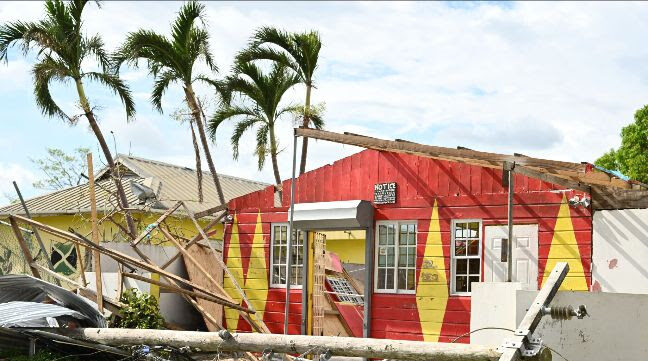
The Caribbean Community (CARICOM) Development Fund (CDF) has authorized a $500,000 relief package to assist Jamaica in recovering from the devastating impact of Hurricane Melissa. The decision was formally approved by the CDF’s Board of Directors on November 19, 2025, under the Emergency Disaster Assistance Facility (EDAF), as announced by CARICOM Communications. This funding follows an earlier $300,000 grant allocated to the Caribbean Disaster Emergency Management Agency’s (CDEMA) Regional Response Mechanism (RRM), which facilitated the deployment of the Rapid Needs Assessment Team (RNAT) to assess the damage. Hurricane Melissa, a powerful late-season storm, caused widespread destruction across Jamaica, including severe flooding, wind damage, and infrastructure collapse. Many parishes reported significant disruptions to transportation, utilities, and community services, exacerbating vulnerabilities and hindering recovery efforts. The newly approved aid will focus on debris removal, reopening critical access routes, and addressing public health and environmental risks. The initiative is being implemented in collaboration with the United Nations Development Programme’s (UNDP) Multi-Country Office in Jamaica. CDF CEO Rodinald Soomer emphasized the Fund’s commitment to regional solidarity, stating, ‘This relief package reflects our belief in shared responsibility and aims to not only rebuild but also strengthen resilience against future disasters.’
分类: world
-

United States warns against flying over Venezuelan airspace
The United States Federal Aviation Administration (FAA) has issued a critical security notice to airmen (NOTAM) regarding potential hazards in Venezuelan airspace. The alert, released late Friday, highlights increased global navigation satellite system (GNSS) interference and the commencement of military exercises in Venezuela starting September. While several airlines continued operations to and from Venezuela on Saturday, U.S. operators are now mandated to provide the FAA with a 72-hour advance notice before traversing Venezuelan airspace. This measure supplements an existing 2019 order that already prohibits U.S. airlines from flying to or from Venezuela. The NOTAM specifically addresses the MAIQUETIA (SVZM) flight information region (FIR), which encompasses all of Venezuela’s landmass and extends approximately 350 miles into the Caribbean Sea. Notably, flight information regions, such as MAIQUETIA FIR, are administrative divisions for air traffic control and do not align with national boundaries. The FAA’s advisory underscores growing concerns over aviation safety in the region amid heightened geopolitical tensions.
-
Six airlines cancel Venezuela flights after US warning
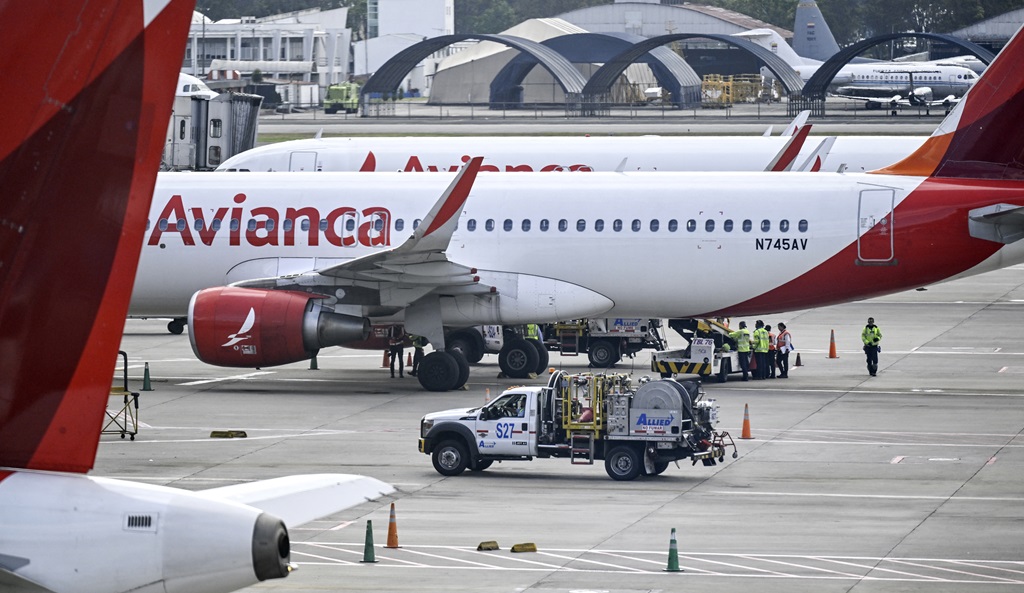
CARACAS, Venezuela — In a significant development, six international airlines have suspended their flights to Venezuela following a warning from the US Federal Aviation Administration (FAA) about heightened military activity and deteriorating security in the region. The airlines affected include Spain’s Iberia, Portugal’s TAP, Chile’s LATAM, Colombia’s Avianca, Brazil’s GOL, and Trinidad and Tobago’s Caribbean Airlines, according to Marisela de Loaiza, president of the Venezuelan Airlines Association (ALAV). The duration of these suspensions remains unspecified. Meanwhile, Panama’s Copa Airlines, Spain’s Air Europa and PlusUltra, Turkish Airlines, and Venezuela’s LASER continue to operate flights. The FAA’s advisory, issued on Friday, cautioned civilian aircraft in Venezuelan airspace about potential risks at all altitudes, including during takeoff, landing, and overflight, as well as threats to grounded aircraft and airports. This warning comes amid a major US military buildup in the region, including the deployment of an aircraft carrier strike group, Navy warships, and stealth aircraft. While Washington claims these measures are aimed at combating drug trafficking, they have raised concerns in Caracas about potential regime change. Additionally, a US terrorism designation targeting a drug cartel allegedly led by Venezuelan President Nicolas Maduro takes effect Monday, fueling speculation about possible military action. Since early September, US forces have conducted strikes against over 20 vessels in the Caribbean Sea and eastern Pacific Ocean, resulting in more than 80 deaths. However, the US has not provided concrete evidence linking these vessels to drug smuggling, exacerbating regional tensions.
-
ASJA calls for peaceful dialogue amid tension in the region
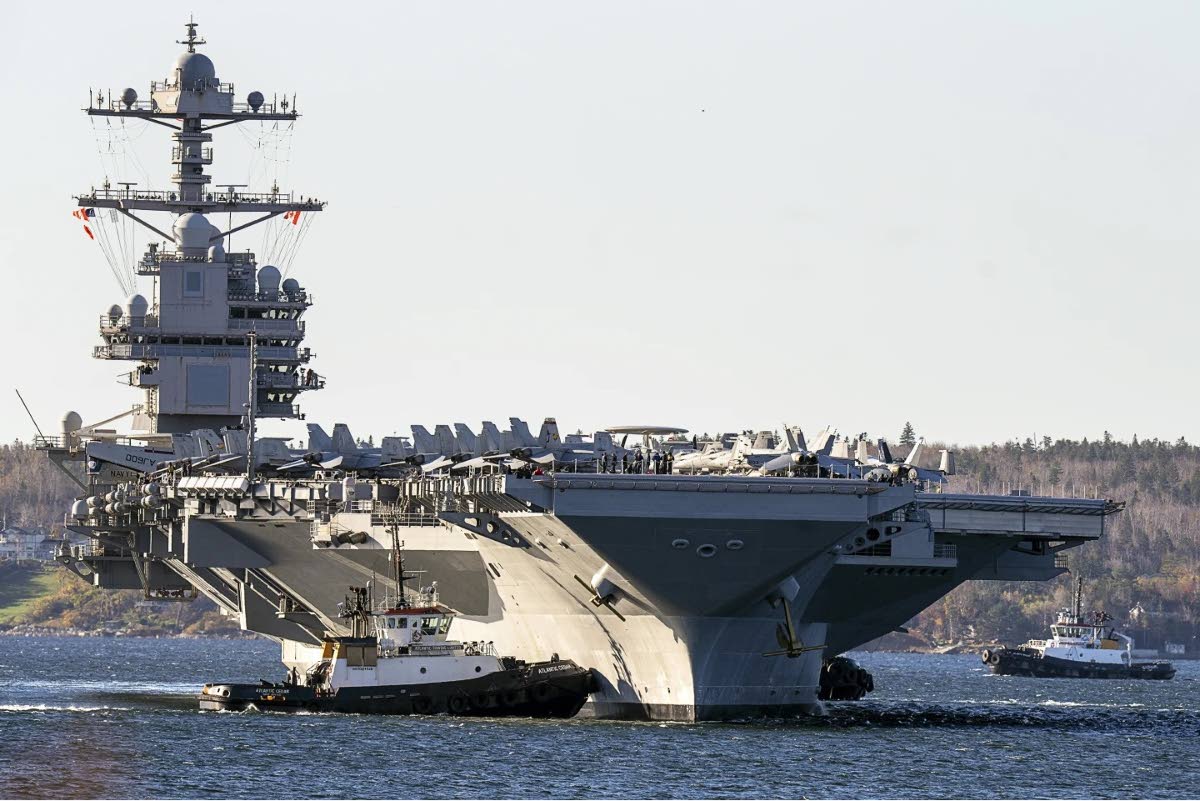
The Caribbean region is witnessing escalating tensions as the USS Gerald R Ford, the world’s largest military aircraft carrier, has entered the southern Caribbean Sea. This development coincides with growing concerns over the crisis between Venezuela and the increasing presence of US military forces in the area. In response, religious organizations have issued urgent calls for peace and dialogue. On November 21, the Anjuman Sunnat-ul-Jamaat Association Inc (ASJA), one of the oldest and largest Muslim organizations in Trinidad and Tobago, released a statement expressing deep concern over the situation. ASJA emphasized the Caribbean’s historical role as a zone of peace and urged leaders to prioritize diplomacy and mutual respect over aggression. The statement highlighted the devastating consequences of war, citing examples from Iraq, Syria, Palestine, and Afghanistan, and stressed the sanctity of life in Islamic teachings. ASJA called for moral responsibility and caution in addressing conflicts. Earlier, on November 17, the Catholic Commission for Social Justice (CCSJ) also voiced solidarity with other religious bodies, expressing concern over the humanitarian crisis and condemning extrajudicial killings in international waters. The CCSJ emphasized the need for dialogue, compassion, and adherence to international law.
-

BRI, a new international dynamic driven by China
In a recent dialogue with Prensa Latina, Cuban academician Eduardo Regalado highlighted the transformative impact of the Belt and Road Initiative (BRI) on Latin America. Regalado emphasized that the megaproject has significantly contributed to infrastructure development, enhanced connectivity, facilitated technology transfer, and promoted environmental conservation efforts. Moreover, it has opened new avenues for trade and investment cooperation between Latin America and other participating nations. Regalado underscored that the BRI provides an alternative development pathway for Global South countries, particularly in Latin America, offering access to financing, advanced technologies, and collaborative opportunities without the political constraints often associated with traditional global financial mechanisms.
French academician Jean-Pierre echoed these sentiments, noting that the BRI has evolved from a conceptual project into a tangible reality that is reshaping international dynamics. He described the initiative as a viable alternative to the faltering capitalist system, aligning with Chinese President Xi Jinping’s five proposals for global governance. Jean-Pierre emphasized that the BRI is grounded in principles of non-intervention, respect for sovereignty, solidarity, and peace, making it a unique model for international cooperation.
Both experts are participating in the sub-forum ‘Belt and Road Initiative, Civilizational Dialogue,’ held as part of the Yangtze River Culture Forum. The event has brought together approximately 300 scholars from over 30 countries to discuss the BRI’s role in fostering global development and cross-cultural understanding.
-
CARICOM IMPACS workshop enhances collective efforts to combat illegal glass eel trafficking
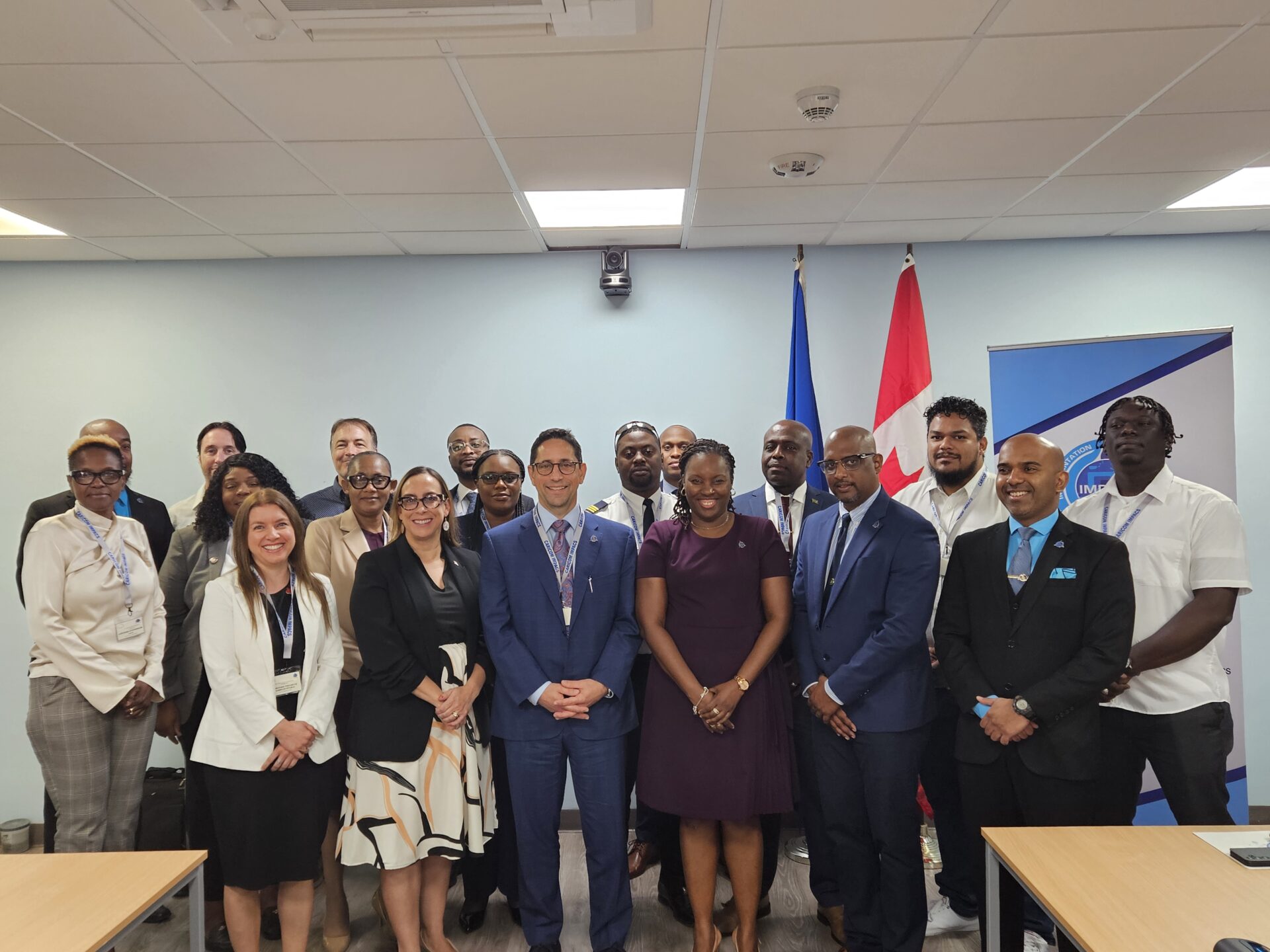
A high-level workshop addressing the illegal trafficking of glass eels, a critical issue linked to transnational organized crime, commenced on November 20, 2025, in Bridgetown, Barbados. Organized by CARICOM IMPACS, the event brought together law enforcement, customs, fisheries, and environmental protection agencies from across the Caribbean to strengthen their investigative capabilities and combat this growing threat.
-

Prime Minister Browne says Jamaica can bounce back bigger and better from Hurricane Melissa
Gaston Browne, Prime Minister of Antigua and Barbuda, has expressed unwavering solidarity with Jamaica in the aftermath of Hurricane Melissa, drawing parallels to his nation’s recovery from Hurricane Irma in 2017. Speaking during a visit to affected areas in Westmoreland on November 17, Browne emphasized the resilience of Caribbean nations and the importance of unity in overcoming natural disasters.
Reflecting on Antigua and Barbuda’s experience with Hurricane Irma, which devastated the island of Barbuda, Browne highlighted the nation’s ability to rebuild stronger and better. He stressed that Jamaica, too, can emerge from this crisis with renewed strength.
Browne underscored Antigua and Barbuda’s tangible support for Jamaica, including the deployment of linesmen to assist with recovery efforts, a financial contribution to relief programs, and the planned dispatch of soldiers from the Antigua and Barbuda Defence Force.
Calling for international financial institutions to provide concessional financing for resilient reconstruction, Browne warned that the cost of inaction would be measured in lives and livelihoods. He urged Jamaica and the wider Caribbean to view rebuilding as an opportunity to create more robust and sustainable infrastructure.
“We are a small country, but our solidarity is mighty,” Browne declared, reaffirming his nation’s commitment to supporting Jamaica and advocating for resilient rebuilding across the Caribbean. His message was one of hope and perseverance, emphasizing the collective strength of Caribbean people in the face of adversity.
-
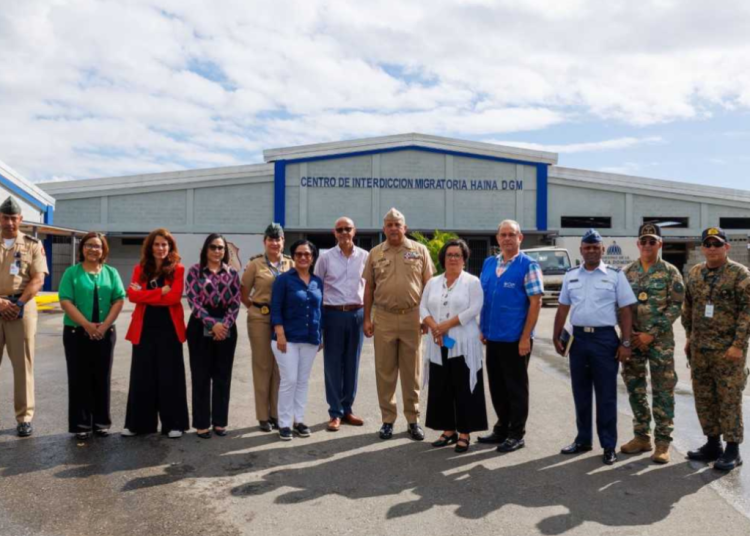
UN delegation visits Haina Migration Center to review procedures
A high-level delegation from the United Nations’ permanent office in the Dominican Republic recently conducted an inspection of the Haina Migration Processing Center (CPM). The visit was led by UN Resident Coordinator Julia Sánchez, who was welcomed by Vice Admiral Luis Rafael Lee Ballester, Director of the General Directorate of Migration (DGM). During the tour, Lee Ballester provided a comprehensive overview of the procedures applied to undocumented foreigners at the facility, including biometric identification, legal processes, and medical care. He also addressed questions from the delegation regarding the center’s operations and ongoing infrastructure improvements. Sánchez expressed her appreciation for the detailed explanations and reaffirmed the UN’s commitment to supporting the Dominican government in managing migration challenges. She highlighted the complexities arising from the crisis and institutional weaknesses in Haiti, which significantly impact migration control efforts in the Dominican Republic. The delegation also reviewed verification procedures for detainees, such as identity checks, detection of forged documents, and monitoring of recidivism. They acknowledged the collaborative efforts between the DGM and UN agencies like UNICEF, IOM, and UNHCR, which work to protect migrants’ rights and well-being. Lee Ballester emphasized the strong coordination between the DGM and these agencies, particularly UNICEF’s permanent presence at the Haina center, especially in cases involving children. The delegation concluded their visit by touring the facilities and receiving updates on investments and upgrades aimed at enhancing the center’s operations.
-

Fire erupts at COP30 Climate Summit in Brazil, disrupting final hours of negotiations
The pivotal UN climate conference, COP30, was abruptly interrupted on Thursday when a fire erupted within the venue in Belém, Brazil, prompting a large-scale evacuation and potentially postponing the summit’s final agreement. BBC correspondents on-site reported witnessing flames and smoke in the pavilion area before being swiftly evacuated. Fire engines were seen speeding toward the location, a repurposed aerodrome now functioning as the conference center. Initial reports suggest the fire originated in one of the country pavilions. Witnesses described chaotic scenes, with Dr. Harshita Umesh, a speaker nearby, recounting, “It was climbing the walls and onto the ceiling. People were screaming. Then I ran, I think I tripped and fell.” Medical teams responded promptly, with emergency medicine specialist Kimberly Humphrey noting that injuries were primarily related to smoke inhalation, including one case of lung damage. Dr. Umesh confirmed that while no burn injuries were reported, some first responders inhaled toxic fumes and required oxygen masks. A woman was seen being wheeled away, though her condition’s direct link to the fire remains unclear. The incident occurred during the summit’s critical final hours, where nearly 200 nations were striving to reach consensus on climate action. The fire has effectively paused negotiations, with several delegations, including the UK’s, seeking shelter outside under a nearby petrol station’s roof. Hundreds of attendees were left sitting outdoors in sweltering heat and humidity, while others opted to leave the venue entirely. The UN, overseeing the climate talks, confirmed that fire safety checks are underway, with Brazilian authorities temporarily managing the summit. The fire is expected to delay the finalization of COP30’s agreement.
-

UK Says Russian Spy Ship Fired Lasers at RAF Pilots in “New Era of Threat”
In a significant escalation of diplomatic tensions, the United Kingdom has accused a Russian intelligence vessel of targeting Royal Air Force (RAF) pilots with lasers. The incident occurred near the UK’s exclusive economic zone north of Scotland, where the Russian ship Yantar was reportedly conducting intelligence-gathering operations. Defence Secretary John Healey, in a speech in London, confirmed that an RAF Poseidon P-8 aircraft was deployed to monitor the vessel and that its crew reported being targeted by laser beams. Healey described the incident as part of a broader pattern of increasingly aggressive Russian behavior, including recent drone incursions into NATO airspace and acts of sabotage across Europe. The Russian Embassy in London dismissed the accusations as “provocative,” asserting that the Yantar is an oceanographic research vessel operating legally in international waters. This marks the second time this year the UK has publicly called out the Yantar for activities linked to Russia’s secretive deep-sea intelligence unit, GUGI, but the first time Britain has accused Russia of directing lasers at its aircraft.