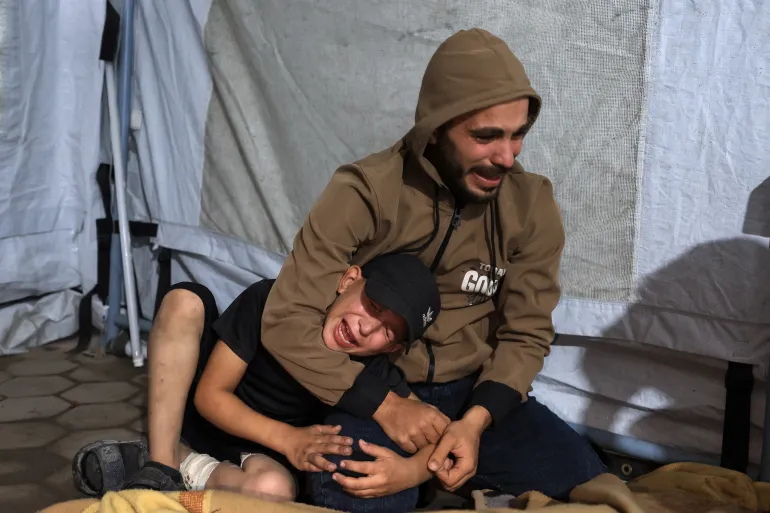
In a significant escalation of violence, at least 28 Palestinians have been killed in a series of Israeli attacks on the Gaza Strip, according to medical sources cited by Al Jazeera. This marks one of the most severe breaches of the US-brokered ceasefire that took effect last month. The Palestinian Health Ministry in Gaza reported that 77 others were wounded in the bombardment, with the toll expected to rise. The strikes targeted key areas, including southern Gaza’s al-Mawasi region, a junction in eastern Gaza City’s Shujayea district, and a building in the Zeitoun neighborhood, where an entire family was among the victims. Al Jazeera’s Hani Mahmoud described the attacks as intensifying panic across Gaza, where daily horrors persist despite the ceasefire. Israel justified the strikes as a response to alleged fire on its troops in Khan Younis, a claim Hamas dismissed as a pretext for further violence. The Palestinian group accused Israeli Prime Minister Benjamin Netanyahu of seeking to resume a ‘genocide’ against Palestinians. Meanwhile, tensions flared in Lebanon following Israeli bombings of a Palestinian refugee camp, killing over a dozen people. The violence coincides with the UN Security Council’s recent resolution endorsing a US-backed peace plan for Gaza, which Hamas and other Palestinian factions have rejected, calling it a threat to Palestinian self-determination. Critics argue that Israel’s repeated violations of the ceasefire—totaling at least 393 incidents since October 10—undermine international efforts for peace. Khaled Elgindy of the Quincy Institute warned that without US enforcement, the ceasefire risks becoming a facade for continued war.
分类: world
-

Hunger and war: The oldest crime the world still permits
A recent UN report has unveiled a grim reality: the world’s most powerful nations have grown indifferent to human suffering, prioritizing military expenditures over addressing global hunger. The World Food Programme estimates that ending hunger by 2030 would require just $93 billion annually—less than 1% of the $21.9 trillion spent on militaries over the past decade. Yet, hunger continues to escalate, with 318 million people projected to face crisis-level hunger by 2026, double the figure from 2019. While wealthy nations enjoy food security, regions like Gaza, Sudan, the Democratic Republic of Congo, and Haiti bear the brunt of conflict-driven famine. In Gaza, despite ceasefire talks, children starve amidst Israeli blockades and bombardment. Sudan and Congo face catastrophic food shortages due to violence and displacement, while Haiti’s hunger crisis is exacerbated by gang dominance and political instability. Latin America and the Caribbean offer a glimmer of hope, with hunger declining for the second consecutive year in 2023, thanks to economic recovery and social programs. However, climate change poses a growing threat, with extreme weather events exacerbating food insecurity. The war in Ukraine has underscored the interconnectedness of global food systems, as stalled grain exports triggered price spikes and social unrest worldwide. UN agencies like the World Food Programme and the UN Human Rights Office work tirelessly to address these crises, but chronic underfunding and political inaction hinder their efforts. The UN Security Council’s failure to treat hunger as a geopolitical threat highlights the lack of political will to allocate resources effectively. Ending hunger is not just a moral imperative but a prerequisite for global peace and security. As UN Deputy Secretary-General Amina Mohammed warned, “there can be neither peace where people are starving, nor security where hunger drives conflict.” This stark reminder demands urgent action from the international community.
-
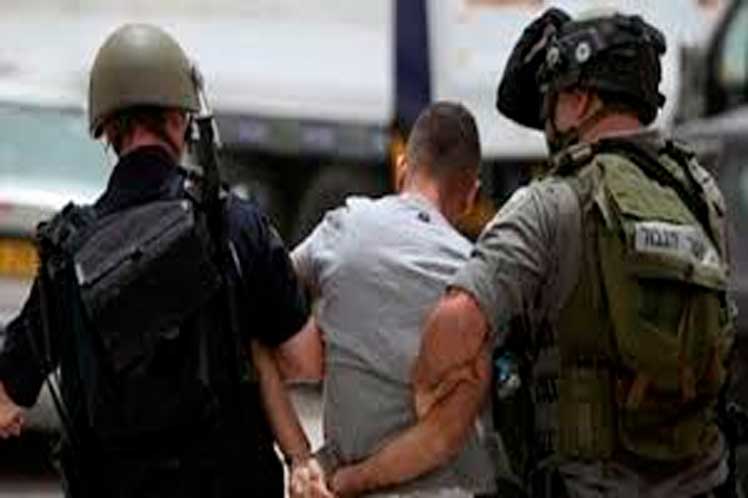
Israel arrests dozens of Palestinians after raids in the West Bank
In a series of coordinated operations across the West Bank, Israeli forces have arrested 55 individuals in Beit Ummar, located in the southern Hebron Governorate, alongside nine arrests in Nablus and one in Tulkarm. Concurrently, a military checkpoint was established in the village of Al-Mughayyir, where soldiers conducted extensive vehicle searches, leading to significant traffic disruptions. These actions come amid a surge in violent incidents involving Jewish settlers targeting Palestinian communities, exacerbating existing tensions in the region. Palestinian sources report that extremist settlers carried out 766 attacks against Palestinians in October alone. The situation further intensified yesterday when Israeli forces killed two young men in Kafr Aqab, a town north of occupied East Jerusalem. According to the NGO Defense for Children Palestine, over fifty Palestinian children have lost their lives due to Israeli fire since the start of the year, highlighting the escalating humanitarian crisis in the territory.
-

Demonstration in Bologna against Israeli crimes in Gaza
The historic Piazza Maggiore in Bologna, the capital of Italy’s Emilia-Romagna region, became the epicenter of a fervent protest in solidarity with the Palestinian people. Demonstrators, armed with Palestinian flags and impassioned slogans, marched through the city streets, as reported by Il Fatto Quotidiano. The protest, fueled by outrage over the ongoing Israeli military actions in Gaza—which have reportedly claimed over 67,000 Palestinian lives—quickly escalated into violent confrontations with law enforcement. Police deployed water cannons and charged at the protesters, who retaliated by hurling firecrackers, stones, and bottles. The streets between Via Lame, Via Marconi, Ugo Bassi, and Piazza Malpighi transformed into chaotic battlegrounds, with makeshift barricades intensifying the conflict. The clashes left eight police officers injured and 15 demonstrators under investigation. Meanwhile, the city center remained tense late into the night, with a heavy police presence working to restore order and prevent further escalation. The protest coincided with a scheduled Euroleague basketball game at the Paladozza sports center, where authorities had stationed a significant police force to block demonstrators from reaching the venue.
-

Who is paying attention to COP30? Fossil fuel on fire!
The 30th Conference of the Parties on Climate Change (COP 30) concluded on Friday, November 21, 2025, in Belém, Brazil, after two weeks of intense negotiations. The event brought together global leaders, youth representatives, academics, and activists to address the escalating crisis of climate change. Despite three decades of discussions, the world continues to grapple with the devastating impacts of a warming planet, including intensified hurricanes and environmental degradation. Two primary strategies—mitigation and adaptation—remain central to the climate response. Mitigation focuses on reducing greenhouse gas emissions, while adaptation involves implementing policies to cope with climate impacts. However, progress on both fronts has been limited, particularly in curbing emissions. At COP 30, 83 nations, including many Caribbean island states, called for an end to fossil fuel use. This demand, however, faced resistance from countries with strong fossil fuel economies, such as Trinidad and Tobago and Guyana. The draft agreement, titled ‘Global Mutirão: Uniting humanity in a global mobilisation against climate change,’ notably omitted any reference to transitioning away from fossil fuels, a key outcome of COP 28. As negotiations extended into overtime, tensions flared over the inclusion of fossil fuel language in the final text. Small island nations, while advocating for stronger climate action, appeared willing to compromise for increased financial support to adapt to climate impacts. The final outcome of COP 30 remains uncertain, but the urgency of the climate crisis underscores the need for decisive global action.
-
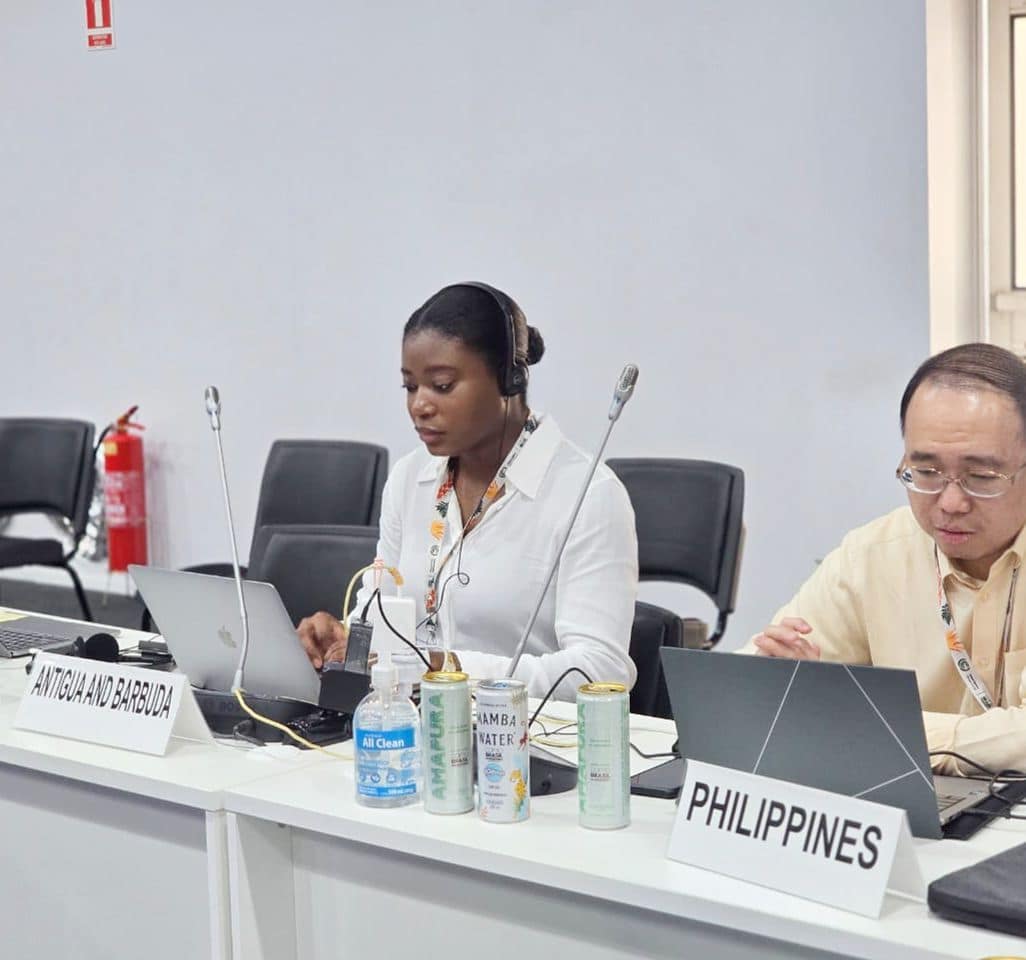
Gita Nicholas Focuses on Just Transition At CoP 30, Brazil
At the 30th Conference of the Parties (COP30) in Belém, Brazil, Antigua and Barbuda is taking a leading role in advocating for a Just Transition Work Programme (JTWP) that addresses the unique challenges faced by Small Island Developing States (SIDS). Represented by Gita Nicholas, Technical Officer at the Department of Environment, the nation is emphasizing the need to place people at the center of climate action while ensuring equitable access to finance, technology, and resources. The JTWP serves as a collaborative framework for countries to develop low-emission, climate-resilient pathways that protect workers, frontline communities, and vulnerable populations. For Antigua and Barbuda, this initiative is critical to mitigating the severe impacts of climate change, including rising temperatures, intensifying storms, and economic vulnerabilities tied to fossil fuel dependence. Nicholas highlights the importance of integrating traditional knowledge into adaptation strategies and securing institutional support to accelerate a fair and effective transition. At COP30, the nation is pushing for the operationalization of the JTWP through clear mechanisms that foster capacity-building, resource access, and global equity. These efforts aim to deliver tangible outcomes such as enhanced community resilience, clean energy access, and a more sustainable future for SIDS on the frontlines of climate change.
-
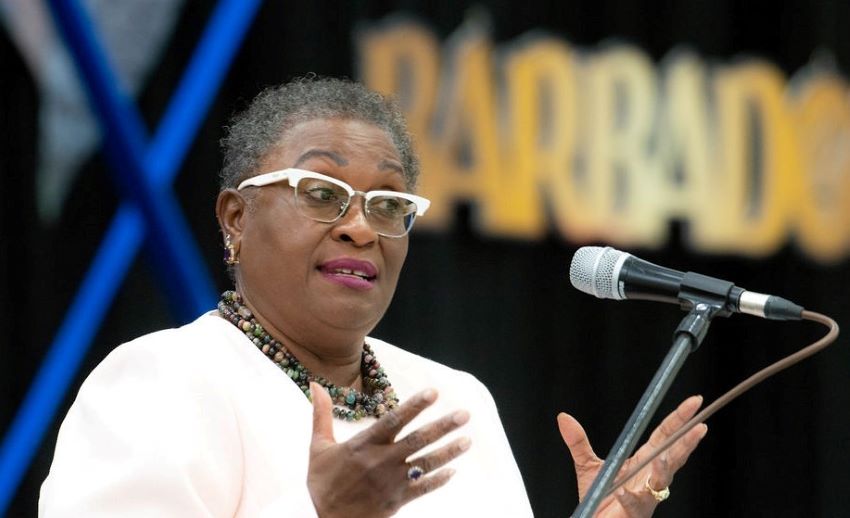
Barbados Implementation Modalities (BIM) are mobilised
The Barbados Implementation Modalities (BIM) have been officially finalized and operationalized during the 7th Meeting of the Fund for Responding to Loss and Damage (FRLD) in Manila, Philippines. This milestone marks a significant step in addressing the financial and operational challenges posed by climate-induced loss and damage. The BIM, initially launched at the FRLD’s Fifth Board Meeting in Barbados earlier this year, establishes the foundational framework for financing, operations, and disbursement processes in the fund’s first phase.
Senator Elizabeth Thompson, Barbados’ Ambassador Extraordinary and Plenipotentiary for Climate Change, Small Island Developing States, and Law of the Sea, praised the board members for their unwavering commitment to the cause. She emphasized the collective effort that brought the BIM to fruition, stating, “Today is your day, and I thank you.”
Ambassador Thompson highlighted the profound impact of climate-induced loss and damage on vulnerable regions, where lives, livelihoods, and economies are pushed to the brink of disaster. She underscored the urgency of scaling up the fund to match the severity of damage caused by extreme weather events, citing the “apocalyptic” devastation of Hurricane Melissa in Jamaica as a stark example.
While celebrating this milestone, Thompson reminded attendees of the ongoing struggles faced by frontline countries battling climate change. She called for sustained efforts to transform and improve lives, emphasizing that the suffering of these nations is not of their own making. The operationalization of the BIM represents a critical step toward addressing these challenges and fostering global resilience.
-
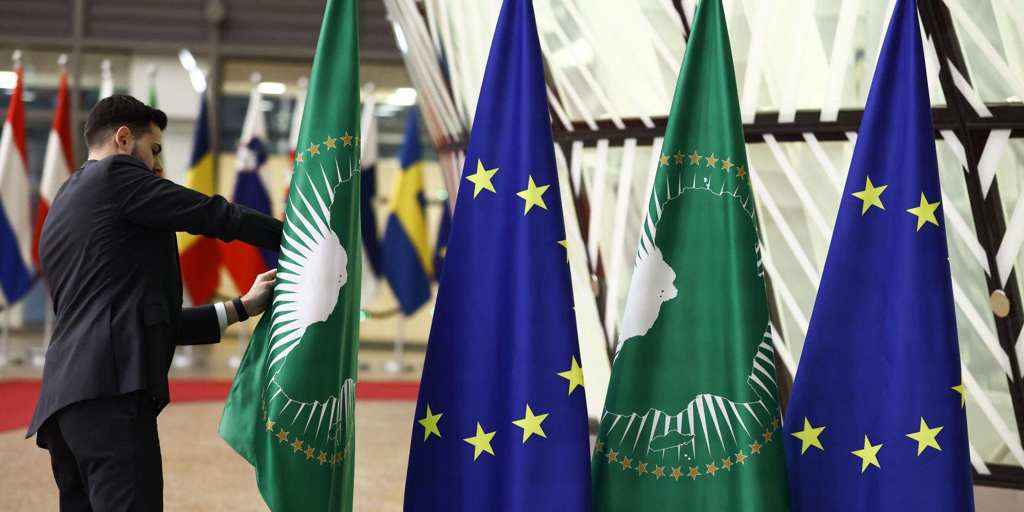
Delegations arriving in Angola for the AU-EU summit
Jorge Cardoso, the Director for Africa, the Middle East, and Regional Organizations at the Angolan Ministry of Foreign Affairs, has announced that 42 heads of state and government have confirmed their participation in an upcoming international summit. Delegations are scheduled to arrive between Saturday and Sunday, with some expected to land as late as Monday. Notably, 42 delegations hail from the African continent, while 26 represent the European bloc. Cardoso, serving as the event’s spokesperson, emphasized the significant European presence, with 14 delegations led by heads of state or government. The summit will also feature the participation of United Nations Secretary-General Antonio Guterres, alongside representatives from key UN specialized agencies. Additionally, the president of the African Development Bank, Sidi Ould Tah, and delegates from various regional organizations have confirmed their attendance, underscoring the event’s global significance.
-

COP30 loopt vast: diepe kloof over afbouw fossiele brandstoffen
The COP30 climate negotiations in Belém, Brazil, have reached a critical impasse as participating nations remain deeply divided over the future of fossil fuels, the central theme of this year’s summit. Weeks of discussions have failed to bridge the gap between countries advocating for a rapid phase-out of oil, gas, and coal and those resisting such measures. The latest draft of the final agreement notably omits any reference to phasing out fossil fuels, drawing sharp criticism from a coalition of nations, scientists, and climate organizations, who argue that this omission is incompatible with the Paris Agreement goals. Small island states, European countries, and some Latin American nations are pushing for binding commitments to accelerate the transition away from fossil fuels. On the opposing side, major oil and gas producers, including Gulf states, Russia, and several African and South American nations, argue that a hard exit from fossil fuels would destabilize their economies. Instead, they advocate for emissions reductions and technological solutions like carbon capture, without binding production limits. Another major sticking point is climate financing. Developing nations are demanding concrete commitments for funds addressing loss and damage, forest protection, and compensation for the economic impacts of climate measures. Wealthy nations, however, remain hesitant to commit without broader participation from emerging economies like China, India, and Brazil. Host country Brazil has called for unity, warning that a failure to reach an agreement would severely weaken global climate action. However, the negotiations have been further complicated by logistical issues, a fire at the conference center, and growing frustration among participants and civil society organizations. The core of the deadlock is clear: while the world seeks to reduce CO₂ emissions, not all nations are willing to cut oil and gas production. Developing countries demand financial guarantees before making commitments, and wealthy nations fear legally binding obligations. Without breakthroughs on fossil fuels and climate financing, a robust final agreement remains unlikely.
-

FLASH : 2 Americans accused of conspiracy against Gonâve Island
In a shocking development, two young men from North Texas have been indicted by a federal grand jury for conspiring to invade Gonâve Island, a Haitian territory with a population of 87,000. Gavin Rivers Weisenburg, 21, of Allen, and Tanner Christopher Thomas, 20, of Argyle, were charged on November 20, 2025, by the U.S. Attorney’s Office for the Eastern District of Texas. The indictment alleges that between August 2024 and July 2025, the duo plotted to recruit and lead a mercenary force to carry out a violent and depraved invasion of the island. Their plans included purchasing a sailboat, firearms, and ammunition, as well as recruiting homeless individuals from Washington, D.C., to form their unit. The men’s sinister objectives involved murdering all male inhabitants to enslave women and children for sexual exploitation. To execute their plan, Weisenburg and Thomas took concrete steps, such as learning Haitian Creole, enrolling in training courses, and even enlisting in the U.S. Air Force to acquire military skills. Weisenburg also traveled to Thailand to complete a sailing course. Additionally, both men face charges of producing child pornography, a related offense included in the indictment. If convicted of conspiracy to commit murder abroad, they could face life imprisonment, while the child pornography charges carry a potential sentence of 15 to 30 years. The case is the result of a joint investigation by the FBI, the U.S. Air Force Office of Special Investigations, and the Celina Police Department, with Assistant District Attorney Ryan Locker leading the prosecution. The District Attorney’s Office emphasized that an indictment does not equate to guilt, and the defendants are presumed innocent until proven otherwise in court.