分类: world

  • Cambodia: Seven civilians killed in Thai airstrikes

    Cambodia: Seven civilians killed in Thai airstrikes

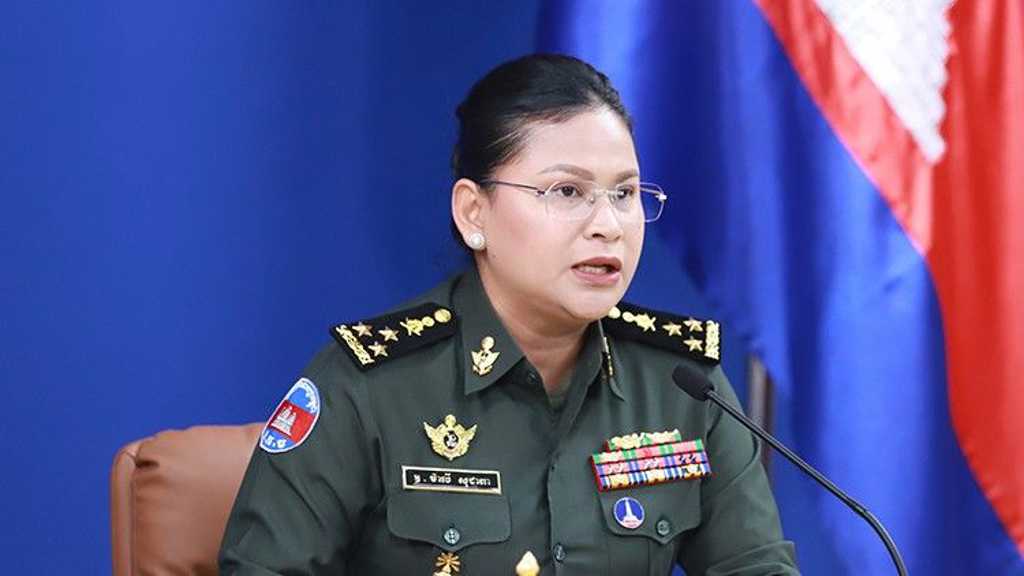
    Cambodian authorities have issued a stern condemnation of Thailand’s military following a series of airstrikes on border-area civilian populations. According to official spokesperson Socheata, preliminary reports from provincial authorities confirm that Thai army operations persisted from Monday through 6:00 AM local time on Tuesday, deliberately targeting non-military zones.

    At an official press briefing, the National Defense Ministry characterized the bombings as ‘inhumane and brutal acts,’ asserting they represent a clear violation of both the existing ceasefire and the Joint Declaration previously ratified by the prime ministers of both nations on October 26. This diplomatic agreement was intended to de-escalate tensions and foster peaceful relations between the neighboring countries.

    The Cambodian Interior Ministry provided specific casualty figures, confirming seven citizens killed across three provinces: one in Preah Vihear, three in Oddar Meanchey, and three in Banteay Meanchey. These fatalities mark a significant escalation in the ongoing border dispute between the Southeast Asian nations.

    International concern continues to mount as United Nations Secretary-General Antonio Guterres expressed apprehension regarding the resurgence of armed conflict. The UN specifically referenced allegations of airstrikes and the mobilization of heavy military equipment along the contested border region, calling for immediate de-escalation and peaceful resolution through diplomatic channels.
  • UN report accuses DRC of 7,000 Rwandan soldiers in the country

    UN report accuses DRC of 7,000 Rwandan soldiers in the country

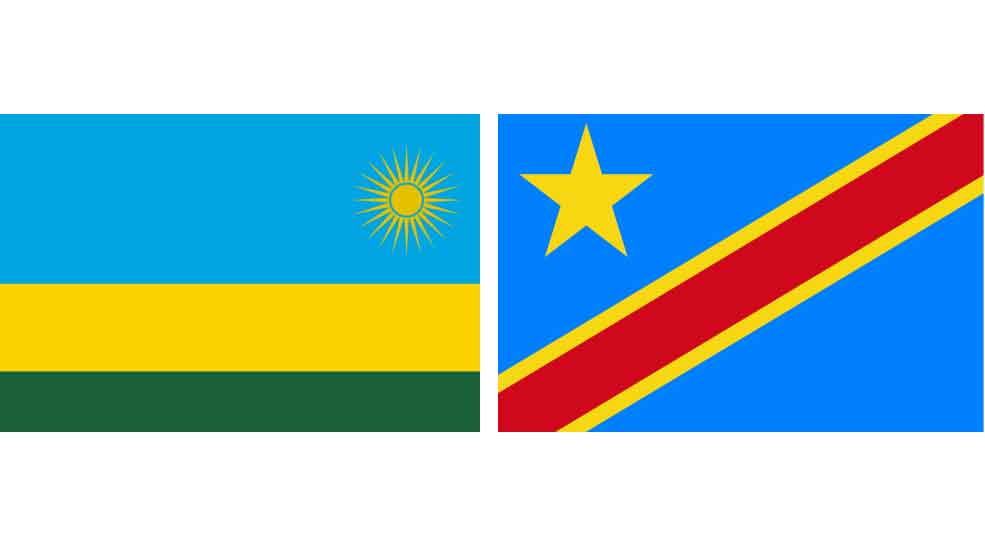
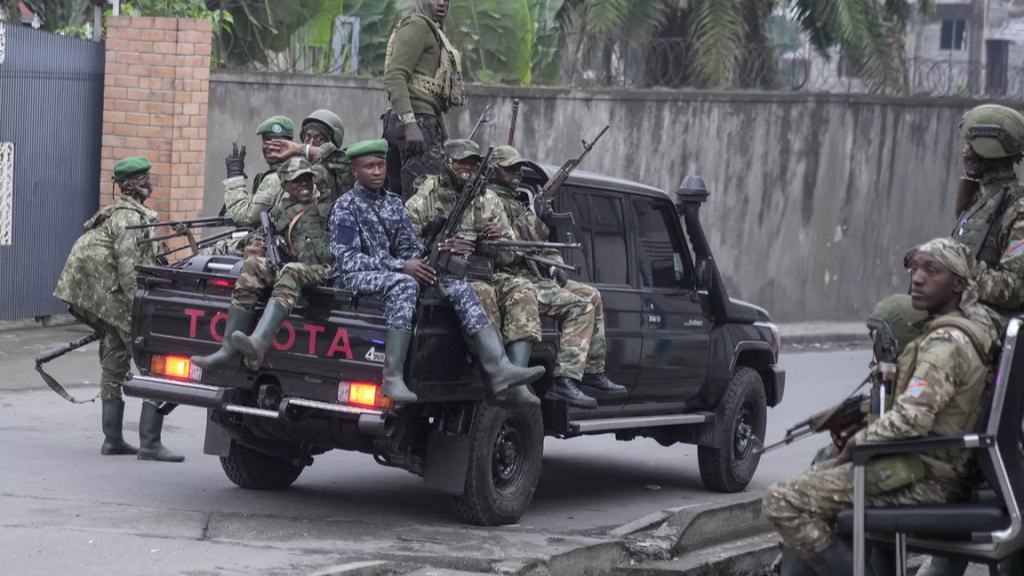
    A detailed investigative report, recently referenced by Congolese media outlet Actualite.CD, presents substantial evidence of Rwanda’s direct military engagement in the eastern Democratic Republic of Congo (DRC). According to the findings, the Rwandan Defense Forces (RDF) have deployed a significant contingent comprising at least two fully-equipped brigades and two specialized battalions within Congo’s volatile North Kivu and South Kivu provinces.

    These forces are reportedly operating in direct support of the M23 rebel movement (March 23 Movement), with documentation placing them actively on front lines rather than in advisory roles. The report specifies that Rwandan personnel are leading combat operations against the Democratic Forces for the Liberation of Rwanda (FDLR) in the strategically significant territories of Nyiragongo and Rutshuru.

    Further analysis reveals these are not conventional army units but specialized formations created specifically for cross-border operations within Congolese territory. The composition includes elite special forces elements supplemented by a considerable number of military reservists, indicating a deliberate and structured military campaign. This deployment represents a significant escalation in regional tensions and contradicts official statements from the Rwandan government regarding its military activities in neighboring Congo.

  • DRC: New clashes leave at least 74 dead

    DRC: New clashes leave at least 74 dead

    The United Nations has issued a stern condemnation of the rapidly deteriorating security situation in the eastern Democratic Republic of Congo (DRC), where intensified combat between rebel forces and national troops is triggering a severe humanitarian emergency. Bruno Lemarquis, the UN Humanitarian Coordinator for the DRC, voiced profound alarm over a significant surge in hostilities involving the M23 rebel group (Alliance of the Congo River-March 23 Movement), the Congolese Armed Forces (FARDC), and their allied militias.

    Lemarquis highlighted a specific period of intense violence from December 2 to 7, during which heavy artillery and aerial bombardments struck densely populated areas. The territories of Uvira, Walungu, Mwenga, Shabunda, Kabare, Fizi, and Kalehe were particularly affected. The relentless nature of the fighting has severely hampered emergency response efforts, leaving medical teams unable to evacuate the wounded from conflict zones.

    In a grave development, the UN coordinator reported targeted assaults on vital civilian infrastructure, including educational institutions. Such actions represent direct and serious breaches of international humanitarian law, which explicitly protects non-combatants and essential public assets during periods of conflict.

    “I am deeply dismayed by the devastating impact of this fighting on the civilian population. It is imperative to prevent further casualties from being added to the already tragic death toll,” Lemarquis stated emphatically. He further demanded an immediate cessation to the use of explosive weaponry in urban centers, declaring that “Civilians and civilian infrastructure are not targets.”

    The human cost of this violence is staggering. Preliminary UN assessments indicate that the recent wave of fighting has displaced over 200,000 individuals within the province since the start of December. Furthermore, a massive cross-border exodus is underway, with thousands of refugees fleeing into neighboring nations, including Burundi and Rwanda, in search of safety.

  • EU mobilises €2 million for Jamaica’s Hurricane Melissa recovery

    EU mobilises €2 million for Jamaica’s Hurricane Melissa recovery

    KINGSTON, Jamaica — In a significant diplomatic engagement, Jamaican State Minister Delano Seiveright from the Ministry of Industry, Investment and Commerce convened high-level talks with European Union representatives and Spain’s Ambassador to Jamaica on Wednesday. The discussions centered on three critical areas: bolstering support for micro and small enterprises, coordinating post-Hurricane Melissa reconstruction efforts, and enhancing bilateral investment frameworks.

    The ministerial dialogue represents a strategic component of Jamaica’s comprehensive plan to fortify its small business sector while strengthening international alliances following the devastating hurricane that inflicted substantial damage to multiple communities. The catastrophic event has necessitated urgent recovery measures and long-term economic stabilization strategies.

    European Union officials presented their multi-faceted emergency support package, detailing a substantial €2 million allocation dedicated to assisting affected Jamaican families. This funding will facilitate reconstruction of damaged infrastructure, restoration of essential services, and revival of livelihood opportunities. Additionally, the EU disclosed a further €1.25 million commitment to bolster Red Cross humanitarian operations in both Jamaica and Cuba, demonstrating the bloc’s regional approach to disaster response.

    These negotiations are anticipated to establish a framework for sustained cooperation between Jamaican authorities and European partners as recovery initiatives progress and investment opportunities evolve. The partnership signifies a shared commitment to economic resilience and sustainable development in the Caribbean region.

  • ICC veroordeelt Soedanese militieleider Abd-Al-Rahman tot twintig jaar cel

    ICC veroordeelt Soedanese militieleider Abd-Al-Rahman tot twintig jaar cel

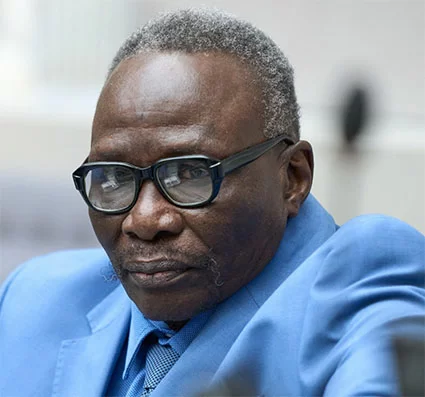
    The International Criminal Court (ICC) has imposed a 20-year prison sentence on Sudanese militia leader Ali Muhammad Ali Abd-Al-Rahman, marking a landmark ruling in one of the court’s most significant African war crimes cases. The conviction comes after Abd-Al-Rahman, widely known by his alias ‘Ali Kushayb,’ was found guilty on 27 counts of crimes against humanity and war crimes committed during the Darfur conflict.

    The extensive list of convictions includes murder, rape, torture, persecution, and other grave human rights violations. As a senior commander of the notorious Janjaweed militias, Abd-Al-Rahman was directly responsible for orchestrating systematic violence against civilian populations in Darfur beginning in 2003.

    ICC prosecutors presented overwhelming evidence demonstrating his central role in coordinating attacks that targeted non-Arab ethnic groups, resulting in widespread displacement, sexual violence, and mass casualties. The court’s sentencing deliberation emphasized the particular brutality of the crimes and their devastating impact on countless communities.

    This ruling represents a crucial milestone in the international community’s pursuit of accountability for atrocities committed during the Darfur conflict, which the United Nations estimates claimed approximately 300,000 lives and displaced over 2.7 million people. The ICC characterized the sentence as a vital step toward delivering justice for thousands of victims who suffered under the Janjaweed’s campaign of terror.

    The case sets important precedents for international justice mechanisms and demonstrates the ICC’s ongoing commitment to addressing impunity for mass atrocities, particularly in conflict zones where civilian populations face targeted violence.

  • Moiwana-voorzitter Ajintoena put hoop uit 8 December-vonnis

    Moiwana-voorzitter Ajintoena put hoop uit 8 December-vonnis

    Suriname is witnessing significant judicial developments in two of its most notorious historical massacre cases as victims’ families intensify their pursuit of justice and official accountability. André Ajintoena, chairman of the Moiwana Foundation and himself a survivor, has drawn parallels between the ongoing legal proceedings regarding the 1986 Moiwana massacre and the recent advancements in the December 8th murders case.

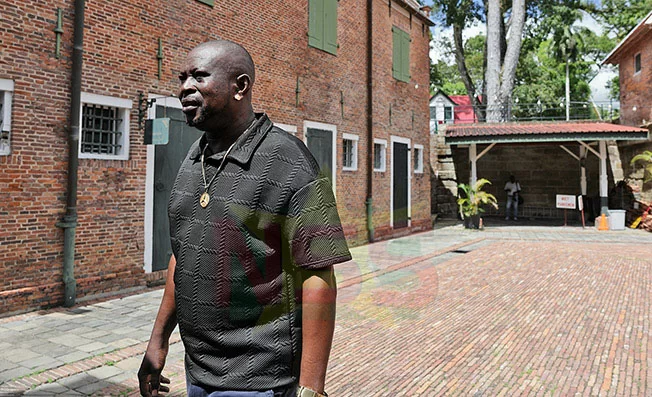
    During Monday’s annual memorial ceremony at Fort Zeelandia’s Bastion Veere, Ajintoena expressed renewed hope that the judicial preliminary investigation (GVO) into the Moiwana case would culminate in formal court proceedings. “We expect the initial verdict to be respected and those responsible for the atrocities in Moiwana to receive their punishment,” Ajintoena stated, emphasizing his community’s unwavering support for the judicial process.

    The Office of the Public Prosecutor formally requested the GVO in October, granting the investigating magistrate expanded authority to compel witness testimony and implement coercive measures when necessary. According to Ajintoena, potential witnesses previously hesitant to testify now draw courage from recent developments in the December 8th case, where several convicted individuals are currently serving sentences.

    Ajintoena maintains that the Surinamese state bears responsibility for the horrific events of November 29, 1986, when approximately 39 villagers—including women and children—were killed during military operations in the Marowijne district. He expressed particular satisfaction with President Jennifer Simons’ recent stance on pardon requests, noting that she “respects the rule of law and the verdict” despite expectations she might take different action.

    In a parallel legal development, victims’ families and heirs of the December 8th massacre have initiated civil proceedings against the state. Hugo Essed, legal representative for 60 surviving relatives, explained that the lawsuit seeks both moral rehabilitation and financial compensation. “Moral restoration means rehabilitating the good names of victims and their families,” Essed clarified, “who for over 40 years have been defamed, humiliated and harassed by the Surinamese state, Mr. Bouterse and his Military Authority.”

    Both legal advocates emphasize that presidential apology represents a crucial component of justice. Ajintoena noted that previous administrations under Bouterse ignored such requests, while Essed identified the president as the most appropriate official to offer state apologies. The Inter-American Court of Human Rights had already condemned Suriname in the Moiwana case in 2005, resulting in some implemented measures including a public apology by former President Ronald Venetiaan in Moengo.

    The current criminal investigation by the Public Prosecutor’s Office constitutes another element of that international verdict, now gaining renewed momentum under the Santokhi administration after years of stagnation.

  • Israeli forces storm UNRWA in East Jerusalem, replace UN flag with Israeli flag

    Israeli forces storm UNRWA in East Jerusalem, replace UN flag with Israeli flag

    Israeli security forces and municipal officials conducted a forceful incursion into a United Nations facility in occupied East Jerusalem, operated by the UN Relief and Works Agency for Palestine Refugees (UNRWA). The operation involved a significant deployment of resources, including motorcycles, trucks, and forklifts. Upon arrival, the forces severed all communication lines from the compound.

    According to a daily briefing from the office of UN Secretary-General António Guterres, the Israeli personnel confiscated furniture, information technology equipment, and other property from the site. In a highly symbolic act, the UN flag flying over the premises was removed and replaced with the Israeli flag.

    The Secretary-General issued a strong condemnation of the unauthorized entry into the UNRWA-managed Sheikh Jarrah compound. He underscored that UN premises are inviolable and possess immunity from any form of interference under international law. This protection, he stated, is firmly established by the Convention on the Privileges and Immunities of the United Nations and was recently reaffirmed by the International Court of Justice (ICJ), which prohibits any executive, administrative, judicial, or legislative action against UN assets.

    Guterres called upon Israel to immediately implement all necessary measures to restore the sanctity of UNRWA’s premises and to cease any further actions against these protected sites. This demand is rooted in Israel’s obligations under the UN Charter and its broader international commitments.

    The context for this escalation traces back to October 2023, when Israel accused several UNRWA staff members of involvement in the October 7 Hamas-led attacks. Israel subsequently suspended the agency’s operations within its territory, allegations which UNRWA has consistently denied. A report from Al Jazeera notes that the ICJ later found Israel’s claims against the agency to be unsubstantiated. Following the allegations, major donors, including the United States, withdrew funding. Since the start of the year, UNRWA has complied with Israeli directives to vacate its premises and halt all activities within Israel, leaving the Sheikh Jarrah compound unused until today’s events.

  • FLASH : Kenyan reinforcements have arrived in Port-au-Prince (video)

    FLASH : Kenyan reinforcements have arrived in Port-au-Prince (video)

    PORT-AU-PRINCE, Haiti – In a significant reinforcement of international security efforts, Haiti welcomed 230 specialized Kenyan police officers on December 8, 2025. The arrival marks the fifth contingent deployed from Kenya to support the Caribbean nation’s ongoing battle against armed gangs.

    Laurent Saint-Cyr, President pro tempore and Coordinator of Haiti’s Transition Council, personally received the officers at Toussaint Louverture International Airport. The specialized unit joins the multinational Gang Repression Force (FRG) operating within the country’s security framework.

    The Kenyan delegation, led by Deputy National Security Advisor Joseph Boinett and Principal Deputy Inspector General James Kamau, received high-level welcomes from Haitian defense leadership. The reception committee included Commander Godfrey Otunge of the GSF, Lieutenant General Derby Guerrier of the Haitian Armed Forces, and Acting Police Director Vladimir Paraison. Diplomatic representatives from Canada, France, and Kenya’s Consul General in Haiti were also present.

    Concurrently, a rotation of 100 Kenyan officers concluded their mission and departed for home. Transition Council Coordinator Saint-Cyr acknowledged their service while assuring remaining troops of continued harmonious collaboration between Haitian authorities and international forces.

    GSF Commander General Otunge emphasized operational improvements based on lessons from previous multinational missions in Haiti. ‘We have learned from the experience of the Multinational Mission in Haiti to make this new Force more effective,’ Otunge stated, committing to work in Haiti’s best interests.

    Joseph Boinett conveyed President William Ruto’s personal message: ‘Kenya will stand with the Haitian people to guarantee peace and stability during this transitional phase.’ The declaration reinforces Kenya’s commitment to the international stabilization effort.

    The new arrivals join existing contingents from Guatemala, El Salvador, the Bahamas, and Jamaica. Commander Otunge noted their deployment coincides with critical expansion of the GSF’s mandate, positioning them to ‘play a vital role in strengthening, consolidating, and accelerating the progress already achieved.’

  • Maximum EC$100,000 fine under new fisheries regulations

    Maximum EC$100,000 fine under new fisheries regulations

    Grenada has implemented comprehensive new fisheries regulations establishing robust protections for marine mammals within its territorial waters. Published in the 5 December Government Gazette as Statutory Rules and Order (SRO) 43 of 2025, these regulations introduce significant penalties for violations, including fines up to EC$100,000 (approximately US$37,000) and potential imprisonment.

    The legislative framework mandates specific protocols for fishermen encountering marine mammals during operations. Vessel operators are now required to immediately release any accidentally captured or entangled mammals using methods that minimize stress and harm. The regulations further stipulate that crew members must assist in release operations unless personal safety is compromised.

    Protected species under the new rules include multiple cetaceans and marine mammals found in Grenadian waters: Humpback Whales, Sperm Whales, various dolphin species (Bottlenose, Spinner, and Atlantic Spotted), Pilot Whales, False Killer Whales, Pygmy Sperm Whales, West Indian Manatees, and seals. For unidentified species, the regulations require photographic documentation and detailed reporting to the Fisheries Division for scientific verification.

    This regulatory overhaul directly addresses compliance requirements under the US Marine Mammal Protection Act, successfully averting a scheduled January 2026 ban on Grenadian fish and fish products entering the American market. The potential embargo, announced in August 2025, threatened an industry generating over EC$50 million annually for the island nation.

    The legislation does include limited exemptions for scientific research authorized by the Minister and emergency situations where human life or marine mammal welfare is imminently endangered. In such cases, individuals must exercise reasonable care during interventions and report any takings or harassment incidents to the Chief Fisheries Officer within 48 hours.

    Grenada’s parliamentary approval process saw both legislative chambers endorsing amendments to the Fisheries Act approximately three weeks prior to the regulations’ official publication, demonstrating coordinated governmental action to protect both marine ecosystems and economic interests.

  • More than 30,000 flee eastern DR Congo for Burundi—sources

    More than 30,000 flee eastern DR Congo for Burundi—sources

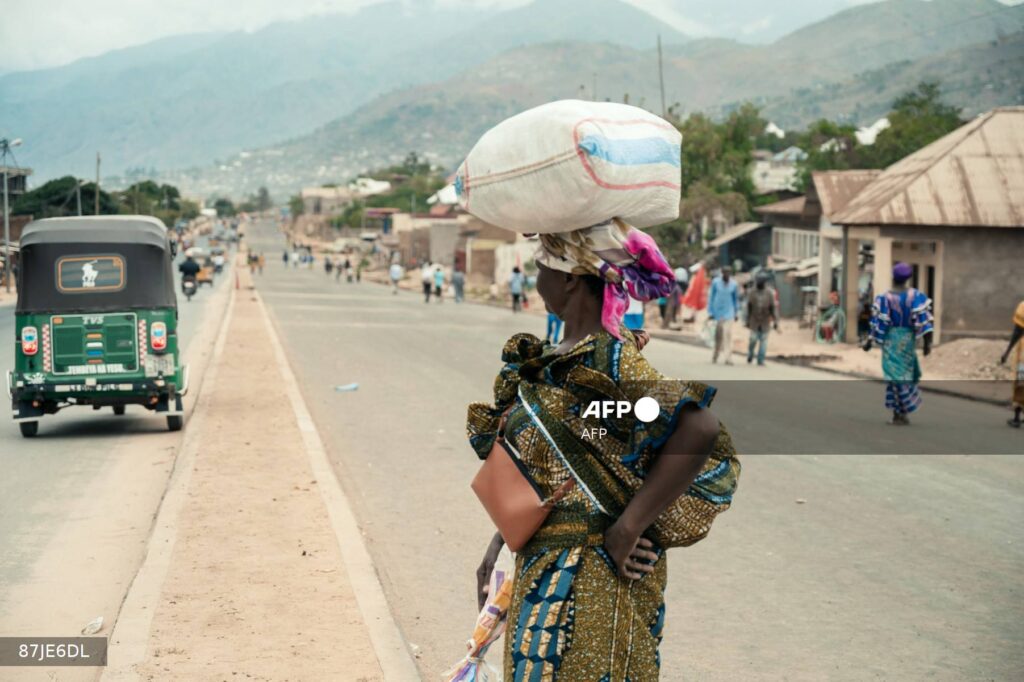
    NAIROBI, Kenya—A severe humanitarian crisis is unfolding in Central Africa as over 30,000 civilians from the eastern Democratic Republic of Congo (DRC) have sought refuge in neighboring Burundi within a single week. This mass exodus was triggered by a major military offensive led by the M23 rebel faction, which is advancing towards the strategic border city of Uvira.

    According to confidential sources within Burundi’s administration who spoke with AFP on Tuesday, the pace of displacement has accelerated dramatically, with more than 8,000 individuals crossing the border daily during the past 48 hours. This alarming figure has been independently verified by a representative from the United Nations refugee agency.

    The current assault marks a significant escalation in the prolonged regional conflict, occurring almost exactly one year after M23 forces captured Goma and Bukavu—the two most important urban centers in eastern DRC. The contested territory, abundant with valuable mineral resources, has been embroiled in violent instability for three decades, with various armed groups vying for control.

    International observers note that the M23 militia receives substantial backing from Rwanda, further complicating diplomatic relations in the region and hampering efforts towards peaceful resolution. The rapid closure of main supply routes and critical infrastructure around Uvira has left civilian populations with minimal options for safety, prompting this sudden cross-border movement.