分类: world

  • China-Bahamas second annual kite festival deemed a success

    China-Bahamas second annual kite festival deemed a success

    The second annual China-Bahamas Kite Festival has emerged as a significant catalyst for strengthening bilateral relations, with Chinese Ambassador Yan Jiarong emphasizing the event’s role in fostering deeper diplomatic connections through cultural engagement. The weekend celebration at Goodman’s Bay, organized in partnership with the Bahamas Ministry of Tourism, attracted numerous families for a day filled with kite-flying activities, cross-cultural performances, and traditional cuisine.

    Ambassador Yan highlighted the festival’s success in building ‘mutual understanding and friendship’ between the two nations, noting that the colorful gathering represented more than mere recreation—it served as a vivid demonstration of Sino-Bahamian relations. The event particularly benefited over 100 local children, including residents from the financially struggling Ranfurly Home orphanage, which faces potential closure due to declining donations.

    The ambassador elaborated on the cultural significance of kites in Chinese heritage, explaining their 2,000-year history as symbols of hope, blessings, and aspirations for improved livelihoods. She expressed particular satisfaction in observing Bahamian families embracing this tradition alongside Chinese expatriates, creating a sky filled with ‘shared enthusiasm, creativity and harmony.’

    Yan further emphasized the expanding cooperation between the nations, citing ongoing exchanges in cultural, educational, and people-to-people domains. She acknowledged the Bahamian government and festival sponsors for their support in establishing the event and expressed hope that it would become a permanent fixture on the nation’s cultural calendar. The ambassador concluded that such initiatives continuously strengthen the bond between both populations, with kites carrying mutual wishes for peace, prosperity, and enduring friendship.

  • Global lenders line up US$6.1 billion to support Jamaica’s post-hurricane recovery

    Global lenders line up US$6.1 billion to support Jamaica’s post-hurricane recovery

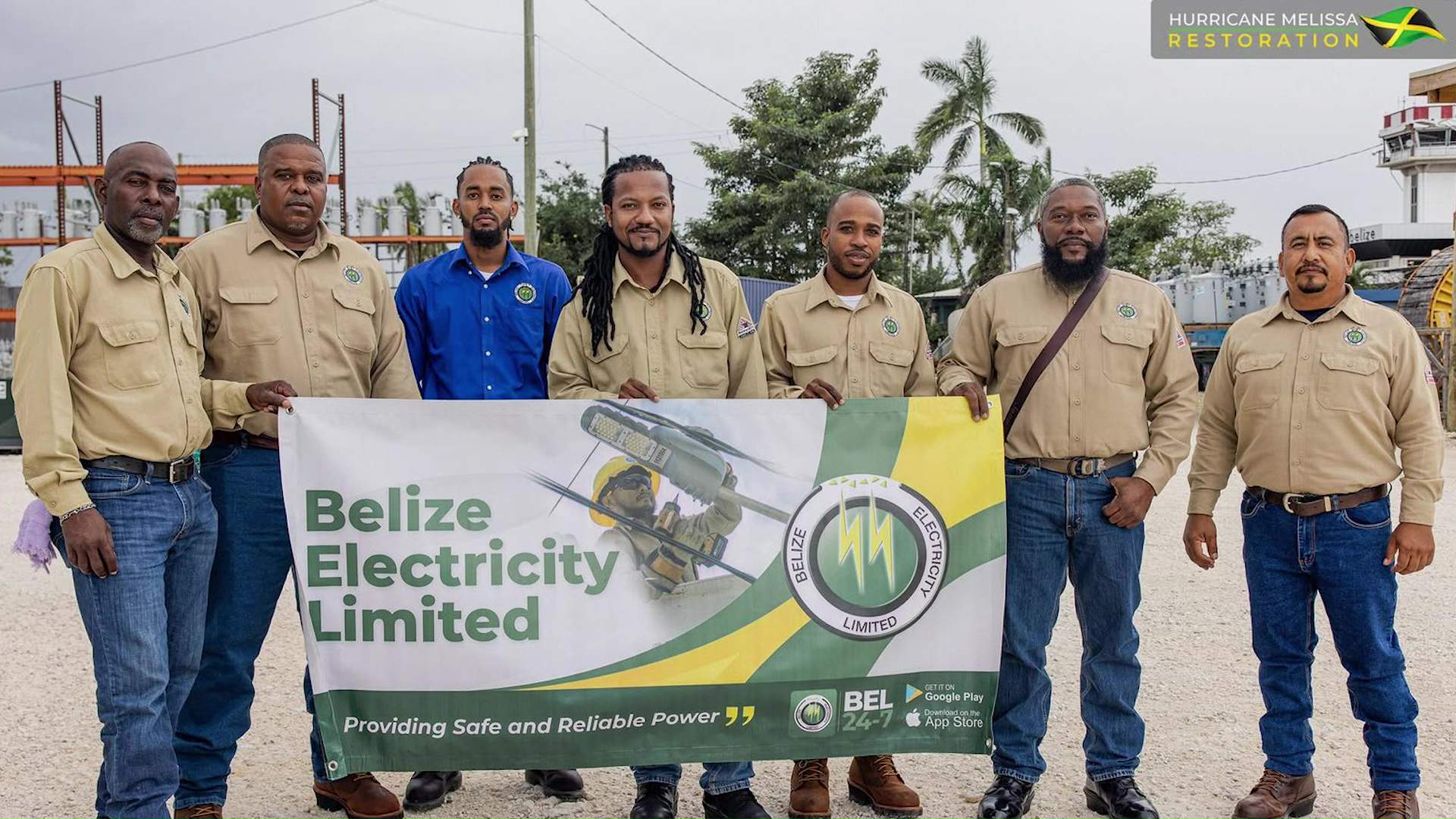
    A powerful alliance of international financial institutions has committed up to US$6.1 billion in comprehensive support for Jamaica’s reconstruction efforts following the devastation of Hurricane Melissa. The coordinated financial package, announced jointly on Monday, represents a strategic response to Prime Minister Andrew Holness’s appeal for international assistance.

    The consortium brings together five major development banks: CAF–Development Bank of Latin America and the Caribbean, the Caribbean Development Bank (CDB), the Inter-American Development Bank (IDB), the International Monetary Fund (IMF), and the World Bank Group (WBG). This unprecedented collaboration demonstrates a unified approach to supporting Jamaica’s sustainable recovery while maintaining fiscal responsibility through a blend of emergency liquidity provisions, sovereign financing mechanisms, grant allocations, and private investment facilitation.

    Initial disaster-response mechanisms already activated include US$662 million in immediate relief funding. This comprised US$37 million from Jamaica’s national contingency reserves, US$91 million from the Caribbean Catastrophe Risk Insurance Facility, US$150 million from a World Bank catastrophe bond, US$300 million through the IDB’s Contingent Credit Facility, and up to US$84 million from the World Bank’s Catastrophe Deferred Drawdown Option.

    With total hurricane damage estimated at US$8.8 billion, the institutions have structured a three-year recovery package worth US$3.6 billion. The allocation breakdown includes: US$1 billion from CAF for government-prioritized projects; US$200 million from CDB for resilient infrastructure and small business rehabilitation; US$1 billion in sovereign financing from the IDB; US$415 million from the IMF’s Rapid Financing Instrument for natural disasters; and US$1 billion from the World Bank for budgetary support, risk guarantees, and critical sector development.

    Additionally, the coalition has mobilized US$12 million in technical assistance grants for recovery planning, with expectations of further funding. Recognizing the essential role of private capital, the institutions are targeting US$1.9 billion in private-sector investments through IDB Invest, the International Finance Corporation, and the Multilateral Investment Guarantee Agency.

    The participating organizations emphasized their commitment to helping Jamaica ‘build forward better,’ incorporating resilience principles, innovative approaches, and long-term sustainability into the reconstruction process. This comprehensive support framework aims to not only restore damaged infrastructure but to position Jamaica with enhanced capabilities to withstand future climate-related disasters.

  • Sri Lanka: Zware overstromingen eisen bijna 200 levens

    Sri Lanka: Zware overstromingen eisen bijna 200 levens

    Sri Lanka faces a mounting humanitarian catastrophe as Cyclone Ditwah continues to unleash devastating floods and landslides across the island nation. Official reports confirm nearly 200 fatalities with dozens more missing, marking one of the most severe weather events in recent history.

    The capital Colombo experienced extensive flooding throughout Monday as the powerful cyclone triggered torrential rains and massive mudslides. The central highlands, particularly tea-growing regions, suffered the most severe impacts with entire communities cut off from rescue operations. Authorities reported that approximately 44,000 residents have been displaced and are currently sheltering in temporary relief centers.

    Emergency response teams are working relentlessly to clear roadways blocked by fallen trees, mudflows, and debris. The government has taken extraordinary measures including closing schools and offices, postponing examinations, and suspending passenger train services nationwide. Most reservoirs and rivers have overflowed their banks, creating additional hazards across affected regions.

    From Friday, floodwaters from the worst-hit areas began moving downstream toward Colombo, despite the capital receiving relatively less rainfall. Meteorological experts predict Cyclone Ditwah, which developed in the seas east of Sri Lanka, will reach India’s southern coast by Sunday.

    In a significant international response, neighboring India has deployed 80 specialized rescue personnel to Colombo to assist in search and recovery operations. The collaboration comes as weather forecasts indicate continued rainfall across Sri Lanka with the storm expected to track over northern regions.

    The catastrophe extends beyond Sri Lanka’s borders. Across Southeast Asia, the death toll from catastrophic flooding and landslides has exceeded 350. Rescue teams are racing against time to reach isolated communities in Indonesia, Thailand, and Malaysia where relentless monsoon rains have created unprecedented flooding conditions.

    In Indonesia’s Aceh province, dozens have perished with survivors engaged in the grim task of removing mud from their homes. The annual monsoon season, typically occurring between June and September, has been intensified by climate change factors leading to altered storm patterns, increased rainfall intensity, and stronger wind gusts. Many residents remain stranded on rooftops awaiting rescue as floodwaters continue to rise.

  • Suriname krijgt hulp van Brazilië om cassaveziekte tegen te gaan

    Suriname krijgt hulp van Brazilië om cassaveziekte tegen te gaan

    In a significant trilateral agreement, Brazil has expanded its agricultural cooperation to include Suriname in combating Cassave Witches’ Broom Disease, a devastating crop infection that causes substantial yield reductions in cassava production. While the disease hasn’t yet been detected in Surinamese territory, the preventive measures represent a strategic regional initiative that also includes French Guiana.

    The collaborative framework, formalized earlier this month, establishes cross-border monitoring systems, technology transfer protocols, and specialized training programs. Surinamese Minister of Agriculture, Animal Husbandry and Fisheries Mike Noersalim expressed particular satisfaction with Brazil’s support, noting that the partnership extends beyond disease control to broader agricultural development.

    The agreement emerged from bilateral meetings between Noersalim and agricultural ministers from Chile, Dominican Republic, Haiti, and Trinidad & Tobago. These discussions resulted in market access expansions and enhanced trade relationships between Brazil and participating nations. Technical cooperation agreements and technology exchange mechanisms featured prominently in the negotiations.

    Suriname has specifically requested Brazilian assistance in developing rice varieties suitable for both dryland and irrigated conditions. “Brazil represents an agricultural powerhouse with extensive research capabilities in crop and livestock development,” Minister Noersalim stated. “We seek collaboration to advance our agricultural sector and reduce import dependency.”

    Additional outcomes include increased Brazilian meat exports to Suriname and a formalized technical cooperation agreement targeting the eradication of carambola fruit flies. Brazilian Minister Carlos Fávaro confirmed his country’s readiness to “discuss agricultural development with focus on sugarcane, rice, and coconut production, including provision of genetic materials to strengthen both technical and commercial cooperation between our nations.”

    These developments coincided with the 2025 Conference of Agriculture Ministers of the Americas, organized by the Inter-American Council for Agriculture—the highest governing body of the Inter-American Institute for Cooperation on Agriculture (IICA). During the conference, Guyana’s Muhammad Ibrahim was elected as IICA’s new Director-General for 2026-2030, receiving 24 of 32 votes including Suriname’s endorsement.

  • Indomet The 2025 hurricane season ends today: How many storms impacted the Dominican Republic?

    Indomet The 2025 hurricane season ends today: How many storms impacted the Dominican Republic?

    SANTO DOMINGO, Dominican Republic – The Dominican Institute of Meteorology (Indomet) has officially declared the conclusion of the 2025 Atlantic hurricane season this Sunday, November 30th. This year’s climatic period proved notable for its intensity rather than frequency, producing a total of 13 named tropical cyclones. While this figure sits marginally below historical averages, the season distinguished itself through its potent storm development. Five systems achieved hurricane classification, with an exceptional four escalating into major hurricanes—registering Category 3 strength or higher on the Saffir-Simpson scale.

    The roster of named storms included Tropical Storms Andrea, Barry, Chantal, Dexter, Fernand, Jerry, Karen, and Lorenzo. The hurricane cadre was comprised of some of the most powerful systems observed, featuring Category 5 hurricanes Erin, Humberto, and Melissa, alongside Category 4 Hurricane Gabrielle and Category 2 Hurricane Imelda.

    Meteorological drivers for the season were initially shaped by neutral El Niño-Southern Oscillation (ENSO) conditions in the Central and Eastern Pacific, which later transitioned into a La Niña phase. October emerged as the most active period, witnessing the genesis of four cyclones. This surge was fueled by unusually warm North Atlantic sea surface temperatures, which persisted between 29°C and 30°C, creating ideal conditions for cyclogenesis.

    While the Dominican Republic avoided a direct landfall from any hurricane, the nation experienced significant indirect consequences. Hurricane Erin generated powerful and abnormal wave activity along the Atlantic coastline. Subsequently, Hurricane Melissa precipitated extreme rainfall events, triggering severe flooding and landslides, particularly in the southwestern and southeastern provinces. The town of Polo in Barahona province recorded a staggering 192.4 millimeters of rain within a 24-hour period, with Santo Domingo Este receiving 177.9 millimeters during the same event.

    Indomet has reaffirmed its dedication to the perpetual surveillance of tropical weather systems and its critical mission of disseminating timely forecasts and warnings to protect public safety and minimize property damage throughout the Caribbean region.

  • Flights are operating normally in the Dominican Republic after Airbus’ warning about solar radiation

    Flights are operating normally in the Dominican Republic after Airbus’ warning about solar radiation

    Santo Domingo, Dominican Republic – Despite a worldwide safety advisory issued by Airbus concerning potential solar radiation interference with aircraft systems, Aeropuertos Dominicanos Siglo XXI (Aerodom) has confirmed uninterrupted operations across its entire airport network. Both domestic and international flights continue to function normally without significant disruptions.

    Luis José López, Director of Corporate Communications at Aerodom, stated that all scheduled flights for Saturday operated according to plan, with arrivals and departures at Las Américas International Airport proceeding smoothly. While acknowledging the possibility of minor delays in coming hours, López emphasized that Aerodom is maintaining close collaboration with aviation authorities and airline partners to minimize potential passenger impact.

    The airport operator has enhanced its real-time communication protocols with airline representatives and operational teams to ensure rapid coordination and transparent passenger notifications if conditions evolve.

    The global alert originated from Airbus’s identification of newly discovered risks that extreme solar radiation events could potentially disrupt flight control computers in specific aircraft models. The manufacturer issued urgent maintenance recommendations for approximately 6,000 A319, A320, and A321 aircraft worldwide following an October 30 incident involving a JetBlue A320 on the Cancun-Newark route. The aircraft made an emergency landing in Tampa after experiencing sudden altitude loss.

    Recent developments indicate that thousands of affected aircraft have already resumed normal service. The majority required only straightforward software updates, while approximately 900 older units need hardware replacements. French Transport Minister Philippe Tabarot reported that updates have been successfully completed on over 5,000 aircraft with minimal complications, with fewer than 100 aircraft remaining pending—many of which have received overnight software implementations.

  • Politie stelt strenge veiligheidszones in rond staatsbezoek Nederland

    Politie stelt strenge veiligheidszones in rond staatsbezoek Nederland

    Paramaribo, Suriname – In preparation for the highly anticipated state visit by Their Majesties the King and Queen of the Netherlands, the Suriname Police Force has announced comprehensive road closures and security perimeters throughout central Paramaribo. The security measures, described as “necessary and highest priority” by police authorities, will be enforced from Sunday, November 30th through Wednesday, December 3rd, 2025.

    The security operation establishes two distinct zones with varying activation schedules. Zone 1, encompassing the Royal Torarica area, will be secured from 8:00 PM Sunday until 10:00 PM Wednesday. This perimeter includes multiple strategic closures at key intersections including Sommelsdijckstraat/Kleine Combéweg (Rietbergplein), Leemsteeg/Kleine Dwarsstraat, and critical access points along Grote Combéweg, Van Roseveltkade, and Tamarindelaan.

    Zone 2, activated specifically on Monday, December 1st from 8:00 AM until conclusion of state events, expands security around Independence Square to accommodate royal activities at the Presidential Palace, National Assembly, and Court of Justice. Additional closures will be implemented at Grote Combéweg/Roseveltkade, Henck Arronstraat/M. Wulfingstraat, and several surrounding streets to ensure complete security coverage.

    The Police Force has deployed specialized units including the Motor Brigade Paramaribo, biker units, and General Surveillance Service personnel to man the checkpoints. Supplementary traffic management will be handled by the Motor Surveillance Service with support from central and eastern district motorcycle units to maintain smooth traffic flow around the affected areas.

    Authorities have issued a firm appeal to motorists to strictly obey police instructions, select alternative routes, and provide full cooperation to ensure orderly and safe traffic conditions throughout the royal visit. Only emergency services including police, ambulance, and fire department vehicles will be permitted access within the secured zones.

  • Cuba remembers Fidel Castro’s first official visit to China

    Cuba remembers Fidel Castro’s first official visit to China

    Cuba’s Ministry of Foreign Affairs has commemorated the 30th anniversary of what it describes as a pivotal diplomatic encounter that fundamentally transformed its bilateral relationship with China. Through an official statement published on social media platform X, the ministry characterized the historical meeting as a watershed moment that “relaunched and deepened the bonds of friendship and cooperation” between the two nations.

    The anniversary post emphasized how this diplomatic milestone catalyzed substantial advancements across multiple sectors. According to the ministry, the meeting served as a foundation for expanded trade relations, increased investment flows, and enhanced technical-scientific collaboration. Furthermore, it established a framework for strengthened political dialogue that has persisted and evolved over the subsequent three decades.

    The Foreign Ministry’s statement explicitly referred to the relationship as a “strategic alliance,” underscoring its enduring significance in both countries’ international partnerships. Three decades after the historic meeting, official assessments indicate the bilateral relationship has continued to strengthen, maintaining the foundational principles established during the original diplomatic engagement. The commemoration highlights how this partnership has weathered global geopolitical shifts while consistently advancing mutual interests through structured cooperation mechanisms.

  • Cuban ambassador in Chile praises the value of solidarity

    Cuban ambassador in Chile praises the value of solidarity

    A powerful demonstration of international solidarity unfolded as Chilean and Cuban representatives gathered to celebrate their nations’ longstanding mutual support. The event highlighted a reciprocal relationship that has endured through decades of challenges and cooperation.

    The gathering featured emotional acknowledgments of Cuba’s significant medical assistance to Chile following the devastating earthquakes of 1960 and 2010. During both catastrophes, Cuban medical professionals provided critical healthcare services and disaster relief, creating an enduring bond between the nations.

    Chilean representatives expressed gratitude for multiple ongoing cooperation initiatives, including annual volunteer work brigades traveling to Cuba, recent donations of advanced medical technology, and Chilean participation in the Continental Solidarity Meeting hosted in Mexico. These efforts represent continuing commitment to bilateral support.

    The two-day conference organized working committees to address several key areas: coordinating volunteer brigades, developing campaigns against the U.S. embargo on Cuba, improving public advocacy strategies, and evaluating progress since the previous meeting in Valdivia.

    The proceedings commenced with a significant march along Condell Street to Plaza de la Victoria, drawing participants from social movements across multiple Chilean cities including Coquimbo, La Serena, Santiago, Talca, Valdivia, Ovalle, Concepción, Valparaíso, and Viña del Mar.

    Following the demonstration, attendees gathered at Insomnia Theater for a political and cultural ceremony that brought together diplomats, local council members, academics, political organizations, social activists, and supporters of Cuban-Chilean relations. The event served as both a celebration of past cooperation and a planning session for future collaborative efforts between the two nations.

  • Tobago planters’ problems 1805-1806

    Tobago planters’ problems 1805-1806

    The twilight of Tobago’s sugar industry reveals a complex narrative of economic ambition clashing with moral evolution. Following Britain’s reacquisition of Tobago in 1793, planters experienced a transient boom fueled by premium sugar prices resulting from Haiti’s production collapse. This prosperity earned Tobago planters legendary wealth status, yet their fortunes proved fragile against converging historical forces.

    International market volatility struck first as sugar prices plummeted at the century’s turn, creating catastrophic deficits for plantations operating on optimistic projections. Compounding these challenges, Tobago temporarily reverted to French control in 1802, creating political and economic disruption that further weakened the industry’s foundation.

    The most existential threat emerged from Britain’s growing abolitionist movement. Tobago’s inferior sugar quality already relegated it to bottom-tier pricing, but planters considered unpaid African labor essential for profitability. High mortality rates among enslaved workers necessitated constant replenishment, driving costs upward while sugar prices declined. Parliament’s movement toward restricting captive African trade directly threatened the planters’ economic model.

    Desperate petitions to British authorities emphasized Tobago’s unique hardships—repeated colonial transfers and limited workforce development opportunities due to Franco-British conflicts. Yet imperial economic interests had evolved beyond sugar, and investors began abandoning Tobago plantations.

    In response, planters implemented draconian measures to control enslaved populations. The 1805 Slave Law prohibited drumming, horn-blowing, and inter-plantation gatherings—essential communication methods for enslaved communities. Holiday freedoms were severely restricted, and militia enforcement was strengthened across strategic bays.

    The ultimate blow came with the Limitation Act, restricting imported captive Africans and foreshadowing Britain’s complete abolition of the trade. Planters’ attempts to create divisions among free people of color and trusted enslaved individuals for militia service reflected their desperation to maintain control.

    This historical episode demonstrates how global market forces, political shifts, and moral progress collectively dismantled Tobago’s slave-based economy, marking a pivotal transition toward abolition despite fierce resistance from plantation interests.