In a significant violation of the recently brokered ceasefire, Israeli forces have reportedly killed at least nine Palestinians in Gaza, as reported by Aljazeera. The truce, mediated by the United States with the involvement of Qatar, Egypt, and Türkiye, was intended to bring an end to two years of intense conflict in the region. However, the fragile peace was shattered as the victims, attempting to return to their homes in northern Gaza City and southern Khan Younis, were met with deadly force. CNN News confirmed the tragic incident, highlighting the ongoing volatility in the area. Humanitarian conditions in Gaza remain critical, with aid organizations sounding the alarm over the dire situation. UNICEF’s Joe English described Gaza as a “skeleton of a city,” emphasizing the extensive devastation. He further noted the profound impact of the conflict on Palestinian children, stating, “Children in Gaza have spent the last two years deprived of their childhood.” Despite Israel’s allowance of 600 aid trucks daily, English expressed skepticism about the sufficiency of current efforts, citing challenges such as insecurity, damaged infrastructure, and the urgent needs of a desperate population. The breach of the ceasefire underscores the persistent tensions and the long road ahead for achieving lasting peace in the region.
分类: world
-

OP-ED: An urgent call for consensus in favor of agriculture in the Americas
In a significant display of regional unity, countries across the Americas, governed by diverse political ideologies, have rallied behind a highly qualified candidate to lead the Inter-American Institute for Cooperation on Agriculture (IICA). The organization, pivotal in shaping agricultural public policy, health, and trade, plays a crucial role in maintaining the Americas’ status as a global leader in food production and export. Muhammad Ibrahim, a distinguished Guyanese agricultural engineer, has emerged as the preferred candidate for the position of Director General, with elections scheduled for November 4. Paraguay and Mexico, two major food-producing nations, were among the first to publicly endorse Ibrahim, citing his extensive international experience and technical expertise. The Paraguayan Foreign Ministry emphasized that Ibrahim’s leadership is essential for IICA’s next phase, particularly given his unanimous support from the Caribbean Community (CARICOM). While other candidates from Honduras and Uruguay are also highly experienced, Ibrahim’s unique combination of technical proficiency and regional backing sets him apart. The current IICA Director General, Manuel Otero, has elevated the organization’s prominence and influence, leaving a legacy that underscores the importance of agriculture in the Americas. Moving forward, the region must focus on sustainable food production, trade promotion, and rural development to address challenges such as migration and depopulation. Technical cooperation will be vital in achieving these goals, and Ibrahim’s leadership is seen as instrumental in guiding this process. This collective endorsement reflects a shared commitment to strengthening the Americas’ agricultural sector and ensuring its continued role in global food security.
-

Global Gateway Forum: EU Collab to develop value chains, create employment opportunities in region with Sargassum
For over a decade, the Caribbean coastlines have been grappling with extensive sargassum seaweed blooms, severely impacting fishing, tourism, and local communities. These blooms have caused economic losses amounting to millions of dollars, according to a recent media statement. In a bid to address this environmental challenge, the European Union (EU), through its Global Gateway Investment Agenda, has joined forces with Team Europe and Caribbean partners to turn the crisis into an opportunity for cleaner beaches, job creation, and the growth of local enterprises. The third edition of the EU-Caribbean Global Gateway Conference, held recently, focused exclusively on sargassum, shifting from research and pilot projects to actionable solutions. The conference brought together representatives from governments, the private sector, academia, and international financial institutions to discuss sustainable management and economic utilization of sargassum. Jozef Síkela, the EU’s Commissioner for International Partnerships, highlighted the initiative’s potential to transform the crisis into a source of jobs, innovation, and clean energy. During the event, Grenada, the Dominican Republic, and Mexico pledged to collect and process a combined total of 660,000 tonnes of sargassum between 2026 and 2027. This ambitious commitment marks the first step toward creating a regional market for sargassum-derived products, supported by EU initiatives to attract investment and develop sustainable policies. The conference concluded with the announcement of a fourth EU-Caribbean Global Gateway Conference on Sargassum, to be held in Mexico, ensuring continued momentum in scaling up solutions across the Caribbean.
-

No longer anyone’s backyard
For decades, the Caribbean has been burdened by the metaphor of being ‘somebody’s backyard,’ a phrase often used by policymakers, diplomats, and even regional leaders. This imagery has perpetuated a narrative of passivity and subordination, where the sovereignty of small nations is overshadowed by the interests of global powers. However, as the geopolitical landscape shifts with the United States, China, and Europe vying for influence, the Caribbean is increasingly asserting its independence and strategic value. Recent developments, such as the US request to install military radar in Grenada, Guyana’s oil-driven economic boom, and China’s infrastructure investments, highlight the region’s growing geostrategic importance. Yet, the implications of this renewed attention are deeply felt in the daily lives of Caribbean citizens, from democratic struggles to economic challenges. The region’s leaders and grassroots movements are redefining the terms of engagement with external powers, negotiating with newfound confidence. The legacy of Maurice Bishop, Grenada’s former Prime Minister, who famously declared, ‘we are in nobody’s backyard,’ serves as a poignant reminder of the ongoing struggle for sovereignty and regional unity. The Caribbean’s history of resistance to imperial dominance, from the Monroe Doctrine to Cold War interventions, underscores its resilience and determination to chart its own course. Today, the region is navigating a complex web of global interests, from China’s Belt and Road Initiative to European colonial reparations debates, while addressing internal vulnerabilities such as public finances and political polarization. The Caribbean’s strength lies in its ability to build flexible coalitions, balancing relationships with competing powers while prioritizing the interests of its people, environment, and culture. As the 21st-century ‘Great Game’ unfolds over cyberinfrastructure, climate adaptation, and energy, the Caribbean’s strategic importance will only grow. The challenge is to remain vigilant against the transactional temptations of big-power deals while building robust institutions and policies that safeguard the region’s autonomy. The Caribbean is not and has never truly been anyone’s backyard. Its societies are mosaics of resilience, creativity, and irrepressible agency, determined to define their own destinies.
-

Argentina deepens agricultural cooperation with Caribbean at CWA 2025
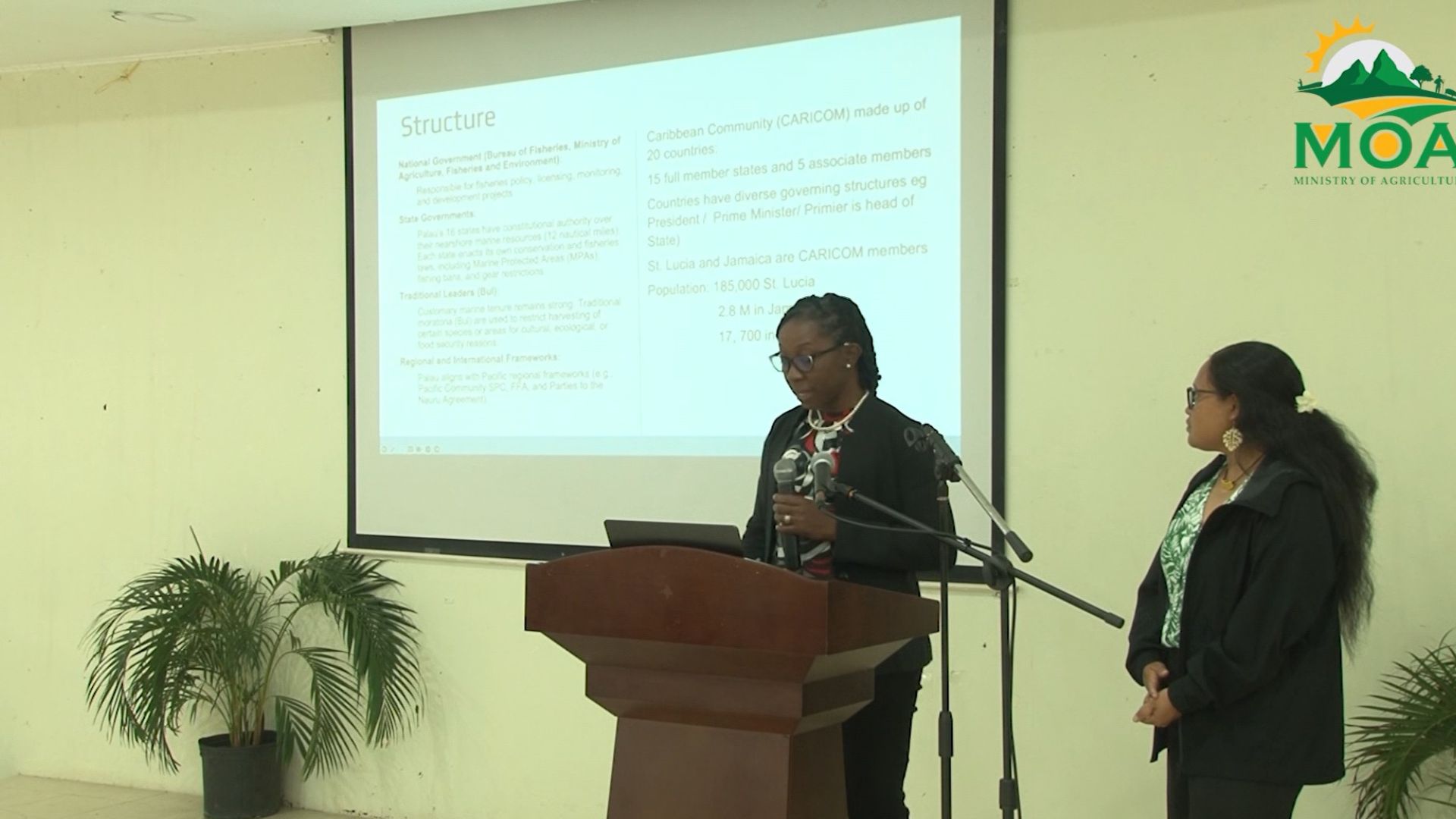
Argentina has reaffirmed its dedication to fostering agricultural collaboration and enhancing regional food security during its participation in the Caribbean Week of Agriculture (CWA) 2025, held in St Kitts and Nevis. As a special guest of the Caribbean Community (Caricom) Council for Trade and Economic Development (COTED), the Argentine delegation expressed its eagerness to forge stronger partnerships with Caribbean nations. The delegation highlighted potential areas of cooperation, including modernizing the dairy industry, improving plant health systems, optimizing soil and water management, and integrating digital technologies into agriculture.
-

Women and children bearing the brunt of Haiti’s ongoing crisis, says WFP
The ongoing crisis in Haiti continues to disproportionately affect women and children, according to a recent report by the World Food Programme (WFP). The Caribbean nation, already the poorest in the region, is grappling with escalating violence, economic collapse, and one of the world’s most severe humanitarian crises. Since armed gangs took control of key areas, Haiti has seen a dramatic surge in food insecurity, displacement, and malnutrition. The WFP revealed that 5.7 million Haitians—half the population—are food insecure, with over 2 million facing emergency levels of hunger. The number of internally displaced persons has skyrocketed to 1.3 million, more than triple the figure from August 2023. Nearly 277,000 children are suffering from acute malnutrition, with 125,000 in severe condition. Overcrowded shelters and unsanitary conditions exacerbate the crisis, particularly for young children. Despite food assistance efforts reducing emergency-level hunger by 200,000 since April 2025, the situation remains dire. Consumer prices for essential food items are 30-77% higher than the regional average, and farmers struggle to sell produce due to road blockages. The WFP urgently requires over $139 million in the next year to aid Haiti’s most vulnerable families.
-

Fabio Jorge and Gaspar Polanco to surrender to U.S. authorities
Two prominent Dominican figures, Fabio Jorge and Gaspar Antonio Polanco, accused of orchestrating cocaine trafficking operations into the United States, are reportedly preparing to surrender to U.S. authorities in the near future. Polanco is expected to turn himself in this Thursday, while Jorge, currently residing in the Dominican Republic, may also be extradited shortly. Both men face federal charges for allegedly conspiring to smuggle cocaine into the U.S., with Jorge accused of hiding drug shipments within exports from free trade zones. Jorge, who previously served as an advisor to the Dominican Executive Branch on free trade zones until his dismissal in May 2025, now holds the position of treasurer for the Águilas Cibaeñas baseball team. Polanco, a former bodyguard for ex-president Hipólito Mejía and an ex-employee of the National District Mayor’s Office, faces identical charges. Under U.S. federal law, both defendants could receive mandatory minimum sentences of ten years to life imprisonment, alongside fines potentially reaching up to ten million dollars.
-

Hamas draagt 20 Israëlische krijgsgevangenen over aan Israël
In a significant development, Hamas has handed over the remaining 20 living Israeli hostages to the International Red Cross Committee on Monday, marking the end of their two-year captivity in Gaza. This transfer is part of a broader ceasefire and prisoner exchange agreement brokered by the United States, Egypt, Qatar, and other mediators. Under the terms of the deal, Israel agreed to release hundreds of Palestinian prisoners, including 250 individuals sentenced to death and over 1,700 detainees from Gaza. Simultaneously, the bodies of four deceased hostages were transferred to Israeli authorities through the Red Cross, with Hamas indicating its readiness to hand over more remains. The freed hostages underwent medical examinations before being reunited with their families, an event met with profound emotion and relief across Israel. This agreement represents a critical step in easing tensions between the two sides, though challenges remain in achieving long-term peace.
-

Suriname presenteert groene ontwikkelingsstrategie op top in Rome
Suriname took center stage at the 12th bi-regional dialogue between Italy and the countries of Latin America and the Caribbean, held recently in Rome. The event, attended by over 35 nations, saw Suriname present its national vision for sustainable development and energy security. Leading the Surinamese delegation was Ambassador Miriam Mac Intosh, Director of Foreign Affairs at the Ministry of Foreign Affairs, International Trade, and Cooperation. In her address, Mac Intosh emphasized that energy security and safety are strategic priorities for the region. She stated, ‘Our primary objective must be to achieve this collectively,’ while also announcing that Suriname is finalizing its Third Nationally Determined Contribution. ‘This is not merely a document of goals but a declaration of our national identity—as a carbon-negative nation and a proponent of a just model for climate action.’ Suriname further introduced its Green Development Strategy as a national roadmap for a resilient, sustainable economy. The strategy integrates the utilization of new offshore energy resources with a swift transition to a carbon-free domestic economy, leveraging revenues from oil and gas to green the energy system. The participating countries also discussed cooperation in combating transnational organized crime, with Italy pledging to share its expertise in this area. The meeting concluded with the adoption of a 21-point Declaration, reaffirming the nations’ mutual friendship, collaboration, and shared commitment to sustainable development.