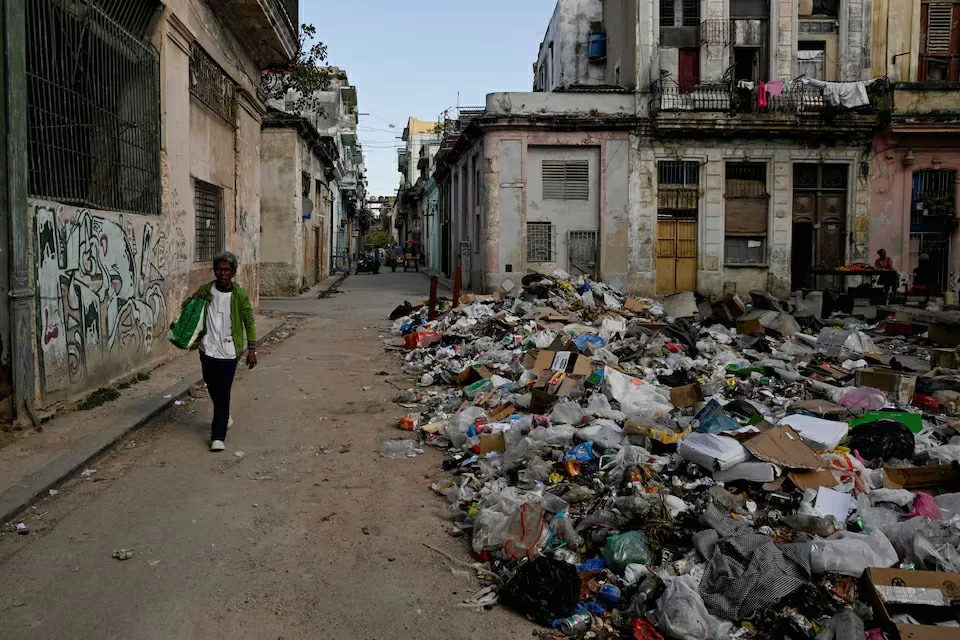
Celebrity Cruises, a prominent Miami-based cruise line under the Royal Caribbean Group, has announced the suspension of its stops at Labadee, Haiti, through 2026. This decision stems from escalating safety concerns in the region, prompting the company to revise 11 of its itineraries, primarily affecting voyages aboard the Celebrity Apex and Celebrity Beyond. In lieu of Labadee, the cruise line will now redirect its ships to alternative destinations, including the Turks and Caicos Islands, Grand Cayman, and Cozumel, Mexico. This move mirrors a similar announcement by Royal Caribbean in September 2025, which also canceled all Labadee visits until at least spring 2026. Haiti has been under a Level 4 ‘Do Not Travel’ advisory since March 2024, issued by the U.S. State Department due to persistent political instability, rampant crime, kidnapping threats, and terrorist activities. The advisory highlights the presence of gangs designated as terrorist organizations, further exacerbating the nation’s security crisis. The suspension of cruise visits to Labadee underscores the ongoing challenges facing Haiti’s tourism industry and its broader socio-political landscape.
分类: world
-

Insecurity : 1.4 million people displaced fleeing violence
Haiti is grappling with an unprecedented humanitarian crisis as violence and instability have forced over 1.4 million people to flee their homes, marking the highest displacement figure ever recorded in the country. According to the International Organization for Migration (IOM), this represents a staggering 36% increase since late 2024. Grégoire Goodstein, IOM Haiti Chief of Mission, emphasized the urgency of the situation, calling for sustained international support to address the crisis and restore dignity to affected populations. He highlighted the resilience of Haitian communities, which are hosting approximately 85% of displaced individuals despite severe resource constraints. The crisis has extended beyond the capital, Port-au-Prince, with 64% of new displacements occurring in regions like Centre and Artibonite. Displacement sites are severely overcrowded, lacking basic services, while spontaneous sites have surged by 68% since December 2024. Women and children, comprising over half of the displaced, are disproportionately affected, with many families resorting to sending children to safer areas. Additionally, the return of over 250,000 Haitians expelled from the Dominican Republic since January 2025 has exacerbated the situation along the border. In response, IOM has expanded its operations, providing emergency shelter, clean water, health services, and psychosocial support to vulnerable families. The organization has also appealed for increased international funding, warning that without immediate action, the suffering of displaced Haitians will only intensify.
-

Half of Escaped Guatemalan Inmates Recaptured
In a significant development, Guatemalan authorities have successfully recaptured ten out of the twenty inmates who escaped from the high-security Fraijanes II prison. The escape, which reportedly occurred over the past two months, was only disclosed to the public on October 12, 2025. Guatemala’s Interior Minister, Francisco Jiménez, stated that officials had been investigating rumors of the escape for weeks. Initial investigations suggest that some inmates may have exploited routine prison visits to flee, exposing a critical security lapse in one of the nation’s most secure facilities. Among those apprehended is Byron Fajardo Revolorio, alias “Black Demon,” who was serving a 180-year sentence. His capture marks a crucial victory for law enforcement, but the search for the remaining fugitives remains ongoing. Regional police forces are intensifying their efforts to locate the escapees, with neighboring Belize also on high alert. Assistant Superintendent of Police Stacy Smith emphasized Belize’s vulnerability as a potential transit point for the fugitives due to its proximity to Guatemala. She urged citizens to remain vigilant and report any suspicious activities promptly.
-

Caribbean Sea: Zone of Peace and prosperity
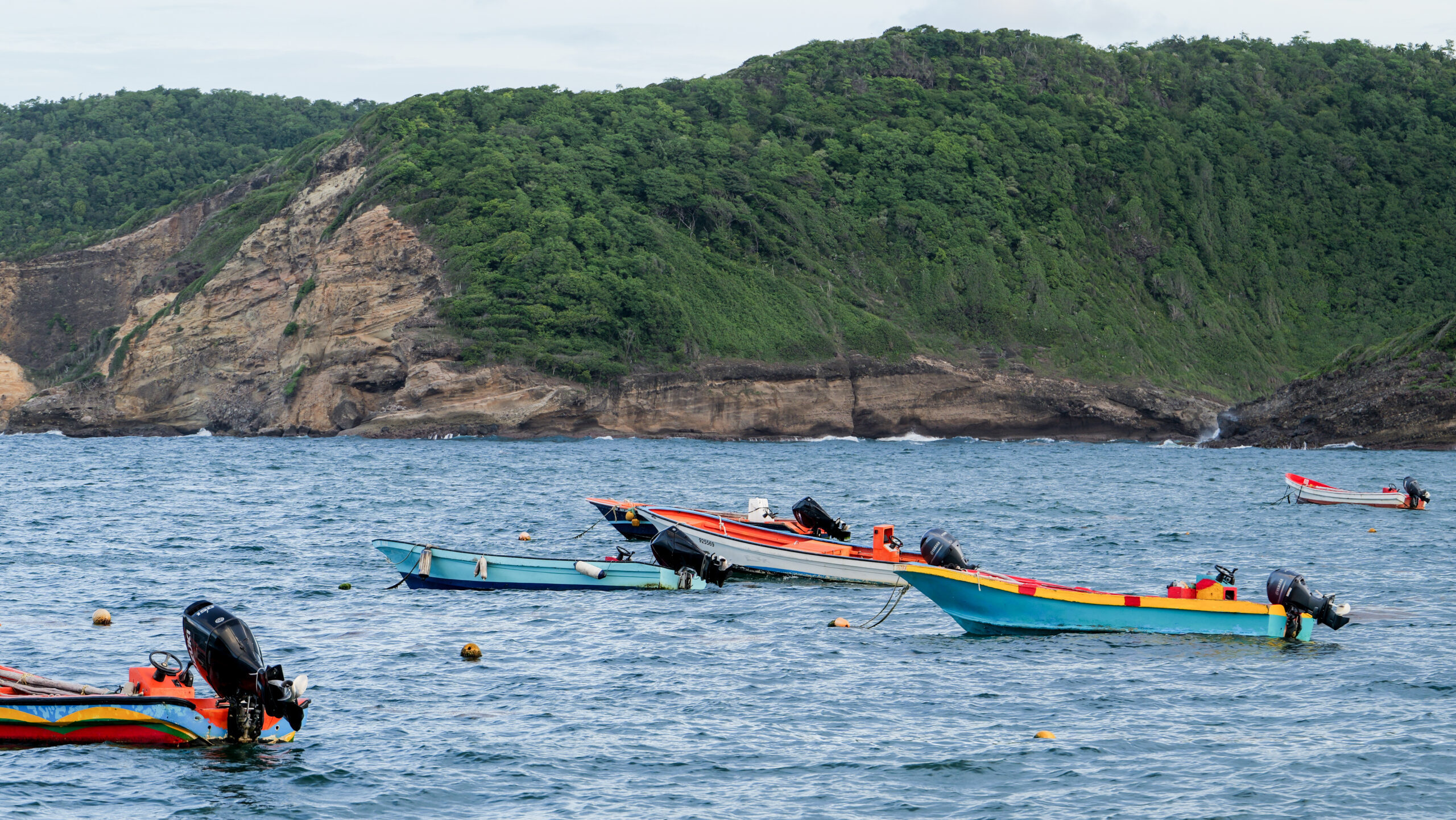
The Caribbean Sea, a vital lifeline for numerous sovereign nations and dependent territories, is under threat as recent US military strikes on alleged drug-smuggling boats have sparked outrage and fear across the region. Since September 2, 2025, the US Southern Command has conducted four strikes in the southern Caribbean near Venezuela, resulting in at least 21 deaths. Washington justifies these actions as part of its fight against ‘narcoterrorism,’ targeting the Venezuelan gang ‘Tren de Aragua,’ which it designated a foreign terrorist organization in February 2025. However, these strikes have raised serious concerns about sovereignty, legality, and the potential for escalating militarization in a region historically committed to peace.
The Caribbean has long been a major transshipment route for narcotics moving from South America to North America, and regional nations have cooperated with the US in counter-narcotics efforts for decades. Yet, the recent strikes are deeply intertwined with the deteriorating US-Venezuela relations, which have worsened under successive US administrations. The deployment of 4,000 US troops near Venezuela’s coast has fueled speculation of a potential regime change, prompting Venezuela to declare a state of emergency and bolster its military defenses. Colombia’s President Gustavo Petro has also condemned the strikes, noting that Colombian nationals may have been among the victims.
The UN Security Council held an emergency session on October 10, 2025, at Venezuela’s request, but meaningful action is unlikely due to the US veto power. Critics, including Human Rights Watch, have condemned the strikes as extrajudicial killings and violations of international law, with no credible evidence provided to confirm the targeted vessels were involved in drug smuggling. There are fears that the victims could have been innocent migrants or fishermen.
The Caribbean Sea, though less than 1% of the world’s ocean area, accounts for 27% of the global ocean economy and 18% of regional GDP, according to the Inter-American Development Bank. Its waters are crucial for fisheries, tourism, shipping, and other industries. Escalating military tensions threaten the region’s blue economy, which many Caribbean nations are developing through sustainable fisheries, renewable energy, and maritime transport. Increased militarization could deter investment, disrupt livelihoods, and imperil future prosperity.
Historically, the Caribbean has prided itself on being a ‘Zone of Peace,’ a principle reaffirmed by regional leaders at the 80th UN General Assembly. However, cracks are emerging in the Caribbean Community (Caricom) unity, with Trinidad and Tobago’s Prime Minister Kamla Persad-Bissessar publicly supporting the US actions. Reports also suggest the US has approached Grenada to host radar equipment, further complicating regional solidarity.
Caricom must engage diplomatically with the US, leveraging support from the Caribbean diaspora, civil society, and international allies to prevent further escalation. Over 60 US civil society organizations have expressed concerns about the legality and morality of the strikes, while senior Democrats have demanded evidence. The UN has called for restraint, emphasizing that efforts to combat transnational crime must comply with international law.
The Caribbean must unite to defend its shared patrimony, ensuring that the Caribbean Sea remains a zone of peace and prosperity. Preserving this principle is not just a diplomatic goal but a moral, social, and economic necessity.
-

Police probe alleged Trinidadian deaths in US boat bombing
Authorities in Trinidad and Tobago (TT) are set to engage with the families of two men believed to have been aboard a boat targeted by a US missile strike off Venezuela’s coast on October 14. The incident, which marks the fourth such operation by US forces in the region, has raised questions about the circumstances surrounding the attack. The family of Chad Joseph, a resident of Las Cuevas, TT, has come forward, claiming that Joseph and another individual identified only as “Samaroo” were on the vessel returning from Venezuela when it was destroyed. US officials have consistently asserted that the targeted boats were involved in drug trafficking, though no concrete evidence has been publicly presented to substantiate these claims. President Donald Trump and Secretary of War Pete Hegseth have defended the actions, citing what they describe as undeniable intelligence. However, neither US, Venezuelan, nor TT authorities have confirmed the identities of those aboard the vessel in the latest incident. Acting Commissioner of Police Junior Benjamin revealed that TT police were unaware of the potential local connection until Joseph’s family spoke to the media. He confirmed that officers from the North Eastern Division will visit the family to gather further information and investigate the matter.
-

Trinidadians among those killed in latest US bombing at sea
In a tragic incident earlier this week, two Trinidad and Tobago nationals were among six individuals killed in a United States military airstrike on a small vessel in international waters near Venezuela. Gary Aboud, secretary of the non-governmental organization Fishermen and Friends of the Sea, confirmed the deaths of Richie Samaroo and Chad “Charpo” Joseph during a radio broadcast on Thursday. Aboud expressed deep sorrow and extended condolences to the families of the deceased, condemning the act as a violation of judicial processes and international law. He also warned local fishermen to avoid venturing far from the shoreline due to the heightened risk of being targeted. The Trinidad and Tobago Government and the Trinidad and Tobago Police Service (TTPS) have yet to issue an official statement on the matter. However, Prime Minister Kamla Persad Bissessar has publicly supported the US military’s anti-narcotics campaign in the Caribbean, stating that she has no sympathy for drug traffickers. The US military has intensified its presence in the region, deploying additional assets, including a nuclear-powered attack submarine and reconnaissance aircraft, as part of its efforts to combat drug cartels. This latest strike marks the fifth such operation in the Caribbean, resulting in a total of 27 fatalities. Relatives of the deceased have vehemently condemned the attack, describing it as “inhumane” and “unjustified.” Lenore Burnley, the mother of Chad Joseph, insisted that her son was not involved in drug trafficking, while Christine Clement, his grandmother, revealed that he had been living in Venezuela and had previously survived another attack while attempting to return home. Aboud has called for Prime Minister Persad Bissessar to be held accountable before the International Criminal Court for her support of the US military actions.
-

The formidable aviatrix Margaret Rose Mary Young
Margaret Rose Mary Young, wife of Sir Hubert Winthrop Young, the Governor of Trinidad and Tobago (1938-1942), was a pioneering aviatrix whose daring exploits and strategic vision left an indelible mark on aviation in the English-speaking Caribbean. Her story is one of resilience, innovation, and a brush with danger that captivated a nation. In 1935, while accompanying her husband during his tenure as Governor of Northern Rhodesia (now Zambia), Lady Young embarked on a perilous flight from Livingstone to Lusaka. Despite battling malaria and navigating through treacherous weather, she took to the skies in her de Havilland DH 60G Gypsy Moth aircraft. However, turbulence disrupted her compass, leading her off course. Running low on fuel, she made a forced landing in a remote area of Southern Rhodesia (now Zimbabwe), where she and her companion, Dr. TRF Kerby, miraculously survived with minor injuries. The incident sparked one of the most extensive search operations in Northern Rhodesia’s history, involving hundreds of personnel and aircraft. Lady Young’s survival and subsequent actions underscored her determination and resourcefulness. During World War II, recognizing the disruption of shipping lanes, she spearheaded the establishment of airlinks between Trinidad and Tobago and the United States. Her collaboration with aviator Lowell Yerex led to the founding of British West Indian Airways (BWIA) in 1940, the first airline in the British West Indies. BWIA played a crucial role in shaping the region’s aviation industry, cementing Lady Young’s legacy as a trailblazer in Caribbean aviation.
-

EU court rules dogs are same as baggage for airline liability
In a landmark decision on Thursday, the European Union’s top court ruled that dogs traveling in an airplane’s cargo hold are legally classified as baggage. This means airlines are not obligated to pay higher compensation if the animal is lost or harmed during transit. The ruling emerged from a legal dispute between Spanish carrier Iberia and a passenger whose dog went missing during a flight from Buenos Aires to Barcelona in October 2019. The dog, which was too large and heavy to travel in the cabin, escaped while being transported to the aircraft and was never recovered. The passenger sought €5,000 ($5,400 USD) in damages, but Iberia argued that compensation should align with the Montreal Convention’s limits for checked baggage, which caps liability at a lower amount. The Spanish court referred the case to the European Union Court of Justice, which sided with the airline. The Luxembourg-based court stated that while the term ‘baggage’ typically refers to objects, it does not exclude pets, provided animal welfare requirements are met during transport. The court also noted that the passenger had not made a ‘special declaration of interest’ at check-in, which could have allowed for higher compensation with the airline’s approval. The judgment is advisory, and the final decision on compensation will be determined by the Spanish court handling the case.
-

Wereldleiders in Beijing zetten zich in voor versnelling vrouwenontwikkeling
Three decades after the Fourth World Conference on Women, the journey toward full gender equality remains fraught with challenges. Addressing this pressing issue, Chinese President Xi Jinping unveiled four pivotal proposals at the Global Leaders’ Meeting on Women in Beijing, aiming to expedite the comprehensive development of women worldwide. Xi emphasized the necessity of fostering broader consensus, opening new pathways, and taking actionable steps to address the complex obstacles women face globally.
The meeting, attended by world leaders, policymakers, and representatives of international organizations, served as a platform for in-depth discussions on gender equality and women’s empowerment. President Xi called for collective efforts to create a conducive environment for women’s growth and development, stating, ‘Their overall development is achieved under the conditions of peace and stability.’ He highlighted the importance of enhancing protection for women and girls in regions affected by war, conflict, poverty, or natural disasters, underscoring women’s critical role in conflict prevention and community rebuilding.
Xi also advocated for strengthening mechanisms to combat violence against women and addressing all forms of gender-based violence decisively. He proposed leveraging scientific and technological innovation to empower women and support their role in green development. Additionally, Xi emphasized the need for robust governance frameworks to safeguard women’s rights and interests, including improved legislation and access to quality health and education services.
The Chinese leader urged for a new chapter in global cooperation for women, focusing on supporting their role in global governance and sharing its benefits. He reiterated the central role of the United Nations and called for increased attention to the needs of women in developing countries, alongside the creation of broad collaborative platforms.
Sri Lankan Prime Minister Harini Amarasuriya stressed the importance of strengthening women in leadership roles and inclusive decision-making, while Dominica’s President Sylvanie Burton emphasized international collaboration to improve women’s global standing. Ghana’s President John Dramani Mahama shared the country’s progress in gender equality, including the election of its first female vice president.
UN Deputy Secretary-General Amina J. Mohammed highlighted the centrality of women and girls in green and digital transitions, and UN Women Executive Director Sima Sami Bahous reaffirmed the UN’s commitment to advancing women’s rights and gender equality worldwide.
The event, attended by a delegation from the China International Press Communication Center 2025 Program, showcased a vibrant display of international flags and cultural diversity, symbolizing the collective effort to address gender inequality. The meeting concluded with a renewed call for global unity and actionable measures to achieve gender equality.
-

MV Grand Princess kicks off Dominica’s 2025 cruise season
Dominica has officially launched its 2025-2026 cruise season with the arrival of the MV Grand Princess, marking a historic milestone for the island nation. The grand-class cruise ship, owned by Princess Cruises, docked at Woodbridge Bay Port in Fond Cole, signaling the start of what Tourism Minister Denise Charles-Pemberton described as the largest cruise season in Dominica’s history. The season, which began on October 15, is expected to welcome 475,000 cruise visitors and 274 cruise calls, including 13 inaugural visits from renowned international cruise lines such as Celebrity Accent, Majestic Princess, and Queen Victoria. Notably, the return of Disney Magic adds to the excitement. This represents a 38% increase compared to the previous season, underscoring Dominica’s growing appeal as a premier nature destination. Charles-Pemberton attributed this surge to strong partnerships with cruise lines, increased global demand for nature-based tourism, and the government’s commitment to upgrading infrastructure to enhance visitor experiences. In preparation for the season, the Discover Dominica Authority launched the island’s first Chief Experience Officer Training Program, equipping 147 service providers—including taxi operators, tour guides, vendors, and border control officers—with skills in customer engagement, cultural awareness, and emotional intelligence. The minister urged all stakeholders to uphold the highest standards of professionalism and pride, emphasizing that every interaction shapes the world’s perception of Dominica. The season will also feature expanded entertainment and cultural programming at key sites like the Old Market Plaza. The cruise season is set to close on August 27, with a cruise ship expected every two weeks during the summer months. Charles-Pemberton called on the nation to welcome visitors with pride and make this season the most remarkable yet.