分类: world

  • Saint Lucia supports UN resolution on slave trade as ‘gravest crime’

    Saint Lucia supports UN resolution on slave trade as ‘gravest crime’

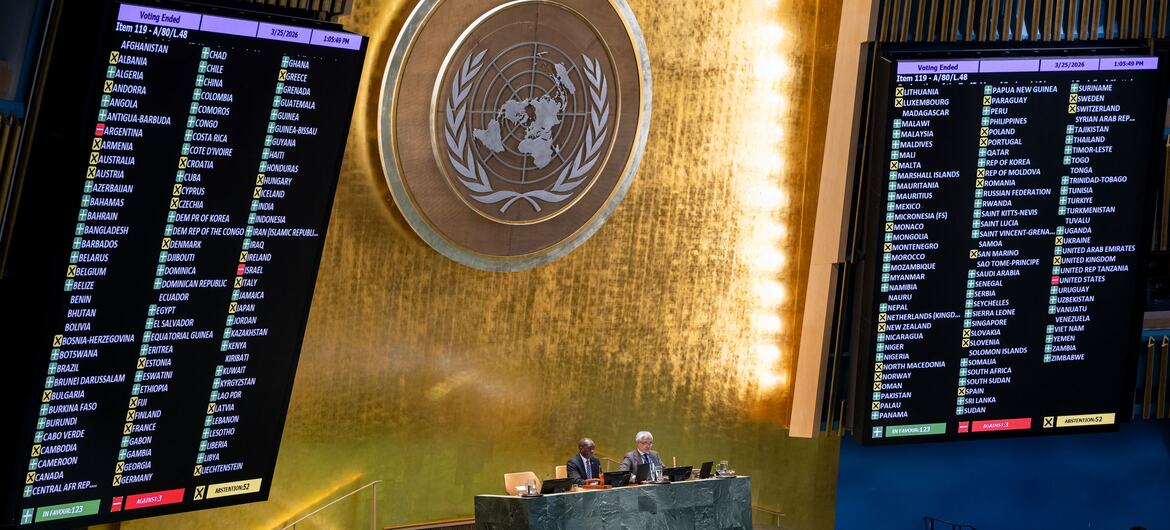
    In a landmark decision at the United Nations General Assembly, 123 nations endorsed a historic resolution formally recognizing the transatlantic slave trade as the “gravest crime against humanity.” The measure, championed by Ghana, further urged member states to consider issuing formal apologies and contributing to a reparations fund addressing the enduring legacy of historical enslavement.

    Prime Minister Philip J. Pierre of Saint Lucia, a vocal supporter, hailed the resolution as a necessary and timely acknowledgment of a painful historical chapter. He emphasized the importance of confronting this history, stating, “Some of us would prefer to forget. But… that’s part of our history… We should never forget that it happened.”

    The vote revealed significant international divisions. The United States, Israel, and Argentina cast opposing votes, while 52 nations, including the United Kingdom and several European Union members, abstained. U.S. representative Ambassador Dan Negrea articulated a stance shared by several abstaining nations, asserting that the U.S. “does not recognise a legal right to reparations for historical wrongs that were not illegal under international law at the time they occurred.” This argument posits that contemporary governments and institutions cannot be held legally accountable for actions that occurred centuries prior.

    Although General Assembly resolutions are not legally binding like Security Council mandates, they possess considerable symbolic and political influence, serving as a barometer of global consensus on critical moral and historical issues. The passage of this resolution amplifies the ongoing global discourse on historical justice, accountability, and the complex question of financial reparations for the descendants of enslaved peoples.

  • Herinneringen aan Santokhi: Toewijding aan democratie en regionale samenwerking

    Herinneringen aan Santokhi: Toewijding aan democratie en regionale samenwerking

    The international community is united in grief following the sudden passing of former Surinamese President Chandrikapersad ‘Chan’ Santokhi at age 67. Leaders across the Americas and beyond are commemorating his legacy as a dedicated statesman, bridge-builder, and champion of democratic values and regional cooperation.

    Regional tributes highlight Santokhi’s profound impact on Caribbean unity. Representatives from Bonaire’s Human Rights Organization praised his “tireless advocacy for democratic governance and the dignity of his people,” noting his active engagement in CARICOM meetings demonstrated deep commitment to regional solidarity. Caribbean Community (CARICOM) officials emphasized his distinguished service as Conference Chair of CARICOM Heads of Government in 2022, where he decisively addressed critical issues including skills certification expansion, the Haiti situation, and industrial policy development.

    Barbados Prime Minister Mia Mottley recalled Santokhi’s profound understanding of regional partnerships, noting he worked “with warmth and purpose” to strengthen Caribbean community ties. She revealed his last communication was a heartfelt congratulatory message following her recent electoral victory, calling this gesture emblematic of his “courteous, attentive nature and dedication to friendship in public life.”

    Netherlands Prime Minister Rob Jetten underscored Santokhi’s role in strengthening bilateral relations, acknowledging his “unceasing efforts to enhance ties between the Netherlands and Suriname.” The Dutch Royal House recognized his contributions to democratic order and security, noting his work strengthening Netherlands-Suriname relations remains a “warm memory.”

    Indian Prime Minister Narendra Modi highlighted Santokhi’s cultural connections, noting his “affection for Indian culture” and role in strengthening India-Suriname relations. Modi observed Santokhi “won countless hearts” by taking his presidential oath in Sanskrit, calling his passing “an irreplaceable loss for the global Indian diaspora.”

    French Ambassador Nicolas de Lacoste expressed that “France has lost a friend and reliable partner” who significantly deepened bilateral relations. The U.S. Embassy in Suriname honored Santokhi as an alumnus of their International Visitor Leadership Program, recognizing his contributions to the Surinamese people and broader Caribbean region.

  • Magnitude 3.8 Earthquake Recorded Near Antigua

    Magnitude 3.8 Earthquake Recorded Near Antigua

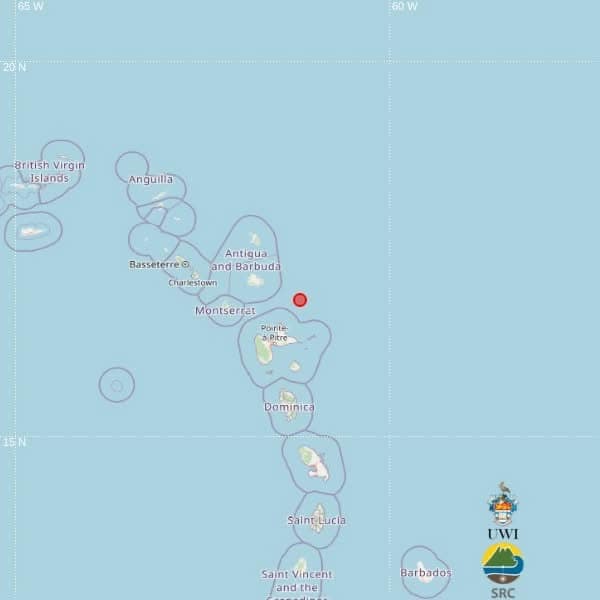
    A moderate seismic event measuring 3.8 on the Richter scale struck the Eastern Caribbean region early Tuesday morning, as confirmed by the University of the West Indies Seismic Research Centre. The tremor originated at precisely 7:33 a.m. local time, with its hypocentre positioned 17 kilometres beneath the Earth’s surface. Seismologists pinpointed the epicentre approximately 79 kilometres southeast of St John’s, the capital city of Antigua and Barbuda.

    The earthquake’s impact radiated across multiple territories, registering 73 kilometres northeast of Point-à-Pitre in Guadeloupe and 112 kilometres east of Brades, Montserrat. Despite the quake’s significant depth and moderate intensity, preliminary assessments indicate no immediate structural damage or casualties across the affected islands.

    The Seismic Research Centre issued a technical note clarifying that initial measurements were automatically generated by sophisticated monitoring systems. Scientists emphasized that these preliminary readings remain subject to potential revision as seismologists conduct comprehensive analysis of seismic waveforms and geological data. The center maintains continuous monitoring of aftershock potential, though historical patterns suggest minimal likelihood of significant follow-up activity for quakes of this magnitude.

    Regional emergency response teams reported standard post-earthquake protocols were activated, with comprehensive infrastructure checks conducted across vulnerable areas. The Caribbean Disaster Emergency Management Agency confirmed readiness to provide support if necessary, though no assistance requests were received.

  • Rowley, Young tributes to ‘Chan’

    Rowley, Young tributes to ‘Chan’

    The Caribbean and South American region is in mourning following the unexpected death of 67-year-old Chandrikapersad “Chan” Santokhi, the former president of Suriname, who passed away on Wednesday at Paramaribo’s Academic Hospital after being admitted for a sudden illness contracted at his residence. The exact cause of his illness and death has not been made public as of the latest updates, leaving many to grapple with the sudden loss of a veteran leader.

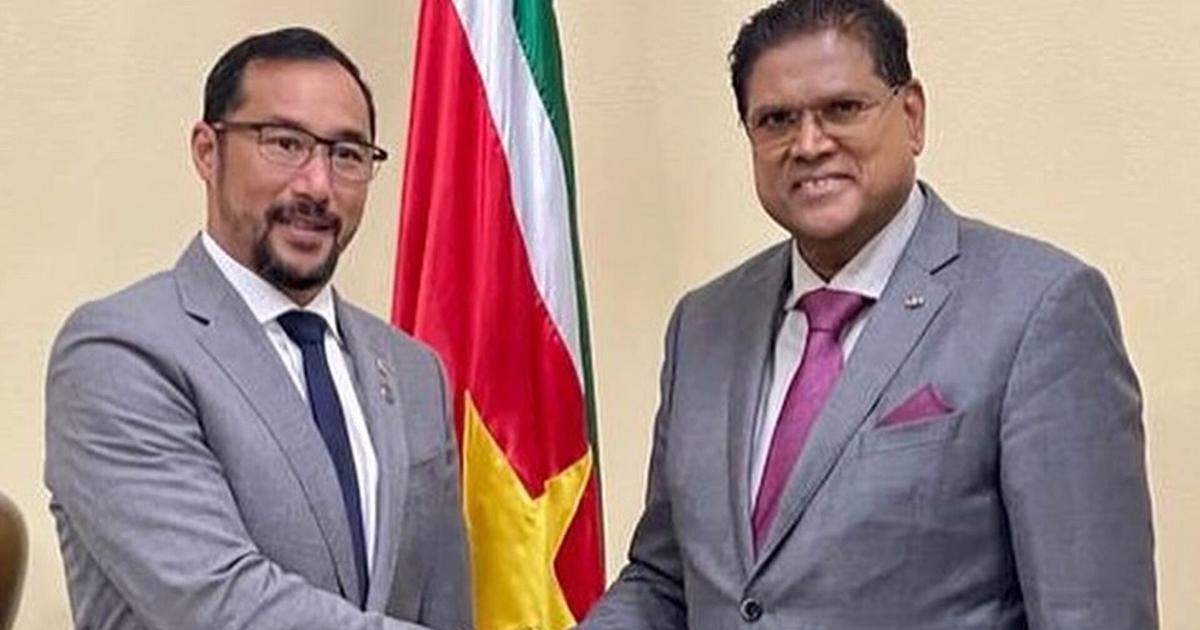
    Across the border in Trinidad and Tobago, two of the country’s former prime ministers, Dr Keith Rowley and Stuart Young, were quick to share tributes via public Facebook posts, extending their deepest sympathies to Santokhi’s loved ones and the entire population of Suriname. In his message, Rowley highlighted Santokhi’s lifelong commitment to public service and national progress, noting that his legacy of dedication would be remembered with lasting respect and continue to inspire coming generations. Young echoed this sentiment, offering prayers for comfort and strength for all those affected by the loss.

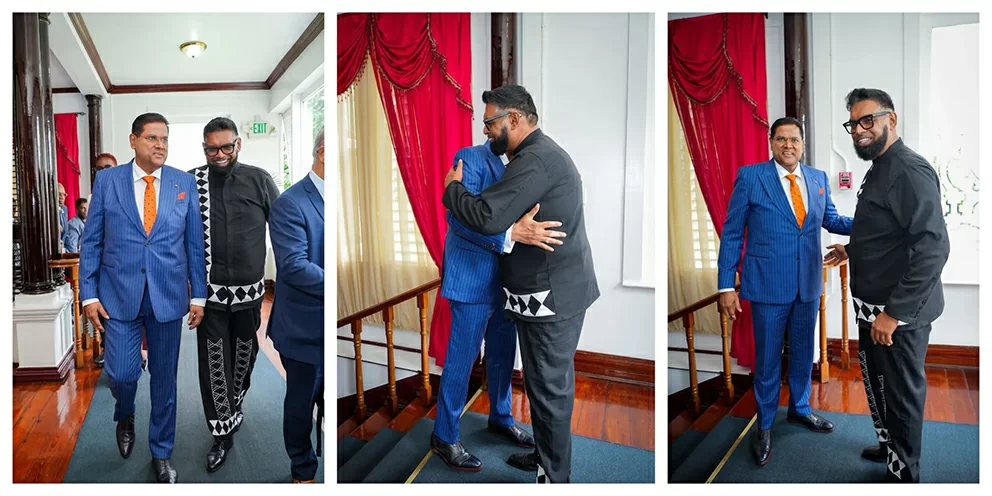
    Guyana’s President Dr Irfaan Ali remembered Santokhi as more than a fellow regional leader – he called him a close friend and a brother bound by shared conviction rather than blood ties. Reflecting on Santokhi’s decades of public life, Ali noted that while the former president’s life has ended, the impact of his leadership, the warmth of his friendship, and the power of his example would continue to resonate with all who had the privilege of working alongside him.

    The Guyana-headquartered Caribbean Community (Caricom) Secretariat also released a statement mourning the loss of what it called one of the bloc’s most dedicated regionalists. During Santokhi’s tenure as chairman of Caricom, he spearheaded key progress on a number of critical regional initiatives: he pushed forward decisive action to expand the list of professions eligible for skills certification under the Caricom Single Market and Economy (CSME), coordinated the bloc’s collective response to the ongoing crisis in Haiti, and advanced the development of the organization’s first formal industrial policy.

    Suriname’s sitting president Jennifer Geerlings-Simons also paid tribute to Santokhi’s legacy, emphasizing that the nation would never forget his decades of service across multiple levels of government. In an official statement released by the Suriname government, officials confirmed that Santokhi, who served as the country’s ninth president from 2020 to 2025, had previously held cabinet office as Minister of Justice and Police between 2005 and 2010. The government offered its full condolences to Santokhi’s family, friends, party colleagues, and all those impacted by the loss, and wished everyone strength to navigate this period of grief.

    As chairman of the Progressive Reform Party (VHP), Santokhi most recently led the party to win 17 of 51 available parliamentary seats in the 2025 general election held in May. In an official announcement, the VHP described Santokhi’s unexpected passing as a colossal, immeasurable loss for the organization. Since taking the reins of the so-called “great orange party” in 2011, the statement noted, Santokhi led the party with unmatched dedication, clear strategic vision, and remarkable courage. For the VHP, the former president was not just a leader, but a beloved father figure to the entire movement. The party’s executive board extended its full condolences to Santokhi’s wife Mellisa Santokhi-Seenacherry, his children, grandchildren, and extended family, and called on all party members, organizational structures, and supporters to remain united, calm, and supportive of one another in this difficult period. The board pledged to uphold Santokhi’s core ideals and enduring legacy with dignity, confirming that his commitment to Suriname will remain at the heart of the party’s work going forward. Further details about the national mourning period, condolence registers, and funeral arrangements will be released in the coming days following consultation with Santokhi’s family and relevant government authorities.
  • Haitian biodiversity, a major economic lever

    Haitian biodiversity, a major economic lever

    A groundbreaking economic assessment conducted by Haiti’s Ministry of Environment in collaboration with the United Nations Development Programme (UNDP) has revealed the staggering economic value of the nation’s coastal ecosystems. The March 2026 analysis estimates these natural assets contribute approximately $9.57 billion annually to Haiti’s economy through essential ecosystem services.

    This valuation represents the Total Economic Value of nature’s complimentary services rather than direct monetary revenue. The comprehensive study breaks down the economic contributions across four critical ecosystem services:

    Coastal protection constitutes the most significant portion (40-50%), with mangroves and coral reefs providing vital storm and erosion barriers that prevent billions in potential infrastructure damage during hurricane events.

    Fisheries support accounts for 20-30% of the total value, as marine ecosystems serve as indispensable breeding grounds. Remarkably, over 82% of Haiti’s fish production directly depends on the health of these coastal habitats.

    Carbon sequestration represents 10-15% of the valuation, with mangrove forests storing substantial ‘blue carbon’ that holds measurable value in global carbon markets while simultaneously combating climate change.

    Tourism and recreation potential contributes 5-10% despite current security challenges, indicating significant untapped economic opportunities, particularly in Haiti’s southern regions.

    The findings were presented on March 26, 2026, at a Port-au-Prince gathering of approximately fifty stakeholders from public, private, and academic sectors. This meeting marked the initial phase of UNDP’s Biodiversity Financing Initiative (BIOFIN), launched in 2012, to address Haiti’s critical biodiversity funding gap.

    Currently, 97% of biodiversity preservation funding originates from external aid, creating an unsustainable conservation model. The BIOFIN initiative aims to establish more structured, autonomous financing mechanisms through four priority areas: creating dedicated national budget lines, exploring innovative financing tools including debt-for-nature swaps, strengthening institutional capabilities, and fully integrating gender considerations into conservation planning.

    The assessment fundamentally reframes biodiversity from an environmental concern to an economic imperative, positioning ecosystem protection as a strategic investment that supports livelihoods, stimulates local economies, and secures Haiti’s sustainable development future.

  • Russische olietanker arriveert in Cuba temidden van Amerikaanse blokkade

    Russische olietanker arriveert in Cuba temidden van Amerikaanse blokkade

    A Russian oil tanker carrying 730,000 barrels of crude oil successfully docked in Cuba on Monday, marking the first fuel shipment to reach the island nation since January amid severe energy shortages. The Anatoly Kolodkin, described by Russian transport authorities as delivering “humanitarian cargo,” arrived at Matanzas port despite an effective U.S. fuel blockade against the Caribbean island.

    The Kremlin welcomed the tanker’s arrival, with spokesperson Dmitry Peskov confirming Russia’s commitment to maintaining oil supplies to Cuba—a topic reportedly discussed during negotiations with the United States. Remarkably, President Donald Trump stated he had no objections to the Russian shipment, though he simultaneously criticized Cuba’s leadership, predicting the regime’s imminent collapse.

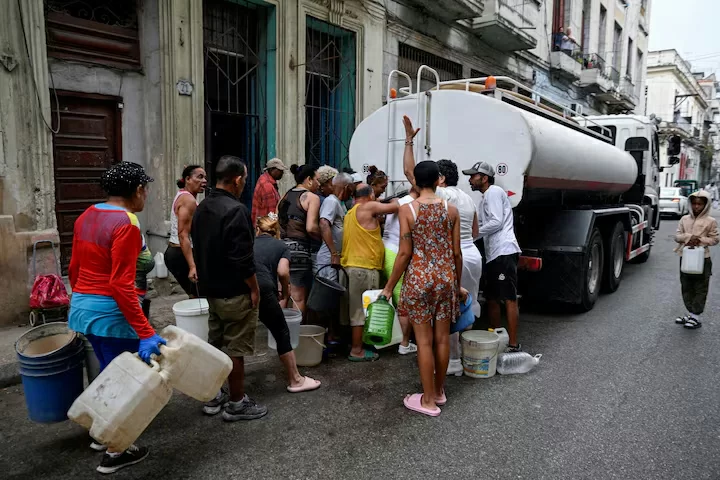
    Cuba’s current energy crisis stems from January, when the U.S. effectively neutralized Venezuelan leader Nicolás Maduro, Cuba’s primary regional ally and oil supplier. This triggered Washington’s de facto blockade on oil sales to Cuba, resulting in severe fuel shortages that have crippled transportation, caused seven nationwide blackouts in 2024 alone, and sparked rare public protests.

    President Miguel Diaz-Canel has implemented emergency measures including strict gasoline rationing to address the crisis. Soaring fuel prices, reduced public transportation, and suspended airline flights have further strained Cuba’s fragile economy.

    The Russian tanker, which departed from Primorsk port on March 8, traveled under escort by a Russian naval vessel through the English Channel before proceeding independently. According to unnamed U.S. officials, the Coast Guard permitted the sanctioned vessel to reach Cuban waters.

    Energy experts estimate the Russian crude will require 15-20 days for refining and an additional 5-10 days for distribution. The shipment could yield approximately 250,000 barrels of diesel—enough to meet 12.5 days of current demand. This presents Cuban authorities with a difficult decision: whether to allocate the diesel to power generators reducing blackouts or to transportation networks keeping the economy functional.

    Meanwhile, another Russian fuel tanker originally bound for Cuba with diesel supplies redirected to Venezuela this week, highlighting the complex geopolitical dynamics affecting Cuba’s energy security.

  • U.S. Coast Guard repatriates 60 migrants intercepted near Mona Island

    U.S. Coast Guard repatriates 60 migrants intercepted near Mona Island

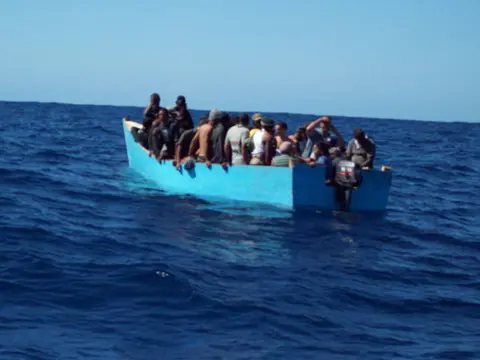
    In a coordinated maritime operation, the United States Coast Guard successfully intercepted an overloaded, improvised vessel carrying migrants near Mona Island last Friday. The interdiction resulted in the repatriation of 60 individuals consisting of 43 Haitian men, 11 Haitian women, and six Dominican nationals.

    The operation commenced when a Customs and Border Protection patrol aircraft detected the precarious vessel approximately 50 nautical miles off the coast of Puerto Rico. The Coast Guard cutter Thetis, supported by an MH-60T Jayhawk helicopter, responded to secure the area and ensure the safety of all persons aboard the makeshift craft.

    Following established protocols, Coast Guard personnel provided immediate humanitarian assistance including nourishment, hydration, temporary shelter, and medical evaluation before transferring the migrants to the Dominican Republic Navy. Officials emphasized the extreme dangers of irregular migration via unseaworthy, overcrowded vessels that frequently undertake the perilous journey through the Mona Passage.

    This interception represents another successful mission under ‘Operation Vigilant Sentry,’ the ongoing surveillance initiative targeting known migration routes between the Dominican Republic and Puerto Rico. Maritime authorities continue to monitor these waters intensively to prevent tragic outcomes associated with unauthorized migration attempts.

  • Diepe verslagenheid in de regio na overlijden van voormalig president Santokhi

    Diepe verslagenheid in de regio na overlijden van voormalig president Santokhi

    Guyanese President Irfaan Ali has expressed profound sorrow following the passing of former Surinamese President Chandrikapersad Santokhi, who died at age 67 after being rushed to the emergency department of Paramaribo Academic Hospital. In an official statement, President Ali memorialized Santokhi as both a trusted personal friend and an instrumental regional partner whose leadership significantly strengthened bilateral relations between the neighboring nations.

    President Ali extended heartfelt condolences on behalf of Guyana’s government and citizens to the people of Suriname and Santokhi’s family, emphasizing the collaborative working relationship the two leaders maintained. Their joint commitment focused on advancing regional unity and cooperation through platforms including CARICOM and various international forums.

    Under Santokhi’s presidency, the bilateral partnership between Guyana and Suriname flourished, with both countries leveraging their shared historical ties and economic interests to pursue common developmental objectives. President Ali characterized the late leader as a figure of quiet strength and humility who served his nation with unwavering dedication and conviction.

    The Guyanese head of state noted that Santokhi’s passing represents not just a loss for Suriname, but for the entire Caribbean community, which has been deprived of a significant voice in regional affairs. Ali emphasized that Guyana has lost a genuine friend whose leadership and partnership substantially contributed to Caribbean progress.

    Concluding his tribute, President Ali offered words of comfort to Santokhi’s family, encouraging them to draw strength from the enduring legacy he leaves behind. The former president’s example, friendship, and dedication to public service will continue to resonate throughout the region, according to Ali.

  • These Are The 2026 Atlantic Hurricane Season Names

    These Are The 2026 Atlantic Hurricane Season Names

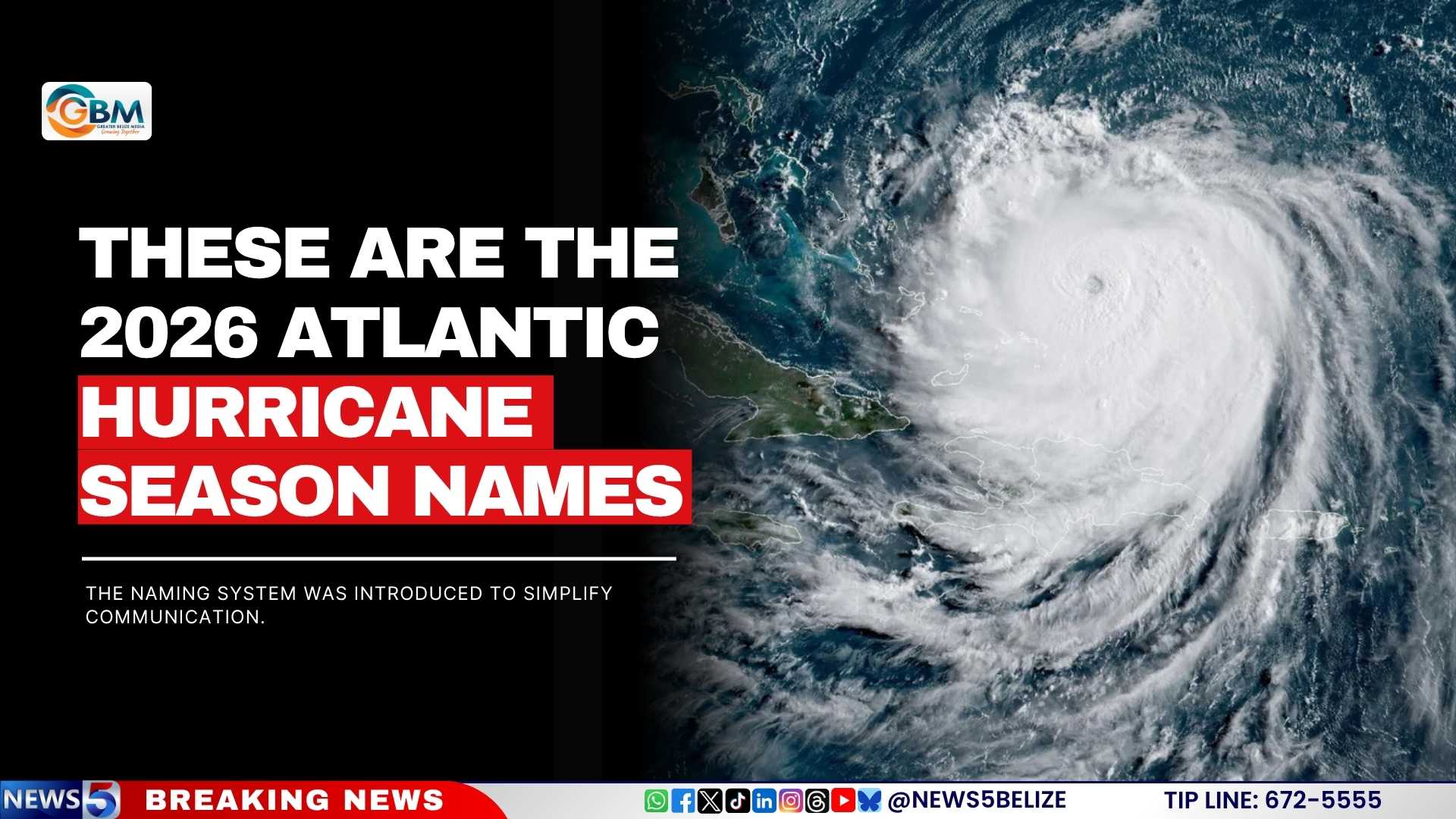
    The World Meteorological Organization (WMO) has formally announced the predetermined nomenclature system for the forthcoming 2026 Atlantic hurricane season, scheduled to commence on June 1st. This year’s alphabetical roster comprises 21 distinct appellations: Arthur, Bertha, Cristobal, Dolly, Edouard, Fay, Gonzalo, Hanna, Isaias, Josephine, Kyle, Leah, Marco, Nana, Omar, Paulette, Rene, Sally, Teddy, Vicky, and Wilfred.

    Governed by a rigorous rotational protocol established by the Switzerland-based WMO, tropical cyclone denominations are curated years in advance. These appellation catalogs undergo recycling every six years, with singular exceptions made for storms that incur substantial devastation or catastrophic loss of life. In such instances, the respective name undergoes permanent retirement and subsequent replacement to prevent potential confusion and maintain cultural sensitivity.

    Preliminary meteorological projections for the 2026 season indicate the potential emergence of El Niño conditions—a natural climatic oscillation phenomenon known to typically suppress Atlantic hurricane formation through enhanced wind shear dynamics. Consequently, several forecasting entities anticipate either near-average or moderately reduced cyclonic activity compared to historical benchmarks.

    Historical climatological data from the 1991-2020 period indicates the Atlantic basin averages approximately 14 designated storms annually, with seven typically intensifying into full-fledged hurricanes. The current naming convention—implemented to streamline public communication and enhance situational awareness—assigns designations once tropical systems achieve sustained wind velocities of 39 miles per hour, with classification as hurricanes occurring at the 74 miles per hour threshold. This system replaced the previously utilized coordinate-based identification method, which frequently generated confusion during concurrent storm events.

  • Russian Tanker Arrives in Cuba Carrying 100,000 Tonnes of Oil

    Russian Tanker Arrives in Cuba Carrying 100,000 Tonnes of Oil

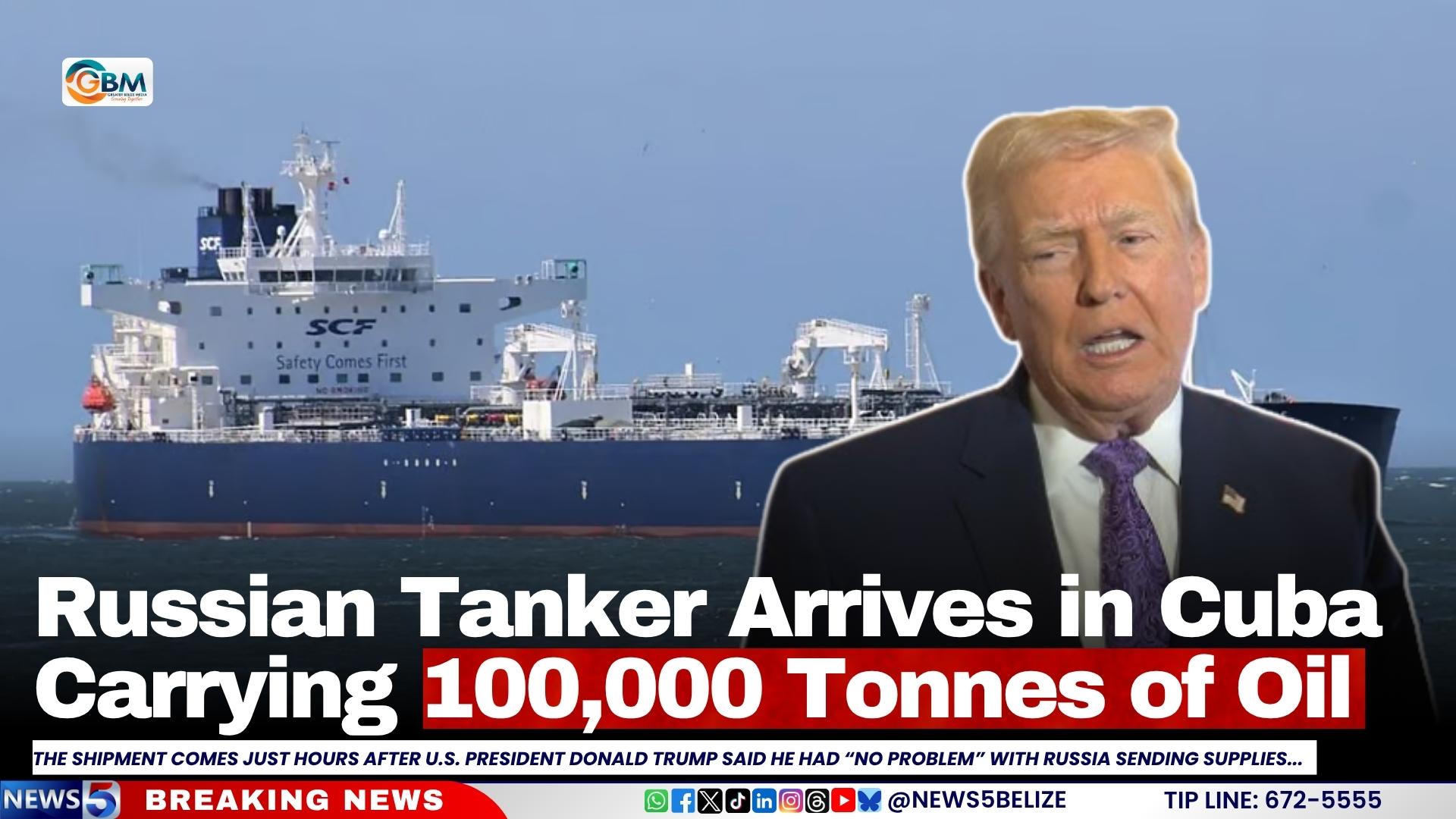
    In a significant geopolitical development, a Russian-flagged oil tanker delivering 100,000 tonnes of crude oil has successfully arrived at Cuban shores. This delivery represents the first major fuel shipment to reach the island nation in approximately three months, alleviating critical shortages that had threatened to paralyze essential services.

    The arrival of the vessel, identified as the Anatoly Kolodkin, occurred mere hours after U.S. President Donald Trump expressed his acquiescence to such shipments. Aboard Air Force One on Sunday, President Trump stated, ‘We have a tanker out there. We don’t mind having somebody get a boatload because they need… they have to survive.’ This statement marked a notable shift in tone, given that his administration had actively enforced a blockade on fuel deliveries to Cuba since the beginning of January.

    Russian authorities have formally characterized the cargo as a humanitarian mission. Kremlin spokesman Dmitri Peskov emphasized Moscow’s perspective, stating that Russia considers it a duty to support its Cuban allies. Peskov further revealed that the delivery had been pre-coordinated with American officials, suggesting a level of behind-the-scenes diplomatic engagement.

    The shipment’s urgency was underscored by a recent warning from the World Health Organization (WHO), which highlighted the severe strain on Cuba’s healthcare system. Hospitals were reportedly struggling to maintain operations of emergency and intensive care services due to the protracted fuel crisis, raising concerns about public health ramifications.