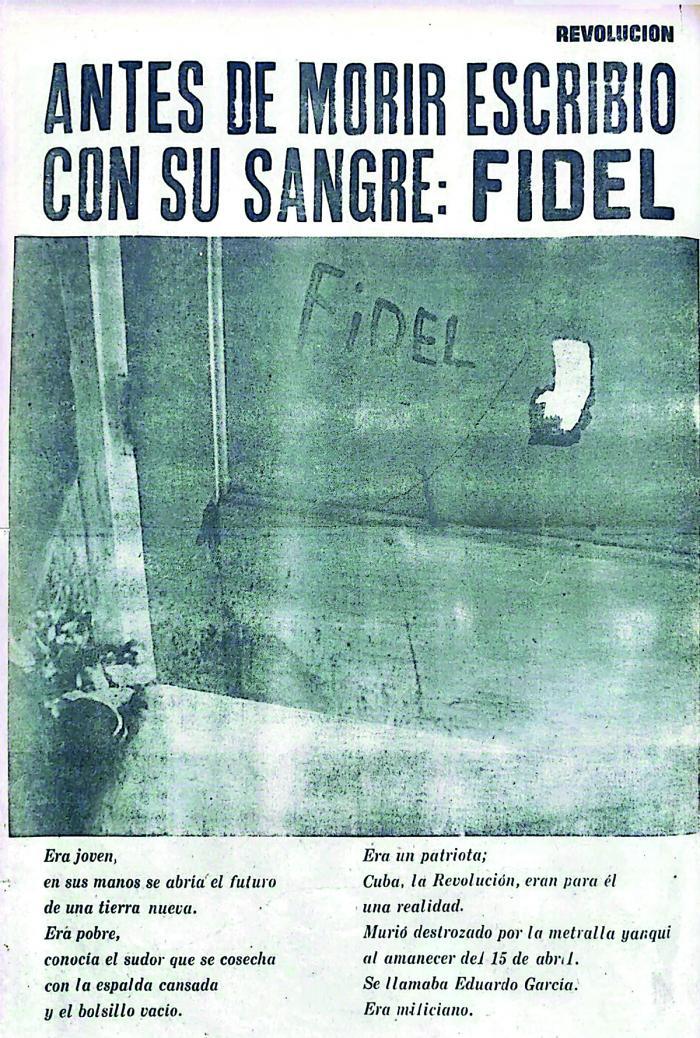
Six and a half decades after one of the most defining opening acts of Cold War tensions in the Caribbean, Cuba’s official newspaper Granma has revisited the haunting, inspiring story of Eduardo García Delgado, the young revolutionary militiaman killed in pre-invasion air strikes that paved the way for the failed Bay of Pigs invasion. The commemoration centers on a historic page from the 1961 revolutionary newspaper *Revolución*, published on April 17 that year as a tribute to García Delgado, who lost his life just two days prior in coordinated bombings of Cuban airports. Before drawing his final breath, the young fighter scrawled a single name in his own blood across a surface: Fidel, a reference to revolutionary leader Fidel Castro. Granma’s tribute, published ahead of the 65th anniversary of the invasion in April 2026, republishes a moving poetic tribute to García Delgado that captures the raw ideology and sacrifice of the early Cuban Revolution. The verse honors García Delgado as a young working-class patriot who staked his future on the promise of a new sovereign Cuba: “He was young, in his hands lay the future of a new land. He was poor, he knew the sweat that is reaped with a weary back and empty pockets. He was a patriot; Cuba, the Revolution, were for him a reality.” The poem confirms the circumstances of his death, noting he “died torn apart by Yankee shrapnel At dawn on April 15.” The historic newspaper page holding this tribute comes from Granma’s institutional archives, retained as a permanent record of the human cost of the 1961 conflict between the Castro revolutionary government and U.S.-backed opposition forces that launched the Bay of Pigs invasion. The 1961 pre-invasion bombings targeted Cuban air infrastructure to weaken the revolutionary government’s defenses ahead of the amphibious landing by CIA-trained Cuban exiles on April 17. García Delgado’s final act, immortalized in the commemorative reporting, has become a lasting symbol of revolutionary loyalty and personal sacrifice in Cuban national memory. The image of the original 1961 *Revolución* newspaper page, preserved in Granma’s archives, accompanies the new tribute to the fallen militiaman.
分类: world
-
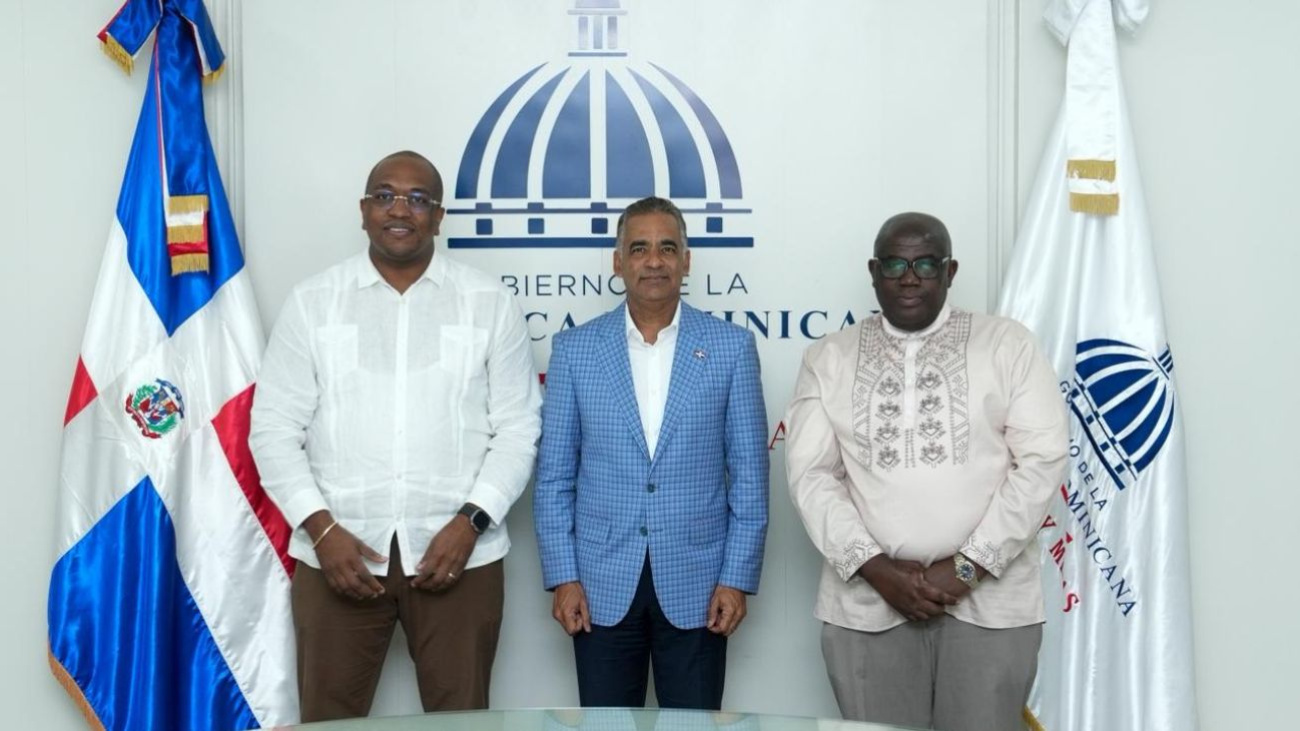
Dominican Republic and Suriname advance energy and hydrocarbon cooperation
In a recent high-level diplomatic gathering held in Santo Domingo, senior officials from the Dominican Republic and Suriname have moved forward with collaborative discussions focused on expanding joint work in hydrocarbon development and the broader energy sector. The meeting brought together Joel Santos, the Dominican Republic’s Minister of Energy and Mines, and Melvin Bouva, Suriname’s Minister of Foreign Affairs, where parties centered their dialogue on opportunities for joint oil and gas exploration, as well as potential partnerships in mining and large-scale energy initiatives. These talks unfold against a backdrop of rapid transformation in the Caribbean and Latin American regional energy landscape, where nations are actively reworking their energy strategies to balance security needs, climate goals, and economic growth.
During the discussions, Minister Santos shared key updates on the Dominican Republic’s domestic energy plans, confirming that the country will launch its second competitive oil exploration bidding round this coming November. The initiative is designed to draw foreign and domestic investment into the country’s energy sector, shore up long-term national energy security, and deliver more comprehensive data on the full scope of the Dominican Republic’s untapped hydrocarbon reserves. Crucially, the bidding round will be structured to adhere to strict sustainable development practices and full transparency requirements, aligning with global standards for responsible resource extraction.
Beyond non-renewable resource development, Santos also highlighted the Dominican Republic’s significant progress in transitioning to a cleaner energy system. He noted that renewable energy sources now account for more than one-quarter of the country’s total electricity generation, a milestone that has helped build a more diverse, climate-resilient national energy mix that reduces reliance on imported fossil fuels.
Both delegations reaffirmed their shared commitment to deepening bilateral relations beyond the energy sector, with plans to explore expanded cooperation across a range of strategically important areas. In addition to energy and mining, the two governments are looking to advance collaboration on sustainable development priorities, with cross-ministerial participation from officials overseeing transport, tourism, digital communications, and international trade. This broad-based approach to partnership reflects both nations’ desire to unlock mutual economic benefits and strengthen their positions in the evolving regional and global energy market.
-

USA : Minister Paulemon presents Haiti’s vision for its healthcare system
In a keynote address delivered at George Washington University on April 14, 2026, Sandra Paulemon, Haiti’s Minister of Planning and External Cooperation, laid out the Caribbean nation’s ambitious blueprint for transforming its healthcare system during an academic exchange hosted by the university’s Institute for African Studies. The event centered on critical intersections between public health outcomes and sustainable public financing strategies for vulnerable nations grappling with widespread instability.
Paulemon opened her presentation by painting an unflinching picture of Haiti’s current health landscape, detailing long-standing structural barriers that have left millions without reliable access to care. She outlined the Haitian government’s incremental but ongoing work to expand, strengthen, and sustain healthcare access, with a deliberate focus on reaching marginalized and low-income communities that have historically been excluded from comprehensive services. At the core of the government’s agenda, she emphasized, is a deep-seated commitment to building a healthcare system that is resilient to ongoing shocks, equitable across all population groups, and fully sovereign, while upholding fundamental human dignity and advancing social justice for all Haitians.
A major focus of the minister’s remarks centered on the disproportionate crisis facing women and girls in Haiti, who face widespread threats of sexual violence, exploitation, and coercion at the hands of active armed gangs operating across the country. Paulemon drew international attention to the acute vulnerability of displaced women who have fled their homes amid ongoing violence: many have survived severe abuse, carry deep psychological trauma, and face almost insurmountable barriers to accessing routine medical care, specialized psychosocial support, and formal protection services. She also noted the parallel crisis facing young boys in affected communities, who are regularly targeted for forced recruitment by gangs, robbing them of their childhood and eliminating any clear path to a stable, hopeful future.
Against this backdrop of ongoing crisis, Paulemon argued that the domestic mobilization of resources for public health takes on urgent new meaning. She explained that sustained domestic investment would allow the Haitian state to expand its core capacity to protect, treat, and support the nation’s most vulnerable groups, including survivors of violence, at-risk children, and entire communities displaced by ongoing insecurity. Far from being a narrow social policy concern, she framed health financing as a foundational tool for advancing national stability, expanding social protection, and strengthening the nation’s overall resilience to overlapping crises.
Paulemon also outlined the central coordinating role of her Ministry of Planning in aligning disparate resources from national, bilateral, multilateral, and humanitarian partners into a single cohesive strategy aligned with the Haitian government’s stated strategic priorities. She stressed that a core mandate of her department is to improve alignment between external donor funding, national public health priorities, and sector-specific strategies led by relevant Haitian state institutions, most notably the Ministry of Public Health and Population. This coordination, she argued, is critical to reducing fragmentation and ensuring that all invested resources advance national, rather than external, goals.
Throughout her address, the minister reaffirmed the Haitian government’s commitment to collaborative partnership with both domestic stakeholders and international allies to build a healthcare system that can meet the population’s evolving needs, particularly for the most marginalized groups. She emphasized that this work must be rooted in the principles of national sovereignty, coordinated action, and effective public service delivery. A key long-term goal, she added, is to gradually reduce Haiti’s overreliance on external aid, building a self-sustaining health system that can address ongoing gaps with a targeted focus on survivors of gender-based violence and vulnerable youth.
In closing, Paulemon underscored the urgent need to expand access to integrated physical and mental health care, scale up psychosocial support for violence survivors, and strengthen protection and economic reintegration programs for affected communities. Ensuring that no Haitian is left behind, ignored, or forgotten amid ongoing crisis is not only a core responsibility of the Haitian state, she argued, but a shared global commitment. “Together, through alignment, coordination, and unwavering commitment, it is possible to guarantee genuine protection, effective access to care, and tangible dignity for the Haitian people,” she concluded.
-
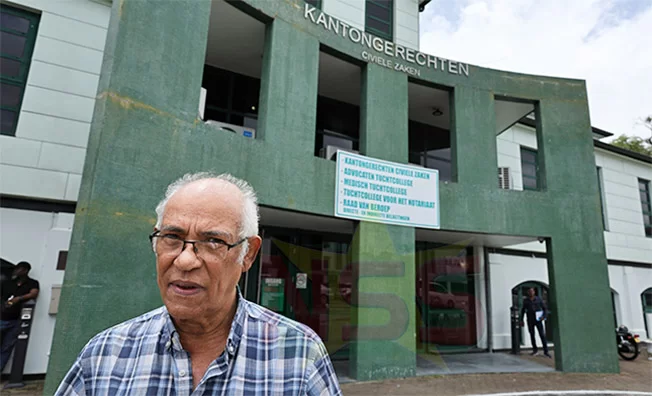
Bodemprocedure 8 decembermoorden gestart; vijf families dienen geen vordering in
A landmark full civil procedure case against the state of Suriname, filed by 10 family groups of victims of the infamous December 8 murders, officially got underway in court this Tuesday. After a brief opening presentation of the case before the judge, legal representatives for both sides exited the courtroom, with lead counsel for the victims’ surviving relatives Hugo Essed stopping to speak with reporters to outline the details of the historic proceeding.
Essed emphasized that this is not a fast-track summary proceeding, but a full substantive civil trial that will examine the core merits of the families’ claims. Against expectations for a years-long delay, he noted that the case launched with far greater speed than anticipated, and projects that a final court ruling could be delivered within roughly 12 months.
In total, 60 family members of the 10 slain victims – including prominent public figures John Baboeram, Cyril Daal, Edmund Hoost, Rudie Kamperveen, Harrie Oemrawsingh, Leslie Rahman, Cornelis Riedewald, Jiwansing Sheombar, Jozef Slagveer and Somradj Sohansingh – have joined the collective lawsuit against the Suriname state. The claimants are demanding three core outcomes: official public rehabilitation of the victims’ reputations, a formal public apology from the Suriname government, and financial compensation for the harm they have suffered. Per participating family, the claims total 500,000 euros for material damages and an additional 750,000 euros for non-material harm stemming from the killings.
Beyond compensatory damages, the families are also seeking 250,000 Surinamese dollars per family to cover court and legal representation fees. To enforce any potential ruling in their favor, they have additionally requested a daily penalty payment of 500,000 Surinamese dollars per family for every day the state fails to comply with the court’s final judgment.
A notable detail emerging from the opening day is that five additional families of victims connected to the 1982 massacre have opted not to join the legal action. Essed told reporters that he has no insight into what led these families to decline participation, noting that all surviving heirs were extended a formal invitation to join the claim. “All heirs were given the opportunity to participate in this action. I cannot say why some chose not to take part; as counsel for the participating families, I have had no contact with the unrepresented families,” Essed explained.
He added that outreach to all surviving relatives was coordinated through the Organization for Justice and Peace (OGV), which first shared detailed information about the planned legal proceeding with families more than a year ago. Collecting the required legal documentation, including proof of inheritance and formal power of attorney from all claimants, took longer than initially projected to complete, contributing to the gap between initial planning and the launch of the trial.
Essed also laid out the legal foundation for holding the Suriname state directly liable for the killings. “The murders were carried out by individuals acting in their capacity as state officials and government functionaries, using state-owned resources and infrastructure, including weapons and military facilities belonging to the National Army of Suriname. That direct connection makes the state co-liable for the killings,” he argued.
Under Suriname’s legal framework, if the court finds the state liable for damages, the government would then have the right to pursue separate claims to recover those funds from the perpetrators of the massacre or their heirs. Essed, however, cautioned that this path would be largely unworkable in practice, as most of the individuals directly involved in the killings are not believed to hold significant personal assets that could be seized to cover the damage awards.
-
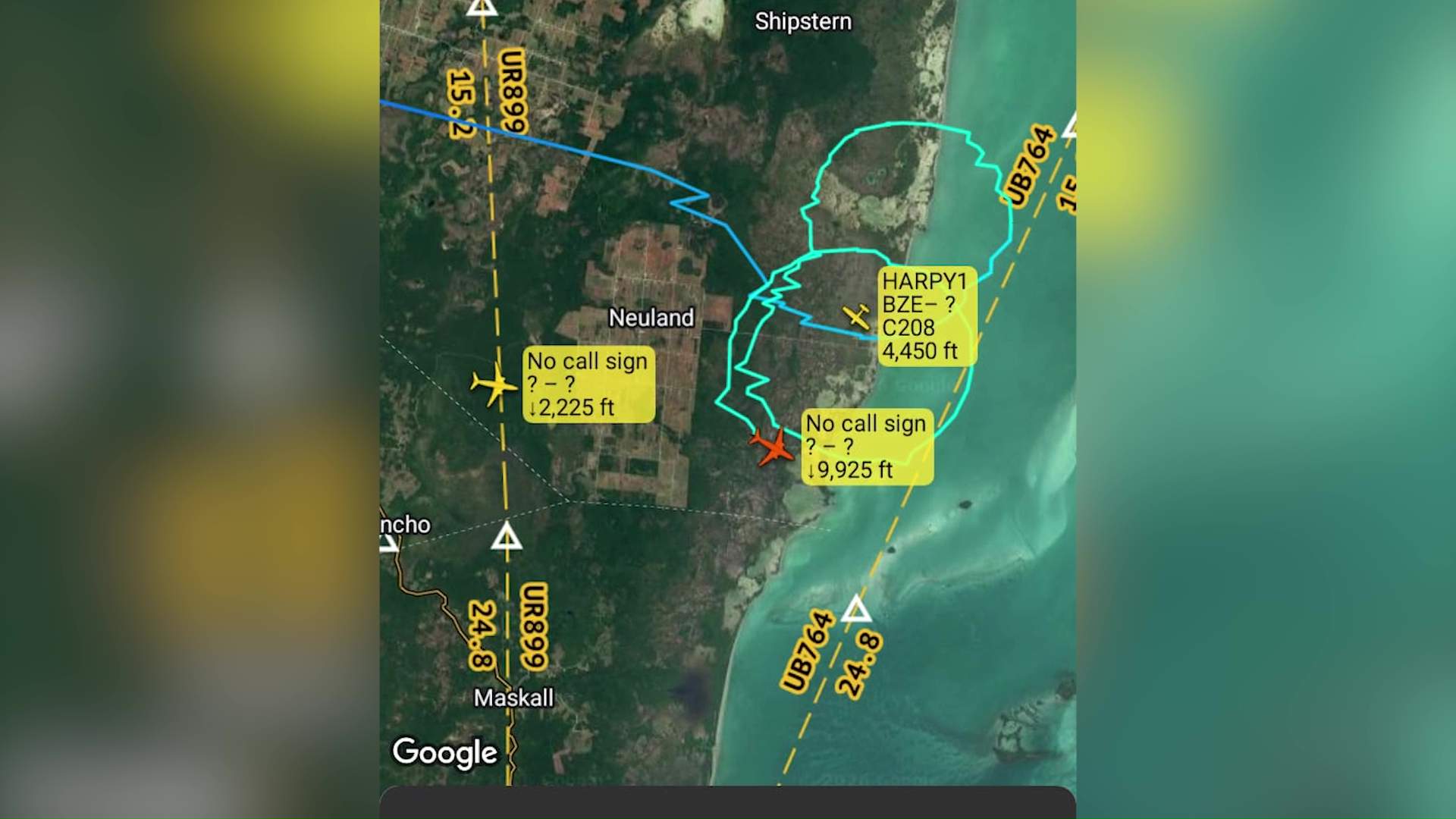
How Intelligence Stopped the Neuland Drug Flight
On April 14, 2026, new details have emerged of a major drug plane interdiction operation in Neuland, Belize, revealing that the successful bust was not a random stroke of luck, but the culmination of months of deliberate intelligence work, seamless inter-agency coordination, and critical cross-border partnership with United States law enforcement entities.
Following a joint public briefing held by Belize’s combined law enforcement teams this week, officials have pulled back the curtain on the operational workflow that led to the intercept. Belize Police Commissioner Dr. Richard Rosado emphasized that the operation dismantles the narrative that the country serves as an unchallenged transit hub for transnational drug trafficking networks.
“This successful operation sends a clear message: Belize is not an open transit route for illegal narcotics,” Rosado stated in the briefing. “We have built out the full capabilities to detect, track, and intercept illicit shipments, backed by robust intelligence and strong global partnerships. We have the tools and the coordination to get the job done.”
When asked about the level of support provided by U.S. counterparts, Rosado confirmed that American agencies were involved at every stage of the operation, from the initial intelligence gathering that flagged the suspicious flight through to the final arrest of the individuals involved. Under Belize’s current counter-narcotics framework, any confirmed alert of an illicit trafficking movement triggers an automatic referral to the Joint Interagency Coordination Committee (JIAC), which brings together all relevant national security entities including the Belize Police Department, Belize Defense Force, Belize Coast Guard, and the national Customs Department. Rosado noted that this operation marked a landmark demonstration of this coordinated system working in perfect unison.
Belize Coast Guard Commandant Captain Gregory Soberanis also detailed his service’s role in the operation, reaffirming the branch’s ongoing commitment to deepening collaborative ties with national partner agencies. “The Belize Coast Guard remains fully dedicated to strengthening our partnership with the Police Department and the Belize Defense Force,” Soberanis said. “This is a relationship we will continue to build on, as we work side by side to guarantee the safety and security of all Belizean citizens.”
The successful intercept highlights the growing effectiveness of Belize’s counter-narcotics infrastructure, and underscores the critical role of both inter-agency coordination and international cooperation in disrupting transnational drug trafficking operations before illicit substances can enter regional supply chains.
-
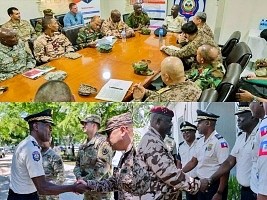
Arrival of the GSF Commander-in-Chief in Haiti
In a landmark step toward restoring national stability amid Haiti’s ongoing gang violence crisis, the senior leadership of the multilateral Gang Suppression Force (GSF) touched down in the Caribbean nation this week, marking the official start of coordinated security operations across the country.
On Tuesday, April 14, 2026, Haiti’s top national police leadership formally welcomed the GSF delegation at the General Directorate headquarters of the Haitian National Police (PNH). Vladimir Paraison, the PNH Acting Commander-in-Chief, led the reception alongside members of the PNH High Command, while the visiting GSF contingent was headed by Major General Erdenebat Batsuuri of the Mongolian Armed Forces.
The closed-door working meeting focused exclusively on hammering out logistical and strategic details for the GSF’s upcoming operational rollout across Haitian territory. Major General Batsuuri was joined in the delegation by senior military officers from two other contributing partner nations, Sri Lanka and Chad, and he confirmed in remarks after the meeting that additional countries will also commit personnel and resources to the international security mission.
This initial high-level visit is framed as a core preparatory milestone for the GSF’s phased deployment across Haiti. A key priority of the talks was strengthening on-the-ground coordination mechanisms between the international force and local PNH units, which have been struggling to contain widespread gang activity that has displaced hundreds of thousands and crippled basic governance in recent years.
To contextualize the mission, the GSF operates under a clear offensive mandate: its primary objectives include dismantling and neutralizing violent armed gang groups, securing critical national infrastructure that is essential for the delivery of basic services, and providing direct operational support to overstretched Haitian police forces. Beyond offensive action, the force will also work to consolidate control over and stabilize areas that the PNH has already reclaimed from gang control, laying the groundwork for a gradual, nationwide restoration of public safety.
The arrival of the GSF leadership comes after months of international diplomatic and logistical preparations to address Haiti’s deepening security emergency, representing the most substantive international intervention to resolve the country’s crisis in recent years.
-
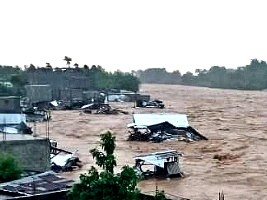
FLASH – Devastating floods leave at least 12 dead in Northwest Haiti
Between April 11 and 13, 2026, torrential downpours unleashed catastrophic flash flooding across Haiti’s Northwest Department, leaving at least 12 people dead, dozens missing, and more than 2,500 families displaced across three hard-hit municipalities: Port-de-Paix, Saint-Louis du Nord, and Anse-à-Foleur.
Torrential rainfall swelled multiple regional rivers, including the major Rivière des Trois Rivières, sending rushing floodwaters into low-lying communities and saturating already vulnerable soil. Haiti’s Civil Protection Directorate has warned that the emergency is far from over, maintaining the highest level of vigilance amid ongoing threats of additional landslides and flash flooding if forecast rain continues to hit the region.
Preliminary data from the Departmental Directorate of Civil Protection confirms that all 12 confirmed fatalities occurred in the first, third, and fourth rural sections of Saint-Louis du Nord, where victims were either killed by landslides or swept away by fast-moving floodwaters. Multiple serious injuries have been documented, and search operations continue for an undetermined number of missing people, including local fishermen and residents living along riverbanks in Anse-à-Foleur.
Displaced residents have been forced to evacuate their damaged homes, taking shelter with extended family members or in makeshift temporary emergency shelters. Local officials have already issued an urgent appeal to Haiti’s central government for critical aid supplies, including emergency food rations, clean drinking water, hygiene kits, and sanitation infrastructure, warning that a lack of these resources could spark a secondary public health crisis in flood-stricken communities.
Infrastructure damage across the region is extensive. More than 1,200 residential properties have been flooded, with low-lying neighborhoods in Port-de-Paix such as La Saline and Haut-Gallois suffering severe structural damage to dozens of homes. The key intercity highway connecting Port-de-Paix to Saint-Louis du Nord is now impassable in multiple stretches due to landslides, while multiple smaller bridges and culverts have been structurally compromised by flood force. The Ti Rivyè bridge, a critical regional crossing, was completely destroyed by rushing waters.
Local public services have also been brought to a halt: all schools and health centers across the three affected communes have been flooded with mud, leaving the facilities inaccessible and cutting off residents from basic education and medical care. The region’s agricultural sector, a core source of livelihood for thousands of small-scale producers, has suffered near-total ruin. Fertile agricultural plains surrounding Anse-à-Foleur and Saint-Louis du Nord remain submerged, wiping out this season’s entire harvest of bananas, corn, and beans. Hundreds of head of livestock, including cattle, goats, and pigs, have been swept away, representing an irreversible financial catastrophe for small farming households that rely on these animals for income and food security. Many key irrigation canals are now clogged with sediment and flood debris, a barrier that will delay the recovery of agricultural activity long after floodwaters recede.
While the Civil Protection Directorate and local non-governmental organizations continue working to assess full damage and unmet humanitarian needs, access to remote communities in Anse-à-Foleur remains severely limited. Saturated ground and debris blocking rural access roads have slowed search and rescue operations and prevented aid from reaching some of the hardest-hit populations.
-

Belize Tackles One of Hurricanes’ Deadliest Threats
As the 2026 Atlantic hurricane season draws near, the small low-lying Central American nation of Belize has brought one of hurricanes’ deadliest and most underrecognized hazards — storm surge — to the top of its regional climate adaptation agenda. This week, Belize is hosting a three-day high-level international workshop in Belize City, uniting leading meteorologists, national disaster response managers, and climate resilience experts from across the globe to refine storm surge forecasting and early warning capabilities for coastal communities throughout the Caribbean.
Storm surge, the rapid rise of seawater pushed inland by a hurricane’s strong winds, is responsible for roughly half of all hurricane-related fatalities in the Atlantic basin, and it poses an existential risk to low-lying coastal nations like Belize. The country has carried the collective memory of devastating storm surge damage for more than half a century, ever since Hurricane Hattie destroyed most of Belize City’s coastline in 1961, leaving hundreds dead and reshaping the nation’s urban development. Today, as climate change accelerates sea level rise and intensifies the strength of tropical cyclones, the threat of catastrophic storm surge has grown more urgent than ever.
The workshop, supported by long-term global partners including the U.S. National Hurricane Center (NHC) and the University Corporation for Atmospheric Research, builds on a 10-year regional capacity-building initiative to bring advanced storm surge modeling to vulnerable Caribbean nations. Belize was one of the first countries in the region to gain access to this cutting-edge modeling technology, which simulates potential storm surge impacts across the country’s varied coastline topography.
Ronald Gordon, Belize’s chief meteorologist, explained that the modeling framework does not focus on long-term climate projections; instead, it generates hundreds of synthetic hurricane scenarios that test how different storm intensities, forward speeds, and approach angles would interact with Belize’s unique coastal terrain to produce storm surges of varying heights. Over a decade of refinement, the models have become far faster, more geographically detailed, and more accessible to national forecasters across the Caribbean, thanks to U.S. government funding through the NHC.
Jamie Rhome, deputy director of the NHC, outlined the core goals of the week-long gathering: training local teams to identify at-risk communities before a storm forms, pre-position emergency resources, and issue accurate, timely warnings when a threat emerges. Technological advances have transformed the pace of capacity building, he noted: where it once took two to three years to deploy customized modeling systems for a single country, experts can now roll out the tools far more quickly, allowing the initiative to scale across the entire Caribbean region at an accelerated rate.
For Belize’s disaster leadership, the workshop also offers a critical opportunity to learn from recent real-world experience. Henry Charles Usher, Belize’s Minister of Disaster Risk Management, highlighted that delegates from Jamaica — which suffered a direct hit from Category 5 Hurricane Melissa just one year prior — are sharing on-the-ground lessons about storm surge impacts and response. “This gathering lets us draw from the hard-won experience of our neighbors,” Usher said. “Our goal is to use this advanced modeling and early warning technology to keep our communities informed, protect lives and property, and help our nation recover faster if a major storm strikes.”
Workshop organizers and participants stress that stronger scientific data and clearer, faster communication of warnings will be the deciding factor between life and death when the next major storm makes landfall. As climate change amplifies hurricane risk across the Caribbean, regional collaborative efforts like this initiative have become an essential tool for building climate resilience in the world’s most vulnerable coastal nations.
-
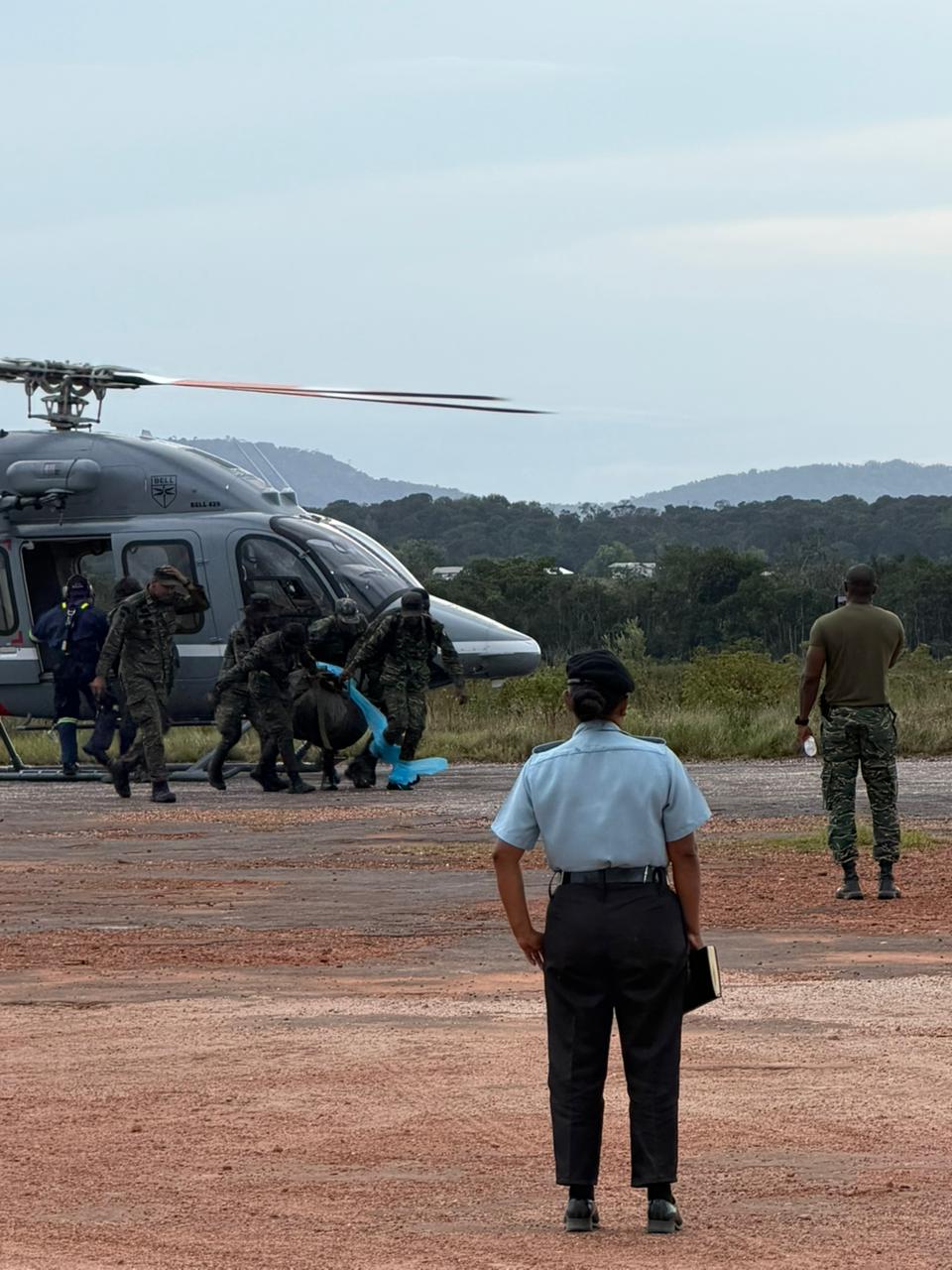
Body of ASL pilot extracted from crash site
On Tuesday, April 14, 2026, Guyana Defence Force (GDF) Special Forces completed the challenging mission of recovering the body of Nicaraguan pilot Rider Alberto Castillo from a remote, thickly forested crash site in Guyana’s interior. The remains were airlifted first to the small community of Imbaimadai, then transferred onward to Eugene F. Correia International Airport at Ogle on the East Coast of Demerara by late Tuesday afternoon, according to sources familiar with the recovery operation.
The recovery mission came five days after the single-engine Cessna 8R-YAC, operated by domestic Guyanese carrier ASL, lost contact with air traffic controllers and crashed during a flight on the morning of Friday, April 11. After contact was abruptly severed, search teams launched an urgent aerial hunt for the missing aircraft. Searchers eventually spotted the twisted wreckage of the plane tucked in dense, mushroom-shaped jungle on a dangerous sloping ridge, a terrain so rugged that ground access required elite specialized forces.
When search teams reached the crash site, they found Castillo’s remains in an advanced state of decomposition. In an official statement released Monday, the Guyana Civil Aviation Authority (GCAA), the country’s civil aviation regulator, confirmed that all evidence at the scene indicates Castillo died instantly when the plane crashed. “Based on the condition and position of the remains at the time of discovery, all indications are that death occurred instantly at the time of the accident,” the statement read.
Along with recovering the pilot’s remains, the joint recovery team also collected personal documents, private belongings, and other physical evidence from the wreckage. All recovered items will be turned over to investigators to support the ongoing official probe into what caused the crash.
The GCAA publicly praised the GDF personnel and supporting agencies that carried out the high-risk recovery. “We take this opportunity to commend the men and women of the Guyana Defence Force and all supporting agencies, who continue to carry out this operation with courage, professionalism, and discipline under extremely challenging conditions,” the regulator said.
ASL, the airline that employed Castillo, has released a heartfelt tribute honoring the former Nicaraguan military pilot, who had served the domestic carrier for eight years. The company described Castillo as a “great employee and friend,” and a “dedicated and valued member of our flight crew.”
“He was known for his calm nature and his remarkable ability to turn every challenge into something positive. His professionalism, strength, and quiet leadership earned him the respect of everyone who had the privilege of working alongside him,” the statement continued. “Among his colleagues, he was regarded as a genuine, hardworking individual and one of our finest pilots, always delivering with excellence and reliability. He will be profoundly missed by all of us.”
-

Antigua and Barbuda’s young leaders take centre stage at major global gathering of youth at the United Nations
A historic delegation of young leaders from Antigua and Barbuda has taken center stage at the 2026 United Nations Economic and Social Council (ECOSOC) Youth Forum, marking the Caribbean nation’s most robust participation in this landmark global youth gathering. Held from April 14 to 16 at UN Headquarters in New York, this year’s forum centers on a mission-driven theme: advancing transformative, equitable, innovative, and coordinated collective action to deliver on the 2030 Agenda for Sustainable Development and its Sustainable Development Goals (SDGs), building a just and sustainable future for all people worldwide.
Heading the 8-member delegation is Dr. Jrucilla Samuel, Director of Antigua and Barbuda’s Youth Affairs Department, alongside four National Youth Ambassadors — Christal Percival, Amelia Williams, Kristine Louisa, and Shacia Albertine — and two representatives from the National Youth Volunteer Corps: General Secretary Sara Bacchus and Esquire Henry, a former CARICOM Youth Ambassador. This contingent represents the largest group of young leaders Antigua and Barbuda has ever sent to the forum, underscoring the nation’s commitment to centering youth voice in global sustainable development policy.
In her opening remarks delivered on the forum’s first day, Dr. Samuel framed workforce rejuvenation as a core strategic priority for both national institutions and global multilateral systems. Challenging common misconceptions about the concept, she emphasized that workforce rejuvenation is far more than a routine recruitment cycle. Instead, it is a deliberate, intentional strategy to renew institutional capacity through intentional investment in cognitive diversity. Dr. Samuel clarified that the goal of this approach is not to replace the institutional knowledge and experience of long-tenured staff, but rather to create powerful cross-generational synergy. When the seasoned insight of veteran leaders combines with the creative energy and native digital fluency of young people, she argued, global and national stakeholders dramatically strengthen their ability to tackle the most pressing challenges facing the planet today.
Dr. Samuel also cautioned against performative youth inclusion, noting that while investing in workforce rejuvenation is a critical step forward, young leaders should not be pushed into senior roles overnight without adequate support. “Sustainable multilateralism can only be built on the foundation of sustainable leadership,” she added. To that end, she stressed the urgent need to equip emerging young leaders with three core pillars of support: quality, accessible education, meaningful hands-on work experience, and values-based mentorship rooted in non-negotiable principles of accountability, resilience, and personal integrity.
The second day of the forum brings Antigua and Barbuda’s youth leadership to the forefront of Caribbean regional dialogue, with two National Youth Ambassadors set to deliver presentations during the Caribbean Regional Breakout Session. Amelia Williams will address the session’s regional theme, “Empowering Caribbean Youth to Innovate, Unite and Transform: Shaping the Road to 2030,” while Kristine Louisa will dive deep into priorities for advancing Sustainable Development Goal 11 focused on building inclusive, safe, resilient and sustainable cities and communities. Esquire Henry, who received a rare second invitation from the United Nations to participate in the ECOSOC Youth Forum, will serve as moderator for the regional breakout session, bringing his past experience in regional youth advocacy to guide collaborative discussion.
On the forum’s final day, National Youth Ambassador Christal Percival will showcase the concrete progress Antigua and Barbuda has already made domestically to advance the targets laid out in SDG 11, sharing actionable Caribbean-led solutions with global attendees.
Ahead of the forum’s official proceedings, the full delegation paid a courtesy call to Antigua and Barbuda’s Permanent Representative to the United Nations, Ambassador Aubrey Webson. During the meeting, Ambassador Webson walked the young delegation through the structure and core mission of the UN system, and urged the emerging leaders to remain consistent, persistent advocates for the unique priorities and challenges of Small Island Developing States (SIDS), a bloc of low-lying island nations disproportionately vulnerable to climate change that Antigua and Barbuda has long represented on the global stage.
Ambassador Webson commended the delegation and Dr. Samuel for their ongoing work across key sustainable development priority areas, including environmental sustainability, public education, public health, youth entrepreneurship, and financial literacy. He also shared personal lessons on building community and institutional resilience, and outlined the critical work of the Antigua and Barbuda Agenda for SIDS (ABAS), which focuses on building connected, climate-resilient communities and strengthening national data collection capacity to better track SDG progress.
This year’s ECOSOC Youth Forum places targeted emphasis on five of the 17 UN Sustainable Development Goals: Clean Water and Sanitation (SDG 6), Affordable and Clean Energy (SDG 7), Industry, Innovation and Infrastructure (SDG 9), Sustainable Cities and Communities (SDG 11), and Partnerships for the Goals (SDG 17). As a leading global platform for youth engagement, the forum brings together young change-makers, UN member state governments, UN system agencies, and civil society and private sector partners to exchange emerging ideas, showcase locally rooted innovative solutions, and deepen meaningful youth participation to accelerate global progress on the SDGs.