分类: technology

  • Grenada hosts engagement on cybersecurity and cybercrime readiness

    Grenada hosts engagement on cybersecurity and cybercrime readiness

    As Grenada accelerates its push toward comprehensive digital transformation of public services and national data systems, a landmark national cybersecurity preparedness initiative is set to convene public sector employees across the country on April 13, 2026. The upcoming Institutional Readiness Session on Cybersecurity and Cybercrime has been designed to directly address the rising tide of cyber threats targeting government infrastructure, equipping civil servants with the tools and knowledge needed to protect critical national systems and sensitive resident information.

    Organized and led by Grenada’s National Cybersecurity Incident Response Team (CSIRT Grenada), the strategic session will bring together a cross-functional cohort of attendees: sitting civil servants, national security personnel, digital service administrators, and senior institutional leaders who oversee the management of public information infrastructure and citizen personal data. This multi-stakeholder gathering reflects the growing consensus that whole-of-government coordination is essential to mitigating modern cyber risks.

    The training session forms a core component of the Cybersecurity and Cybercrime Public Awareness Campaign under the Caribbean Digital Transformation Project (CARDTP), a regional effort implemented in formal partnership with the CARICOM Implementation Agency for Crime and Security (CARICOM IMPACS) and the Organisation of Eastern Caribbean States (OECS) Commission. The broader initiative’s core goals are to boost cybersecurity literacy across the Eastern Caribbean, embed proactive safe digital habits within public and private sectors, and build consistent institutional preparedness across all participating island nations.

    Against a backdrop of rapid digital expansion across Grenada’s public sector, the demand for targeted cybersecurity training for government employees has never been more urgent. Recent regional risk assessments have documented steadily increasing exposure to a range of pervasive cyber threats, including widespread phishing campaigns, disruptive ransomware attacks, large-scale identity theft, and repeated attempts at unauthorized access to sensitive government and citizen data. These trends have underscored the urgent need for upskilling public sector workforces to recognize and respond to digital risks.

    During the full-day readiness session, attendees will gain actionable, practical training across five key priority areas: secure protocols for handling sensitive citizen and government data, evidence-based methods for identifying and neutralizing phishing attempts and online fraud, updated frameworks for strengthening internal cyber incident reporting procedures, strategies for improving cross-ministerial and inter-agency coordination during cyber events, and actionable steps to embed a persistent culture of cybersecurity awareness across all government departments.

    Beyond practical skills training, the session will also facilitate a discussion on how Grenada’s national cybersecurity efforts align with the regional Caribbean Cybersecurity and Cybercrime Action Plan (CCSCAP) and other broader regional resilience-building initiatives. This alignment is designed to create a unified, coordinated defense against transnational cyber threats that target small island developing states across the Caribbean.

    As part of the wider CARDTP public awareness campaign, programming is tailored to reach multiple segments of Caribbean society, including young people, women, senior citizens, private sector businesses, and public institutions. Each tailored initiative focuses on encouraging context-appropriate safe online behavior and strengthening collective digital resilience across the entire region.

    In conjunction with the announcement of the readiness session, local officials have reminded the general public to maintain vigilance in their online activities, seek official support when encountering suspicious activity, and report any confirmed or suspected cyber incidents to CSIRT Grenada directly. Members of the public can reach the response team via phone at (473) 423-2478 or email at [email protected] for assistance.
  • St Mary’s College team reflect on 4th place debut at OECS robotics

    St Mary’s College team reflect on 4th place debut at OECS robotics

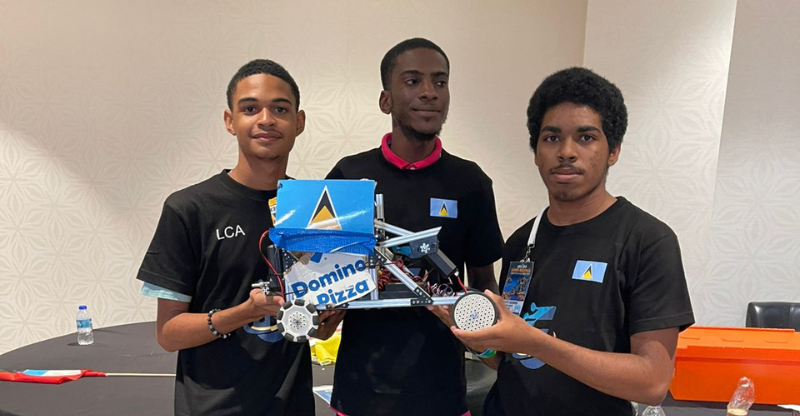
    The inaugural Organization of Eastern Caribbean States (OECS) robotics competition, hosted in St. Kitts on March 21, brought together young engineering talent from across the region to tackle pressing real-world environmental challenges, with a central focus on innovative solutions for waste management. Among the competing teams, St. Mary’s College (SMC) from St. Lucia delivered an impressive performance, claiming fourth place and earning widespread pride from the institution’s entire student body and staff.

    Leading the SMC team was Kyle Gajadhar, a dual major in science and business, who walked through the team’s design philosophy for their custom-built robot, dubbed “Helenite Prime”. Built specifically to align with the competition’s waste disposal theme, Helenite Prime was engineered to automatically collect and sort waste-like materials with notable speed and accuracy. Gajadhar explained that the robot’s design prioritized both flexible functionality and precise mechanical control: capable of identifying and picking up marked ball-shaped test objects, the machine then placed each item into corresponding pre-labeled containers to complete the sorting workflow.

    Though the team encountered unexpected technical setbacks over the course of the competition, members left the event satisfied with their work and focused on the knowledge they gained throughout the months of preparation and on-site competition. Gajadhar’s teammate Matthew George and faculty advisor Jahim Malcolm, SMC’s information technology instructor, echoed this positive outlook, emphasizing that the event delivered far more value than just a final ranking.

    For Malcolm, the greatest strength of the regional robotics competition lies in the unique cross-island collaboration and learning opportunities it provides. “We got to see different design approaches from teams across the region, and interact with our peers from other OECS member islands,” he noted. Beyond technical skills, the event allowed students to build new cross-regional friendships, pick up innovative engineering techniques, and gain hands-on experience that cannot be replicated in a traditional classroom setting. Gajadhar echoed this assessment, describing the event as a one-of-a-kind large-scale competition that pushed him and his teammates to grow. From learning to assemble custom mechanical and electronic components to refining iterative problem-solving processes, the practical skills gained are already shaping the students’ academic and career trajectories, he said.

    On a personal level, Gajadhar shared that the most rewarding part of the experience was seeing months of collaborative work turn into a fully functional robot. While he hopes to claim the top prize in future events, he emphasized that the sense of personal and team accomplishment was the real highlight of the journey. Already, the SMC team is planning for next year’s competition: Gajadhar made it clear that the team has set its sights on the first-place trophy, joking that they have already cleared space on their display shelf for the win.

    Looking ahead, Gajadhar is exploring career paths that combine his two passions, animation and computer science, and credits the competition with helping him clarify his technical interests. For SMC as an institution, Malcolm confirmed that the college will continue building on this year’s success, with a long-term goal of growing the school’s robotics program into a transformative initiative for student innovation. “We’re trying to create something revolutionary. We’re trying to make a difference,” Malcolm said, noting that the program is open to support from community individuals and local organizations as it expands.

    In closing, both Gajadhar and Malcolm extended sincere gratitude to everyone who supported the team’s preparation and participation, including the second student representative Matthew George and all institutional and community backers who helped bring the Helenite Prime project to life.

  • Na Luum Ca Connects To New Digital Opportunities

    Na Luum Ca Connects To New Digital Opportunities

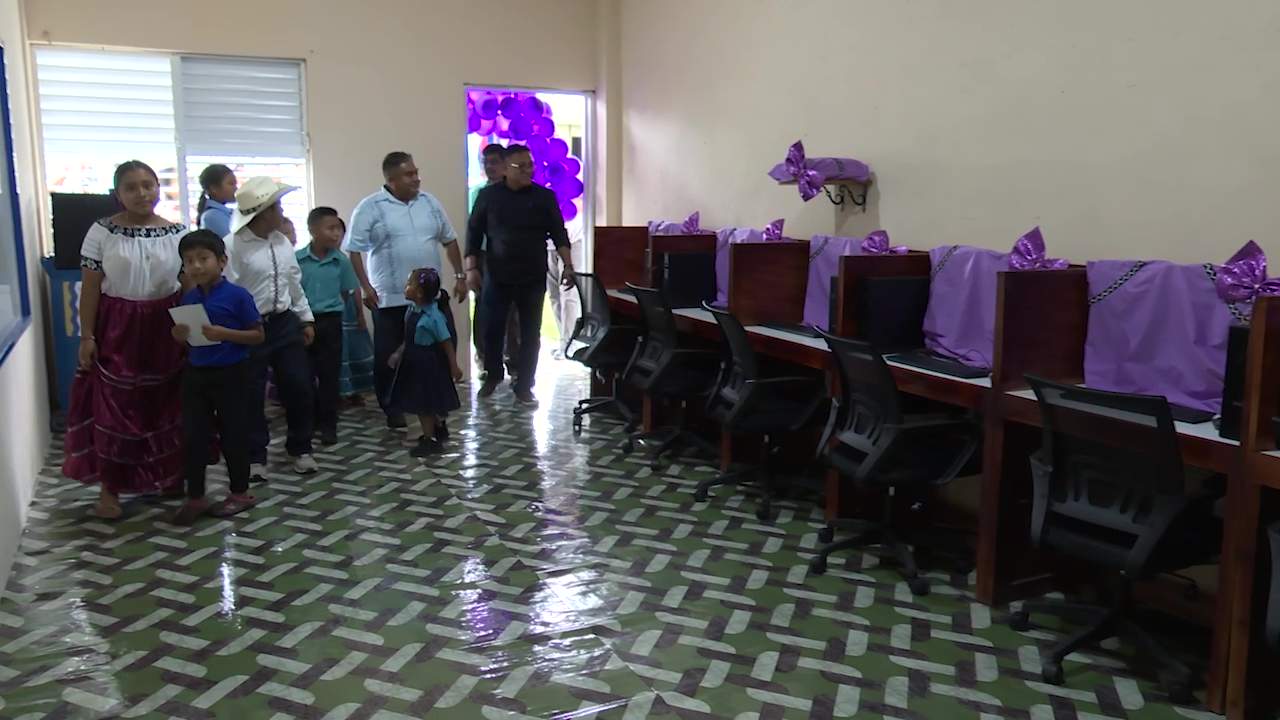
    The remote village of Na Luum Ca in Belize’s Toledo District has dramatically advanced its technological capabilities with the inauguration of a state-of-the-art Community Digital Hub. This transformative initiative resulted from a strategic partnership between Belize’s Ministry of Rural Transformation and Community Development and the United Nations Development Programme.

    Minister Oscar Requena presided over the official ribbon-cutting ceremony on Friday, March 30, 2026, emphasizing the facility’s role in bridging the digital divide for rural communities. The hub is equipped with six desktop computers, printers, and forthcoming internet connectivity designed to serve both educational and practical community needs.

    Beyond providing students with essential resources for academic assignments and digital literacy, the facility will empower adult residents to navigate government services electronically. Villagers can now process vital documentation—including birth certificates and marriage licenses—directly from their community without traveling to Belize City.

    This infrastructure development represents a significant milestone in Belize’s national digital inclusion strategy, demonstrating how targeted technological investment can create tangible opportunities in traditionally underserved regions. The initiative reflects growing recognition that digital access is fundamental to socioeconomic development in the 21st century.

  • ICT-centrum in Albina moet digitale kloof verkleinen en kansen vergroten

    ICT-centrum in Albina moet digitale kloof verkleinen en kansen vergroten

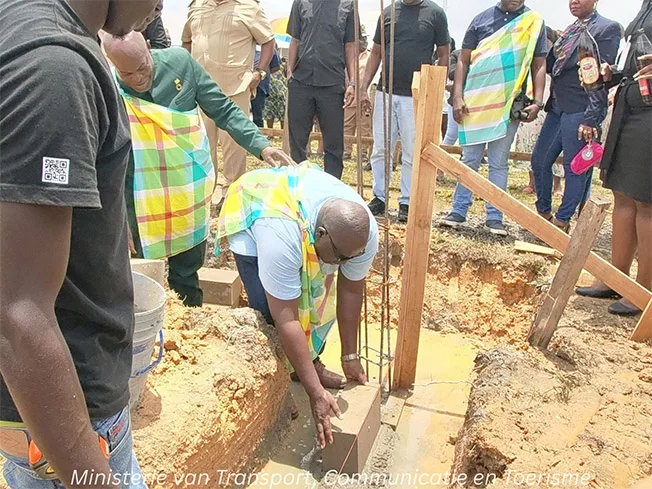
    Suriname has taken a significant step toward digital inclusion with the groundbreaking ceremony for a new ICT center in Albina, spearheaded by Transport, Communication, and Tourism Minister Raymond Landveld. The facility represents a strategic effort to bridge the urban-rural digital divide and provide equitable technological access for inland communities.

    As part of the broader Digital Accessibility Interior Project, the center will focus on enhancing digital literacy and technological infrastructure in Suriname’s district regions. Minister Landveld emphasized that the initiative extends beyond symbolic significance, calling it “the beginning of a crucial development” that prioritizes digitalization and equal opportunities.

    The center specifically targets youth development, preparing younger generations for educational advancement and labor market integration through improved digital skills training. Community members will gain enhanced access to information, educational resources, and digital tools, thereby expanding their personal and professional development prospects.

    Landveld highlighted the government’s deliberate decentralization strategy, noting that development should not be concentrated solely in Paramaribo. “By establishing this center, we bring opportunities closer to people and reduce the digital divide,” he stated during the ceremonial beer sprinkling ritual that accompanied the cornerstone laying.

    The ministry anticipates active community utilization, particularly among youth, to maximize the center’s potential in fostering regional growth and technological empowerment.

  • Energy and data: International project boosts university resilience in Cuba

    Energy and data: International project boosts university resilience in Cuba

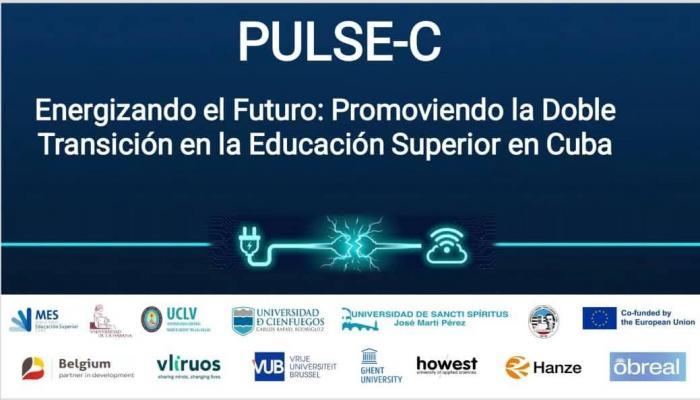
    In a significant stride toward energy independence, the University of Camaguey in Cuba is poised to undergo a major technological transformation through the installation of a comprehensive photovoltaic system with energy storage capabilities. This initiative forms part of the broader PULSE-C project, an international academic partnership connecting European nations with Cuban institutions to advance both energy and digital transitions within higher education.

    The four-year endeavor, operating under the European Union’s ERASMUS+ program framework, specifically targets the enhancement of operational continuity for the university’s most critical infrastructure. According to Dr. Eduardo Sierra Gil, Director of Science, Technology and Innovation at the University of Camaguey, the solar energy system will provide essential power security to vital facilities including the Electroenergetics Testing Laboratory (LEPEL) and the institution’s Data Hub.

    “This project represents more than just technological implementation—it embodies institutional resilience,” explained Dr. Sierra Gil. “By integrating solar panels with advanced storage systems, we guarantee uninterrupted operation of our most strategic services regardless of external power disruptions.”

    The international collaboration brings together academic expertise from Belgium, the Netherlands, Spain, and multiple Cuban universities, with coordination handled domestically by the Central University “Marta Abreu” of Las Villas. Beyond immediate infrastructure benefits, the initiative serves as both a practical and pedagogical model for renewable energy implementation, demonstrating reduced environmental impact while providing hands-on learning opportunities for students in related disciplines.

    Funded through a partnership between the European Education and Culture Executive Agency (EACEA) and the Flemish Interuniversity Council (VLIR-UOS), the project highlights higher education’s expanding role in driving sustainable development. For the University of Camaguey—the first university established following the Cuban Revolution—this initiative marks a concrete advancement toward energy sovereignty and digital modernization within academic institutions.

  • Digesett integrates accident zones into Waze to boost road safety

    Digesett integrates accident zones into Waze to boost road safety

    SANTO DOMINGO – In a groundbreaking move to combat traffic accidents, the Dominican Republic’s General Directorate of Traffic Safety and Land Transportation (Digesett) has launched a strategic technological initiative. Partnering with WazeDom, the local partner for the navigation app, Digesett has mapped and integrated data on high-risk accident zones directly into the Waze platform.

    This integration, which became active at the start of the week, empowers the application to deliver real-time audio and visual alerts to motorists as they approach these identified danger spots. Drivers will now receive a specific warning: ‘Critical zone nearby, reduce speed.’ This direct intervention is engineered to proactively modify driver behavior by prompting reduced speeds and increased vigilance in areas with a historically high incidence of collisions.

    The initiative represents a core component of Digesett’s broader national strategy for road safety, which synergizes advanced technology, data analytics, and public education campaigns. Government authorities have highlighted the indispensable role of digital navigation tools in building a safer transportation ecosystem. They assert that leveraging apps like Waze is crucial for not only preventing accidents but also for enhancing overall traffic mobility throughout the nation. While embracing this technological aid, officials concurrently reiterated the imperative for all drivers to adhere to traffic regulations and remain acutely aware of all in-app safety notifications.

  • 911 System expands AI strategy with U.S. support at NVIDIA GTC 2026

    911 System expands AI strategy with U.S. support at NVIDIA GTC 2026

    SAN JOSÉ, California – In a significant advancement of international technological cooperation, the Dominican Republic’s National Emergency and Security System 911 engaged in strategic dialogues at the prestigious NVIDIA GTC 2026 conference. This participation, facilitated through support from the United States Embassy in Santo Domingo, marks a pivotal step in enhancing the Caribbean nation’s digital infrastructure and regional security capabilities.

    The delegation, spearheaded by Executive Director Randolfo Rijo Gómez, conducted high-level negotiations with NVIDIA leadership, including Vice President Calista Redmond. These discussions built upon existing bilateral technological initiatives coordinated through the embassy’s Narcotics Affairs and Law Enforcement Section (INL), with particular emphasis on artificial intelligence development, system interoperability, and next-generation emergency response mechanisms.

    This collaborative effort operates within the framework of a formal agreement established between the Dominican Republic’s Ministry of the Presidency and NVIDIA Corporation. Critical infrastructure enhancements, notably through NAP Caribe, have substantially boosted the nation’s data processing capacities and digital framework. The integration of sophisticated analytics and AI technologies continues to position the Dominican 911 System as one of Latin America’s most advanced emergency response platforms, while simultaneously fortifying security and innovation partnerships between the Dominican Republic and the United States.

  • Barbadian talent shines at BMS sea drone competition

    Barbadian talent shines at BMS sea drone competition

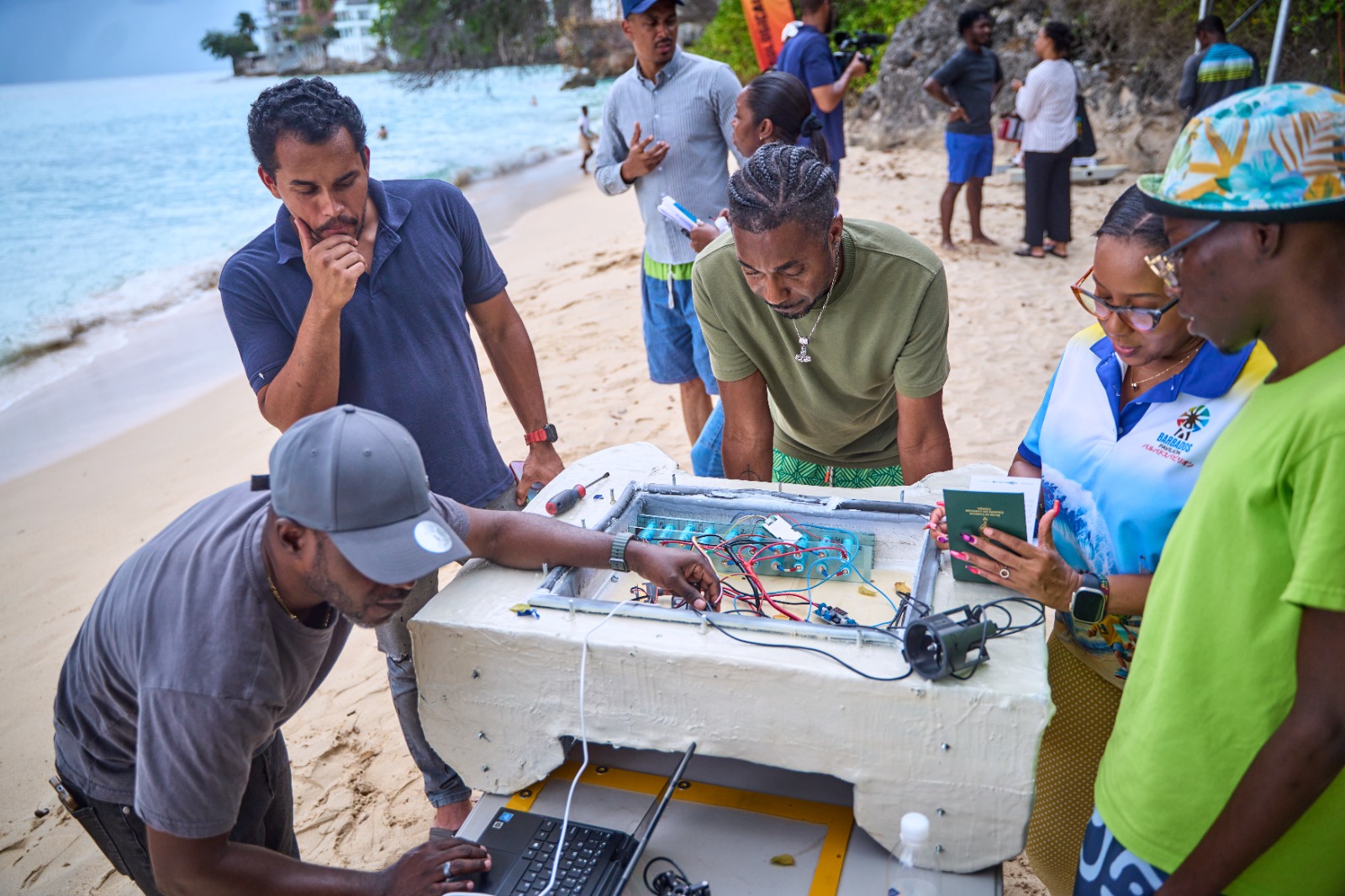
    Barbados has marked a significant milestone in technological advancement with the successful conclusion of its inaugural sea drone design competition. Hosted by the Barbados Meteorological Services (BMS), the event spotlighted remarkable local engineering talent and innovative marine technology solutions developed entirely by Barbadian creators.

    The competition finals, held on Saturday, represented the culmination of months of development effort dating back to initial conceptualization in October. BMS Director Sabu Best characterized the initiative as a strategic investment in national technological capability building, emphasizing its role in establishing foundational expertise for future innovation in emerging technologies.

    ‘Our primary objective was harnessing indigenous talent to create practical tools for marine and aerial applications,’ Best explained, noting the competition’s design as a springboard for sustained technological development. The long-term vision involves refining these prototypes for official deployment across government and private sector organizations, operating within appropriate regulatory frameworks.

    The project required coordinated support from multiple national institutions including the Barbados Civil Aviation Authority, the Prime Minister’s Office, and the Ministry of Industry, Science and Technology. This collaborative approach ensured both technical oversight and regulatory compliance throughout the development process.

    Best expressed considerable surprise at the sophistication demonstrated by participants, noting several designs exceeded expectations in both scale and innovation. The competition prioritized functional problem-solving over aesthetic considerations, with the director emphasizing participation and conceptual validity as primary success metrics.

    Antonio Franklyn emerged victorious with his catamaran-inspired sea drone design. The winner described his approach as building upon ‘a tried and tested concept,’ revealing that while design conception required merely three to four days, physical construction spanned approximately two months. Franklyn admitted to still processing his achievement, acknowledging the satisfaction of his victory while reflecting on the development journey.

  • Vincentian developers, it’s time to wake up

    Vincentian developers, it’s time to wake up

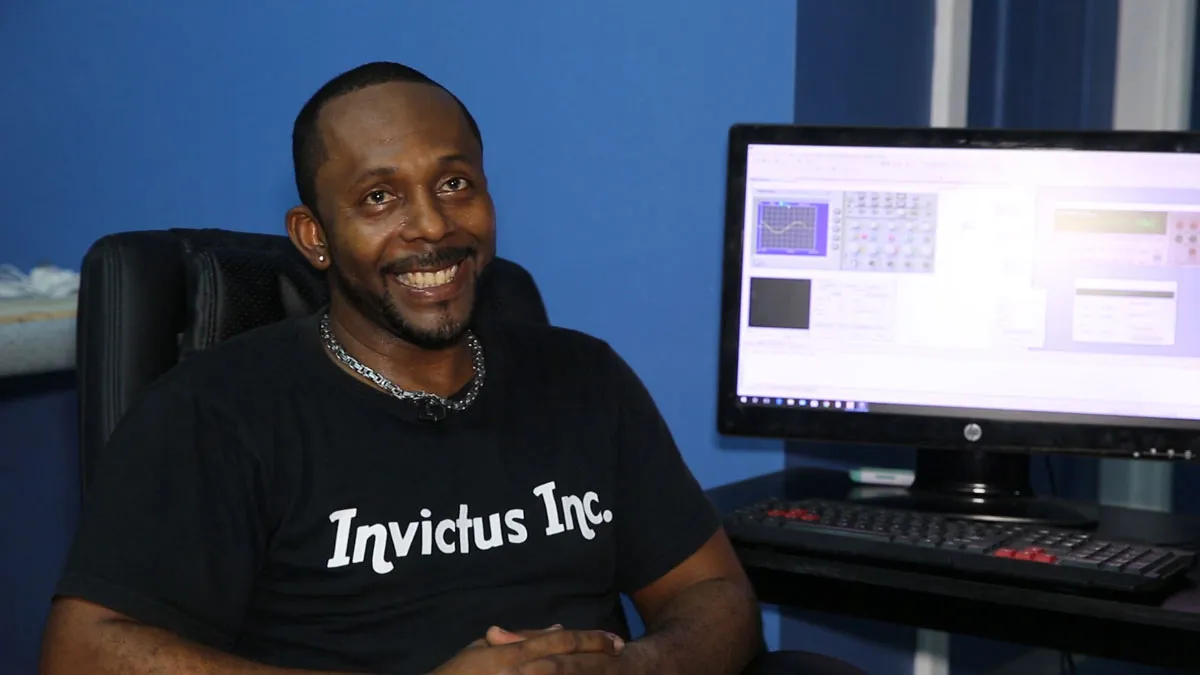
    Maurice John, a computer science graduate from UWI Cave Hill, issues a compelling wake-up call to St. Vincent and the broader Caribbean regarding the accelerating artificial intelligence revolution. Drawing from personal experience as founder of M. John I.T. Solutions established in 2011, John recounts how the region missed both the website and mobile application economic booms despite globally accessible opportunities.

    John’s journey exemplifies both the challenges and potential of Caribbean technological innovation. Despite initial resistance from local businesses unwilling to adopt web presence, he demonstrated global reach through his SDA Hymnal application, which achieved over 100,000 downloads worldwide. This success proved that geographical limitations need not determine technological destiny when quality ideas receive proper execution.

    The recent emergence of AI-assisted coding tools has dramatically transformed development possibilities, enabling individual creators to accomplish what previously required entire teams. Within just twelve months, John has simultaneously developed multiple sophisticated applications including: a comprehensive rebuild of the CaribiDreams platform featuring financial services and property rentals; DreamStockPro, an inventory and accounting system for small businesses; a privacy-focused anonymous chat application addressing data exploitation concerns; and Divine Dueling, an AI-powered Bible quiz game currently available across platforms.

    John emphasizes that the trillion-dollar mobile application economy emerged with remarkably low barriers to entry—merely $99 for Apple developer registration and $25 for Google Play access. Yet Caribbean participation remained minimal as the region hesitated while technological revolutions advanced.

    The author delivers a pointed critique of local corporate priorities, noting how major companies invest hundreds of thousands in promotional giveaways rather than supporting technological innovation. He advocates for redirecting these resources toward venture capitalism, startup funding, and accelerator programs specifically supporting Caribbean-built software solutions.

    John proposes concrete action steps: convening developers, business leaders, financial institutions, and government stakeholders to establish a sustainable Vincentian technology ecosystem. This requires business development support, patient capital investment, mentorship networks, and cultural shifts that celebrate creators alongside consumers.

    The article concludes with an urgent mobilization call to Vincentian developers worldwide, encouraging them to address local challenges through technology—from tourism platforms and logistics tools to fintech solutions and agricultural applications. With powerful AI tools now accessible and excuses diminishing, John positions the current AI revolution as the final opportunity for Caribbean technological emergence, emphatically stating: “This is not a moment to observe. This is a moment to move.”

  • Inventor who made sea water drinkable offers solution to water woes

    Inventor who made sea water drinkable offers solution to water woes

    In an unassuming workshop in Laborie, Saint Lucia, self-taught inventor Karlis Noel is developing groundbreaking technologies that address critical environmental challenges. Without formal secondary education, this fisherman-turned-innovator has created the Eastern Caribbean’s first solar-powered mobile desalination plant and advanced ocean monitoring systems that have gained international recognition.

    Noel’s journey began with childhood curiosity, fueled by his father’s physics books and discarded equipment from the local power station. This early fascination evolved into practical inventions, including a revolutionary desalination system that converts seawater into drinking water without producing harmful brine waste. His technology has been implemented across the globe, from the Pacific island of Nauru to fluoride-contaminated water sources in Tanzania.

    The inventor has since shifted focus to environmental monitoring, developing unmanned surface vessels (USVs) that collect oceanic and meteorological data for months at sea. These systems, alongside MetOcean buoys and weather sensors, form part of his vision for a Saint Lucian-owned environmental monitoring network—addressing the Caribbean’s dependence on neighboring islands for weather information.

    Noel’s work has attracted global attention, with his team winning funding through Dubai’s blue economy competition despite competing against 1,500 international applicants. However, his measure of success remains rooted in community impact rather than financial gain.

    Currently, Saint Lucia faces a severe water crisis, with hotels considering importing water by barge from neighboring islands. Noel expresses frustration that solutions he developed decades ago—energy-efficient, modular desalination units—haven’t been implemented locally. He advocates for distributed, solar-powered desalination systems as backup to existing infrastructure rather than relying solely on large centralized plants.

    The innovator emphasizes that water security requires investment in research and development, proper planning, and prioritizing local innovation. His existing desalination systems continue operating successfully in other nations, demonstrating that sustainable water solutions are achievable when communities support homegrown technological advancement.