On the August 17, 2026 edition of *Sports Monday*, broadcast in partnership with Belize’s National Sports Council, host Shane Williams opened the program by highlighting a glaring contradiction at the heart of Belize’s international sporting success: while elite national teams have pulled off historic, barrier-breaking wins on regional stages, many have been left without formal recognition or financial compensation for their achievements.
First, Williams recapped the standout performance of Belize’s men’s national volleyball team, which claimed the country’s first-ever gold medal at the Central American Championships. The team was greeted with a rapturous heroes’ welcome on their return home, complete with national television appearances, a celebratory motorcade across the country, and a formal dinner with top political leaders. Beyond these ceremonial honors, however, no financial reward was extended to the winning athletes.
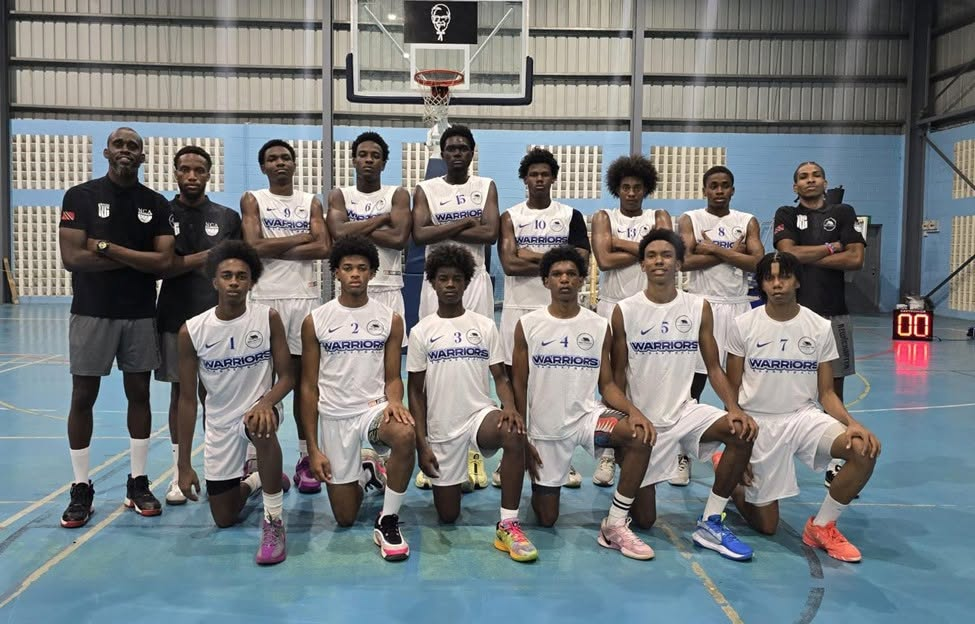
The disparity becomes even starker for Belize’s under-20 men’s national basketball team, which delivered what is being called the country’s most impactful sports result in half a century. The team earned a third-place finish at the Central American and Caribbean Games, a placement that secured Belize a coveted spot in the upcoming PanAm Games — a milestone not seen since the legendary Golden Girls softball team made history 50 years prior. Unlike the volleyball team, the young basketball squad received no public heroes’ welcome, and their groundbreaking accomplishment received barely any mainstream media or official attention.
Now, Devin Daly, a former national team player who currently serves as Belize’s Minister of State for Youth and Sports, is pushing to change this inconsistent treatment of elite athletes. Daly told *Sports Monday* that he and Sports Minister Mahler are currently advocating for a formal, standardized policy that would guarantee outlined financial compensation to national teams or individual athletes who earn medals or top qualifying placements at international tournaments. While the exact structure and size of compensation packages are still under negotiation and have not been finalized, Daly confirmed that he supports formalizing rewards for these high-achieving athletes.
Shifting focus to this week’s domestic sporting action, Williams turned first to the 34th annual Women’s National Softball Championships, hosted by the Belize Softball and Baseball Federation in Camalote Village. Seven teams competed for the national title, and the semi-final round delivered all the drama fans expected. In a matchup between the Belize Bank Bulldogs and the Camalote Elites, Karlene Lewis — the tournament’s leader in batting average — opened scoring opportunities with a first-inning single to left field. Belize Bank Bulldogs captain Molly Coye capitalized on the set-up, driving in the first run with a hard hit that the second baseman could not handle.
Lewis extended the Elites’ lead in the fourth inning, hitting a double down the left field line that brought two runners home, putting the Elites up 4-1 heading into the final frame. The Bulldogs mounted a dramatic comeback push in the bottom of the seventh: Joline Davis sent a hit through the gap between third and shortstop with one out, setting up a late rally. Agnes then hit a line drive up the middle that scored two runs, narrowing the Elites’ lead to just one run in the final at bat. The Elites held on, however, when a checked-swing ground ball rolled straight to first base for the final out, sending Camalote through to the championship match against four-time defending champions Beacon Softball Club.
The Elites entered the final already fatigued, having played three consecutive games after fighting their way out of the loser’s bracket, and they could not overcome the dominant performance of Beacon’s star Mexican pitcher Anna Rosas. Beacon’s offense stayed red-hot as well, led by tournament home run champion and shortstop Sharet Vernon, who once again led the charge at the plate. By the late innings, Beacon held an insurmountable 8-0 lead, and Rosas’ final pitch was almost anticlimactic — until the team and fans realized what had been accomplished: Beacon had secured an unprecedented fifth consecutive national championship, a feat many considered unachievable. This year also marked the first time the Belize Softball and Baseball Federation was permitted to award cash prizes for the tournament, with the five-peat champions taking home $1,500 for their win.
In men’s tennis action, the three-day Billy Musa Sr. Open Men’s Championship concluded at the Pickwick Tennis Court with a hotly contested final between Ismar Amaya and Braulio Bautista. Amaya secured the open championship title with a smooth, well-timed approach to the net that sealed the win. Williams extended congratulations to all organizers and competitors who made the tournament a success.
Looking ahead to next week, Belize is set to host the Caribbean Junior Road Cycling Championships this coming weekend. Williams reminded local motorists that major roads will be closed for a period during the event, and encouraged drivers to plan ahead and exercise patience. He also issued a call to Belizeans to line the race route with national flags to cheer on the home team’s young competitors.
Before closing the broadcast, Williams reminded the public that the first-ever Belize Sports Summit is scheduled for September 2 and 3 at the Belize Civic Center. The event is open to sports executives, coaches, players, and fans, and Williams encouraged all interested parties to attend. Signing off, Shane Williams reiterated his closing message: friendly competition unites communities, and a love of sport is a core part of Belizean life — encouraging all Belizeans to keep playing and supporting local sports.
This broadcast transcript is published as a direct record of the live television program.
![CFU Challenge 2026 (U-14) : Haiti crushes French Guiana [5-2]](https://wp.caribscopeonline.com/wp-content/uploads/2026/08/6ae75dcba85267e6e259eda8419ba8a7.webp)