分类: sports

  • Serena’s comeback at Queen’s over after Mboko injury withdrawal

    Serena’s comeback at Queen’s over after Mboko injury withdrawal

    One of tennis’ most iconic figures saw her bid for a Queen’s Club doubles title derailed before it could progress further Thursday, after 19-year-old partner Victoria Mboko was forced to withdraw from the west London grass-court tournament due to an acute left knee injury.

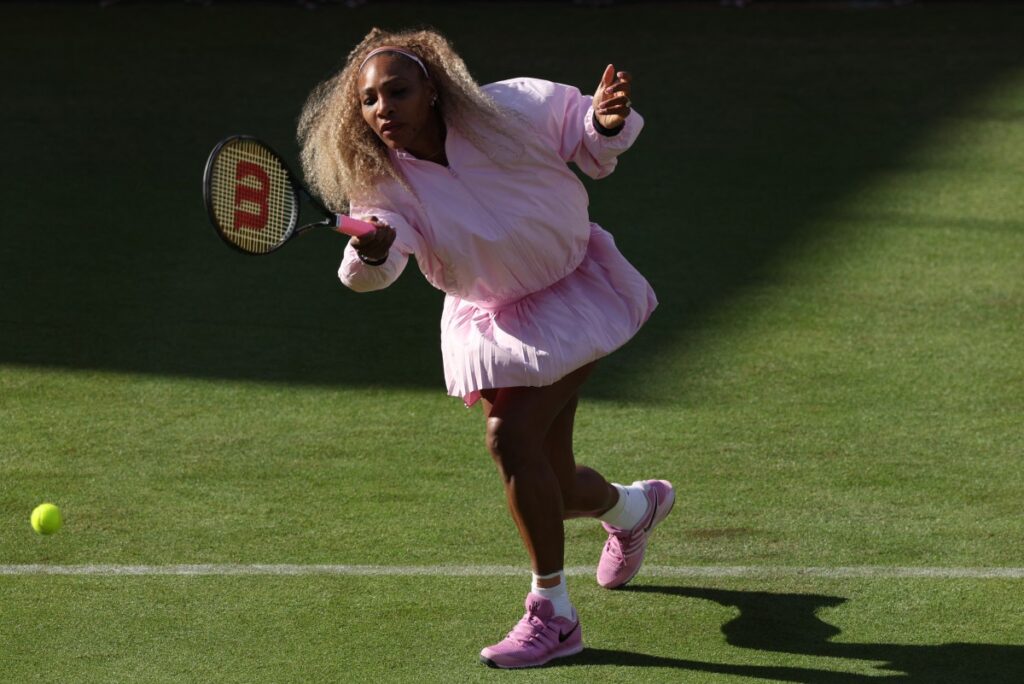
    Williams, the 23-time Grand Slam champion, made a widely anticipated return to competitive tennis earlier this week, stepping onto a professional court for the first time in four years. Her opening first-round clash alongside Mboko delivered a thrilling straight-sets victory over seeded pair Nicole Melichar-Martinez and Erin Routliffe, capping a fairy-tale start to her comeback that captured global sporting attention. The win had set up a quarter-final matchup against Leylah Fernandez and Laura Siegemund, but the dream run at Queen’s ended prematurely when Mboko was unable to recover from the injury she sustained a day earlier.

    The Canadian world No. 9 suffered the injury during her Wednesday singles match against Karolina Pliskova, when a slip on the grass court left her unable to finish the contest. Visibly shaken by the incident, Mboko told on-court physios that her knee currently had no stability, and ultimately made the cautious decision to pull out of the doubles draw rather than risk worsening the damage. Tournament officials confirmed the withdrawal shortly after, leaving Williams to shift her focus to her next scheduled comeback appearance: the Berlin Open doubles event next week, where she is set to partner with Czech star Karolina Muchova.

    Williams’ surprise return to the sport after a four-year retirement has sparked widespread speculation over whether she will extend her comeback to Wimbledon, the grass-court Grand Slam where she has enjoyed unparalleled success. The 42-year-old has not yet confirmed her plans, nor has she revealed whether she intends to compete in any singles events during her comeback tour, but she noted earlier this week that she has not ruled out entering the Wimbledon doubles draw.

    As Williams does not hold a high enough ranking to earn automatic entry into the All England Club main draw, she would require a wildcard from tournament organizers to compete. Wimbledon chief executive Sally Bolton addressed the question of a potential wildcard entry Thursday, declining to pre-empt the wild card committee’s official decision, which is set to be announced next week. Still, Bolton acknowledged the massive wave of excitement Williams has generated by returning to grass-court tennis, noting that her presence at the Championships would be a massive boost for the sport.

    Williams, who claimed seven Wimbledon singles titles and six doubles titles alongside her sister Venus, said earlier this week that All England Club organizers had given her flexibility to make a decision in her own time. The tennis legend shared that her motivation to return to competitive play stemmed from a desire to compete in front of her two young daughters, Olympia and Adira, who were in the stands to watch her opening win at Queen’s on Tuesday.

    Her decision to return to competitive tennis for the first time since her 2022 US Open third-round loss to Ajla Tomljanovic drew some questions over whether the comeback was a prudent choice, but Williams silenced any doubters in her opening match, delivering the powerful serves and aggressive groundstrokes that defined her legendary career to the delight of a sold-out crowd. In a characteristically humble assessment, Williams rated her comeback performance a C minus after the win, noting that returning to competition on grass—one of the most challenging surfaces to adapt to after a long layoff—made the outing far from easy. Still, she called her opening showing decent, leaving fans hopeful that she will bring her iconic talent back to the biggest grass-court stage in the sport in the coming weeks.

  • World Cup kicks off with co-hosts Mexico taking early advantage

    World Cup kicks off with co-hosts Mexico taking early advantage

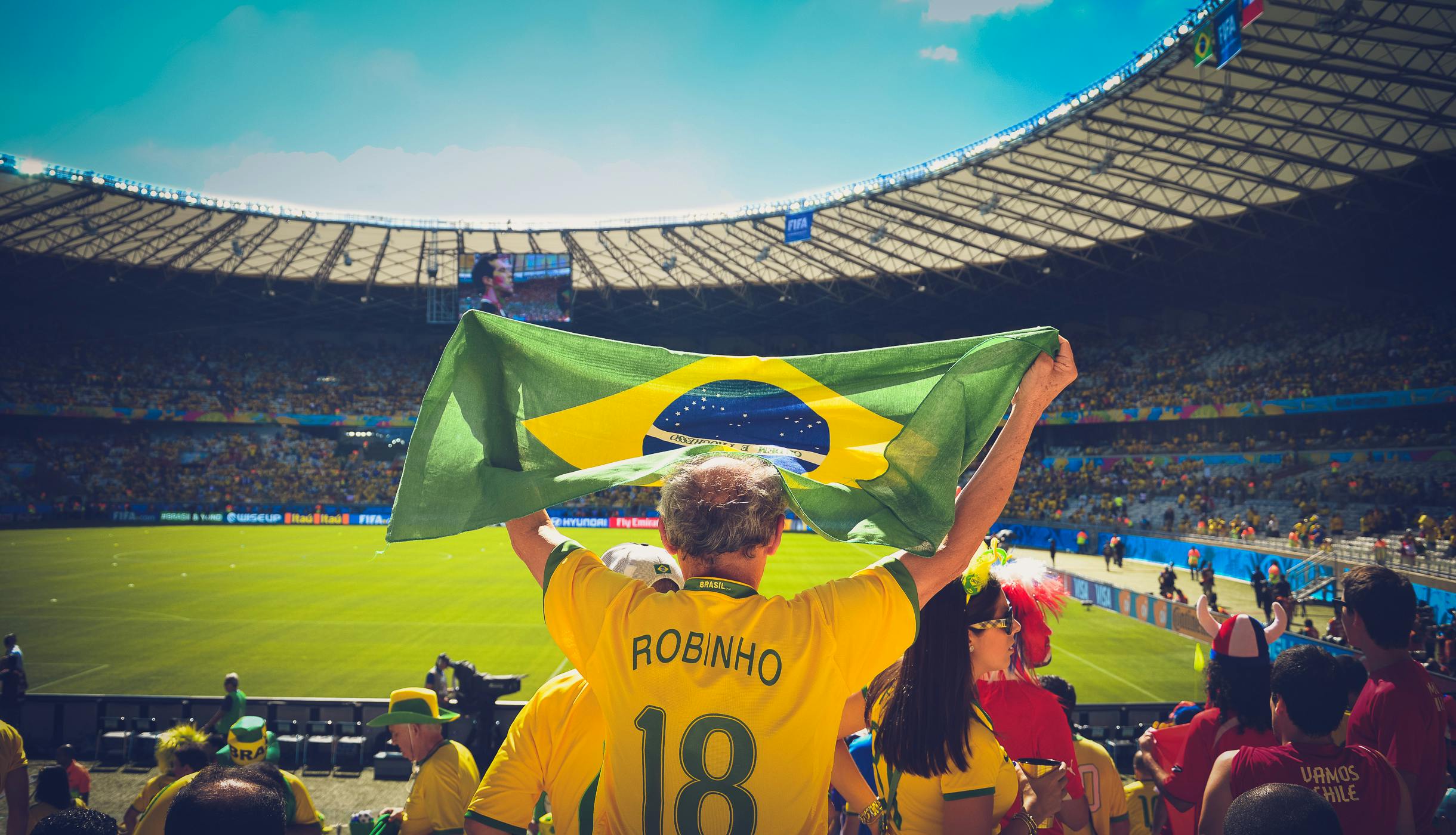
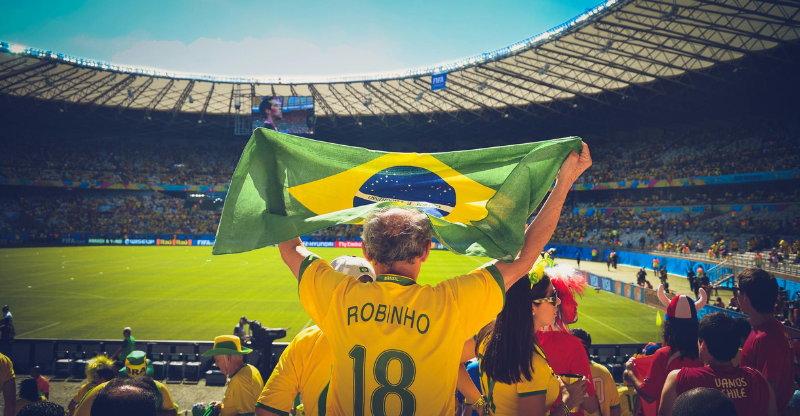
    The largest FIFA World Cup in history got underway Thursday at Mexico City’s iconic Estadio Azteca, with co-host nation Mexico grabbing an early lead against South Africa in the tournament’s opening match in front of a packed crowd of 80,000 spectators. Striker Julian Quinones netted the first goal of the expanded 48-team event in just the ninth minute, capping an early spell of Mexican dominance on a pitch that previously hosted the final matches of the 1970 and 1986 World Cups.

    This edition of the world’s biggest sporting event makes history as the first co-hosted by three North American nations: the United States, Mexico, and Canada. Stretching across nearly six weeks of competition, the tournament will conclude with the final match on July 19 in New Jersey, with industry projections forecasting total revenue will hit a staggering record $13 billion by the end of the event.

    Before the first kickoff, the official opening ceremony entertained fans packed into the legendary Azteca stadium, with global music superstars Shakira, a Colombian icon, and Nigerian hitmaker Burna Boy taking the stage to perform the tournament’s official anthem “Dai Dai” to the delight of the crowd. However, the celebratory mood outside the stadium was marred by chaotic scuffles, as crowds of supporters pushed and shoved while attempting to access the official central fan zone in Mexico City.

    The opening of on-pitch action comes as a much-needed reset for FIFA, the global governing body of football, which has faced intense backlash in the lead-up to the tournament over a number of controversies. Most prominent has been sharp criticism of the exorbitant ticket pricing, with some premium packages topping $30,000. Additional controversy has erupted over entry restrictions tied to U.S. President Donald Trump’s hardline immigration policies, which have already resulted in a high-profile referee, Iranian team officials, and multiple fans being denied entry to the United States for the tournament.

    Appearing in Mexico City one day before the opening match, FIFA President Gianni Infantino delivered a passionate defense of the tournament’s organization and pushed back against growing criticism of both visa issues and ticket costs. Addressing the ticket pricing controversy, Infantino noted that the governing body had introduced a limited number of $60 entry-level tickets in response to public outcry, arguing that this base price and the tournament’s average ticket cost (which he said sits below $500) are lower than comparable entry prices for playoff rounds of major American sports leagues.
    Infantino also sought to downplay the controversy surrounding Somali referee Omar Artan, who was denied entry to the U.S. after landing in Miami. U.S. authorities claim Artan has ties to suspected terrorist organization members, and FIFA has already confirmed he will not participate in any matches during the tournament. Calling the outcome “unfortunate,” Infantino said FIFA does not control all border entry decisions, adding that the organization had done all it could to resolve the situation ahead of the tournament.

    In a surprising show of solidarity just one day after Artan’s entry denial, European football’s governing body UEFA announced it would retain Artan as the referee for its 2025 European Super Cup match between Paris Saint-Germain and Aston Villa, scheduled for August. UEFA President Aleksander Ceferin emphasized that the decision was an intentional show of respect for Artan and his proven officiating skills, which earned him the prestigious nomination, noting that “football is made to connect people.”

    Infantino also defended FIFA’s handling of Iran’s participation in the tournament, amid ongoing military tensions between the U.S. and Iran that led many to question whether the Iranian national team would be allowed to compete. Infantino framed Iran’s presence at the event as a major success for FIFA, noting that while geopolitical challenges made participation complicated, no other organization could have secured Iran’s place at the tournament in such circumstances.

    The FIFA chief also faced questions over his widely publicized close relationship with Trump, but he did not shy away from praising the U.S. president’s role in bringing the tournament to North America. Infantino stated bluntly that without Trump’s engagement and direct involvement, organizing a World Cup on U.S. soil would have been simply impossible. Trump confirmed Wednesday that he plans to attend multiple World Cup matches during the tournament, though he declined to share specific details about which games he will attend.

    The second match of the tournament’s opening day is scheduled for later Thursday in Guadalajara, where South Korea will face off against the Czech Republic. Heading into the tournament, pre-game odds list Spain, France, and England as the top overall favorites to lift the trophy, while defending champions Argentina are led by 38-year-old legend Lionel Messi, who will look to guide his side to back-to-back World Cup titles.

  • How steep World Cup ticket prices affect Caribbean football

    How steep World Cup ticket prices affect Caribbean football

    The 2026 FIFA World Cup, co-hosted by North American nations, is set to kick off on June 11, 2026 in Mexico City when the host nation takes on South Africa, bringing with it both promise of transformative investment for small footballing nations like those across the Caribbean and growing fury over unprecedented ticket price increases that are pricing out ordinary supporters. Over the 39-day tournament, billions of fans around the globe will tune in to watch the world’s best players compete, but long before the opening whistle, the conversation around the event has centered on the ballooning cost of attendance, and the trade-off at the heart of FIFA’s pricing strategy.

    Analysis of FIFA’s 2026 ticketing structure reveals staggering jumps across every tier compared to the 2022 Qatar World Cup. A basic Category 3 general admission ticket for a group-stage match that does not feature a host nation now starts at $120, a 74% increase from the equivalent seat four years ago. The steepest rise comes for the sport’s biggest stage: tickets to the 2026 World Cup Final have jumped 236.1% from 2022, marking the largest ever price increase for a World Cup final in FIFA’s history. Even the $60 discounted locked tier, introduced by FIFA to deflect widespread public criticism of high pricing, is only accessible to verified loyal fans who purchase through their national football associations, and this entry-level price point is still 445.5% higher than the cheapest entry tickets offered at previous tournaments.

    As a registered non-profit organization, FIFA has pushed back against criticism, arguing that elevated ticket and commercial revenues are not for institutional profit, but rather to fund global football development, a mission that stands to deliver major financial gains to small, developing member associations within the Confederation of North, Central America and Caribbean Association Football (CONCACAF). Speaking at the CNBC Invest in America Forum, FIFA President Gianni Infantino tied projected total World Cup revenues, which are now on track to hit $11 billion and could even reach $14 to $15 billion fueled by record commercial and ticket sales, to investment in grassroots and youth football around the world.

    “That [revenue] goes into 211 countries all over the world, to allow football projects, academies, stadiums, pitches, competitions for girls, for boys, in 211 countries – more than the UN – to be played and organised. Three-quarters of them would probably not be able to have organised sport without the advance that they receive from a competition like the World Cup,” Infantino said.

    FIFA’s longstanding model pools all World Cup revenue streams — including ticket sales, broadcast deals and sponsorships — and redistributes the funds to member associations through its development programs. At the 76th FIFA Congress held in Vancouver, the governing body announced that the 2026 revenue surge would allow it to boost funding for the upcoming Forward 4.0 development cycle by an additional 20%, meaning small member territories including CARICOM nations will see increased development funding in the coming years.

    Tennyson Glasgow, a veteran Saint Lucian football commentator, told local outlet St Lucia Times that small Caribbean nations stand to see tangible benefits from the higher revenues generated by increased ticket prices. “FIFA may have done their homework as well to realise that when it comes to sports in that part of the world, people really go out, especially for the fan experience, and that comes at a cost. We’re talking about the best footballers globally. It’s not going to be cheap. Of course, FIFA would want to maximise that,” Glasgow said.

    “We have seen records of FIFA always living up to the expectation in terms of taking care of their member countries. So, I’m certainly saying that yes, Saint Lucia, as a small nation, yet a member of FIFA, will benefit, especially when it comes to grassroots programmes, female football, and of course, we might just see some facilities being improved or some new ones may be placed,” he added.

    Despite the potential development gains for small footballing nations, critics argue that the burden of funding this growth is falling unfairly on ordinary fans in the 2026 host countries. High-profile figures have joined the backlash, with California Attorney General Rob Bonta accusing FIFA of “misleading ticketing practices”, and even former U.S. President Donald Trump saying he “wouldn’t pay it either” when asked about the exorbitant ticket prices.

    At its core, the 2026 World Cup pricing model is a double-edged sword. The unprecedented revenue from ticket sales, broadcast deals and sponsorships will deliver much-needed investment to grow football at the grassroots level across the globe, bringing tangible improvements for small developing associations. Yet for the ordinary fans who are the backbone of the sport, the sharp price hikes that make this investment possible have created a significant barrier to access that remains a source of widespread frustration.

  • How steep World Cup ticket prices affect Caribbean football

    How steep World Cup ticket prices affect Caribbean football

    As the 2026 FIFA World Cup co-hosted by Mexico, the United States and Canada draws near, a fierce debate has erupted over skyrocketing ticket prices – even as the tournament is poised to deliver unprecedented financial gains for developing football regions across the Caribbean. The 39-day global tournament will capture worldwide attention when it kicks off on June 11, 2026, with the opening match between co-host Mexico and South Africa in Mexico City. But long before the first whistle blows, industry insiders and casual fans alike have sounded the alarm that inflated costs have put in-person attendance out of reach for ordinary supporters.

    Price hikes across all ticket tiers are staggering compared to the 2022 Qatar World Cup. A base Category 3 general admission ticket for a group-stage match not featuring a host nation now starts at $120, marking a 74% jump from the equivalent seating four years ago. The most dramatic increase comes for the World Cup Final, where ticket prices have surged 236.1% – the largest single-cycle rise in FIFA’s history. Even the discounted $60 entry tier, introduced by FIFA to defuse public backlash, is restricted exclusively to verified loyal fans who purchase through their national football associations. Even this budget option costs 445.5% more than the cheapest entry-level tickets from the previous tournament cycle.

    As a registered non-profit governing body, FIFA maintains that its premium pricing structure is not designed to generate profits for the organization itself. Instead, governing body leaders argue that every dollar of revenue from ticket sales and commercial partnerships goes toward global football development – a promise that opens new opportunities for small, developing member associations in the Caribbean and CONCACAF more broadly. Projected total revenue for the 2026 tournament cycle now sits above $11 billion, with updated forecasts pushing the total as high as $14 to $15 billion thanks to stronger-than-expected ticket and commercial demand, far surpassing initial projections.

    Speaking at the CNBC Invest in America Forum, FIFA President Gianni Infantino outlined the organization’s global redistribution model, tying every dollar of World Cup revenue to grassroots and youth football projects across 211 member associations. “That [revenue] goes into 211 countries all over the world, to allow football projects, academies, stadiums, pitches, competitions for girls, for boys, in 211 countries – more than the UN – to be played and organised. Three-quarters of them would probably not be able to have organised sport without the advance that they receive from a competition like the World Cup,” Infantino said.

    FIFA pools all tournament revenue, including ticket sales, broadcasting rights and sponsorships, then redistributes funding to member associations through its Forward development program. At the 76th FIFA Congress held in Vancouver, the governing body announced that funding for the upcoming Forward 4.0 cycle would increase by an additional 20% thanks to the record-breaking revenue, meaning small Caribbean member states belonging to CARICOM are set to receive larger development grants in the coming years.

    Tennyson Glasgow, a veteran Saint Lucian football commentator, told St Lucia Times that small Caribbean nations stand to gain meaningful benefits from the new funding stream, even with the controversial ticket pricing. “FIFA may have done their homework as well to realise that when it comes to sports in that part of the world, people really go out, especially for the fan experience, and that comes at a cost,” Glasgow noted. “We’re talking about the best footballers globally. It’s not going to be cheap. Of course, FIFA would want to maximise that. We have seen records of FIFA always living up to the expectation in terms of taking care of their member countries. So, I’m certainly saying that yes, Saint Lucia, as a small nation, yet a member of FIFA, will benefit, especially when it comes to grassroots programmes, female football, and of course, we might just see some facilities being improved or some new ones may be placed.”

    Despite these potential long-term gains for developing football nations, critics argue that shifting the cost of global development onto ordinary matchgoing fans is fundamentally unfair. High-profile figures have joined the backlash: California Attorney General Rob Bonta has publicly condemned FIFA for what he calls “misleading ticketing practices”, and even former U.S. President Donald Trump has weighed in, saying he “wouldn’t pay it either” when asked about the inflated ticket prices.

    At its core, the 2026 World Cup’s pricing model is a double-edged sword. The unprecedented revenue from ticket sales, combined with massive broadcasting and sponsorship deals, will deliver badly needed funding to grow grassroots football, expand women’s programs and upgrade playing infrastructure across small developing nations in the Caribbean and beyond. But for millions of ordinary fans who can no longer afford to attend matches in person, the steep price increases remain a bitter disappointment that undermines the World Cup’s identity as a global people’s game.

  • WK 2026 begint onder politieke druk en protesten

    WK 2026 begint onder politieke druk en protesten

    The 2026 FIFA World Cup, the largest edition of the tournament in history co-hosted by the United States, Canada, and Mexico with 48 participating nations, is finally set to kick off Thursday at Mexico City’s iconic Estadio Azteca, where the host nation will face South Africa in the opening match. But weeks of mounting geopolitical tensions, domestic unrest, and off-field disputes have already overshadowed the on-field action, turning the pre-tournament period into a cycle of controversy. Below, we break down the five most pressing talking points ahead of the first whistle.

    First, Iran has accused the United States of stripping its football federation of allocated match tickets for the country’s group stage games, amid ongoing open conflict between the two nations following joint U.S.-Israeli military strikes on Iran in late February. The Football Federation of the Islamic Republic of Iran (FFIRI) announced that the U.S. unexpectedly revoked the ticket allocation meant for Iranian fans, effectively preventing supporters from traveling to attend the national team’s matches. The U.S. has also imposed a series of bureaucratic barriers on Iran’s delegation, including denying visas for multiple non-playing support staff, as the two countries remain in a formal state of war. As of Wednesday, neither FIFA nor U.S. World Cup organizing authorities have issued a public response to FFIRI’s allegations.

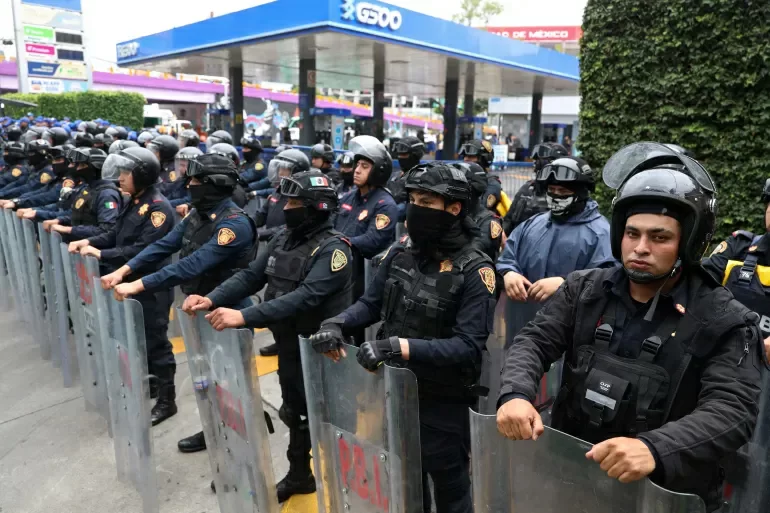
    Second, mass protests in Mexico City have put security authorities under intense pressure just hours before the opening kickoff. The country’s powerful CNTE teachers’ union has been demonstrating across the capital for days, and has threatened to block major access roads leading to Estadio Azteca ahead of Thursday’s match. The union has been on strike since last week, demanding higher wages and opposing a controversial pension reform bill that the current Mexican administration has deemed unworkable. Protesters are also set to be joined by family members of more than 130,000 missing people across Mexico, many of whom are suspected to have been abducted or killed by state actors or criminal drug gangs. In response, Mexican authorities have deployed a massive security presence around the stadium and surrounding areas, with President Claudia Sheinbaum confirming that the opening match will proceed as planned despite the unrest.

    Third, Somali referee Omar Artan received a hero’s welcome in the capital Mogadishu after he was denied entry to the United States to officiate at the World Cup. The U.S. administration confirmed Tuesday that Artan was refused a visa over alleged connections to suspected members of terrorist organizations. Speaking to reporters upon his arrival back in Somalia on Wednesday, Artan called the decision “his fate” and urged fellow Somalis not to lose heart. “What happened is done, it was fate. I am grateful for the support FIFA gave me,” he said. FIFA, which awarded former U.S. President Donald Trump its annual FIFA Fair Play Award last year, has emphasized that it holds no responsibility for visa and entry procedures implemented by host nation governments.

    Fourth, England head coach Thomas Tuchel has confirmed the team is taking a cautious approach to managing the fitness of star winger Bukayo Saka, who remains in recovery from an Achilles injury sustained back in March. The 24-year-old Arsenal attacker played through the pain for his club for the final months of the Premier League season, even featuring in the club’s penalty shootout loss to Paris Saint-Germain in the 2026 Champions League Final. “Bukayo is not 100% yet. He played through pain at the end of the season, but he is managing it and still performing at a high level even if he is not fully fit,” Tuchel told reporters Tuesday. “We are counting on him, and we are taking all the precautions we can to keep him healthy through training.” Saka’s fitness is widely viewed as critical to England’s World Cup hopes: he has featured at both Euro 2020 and Euro 2024, and scored three goals in four matches at the 2022 World Cup in Qatar.

    Finally, despite the tournament kicking off imminently, many competing nations are still wrapping up their final pre-tournament warm-up fixtures this week. England is set to face Costa Rica in Orlando on Wednesday to help the squad acclimatize to the hot, humid conditions expected across several U.S. host cities. Portugal has yet to depart for North America, and will play one final warm-up against Nigeria before flying out to the U.S. Algeria is also scheduled to play a closed-door friendly against Bolivia on Wednesday to fine-tune its tactics before the group stage begins.

  • Antigua and Barbuda U20 Players Meet Omar Al Somah After Returning for CONCACAF Championship Preparations

    Antigua and Barbuda U20 Players Meet Omar Al Somah After Returning for CONCACAF Championship Preparations

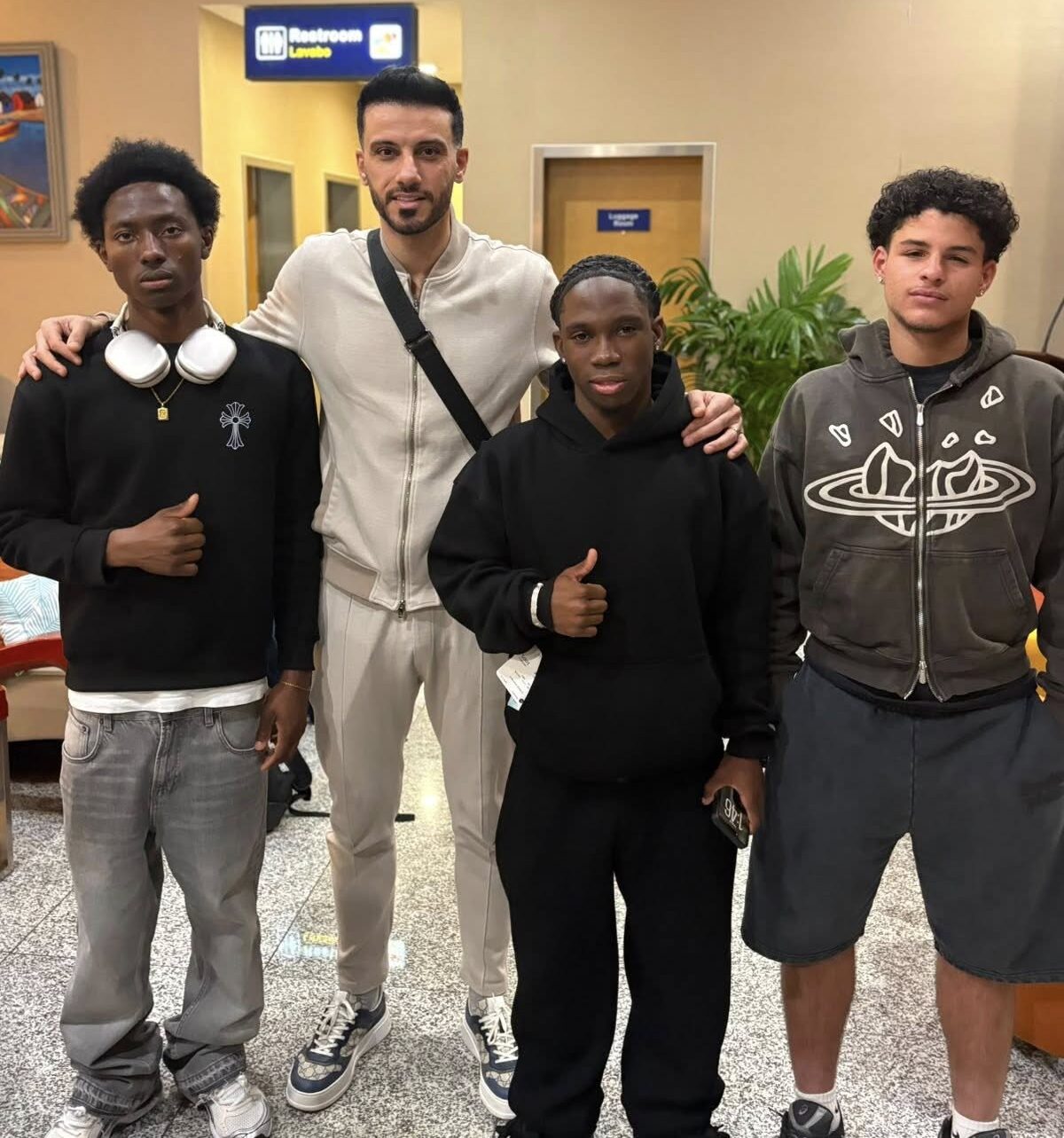
    The build-up to next month’s 2026 CONCACAF Under-20 Championship in Mexico took a promising step forward this week, as three of Antigua and Barbuda’s squad, based abroad, touched down on home soil on Tuesday. Team captain Keyonte George and teammate Conroy Browne, both currently based in Germany for their youth development, joined UK-based player Marco Micheal at V.C. Bird International Airport, where the trio were formally welcomed by D. Zorol Barthley, General Secretary of the Antigua and Barbuda Football Association.

    With less than a month remaining until the team’s opening Group Stage fixture, the three returning players will immediately integrate with the rest of the national squad to ramp up training ahead of the full team’s departure on July 2. What was meant to be a routine arrival quickly became an unforgettable milestone for the young prospects, however: the group crossed paths with star Syrian international footballer Omar Al Somah, who was also passing through the airport that day. Al Somah, a highly regarded veteran who plies his professional trade in the Saudi top flight and is widely counted among Syria’s most successful active players, took time out of his travel to talk strategy, motivation, and experience with the upcoming young Antiguan contingent.

    For the Antigua and Barbuda Football Association, the unplanned meeting carried more weight than a simple photo opportunity. “These are the moments that change careers,” Barthley emphasized of the encounter. “For our captain and his teammates to interact with a player of Omar Al Somah’s calibre, on the very day they return home to prepare for a CONCACAF Championship, says everything about the trajectory this squad is on.”

    This year’s CONCACAF Under-20 Championship marks a historic milestone for Antigua and Barbuda, which secured one of just 12 qualification spots for the regional tournament. It is the only team from the Eastern Caribbean Currency Union to earn a place in the 2026 edition, carrying the hopes of the entire sub-region into the competition. The side has been drawn into a tough Group that includes tournament hosts Mexico, Guatemala, and Costa Rica, with all their group fixtures set to take place at Puebla’s iconic Estadio Cuauhtémoc on July 24, 27, and 30 respectively. Beyond regional glory, the tournament doubles as the official CONCACAF qualification route for the 2026 FIFA Under-20 World Cup, giving the Antigua and Barbuda side a shot at reaching football’s global youth showcase.

    To get the squad properly acclimated and build match fitness ahead of the tournament, the full national side will depart Antigua on July 2 for an extensive 43-day pre-competition camp. The itinerary includes training stops in St. Lucia, Panama, and Mexico City before the team travels to Puebla for the official start of the CONCACAF tournament.

  • Sports Director Investigating Chilling Abuse Video

    Sports Director Investigating Chilling Abuse Video

    A six-second viral video filmed in Dangriga has thrown Belize’s National Sports Council into the public spotlight, triggering an official investigation into an alleged altercation between a sports facility caretaker and a teenage basketball player. As of reporting, the explosive clip has already accumulated nearly 150,000 views, growing public pressure on the governing body to deliver a transparent, thorough probe.

    The incident unfolded at the Russell “Chiste” Garcia Auditorium, a venue that the National Sports Council has openly acknowledged has long struggled with management challenges, particularly around consistent access control. According to Brian Swazo, the caretaker at the center of the confrontation, the conflict began when the teenage player crashed an ongoing volleyball practice and refused to vacate the court when asked. Swazo claims the situation escalated when the teen threw a basketball that struck him. He further alleges that after the confrontation with the player, the teen’s father — an active police officer — punched him, and he was subsequently taken into police custody.

    National Sports Council Director Jason Menzies emphasized that the organization is treating the allegations with the utmost seriousness, launching a full investigation to determine whether Swazo violated the council’s binding non-confrontation policy. Menzies noted that his initial reaction to the video was one of genuine concern, and that the council has avoided rushing to premature judgment while gathering facts from all involved parties.

    “We’ve reached out to our administrative officer in charge of that facility and asked her to provide internal reports based on the account she received from Swazo, and we have also required Swazo to file an official police report regarding his claim that he was assaulted by the player’s family,” Menzies explained in an interview. For members of the public who have already formed firm opinions after seeing only the short viral clip, Menzies urged patience and balanced scrutiny: “I would say apply the same level of scrutiny to all concerns, to both sides.”

    Swazo remains in police custody as the investigation progresses, and mounting public pressure has called for his immediate termination from his position. The National Sports Council however has stood by its commitment to complete a full, impartial investigation into all aspects of the incident before announcing any disciplinary or administrative actions. The venue’s long-standing access control issues have also renewed discussion about oversight and management of public sports facilities across the Belize District.

  • Derde helft WK 2026: Wie zijn de beste sterren om in de gaten te houden?

    Derde helft WK 2026: Wie zijn de beste sterren om in de gaten te houden?

    The 2026 FIFA World Cup, the first expanded 48-team edition of soccer’s biggest global tournament, is just hours away from kicking off on Thursday, 11 June, in North America. As the world’s top football talent descends on the host nations, the tournament brings together a historic mix of living legends, seasoned stars, and breakout young talents ready to leave their mark on the global stage. From decades-long veterans chasing one last title to teen prodigies making their first World Cup appearance, here are the 10 players that every football fan should have on their radar over the coming weeks.

    First up is Lionel Messi, the heart and soul of defending champion Argentina. Eight years after his first World Cup appearance, and four years after he fulfilled a lifelong dream by lifting the trophy in Qatar – the only major honor missing from his unparalleled trophy cabinet – the 38-year-old Argentine icon is set to make his sixth World Cup appearance, tying a record for most World Cup tournaments played by any player. While age and fitness may limit his minutes this time around, his influence on the pitch and leadership in the dressing room remain irreplaceable as Argentina aims to become only the third men’s national team to repeat as World Cup champions.

    Next is Spanish teen prodigy Lamine Yamal, who already outperforms most senior pros despite being just 18 years old. Fresh off playing a pivotal role in Spain’s 2024 UEFA European Championship title, the dynamic winger is making his first ever World Cup appearance. If he can maintain the clinical finishing and creative flair that turned heads across Europe, Yamal is on track to become the youngest top goal scorer in the tournament’s storied history.

    For France, Kylian Mbappé is entering this tournament with unfinished business. The 2022 World Cup was bittersweet for the French star: he scored a sensational hat trick in the final against Argentina, becoming only the second player ever to achieve the feat, and took home the Golden Boot as the tournament’s top scorer – but fell just one penalty short of lifting the trophy. Now older, more experienced, and hungry for redemption, Mbappé is fully focused on claiming the gold medal that slipped through his fingers four years ago. Off the tournament track, he is also on the cusp of breaking Olivier Giroud’s all-time French national team goal record: he needs just one more goal to match Giroud’s 57 career goals for France, a milestone he could reach at 27 years old, nearly a decade younger than when Giroud set the mark.

    One of the most anticipated debuts at this year’s tournament belongs to Erling Haaland of Norway. Widely regarded as the most feared striker in European club football, the Manchester City forward has led Norway’s so-called “golden generation” to their first World Cup qualification in 28 years. Haaland dominated the qualifying round, netting 16 goals – more than double the tally of his closest competitor. Last October, he became just the sixth men’s player in international football history, and the first in 53 years, to score 50 international goals in fewer than 50 caps, cementing his well-earned nickname as a “goal machine.” At 25, he is already at the peak of his powers and ready to terrorize defenses in North America.

    Like Messi, Cristiano Ronaldo is set to make his sixth World Cup appearance – and this will almost certainly be the Portuguese icon’s last. At 41 years old, Ronaldo remains as fit and competitive as ever, still a consistent goal scorer at the club level. After a lifetime of continental and club success, the one honor that has eluded him is the World Cup trophy. After limited playing time in Qatar 2022, he is expected to get far more minutes under manager Roberto Martinez as he chases that elusive title.

    England’s captain Harry Kane enters the tournament in the form of his life, fresh off winning his first Bundesliga title with Bayern Munich. The 2018 World Cup Golden Boot winner is aiming to make history at this year’s tournament: if he claims the top scorer honor again, he will become the first men’s player ever to win the Golden Boot at two separate World Cups. As the leader of one of the tournament’s pre-tournament favorites, the in-form striker will be the main attacking threat for Gareth Southgate’s Three Lions side.

    Brazil, the five-time World Cup champion, is aiming to reclaim its place at the top of global football, and all eyes will be on Vinícius Júnior, who has grown from a promising young winger to one of the best players in the world since the 2022 World Cup. Named the 2024 FIFA Men’s Player of the Year after a historic season with Real Madrid under Carlo Ancelotti – who now also leads Brazil’s national team – Vinícius is the centerpiece of the Seleção’s attack alongside veteran legend Neymar Jr, who earned a surprise call-up despite recent injury concerns. With several other key Brazilian attackers sidelined by injury, all of Brazil’s attacking hopes will rest on Vinícius’s blistering pace, elite dribbling, and clinical finishing.

    For Ghana, rising star Antoine Semenyo is set to become the face of the national team at his first ever World Cup. After joining Manchester City earlier this year, Semenyo has already made a massive impact, netting 10 goals and playing a key role in City’s title push. With key playmaker Mohammed Kudus ruled out of the tournament through injury, the 26-year-old forward will carry Ghana’s attacking threat as the side navigates a period of transition. Already, he has emerged as a talisman for the underrated African side.

    Turkey is returning to the World Cup for the first time in more than two decades, and their biggest hope for a deep run is 19-year-old prodigy Arda Güler. Regarded as one of the most exciting young talents in European football, the Real Madrid attacking midfielder is making his first appearance at a major senior international tournament. Buoyed by a pool of emerging young talent, Turkey is not just happy to qualify – they are targeting a surprising deep run in the tournament, with Güler leading the charge.

    Rounding out the list is Mohamed Salah, the captain of Egypt and one of the greatest African footballers of all time. With countless club trophies and individual records to his name, Salah has never lifted a major senior international trophy with Egypt, and this is expected to be his final World Cup appearance. Despite a recent minor muscle injury that disrupted his preparation, the 33-year-old – widely known as the “Egyptian King” – is fit and ready to lead his side, determined to settle unfinished business on the world’s biggest stage.

  • Round of 16 matchups confirmed in NSC football competition

    Round of 16 matchups confirmed in NSC football competition

    The group stage of the National Sports Council BICO Primary School football competition has officially wrapped up, with 16 teams securing their spots in the knockout round, headlined by two standout squads that finished their group campaigns without a single defeat.

    Defending tournament champions West Terrace put on a dominant display in Zone Two, completing their six-game run without a loss. The team claimed five victories and held on for one draw to top the zone standings, booking their place in the round of 16 alongside second-place finishers St Stephen’s Primary.

    Another undefeated run came from Arthur Smith Primary, the 2025 tournament runners-up, who topped Zone Seven hosted at Briar Hall. Across nine matches, Arthur Smith won eight and drew one, finishing clear at the top of the zone. They will be joined in the knockout stage by Zone Seven’s second qualifier, Milton Lynch Primary.

    Across all eight zones, the top two finishing teams earned progression to the round of 16, in line with competition rules. From Zone One, All Saints Primary and Roland Edwards Primary claimed the two qualifying spots. In Zone Three, St Bernards and Providence Primary secured their places in the knockout round. Zone Four saw St Cyprian’s Boys’ and St Paul’s advance, while Zone Five finished with St George Primary and Bay Primary taking the top two positions. Zone Six qualifiers are Wesley Hall and Deacons, and Zone Eight wrapped up with Blackman Gollop and Reynold Weekes Primary claiming the two knockout spots.

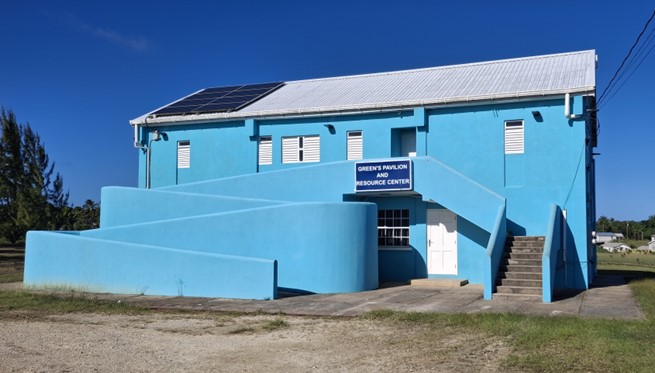
    All round of 16 fixtures will take place at the Greens St George venue, kicking off this Thursday with four scheduled matches. The opening day of knockout action will see St Cyprian’s Boys’ go head-to-head against Providence, with Bay Primary facing Wesley Hall, All Saints squaring off against Milton Lynch, and Blackman & Gollop battling St Stephen’s Primary.

    Four additional round of 16 matches are set for Friday. Defending champions West Terrace will open their knockout campaign against Reynold Weekes, while 2025 runners-up Arthur Smith will take on St Paul’s. Deacons will face Roland Edwards, and St Bernard’s will round out the day’s play against St George Primary.

  • Matthews: Fearless Cricket needed at World Cup

    Matthews: Fearless Cricket needed at World Cup

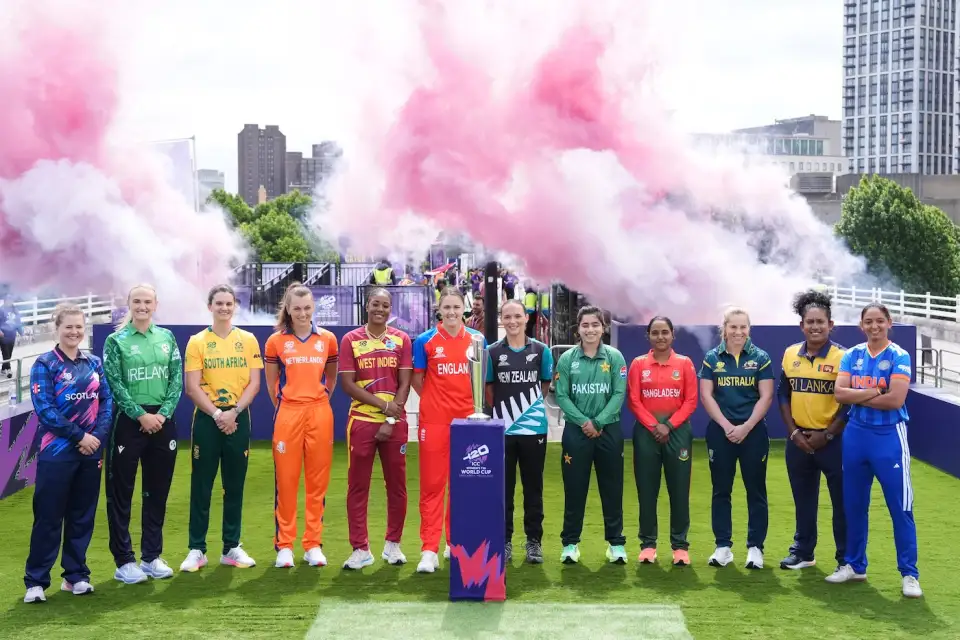
    As the countdown to the ICC Women’s T20 World Cup enters its final stretch, West Indies skipper Hayley Matthews has challenged her squad to embrace an aggressive, fearless brand of cricket to compete on cricket’s biggest global stage, drawing on her own experience as part of the region’s 2016 world title-winning side.

    Speaking to reporters at the official pre-tournament captains’ media briefing, Matthews highlighted that the 2025 West Indies roster boasts a strategically balanced mix of seasoned veterans and emerging young talent. She pointed to the invaluable mentorship provided by team mainstays Stafanie Taylor and Deandra Dottin, whose decades of international and World Cup experience give the squad’s rising players a trusted foundation to grow into the high-pressure tournament.

    “What stands out most for our group is how hungry our young players are to learn and improve,” Matthews explained. “Having players like Stafanie and Deandra in the dressing room means the next generation can feed off that experience, learning what it takes to compete at the highest level of World Cup cricket. For us, it all comes down to pulling everything together at the right moment, and delivering when we step onto the pitch.”

    The road to the World Cup has already held an early test for West Indies: the side fell to a 26-run defeat against India in its opening warm-up fixture, and will wrap up its pre-tournament preparation with a final practice match against world-leading Australia on Wednesday. Their official tournament campaign kicks off on June 13 against defending champions New Zealand, a matchup Matthews knows intimately after sharing and competing against many of the Black Caps’ top players in global T20 franchise leagues.

    “Every time we take the field, we come to play our best and compete for the win,” Matthews said. “New Zealand is always a top-tier opponent, packed with world-class match-winners who can turn a game on its head in a few overs. We know we have to work hard to limit the impact of key players like Melie Kerr and Sophie Devine as much as possible. At the end of the day, it’s about executing our game plan as a unit – when we play to our full potential, we believe we can beat any side in the tournament.”

    New Zealand claimed the 2024 World Cup title with a victory over South Africa in the final, and Matthews acknowledged that women’s T20 cricket has transformed dramatically since West Indies lifted the trophy 10 years ago. “The game has grown exponentially in the last decade,” she noted. “Nowadays, to compete at the top level, you have to play without fear. I expect we’ll see a lot of records broken this tournament, and only teams willing to take aggressive, smart risks will come out on top.”

    Matthews also opened up about the game-changing impact of veteran all-rounder Deandra Dottin, who holds the record for the most sixes hit in Women’s World Cup history. Calling Dottin a priceless asset to the West Indies setup, she emphasized the all-rounder’s ability to shift momentum with bat, ball, and in the field.

    “She can change the outcome of a game from anywhere on the pitch – whether she’s batting, bowling, or pulling off a spectacular play in the outfield, you see how electric she can be,” Matthews said. “We’re so lucky to have her in our squad. When Deandra is finding her rhythm at the crease, she’s a dangerous player for any opposition to face.”

    West Indies is drawn in a competitive group that includes not just New Zealand, but also Ireland, Scotland, Sri Lanka, and England. The side will face hosts England at the iconic Lord’s Cricket Ground on June 24, a fixture Matthews says the entire squad is eagerly anticipating.

    “Playing at Lord’s is special any day, but doing it at a World Cup against the home team? It’s going to be a truly monumental occasion,” she said. “We’re incredibly excited for that game. We’ll go in with far less pressure than England will carry as hosts, so our focus is just on enjoying the moment and playing our best cricket.”