分类: society

  • COMMENTARY: Caribbean black cake-  a sweet chronicle of memory, migration, and meaning

    COMMENTARY: Caribbean black cake- a sweet chronicle of memory, migration, and meaning

    Throughout the Caribbean archipelago—from Jamaica and Trinidad to Guyana and Dominica—the approach of significant celebrations is heralded by a distinctive aromatic signature: the rich, spiced fragrance of Caribbean Black Cake. This dense, molasses-dark dessert, profoundly infused with rum, transcends mere culinary delight to embody a cultural artifact meticulously preserved across generations and geographies.

    Historical evolution transformed the British plum pudding and fruitcake traditions, introduced by 18th-century colonists, into something uniquely Caribbean. Enslaved Africans and subsequent free communities radically reimagined these recipes utilizing local resources. Rum—distilled from the region’s economically dominant sugarcane—supplanted brandy as both preservative and flavoring agent. Burnt sugar, meticulously caramelized into ‘browning,’ imparted the cake’s characteristic deep hue, while tropical dried fruits underwent months-long rum maceration.

    The meticulous preparation underscores the cake’s significance. Families frequently initiate fruit soaking months—sometimes a full year—in advance, allowing flavors to mature into complex harmony. The batter, infused with nutmeg, cinnamon, allspice, and clove, is blended with creamed butter, eggs, flour, and caramelized sugar. Post-baking, cakes are traditionally ‘fed’ additional rum to enhance moisture and longevity, creating a dessert that improves with age without refrigeration.

    Regional variations abound while maintaining core cultural meaning. Trinidadian versions often exhibit a smooth, pudding-like texture, whereas Jamaican iterations are notably robust in spicing. In Guyana, the cake assumes near-sacred wedding symbolism representing prosperity and continuity, while Dominican recipes remain fiercely guarded family secrets transmitted through practice rather than written instruction.

    As Caribbean diaspora communities established roots in the United Kingdom, Canada, and the United States, black cake became an edible tether to ancestral homelands. Although commercial rum cakes gained popularity from the 1970s onward, homemade versions prepared by elder family members remain the unquestioned standard of authenticity.

    Beyond gastronomy, black cake encapsulates broader historical narratives: the fusion of colonial influences with African ingenuity, the alchemical transformation of hardship into richness, and preservation through adaptation. Typically served with coffee, sorrel, or rum, its consumption becomes a deliberate act of cultural remembrance—each slice containing centuries of adaptation, migration, and celebration.

    This culinary tradition functions as a living historical archive, where empire, resistance, memory, and family converge. The cake’s profound darkness contains multitudes of meaning, serving as both sweet sustenance and powerful symbol that declares: this moment matters.


  • Barbados Police Service: Do not drink and drive

    Barbados Police Service: Do not drink and drive

    The Barbados Police Service has intensified its seasonal safety campaign with Crime Prevention Officer Inspector Roger Babb reiterating critical warnings about holiday celebrations. Law enforcement officials emphasize that while seasonal festivities often involve alcohol consumption, individuals must maintain responsible behavior to ensure community safety.

    Inspector Babb specifically addressed the dangers of impaired driving, noting that alcohol-related decisions during celebrations could lead to catastrophic consequences. “The combination of alcohol and driving creates potentially fatal circumstances that endanger both the driver and innocent bystanders,” Babb stated in his official advisory.

    The comprehensive safety guidelines issued by TBPS include multiple protective measures: Designating sober drivers before celebrations begin, resisting social pressure to consume alcohol, maintaining constant surveillance of personal beverages, and avoiding substance combinations. The advisory particularly highlights drink-spiking risks, recommending that celebrants personally observe bartenders preparing beverages and immediately seek medical assistance if tampering is suspected.

    Authorities also cautioned against accepting drinks from strangers and emphasized alcohol’s detrimental effect on decision-making capabilities. The police service’s intervention comes during peak celebratory periods when historical data shows increased alcohol-related incidents across the island nation.

  • Finding Christmas cheer amid challenges, wins

    Finding Christmas cheer amid challenges, wins

    As Barbados approaches Christmas celebrations, the nation engages in sober reflection on a year marked by significant challenges and notable triumphs. While festive traditions bring joy, many households confront persistent economic pressures that cast shadows over the season’s merriment.

    Economic realities continue to weigh heavily on citizens, with rising living costs forcing families to carefully stretch limited budgets. Despite macroeconomic indicators showing recovery, the benefits remain unevenly distributed across society. Parents particularly feel this strain as they navigate children’s expectations against financial constraints.

    Environmental challenges have compounded economic difficulties, with climate change manifesting through extreme weather patterns and ecological disruptions. Sargassum seaweed invasions threaten marine ecosystems and tourism assets, while farmers struggle with unpredictable growing conditions. As a small island nation, Barbados faces disproportionate impacts from global climate issues it contributed little to create.

    Social concerns have also intensified, with growing anxiety about community safety and declining interpersonal trust. Many citizens yearn for a society where youth can embrace hopeful futures and conflicts resolve peacefully. Healthcare and social services operate under sustained pressure, with professionals delivering care despite resource limitations.

    Yet Barbados has achieved significant victories worthy of recognition. The tourism sector has staged a robust recovery, generating employment, foreign exchange, and renewed economic confidence. Hospitality businesses from hotels to artisans have benefited from visitors who choose Barbados for its welcoming familiarity. This resurgence has stabilized public finances and created space for developmental planning.

    Internationally, Barbados maintains influence beyond its size through climate justice advocacy and sustainable development leadership. Prime Minister Mia Mottley has elevated the nation’s voice in global forums, ensuring small island states’ concerns receive attention in financial and environmental discussions.

    Domestically, renewable energy transitions progress steadily through solar installations and policy reforms. Though incremental, these steps demonstrate commitment to sustainable futures despite limited resources.

    Most profoundly, community solidarity has flourished through grassroots initiatives. Churches, charities, and neighborhood groups have mobilized support systems ranging from food assistance to educational resources. This collective care, though economically unquantifiable, represents the nation’s resilient spirit.

    This Christmas, Barbados acknowledges that celebration coexists with struggle, embracing gratitude amid hardship. The season represents more than material exchange—it embodies family, forgiveness, and renewal as the new year approaches. Through shared meals, traditional hymns, and natural beauty, Barbadians remember their identity transcends temporary difficulties.

    The coming year will demand continued effort and difficult decisions, but for now, the nation pauses to honor hope’s enduring presence. Christmas brings well-deserved rest to the weary, comfort to the hurting, and renewed determination to all Barbadians who have persevered through adversity.

  • Bisschop Choennie: Kerst is een oproep tot hoop, verzoening en verantwoordelijkheid

    Bisschop Choennie: Kerst is een oproep tot hoop, verzoening en verantwoordelijkheid

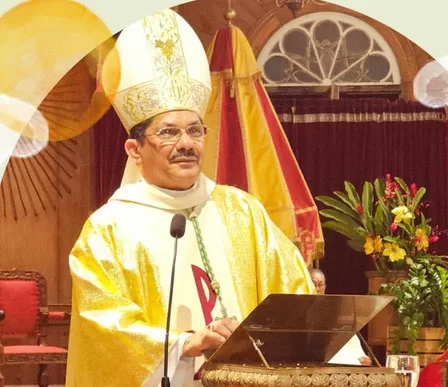
    In a profound Christmas sermon that transcended traditional holiday messaging, Bishop Karel Choennie of Paramaribo has issued a compelling call for national reflection and renewal in Suriname. The religious leader reframed Christmas as more than mere festive tradition, presenting it instead as a vital moment for healing, introspection, and collective responsibility toward the nation’s future.

    Addressing a congregation grappling with historical legacy and contemporary challenges, Bishop Choennie drew parallel between the biblical narrative of Bethlehem and Suriname’s current reality. He emphasized that the birth of Jesus represents an enduring invitation to maintain hope despite uncertainty and change—a message particularly resonant amid the country’s ongoing struggles with its complex past.

    The bishop confronted Suriname’s painful history with unflinching honesty, acknowledging slavery and contract labor as deep wounds within the national consciousness. While stressing the importance of recognizing historical suffering and ancestral resilience, he cautioned against allowing bitterness to paralyze progress. Christmas, he argued, invites genuine reconciliation—acknowledging past trauma without becoming trapped by it.

    Bishop Choennie referenced the colonial period as both suppressing Surinamese identity and fostering growing aspirations for justice and self-determination. He pointed to the December 8th trial proceedings as a painful but necessary reminder that truth must precede healing, suggesting that with grace, historical scars can transform into sources of strength rather than division.

    The sermon highlighted significant national milestones, including Suriname’s 1975 independence as a historical turning point that initiated domestic responsibility. The bishop openly addressed subsequent periods of moral and financial decline, democratic challenges, and instances when the nation had to rebuild from ‘ground zero’—yet emphasized the people’s persistent hope throughout these trials.

    Notable signs of progress included the election of Suriname’s first female president, which Bishop Choennie characterized as a historic development opening new perspectives and encouraging young women nationwide. He also interpreted the recent visit of the Dutch royal couple as meaningful beyond ceremonial protocol—seeing it as an opportunity for acknowledgment, dialogue, and confronting shared history while strengthening national unity through diversity.

    Looking forward, the bishop addressed Suriname’s anticipated oil and gas revenues expected around 2028. While acknowledging their potential to improve infrastructure, education, and healthcare, he warned that economic wealth without moral compass risks creating new divisions. He called for choices centered on justice, integrity, and care for the vulnerable—encouraging Surinamers to share their talents and resources not for personal enrichment but to build an inclusive society.

    At its core, Bishop Choennie’s Christmas message emphasized proximity and responsibility. God becoming human in simplicity and vulnerability rather than power and splendor challenges every individual to choose connection over polarization, forgiveness over resentment, and collective responsibility over self-interest. He concluded with a prayer for the coming year—that it may be marked by wisdom, courage, and solidarity, with all Surinamers regardless of origin, color, or faith feeling at home. “May the light of Christmas continue to guide us,” he urged, “today and into the future.”

  • PNH : Special day in honor of the children of police officers killed in combat (Video)

    PNH : Special day in honor of the children of police officers killed in combat (Video)

    PORT-AU-PRINCE, Haiti – In a poignant display of solidarity during the Christmas season, Haiti’s National Police Force (PNH) hosted a special commemorative event on December 24, 2025, dedicated to children who lost parents in the line of duty throughout the year.

    The gathering, organized by the PNH General Directorate, transformed into an atmosphere of both celebration and remembrance. Children participated in games, dances, and shared a festive meal while receiving gifts, all under the supportive presence of the police high command.

    Acting PNH Commander Vladimir Paraison delivered an emotionally charged address that acknowledged the complex emotions surrounding the holiday for bereaved families. ‘How can I offer festive wishes,’ Paraison reflected, ‘when I know that for many children here, this celebration isn’t what they dreamed of? They face absence before even reaching adulthood.’

    Paraison’s speech emphasized the collective responsibility of the police force toward the families of fallen colleagues. ‘I don’t pretend to replace your father,’ he told the children, ‘but know this: behind every uniform, there is a protective presence. Each police officer carries a piece of your parent within them.’

    The commander specifically acknowledged the courage of widows raising children alone, pledging ongoing institutional support: ‘We cannot fill absences, but we commit to being a reflection of his presence beside you, a support when the road seems long.’

    The event concluded with holiday wishes and a renewed commitment from the police force to maintain close ties with the families of those who made the ultimate sacrifice while serving Haiti.

  • TAMCC and Grenada Union of Teachers sign historic collective bargaining agreement

    TAMCC and Grenada Union of Teachers sign historic collective bargaining agreement

    In a groundbreaking advancement for Grenada’s educational landscape, the T A Marryshow Community College (TAMCC) and the Grenada Union of Teachers (GUT) have established their inaugural collective bargaining agreement. The pivotal signing ceremony occurred on December 24, 2025, creating a specialized negotiation framework exclusively for college lecturers for the first time in the institution’s history.

    This tripartite agreement, effective from January 1, 2026 through December 31, 2028, signifies a transformative moment in recognizing faculty rights, working conditions, and professional status. The negotiated package comprises two fundamental documents: “The Terms and Conditions of Employment for Faculty in the Bargaining Unit” and “The Wages for GUT Membership of Faculty Employed by TAMCC.” These comprehensive agreements delineate detailed salary scales, supplementary benefits, and employment terms applicable to academic staff throughout the designated period.

    The ceremonial proceedings were attended by distinguished representatives from both institutions. TAMCC’s delegation included Dr. Wendy Grenade, Chairperson of the College Council, and Council Member Samantha Antoine-Purcell. The teachers’ union was represented by President General Jude Bartholomew and General Secretary Melissa St Rose. Adding national significance to the event, Grenada’s Labour Commissioner Sparkle Grenade-Courtney witnessed the formal signing, emphasizing the agreement’s importance within the country’s education sector.

    College authorities attributed the successful negotiation outcome to constructive dialogue and mutual dedication between both parties. Special recognition was extended to Dr. John Telesford, TAMCC’s Deputy Principal, for his instrumental role in developing the benefits package, and Learie Barry, College Council member, for his contributions to the wage structure formulation. The Cabinet and Government of Grenada received acknowledgment for their steadfast support in facilitating the agreement’s completion and implementation.

    This pioneering accord establishes a positive benchmark for collective bargaining practices throughout Grenada. Beyond providing clarity and structure for lecturer benefits, it reinforces TAMCC’s dedication to cultivating an equitable, transparent, and supportive professional environment for its academic workforce. The institution projects that this framework will enhance productivity, strengthen accountability, and deliver measurable value across college operations as faculty members gain empowerment to perform at their optimal professional capacity.

    Through this collaborative mechanism, TAMCC advances its fundamental mission of academic excellence, robust governance, and sustainable development while promoting industrial harmony and consolidating its position as Grenada’s premier tertiary education provider.

  • Belizeans Mobilize to Turn Cordelah’s Holiday Wish into Reality

    Belizeans Mobilize to Turn Cordelah’s Holiday Wish into Reality

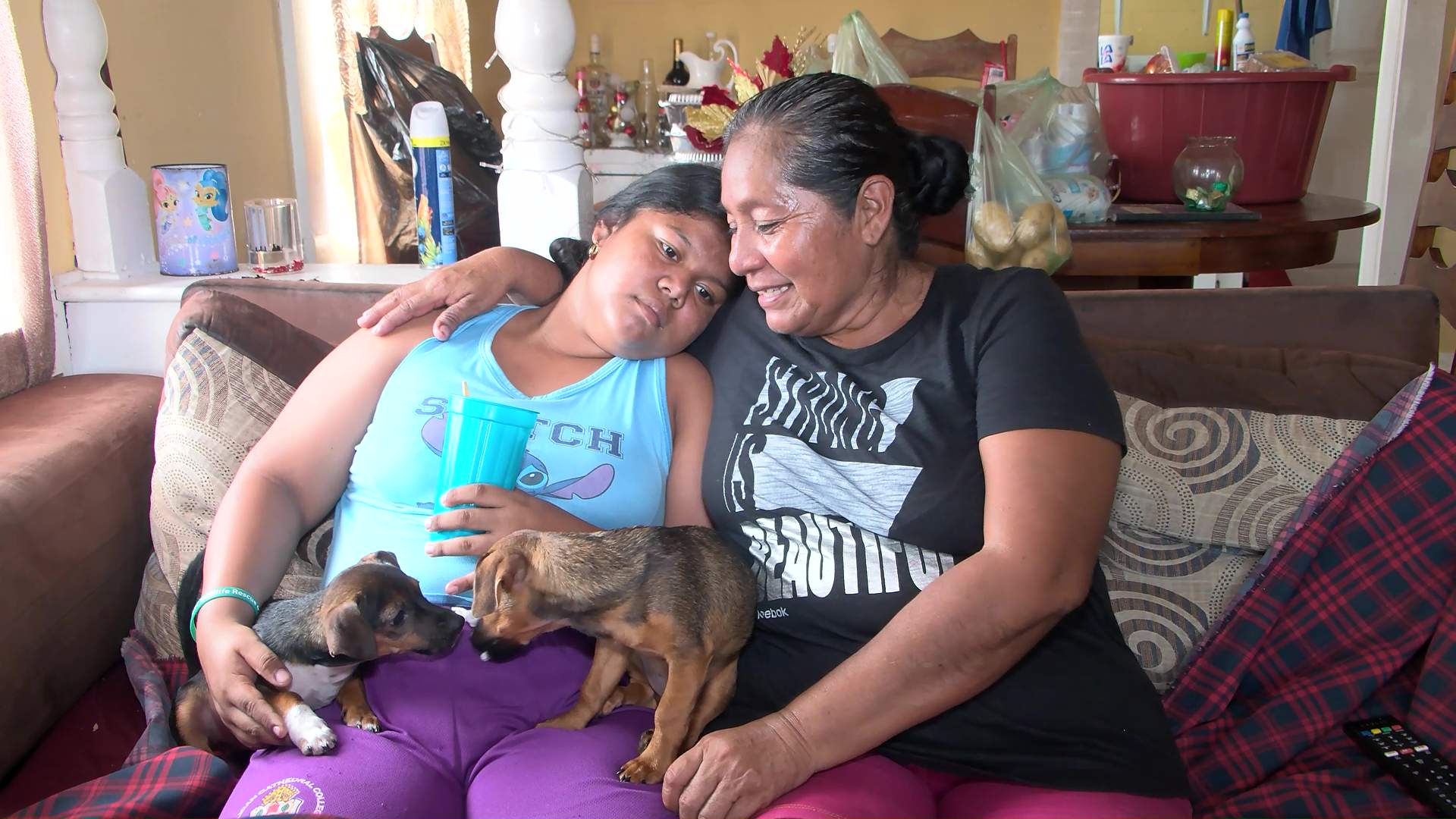
    BELIZE – What began as a heartfelt holiday wish from a courageous young cancer patient has evolved into a nationwide movement of compassion and support. Cordelah Duran, a child battling cancer, has inspired an unprecedented outpouring of generosity across Belize and beyond, demonstrating the powerful resilience of human kindness during the holiday season.

    The remarkable chain of events was set in motion when Cordelah’s emotional message to her mother became public, triggering an immediate and overwhelming response from citizens nationwide. The movement gained significant momentum through the organized efforts of social media influencer Kristian Alpuche, known online as El Toxico, who leveraged his substantial digital platform to coordinate and manage the flood of support.

    Alpuche transformed the organic goodwill into tangible assistance for the Duran family, ensuring that every contribution—whether financial, material, or emotional—was effectively channeled to address their pressing needs. The initiative successfully provided the family with essential groceries, holiday gifts, and critical support for mounting medical expenses.

    Delilah Arana, Cordelah’s mother, expressed profound gratitude for the unexpected wave of solidarity that has enveloped their family. ‘The support has been unbelievable—overwhelming,’ Arana stated. ‘People have been coming continuously, the phone hasn’t stopped ringing. The message wasn’t about gifts, but about loving each other and appreciating family.’

    Despite the tremendous emotional uplift from the community response, the harsh reality of Cordelah’s medical condition persists. The young cancer warrior experienced particularly challenging days amid the holiday celebrations, with her mother acknowledging the exhausting physical and emotional toll of the illness. ‘It breaks my heart to see her like this,’ Arana shared. ‘Some days she’s bright and running around, and the next moment she’s completely drained.’

    The family now looks toward Cordelah’s next medical appointment scheduled for Valentine’s Day in Merida, facing the ongoing battle with renewed strength derived from knowing they are not walking this difficult path alone. The extraordinary story has come to symbolize the true spirit of Christmas—compassion, community, and the powerful impact of collective action in the face of adversity.

  • Christmas Eve Rush: Downtown Belize City Buzzes with Last-Minute Shoppers

    Christmas Eve Rush: Downtown Belize City Buzzes with Last-Minute Shoppers

    On December 24, 2025, the vibrant streets of downtown Belize City transformed into a dynamic tableau of holiday urgency and festive spirit. As the final hours before Christmas descended, residents embarked on a comprehensive mission to complete their seasonal preparations, creating a palpable energy throughout the urban center.

    The commercial corridors witnessed diverse purchasing patterns, ranging from practical home improvements to sentimental gifts. Retailers reported strong demand for emerald green fashion items—the season’s trending color—alongside perennial favorites like black, gold, and silver accessories destined for holiday parties and social gatherings. Beyond apparel, shoppers acquired bicycles for children, musical instruments for personal enrichment, and home renovation materials including linoleum for festive redecorating.

    Interviews with residents revealed distinct approaches to holiday preparation. While some embraced last-minute shopping strategies, others demonstrated advanced planning with complete readiness achieved weeks prior. The spectrum of priorities extended beyond material acquisitions, with many emphasizing spiritual fulfillment, family togetherness, and personal health as fundamental components of their celebration.

    Traditional culinary preparations presented particular challenges, with some residents yet to procure essential holiday meats. Despite concerns about reduced marinating time for hams and turkeys, confidence remained high that these centerpieces would grace Christmas tables regardless of procurement timing.

    The community simultaneously expressed seasonal joy and civic concern, with residents advocating for public safety during celebrations. The collective sentiment reflected both gratitude for the season’s blessings and awareness of broader social responsibilities, creating a nuanced tapestry of holiday consciousness throughout Belize City.

  • Prime Minister Calls for Togetherness This Christmas

    Prime Minister Calls for Togetherness This Christmas

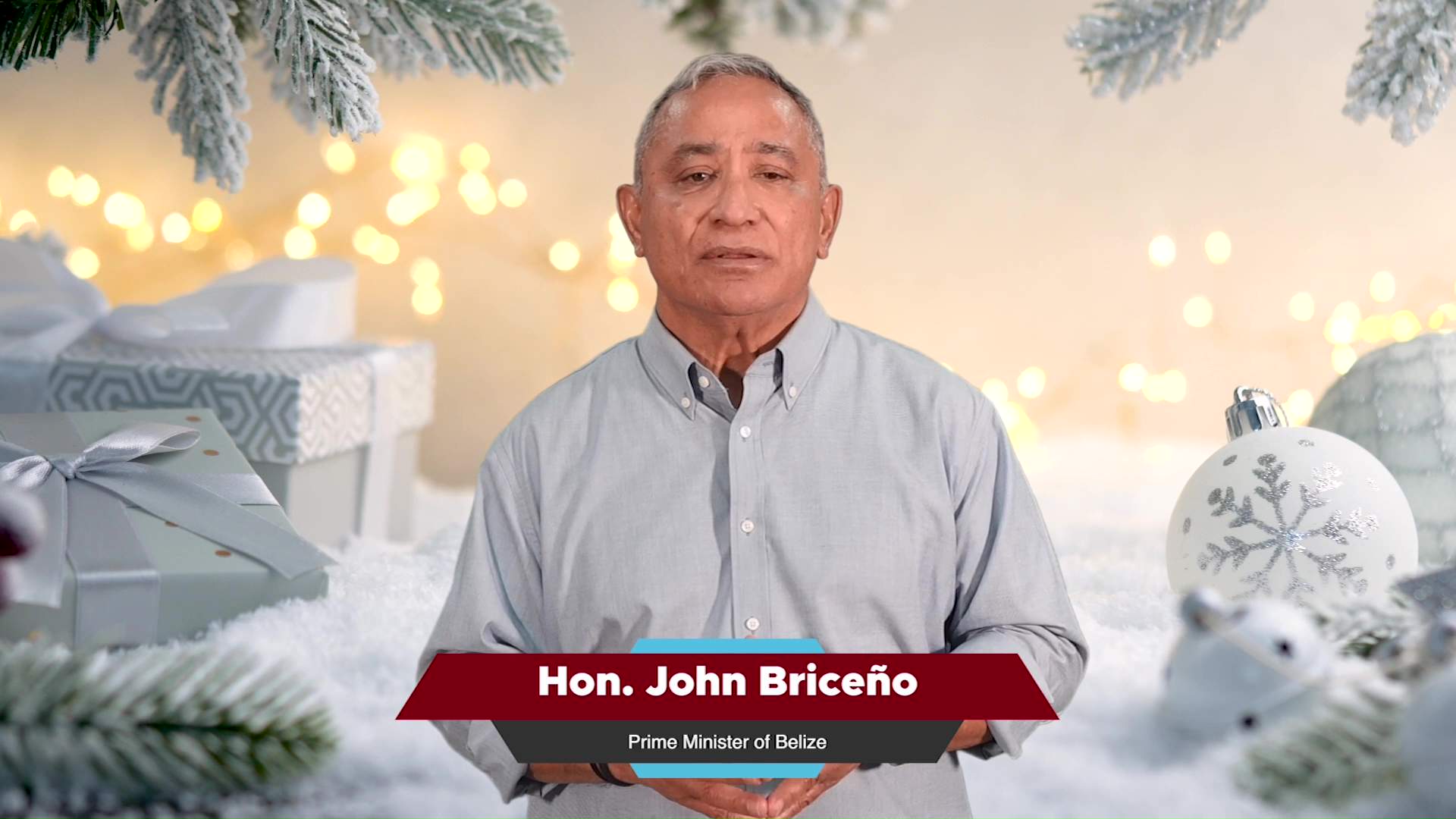
    In a nationally broadcast address on December 24, 2025, Belizean Prime Minister John Briceño delivered an inspirational Christmas message centered on themes of national unity and communal solidarity. The Prime Minister’s annual holiday speech emphasized transcending the commercial aspects of the season to embrace deeper values of mutual support and familial connection.

    Briceño articulated that the significance of Christmas extends beyond mere calendar observance, representing instead a profound opportunity for citizens to strengthen social bonds. He specifically highlighted the importance of collective support systems and cherishing loved ones, noting how Belizean communities have illuminated the season with exceptional displays of festive decorations and shared spirit.

    The national leader identified what he termed “the two treasures of the season” – meaningful moments of prayer and the shared experience of laughter and aspirations around family tables. These elements, according to Briceño, form the essential foundation of authentic Christmas celebration beyond material aspects.

    Concluding his address with traditional seasonal greetings, the Prime Minister extended wishes for health, happiness, and divine blessings to all households across the nation. His final remarks, delivered in both English and Spanish with “Feliz Navidad, Belize,” incorporated a patriotic benediction for the nation’s continued prosperity and wellbeing.

  • Prefab Home Dispute Nears Resolution After Talks

    Prefab Home Dispute Nears Resolution After Talks

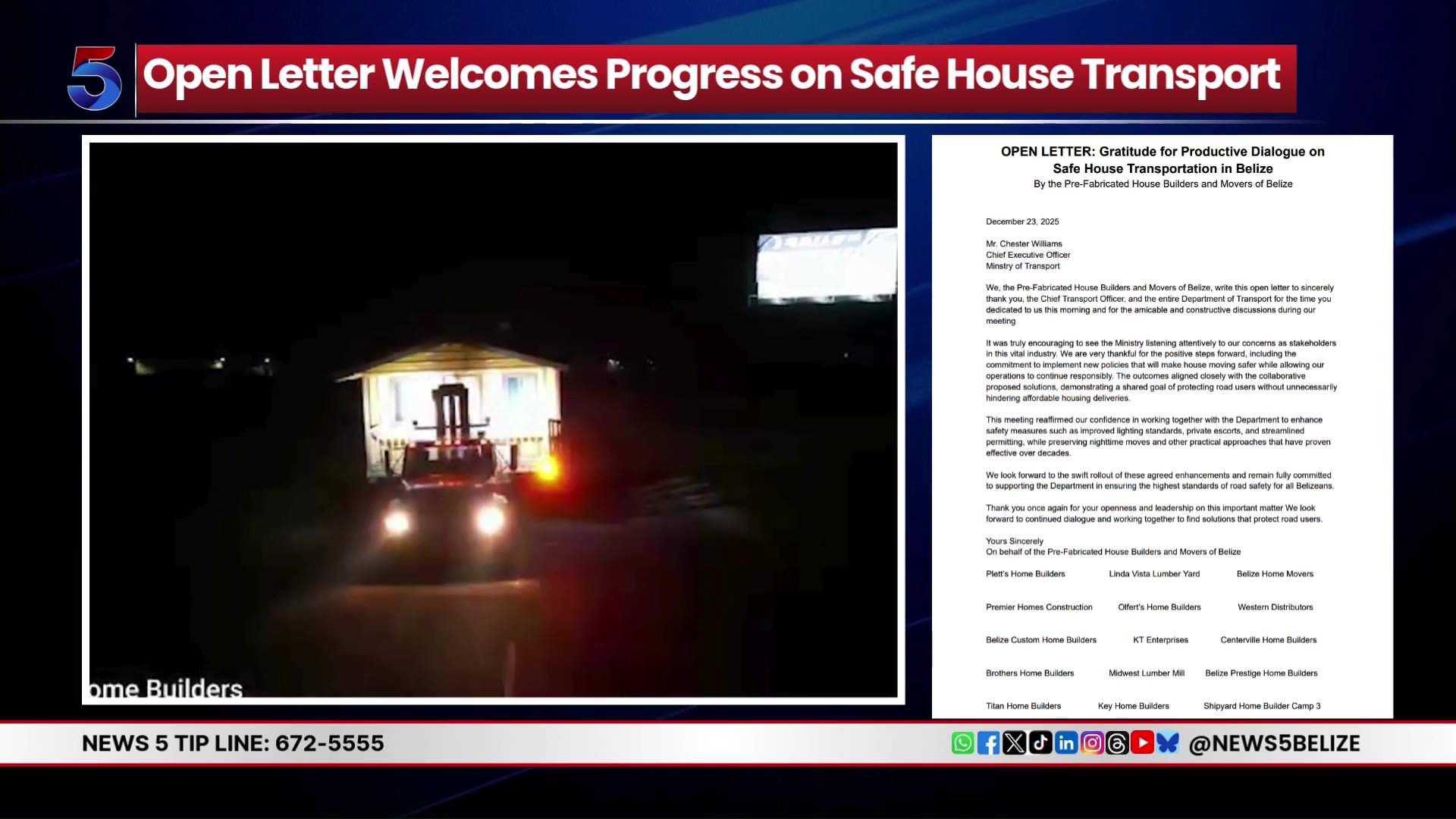
    Belize’s transportation authorities and prefabricated housing industry have achieved a significant breakthrough in their ongoing regulatory dispute. Following intensive negotiations, the Ministry of Transport and the Prefabricated House Builders and Movers association have developed a comprehensive framework addressing the previously contentious ban on relocating prefabricated homes.

    The resolution emerged from what industry representatives described as ‘amicable and constructive discussions’ with Transport CEO Chester Williams. The new agreement focuses on implementing enhanced safety protocols while maintaining the critical supply of affordable housing throughout the country.

    Key components of the proposed regulations include stricter safety standards, mandatory private escort vehicles for mobile homes, streamlined permitting processes, and authorization for nighttime transportation. Additionally, the agreement introduces innovative safety features such as loud hailer systems to alert approaching drivers and improved lighting configurations with flashing lights connecting transport vehicles to the structures being moved.

    Williams emphasized that while the ministry supports the proposed measures, final approval must come from the Cabinet. The ministry will prepare an information paper for Cabinet consideration in the coming weeks. Simultaneously, stakeholders will collaborate on a public education infomercial to increase awareness about safe practices when encountering mobile home transport on highways.

    The building sector has expressed readiness to immediately implement the new protocols once officially approved, marking a potential end to the uncertainty that has plagued the affordable housing market.