分类: society

  • AI can helptackle crime

    AI can helptackle crime

    Artificial intelligence (AI) holds transformative potential in the realm of crime prevention, offering tools for predictive policing and more efficient identification of illicit activities. However, the financial burden of developing and implementing such advanced technology, particularly in smaller economies like Trinidad and Tobago (TT), raises significant concerns. Issues of affordability, transparency, and the risk of misuse or overreach must be carefully weighed against the potential benefits.

    The COVID-19 pandemic has been exploited by various sectors, including food, freight, and utilities, as a pretext for unjustified price hikes. These practices, often shrouded in opacity, manipulate public perception and exacerbate economic hardship by eroding purchasing power. This tactic mirrors the dismissive stance of former US President Donald Trump, who famously labeled climate change as a ‘con job,’ highlighting a broader pattern of leveraging crises for economic gain.

    Environmental policies present a stark dichotomy. While some global leaders advocate for green energy initiatives, major economies such as China, Iran, Russia, and Iraq continue to rely heavily on coal and fossil fuels, perpetuating the climate crisis. This inconsistency underscores the intricate interplay between economic interests and environmental sustainability, revealing the complexities of global energy politics.

    In conclusion, whether addressing AI in crime prevention, economic manipulation, or climate policy, the necessity for transparency, responsible leadership, and strategic planning is paramount. Misinformation and diversionary tactics only hinder genuine progress, benefiting a select few while imposing significant burdens on the majority. The call for clarity and actionable solutions has never been more urgent.

  • A win against period poverty

    A win against period poverty

    The 2025 national budget marks a historic milestone by addressing period poverty, a critical issue that has long been overlooked. This groundbreaking inclusion is the culmination of relentless global and local feminist activism, which has successfully framed menstruation as a matter of public health, human rights, and gender equity. Finance Minister Davendranath Tancoo emphasized that period poverty severely impacts the health and educational opportunities of individuals who cannot afford menstrual hygiene products, thereby denying them equitable access to empowerment and confidence in daily activities such as attending school or participating in sports. Recognizing this, St Lucia has taken a pioneering step by allocating US$250,000 to support students struggling with the cost of feminine hygiene products. In his October 13 presentation, Minister Tancoo proposed the establishment of a Women’s Health Fund with an initial capital of $5 million, aimed at sustaining initiatives through tax-incentivized individual and corporate contributions. This fund will launch a pilot program to distribute free menstrual kits in educational institutions and provide comprehensive menstrual health education, targeting various groups including men and boys to foster inclusivity and dismantle stigma. The removal of VAT on pads and tampons in 2001 was a significant step, acknowledging these products as basic necessities for approximately half the population. However, period poverty extends beyond the cost of menstrual products; it encompasses the need for menstrual health education, safe and accessible sanitation facilities, and the elimination of stigma. The issue is particularly acute in disaster-affected areas, where the spectrum of sexual and reproductive health and rights must be integrated into disaster management. Addressing period poverty also requires robust health and family life education in schools, enabling adolescents to ask questions about their bodies, reproduction, and anxieties. Organizations like Feminitt have been at the forefront of this movement, advocating for legislative changes, increased research, and gender-responsive solutions that acknowledge the LGBTQIA+ community and people with disabilities. Crown Her TT, founded by medical and legal professionals, has amplified these efforts through a national campaign. The 2025 budget represents a significant victory for people who menstruate, girls, and women, and underscores the importance of mentoring and supporting youth-led peer activism.

  • Vacancy tax on idle properties proposed as part of waterfront’s economic revival

    Vacancy tax on idle properties proposed as part of waterfront’s economic revival

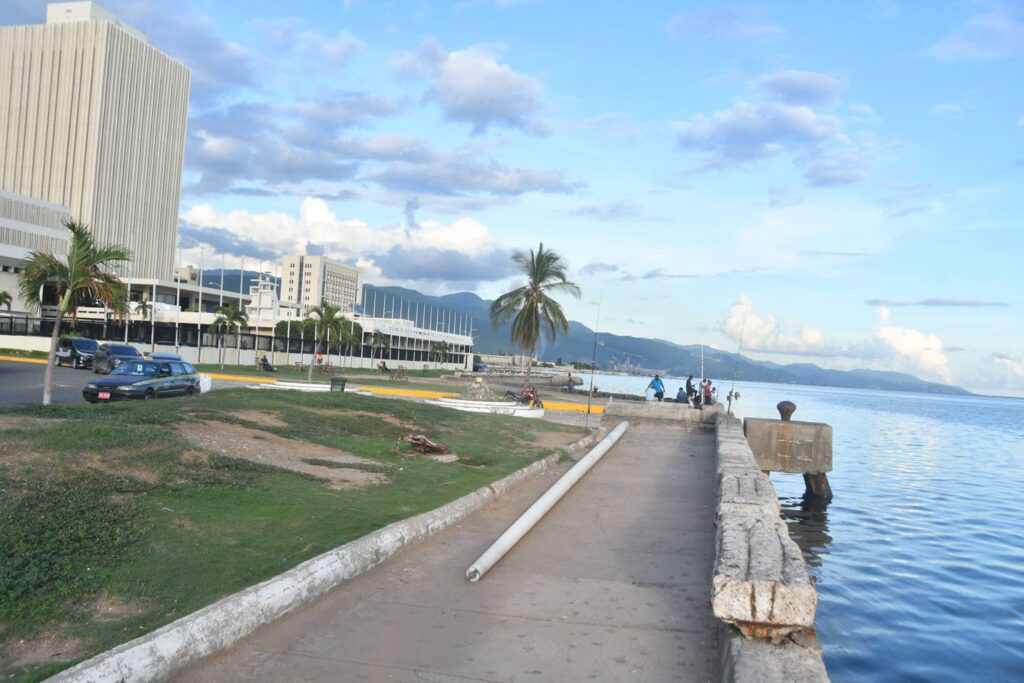
    Renowned urban planner Brent Toderian has proposed a vacancy tax on unused properties as a potential strategy to stimulate economic activity in downtown Kingston, Jamaica. The suggestion was made during the fifth Maurice Facey Lecture, held at the Jamaica Conference Centre last week. Toderian, former chief planner for Vancouver, Canada, emphasized that while he is not advocating for immediate implementation, such a tax could incentivize property owners to repurpose derelict buildings and vacant lots for commercial or residential use.

  • T&TEC ordered to provide policy on high-tension power lines on private property

    T&TEC ordered to provide policy on high-tension power lines on private property

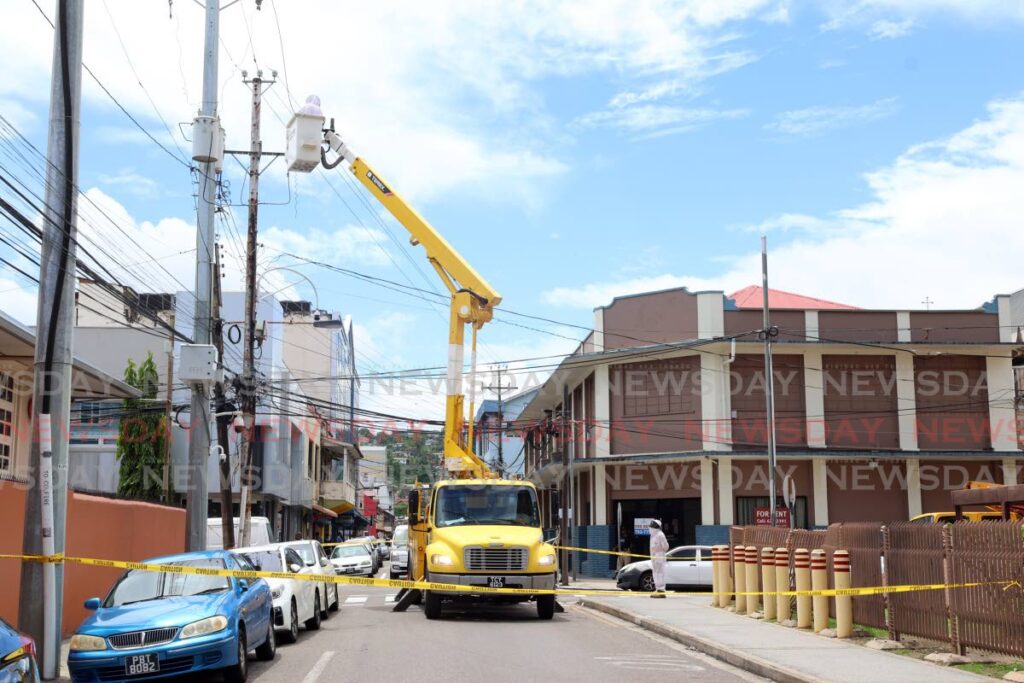
    The Trinidad and Tobago Electricity Commission (T&TEC) has been mandated by the High Court to disclose its policy on installing high-tension power lines over private property within 14 days. Justice Frank Seepersad issued the ruling on October 15, 2024, following a legal challenge by Dr. Fayard Mohammed, who accused T&TEC of breaching its obligations under the Freedom of Information Act (FOIA).

    Dr. Mohammed initiated the case after T&TEC installed power lines on his private property without providing the policy justifying such actions. Despite his initial request for information, T&TEC failed to respond within the legally required 30-day period, prompting Dr. Mohammed to seek judicial review. Justice Seepersad found T&TEC’s delay and subsequent refusal, citing the sub judice rule and allegations of a ‘fishing expedition,’ to be unlawful and unsupported by valid exemptions under the FOIA.

    The judge emphasized that administrative inefficiency or resource constraints cannot excuse non-compliance with statutory obligations. He declared that T&TEC violated Sections 13, 15, and 23 of the FOIA by failing to notify Dr. Mohammed of its decision, provide written reasons for refusal, and uphold his legitimate expectation of lawful and fair processing of his request. Justice Seepersad also dismissed T&TEC’s claims of procedural abuse and nondisclosure, labeling them as disingenuous deflections.

    In his ruling, Justice Seepersad underscored the importance of transparency and accountability, stating that the FOIA is designed to empower citizens to access information held by public bodies. He ordered T&TEC to pay Dr. Mohammed’s legal costs, reinforcing the principle that such requests are fundamental rights, not litigation tactics. Dr. Mohammed was represented by attorneys Farai Hove Masaisai and Chelsea Edwards, while T&TEC’s legal team included Senior Counsel Keith Scotland, Asha Watkins-Montserin, and Keisha Kydd-Hannibal.

  • ‘Unacceptable!’

    ‘Unacceptable!’

    Kingston Mayor Andrew Swaby expressed deep frustration during the monthly meeting of the Kingston and St Andrew Municipal Corporation (KSAMC) on Tuesday, addressing the ongoing garbage collection crisis plaguing several communities. Residents have reported domestic waste remaining uncollected for up to two months, creating significant health and environmental hazards. Mayor Swaby criticized the National Solid Waste Management Authority (NSWMA) for its inconsistent service delivery, despite its mandate to handle waste management. He also highlighted the agency’s frequent excuse of rainfall hindering access to dumpsites, which he deemed insufficient to justify such prolonged delays. Furthermore, Swaby raised concerns about irregular street sweeping in downtown areas, including Parade, King Street, and West Queen Street, forcing the KSAMC to hire external contractors to maintain cleanliness. He also alleged that some NSWMA employees may be receiving pay without performing their duties. The mayor urged the NSWMA to take immediate action to resolve these issues and emphasized the importance of collaboration between the agency and the KSAMC. Additionally, Swaby called on residents to improve their waste disposal practices, stressing that maintaining clean streets is a shared responsibility. The KSAMC’s Public Health and Sanitation Committee has outlined several objectives, including quarterly reviews of reporting processes and enhanced oversight of sewer line blockages and road cuts, to improve service efficiency and accountability.

  • Additional sailings for Tobago carnival, Minority wants more flights

    Additional sailings for Tobago carnival, Minority wants more flights

    As the highly anticipated Tobago Carnival approaches, scheduled for October 24 to 26, concerns over transportation logistics have taken center stage. THA Minority Leader Kelvon Morris has urged Caribbean Airlines (CAL) to increase daily flights to accommodate the surge in demand for the event, now in its fourth year. Speaking at a media conference on October 15 at the Magdalena Grand Beach and Golf Resort, Morris revealed that CAL’s management has declined to add new flights, despite the overwhelming interest in the carnival. He called on the Chief Secretary to intervene, emphasizing the importance of ensuring smooth travel for attendees from Trinidad and beyond. Reports indicate that hotels, villas, and guesthouses are nearly fully booked, with hoteliers expressing concerns that visitors may struggle to reach the island due to limited transportation options. In response, The Port Authority has announced additional roundtrips on the TT Spirit ferry between October 22 and 29, with four inter-island vessels operating outside their regular schedules. Dexter Sandy, president of the Tobago October Carnival Association (TOCO), had previously appealed for increased air and sea transport to support the event, highlighting the need for collaboration with Caribbean Airlines and the TT Inter-Island Ferry. The carnival’s official events, including the Monarchs of Mas, Pan Omega, and the Parade of Bands, are expected to draw significant crowds, further underscoring the urgency of addressing transportation challenges.

  • Plea for the homeless

    Plea for the homeless

    Human rights advocate Carla Gullotta is urging Jamaica’s Ministry of Local Government and Community Development to prioritize the establishment of more transitional facilities for the homeless, arguing that the current reliance on drop-in centres is insufficient to address the root causes of homelessness. Gullotta, who operates the Portland Rehabilitation Management Homeless Shelter in Port Antonio, highlighted the limitations of drop-in centres, which provide temporary shelter but fail to offer long-term solutions or professional support for mental health issues often linked to homelessness. She emphasized that transitional facilities, like her shelter, have proven more effective in helping individuals regain stability and reintegrate into society. Gullotta also underscored the alarming prevalence of mental health challenges in Jamaica, citing Health and Wellness Minister Dr. Christopher Tufton’s revelation that 40% of Jamaicans experience mental health issues at some point in their lives. Meanwhile, Local Government Minister Desmond McKenzie announced plans to conduct a nationwide survey on homelessness and build 14 new shelters across the island, aiming to address the growing crisis more comprehensively.

  • Kyle Hilaric’s journey through education: From homeless to hopeful

    Kyle Hilaric’s journey through education: From homeless to hopeful

    Kyle Hilaric, a 37-year-old resident of the Court Shamrock shelter in San Fernando, has transformed his life through education and resilience. Recognized as the Most Outstanding Welding Student and the Most Distinguished Student of the Class of 2025 at the National Energy Skills Centre (NESC), Hilaric’s journey is a testament to the power of determination and hope. His early life was fraught with challenges, including homelessness and family instability, but he credits the support and stability provided by Court Shamrock for enabling him to focus on his goals. Hilaric’s academic achievements include delivering the valedictory address at his graduation ceremony and being awarded the Wayne Bertrand Memorial Award, the institute’s highest honor. Now enrolled in a business management programme at the College of Science Technology and Applied Arts of Trinidad and Tobago (COSTAATT), Hilaric aims to build a career in leadership and entrepreneurship. He emphasizes the importance of education as a tool for personal growth and community impact, encouraging others facing similar struggles to persevere and believe in their potential.

  • 1 dead, 2 schoolboys among 3 wounded in Brasso shooting

    1 dead, 2 schoolboys among 3 wounded in Brasso shooting

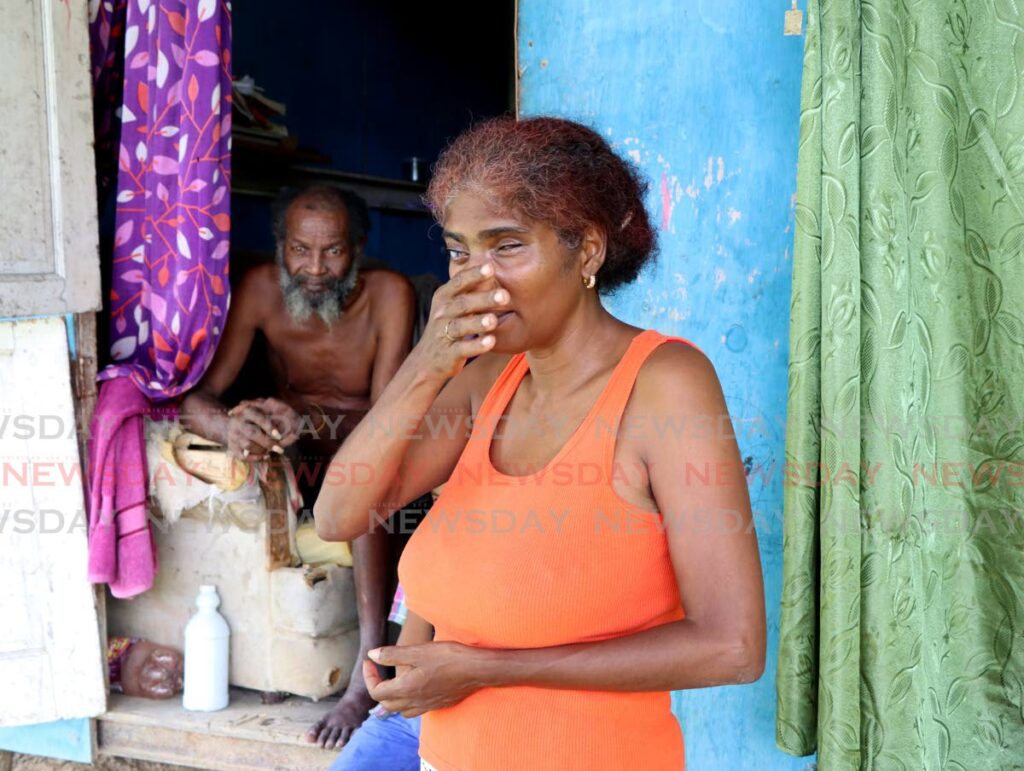
    A tragic shooting in Brasso Village, central Trinidad, has left a family in mourning and a community in shock. On October 15, 20-year-old construction worker Christopher Ricardo “Ricky” Joseph was killed when gunmen opened fire at a house along Caparo Valley Brasso Road. His brother, Colly Joseph, 23, and two teenagers, Jerryl Ganness, 15, and Darias Shadrack, 16, were also injured in the attack. The incident occurred around 2 am inside an unfinished wooden structure on the compound of Darias’s relatives. Villagers reported hearing gunshots and later discovered Christopher’s body with multiple bullet wounds. The wounded were initially taken to the Chaguanas Health Centre before being transferred to Mt Hope Hospital. Christopher’s mother, Marsha Joseph, 45, who is visually impaired, recounted her last conversation with her son, who had called to express his love for her just hours before his death. She described Ricky as a reserved individual who, despite his interest in gangster music, was not involved in criminal activities. The family has faced tragedy before, with Marsha’s uncle, Rajindra “Syo” Ramcharan, 33, being shot and killed in February. Christopher’s father, Smith Joseph, 65, who suffered a stroke in 2020 and had a leg amputated, urged the police to fully commit to solving all crimes. The family is now seeking justice for Christopher’s death and his brother’s shooting, expressing their faith in divine justice if the legal system fails. The shooting is believed to be drug-related, and police investigations are ongoing. This incident adds to the growing concern over the rising crime rate in Trinidad, with 299 murders recorded so far this year, including more than two dozen in the past two weeks. Despite the ongoing state of emergency, the monthly murder toll for October has surpassed last year’s figures, highlighting the urgent need for effective crime control measures.

  • AI can help tackle crime

    AI can help tackle crime

    Artificial intelligence (AI) holds immense promise in transforming crime prevention, offering tools like predictive policing and enhanced detection of illicit activities. Yet, the high costs associated with developing and implementing such technologies, particularly in smaller economies like Trinidad and Tobago (TT), raise critical concerns about affordability, transparency, and the potential for misuse or overreach. The debate centers on whether the benefits of AI can truly outweigh these risks.

    Meanwhile, the COVID-19 pandemic has been exploited by various sectors, including food, freight, and utilities, as a pretext for unjustified price hikes. These opaque practices, designed to manipulate public perception, mirror tactics reminiscent of former US President Donald Trump’s dismissal of climate change as a ‘con job.’ Such economic manipulation erodes purchasing power and exacerbates financial strain on individuals and families.

    On the environmental front, a glaring inconsistency persists. While some global leaders champion green energy initiatives, major economies like China, Iran, Russia, and Iraq continue to rely heavily on coal and fossil fuels, perpetuating the climate crisis. This dichotomy highlights the intricate interplay between economic interests and environmental sustainability in global energy politics.

    Ultimately, whether addressing AI, economic exploitation, or climate policy, the need for transparency, responsible leadership, and strategic planning is paramount. Misinformation and distractions only hinder progress, benefiting a select few while burdening the majority. The call for clarity and genuine action has never been more urgent.

    Gordon Laughlin, via e-mail