分类: society

  • Oudejaarsdag in Commewijne: afscheid van kinderen Aroma

    Oudejaarsdag in Commewijne: afscheid van kinderen Aroma

    Suriname enters the new year under a cloud of profound grief as the nation mourns the devastating loss of five lives in a tragic incident that has shocked the community of Commewijne. On what should be a day of celebration and renewal, the country instead observes a solemn day of reflection following the death of Dennis Aroma (43) and his four children.

    The sequence of events began on Monday, December 29th, when Aroma was detained at approximately 1:30 AM and placed in a supervised observation cell at the Keizerstraat detention facility. The cell remained unlit throughout his confinement. During a routine check at 6:10 AM, guards discovered Aroma had died by suicide using an improvised ligature.

    According to official autopsy reports, Aroma’s death resulted from cerebral hypoxia caused by compression of neck vessels through hanging. Investigation reveals he repurposed bandaging material from a splint on his right lower leg, fashioning multiple loops attached to the cell’s bar structure positioned 180 centimeters above floor level. The bars themselves stood at approximately 150 centimeters in height, with only a green emergency blanket present in the spartan cell.

    Disturbing details emerged that rigor mortis had already set upon discovery, indicating significant time had elapsed since death occurred. Two staff members present during the incident have been questioned as part of an ongoing investigation into apparent supervisory failures.

    In response to the tragedy, the Surinamese government has announced it will cover all funeral expenses for the victims while providing ongoing support and counseling for bereaved family members. January 2nd has been officially designated a national day of mourning, allowing the nation to collectively process this profound loss.

    This incident has sparked serious questions about detention facility protocols and inmate welfare monitoring systems, particularly regarding vulnerable individuals in custody. As Suriname traditionally prepares for renewal and hope, the community now faces deep introspection about institutional responsibilities and preventive measures to avoid future tragedies.

  • Fisherfolk report slow recovery despite post-Beryl support

    Fisherfolk report slow recovery despite post-Beryl support

    Six months following Hurricane Beryl’s devastating impact on Barbados, the island’s fishing community continues to face significant operational challenges despite government support and ongoing reconstruction efforts. Fisherfolk report persistent obstacles including inadequate boat repairs, critical shortages of ice and bait supplies, and slow restoration of key market infrastructure that collectively hinder a full return to normal operations.

    Moonesh Dharampaul, leader of the newly formed Black Fin Fleet organization, acknowledged positive government engagement in addressing sector concerns. “We have maintained productive dialogue with ministry officials and received tangible support,” Dharampaul stated. “There’s a committed partnership developing as we progress into the new year.”

    However, multiple systemic challenges persist beyond hurricane recovery. The fishing community contends with geopolitical tensions restricting access to traditional fishing grounds near Trinidad due to ongoing disputes involving the United States and Venezuela. “We’ve had to identify alternative fishing routes to maintain operations,” Dharampaul explained.

    In response to safety concerns following an electrical fire at the fish market, authorities have committed to implementing enhanced safety protocols including fire extinguishers and first aid stations at docking facilities.

    Technology adoption has emerged as a positive development, with fishermen increasingly utilizing WhatsApp for constant communication between vessels and shore. Plans are underway to install Starlink satellite systems on boats to maintain uninterrupted contact during fishing expeditions.

    At the Harbour Road boat yard, one fisherman revealed the $12,000 government grant received for repairs proved insufficient, requiring an additional $15,000-$20,000 to complete restoration work—a process expected to take four more months. At Sand Pit, other fishermen reported having repaired vessels but facing severe ice and bait shortages that limit fishing frequency.

    Fisherman Wayne Rose described the current situation: “Fishing remains slow with limited ice distribution—only about two boats daily receive adequate supplies. Catch volumes remain low while market prices have increased significantly.”

    Environmental factors compound these challenges, as Hendy Davis noted changing sea temperatures and tides have altered fish migration patterns: “Historical fishing yields have diminished considerably. Species like flying fish have become scarce, forcing adaptation to different catch types.”

    Despite these multifaceted obstacles, the formation of Black Fin Fleet has provided collective advocacy that fishermen acknowledge is gradually improving support systems and operational conditions within the industry.

  • Placencia Faces Serious Garbage Woes, Seeks Solutions

    Placencia Faces Serious Garbage Woes, Seeks Solutions

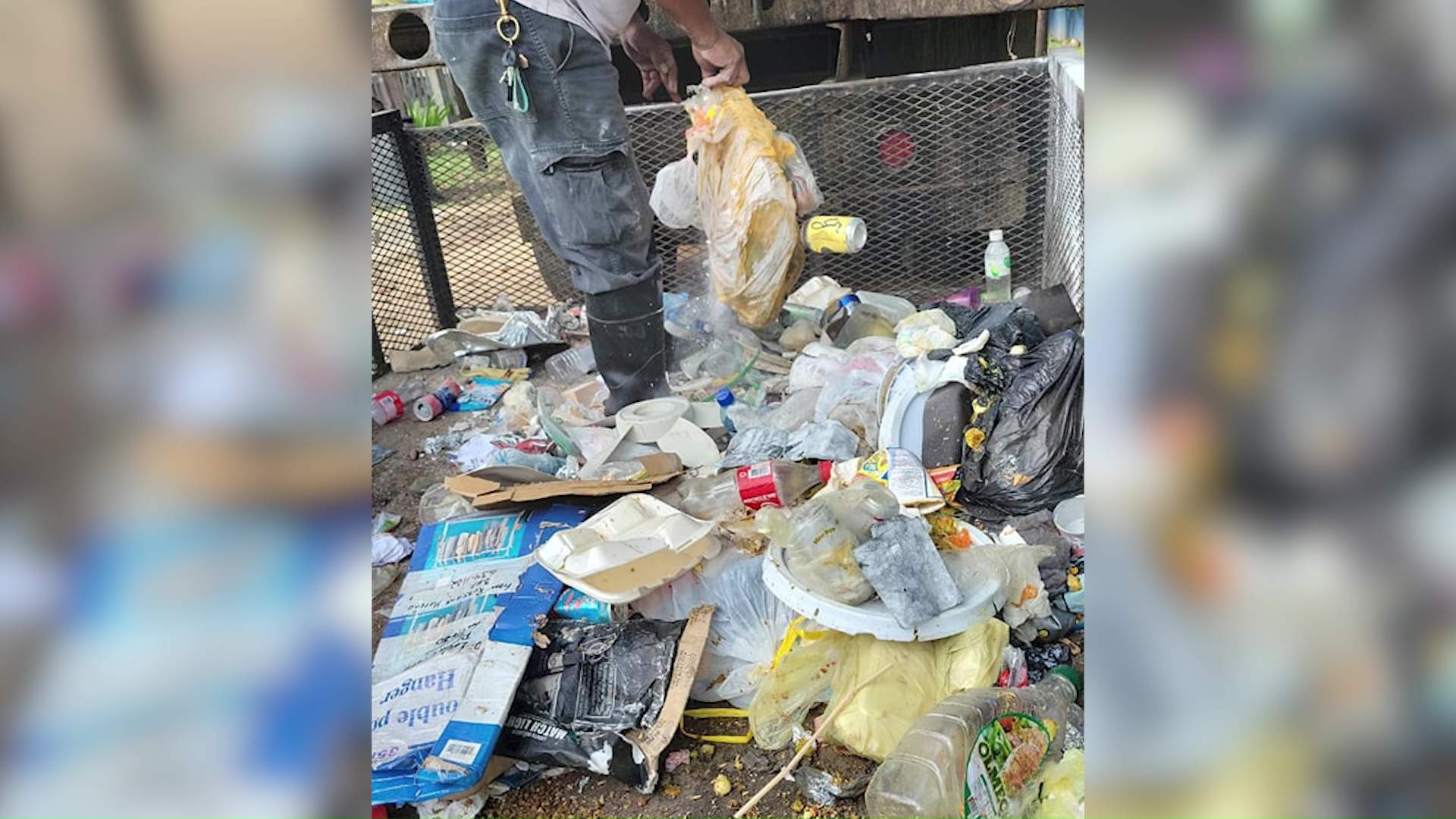
    The idyllic coastal village of Placencia, renowned for its pristine beaches and thriving tourism industry, is confronting a severe environmental and infrastructural challenge as its waste management system reaches a critical breaking point. Local authorities have been compelled to implement extreme measures, including dumping refuse at the entrance to the official landfill site, due to a combination of impassable access roads and critically insufficient funding.

    At the heart of the crisis lies a severely deteriorated roadway leading to the community’s designated dumpsite, rendering it virtually inaccessible for waste collection vehicles. Brice Dial, Vice Chair of the Placencia Village Council, revealed the operational nightmare facing sanitation crews, describing recent incidents where trucks became bogged down in mud, requiring expensive heavy equipment extraction operations that consumed hours of valuable time. This logistical catastrophe is particularly damaging during peak tourist season, when waste generation increases substantially while collection capabilities diminish.

    The financial underpinnings of the crisis trace back to systemic funding shortages and problematic revenue collection mechanisms. Historically, the council managed garbage fees through water bill attachments, but since Belize Water Services assumed control of water management, garbage fee collections have plummeted by approximately fifty percent. This financial stranglehold prevents the council from independently addressing the estimated $30,000 road repair requirement.

    Area Representative Rodwell Ferguson acknowledges the gravity of the situation, confirming ongoing communications with the Ministry of Infrastructure Development and Housing. While the ministry has committed to providing gravel supplies to address the road conditions, Ferguson notes that unprecedented rainfall and overwhelming demand from across the district have hampered response times. He emphasizes Placencia’s special status as a tourist destination in prioritization requests.

    Complicating the landscape further is the existence of a transfer station constructed by the Belize Solid Waste Management Authority that remains non-operational. Ferguson indicates that operationalization commitments have been made, potentially offering longer-term relief by transporting waste to centralized facilities outside the peninsula.

    Facing mounting garbage accumulation at households and resorts, with associated risks to public health and tourism experience, the council made the controversial but calculated decision to concentrate waste at the landfill entrance rather than allow scattered accumulation across the peninsula. This containment approach aims to minimize wildlife interference and environmental contamination while awaiting comprehensive solutions.

    The situation underscores broader challenges facing municipal services in tourist-dependent communities, where infrastructure maintenance costs outpace revenue generation capabilities, creating dependency on central government support that often proves inadequate or delayed.

  • Placencia Village Council Faces Financial Crunch After Trade License Delay

    Placencia Village Council Faces Financial Crunch After Trade License Delay

    The Placencia Village Council, representing one of Belize’s premier tourism destinations, has declared a severe financial emergency following the Briceño administration’s decision to postpone implementation of the Trade License Act. This unexpected policy reversal has created immediate budgetary shortfalls for community development initiatives that were contingent on anticipated revenue streams.

    Vice Chair Brice Dial revealed the council had strategically planned multiple public works projects based on government assurances that trade license fees would commence distribution by early 2026. Among these was the ‘Placencia Proud Project’ – a comprehensive village cleanliness initiative deployed ahead of peak tourist season to address complaints about sanitation standards from both residents and visitors.

    The financial architecture of Placencia’s municipal operations now faces fundamental challenges. Beyond the now-jeopardized trade license revenues, the council receives only minimal funding through liquor license kickbacks (which experience significant disbursement delays) and its annual Lobster Festival fundraiser. This precarious fiscal situation exists despite Placencia ranking among the nation’s highest per-capita tax generators through tourism revenues.

    Dial emphasized the paradoxical nature of the crisis: ‘Communities like Placencia, Hopkins, San Pedro, Caye Caulker, and San Ignacio constitute the economic backbone of Belize through tourism-generated taxes. Yet we witness minimal fiscal redistribution toward local infrastructure and maintenance needs.’

    The vice chair acknowledged recent government investments including road upgrades and coastal erosion studies, but stressed that operational funding gaps created by the trade license delay require immediate intervention. The situation highlights broader questions about resource allocation between national revenue collection and local community reinvestment in tourism-dependent economies.

  • Still No Charges in Brutal Dangriga Machete Killing

    Still No Charges in Brutal Dangriga Machete Killing

    One week after the brutal machete killing of 41-year-old Linden Kelly in Dangriga Town, Belize, no formal charges have been brought against the detained suspects. The attack occurred on December 19th in the Rivas Estate area following an alleged confrontation between Kelly and two assailants.

    Kelly’s family has issued an emotional appeal to the Belize Police Department, expressing profound concern over the stalled investigation and the potential danger to community safety. Austin Williams, brother of the deceased, revealed the family’s escalating distress as they prepare for Kelly’s funeral this Sunday.

    “We are looking at people who just killed a man and they’re walking around like killing in Dangriga is legal,” Williams stated during a phone interview. He described the devastating impact on the family, particularly their mother who feels unsafe while mourning her son’s death.

    Williams acknowledged Kelly’s past legal troubles but emphasized his recent efforts to establish a legitimate business venture. “He was trying to find a way to get it done the right way,” Williams noted, expressing hope that someone might continue Kelly’s entrepreneurial legacy.

    The family’s frustration centers on what they perceive as institutional failure within the justice system. Williams reported receiving vague explanations from police blaming the Department of Public Prosecutions (DPP) for the delay, leaving the family uncertain about where to direct their concerns.

    In their appeal to government officials and police authorities, the family demands improved law enforcement standards in Dangriga, stating: “We’re asking for them to amp up their game. You can’t just have criminals out there on the street.” The case highlights ongoing concerns about criminal justice effectiveness in the region.

  • Christmas Day Robbery Lands Repeat Offender in Jail

    Christmas Day Robbery Lands Repeat Offender in Jail

    A fifty-three-year-old repeat offender with an extensive criminal history has been sentenced to two years imprisonment for a Christmas Day robbery in Belize. Lester Smith, who initially provided authorities with the false identity ‘Allister Alex Smith,’ confessed to forcibly stealing a woman’s purse containing her identification documents, banking cards, and cash on December 25th.

    The victim demonstrated remarkable courage during the confrontation, physically resisting the assailant and striking him with her mobile phone before he ultimately overpowered her and fled with the property valued at sixty dollars. Law enforcement officials successfully apprehended Smith following a swift investigation.

    During sentencing proceedings, Chief Magistrate Court proceedings took an unexpected dramatic turn when Smith declared his intention to end his own life upon incarceration, stating: ‘Once I go dah jail, I wah hang myself.’ He reiterated this disturbing threat following the formal sentencing announcement, expressing profound frustration with his personal circumstances and repeated judicial encounters.

    The court immediately implemented precautionary protective measures to ensure Smith’s safety despite his subsequent attempts to retract the statements. Judicial records reveal the defendant’s extensive criminal background comprising twenty-one prior convictions, including burglary, theft, and previously escaping lawful custody.

    This pattern of recidivism resulted in an enhanced sentence prior to mitigation, though Smith received a one-year reduction acknowledging his guilty plea. The defendant was subsequently transferred to Belize Central Prison without further incident, though his courtroom declarations raise significant concerns regarding mental health support systems within correctional facilities.

  • Family of Ten Left Homeless in Guinea Grass House Fire

    Family of Ten Left Homeless in Guinea Grass House Fire

    A devastating house fire has left ten family members homeless in Guinea Grass Village after flames engulfed their residence in the early hours of the morning. The incident occurred approximately at 6:00 AM when twenty-five-year-old Jose Mejia awoke to the smell of smoke and discovered rapidly spreading flames originating from an unoccupied bedroom belonging to his sister-in-law.

    Mejia immediately sprang into action, evacuating all children and family members from the burning structure. Despite the rapid progression of the fire, all occupants managed to escape with only minor injuries, including Mejia who sustained a slight burn to his foot while ensuring the safety of his youngest child.

    According to Mejia’s account, the blaze appears to have originated from an electrical outlet located on a two-by-four post in the room where the fire began. The family attempted to salvage some belongings but were unsuccessful as the flames consumed everything in their path.

    Fire response personnel arrived on scene after the structure was already extensively damaged, unable to recover any meaningful possessions from the inferno. The family confirmed they lost all their worldly possessions, escaping with only the clothes they were wearing.

    The affected household includes children ranging from four to fifteen years old, young adults aged twenty-one and twenty-three, and a forty-five-year-old grandfather. Community support efforts are now underway to assist the displaced family who face immediate shelter, clothing, and essential needs following this catastrophic event.

  • VIDEO: Fire chief reports on blaze at Questelles Gov’t School

    VIDEO: Fire chief reports on blaze at Questelles Gov’t School

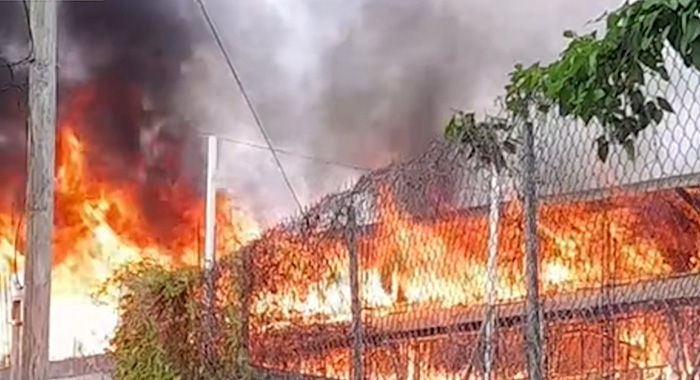
    In response to significant structural damage caused by a recent fire incident, educational authorities have announced temporary relocation plans for students of Questelles Government School. The blaze, which erupted on December 29, 2025, resulted in the complete destruction of one school block’s roofing system, rendering the facility unsuitable for academic activities.

    Beginning next term, all fifth and sixth-grade students will transition their educational activities to the Campden Park Community Centre. This alternative venue has been prepared to accommodate the displaced pupils while restoration work commences at the original school premises.

    Superintendent Mark Ellis, commanding officer of the Fire Brigade, provided an official assessment at the incident scene. While the full investigation remains ongoing, preliminary reports indicate the fire caused extensive damage to the school’s infrastructure. The relocation strategy ensures educational continuity while addressing safety concerns arising from the damaged facility.

    The educational district has implemented comprehensive measures to minimize disruption to the academic calendar. School administrators are coordinating with transportation services and community center staff to ensure a seamless transition for affected students and faculty members.

  • Authorities Warn of Heavy Penalties for Archaeological Vandalism

    Authorities Warn of Heavy Penalties for Archaeological Vandalism

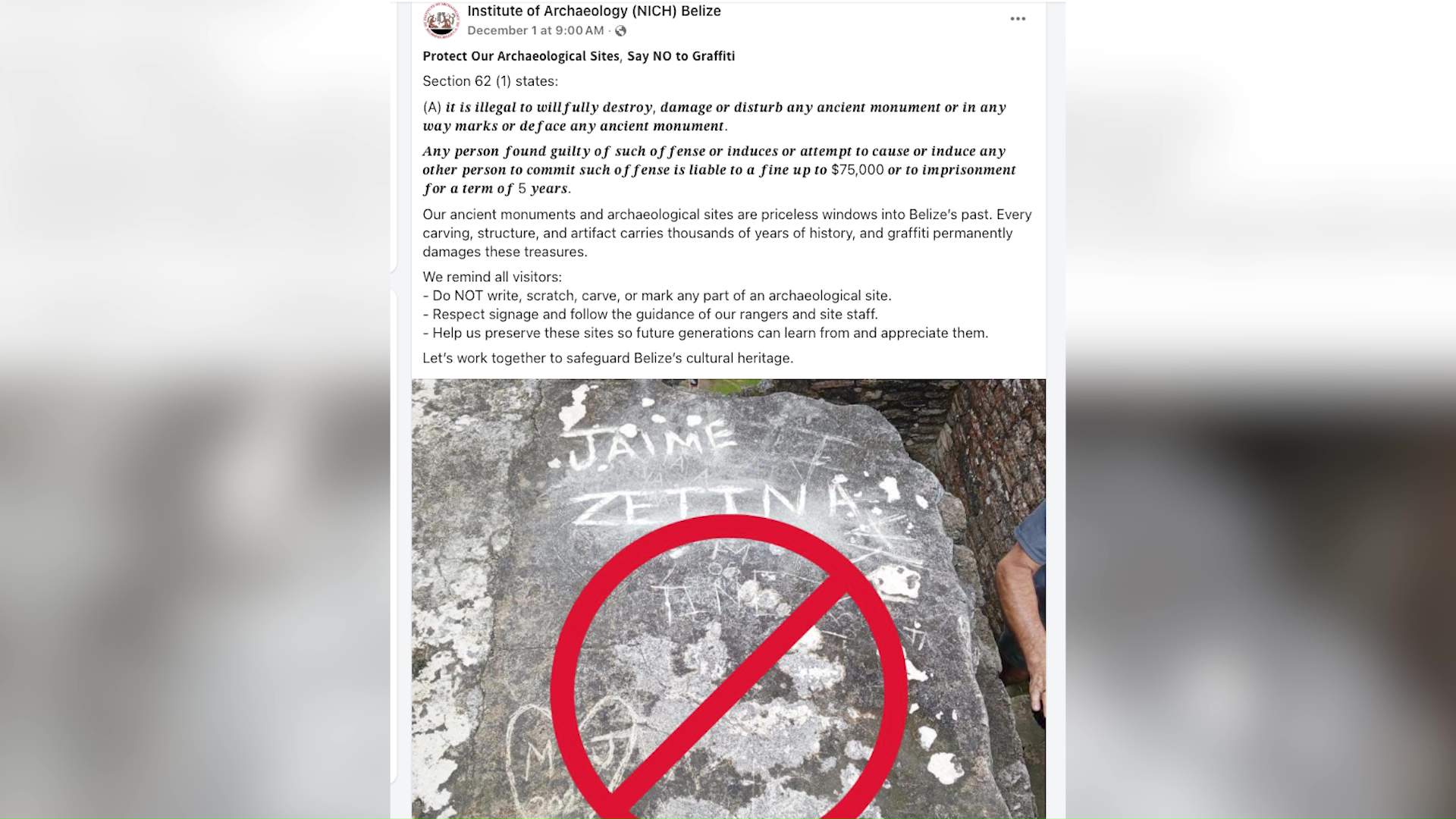
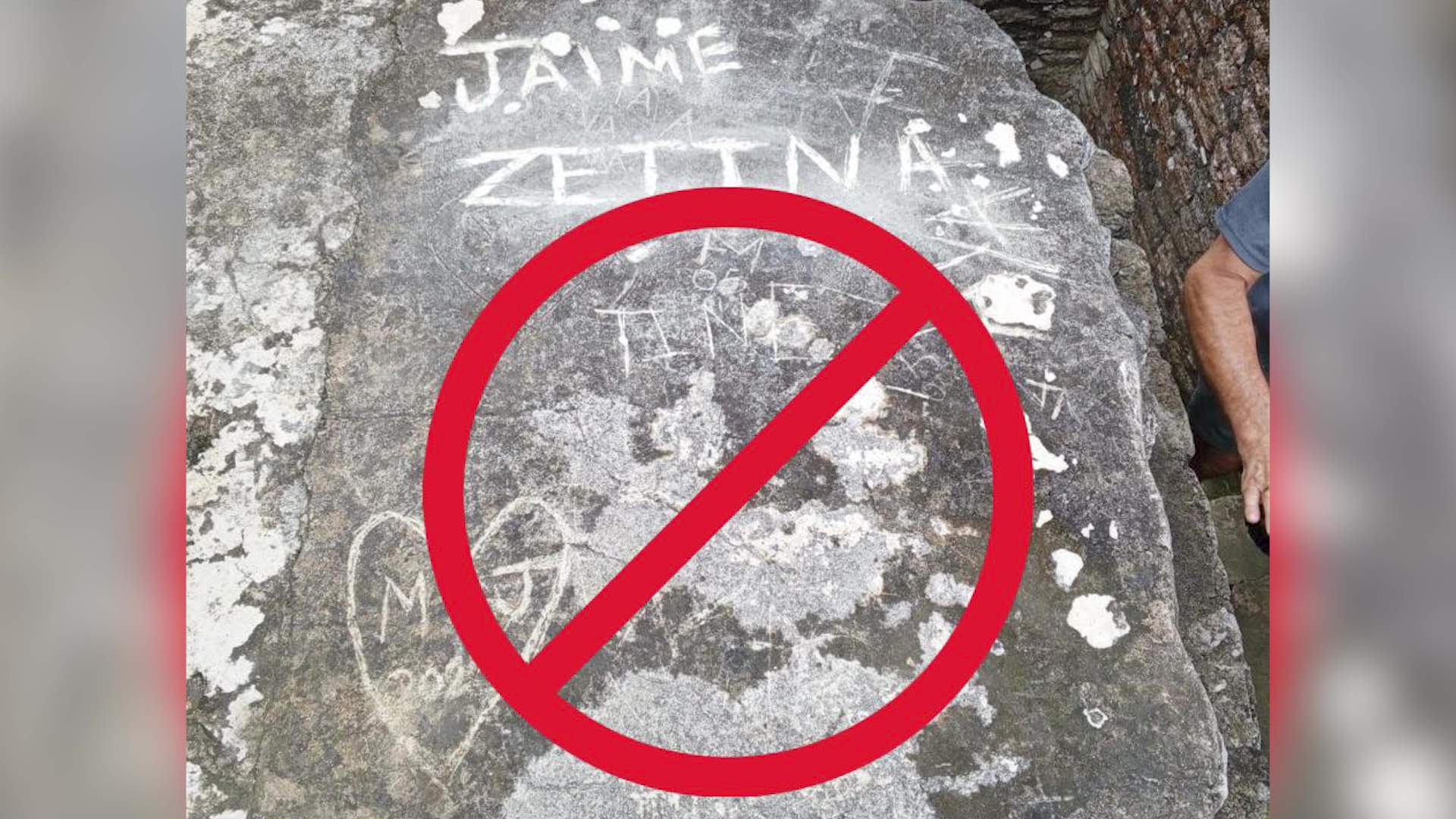
    Belizean archaeological authorities have issued a forceful response following the recent defacement of the ancient Maya city of Xunantunich by vandals. The Institute of Archaeology has reinforced that such acts of graffiti constitute not only profound disrespect but also carry severe legal consequences, including fines reaching $75,000 or potential imprisonment for up to five years.

    Dr. Melissa Badillo, Director of the Institute of Archaeology, expressed profound disappointment at the recurring incidents targeting the nation’s cultural treasures. She emphasized that these ancient structures represent irreplaceable portals to Belize’s historical legacy, with graffiti inflicting permanent damage to delicate carvings, architectural features, and artifacts.

    The Institute maintains ongoing educational outreach programs targeting schools, tour operators, local communities, and researchers to foster preservation awareness. However, the recent vandalism has prompted officials to issue a stark reminder about the illegal nature of such activities. Dr. Badillo noted that while the tourism industry presents certain challenges regarding site protection, all visitors—whether domestic or international—must exercise responsibility when accessing these sacred spaces.

    Authorities are seeking to identify the individuals responsible for the latest incident while calling for collaborative efforts from tour guides and visitors alike to prevent further damage to Belize’s cultural heritage sites.

  • Vandals Endanger Ancient Monuments in Belize

    Vandals Endanger Ancient Monuments in Belize

    Belize’s cultural guardians are confronting a devastating assault on the nation’s archaeological treasures as deliberate vandalism threatens ancient Maya monuments. Dr. Melissa Badillo, Director of the Institute of Archaeology, has issued an urgent plea for public responsibility amid escalating damage to these irreplaceable heritage sites.

    In a recent interview, Dr. Badillo expressed profound frustration and disappointment at the deliberate destruction of structures that have endured for millennia. The vandalism, primarily through graffiti and physical damage, represents both a cultural tragedy and an enforcement challenge for site rangers who struggle to monitor vast archaeological zones.

    While offenders face substantial financial penalties under existing legislation, practical enforcement remains problematic. The Institute is now considering unprecedented measures including temple closures, restricted access to vulnerable areas, and enhanced monitoring protocols. Electronic ticketing systems provide some forensic capability to identify visitors, but Dr. Badillo acknowledges that technological solutions alone cannot solve what is fundamentally a social problem.

    The emotional toll on preservationists is palpable. Dr. Badillo characterized the destruction as not merely illegal but spiritually devastating, noting that these monuments embody Belizean identity and connect present generations to ancient Maya civilization. She emphasized that while the artifacts themselves are priceless, their loss represents an incalculable diminishment of cultural heritage.

    Ultimately, the solution requires collective responsibility rather than merely increased enforcement. Both Belizean citizens and international visitors must recognize their role as stewards of these sacred spaces. The Institute’s message is clear: protecting these wonders for future generations transcends legal compliance and speaks to national pride and historical consciousness.