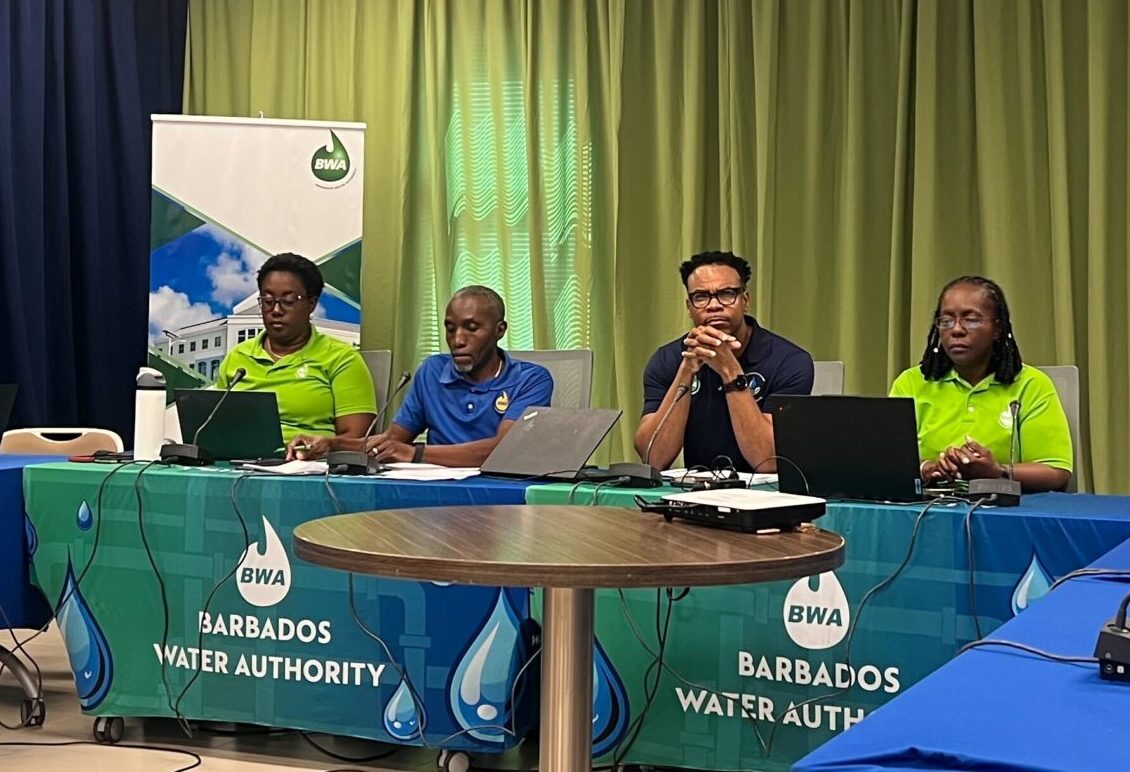
The Barbados Water Authority (BWA) has announced a comprehensive strategy to overhaul its aging water infrastructure, which has been in operation for over a century. Acting CEO Christopher Mapp revealed that much of the island’s water network is over 80 years old, resulting in frequent service and main breaks. Service breaks, affecting smaller pipes connecting to individual properties, occur 1,200 to 1,500 times monthly, while main breaks, impacting larger pipes and entire neighborhoods, happen 80 to 100 times each month. Mapp emphasized the BWA’s commitment to delivering quality service despite these challenges, stating, “A lot goes on in the background to ensure we meet our customers’ needs.” Improving communication with residents is a top priority, with plans to provide timely updates on outages and restoration efforts. Marketing Officer Yvette Harris highlighted the vast scale of the network, spanning 2,500 kilometers of mains and 50 facilities, including pumping stations and reservoirs, all operating around the clock. Director of Engineering Charles Leslie outlined the BWA’s long-term vision, including the recently completed Water and Wastewater Master Plan, which sets a 30-year roadmap for infrastructure improvements. Modernization efforts will leverage advanced technologies such as Geographic Information Systems (GIS) and Supervisory Control and Data Acquisition (SCADA) systems. GIS maps the entire water network, aiding in repair planning, while SCADA monitors the system in real time to detect issues before they affect customers. The BWA also aims to reduce non-revenue water losses from over 40% to 30% by 2030, reflecting a commitment to efficiency and reliability. Mapp stressed the importance of proactive maintenance and community engagement, stating, “We need to get out into the community, listen to their concerns, and demonstrate our ability to deliver reliable service.”
分类: society
-
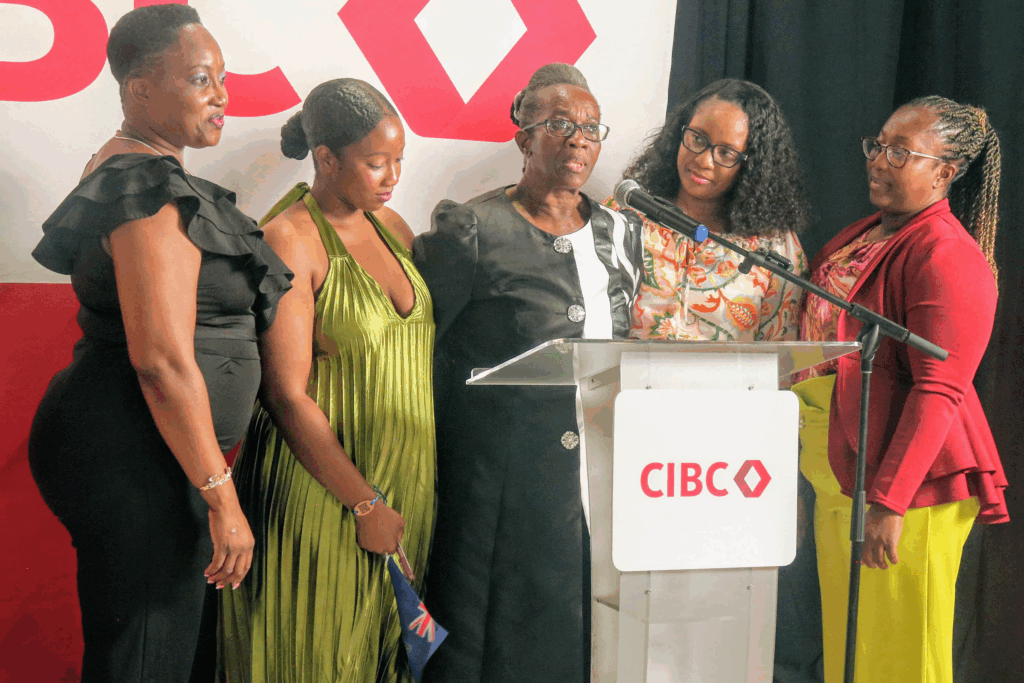
Smith takes home top Unsung Heroes award
The CIBC Caribbean Regional Unsung Heroes Awards Ceremony, held at Harrison’s Cave on Saturday night, celebrated three remarkable women for their profound yet often overlooked contributions to their communities. After a decade-long hiatus, the program was revived this year, spotlighting individuals whose acts of kindness and service exemplify the essence of Caribbean humanity. A distinguished regional panel, led by Senator Francis Lewis of Trinidad and Tobago, selected the winners from a pool of deserving nominees. Lucinda Smith from the British Virgin Islands emerged as the overall winner, recognized for her decades-long dedication to providing food, particularly for the terminally ill. Described as a ‘woman with a big heart,’ Smith’s philosophy of sharing what little one has has transformed countless lives, earning her the top prize of US$5,000. Venetta Zakers of St Kitts and Nevis, the second-place winner, received US$3,000 for her empowering initiatives, including youth mentorship and the Entrepreneurship Behind Bars program, which equips female inmates with business skills for life after prison. Joshuanette Francis of Antigua and Barbuda, the second runner-up, was awarded US$2,500 for her advocacy work through Good Humans 268, focusing on disability awareness, climate justice, and youth empowerment. Olivia Burnett, associate counsel of CIBC Caribbean, praised the winners and all nominees for their selflessness and service, emphasizing the foundation’s commitment to community transformation. Since its inception, the CIBC Caribbean ComTrust Foundation has invested over US$32 million in projects promoting health, education, and environmental sustainability across the Caribbean.
-
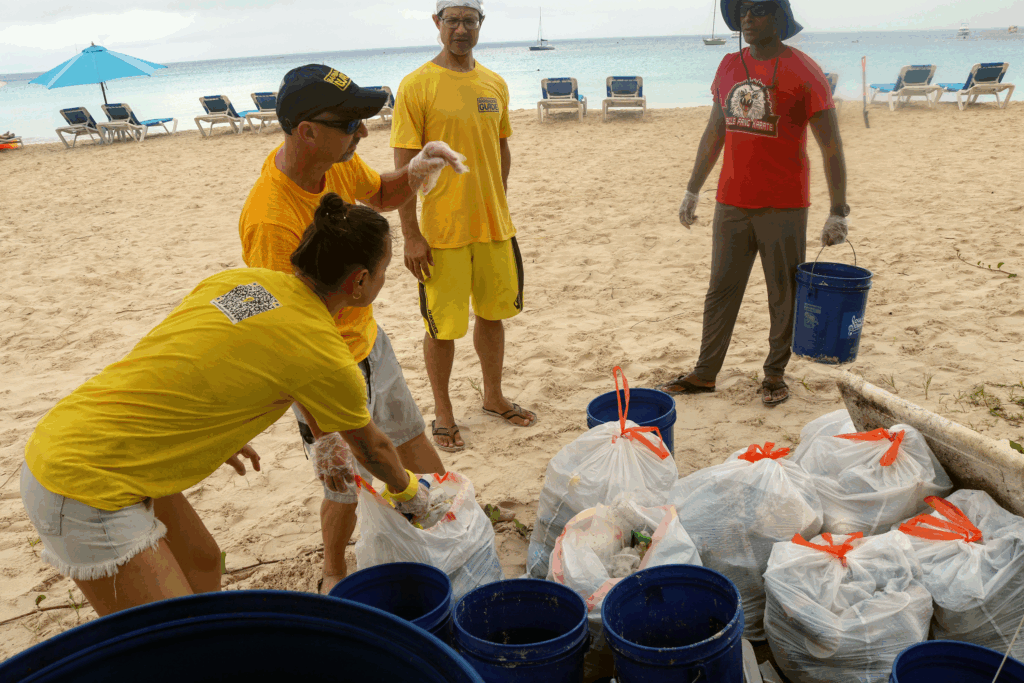
Barbados Guide wants a cleaner Barbados
A local company in Barbados is demonstrating that environmental stewardship starts with grassroots action. On Sunday morning, Barbados Guide, a prominent local search engine platform, orchestrated a volunteer-driven cleanup at Browne’s Beach, one of the island’s most frequented destinations. The initiative underscores the company’s dual commitment to supporting local businesses and safeguarding the environment. Since its inception two and a half years ago, Barbados Guide has organized four beach cleanups, each drawing volunteers from families and local organizations. Despite a smaller turnout this time due to unfavorable weather, the dedication of participants remained unwavering. Co-founder Daniel Sobers emphasized the initiative’s broader vision: ‘We aim to expand our efforts to other beaches, but Carlisle Bay continues to require attention due to persistent littering.’ Sobers highlighted the need for greater local involvement, urging residents to adopt responsible waste disposal practices. He also revealed plans to deploy smart waste bins equipped with scanning codes across Barbados, enabling real-time alerts for sanitation teams to address overflowing bins efficiently. Beyond environmental efforts, Sobers outlined the company’s mission to empower local businesses by enhancing their online presence through customized search engine solutions. Among the volunteers was Aneefa Ali, a teacher at Lockerbie College, who advocated for educational campaigns and stricter enforcement measures, including litter wardens and fines, to combat the issue at its root. For Sobers and his team, the initiative is about fostering a culture of environmental respect, one small act at a time.
-
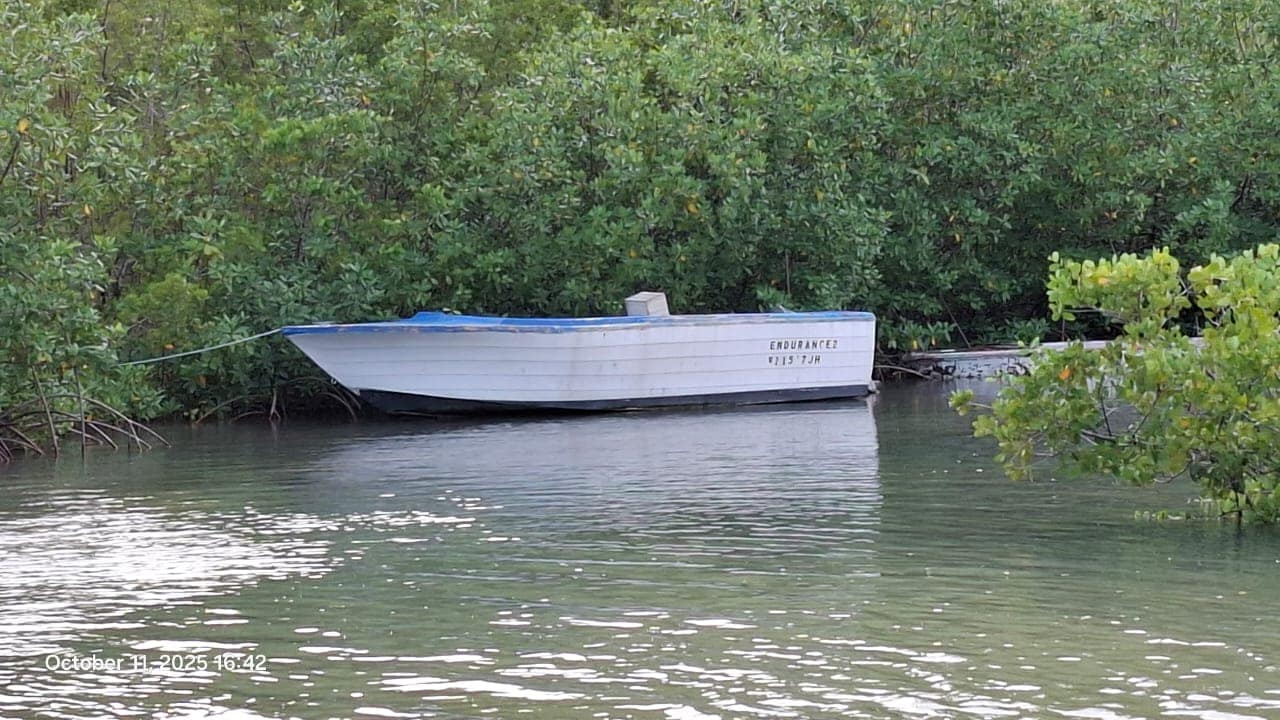
Missing Vessel “Endurance 2” Reported Lost After Leaving Jolly Harbour
Authorities in Antigua and Barbuda have initiated a large-scale search operation for the fishing vessel ‘Endurance 2,’ which went missing on Tuesday afternoon after departing from Mosquito Cove, Jolly Harbour. The vessel, an 18-foot white fibre-reinforced plastic pirogue powered by a single Yamaha 40-horsepower two-stroke outboard engine, is registered as V2-1597 JH. Chief Fisheries Officer Ian Horsford has confirmed that the Antigua and Barbuda Defence Force (ABDF) Coast Guard is spearheading the search efforts. In a public appeal, Horsford urged all fishers and mariners to assist in locating the missing vessel. Individuals with any information are encouraged to contact the authorities at (268) 462-3206, (268) 462-2841, or (268) 462-2843, or to report to the nearest police station. The community has been mobilized to aid in the search, highlighting the urgency and seriousness of the situation.
-
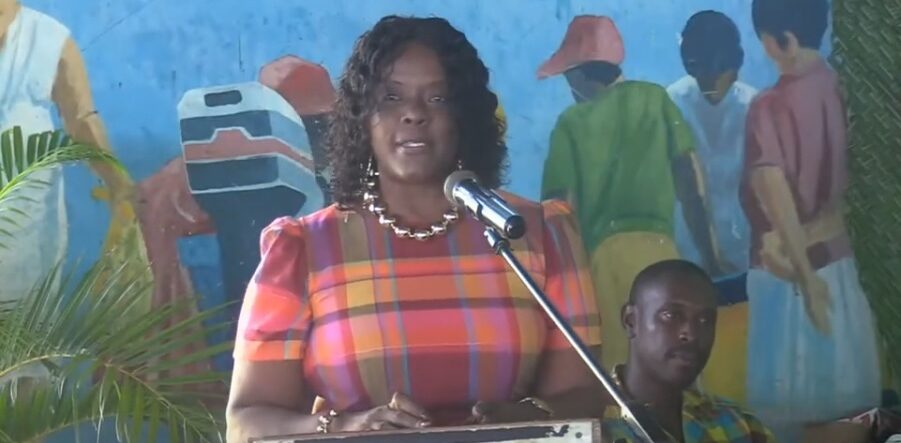
Culture Minister encourages public to eat more local foods
In a recent address at the ‘Market Day with a Difference’ event in Portsmouth, Dominica’s Minister for Culture, Gretta Roberts, passionately urged the public to embrace locally grown produce. The event, which celebrates and promotes indigenous products, serves as a platform to reinforce national pride in Dominican agriculture and culinary heritage. Roberts emphasized the importance of supporting local farmers and vendors, who play a pivotal role in ensuring a steady supply of safe and nutritious food across the island. She highlighted the dual benefits of such practices: combating non-communicable diseases and enhancing community health outcomes. ‘By eating what we grow and growing what we eat, we can collectively address health challenges and foster a sustainable future,’ she stated. Roberts also called on existing farmers to diversify their crops and encouraged the younger generation to consider agriculture as a viable and rewarding investment. The annual event, she noted, continues to inspire both producers and consumers to prioritize local goods, strengthening the nation’s agricultural sector and cultural identity.
-
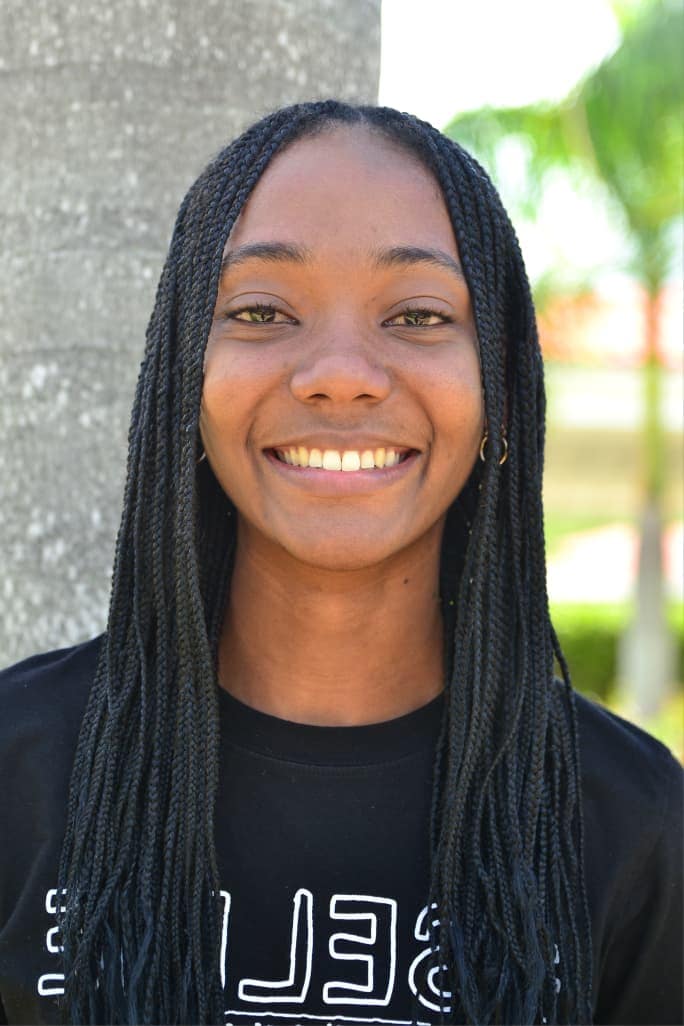
UWI Five Islands Students Launch Campus Newsletter to Amplify Student Voices
The Frigate Post, a dynamic publication at the University of the West Indies Five Islands Campus (UWI FIC), has become a cornerstone of campus life, celebrating student creativity, achievements, and community spirit. Conceived as a platform to foster connection and storytelling, the publication aims to reflect the diverse talents and experiences of its student body.
‘Our mission was straightforward: to unite the campus through compelling narratives while showcasing the ingenuity and accomplishments of our students,’ explained the editorial committee. ‘We envisioned a space that was both entertaining and enlightening, where every student could find a piece of their own journey.’
Each edition of The Frigate Post is meticulously crafted by a dedicated team of student volunteers who invest countless hours to ensure the content is accurate, high-quality, and innovative. Beyond its serious features, the publication also includes lighthearted elements such as the ‘Joke of the Day,’ capturing the lively and spirited atmosphere of UWI FIC.
‘We take immense pride in the progress we’ve made and are eager to continue evolving,’ the committee shared. ‘Every issue is a snapshot of our campus’s unique story, and we’re thrilled to see where the future takes us.’
The Frigate Post is now accessible online and actively encourages submissions from all UWI FIC students, inviting them to contribute their voices and perspectives to this growing campus legacy.
-
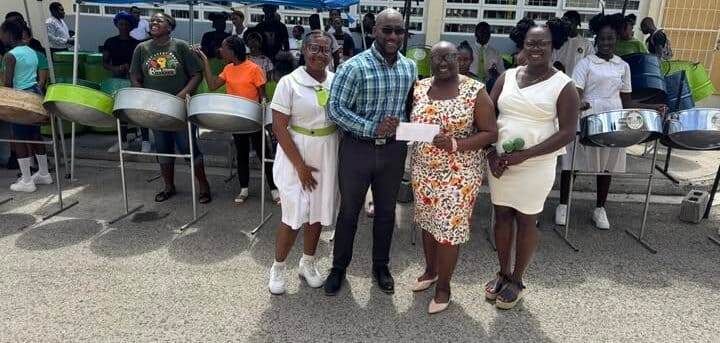
Senator Lamin Newton Supports Irene B. Williams Students Ahead of Panorama
Senator Lamin Newton has stepped forward to support students from the Irene B. Williams Secondary School by funding their uniforms for the upcoming Schools Panorama competition. In a heartfelt statement, Newton emphasized his unwavering dedication to youth development, stating that he was “called upon to assist” and acted “without hesitation.” He highlighted the importance of nurturing young minds, saying, “We must always be willing to assist our youth, inspire them, and provide the necessary guidance required to make them model citizens.” Newton also extended his best wishes to the students, invoking “God’s continued guidance” for their success in the competition. The annual Panorama event, a celebrated platform for young steelpan musicians across Antigua and Barbuda, is set to bring together talent from various schools, fostering cultural expression and community spirit.
-
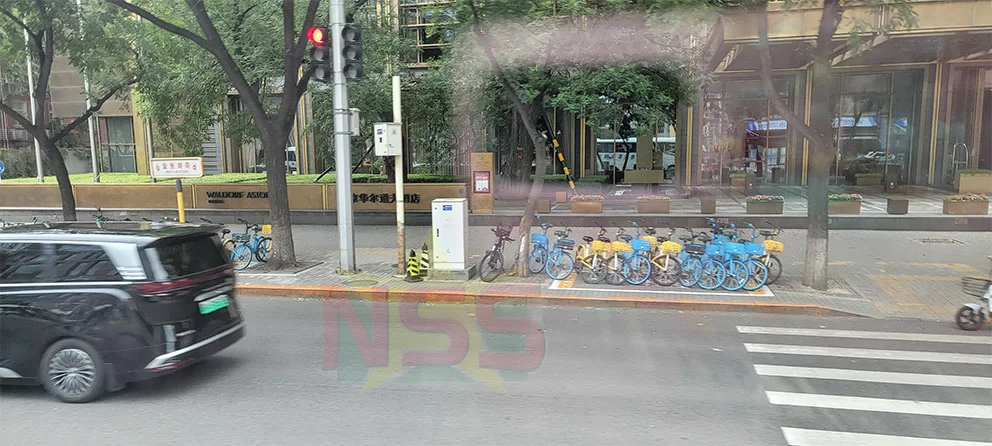
Divali ver van huis: Licht en hoop in een vreemde stad
This Diwali, I found myself thousands of miles away from home, celebrating alone in Beijing. Despite the physical distance, the warmth of the festival and the connections with friends and colleagues from Bangladesh, India, Afghanistan, Pakistan, and Sri Lanka made the day special. Although my plans for the festival were disrupted by a busy schedule, I embraced the solitude and reflected on the lives of those who face unimaginable hardships. Sending Diwali blessings to friends like Tanzil, Vignesh, Mahdi, Danish, and Sumudu, I hoped for brighter days ahead for them. The festival fell a day earlier in Beijing due to the time difference, but the spirit of Diwali transcended borders. My colleague Marlon and I ventured out to explore the city, braving the cold autumn weather. We indulged in shopping for warm clothes and discovered affordable deals in the bustling malls. In the afternoon, we opted for a traditional Chinese massage, choosing to cycle through Beijing’s streets. The city, once known as the ‘bicycle capital of the world,’ has seen a resurgence in cycling culture, driven by sustainability and efforts to reduce pollution. Despite the chaotic traffic, we navigated the streets with ease, using shared bikes unlocked via a mobile app. A mishap with my phone mid-ride reminded me of its indispensability in daily life here. After the massage, we cycled back through the chilly evening, marveling at the city’s vibrant lights. As the thousands of lights of Beijing continued to shine, I realized that light and hope are universal, even when far from home.
-
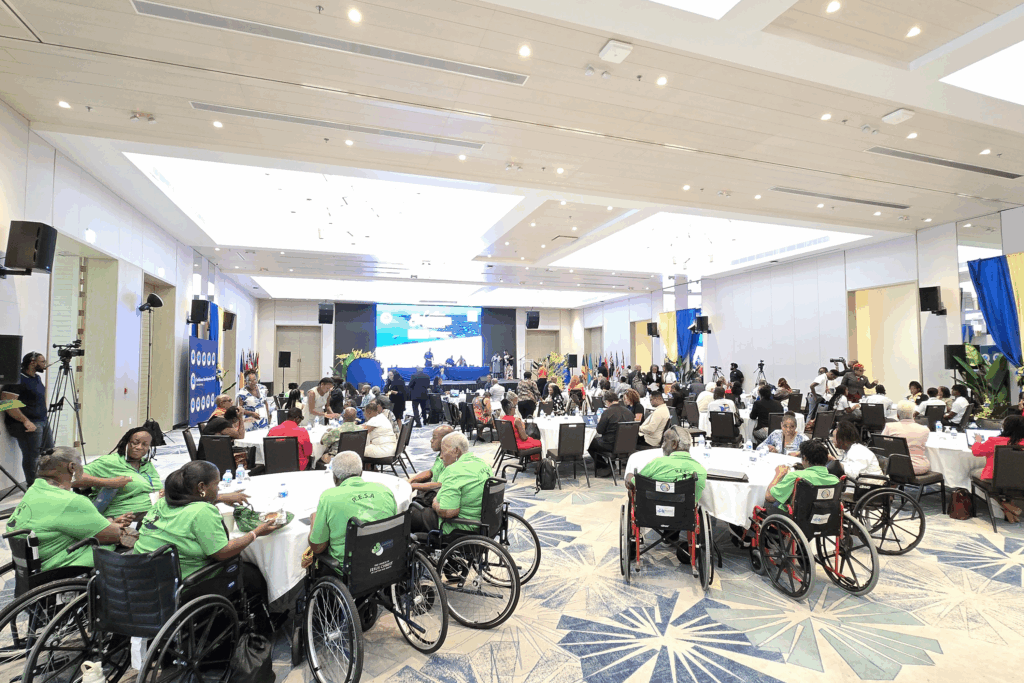
Mobility boost: Govt to expand wheelchair-accessible transport fleet
Barbados is taking significant strides to improve transportation accessibility for its citizens with disabilities. The government has announced plans to expand its fleet of wheelchair-accessible buses, with the first two vehicles expected to arrive by the end of 2025. This initiative, revealed by Permanent Secretary of the Ministry of People Empowerment and Elder Affairs, Mark Franklin, during the Caribbean Disability Conference, underscores the administration’s commitment to addressing the mobility challenges faced by disabled individuals. Franklin emphasized that transportation remains a critical priority, particularly for schoolchildren and others who rely on specialized services. The National Disabilities Unit (NDU), which currently operates five vehicles—only two of which are fully wheelchair-accessible—will receive new buses equipped with durable lifts designed for daily use. Wayne Nurse, Director of the NDU, confirmed that the new vehicles will accommodate eight to 12 passengers, including wheelchair users, and will be capable of navigating smaller residential areas. The initiative is part of the government’s broader 2023–2030 National Policy for Persons with Disabilities and aligns with recent rights-based legislation aimed at fostering inclusion and accessibility. Franklin highlighted that breaking barriers requires more than policy—it demands empathy, tangible support, and a commitment to ensuring that all citizens, regardless of ability, have equal opportunities to participate in society.
-
World Bank Mission to Grenada to advance Skills and Innovation Project
The World Bank is set to undertake a pivotal Implementation Support Mission in Grenada from October 23 to 24, 2025, as part of the Organisation of Eastern Caribbean States (OECS) Skills and Innovation Project (SKIP). This mission aims to evaluate the progress of ongoing initiatives and reinforce the execution of strategies to achieve key milestones. The agenda includes a comprehensive review of primary activities, discussions on the annual action plan and budget, and an examination of cross-cutting themes such as procurement, financial management, and environmental and social considerations. The first day will feature site visits to two beneficiary institutions—the New Life Organisation (NEWLO) and the T A Marryshow Community College (TAMCC)—to assess training environments and interact with faculty and students. The second day will focus on the Annual Action Plan and Budget for 2026, alongside sessions on procurement, financial management, and stakeholder engagement at the Grenada Investment and Development Corporation (GIDC) compound. The mission will also delve into Component 2 of the project, which emphasizes strengthening post-secondary institutions to deliver priority skills and foster innovation. Senior officials from Grenada’s Ministry of Education, led by the Permanent Secretary, will participate, alongside representatives from various ministries and the GIDC. The World Bank team, headed by Senior Economist Victoria Levin, will provide technical support for project management and monitoring. The OECS SKIP initiative underscores a collective commitment to enhancing post-secondary education and equipping the region’s youth with essential technical, entrepreneurial, and innovation skills, thereby fostering inclusive growth and creating opportunities for employment and lifelong learning.